Budapest travel guide 2026: everything you need to plan your trip

What do I need to know before visiting Budapest for the first time?
Budapest is a Schengen destination, currency is HUF (not euros), and 3–4 days is the ideal first-visit length. Shoulder season (April–May, September–October) offers the best weather and prices. Use Bolt for taxis, BKK travelcards for metro/tram/bus, and book thermal bath tickets online to skip queues. Avoid Váci utca restaurants and unlicensed taxis at Keleti station.
Why Budapest is still one of Europe’s best city breaks
Budapest rewards almost every type of traveller. History buffs find nearly two millennia of layered civilisation — Roman Aquincum, Ottoman baths, Habsburg grandeur, Cold War scars, and a contemporary culture that uses all of it with casual confidence. Bath lovers arrive for thermal soaks and leave planning a return trip. Foodies explore a culinary scene that has shed its old reputation for heavy stews and now offers outstanding Hungarian regional cooking alongside everything else. Groups come for the ruin bars and stay for the substance.
The city divides cleanly along the Danube: Buda is hilly, forested and historic — the Castle District crowns the western bank with a UNESCO-listed skyline. Pest is flat, dense and alive — the Jewish Quarter, the ruin bars, the grand boulevards and the restaurants are all here. Understanding that division helps you plan the right days for each side.
This is the hub guide for all Budapest trip planning. Use it as a starting point and follow the links to deeper guides for each topic.
| Currency | Hungarian forint (HUF), not euros |
| Ideal first visit | 3–4 days |
| Best season | April–May or September–October |
| Getting around | BKK metro/tram/bus + Bolt for taxis |
| Main risk to know | Street taxis and the konzumlány bar scam |
When to visit Budapest
Spring (April–May): the sweet spot
Mild temperatures (15–22°C), blossoming city parks, the Vörösmarty tér market beginning its season, and manageable crowds. April and May offer good hotel prices (outside Easter), reliable weather and a local city that has not yet gone into tourist-management mode. This is the best season for cycling along the Danube, exploring the Castle District on foot, and enjoying outdoor café culture without competing with summer crowds.
Summer (June–August): hot and lively
Peak season. Temperatures reach 30–35°C regularly; humidity is significant. The city is packed with tourists — expect queues at Széchenyi baths, the Parliament and Fisherman’s Bastion. But summer also brings outdoor concerts, rooftop bars in full swing, and the Sziget Festival in mid-August — one of Europe’s largest music events, held on Óbuda Island in the Danube. If the summer energy appeals, book accommodation 3+ months ahead and expect 30–40% higher prices than shoulder season.
Autumn (September–October): another sweet spot
The equal of spring in most respects and arguably superior for food: September brings grape harvest (szüret) events and new wine in bars across the city. The light is golden, the summer crowds thin, and the Gellért Hill and City Park forests turn spectacular colours in October. Average temperatures of 12–20°C make walking comfortable throughout the day.
Winter (November–March): thermal bath season
The Christmas markets at Vörösmarty tér (one of Europe’s best) and at St Stephen’s Basilica run from mid-November to January 1. New Year’s Eve brings fireworks over the Danube and a busy bar scene. The off-season means lower hotel prices (outside Christmas week), shorter queues at museums and baths, and the unique experience of soaking in Széchenyi’s outdoor pools while the air temperature is below zero — steam rising, your head cold, the water 38°C.
For a month-by-month weather and events guide, use the best time to visit Budapest tool.
How many days to plan
- 1–2 days: Sightseeing sprint — Castle District, Parliament, a bath, one evening out. Rushed but possible.
- 3 days: The right length for a first visit — cover the main sights, eat well, one bath, one night out. The 3-day Budapest overview maps this exactly.
- 4–5 days: Add a day trip and a more relaxed pace. Danube Bend, Gödöllő Palace, or Lake Balaton.
- 7+ days: In-depth Budapest plus 1–2 major day trips. Wine region (Eger, Tokaj), multi-day Balaton stay, or adding Vienna and Bratislava to the itinerary.
For a detailed analysis of what each duration actually covers, see how many days in Budapest.
Getting to Budapest
By air: BUD (Liszt Ferenc International Airport) is well-served by Wizz Air, Ryanair, easyJet, British Airways, Lufthansa, KLM and others from across Europe. Flight time from London is 2–2.5 hours; from Frankfurt 1.5 hours.
By train: The ÖBB Railjet from Vienna takes 2 hours 40 minutes. Night trains connect Paris, Frankfurt and other Western European cities. See getting to Budapest for the full rundown.
Arriving at BUD airport: Bus 100E (2,500 HUF, 35–40 min to Deák tér) is cheapest. For ease with luggage, use Bolt (7,000–11,000 HUF) or a pre-booked private airport transfer. Never accept transfers from people who approach you in the arrivals hall. Full details at Budapest airport to city centre.
Getting around the city
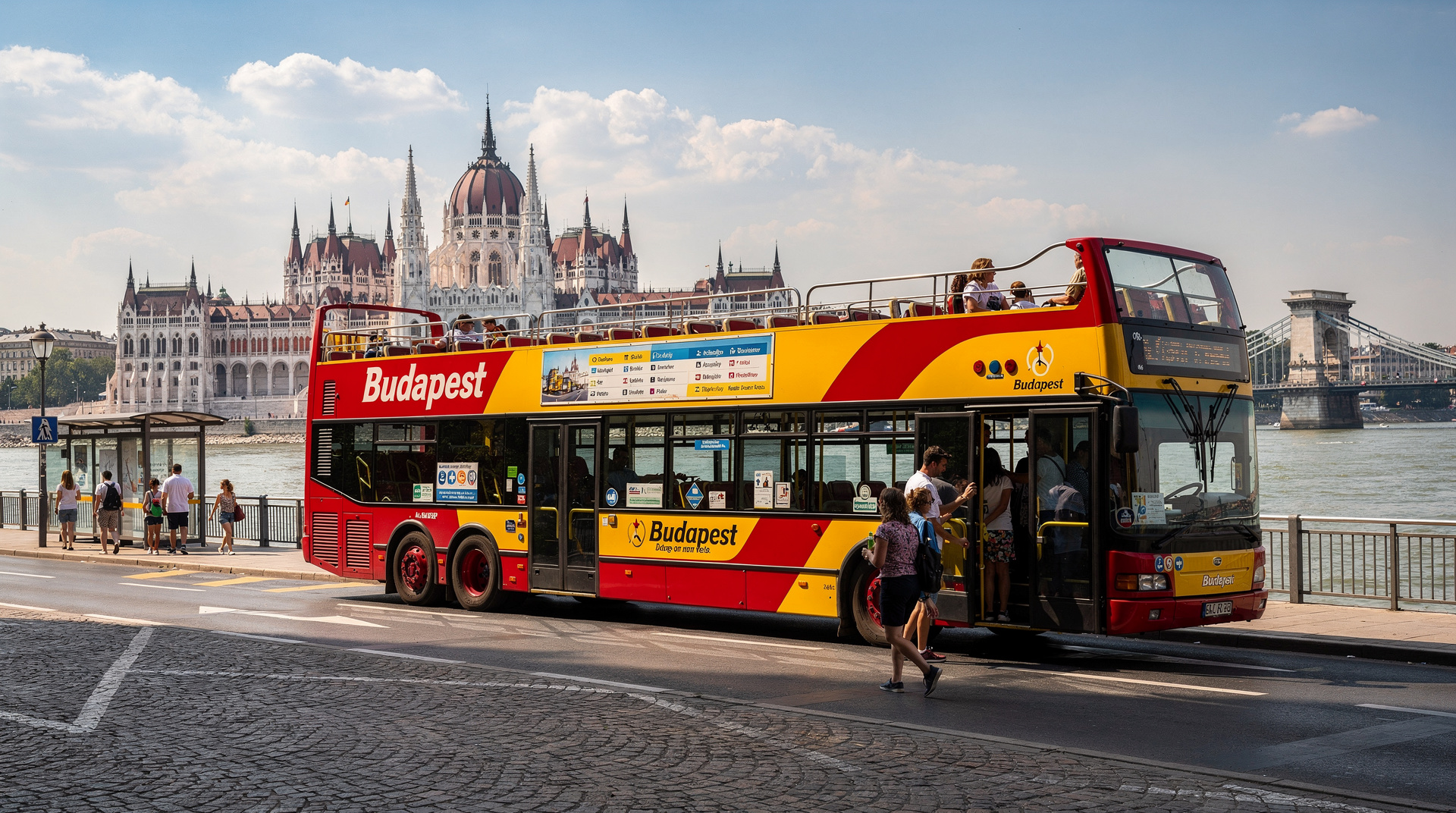
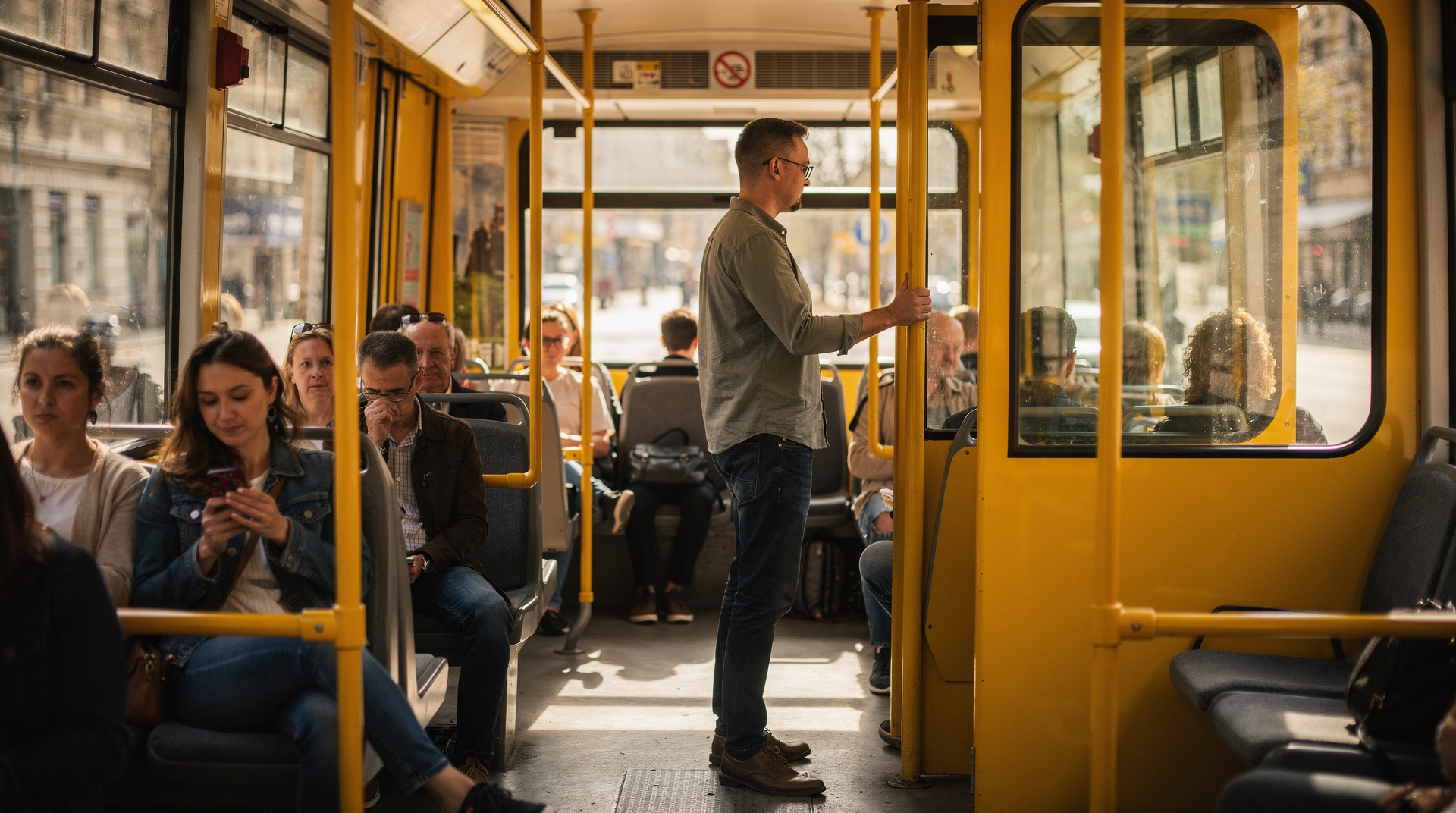
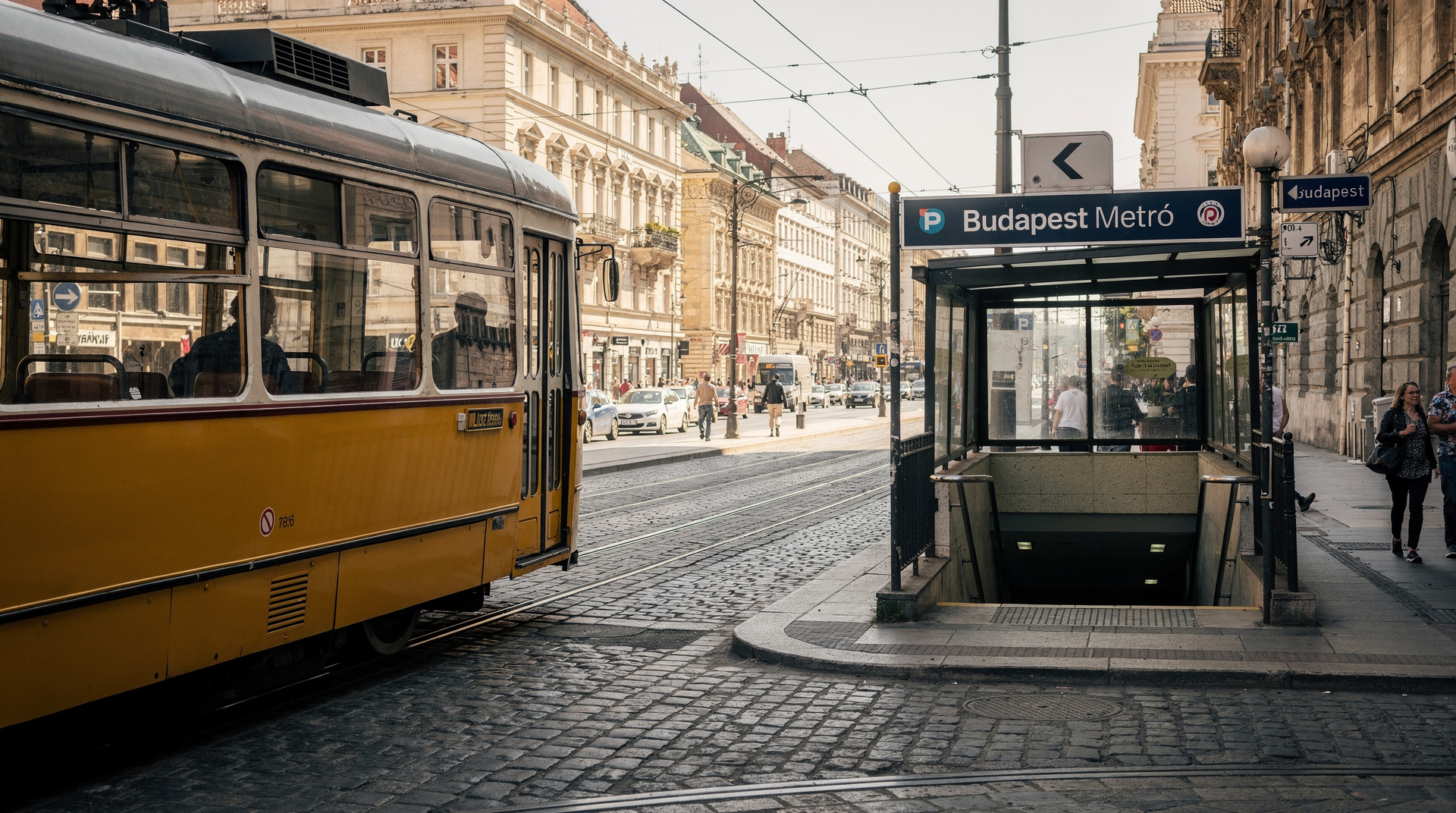
Budapest’s BKK network (metro M1–M4, trams, buses) covers every tourist area. A 72-hour travelcard (5,750 HUF) is the most convenient option for 3-day visits.
For taxis: use Bolt. The app shows the fare before you confirm; licensed taxis are available from the official rank. Unlicensed drivers concentrate at Keleti station and BUD airport — never get in a car whose driver approaches you. See taxis and Bolt in Budapest for the scam details and how to avoid them.
For the full transport picture: getting around Budapest, the metro guide, BKK travel passes.
The essential sightseeing list
Buda side:
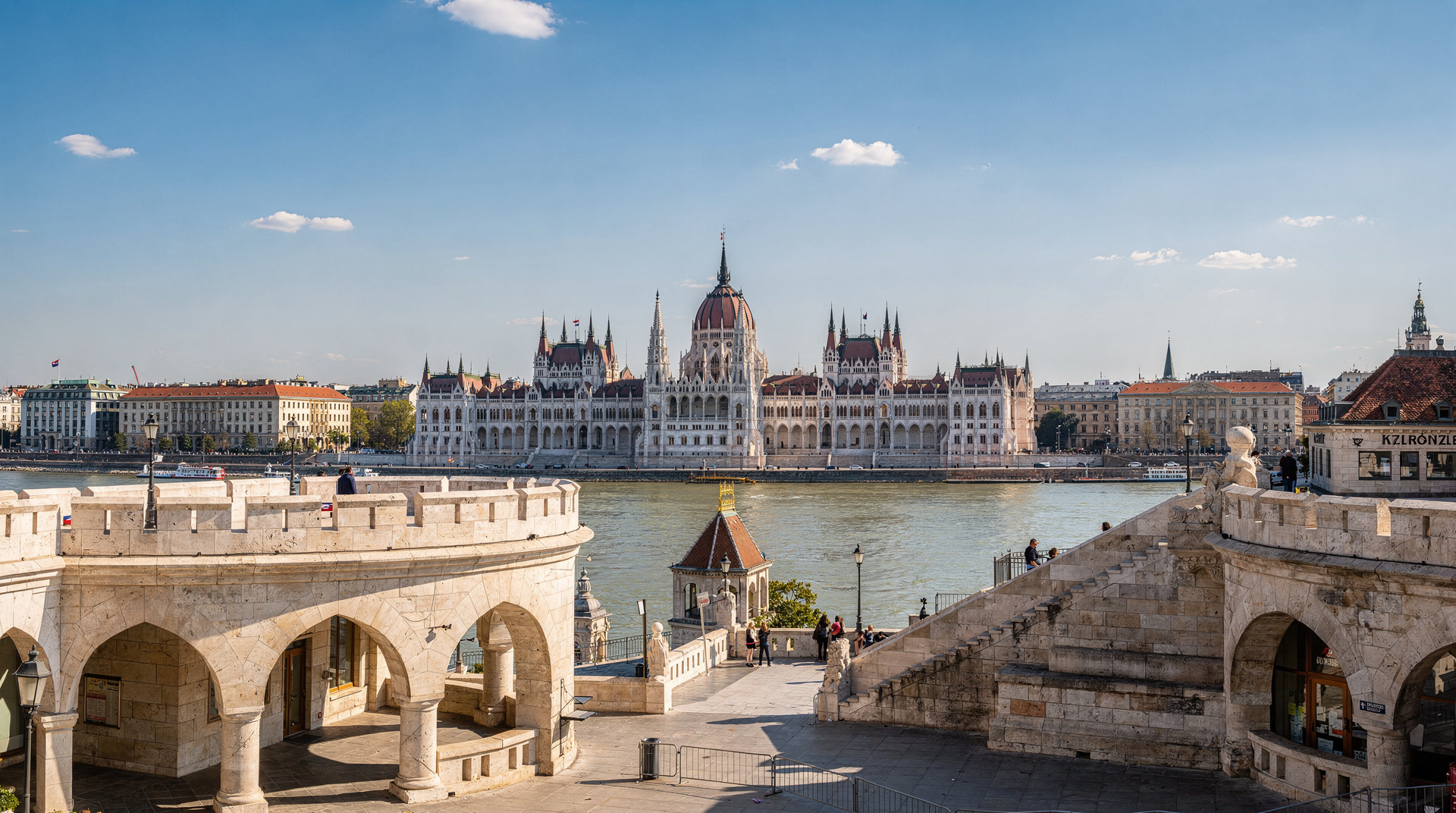
- Castle District — Fisherman’s Bastion, Matthias Church, Royal Palace, cobbled streets
- Gellért Hill — panoramic city views, Liberation Monument, Citadella
- Chain Bridge — the iconic first permanent bridge over the Danube
Pest side:
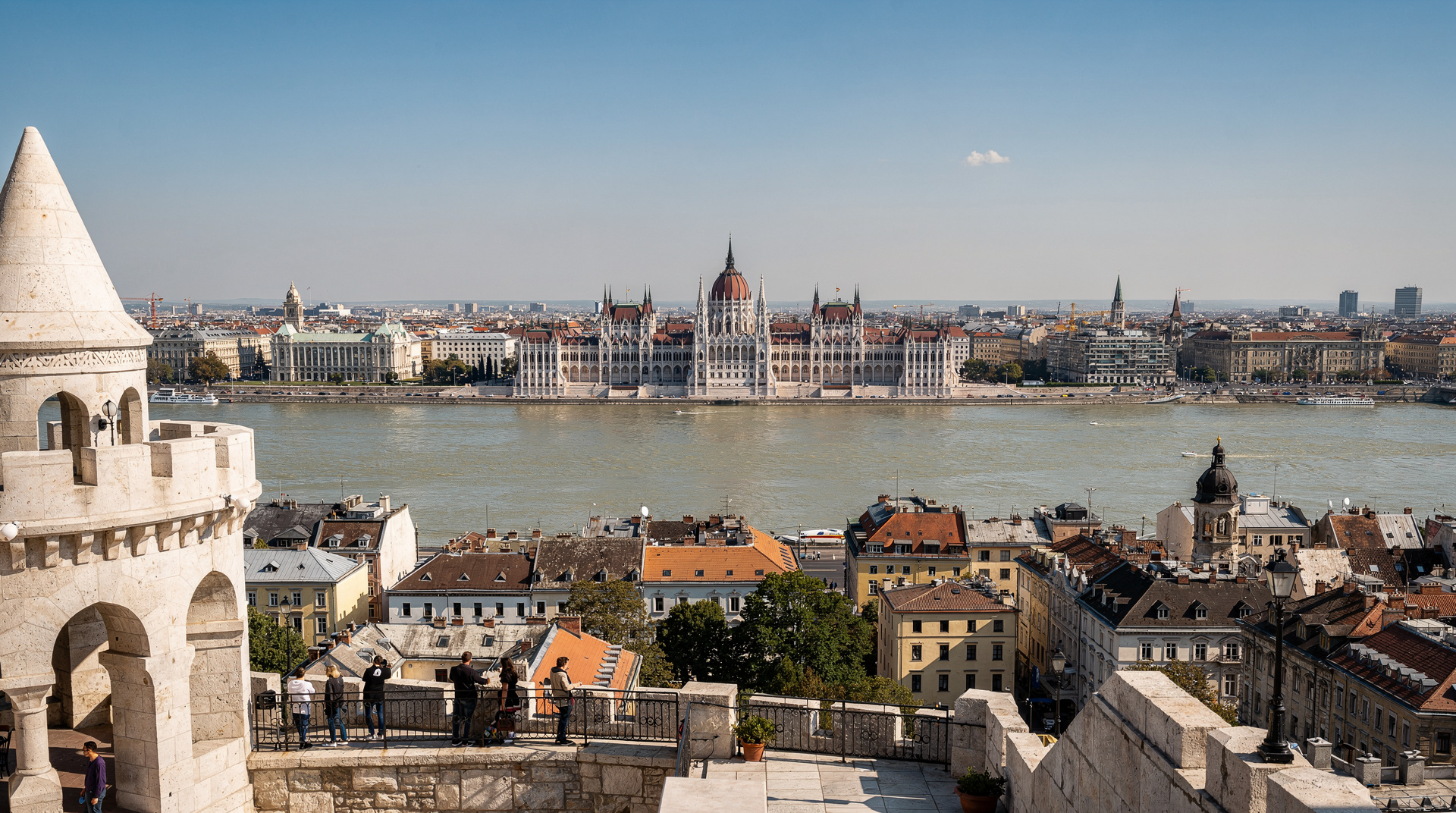
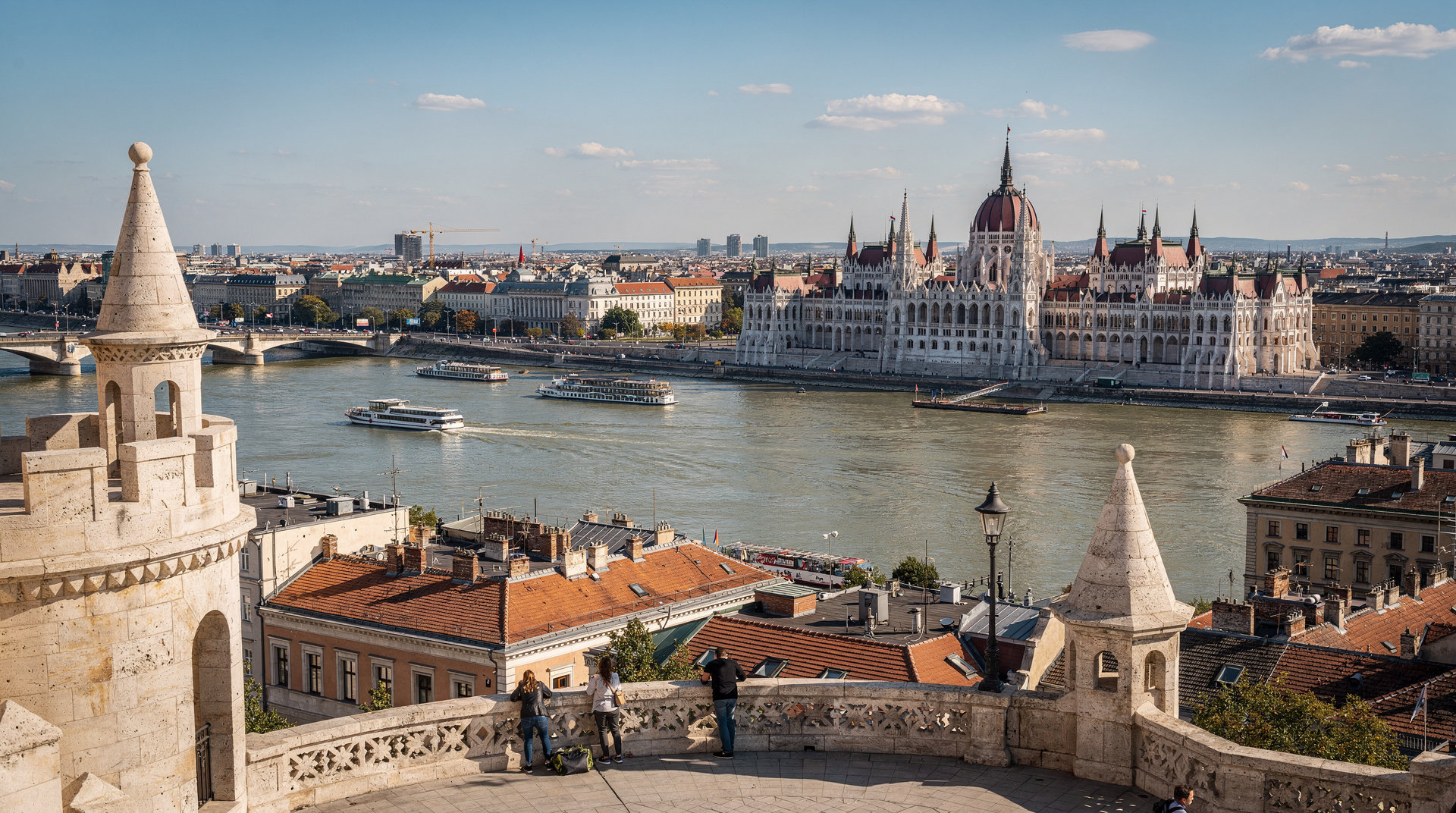
- Hungarian Parliament — one of the largest parliament buildings in the world; interior tours available
- St Stephen’s Basilica — crown jewel viewing, rooftop terrace, classical concerts
- Jewish Quarter — Dohány Street Synagogue (Europe’s largest), memorial tree, ruin bars
- Great Market Hall — produce, lángos, embroidery, the food hall Budapest deserves
- Heroes’ Square and City Park — Millennium Monument, Vajdahunyad Castle, Széchenyi baths
For the top sights guide, see top attractions in Budapest.
Thermal baths: the Budapest highlight
Budapest sits on 123 natural thermal springs. The baths are not a tourist gimmick — locals use them for health, socialising and recovery. The main baths every visitor should know:
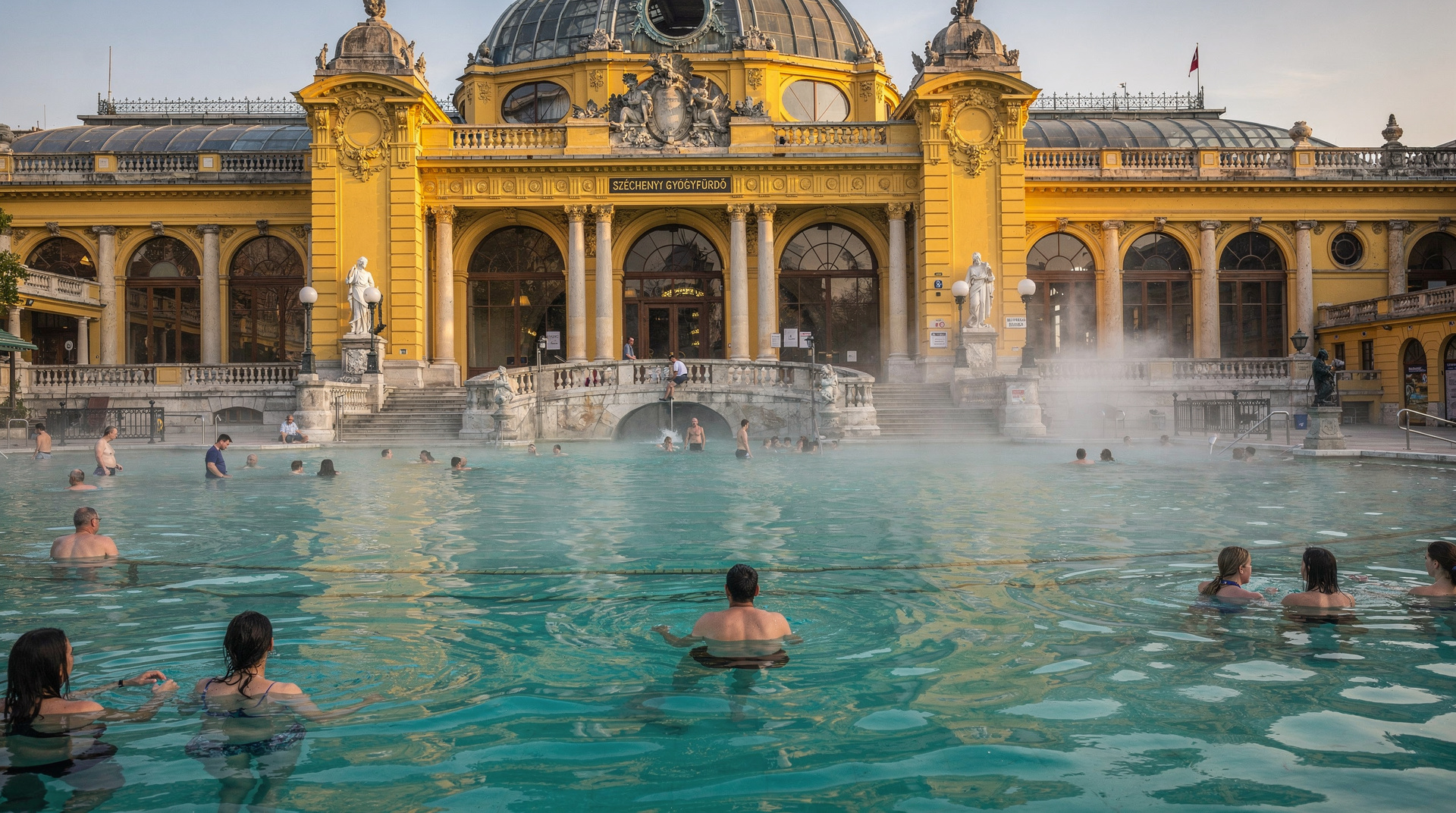
Széchenyi: The most iconic — outdoor pools, grand yellow pavilions, chess players in the water. Perfect for first-timers. See Széchenyi baths guide.
Gellért: Art Nouveau grandeur on the Buda bank; the ornate indoor pools are architectural showpieces. Check current status before visiting — there have been reports of possible renovation works (date unconfirmed). See Gellért baths guide.
Rudas: A 16th-century Turkish bath under a genuine Ottoman dome. The most atmospheric of all Budapest’s baths. Rudas guide.
Lukács: The quietest, most local-feeling bath in the city — District II, small, friendly. Lukács guide.
For the full comparison, see best thermal baths in Budapest.
Food and drink: what to eat and where
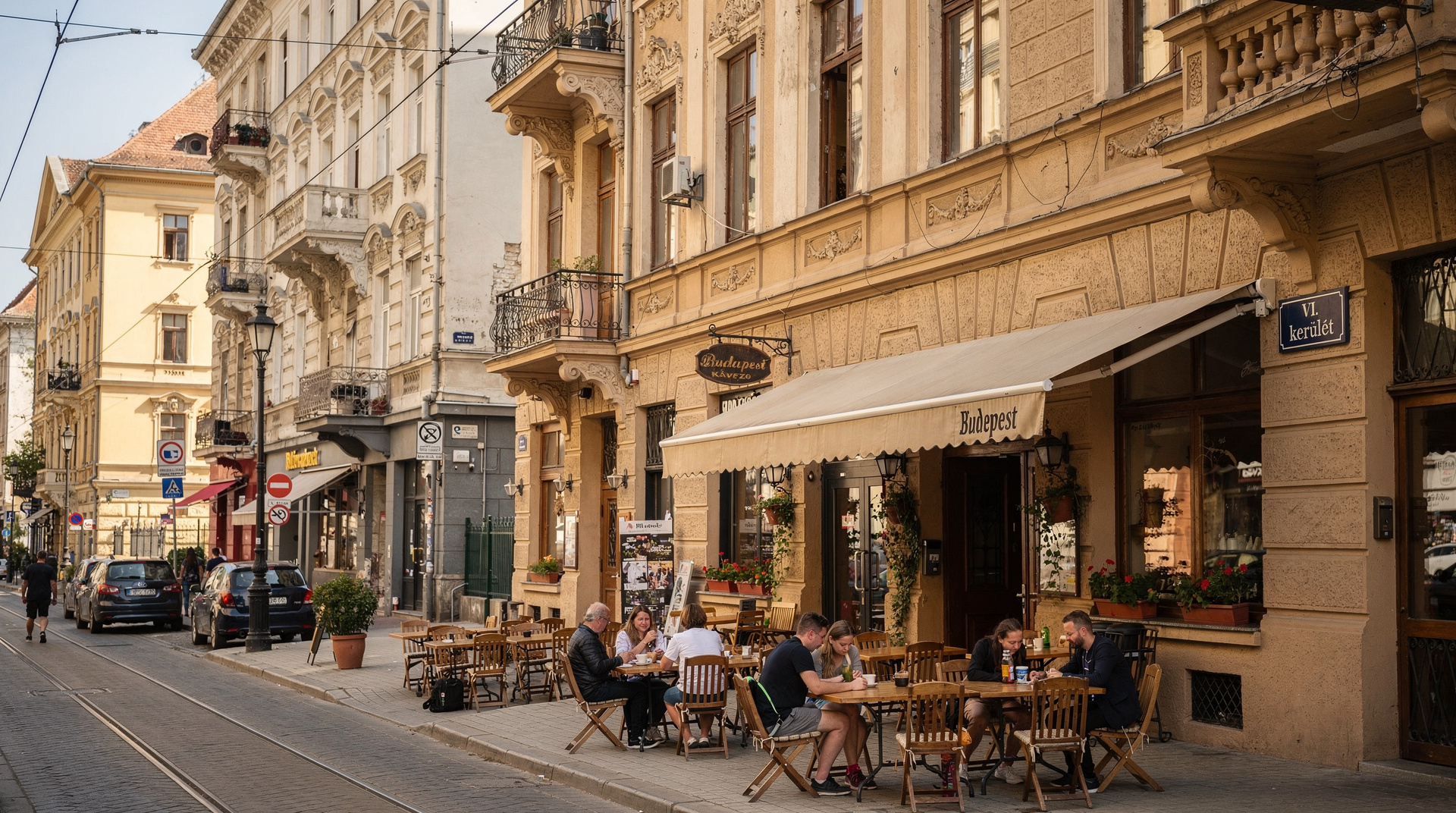
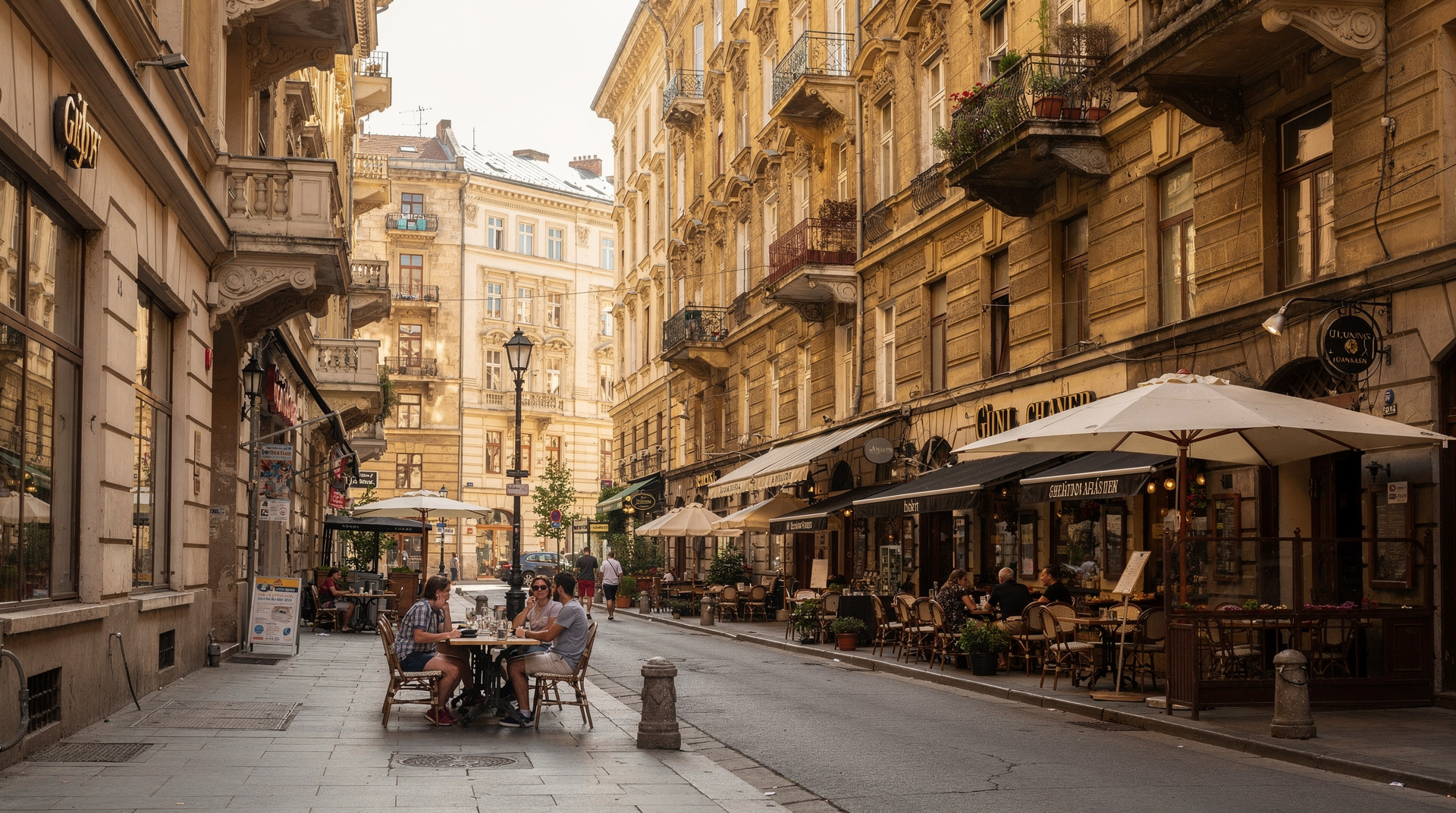
Budapest’s food scene has evolved far beyond gulyás (though the stew is excellent in the right place). The Great Market Hall is the place for lángos (deep-fried dough with sour cream and cheese), fresh paprika and salami. Rugelach and traditional Jewish baking at Fröhlich on Dob utca. Strudel at Café Gerbeaud on Vörösmarty tér. Contemporary Hungarian at Babel Budapest (Michelin-starred) or Borkonyha for wine-paired Hungarian.
Honest advice: avoid restaurants along the central stretch of Váci utca — they charge tourist prices for mediocre food. Walk one block away for the same dishes at half the price. The honest restaurant guide is at best restaurants in Budapest.
Traditional dishes to try: gulyás (goulash), halászlé (fisherman’s soup), pörkölt (paprika stew), töltött káposzta (stuffed cabbage), kürtőskalács (chimney cake) and lángos. Hungarian wine is excellent and underrated — see Hungarian wine guide.
Nightlife: ruin bars and beyond
The ruin bar scene of Budapest’s District VII (the former Jewish Quarter) is the city’s most famous nightlife export. Szimpla Kert on Kazinczy utca is the original and still excellent; Instant–Fogas is the biggest multi-room club; Anker’t is calmer and conversation-friendly.
Pub crawls are popular and well-organised; see pub crawls Budapest. For the Sparty (spa party at Széchenyi — pool party with DJs from 22:00 to 04:00), see Sparty guide.
Honest warning: the “friendly girl” scam operates in and around District VII — a person befriends you, suggests a bar, and the bill arrives at 100× normal prices. Stick to well-reviewed venues and always check the price of drinks before ordering. Full details at ruin bar rip-offs.
Budgets and costs
Budapest is significantly cheaper than Western European capitals but prices have risen noticeably since 2022. Realistic 2026 daily budgets:
- Backpacker: €30–50/day — hostel dorm (€20–30), street food and market eating, public transport pass
- Mid-range couple: €100–160/day combined — 3-star hotel (€80–120), two sit-down meals, entrance fees, transport
- Comfortable: €160–250/day combined — 4-star hotel, fine dining, thermal baths, tours
- Luxury: €250+/day — 5-star hotel, Michelin dining, private guides, spa
For the full cost breakdown including accommodation price ranges by neighbourhood, see Budapest trip cost. For budget-specific advice, see is Budapest expensive?.
Use the currency converter for current HUF/EUR/USD rates before you plan.
Key tools and planning resources
This site has six interactive tools built for Budapest trip planning:
- Budapest Card calculator — check if the card saves you money
- Currency converter — live HUF/EUR/USD/GBP rates
- Best time to visit — month-by-month weather, crowds and events
- Thermal bath finder — quiz to match you with the right bath
- Budget calculator — daily spend by profile
- Packing list — by season and trip type
Scams and honest warnings
Budapest is safe but has specific tourist-targeted situations worth knowing before you arrive:
- Unlicensed taxis at Keleti station and BUD airport — use Bolt
- The friendly girl scam — a person befriends you and leads you to a bar that charges €200 for drinks
- Váci utca restaurants — overpriced tourist traps; walk one block off
- Bath ticket resellers — people outside Széchenyi selling “discounted” tickets — buy at the desk or online
- Euronet ATMs — high fees; use bank-branded ATMs (OTP, Raiffeisen, K&H) instead
Full details: common scams in Budapest, Budapest tourist traps, is Budapest safe?.
Day trips worth making
The Danube Bend north of Budapest is one of Central Europe’s finest landscapes. Szentendre (art galleries, Serbian Orthodox churches, kürtőskalács) is 45 minutes by HÉV. Visegrád (medieval castle, river panoramas) adds 30 minutes. Esztergom (Hungary’s largest cathedral) is the end of the bend. A full-day Danube Bend trip is one of the best value experiences in the Budapest region. See Danube Bend day trip.
Lake Balaton is 1.5 hours by train — Hungary’s inland sea, good for a summer swim day. Gödöllő Palace (40 min by HÉV) is quick and rewarding. Eger for red wine (Egri Bikavér / Bull’s Blood) and baroque architecture requires a full day. Bratislava is 2 hours by bus — a convenient add-on for Slovakia.
Full-day Danube Bend tour: Szentendre, Visegrád and EsztergomTravelling with kids
Budapest works well as a family destination. The thermal baths with slides and shallower pools, Margaret Island’s open lawns and musical fountain, and the Budapest Zoo all give children genuine things to do rather than tagging along on adult sightseeing. Some restaurants and museums are more child-friendly than others — check ahead for high chairs, stroller access and quieter timing. See Budapest with kids and baths with kids for the dedicated planning guides.
Travelling solo
Budapest suits solo travellers well. Hostels in District VII are social by design, pub crawls and free walking tours are built around solo joiners, and the compact BKK network makes independent exploration easy without a car or guide. The city feels comfortable to walk alone by day, and with the usual precautions (Bolt over street taxis, awareness of the konzumlány approach) by night too. See solo travel in Budapest for the full picture.
A note on accessibility
Budapest’s public transport accessibility is uneven: the M4 metro line and modern trams are fully accessible, while the historic M1 and much of the Castle District’s cobbled streets are not. Many thermal baths have accessible changing facilities, but check specifics before booking. See accessible Budapest for a dedicated breakdown by sight and transport mode.
Practical extras: SIM cards, tipping and etiquette
Connectivity: EU roaming covers most European visitors at no extra cost; non-EU visitors can buy a local SIM (Vodafone, Telekom, Yettel) at the airport or in the city centre for a few thousand HUF. Free wifi is widely available in cafés, hotels and on some public transport, so a SIM isn’t strictly essential for short trips.
Tipping: 10% is standard at restaurants, often added automatically as a service charge — check the bill carefully before tipping twice on the same amount. Round up for Bolt drivers and bar staff; it’s appreciated but not obligatory.
Basic etiquette: Hungarians are generally reserved with strangers but genuinely helpful once engaged. A little Hungarian (köszönöm — thank you; szia — hi/bye informally) is appreciated though not expected. Queueing and public transport etiquette (offering seats to elderly passengers) are taken seriously.
Public holidays: A handful of Hungarian public holidays affect opening hours and transport frequency — March 15 (National Day), August 20 (St Stephen’s Day, with major Danube fireworks), and October 23 (Republic Day) are the main ones outside Christmas and New Year. Some museums and shops close or run reduced hours; restaurants generally stay open.
The first-timer checklist
Before you arrive:
- Download BudapestGO and Bolt apps
- Book thermal bath tickets in advance (especially Széchenyi in summer)
- Reserve any restaurant dinner you are excited about
- Check ETIAS status if you are a non-EU passport holder
- Convert some cash to HUF (ATM on arrival is fine; exchange bureaux at the airport have poor rates)
On arrival:
- Take bus 100E from BUD (not a street taxi)
- Buy a 72-hour BKK travelcard or activate the Budapest Card
- Walk the Chain Bridge on your first evening — free and spectacular lit up after dark
During your visit:
- Pay in HUF, not euros, wherever given the option
- Check prices before ordering in any bar or restaurant
- Book Sparty and popular tours several days ahead in peak season
For the complete first-timer guide, see first time in Budapest.
Frequently asked questions about Budapest travel guide 2026
How many days do I need in Budapest?
Three days is the minimum for a confident first visit covering the Castle District, the main sights of Pest, one thermal bath and one evening in the ruin bars. Four days adds a day trip to the Danube Bend or Balaton. Five-plus days allows deeper exploration: Memento Park, a cooking class, the Jewish Quarter properly, a wine tasting. See /guides/how-many-days-in-budapest/ for the full analysis.When is the best time to visit Budapest?
April–May and September–October are ideal: mild weather, manageable crowds, lower prices. June–August is peak season — hot, crowded, Sziget Festival in mid-August. November–March is the quietest period, but the Christmas markets (mid-November to January 1) and the New Year's Eve fireworks are highlights. Thermal baths are year-round; soaking outside in winter while it is cold is a genuine Budapest experience.Is Budapest safe for tourists?
Yes, Budapest is a generally safe city. The main risks are petty theft (pockets in crowded trams and markets), bar scams in the nightlife district (the friendly girl/konzumlány scam), overpriced restaurants around Váci utca, and unlicensed taxis at Keleti station and the airport. These are all avoidable with basic awareness — see /guides/is-budapest-safe/ and /guides/common-scams-in-budapest/ for the full picture.What currency does Hungary use?
Hungary uses the Hungarian forint (HUF). Hungary is not in the eurozone and has no confirmed date for euro adoption. Approximate rates: 1 EUR = 390–410 HUF; 1 USD = 350–370 HUF (rates fluctuate). Always pay in HUF, not euros, even when merchants offer to charge in euros — dynamic currency conversion rates are unfavourable. Use the /tools/currency-converter/ for current rates.What is the Budapest Card and is it worth it?
The Budapest Card (from 17,990 HUF for 24 hours, 29,990 HUF for 72 hours) includes unlimited public transport and more than 30 free visits and activities. It pays off if you use many of the included visits. For heavy bath-goers or those mainly doing food and nightlife, buying individual tickets is usually cheaper. Detailed analysis at /guides/budapest-card-guide/ and the /tools/budapest-card-calculator/.Do I need to book thermal baths in advance?
For Széchenyi in summer: yes, especially on weekends — queues can exceed one hour at the door. Buy online or via a trusted platform with a timed entry slot. For Rudas, Lukács and Gellért: online booking is recommended but walk-in is usually possible. For the Sparty (spa party): always book in advance as tickets sell out weeks ahead. Never buy from resellers outside the entrance — always book directly or via GetYourGuide.What is ETIAS and do I need it for Hungary?
ETIAS (European Travel Information and Authorisation System) is an electronic travel authorisation required for visa-exempt non-EU passport holders entering the Schengen area — similar to the US ESTA or Australia's eTA. It was expected to launch in 2025/2026 but is still not operational as of mid-2026. Check the official ETIAS website before your trip. EU passport holders do not need ETIAS.What are the best day trips from Budapest?
The Danube Bend (Szentendre, Visegrád, Esztergom) is the classic half-day or full-day trip, easily done by HÉV or tour. Lake Balaton is 1.5 hours by train for a summer swim. Gödöllő Palace (Queen Sissi's summer residence) is 40 minutes by HÉV. Eger (wine, baroque, castle) makes an excellent overnight or long day trip. See /guides/best-day-trips-from-budapest/ for all options.Is Budapest suitable for a family trip with kids?
Yes — thermal baths with slides, Margaret Island's musical fountain and open lawns, the Budapest Zoo, and House of Terror-free lighter museums all work well for families. Some baths and restaurants are more child-friendly than others; check specifics before booking. See /guides/budapest-with-kids/ and /guides/baths-with-kids/ for full family planning.Is Budapest a good solo travel destination?
Yes — Budapest is well-suited to solo travellers: hostels are social, walking tours and pub crawls are designed for solo joiners, public transport is easy to navigate alone, and the city feels safe for solo exploration by day and, with normal precautions, by night. See /guides/solo-travel-budapest/ for the dedicated guide.
Top experiences
Bookable activities with verified prices and instant confirmation on GetYourGuide.