Budapest in 3 days: the honest overview of what you can actually do

What can I do in Budapest in 3 days?
In 3 full days in Budapest you can cover the Castle District, Parliament, Jewish Quarter, one or two thermal baths, the Great Market Hall, a Danube cruise, and two evenings in the ruin bars. This leaves most of the city's depth for a return visit — which is exactly what 3 days usually produces.
What three days in Budapest actually means
Three nights in Budapest gives you three mornings, three afternoons and three evenings — call it 60 hours of active time if you sleep 8 hours and ignore the first and last transit. The question is not “what should I do in Budapest?” but “what should I prioritise among all the things I cannot do?”
The honest planning reality: you will not see everything. You will probably not visit Memento Park, do a cooking class, make it to Aquincum, see the House of Terror AND the Museum of Fine Arts AND a Danube cruise AND two different thermal baths. Trying to cram it all produces the kind of trip where you are always moving but never quite present. This guide helps you build a 3-day experience that is complete rather than comprehensive.
| Days needed | 3 full days minimum, 4–5 for more depth |
| Cost per person/day | Around 25,000–40,000 HUF, excluding accommodation |
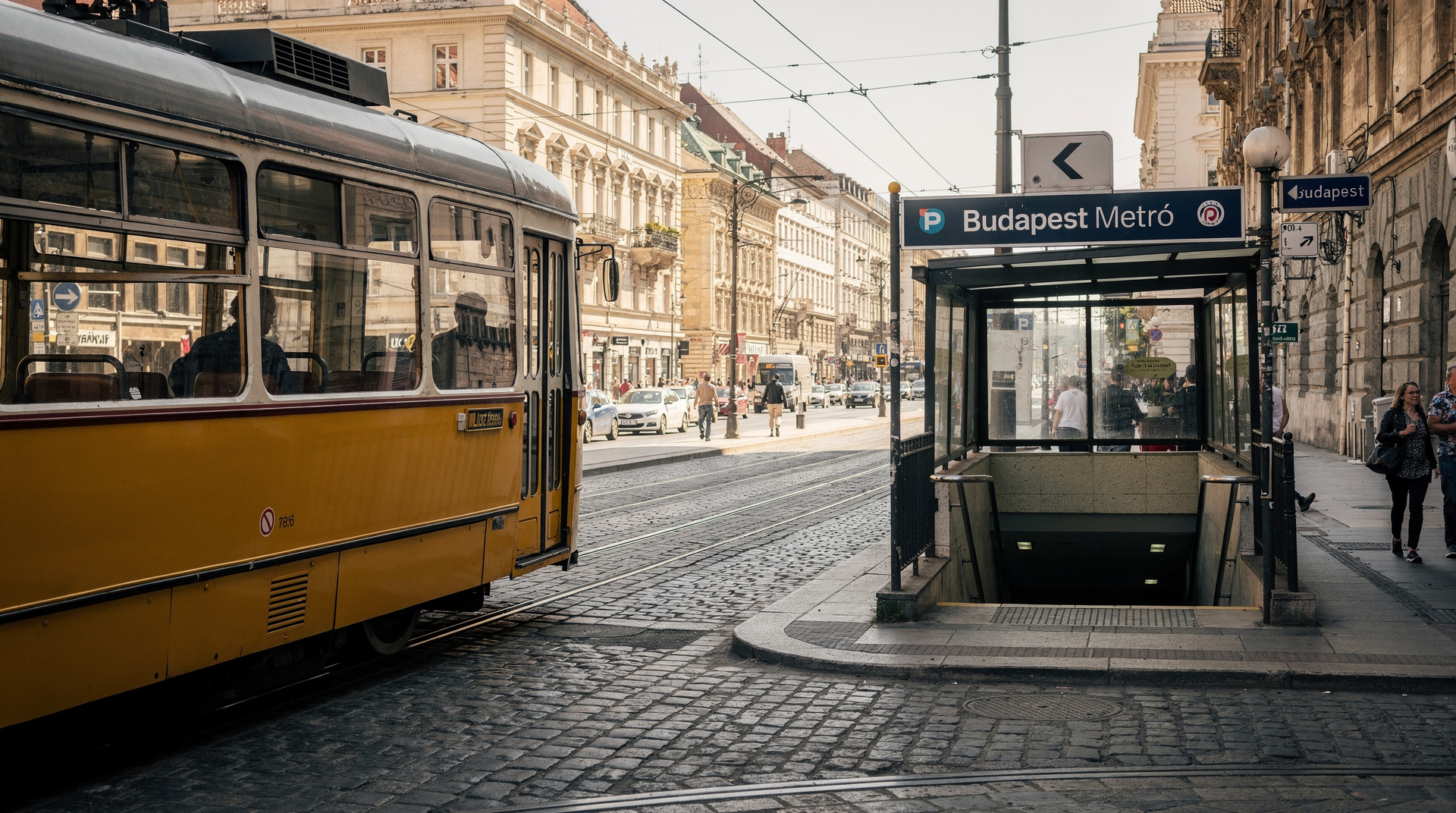
| Getting around | Metro, tram and walking; a Budapest Card only if you’ll use it heavily |
| Best sequence | Buda first (day 1), then Pest (days 2–3) |
| Day trips | Skip them on 3 days — see how many days in Budapest |
The non-negotiables: what every 3-day Budapest visit should include
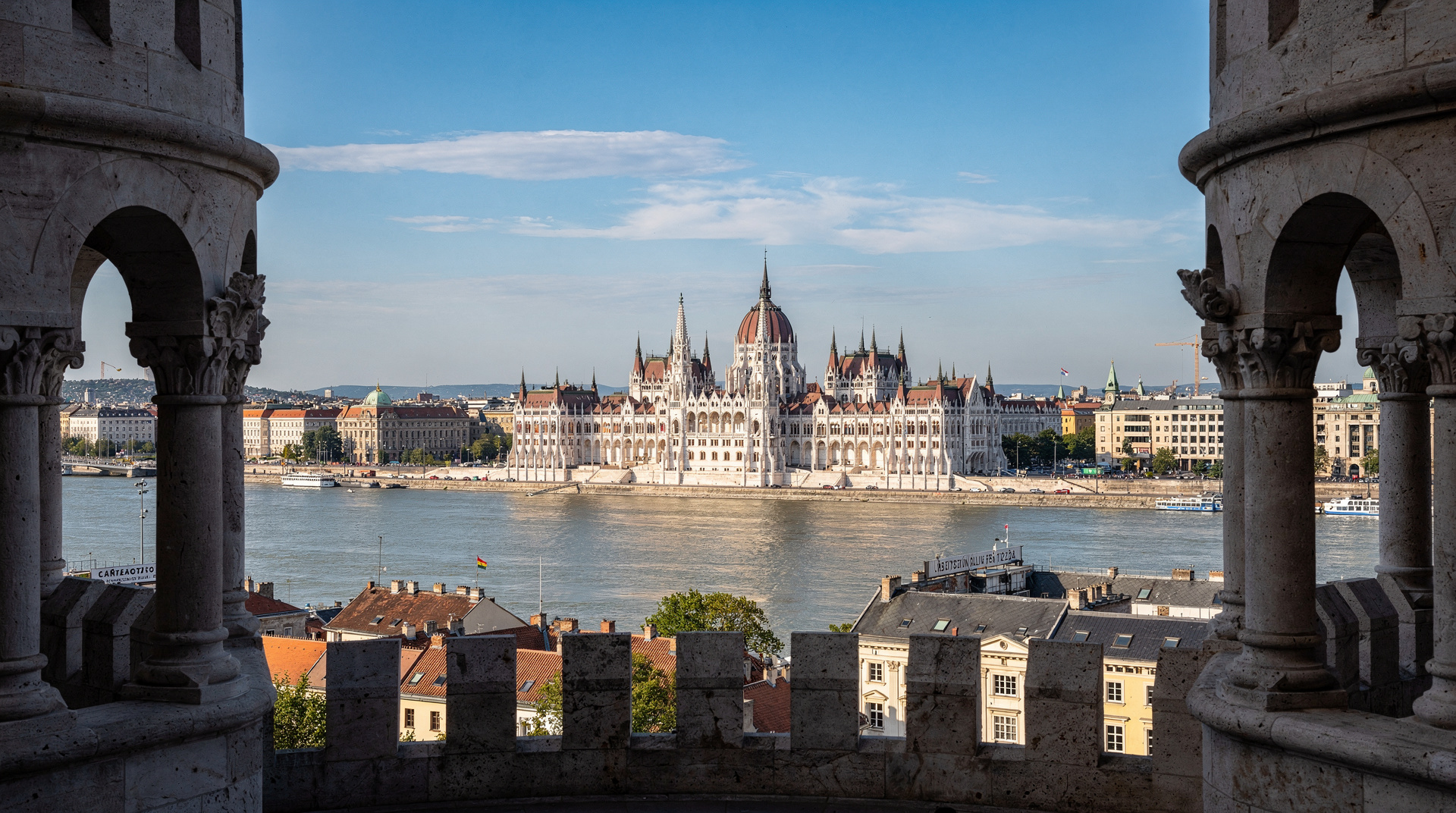
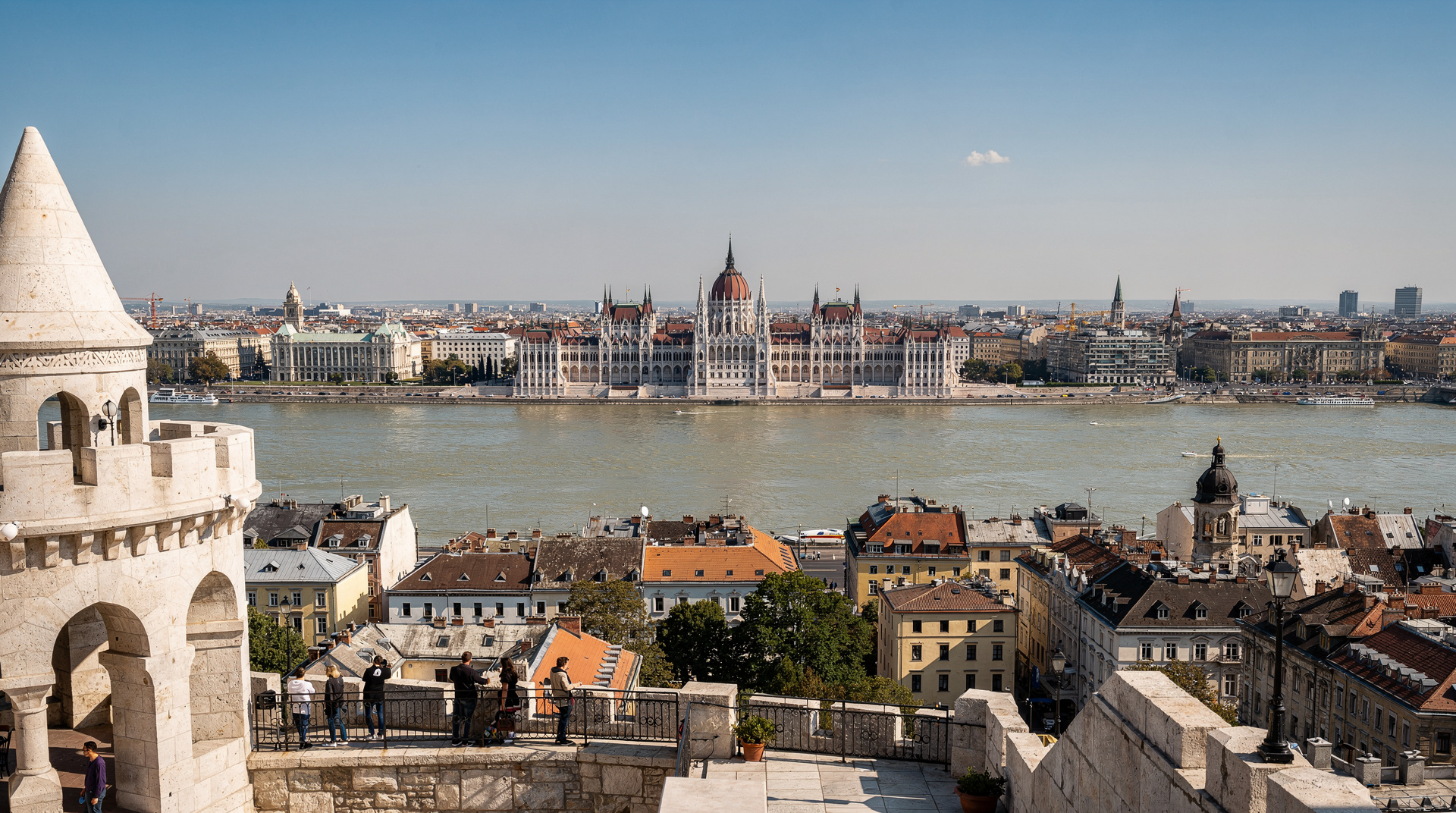
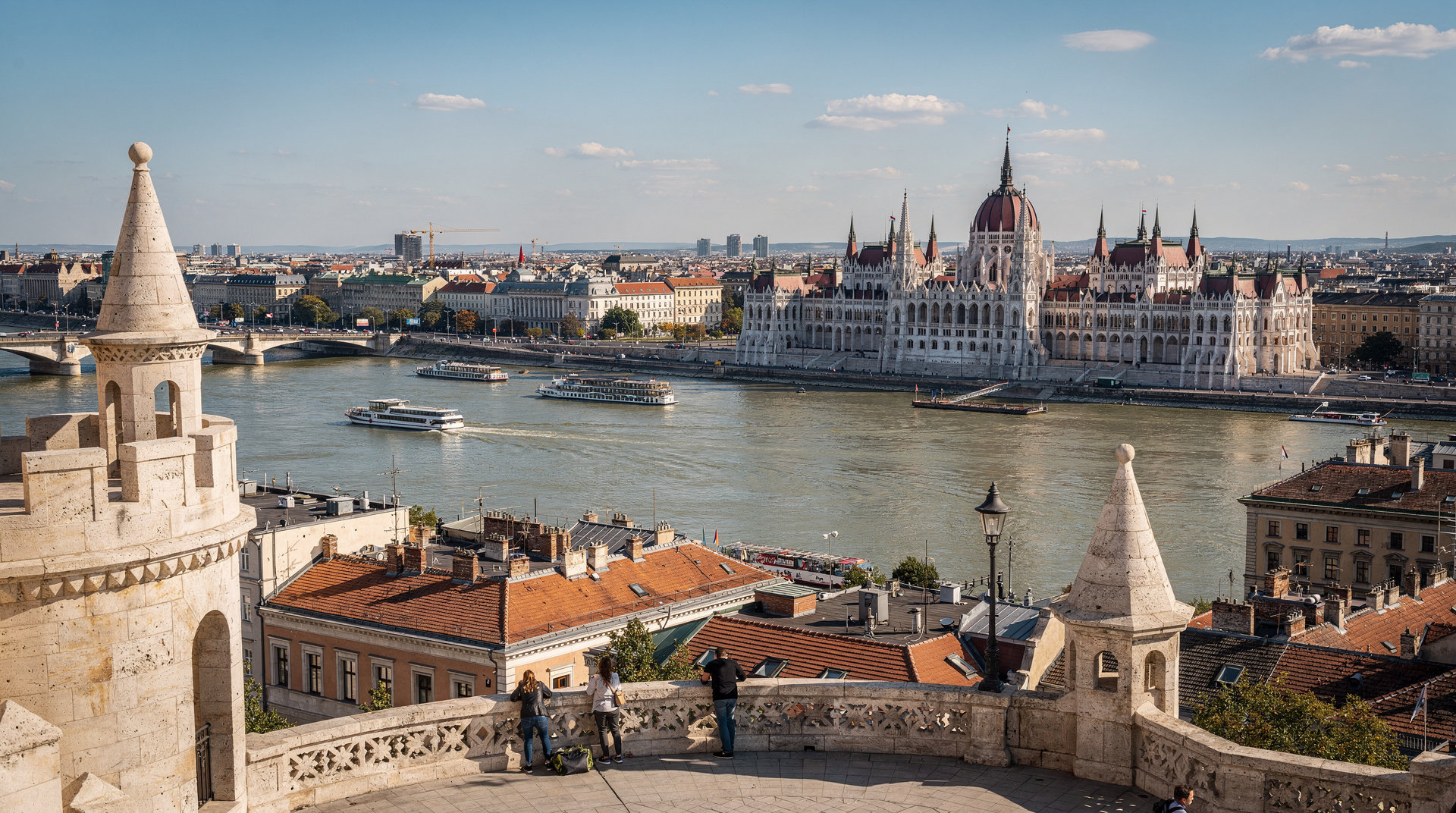
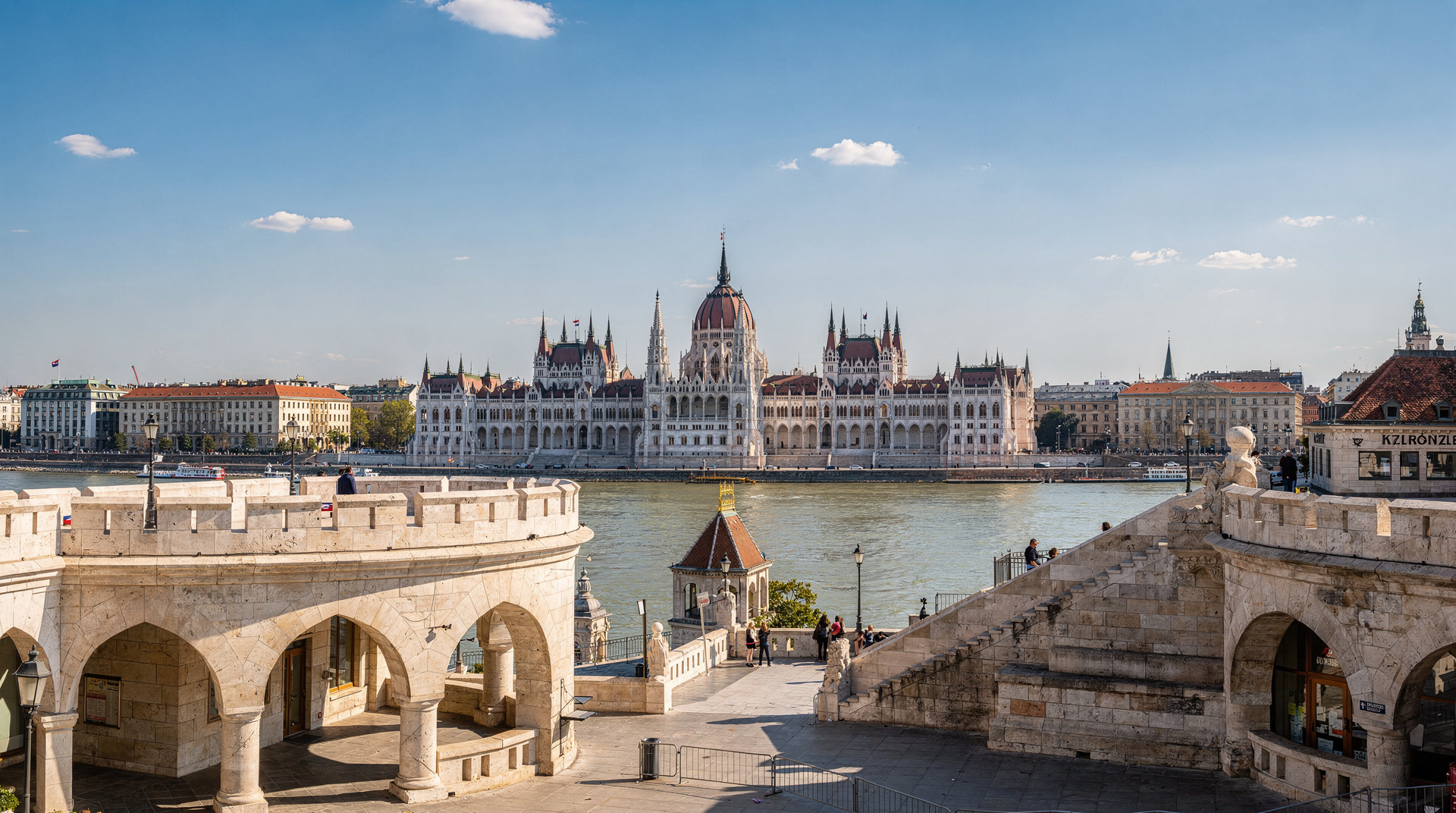
Fisherman’s Bastion and the Castle District: The silhouette of Fisherman’s Bastion looking across the Danube to the Parliament is the defining Budapest image. Being there — not seeing it in a photograph — is what 3 days are for. Go early (before 09:00) to beat the tour groups. The inner terrace charges a small fee; the outer viewing areas are free.
Hungarian Parliament interior: One of the largest and most ornate parliament buildings in the world. The interior with its gold-leafed arches, red carpets and ceremonial halls is genuinely breathtaking. Book a timed interior tour online — they sell out in summer. The exterior from Kossuth tér and from the Danube riverfront is always free and always spectacular.
Dohány Street Synagogue: Europe’s largest synagogue, and the centrepiece of the Jewish heritage quarter of District VII. The building, the memorial garden, the cemetery and the small museum together make a 1.5–2 hour visit. Buy tickets online; the walk-up queue is slow.
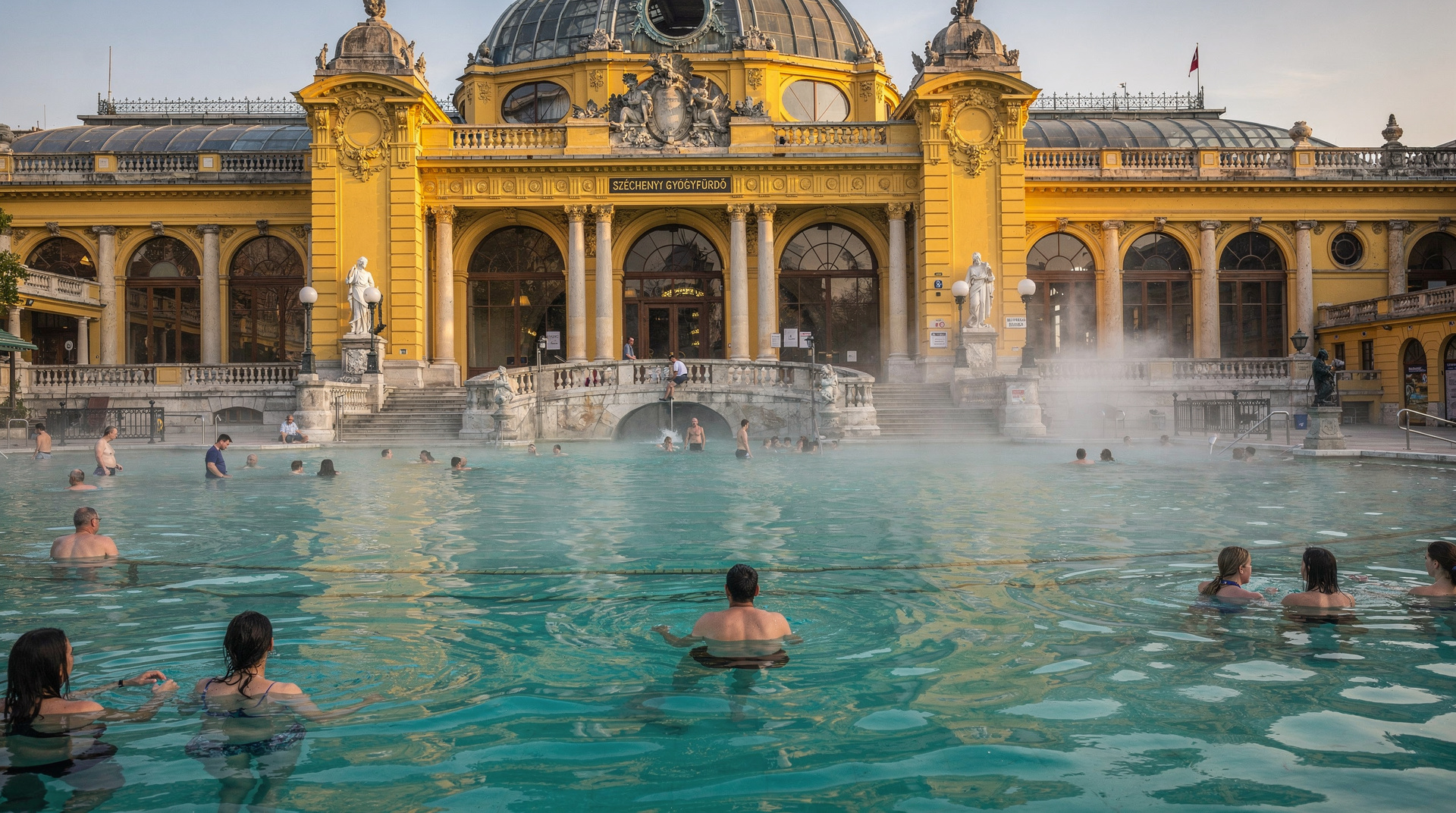
One thermal bath: The defining Budapest health experience. For a 3-day visit with no previous knowledge, Széchenyi is the right choice — the outdoor pools, the architecture, the iconic Budapest image of chess players in the water. If you have researched the alternatives and prefer Rudas (Ottoman dome) or Lukács (local, quiet), go with your preference. Book online the day before. Allow 2–3 hours.
The Great Market Hall: The city’s main covered market. Ground floor for fresh produce, paprika, salami and lángos from the food stall upstairs. A morning hour here is one of the most evocative Budapest experiences — colour, smell, the sound of a working city market.
At least one evening in District VII: The ruin bars are a genuine cultural phenomenon, not just a nightlife venue. Szimpla Kert at 20:00 on a weeknight has a mix of locals and travellers in a space that is architecturally unlike anything else in European drinking culture. One ruin bar evening is a must; a pub crawl adds a social layer.
A Danube moment: Either the 1-hour evening sightseeing cruise with a welcome drink for the Parliament and Chain Bridge from the water, or simply the tram 2 ride along the Pest bank at golden hour, or the Chain Bridge walk after dark. The Danube is Budapest’s most powerful setting — engage with it properly, not just as a backdrop.
Day 1: Buda — the Castle District and the view
Morning (09:00–13:00)
Start at Várkert Bazár (Castle Bazaar) at the base of Castle Hill, reachable by tram 2 (stop: Várkert Bazár). Take the funicular or walk the path up to the Castle. Arrive at Fisherman’s Bastion before 09:30. The inner terrace has an entry fee (around 1,400 HUF); the outer lower terrace is free. Walk across to the Matthias Church — the geometric tile roof is a medieval gem; the interior has original 13th-century frescoes under Habsburg restoration. Walk through the Royal Palace grounds, look down over the Danube, explore the cobbled alleys of the district.
At 12:00, descend to the Pest bank via the funicular (1,400 HUF one way) or walk down. Lunch at Rosenstein on Mosonyi utca — an exceptional Jewish-Hungarian restaurant — or at a neighbourhood bistro in District V.
Afternoon (14:00–18:00)
Gellért Hill: From the Liberty Bridge foot, the walk up takes 20–30 minutes on a marked path through the hillside park. At the top: the Citadella (partly open, partly under renovation — check current status), the Liberation Monument (Soviet-era, now remixed with post-communist plaques), and a 360° panoramic view of the entire city. This is the best view in Budapest.
Descend to the Danube bank and walk the Pest riverfront northward toward the Chain Bridge.
Evening (19:00 onwards)
Cross the Chain Bridge on foot — 20 minutes, spectacular as the bridge lights up. Walk to the Basilica (St Stephen’s Basilica) for a look at the floodlit exterior. Dinner in District VI or near the Basilica: Costes Downtown (contemporary Hungarian), Hungarikum Bisztró (traditional, excellent quality), or Central Kávéház (the grand café, good for a long dinner).
After dinner: first ruin bar experience at Szimpla Kert (Kazinczy utca 14, open until 04:00). Stay for one or two drinks; you have two more evenings ahead.
Day 2: Pest — Parliament, Jewish Quarter and food
Morning (09:00–13:00)
Book a Hungarian Parliament interior tour — the first session is typically at 10:00. Allow 1.5–2 hours for the queue, the tour itself, and photographs of the building from Kossuth tér and the riverfront. The Parliament tour covers the main staircase, the Grand Hall, the Crown Jewels viewing, and the Passage of Statues — genuinely stunning.
From Parliament, walk south along the riverfront to the Shoes on the Danube memorial — the cast-iron shoes commemorating Jewish victims shot at the riverbank during WWII. Quiet and affecting. Five minutes further south is the Chain Bridge.
Afternoon (13:00–18:00)
Lunch at the Great Market Hall — a lángos (fried dough with sour cream and cheese) from the stalls on the upper gallery. Walk through the market stalls. Then: the Jewish Quarter.
The Dohány Street Synagogue (Europe’s largest) is on Dohány utca. The ticket includes the main synagogue, the Jewish Museum, and the Emanuel Tree memorial garden in the courtyard — a weeping willow sculpture with victims’ names on its leaves. Allow 1.5–2 hours.
Spend the rest of the afternoon exploring the Jewish Quarter on foot — Kazinczy utca, Klauzál tér (the market square), Rumbach utca, the courtyard bars. Emerging after an hour of wandering, you understand why District VII is Budapest’s most interesting neighbourhood.
Evening (19:00 onwards)
Dinner in the Jewish Quarter: Mazel Tov (Akácfa utca 47) for Israeli-Hungarian fusion in a beautiful courtyard; Kőleves (Kazinczy utca 41) for Hungarian bistro cooking with a ruin bar feel. After dinner: the full District VII circuit — Szimpla Kert (if you haven’t had enough already), Instant–Fogas for multi-room club atmosphere, Anker’t for conversation-friendliness.
Day 3: Thermal baths, City Park and the Danube
Morning (09:00–13:00)
Széchenyi Thermal Bath: The largest bath in Budapest and the most beginner-friendly. The outdoor pools are heated to 36–38°C; the largest has jets and a wave effect. Indoor thermal pools are 36°C, the swimming pool slightly cooler. Book online the night before. Arrive at 09:30 when it opens; the pools are quieter in the first two hours. Allow 2–3 hours minimum.
From Széchenyi, walk 10 minutes to Heroes’ Square — the Millennium Monument, the Museum of Fine Arts (one of Central Europe’s finest collections — allow 1.5 hours if interested), and the entrance to City Park (Városliget). The park is being developed into a major museum quarter; check which museums are currently open.
Afternoon (13:00–18:00)
Lunch somewhere in the City Park area or back toward the centre. The Central Market Hall, if you didn’t fully explore it yesterday, has good market food on the upper floor.
In the afternoon: a visit to St Stephen’s Basilica interior (free entry to the main nave; charge for the treasury and tower). The rooftop tower gives the best flat-Pest panorama — clear on good weather days all the way to the Buda hills.
Evening (18:00 onwards)
Evening Danube cruise: book for approximately 19:30–20:30, timed to see the Parliament illuminated after dark. The combination of the lighted Parliament, the lit Chain Bridge, and Buda Castle from the water is the definitive Budapest evening image. For a wine or drink cruise rather than dinner, the 1-hour evening cruise with a welcome drink is well-priced and doesn’t require the formality of a full dinner.
Farewell dinner afterward — allow yourself one slightly indulgent meal at a restaurant you have been looking at since arriving. Borkonyha (Sas utca 3) for Hungarian wine-matched cooking, or Zona Budapest (Lánchíd utca 7) in Buda for a more relaxed final evening.
Three days at a glance
| Day | Focus | Evening |
|---|---|---|
| Day 1 | Castle District, Gellért Hill | Chain Bridge, first ruin bar |
| Day 2 | Parliament, Dohány Street Synagogue, Jewish Quarter | District VII bar circuit |
| Day 3 | Széchenyi baths, City Park | Danube cruise, farewell dinner |
Budgeting the 3 days
Expect to spend roughly 25,000–40,000 HUF per person per day on food, transport, one bath session and a couple of paid entries, excluding your hotel — see the fuller breakdown in Budapest trip cost. The Great Market Hall lunch and market snacks are the cheapest good meals in the city; the Parliament tour and the Dohány Street Synagogue ticket are the two paid entries worth prioritising over lesser sights.
If you can stretch to a 4th day
A fourth day is most often spent on one of two things: a half-day trip to Szentendre or Gödöllő, or a slower morning revisiting whichever neighbourhood you liked best with no fixed plan. See how many days in Budapest for the fuller reasoning, and the 4-day itinerary for a structured version if you have decided to extend.
What to skip on a 3-day visit
Memento Park: Fascinating, but 45 minutes from the centre by bus. Worth it on a 5-day visit; not worth a 3-day day on a short trip.
Aquincum and Óbuda: Roman ruins and the historic third-town of Budapest. Excellent for history specialists; not a first-timer priority.
Multiple thermal baths: One properly done bath experience is more memorable than two rushed ones.
All the day trips: Save Szentendre, Gödöllő and Lake Balaton for a 4th day or a return trip.
For the detailed day-by-day itinerary including transport logistics, see Budapest 3-day itinerary. For the planning questions before you finalise — how many days, what to pack, what it costs — see the full Budapest travel guide 2026.
Frequently asked questions about Budapest in 3 days
What should I prioritise in 3 days in Budapest?
Castle District (Fisherman's Bastion, Matthias Church, panorama) on day 1. Hungarian Parliament interior tour and Jewish Quarter (Dohány Synagogue, ruin bars) on day 2. Thermal baths and Danube cruise on day 3. These three give you the iconic Budapest experience — architecture, culture, wellness and the unique nightlife — without over-scheduling.Should I take a day trip from Budapest in 3 days?
No. With only 3 full days, a day trip to the Danube Bend or Balaton consumes one of them and leaves the city itself underexplored. Save day trips for a 4–5 day visit. The exception is Gödöllő Palace — 40 minutes by HÉV, doable as a half-day without losing a full day.Which thermal bath should I visit in 3 days?
Széchenyi for first-timers: the outdoor pools are the classic Budapest image, and the central location (City Park, M1 metro) makes it easy to combine with Heroes' Square. If you have an hour for research beforehand, read the /guides/szechenyi-vs-gellert-vs-rudas/ comparison to see which suits your preferences.Is 3 days enough to see the main sights of Budapest?
For the highlights: yes. For the texture and depth of the city: no — Budapest rewards more time than that. Three days gives you the iconic experiences; a return visit (or extending to 4–5 days) is where the city's real character becomes apparent — the neighbourhood cafés, the lesser-known baths, the food market in the morning, the Sunday Szimpla farmers' market.What is the best way to start a 3-day visit to Budapest?
Start on the Buda side. The Castle District is best in the early morning before tour groups arrive. Walking up from the Chain Bridge or taking the funicular from Várkert Bazár, you reach Fisherman's Bastion by 09:00 when the light is good and the terraces are quiet. This sets up the rest of your trip with the best view of the city already experienced.How much should I budget for 3 days in Budapest?
A realistic mid-range budget is roughly 25,000–40,000 HUF per person per day, covering meals, one thermal bath session, transport passes and a couple of paid attractions, excluding accommodation. Budget travellers using free sights, market food and public transport can spend noticeably less; a splurge day with a fine-dining dinner and a private tour pushes it higher.Should I get a Budapest Card for a 3-day visit?
It depends on how many paid attractions you plan to pack in. A 3-day visit built around the Castle District, Parliament, one bath and a synagogue often does not use enough included entries to break even. The card (from 17,990 HUF for 24 hours) includes unlimited public transport and over 30 free visits and activities, so if you plan to use several of them alongside public transport heavily, it can pay off — check the specifics before buying rather than assuming.