Eger day trip from Budapest: castle, Bull's Blood wine, and thermal baths
Explore Eger from Budapest: baroque castle, Bull's Blood wine cellars, the Valley of Beautiful Women, Egerszalók baths, and Hungary's northernmost minaret.

Quick facts
- Distance from Budapest
- ~130 km north-east
- Travel time
- ~1.5–2 hrs by intercity train from Budapest Keleti
- Castle admission
- ~2 500 HUF (~€6.25); includes main galleries and ramparts
- Valley of Beautiful Women
- Free to enter; wine by the glass from 400–800 HUF (~€1–€2)
- Egerszalók thermal baths
- ~3 500 HUF (~€8.75); 8 km from Eger town centre
- Honest note
- July and August are very busy; September harvest period combines good weather with wine events and fewer crowds than peak summer
A baroque town with an Ottoman soul
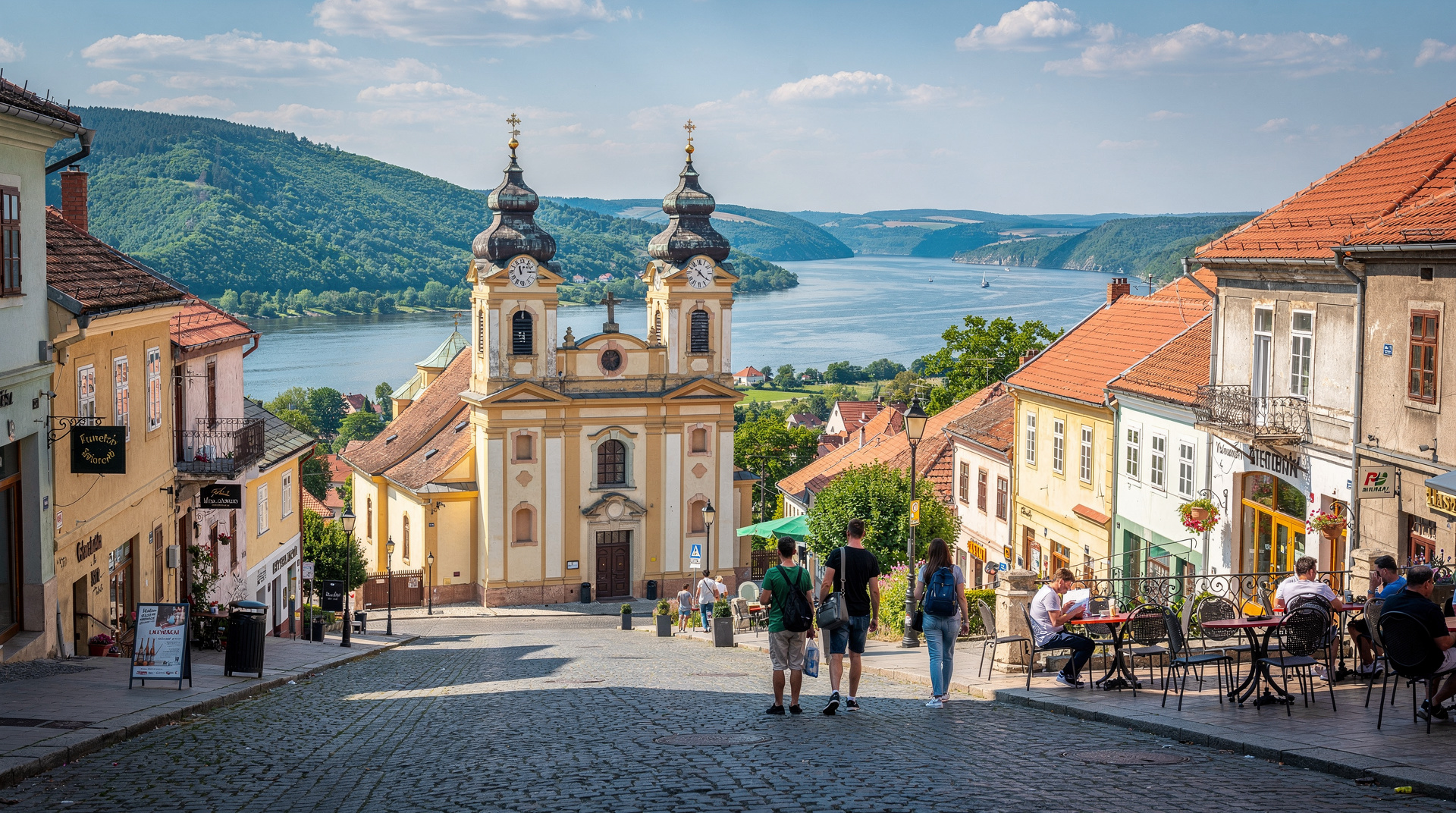
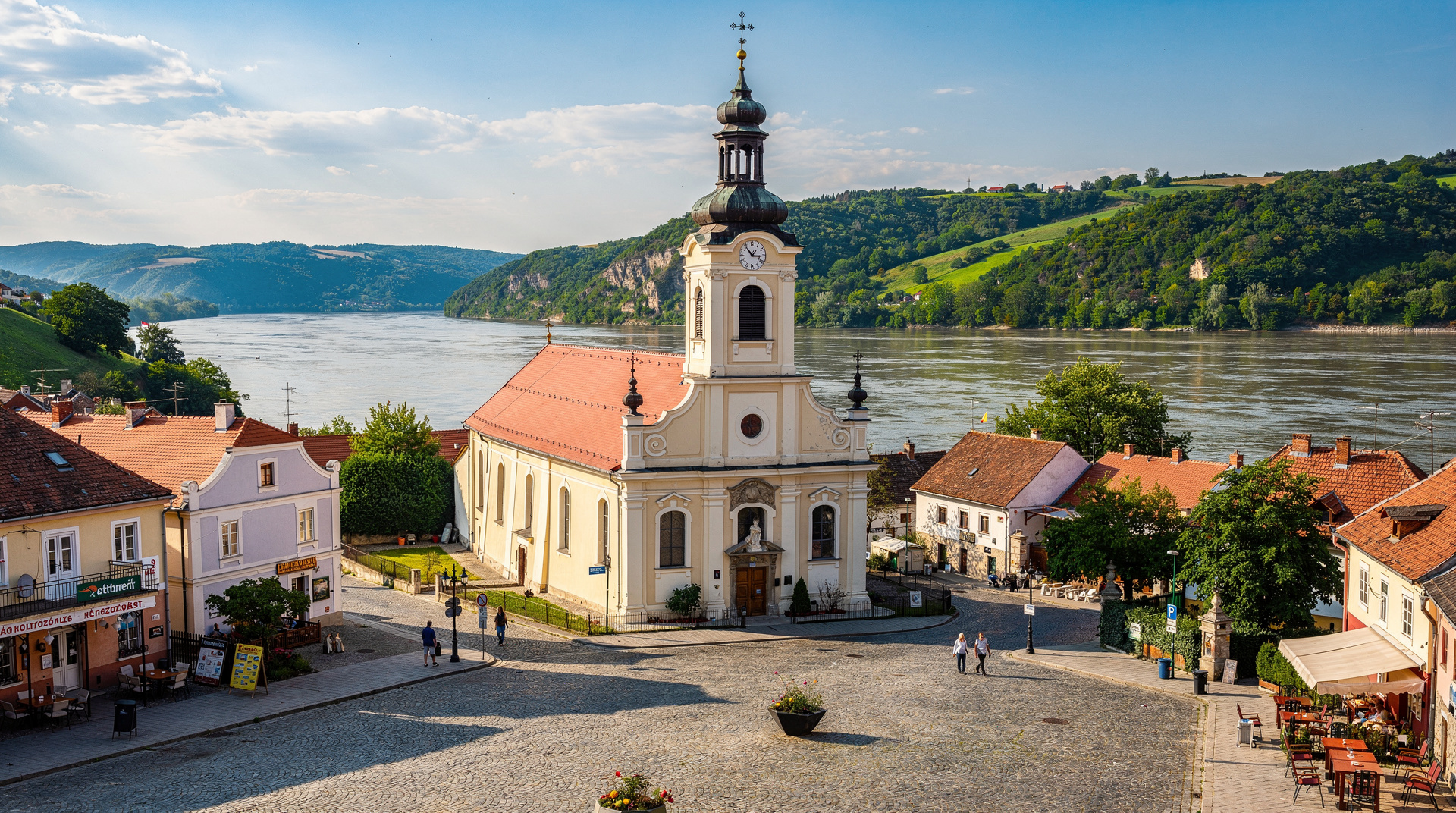
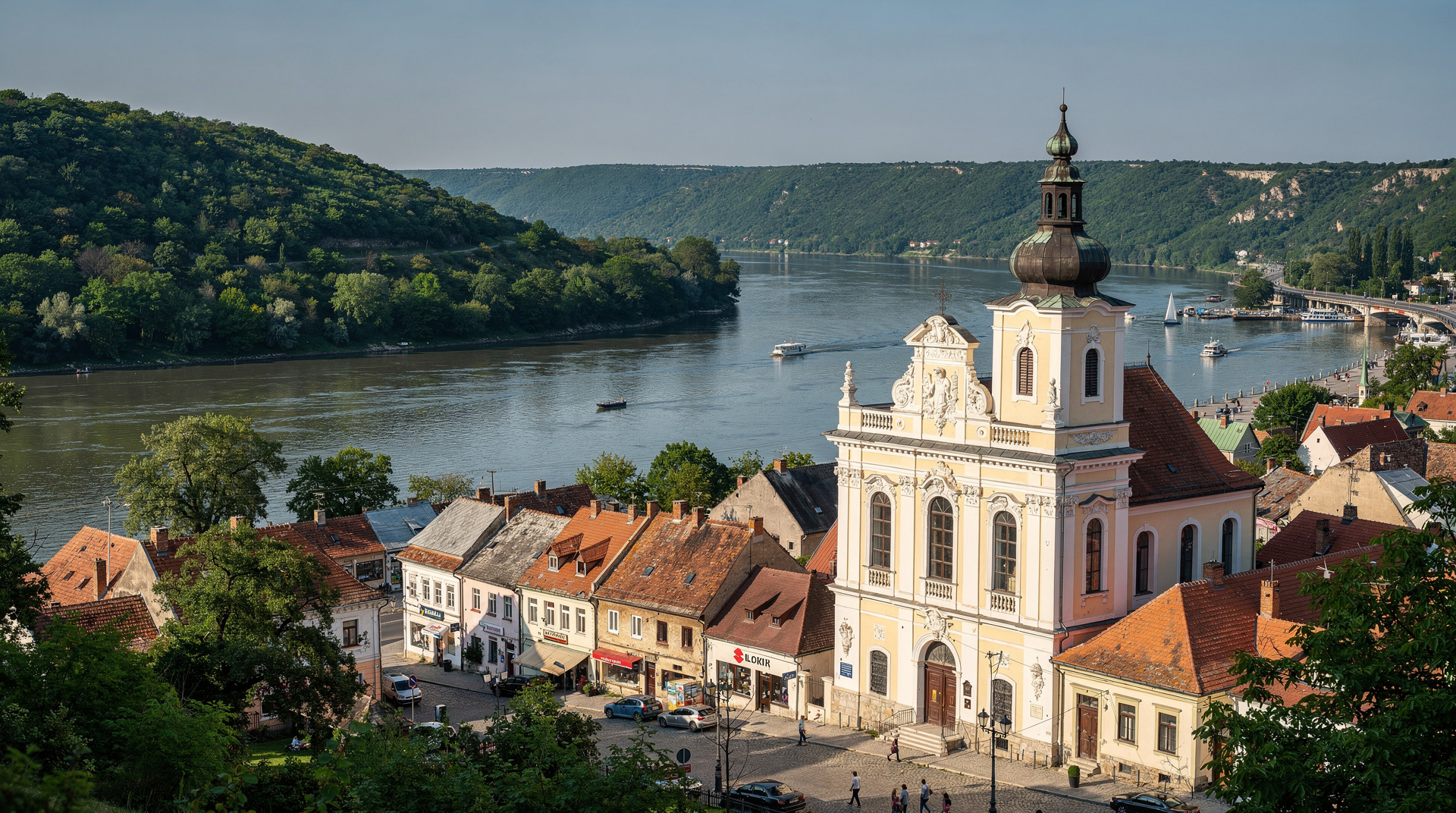
Eger is one of the most complete historic towns in Hungary — a compact grid of Baroque churches, aristocratic mansions, and narrow lanes that open unexpectedly onto a castle rampart or a vine-covered hillside. It is 130 km north-east of Budapest, reached in about 90 minutes by intercity train, and it offers a density of genuinely interesting things to do that few Hungarian cities outside Budapest can match.
The headline attractions are the castle (site of one of Hungary’s most famous military stands), the Egri Bikavér wine available in underground cave cellars just outside the centre, and the Ottoman minaret that still stands as an improbable survivor at the heart of a Baroque Catholic town. Add thermal baths 8 km away at Egerszalók, and Eger becomes one of the most rewarding full-day destinations anywhere in central Hungary.
| Where | ~130 km north-east of Budapest, northern Hungary wine region |
| Cost | Castle ~2 500 HUF; wine by the glass from 400–800 HUF; Egerszalók ~3 500 HUF |
| Time needed | A full day; an overnight stay pairs well with Tokaj |
| Getting there | Intercity train from Budapest Keleti, ~1.5–2 hrs, or an organized tour |
| Best time | May to October; September for the harvest and wine festival |
Eger Castle and the 1552 siege
The castle sits on a volcanic tuff plateau above the town and is the starting point for any Eger visit. The story it tells is the siege of 1552: a force of roughly 2,000 Hungarian and Croatian defenders, commanded by Captain István Dobó, held the castle against an Ottoman army estimated at 50,000 men over 38 days before the Ottomans withdrew. The victory was celebrated across Europe and became one of the defining myths of Hungarian national identity — a small nation holding back the tide.
The castle museum (Dobó Múzeum) presents the siege story through armour, weapons, maps, and reconstructed period rooms. The rampart walk above the town is well-maintained and gives excellent views over the Baroque rooftops and the vineyards on the surrounding hills. The Hero’s Hall (Hősök terme) is the best single space — its scale and the individual stories of the defenders make the abstract numbers of the siege feel concrete.
Allow 1.5 to 2 hours for the castle. Admission is approximately 2 500 HUF (~€6.25).
The Ottoman minaret — the most northerly in Europe
The Ottomans held Eger from 1596 (a second siege, which they won) until 1687. During that century they built mosques, baths, and minarets throughout the town. Almost everything was demolished after their withdrawal, but one minaret on Knézich utca survived — 40 metres of fluted stone rising improbably beside a Baroque church. It is the northernmost surviving Ottoman minaret in Europe, and the contrast between its Islamic geometry and the Catholic Baroque surrounding it is one of those visual moments that sums up Hungary’s history at the crossroads of empires.
The narrow spiral staircase (97 steps) can be climbed for a view over the roofline — claustrophobic but worth it. Admission is roughly 400 HUF (~€1). The adjacent mosque foundations are marked out at ground level.
The Valley of Beautiful Women
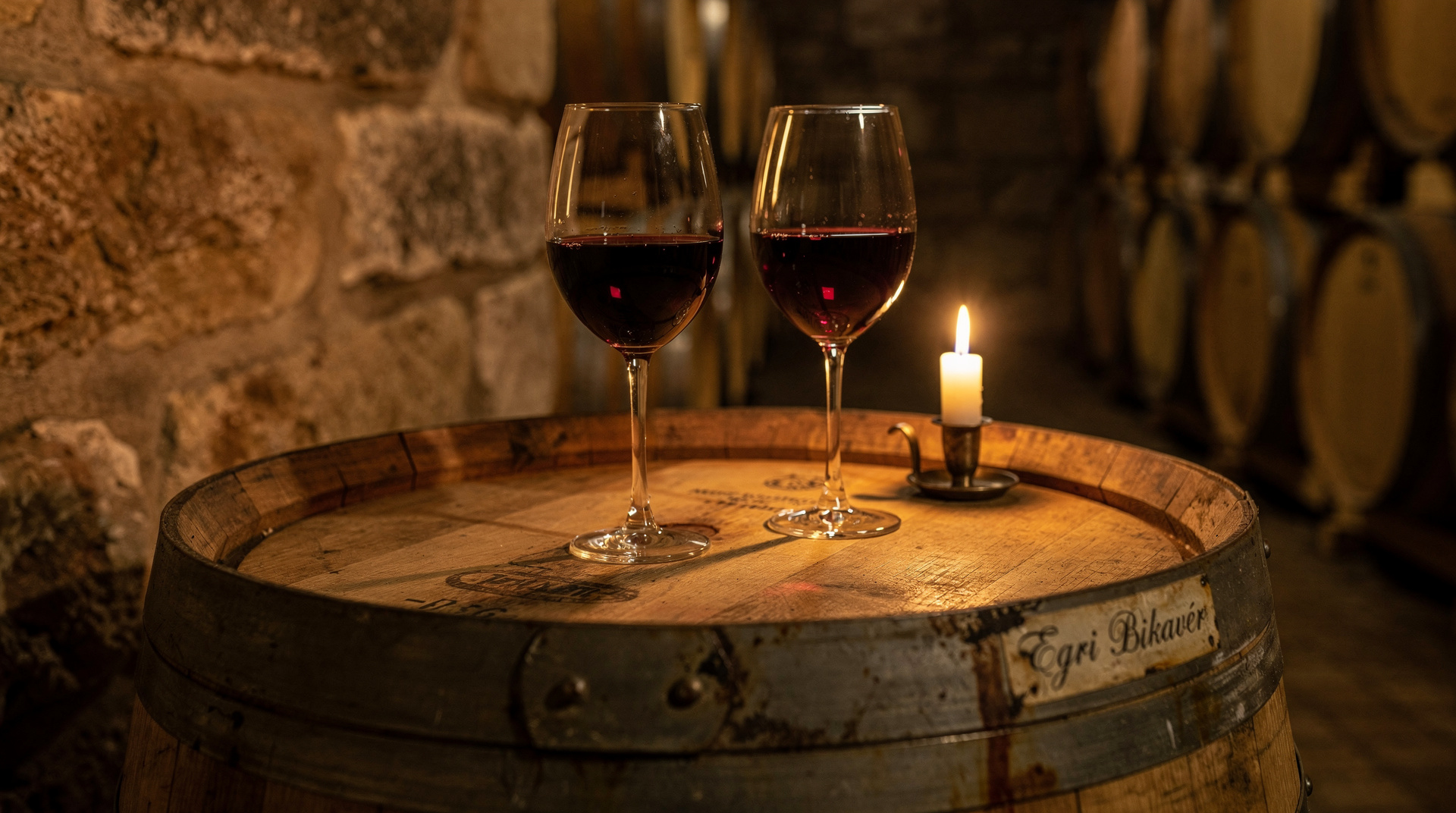
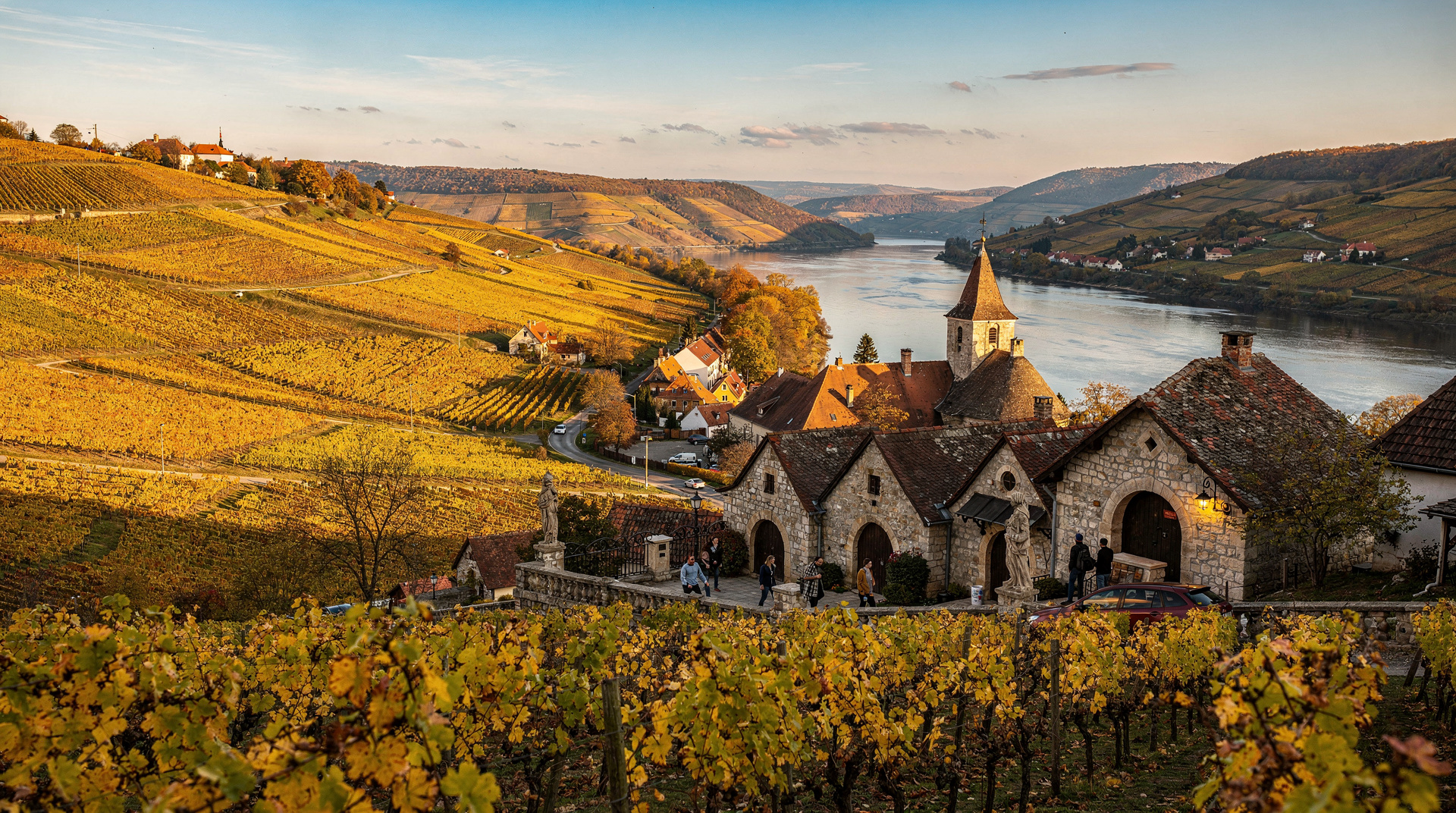
The Szép Asszonyok Völgye (Valley of Beautiful Women) is a small valley southwest of the town centre where wine cave cellars are cut directly into the volcanic tuff hillside. Each cave is independently owned — some have been in the same family for generations — and sells wine by the glass or bottle at the cellar door with zero formality. You walk from cave to cave, tasting what interests you.
The primary wines here are Egri Bikavér (red, the Bull’s Blood blend) and a range of local whites including Leányka, Muscat Ottonel, and the increasingly respected Egri Csillag (Star of Eger) white blend. Quality varies considerably between producers — the smaller, hand-labelled operations tend to produce more interesting wine than the commercial cellars at the valley entrance.
Go in the late afternoon, when local families use the valley as a social space alongside the tourists. The atmosphere is genuine and convivial in a way that organized wine tours rarely capture.
How to taste wine in the cellars without regretting it
A cellar crawl rewards a little pacing. Start with a white to wake the palate, move to a lighter red, and keep the Egri Bikavér for the middle of the visit, when you have a sense of what the valley’s producers do well. Ask the person pouring what they would drink with dinner; in a family-run cave the answer is usually the most useful tasting note you will get. Water and a bite of bread between glasses make the afternoon last longer, and nobody minds if you share a glass between two people.
If the labels and grape names feel unfamiliar, the Eger Bull’s Blood guide explains what the blend is meant to taste like, and the Hungarian wine guide places it among the country’s other regions. Anyone who wants to see how Budapest handles the same subject can compare it with the wine tastings in Budapest, which are polished but lack the cave setting. Strong local spirits also appear on many cellar tables, and the pálinka guide is a good primer before you accept a small glass.
Planning the day around the train
Because the day is built around a train in and a train out, it helps to decide your anchor before you leave. Most visitors do the castle first, while energy is high, then eat lunch in the centre, then drift toward the cellars in the late afternoon. The minaret and the Lyceum fit comfortably in the gap between lunch and wine. Egerszalók works best as either a morning start for people who prefer a slow, soaking day or as a replacement for the cellars if wine is not your thing.
The full-day format is described in the Eger day trip guide, which walks through the same stops in order. If you are still choosing between destinations, the best day trips from Budapest puts Eger alongside the other options, and the Budapest and day trips week itinerary shows how to slot a northern Hungary day between city days so that you are not tired on arrival.
Organized tours from Budapest
For a structured day that includes both the historical and wine dimensions, the Eger and Egerszalók day tour from Budapest covers the castle, the minaret, and the thermal baths at Egerszalók in a single organized day — the most efficient way to see everything without worrying about local bus connections.
For wine-focused visitors, the private Eger day trip with wine tasting goes deeper into the wine culture, combining cellar visits with commentary from a wine-focused guide. The Eger countryside culture and wine tour adds the surrounding wine villages — Noszvaj and Szarvaskő — to the Eger town visit, giving a fuller picture of the wine region.
Egerszalók thermal baths
Eight kilometres from Eger, the Saliris Resort at Egerszalók operates around a thermal spring that has created travertine terraces — calcium carbonate formations resembling small-scale versions of Turkey’s Pamukkale. The terraces are genuinely unusual and have become a secondary attraction alongside the thermal pools and spa facilities.
The complex has indoor and outdoor thermal pools, a salt cave, a whirlpool, and full spa services. Entry is roughly 3 500–4 500 HUF (~€8.75–€11.25) for basic thermal access; spa packages cost more. Getting there without a car requires a local bus (30–40 minutes from Eger bus station) or a taxi (~15 minutes, roughly 2 500 HUF / ~€6.25). Most organized Eger day tours from Budapest include Egerszalók as part of the itinerary.
Eger’s Baroque architecture
The town centre repays slow exploration. The main square (Dobó István tér) is dominated by the twin-towered Minorite Church (1771), one of the finest Baroque churches in Hungary and the prototype for subsequent ecclesiastical architecture in the region. The Lyceum (now Eszterházy Károly University), designed by Jakab Fellner and built in the 1760s, contains an astronomical observatory and a camera obscura that projects a live real-time image of the street below onto a circular table — one of those period instruments that is genuinely astonishing when working. Admission to the observatory is roughly 700 HUF (~€1.75).
The thermal bath building on Fürdő utca is a 16th-century Ottoman structure that is still functioning as a bathhouse — smaller and more local-oriented than the Egerszalók resort, but historically significant and much cheaper (around 1 500 HUF / ~€3.75).
What to eat in Eger
Eger’s restaurant scene has improved considerably in the last decade. The main square area has a range of options; for quality Hungarian cooking, Macok Bistro on Tinódi utca is consistently recommended — regional dishes like Eger veal stew and venison with local wine sauce, mains around 4 000–6 000 HUF (~€10–€15). For something simpler and cheaper, the covered market hall near the bus station has a lángos counter and prepared food stalls.
Wine is the essential accompaniment: order a glass of Egri Bikavér with any red-meat dish and a Leányka or Egri Csillag with fish or lighter plates. For background on Hungary’s wine regions and grape varieties beyond Eger, see the Hungarian wine guide.
Why Eger suits a slower pace
Unlike many day-trip towns, Eger does not demand a checklist. Its sights are close together, its streets are pleasant to walk, and a pause in a café or on a castle bench is part of the experience rather than lost time. That makes it a good counterweight to a busy city stay: after days of crowds in the capital, the quieter lanes feel like a reset. If you are still shaping your wider trip, the Budapest travel guide gives the bigger picture, and the thermal baths guide is useful if the baths at Egerszalók make you curious about the ones in the capital.
Visitors who enjoy the wine and the countryside here often want another taste of the region on a different day. The Tokaj wine day trip is the natural follow-up, and the Danube Bend day trip offers a very different scenery of river towns if you prefer water to vineyards. For travellers who want a gentler countryside day, the Lake Balaton day trip is another choice, while the Budapest weekend break itinerary shows how little time you need to combine city and country if you are short on days.
Getting there and practical tips
By train: Direct intercity trains run from Budapest Keleti several times daily; journey time is 1.5 to 2 hours. Book seats in advance on the MÁV app, especially on summer weekends. Return trains run until evening.
By car: About 1.5 hours via the M3 motorway and Route 25. Paid parking is available near the castle.
Best time: September combines excellent weather with the Eger Wine Festival (held around the castle walls) — one of Hungary’s best wine events. May and June are quieter and cooler. July and August are very busy and the Valley of Beautiful Women can feel like a tourist trap; go very early morning or late afternoon.
Combine with: Eger and Tokaj make a logical two-day northern Hungary itinerary — take an evening train from Eger east to Tokaj (about 1.5 hours), spend the night, and return to Budapest the following day. For a single-day trip comparison, see the best day trips from Budapest.
Eger versus other Budapest wine day trips
If wine is your priority rather than history, it’s worth weighing Eger against the alternatives before committing a full day:
| Eger | Tokaj | Lake Balaton | |
|---|---|---|---|
| Wine style | Red blends (Egri Bikavér) | Sweet dessert wines (Tokaji Aszú) | Whites, some reds |
| Non-wine sights | Castle, Ottoman minaret, Baroque town | Limited — mostly the vineyards | Lake, beaches, Tihany |
| Travel time | ~1.5–2 hrs by train | ~2.5–3 hrs by train | ~1.5–2 hrs by train |
| Best for | A balanced history-plus-wine day | Dedicated wine enthusiasts | Families, summer lake time |
Eger tends to win for travellers who want a full day of varied sightseeing rather than a narrowly wine-focused excursion — see the Lake Balaton guide if beach time matters more than either wine region, or the Tokaj wine region guide for the dedicated wine-country alternative.
Top experiences
Bookable activities with verified prices and instant confirmation on GetYourGuide.