Accessible Budapest: mobility, wheelchair and disability travel guide

Is Budapest accessible for wheelchair users and travellers with mobility issues?
Budapest is mixed for accessibility: the M4 metro is fully accessible, many museums have lifts, and the riverside areas are generally flat. The Castle District is the hardest part — steep cobblestones with limited lift alternatives. The newer thermal baths (Széchenyi, Lukács) have accessible facilities; others vary. Plan carefully and use the M4 as your primary metro line.
Budapest’s accessibility: an honest assessment
Budapest is a city of contrasts when it comes to accessibility. The modern infrastructure — the M4 metro opened in 2014, many post-2000 museums, the renovated riverside — is fully accessible and genuinely welcoming. The historic core — the Castle District on a hill, the M1 underground from 1896, the cobblestone lanes of District VII — presents challenges that no amount of planning fully eliminates.
This guide is honest about both sides. Budapest is manageable for many visitors with mobility considerations; it requires more advance research and realistic expectations than a newer, purpose-built tourist city.
| Easiest area | Flat Pest districts V/VI/VII, near M4 |
| Hardest area | Castle District (Buda) — hill, cobblestones, steps |
| Best metro line | M4 (green) — step-free, lifts at every station |
| Baths with access | Széchenyi and Lukács (call ahead for others) |
| Extra planning time | Budget 20–30% more per day than a flat city |
Accessibility by Budapest area
Not every district demands the same level of planning. This table compares the areas visitors ask about most, building on the Budapest neighbourhoods guide and the Buda vs Pest breakdown.
| Area | Terrain | Metro/tram access | Notes |
|---|---|---|---|
| District V (Belváros) | Flat | M2, M3, trams | Central, good hotel stock, close to river |
| District VI (Terézváros) | Flat | M1 (limited), M4 nearby | Near Andrássy Avenue, mostly level pavements |
| District VII (Jewish Quarter) | Flat, some cobbles | M2, trams | Courtyards can be cobbled — see Jewish Quarter heritage guide |
| Castle District (Buda) | Hill, cobblestone | Funicular only | Hardest area; use the funicular, skip the lanes above it |
| Margaret Island | Flat, paved paths | Tram 4/6 to the island | Easiest green space in the city, level throughout |
Getting around: the practical routing
For journeys that avoid the M1 and the Castle District’s steepest lanes entirely, the getting around Budapest guide and the dedicated metro guide cover surface-tram alternatives in detail. If you are arriving from the airport, plan the transfer with accessibility in mind rather than defaulting to a shared shuttle — see getting from the airport to the city centre for the options.
Private airport transfer with extra luggage and mobility spaceBuilding your arrival day
Arrival days tend to go wrong when too much is packed in. Keep the first afternoon light: check in, find the nearest step-free route to a cafe or the riverside, and confirm how the lifts and tram stops around your hotel actually work before you need them. The first time in Budapest guide lists the basics worth settling early, and the getting to Budapest guide helps you compare arrival options if you are not flying. For ticketing questions once you are in the city, the public transport tickets guide and the BKK travel passes guide explain what to buy so you are not queuing at a machine more than once.
Metro and public transport accessibility
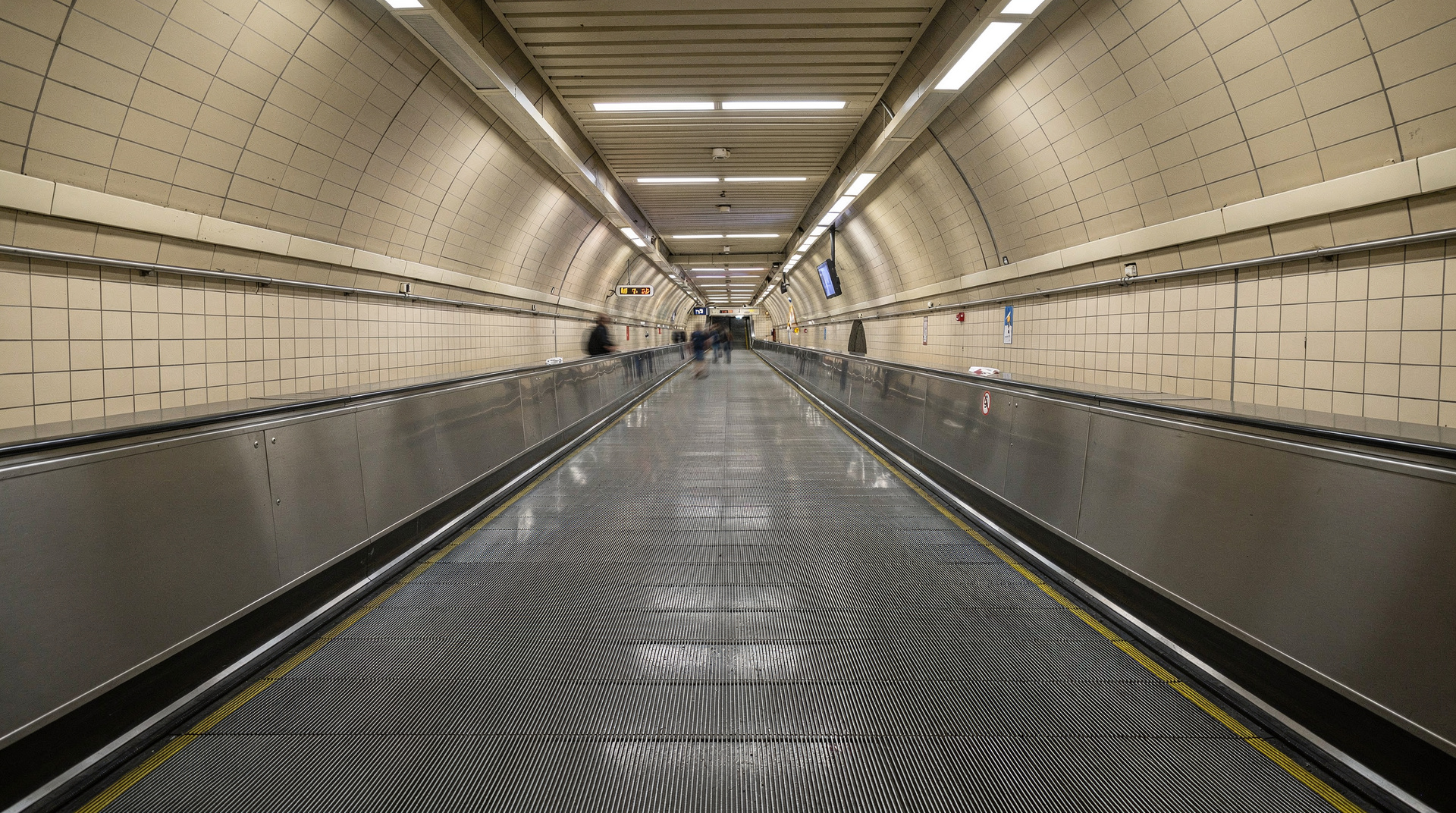
M4 (green line): The newest line, fully step-free. Lifts at all stations: Kelenföld, Bikás Park, Újbuda-Központ, Móricz Zsigmond körtér, Szent Gellért tér, Fővám tér, Kálvin tér, Rákóczi tér, II. János Pál pápa tér, Keleti pályaudvar. All stations have tactile paving, audible signals and wide barrier gates. This line is your primary metro for accessible Budapest travel.
M2 (red line): Partial accessibility. Keleti pályaudvar (Eastern Station) has a lift. Other stations have limited or no lift access. Confirm specific stations via BudapestGO before travel.
M3 (blue line): Accessibility has improved during recent renovation works (2017–2023). Some newly renovated stations have lifts; others do not. Check BudapestGO for current station status.
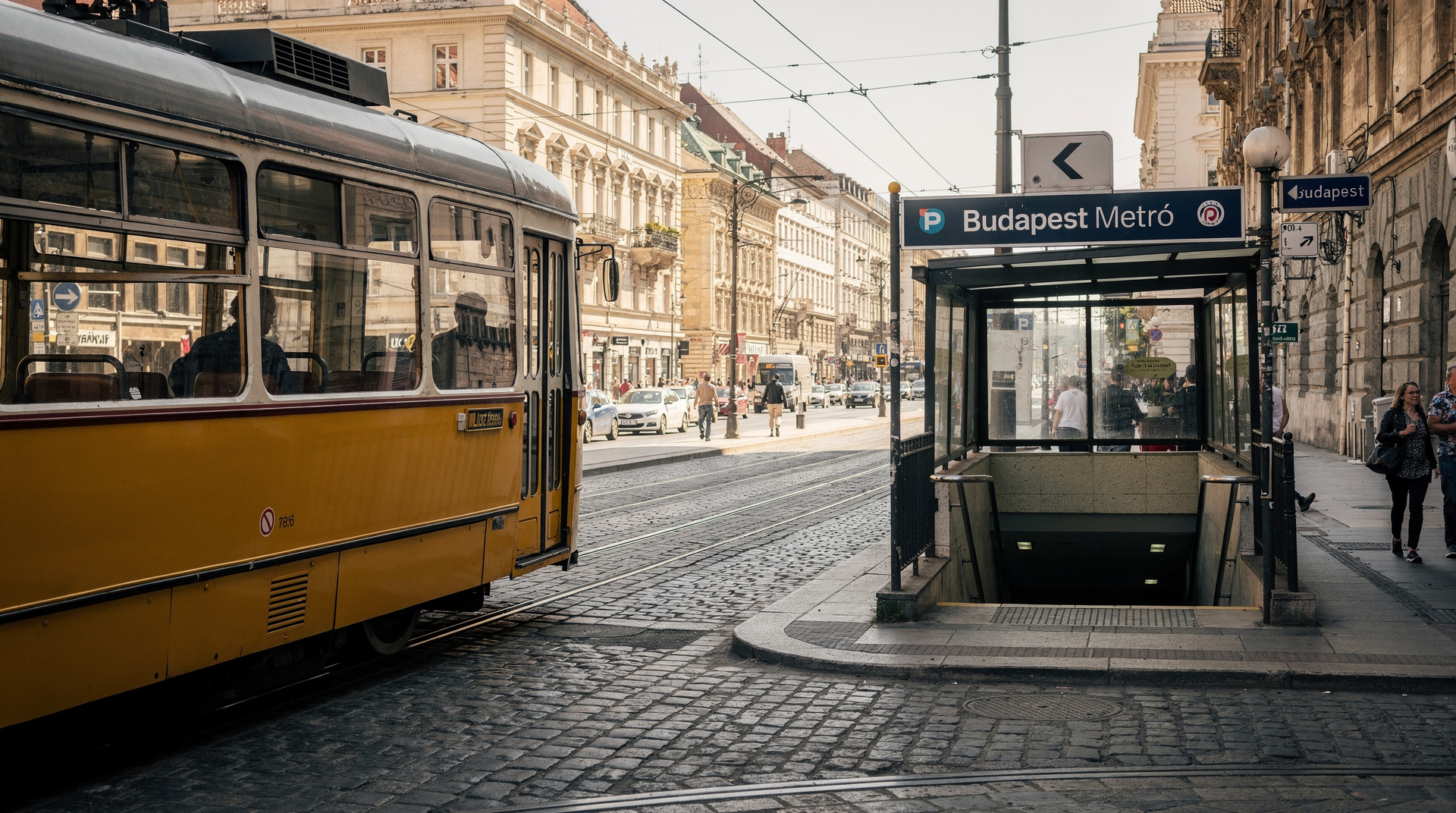
M1 (yellow line): Not accessible. The historic Millennium Underground has very narrow platforms, low ceilings, steep stairs and no lifts. Use alternative routing via surface trams or the M4 instead.
Trams: Newer low-floor trams (on lines 4/6, 2, and others) are step-free with wide doors and level boarding. Older high-platform trams are not accessible. The BudapestGO app shows which specific tram stops have low-floor vehicle service.
Buses: Many newer BKK buses have low-floor boarding and priority seating. Kneeling function is available on request to the driver.
Bolt (taxis): When booking via the Bolt app, larger vehicle classes (Comfort, Comfort+, XL) accommodate folding wheelchairs. Request a larger vehicle when booking if space is needed. Pre-booking a private transfer via airport private transfer allows you to specify accessibility requirements in advance.
Taxis, rides and avoiding trouble
A taxi or ride-hail car is often the simplest way to cover a gap that the metro leaves open, and it is worth knowing how to use one well. The taxis and Bolt guide explains the booking process, and the taxi scams guide shows what to watch for if you ever have to hail a car in the street. Booking through an app, with the vehicle class chosen in advance, takes much of the stress out of a day when mobility already demands extra effort.
The Castle District: realistic expectations
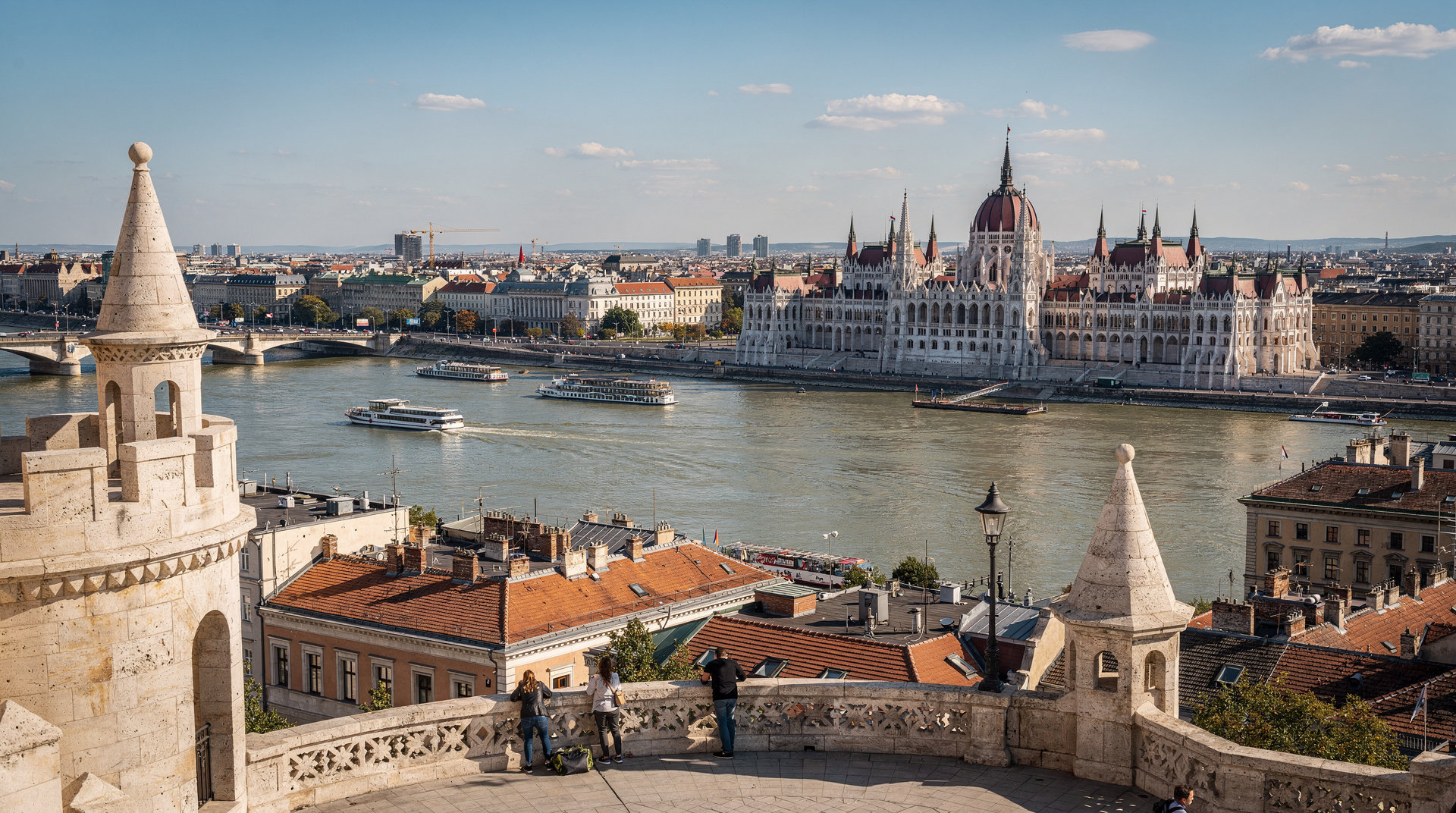
The Castle District is the most challenging area in Budapest for mobility. The hill rises 50–60 metres above the Danube; the streets are cobblestone; the main attractions require steps.
What is accessible:
- The funicular (sikló) from the Chain Bridge approach to the Castle terrace area — a cabin lift with level entry
- The main Castle terrace and the Hungarian National Gallery entrance areas (mostly paved)
- The northern end of the Castle District around Bécsi kapu tér is flatter
What is challenging:
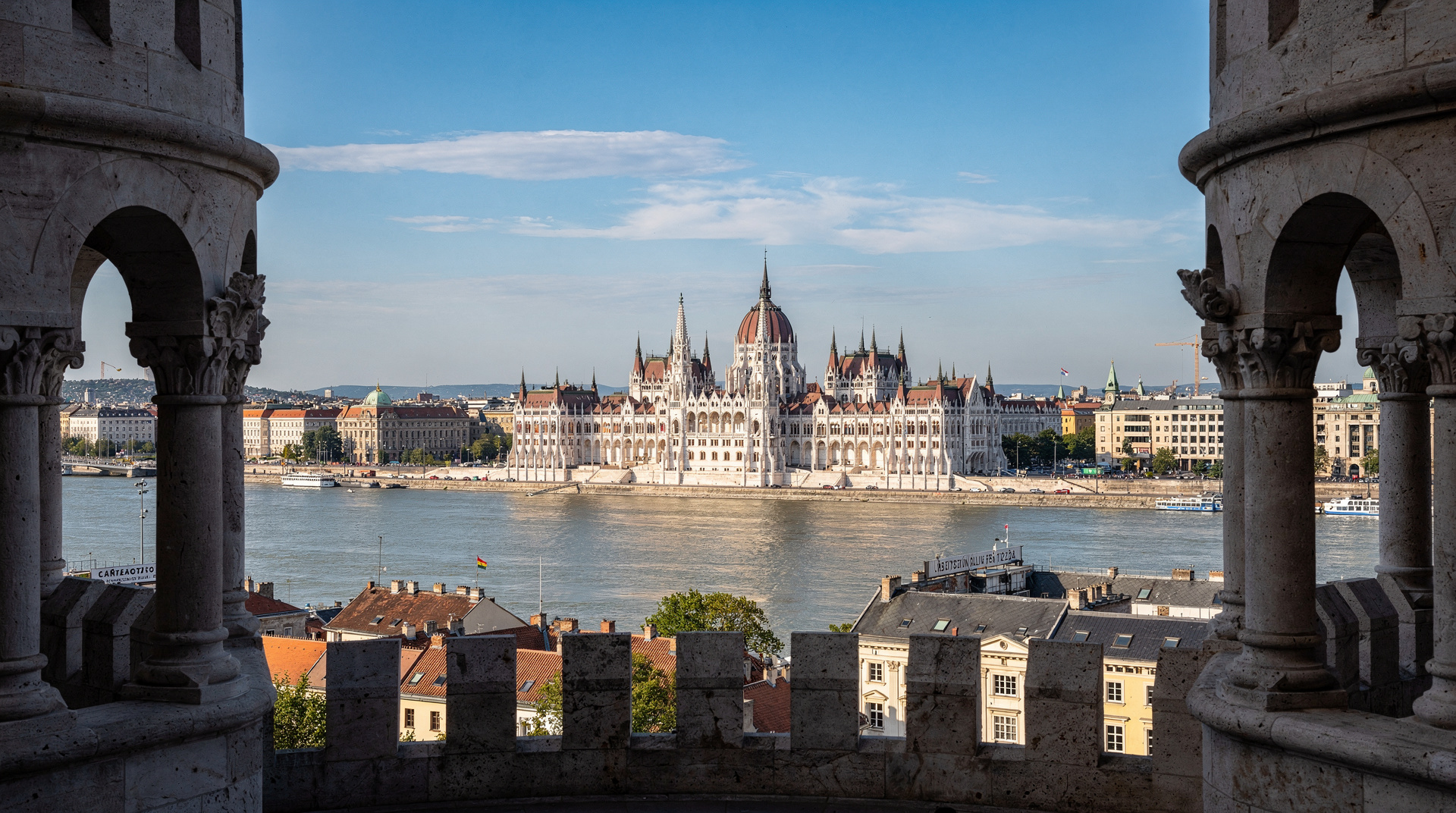
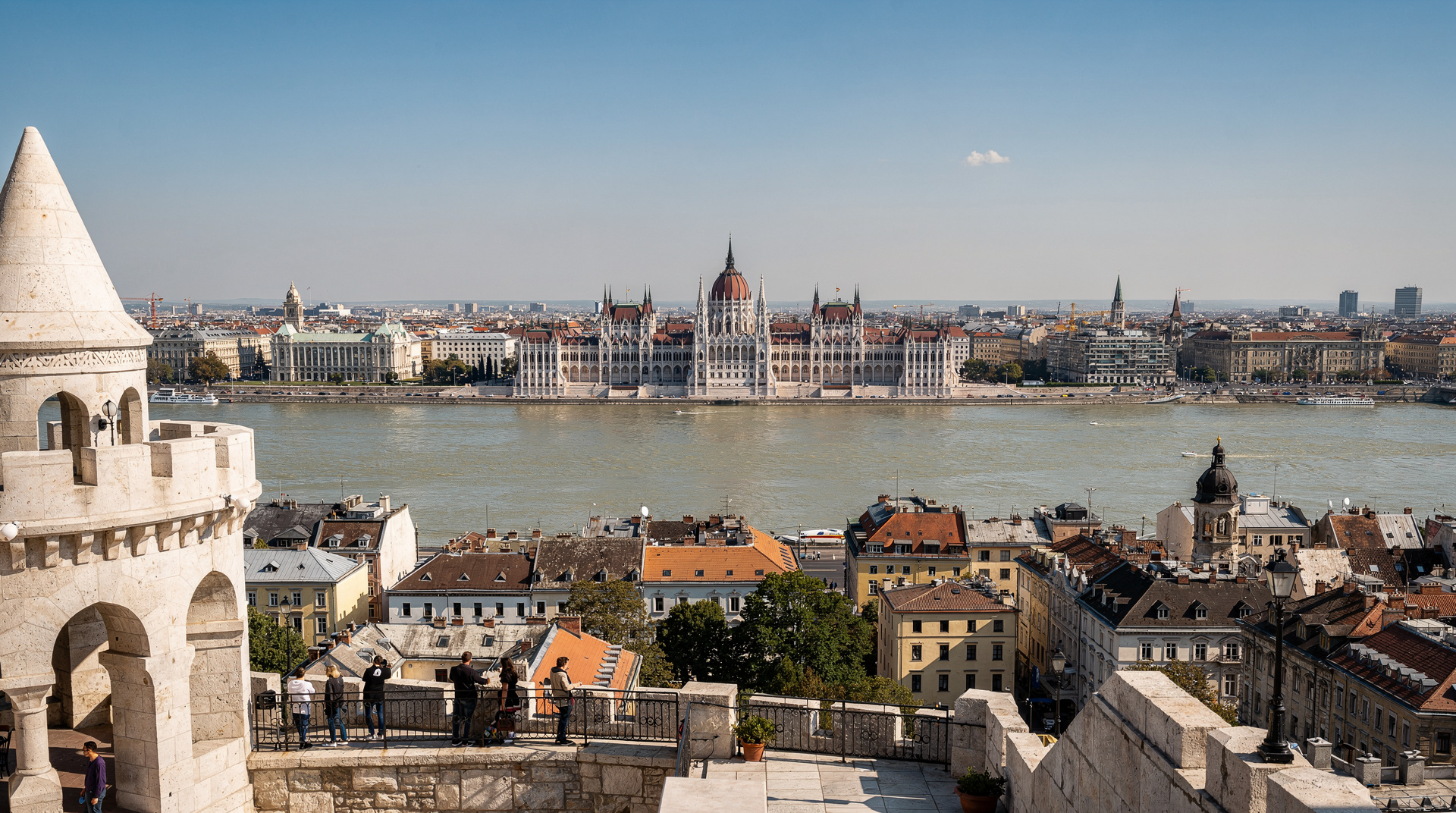
- Fisherman’s Bastion: the main upper terrace requires climbing steps; the lower viewing area is accessible by a ramp but gives only partial views
- Matthias Church: steps at the main entrance; interior is largely flat once inside — ask staff about accessible entry
- Most of the Castle District’s lanes: narrow cobblestone, often at angles
Alternatives: The views of the Castle District from the Pest bank (Kossuth tér, the riverfront near the Chain Bridge) are extraordinary without requiring any climbing. The Danube riverfront is flat and accessible.
If you still want to see the sights of the hill, treat it as a half-day with plenty of rests rather than a full itinerary. The Buda Castle guide and the Castle District destination page describe what is up there, so you can pick the two or three places that matter most to you and leave the rest. The Fisherman’s Bastion guide and the Matthias Church guide cover the two stops that most visitors want, and it helps to read them before you go so you know where the steps are likely to be. The Chain Bridge guide is also useful, since the funicular starts beside the bridge and the crossing itself is a good, flat way to enjoy the view.
Thermal baths: which to choose
Thermal bath accessibility varies significantly between facilities.
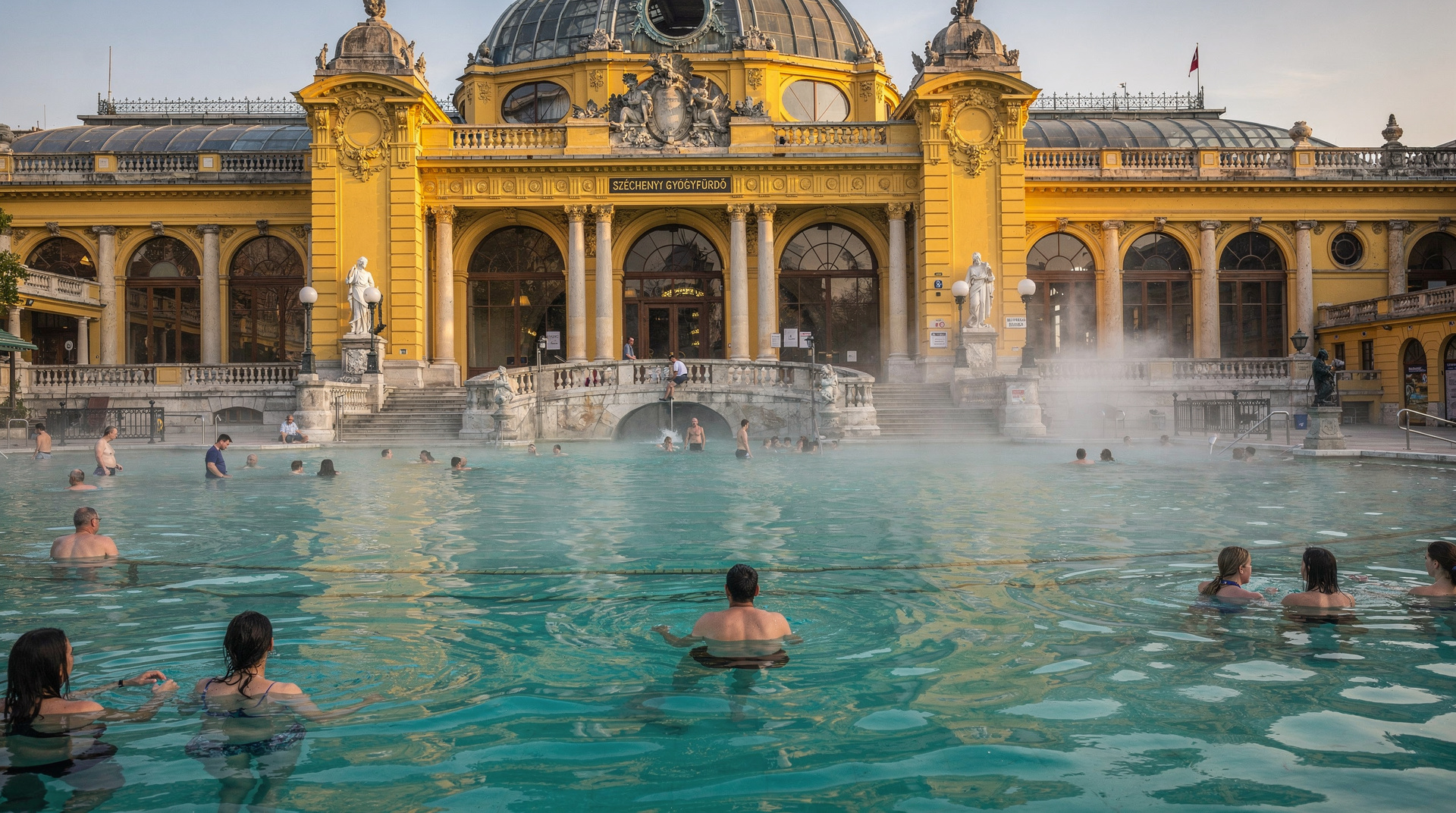
Széchenyi Thermal Bath: The largest and most accessible. The main entrance is ground level. Some outdoor pools are step-free; pool entry via steps or a pool lift (request at reception). Accessible changing rooms available. Staff can assist. The distance between pools in the outdoor area is long — battery-powered courtesy vehicles are sometimes available for guests who need them.
Lukács Thermal Bath: Has accessible changing rooms and some step-free pool access. Quieter and more local-feeling than Széchenyi. Contact the bath in advance to discuss specific access requirements.
Rudas Thermal Bath: The most challenging for accessibility. The Ottoman dome pool is below street level with significant steps. The rooftop pool has better access. Call ahead: Rudas staff can discuss arrangements, but be realistic that this is primarily a historic building with limited modification possibilities.
Gellért Thermal Bath: Art Nouveau building with steps at the main entrance and internal stairways. A secondary accessible entry exists — verify its current status before visiting as renovation works may affect access arrangements. Check current status before booking.
Margaret Island Day Spa: A newer facility on Margaret Island with better accessibility standards than the historic baths. See the Margaret Island spa guide for details.
Preparing for a bath visit
Whichever bath you choose, a little preparation makes the visit smoother. Call or write ahead to explain what you need, ask which entrance to use, and ask whether staff can help at the pool edge. Arriving at a quieter time of day usually means less crowding in corridors and changing areas, though you should confirm what suits you with the bath itself. The thermal bath etiquette guide explains how the changing and locker systems work, which matters if you need extra space or time, and the bath ticket mistakes guide helps you avoid buying the wrong ticket. For individual venues, see the Széchenyi guide, the Lukács guide, the Rudas guide and the Gellért guide, and the Széchenyi vs Gellért vs Rudas comparison if you are still choosing between them.
Museums and sightseeing
Most of Budapest’s major museums have improved accessibility substantially in recent years.
Hungarian National Museum: Fully accessible with lifts, ramps and an accessible toilet. The permanent exhibition is spread across multiple floors with lift access.
Museum of Fine Arts (Heroes’ Square): Large, modern exhibition spaces with accessible entry. Audio guides available.
House of Terror (Andrássy Avenue): Accessible entry; the building is a former secret police headquarters and the exhibition is on multiple levels with lifts.
Hungarian Parliament: Interior tours are accessed via specific entrances. Notify the ticket office when booking about mobility requirements — accessible tour arrangements can be made.
Matthias Church: Step access at the main entrance; ask staff about alternative entry. The interior is on a single level once inside.
St Stephen’s Basilica: The main basilica is accessible with a level entrance from the square. The rooftop terrace (for the city panorama) involves a lift section — confirm current operation before visiting.
Pacing your sightseeing
Pick one main sight per day and let the rest of the day stay flexible. The top attractions guide and the best museums guide help you shortlist, while the Hungarian Parliament guide and the St Stephen’s Basilica guide explain how visits to those two buildings work. If you are deciding how long to stay, the how many days in Budapest guide and the three-day itinerary give a base you can stretch, and an unhurried weekend break can work well when energy is limited. Add rest days rather than squeezing in extra stops.
Staying in Budapest as an accessible traveller
Where to stay: Flat Pest neighbourhoods — Districts V, VI, VII — are closest to M4 stations and have the most accessible hotel stock. Look specifically for:
- Hotels on the ground floor or with functioning lifts
- Roll-in shower or level-access bathroom (specify when booking; many older buildings have baths only)
- Proximity to M4 stations (Kálvin tér, Fővám tér, Rákóczi tér)
Cobblestones: The Castle District, the Jewish Quarter courtyards and some of Buda’s residential areas have cobblestone paving. Motorised wheelchairs handle these better than manual chairs; narrow racing wheels are problematic. Budget extra time and consider the specific routing for any heavy-cobblestone area.
When you compare hotels, write to the property directly and describe what you need in plain terms: door widths, bathroom layout, how you reach the lift. Photos on booking sites rarely show these details, and a clear reply before you pay is worth more than a star rating. The where to stay in Budapest guide and the Buda vs Pest where to stay guide give the wider picture, and the District V guide covers the central area that suits many accessible stays.
Practical resources
BudapestGO app: The journey planner has an accessibility mode that shows lift availability at metro stations and low-floor tram/bus service at stops. Use it for every journey.
BKK accessibility phone line: BKK maintains a phone line for transport accessibility questions. Current numbers are listed on the BKK website.
Hungarian Disabled Association (MEOSZ): Provides resource lists and advice for disabled travellers in Hungary. Their website has English-language information.
Easy days out and quieter pleasures
Not every good day needs a landmark. A slow walk along the flat Danube bank, a long lunch, or an afternoon on the paved paths of Margaret Island can be the highlight of a trip. The coffee houses guide suggests grand rooms where you can sit for as long as you like, and the best restaurants guide helps you choose a table; when you book, ask about steps at the door and the location of the toilets. The Great Market Hall guide is worth reading before a visit since a busy hall can be tiring to cross, and the free things to do guide lists easy options that cost nothing.
If you are considering a river outing, the best Danube cruises guide shows the choices, and a cruise lets you see the city from a seat with no hills involved; check boarding arrangements with the operator first. Travelling with a companion or alone is also workable, and the solo travel guide offers practical advice for either situation. If safety is on your mind, the is Budapest safe guide answers the common concerns, and the Budapest in winter guide, the spring guide and the best time to visit guide can help you choose a season whose weather suits your comfort. Wet or icy pavements are harder on wheels and walking aids, so keep the season in mind when you plan.
For the overall trip planning context including transport overview and what to pack, see Budapest travel guide 2026 and what to pack for Budapest. For family-specific planning with pushchairs and children, see Budapest with kids.
Frequently asked questions about Accessible Budapest
Can wheelchair users visit the Castle District in Budapest?
With difficulty. The Castle District sits on a hill with cobblestone streets, steep inclines and many steps. The funicular (sikló) from the Chain Bridge is accessible for most mobility devices — it is a cable car with a flat carriage. The main Castle terrace (Disz tér) is reachable by the funicular, and parts of the esplanade are paved. Fisherman's Bastion has steps with no full ramp alternative to the main terrace, but the lower viewing area is accessible.Which Budapest metro lines are wheelchair accessible?
The M4 (green line) is fully accessible with lifts at all stations. The M1 (yellow, historic line) is the least accessible — narrow platforms, steep stairs, no lifts. M2 and M3 have partial lift coverage at some stations. Plan routes using BudapestGO's accessibility filter, which shows which stations have working lifts.Are Budapest's thermal baths accessible?
Széchenyi has step-free access to some pools and changing areas, plus staff assistance. Lukács has accessible changing rooms. Rudas has significant steps from the entrance to the Ottoman dome pool — call ahead to arrange assistance. Gellért has steps at the main entrance but a side accessible entry — verify current access before visiting as renovation works may affect this. The /guides/best-thermal-baths-in-budapest/ guide notes accessibility for each bath.Is Budapest accessible for visitors with visual impairments?
Budapest's major museums (Hungarian National Museum, Museum of Fine Arts, House of Terror) have tactile guides and audio guides available — request in advance. Most street crossings have audible signals. The metro network has tactile paving at platform edges. English-language audio guides are available at the main tourist sites including the Parliament and Matthias Church.What is the most accessible area to stay in Budapest?
The flat neighbourhoods of Pest — District V (Belváros), District VI (Terézváros) and District VII (Erzsébetváros) — are the most accessible. They are near the M4 and M2 metro stations with lift coverage, the terrain is flat, and most hotels in these areas have accessible rooms. Avoid District I (Castle District) as a base if significant mobility equipment is needed.How much extra time should I budget for accessible sightseeing in Budapest?
Add roughly 20 to 30 percent more time per day than you would in a flat, purpose-built tourist city. Journey planning via BudapestGO, waiting for lifts at busier metro stations, and taking the funicular rather than steps in the Castle District all add time. Building in one lighter day, especially after a heavy sightseeing day around the Castle District, makes the trip far less tiring.