How many days in Budapest? Honest advice for every trip length

How many days should I spend in Budapest?
Three days is the sweet spot for a first visit — enough for the Castle District, Pest sightseeing, one thermal bath, and one evening in the ruin bars without feeling rushed. Four days adds a Danube Bend day trip. Two days works as a city sprint. Five or more days rewards unhurried exploration and regional day trips.
The short answer and why it matters
The most common planning error in Budapest is not planning too little — it is planning too much in too little time. Budapest is a city with density: the Castle District alone rewards a slow half-day; the Jewish Quarter with its synagogues, gallery courtyards and ruin bars is a full day if you let it be. Visitors who sprint through in 2 days often leave feeling they missed the city’s character rather than experienced it.
The honest advice: three full days (meaning three mornings, not three airport-to-airport days) is the right floor for a first visit. Everything below is a compromise; everything above is enrichment.
| Minimum worthwhile stay | 2 full days (a sprint, not a deep dive) |
| Sweet spot | 3 full days |
| Extra cost per added day | Around €50–120 depending on style |
| Transport for a short stay | 72-hour BKK travelcard, 5,750 HUF |
| Book ahead if 3+ nights | Parliament tour, baths, popular restaurants |
At a glance: what each length covers
| Days | What you realistically see |
|---|---|
| 2 days | Castle District, Pest riverside, one bath, one evening in the ruin bars |
| 3 days | The above, plus Parliament interior, Jewish Quarter properly, a Danube cruise |
| 4 days | The above, plus one Danube Bend or Gödöllő day trip, or a deeper city day |
| 5 days | The above, plus a second bath, a cooking class or wine tasting, slower pacing |
| 7+ days | The above, plus Eger, Tokaj, Lake Balaton or a Vienna/Bratislava day trip |
1–2 days: the sprint
When it makes sense: A stopover on a multi-city trip; a spontaneous long weekend with only Friday and Saturday in the city; a pure city-check for someone who travels fast and returns later.
What you can realistically cover: With 2 full days (say, arriving Friday evening, leaving Sunday evening), you can:
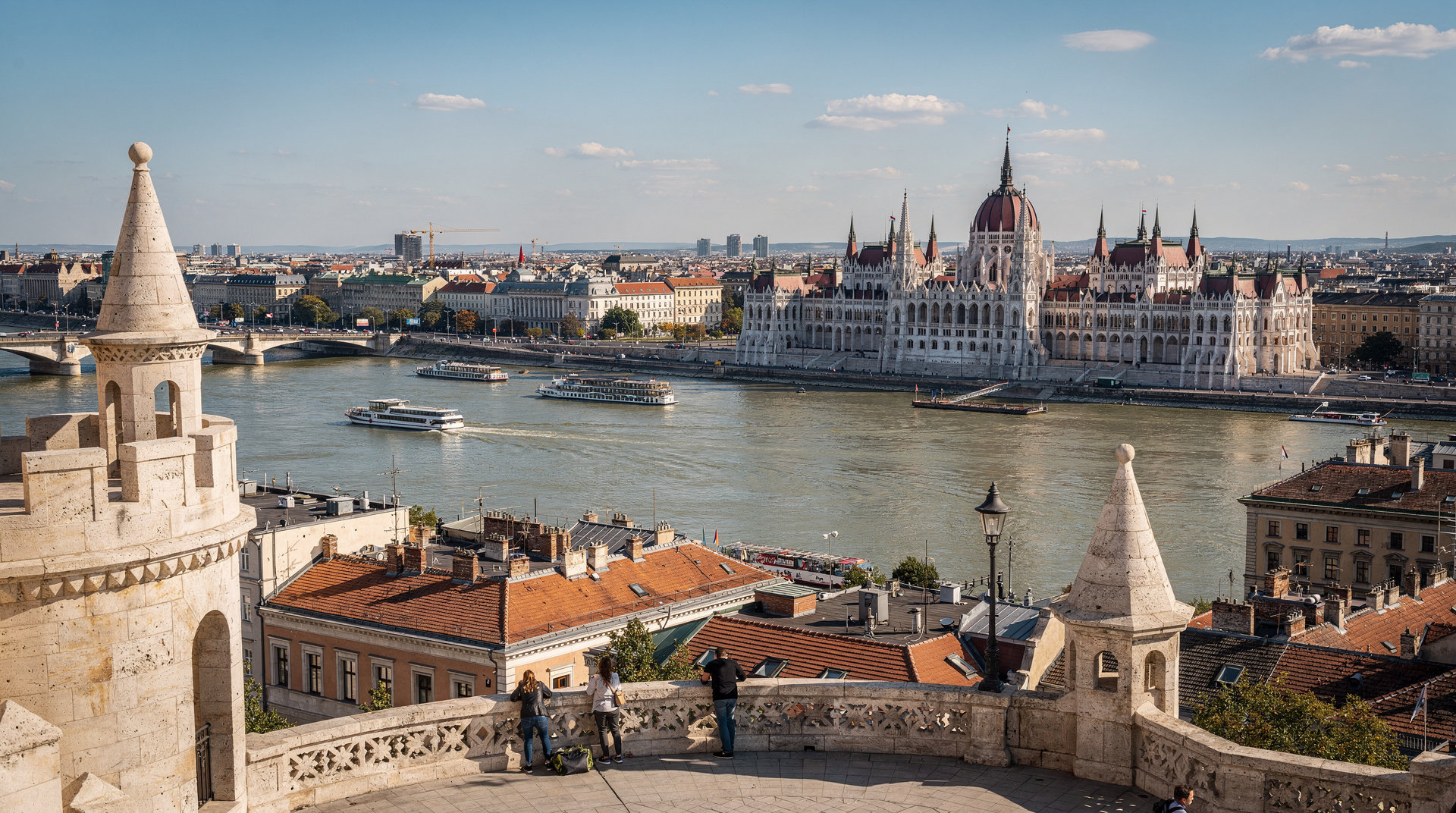
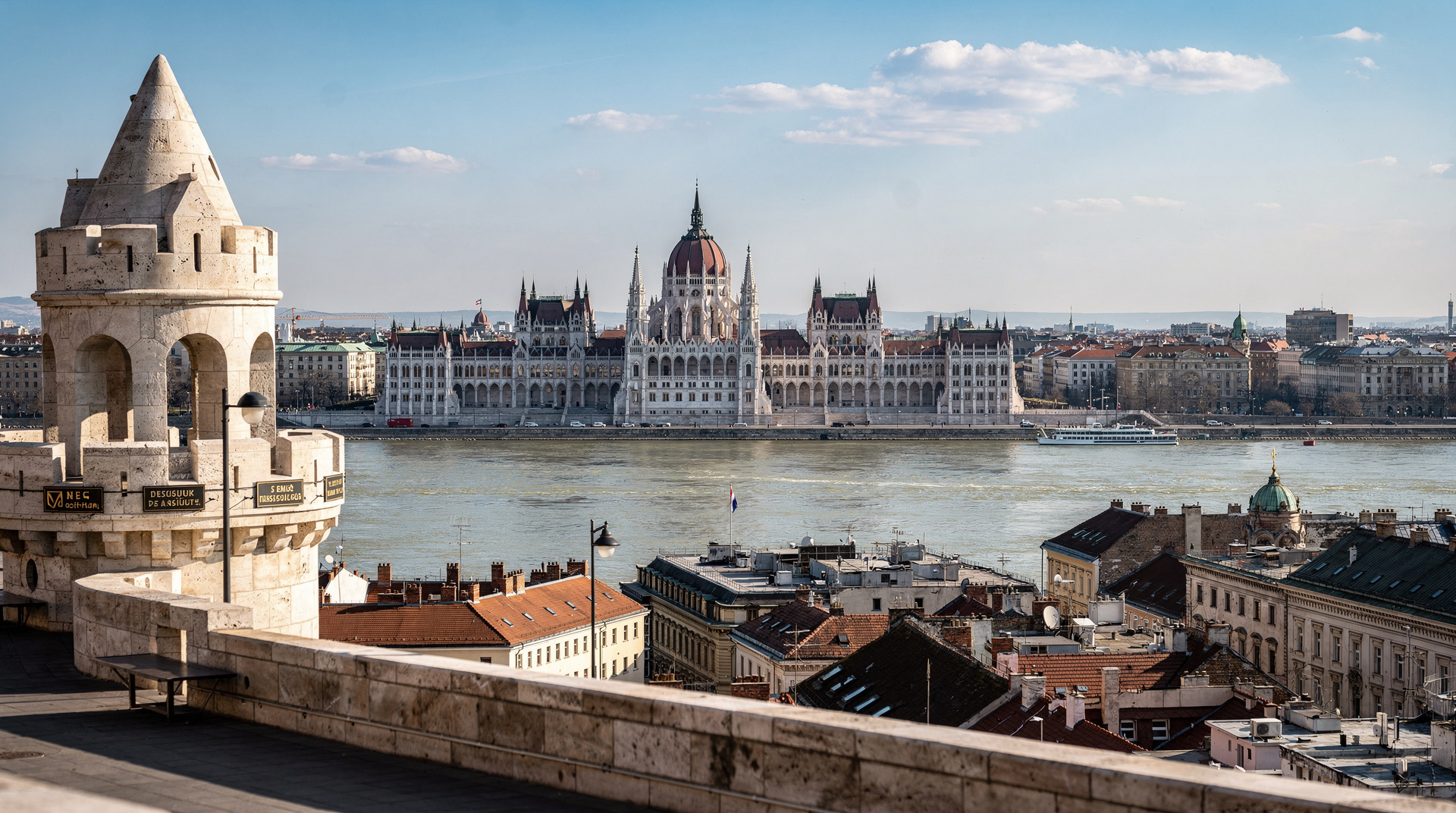
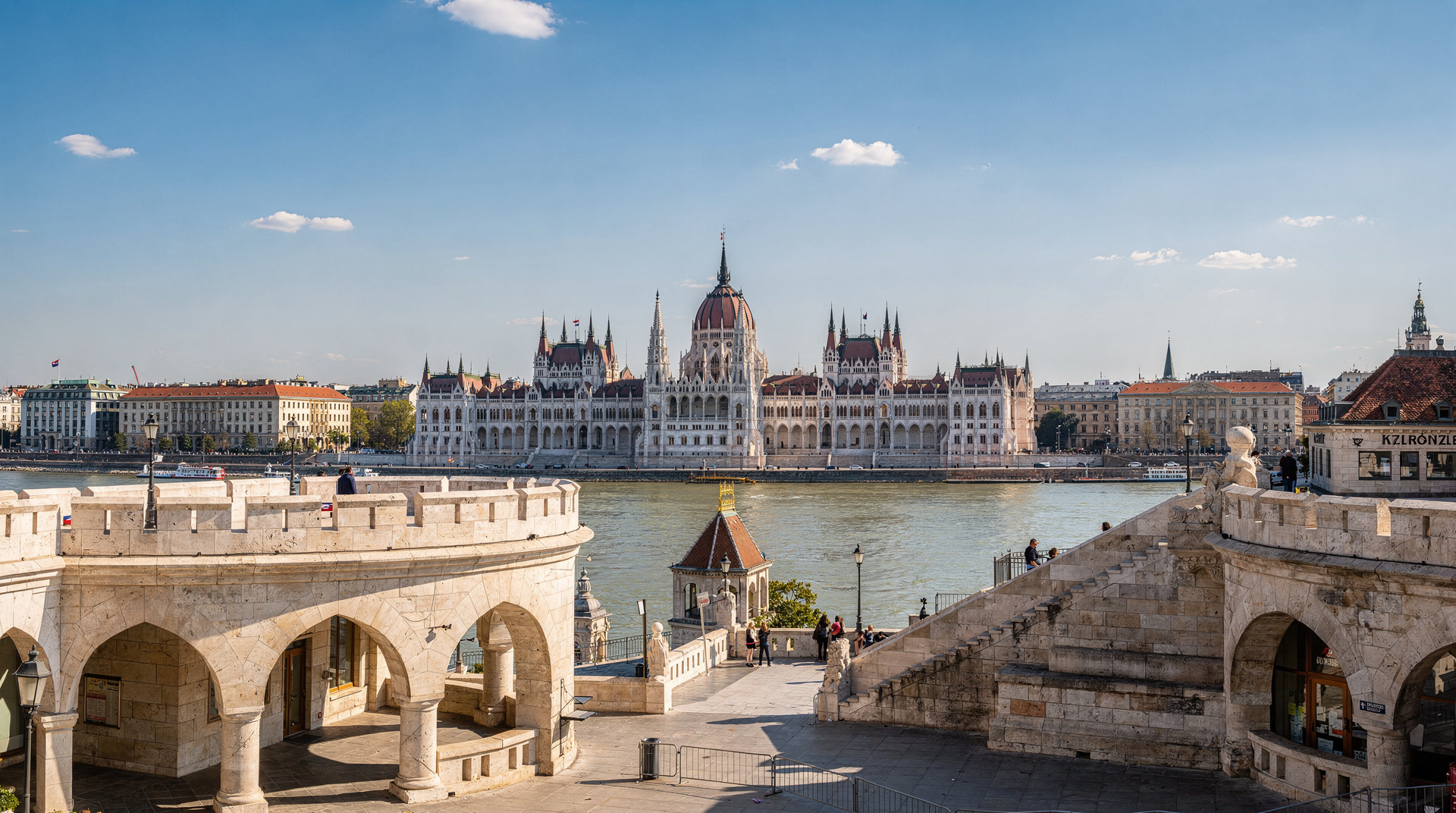
- Castle District walk (Fisherman’s Bastion, Matthias Church, panoramic views) — half a day
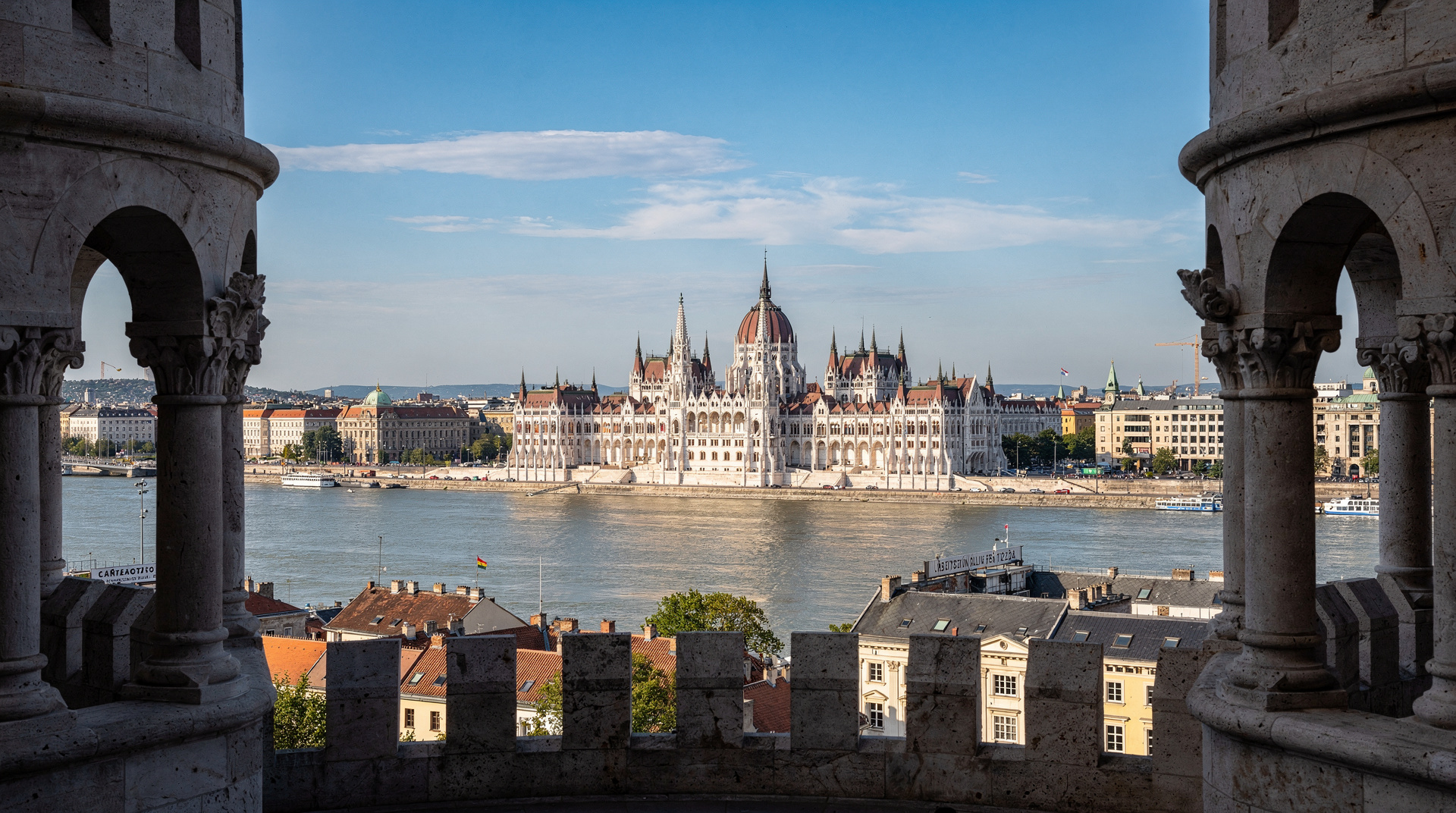
- Pest riverside: Chain Bridge, Parliament exterior, Basilica — 2–3 hours
- One thermal bath — 2–3 hours (book in advance)
- Jewish Quarter and one evening in the ruin bars — evening
That is a tightly packed 48 hours with almost nothing wasted. You will not have time for: a Danube cruise, the Great Market Hall properly, any day trip, the City Park, the House of Terror, a food tour, or a second bath.
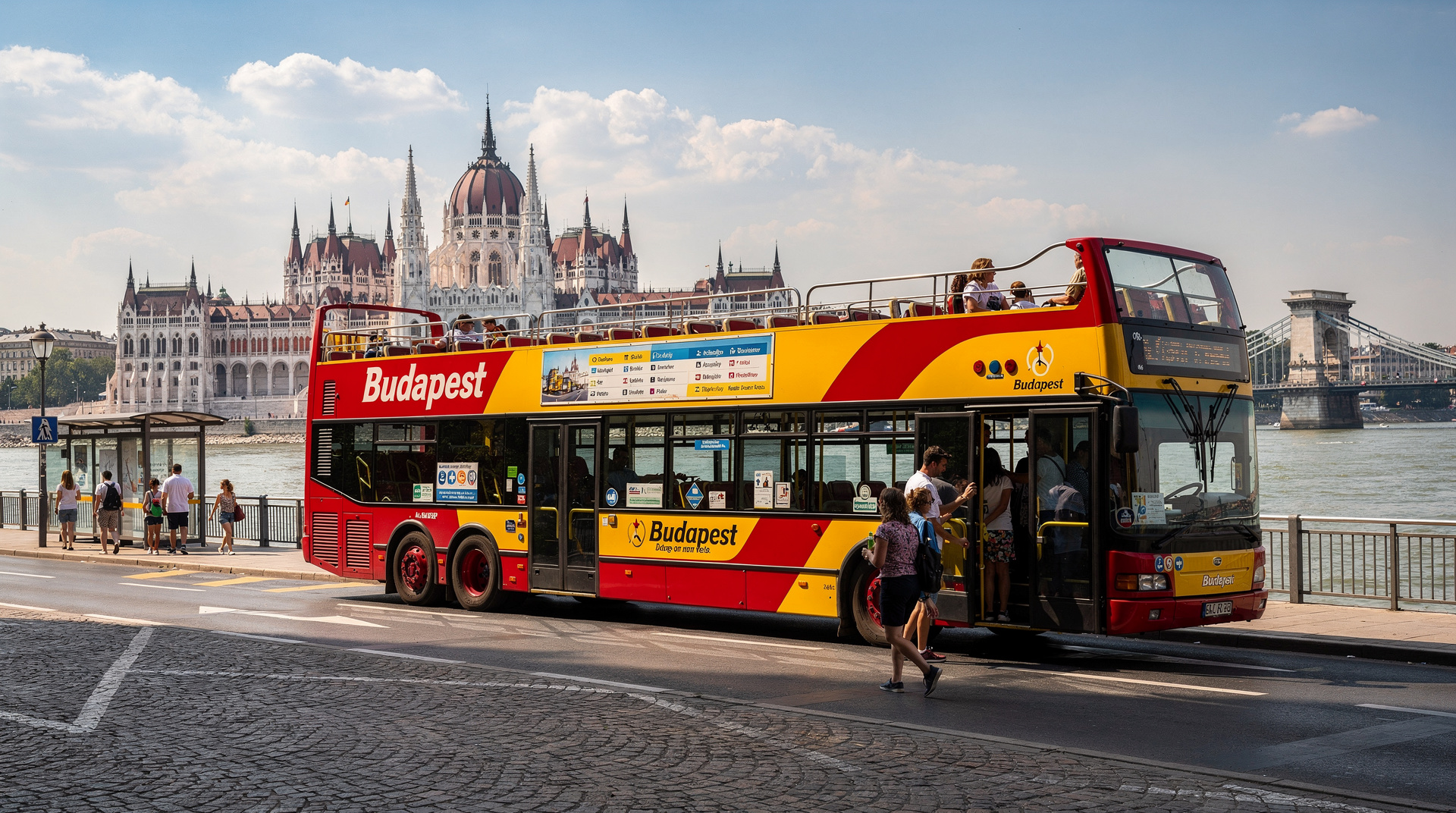
Best tool for 2 days: The Budapest Big Bus hop-on hop-off tour on day 1 orients you to the city geography quickly without spending time figuring out the transport system.
Bottom line: 2 days leaves you wanting more. That can be a feature (it will bring you back) or a frustration.
A note on pacing: the temptation on a 2-day trip is to schedule every hour. Resist it. Budapest’s Castle District and Jewish Quarter reward unhurried walking more than any checklist item does, and an over-scheduled 48 hours tends to produce photographs rather than memories. Build in at least one unstructured hour per day — a café stop, a riverside bench, a wander without a destination.
3 days: the ideal first visit
Three days is the amount of time needed to see Budapest with enough space for things to be memorable rather than just photographed.
Day 1 — Buda
Morning: Castle District — the Matthias Church, the Fisherman’s Bastion at opening time (before the tour groups arrive at 09:00), the Royal Palace gardens and the panoramic view over Pest. Cross the Chain Bridge on foot.
Afternoon: Gellért Hill — the hike up from the Liberty Bridge takes 20–30 minutes; the view from the Citadella is worth every step. Alternatively, take the funicular from the Chain Bridge approach to the Castle.
Evening: Cross back to Pest for dinner. Kőleves (Kazinczy utca 41) in the Jewish Quarter is reliable and atmospheric. First drink at Szimpla Kert.
Day 2 — Pest sightseeing
Morning: Hungarian Parliament (book a timed interior tour in advance), then walk the riverfront to see it properly from the water side. Optional: 2-hour walking tour of Budapest for historical context.
Afternoon: St Stephen’s Basilica interior, Great Market Hall (lángos on the ground floor, paprika and salami at the stalls), leisurely walk through District V.
Evening: Jewish Quarter — Dohány Street Synagogue area, Kazinczy utca courtyard bars, Rumbach utca. Dinner at Mazel Tov (Israeli-Hungarian fusion, beautiful courtyard, great mezze).
Day 3 — Thermal baths and Danube
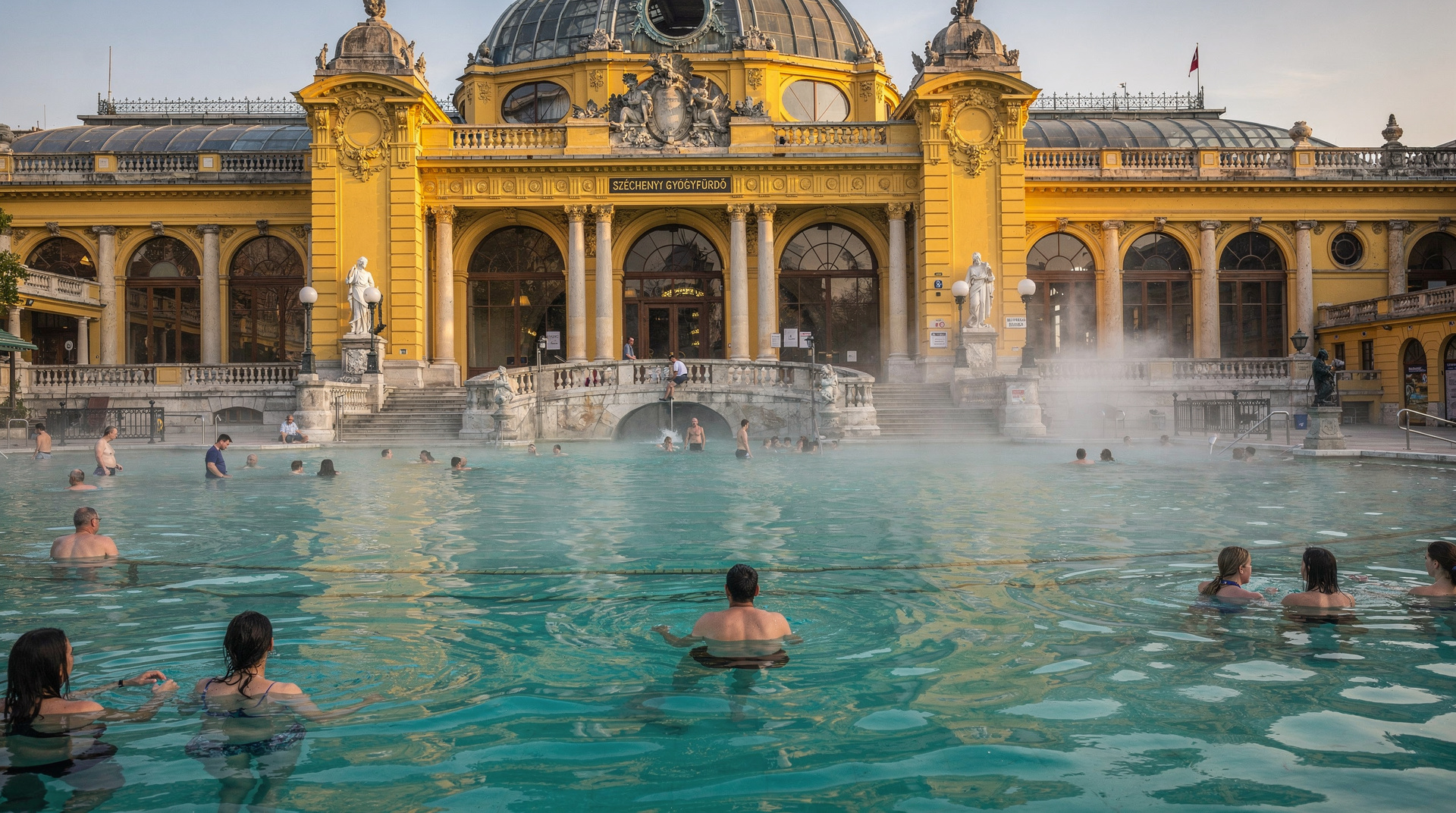
Morning: Thermal baths — Széchenyi for the classic outdoor pools or Rudas for the Turkish dome atmosphere. Book online the night before.
Afternoon: City Park — Heroes’ Square, the Millennium Monument, Vajdahunyad Castle. The City Park (Városliget) is being renovated into an even larger museum quarter; check current open areas.
Evening: Danube river cruise — the evening view of the illuminated Parliament, Chain Bridge and Castle from the water is genuinely spectacular. Book a cruise that fits your preference (see Danube cruises guide for options).
The Budapest 3-day overview maps this day by day in more detail, with specific time slots and alternatives.
4 days: add a day trip or depth
Four days is the most comfortable length for a first visit: you cover the core sights at a reasonable pace and have one full day for a different experience.
The day trip option
The Danube Bend (Szentendre, Visegrád, Esztergom) is the obvious choice. Szentendre — an art-and-artisan village 25 km north of Budapest — is 45 minutes by HÉV suburban railway and is excellent for a morning. Visegrád’s hilltop castle adds another stop. A full-day guided Danube Bend tour covers all three with commentary. See Danube Bend day trip.
Alternatively: Gödöllő Palace (40 minutes by HÉV H8) — the Baroque summer residence of Queen Elisabeth (Sissi), one of the finest Hungarian royal palaces. Excellent for history lovers and significantly less crowded than the Castle District.
The depth option
Stay in Budapest but go deeper: a cooking class (Foodapest at the Central Market Hall is excellent), a food tour in the Jewish Quarter, an afternoon at Lukács baths (the calm, local alternative to Széchenyi), the House of Terror for Cold War history, or Memento Park for communist-era statues collected after the regime change.
5 days: the in-depth visit
Five days allows genuine relaxation between activities — the luxury of spending an afternoon in a café, walking an entire neighbourhood without a checklist, returning to a bath on a second day.
What days 4 and 5 add to a 3-day foundation:
- Day 4: Danube Bend or Lake Balaton (1.5h by train for a summer swim day)
- Day 5: Memento Park in the morning, cooking class or wine tasting afternoon, farewell dinner at a neighbourhood restaurant
The Budapest 5-day itinerary maps a coherent sequence.
7 days or more: Budapest as a regional base
A week or more in Budapest is uncommon but thoroughly justified if you use the city as a base for regional exploration. Possible additions:
- Eger (2 hours by train): medieval castle, valley of the beautiful women (wine-cave district), Egri Bikavér bull’s blood wine, thermal baths at Egerszalók. Worth an overnight or a very full day. See Eger day trip.
- Tokaj (2.5 hours by train): the famous wine region — Aszú (botrytised dessert wine), hillside cellars, the UNESCO-listed landscape. See Tokaj day trip.
- Lake Balaton: Central Europe’s largest lake — 1.5 hours from Budapest by train to Balatonfüred or Siófok. The Tihany Peninsula has an 18th-century Benedictine abbey and lavender fields. See Lake Balaton day trip.
- Vienna or Bratislava: Day-trippable by train (Vienna 2h40; Bratislava 2.5h by bus). Both make excellent day trips from Budapest or mid-itinerary stops on a longer journey. See Bratislava day trip and Vienna day trip.
Practical planning notes
Arrival timing: If you arrive in Budapest in the evening, count that as a half-day at most. Four nights in a hotel equals roughly 3 full days plus two partial days.
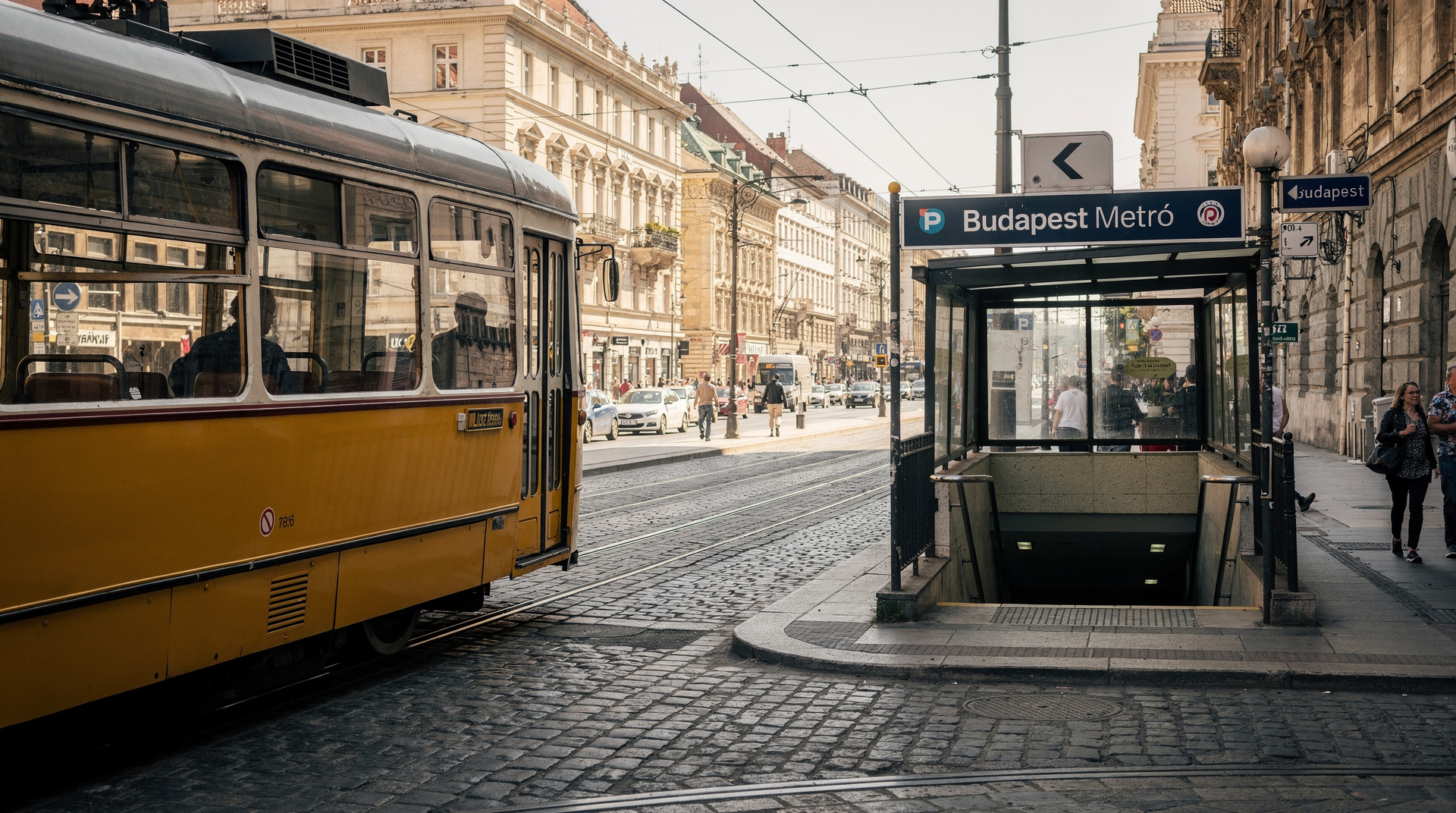
Transport: For a short visit, the 72-hour BKK travelcard (5,750 HUF) covers your public transport without thinking about individual tickets. Details at BKK travel passes.
Budget: Each additional day in Budapest typically adds €50–120 to your total spend depending on your accommodation level and activities. The Budapest Card starts at 29,990 HUF for 72 hours and includes unlimited public transport plus more than 30 free visits and activities. Run the calculation at Budapest Card calculator.
Booking ahead: In summer (June–August), book thermal baths, Sparty tickets, and popular restaurants 2–7 days ahead. Parliament tours sell out; book the morning after you arrive at the latest. Everything else is walkable in shoulder season.
For the complete planning hub, see Budapest travel guide 2026. For day-by-day cost tracking, see Budapest trip cost.
What to cut first if you have less time than you’d like
If you land with only 2 days instead of the recommended 3, cut in this order: the Danube cruise first (the view from Gellért Hill or the Chain Bridge at night is a reasonable substitute), then a second thermal bath, then the Great Market Hall’s deeper stalls (a quick walk-through still works). Do not cut the Castle District or a proper sit-down meal in the Jewish Quarter — these are the two experiences visitors most regret rushing. If you are choosing between Buda and Pest on a single tight day, Pest packs more into less walking distance; Buda rewards a slower, dedicated half-day rather than a squeezed morning.
Choosing your length by travel style
The right number of days depends less on the city than on how you like to travel. Some visitors are happiest ticking off landmarks in a compact window; others only relax once they have stopped checking the time. Be honest about which you are before you book flights.
If you travel fast and love landmarks: three days suits you, and you can stretch it by starting early. The first-time visitor guide and the top attractions list help you rank what is worth the early alarm and what can wait for a second trip.
If you travel slowly and love food and atmosphere: aim for four or five days. Budapest’s best moments are often unplanned: a long lunch, a coffee house that turns into an afternoon, a bath you did not intend to stay in for so long. The coffee houses guide and the street food guide show how much of the city’s pleasure sits outside the main sights.
If you are travelling with children: add a day compared with an adult-only trip. Younger travellers tire sooner, and a spare day lets you swap a museum for a playground or a bath without guilt. See Budapest with kids for ideas that keep everyone content.
If you are visiting as a couple: a slower rhythm pays off. Evenings, bath sessions and long dinners are the heart of a romantic trip, so give them room. The romantic Budapest guide suggests how to shape the days around them.
Season changes how many days feel right
The same number of days feels different depending on the time of year. In high summer, heat and crowds can make midday sightseeing tiring, so you may want an extra day to spread activities across cooler mornings and evenings. In winter, shorter daylight hours compress what you can do outdoors, but the baths, cafés and indoor sights fill the gaps well, and an unhurried pace suits the season. Shoulder months tend to be the easiest for packing a lot into three or four days because the weather is mild for walking. The best time to visit guide goes through each season in more detail.
Two ways to use a spare day
If your trip ends up one day longer than you planned, resist the urge to add more sightseeing. Two choices usually work better.
A recovery day in the city: leave one day almost empty. A long bath session, a late breakfast, a walk along the river and an early dinner will do more for your impression of Budapest than another museum. The thermal baths guide will help you pick the right one for a slow day.
A change of scene: use the extra day for a trip out of the city. The best day trips from Budapest compares the options, so you can match the destination to your interests, whether that is a river town, a palace, wine country or a lake.
Timing questions
Should I stay longer if it is my first time in Central Europe? Slightly, yes. Unfamiliar transport, a new currency and a language few visitors speak all take a little time to settle into. A spare half-day at the start absorbs that friction, which is another reason three full days beats two.
Does a short trip change where I should sleep? It does. With few days, staying close to the places you will visit most saves time every day. The where to stay guide explains which areas suit short stays, and the Buda vs Pest comparison helps you choose a side of the river.
Is it worth reshuffling days around the weather? Yes. Keep your outdoor-heavy plans flexible, and treat the baths, museums and cafés as the days you can swap in when the forecast turns. A loose plan with a few fixed bookings, such as the Parliament tour, copes with weather far better than a rigid schedule.
Frequently asked questions about How many days in Budapest? Honest advice for every trip length
Is 2 days enough for Budapest?
Two full days covers the essentials without feeling empty, but you will need to prioritise. Day 1: Castle District, Fisherman's Bastion, Chain Bridge, Parliament exterior. Day 2: Jewish Quarter, Széchenyi baths, Great Market Hall, ruin bar in the evening. It works if you accept you are doing a highlight reel, not a deep dive.What can I do in Budapest in 3 days?
Three days is the ideal first-visit length. Day 1: Buda — Castle District, Matthias Church, Fisherman's Bastion, Gellért Hill view. Day 2: Pest — Parliament, Jewish Quarter, Basilica, evening in ruin bars. Day 3: Thermal baths (Széchenyi or Rudas), Great Market Hall, relaxed afternoon, Danube river cruise in the evening. See /guides/budapest-3-days-overview/ for the detailed itinerary.What can I do in Budapest in 4 or 5 days?
Day 4 is perfect for a Danube Bend day trip (Szentendre, Visegrád, Esztergom) or Gödöllő Palace. Day 5 deepens the city: Memento Park, a cooking class, Lukács or Rudas baths, art galleries in the Jewish Quarter, a wine tasting. After day 4 you have comfortably seen the core of Budapest and can explore its texture rather than its highlights.How many days should I spend in Budapest before moving on to Vienna or Prague?
If Budapest is one stop on a multi-city trip, 3 nights (4 days if the first arrives early) works well. Budapest to Vienna is 2h40 by Railjet; Budapest to Prague is 6–7 hours by train. Positioning Budapest first, then Vienna, then Prague (or vice versa) makes geographic sense. Don't try to see Budapest in 1 night as a train stop — you'll be disappointed.Is 7 days too long in Budapest?
Not if you use the extra time for day trips and slower exploration. Days 6–7 could be spent at Lake Balaton (1.5h by train), Eger for wine and the castle, or a Tokaj wine region visit. Budapest as a base for Central European day trips is underused as a travel strategy — the city's position makes it excellent for this.Is Budapest better for a long weekend or a week?
Both work well. A 3-night long weekend (Thursday–Sunday or Friday–Monday) covers the highlights cleanly. A full week (with 2–3 day trips) leaves you feeling you genuinely understood the city rather than photographed it. If you are visiting for the first time and have the choice, 5 nights is the ideal middle ground.
Top experiences
Bookable activities with verified prices and instant confirmation on GetYourGuide.