Is Budapest expensive? honest 2026 cost breakdown

Is Budapest expensive for tourists?
Budapest is still noticeably cheaper than Vienna, Prague, or Amsterdam for accommodation, food, and activities — but the gap has narrowed since 2020. Expect to spend €50–80/day on a mid-range budget (mid-range hotel, sit-down meals, 1–2 attractions). Backpackers can manage €30–45/day. Couples on a romantic trip budget €120–200/day. All prices in HUF — Hungary is not in the eurozone.
The honest answer to “is Budapest cheap?”
Budapest has a reputation as a budget-friendly European capital, earned over decades as a genuinely affordable destination. That reputation is still broadly accurate in 2026, but it comes with important caveats: prices have risen substantially since 2020 due to Hungary’s high inflation period, and the city is no longer the bargain it was for visitors with Western European salaries.
The better framing: Budapest is cheaper than Vienna, Paris, Amsterdam, or Copenhagen for equivalent quality, and comparable to or slightly cheaper than Prague. It remains noticeably cheaper than London or Zurich. Whether it is “cheap” depends on where you are coming from and what you want.
| Backpacker budget | Around €30–45/day |
| Mid-range budget | Around €50–80/day |
| Comfortable budget | Around €80–140/day |
| Currency | Hungarian forint (HUF) — not the euro |
| Biggest savings tip | Avoid Váci utca restaurants and airport exchange desks |
The currency reality: HUF, not EUR
Hungary is not in the eurozone. The currency is the Hungarian forint (HUF). As of 2026:
- 1 EUR ≈ 400 HUF
- 1 USD ≈ 360 HUF
- 1 GBP ≈ 460 HUF
This matters practically: prices are quoted in HUF everywhere, card terminals may offer to charge in EUR (dynamic currency conversion — decline this; it typically adds 3–5% on top of already unfavourable rates), and cash ATMs should be from OTP, K&H, or CIB banks rather than Euronet machines, which apply inflated fees.
Pay in HUF. Exchange at your bank before arriving or withdraw at a reputable bank ATM once there. See the getting around Budapest guide for transport card advice.
A practical rule of thumb for quick mental conversion: divide a HUF price by 400 for a rough euro figure, or by 360 for a rough dollar figure. It’s not exact, but it’s close enough to avoid sticker shock at the till — Hungarian prices look large in raw numbers (a 5,000 HUF lunch) purely because of the exchange rate, not because it’s actually expensive (around €12.50).
Daily budget breakdown by profile
Backpacker / budget traveller: €30–45/day
| Category | Cost | HUF |
|---|---|---|
| Hostel dorm | €12–18/night | 4,800–7,200 HUF |
| Breakfast (bakery/market) | €2–4 | 800–1,600 HUF |
| Lunch (lángos, market, fast food) | €4–7 | 1,600–2,800 HUF |
| Dinner (local restaurant) | €6–12 | 2,400–4,800 HUF |
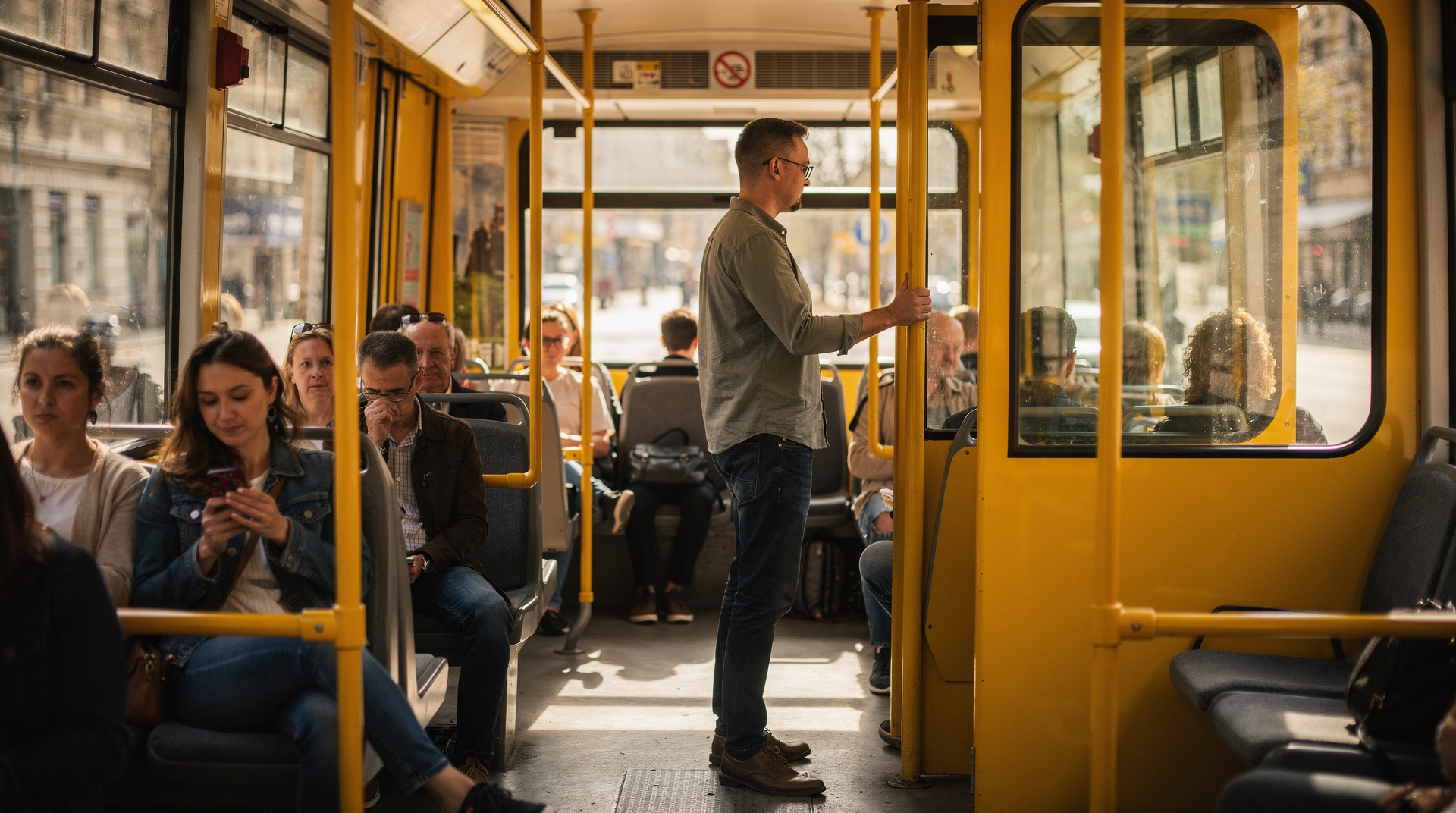
| Transport (24h pass) | — | 2,750 HUF |
| 1 attraction or activity | €5–15 | 2,000–6,000 HUF |
| Drinks/coffee | €3–6 | 1,200–2,400 HUF |
| Total | €33–48 | 13,300–19,300 HUF |
The free attractions — Fisherman’s Bastion terrace, Heroes’ Square, Margaret Island, the Jewish Quarter, Gellért Hill — are genuinely good and do not require compromise. If you want a guided introduction to the district and can spare a little budget, the past and present Jewish district walk is a paid alternative to exploring it on your own.
Mid-range traveller: €55–90/day
| Category | Cost | HUF |
|---|---|---|
| 3-star hotel (central) | €65–100/night | 26,000–40,000 HUF |
| Breakfast | €5–8 | 2,000–3,200 HUF |
| Lunch (café or brasserie) | €10–15 | 4,000–6,000 HUF |
| Dinner (mid-range restaurant with wine) | €20–35 | 8,000–14,000 HUF |
| Transport (24h pass) | — | 2,750 HUF |
| 1–2 attractions/experiences | €15–35 | 6,000–14,000 HUF |
| Coffee and drinks | €6–12 | 2,400–4,800 HUF |
| Total | €60–106 | 24,000–42,400 HUF |
At mid-range, Budapest delivers good value for the quality. A sit-down dinner at a proper Hungarian restaurant with wine for two runs 20,000–35,000 HUF (€50–87) — comparable food and service would cost considerably more in Vienna or Amsterdam.
Comfortable traveller: €100–160/day
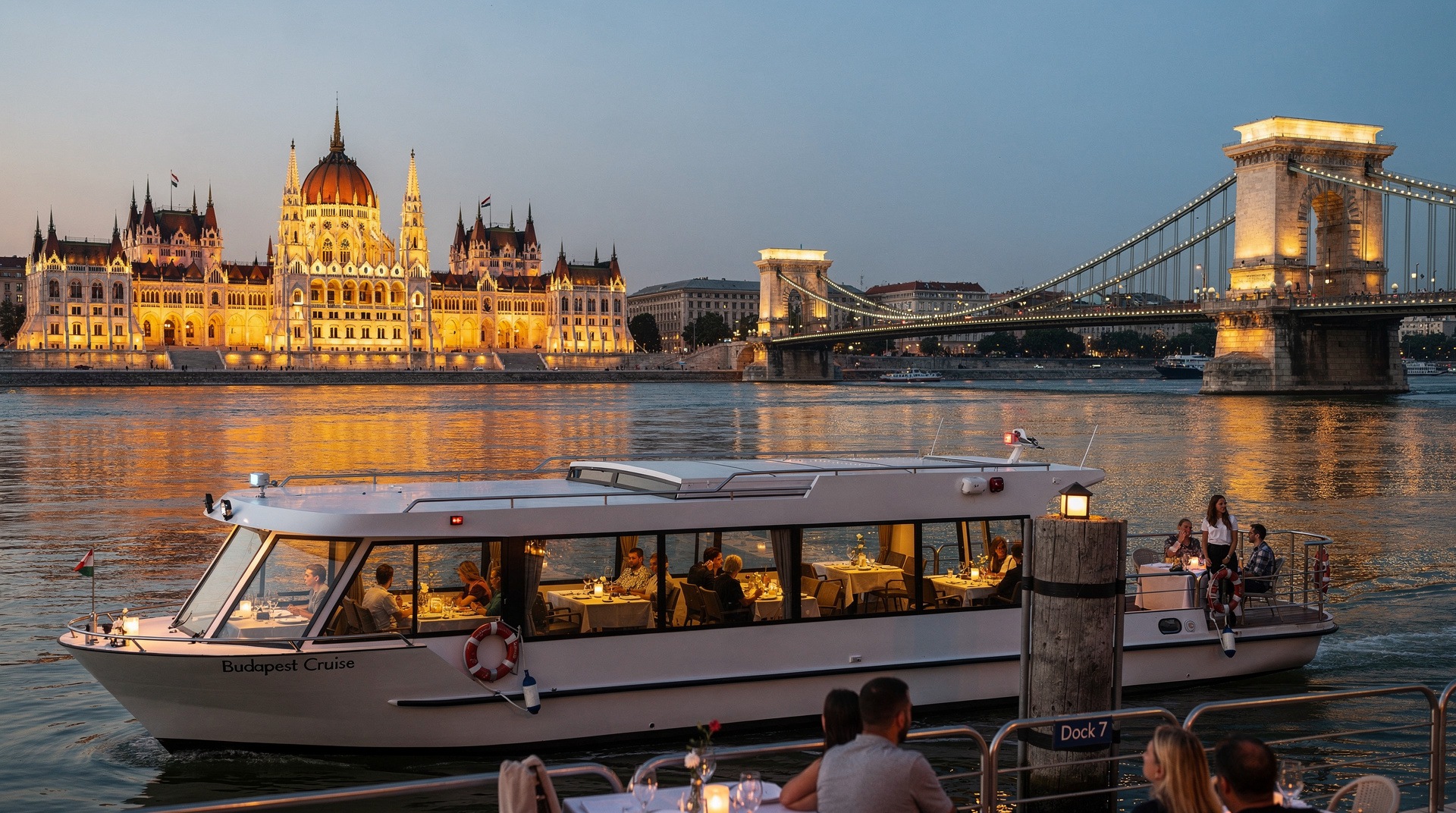
At this level, you are accessing 4-star hotels (€100–150/night), Michelin-Bib restaurants, pre-booked boat cruises, and day-trip excursions. The city highlights cruise is an easy addition at around 3,500–5,000 HUF (€8.75–12.50) per person.
Luxury: €200–400+/day
Five-star hotels (Four Seasons, Matild Palace), Michelin restaurants (Costes, Borkonyha), private tours, and a candlelit dinner cruise. This level is cheaper than equivalent experiences in Paris or London, which is the relevant comparison.
Accommodation costs in detail
Hostels (dorms): 4,000–8,000 HUF/night (€10–20). Budapest has a strong hostel scene in District VII (the Jewish Quarter/ruin-bar area) — lively but noisy late into the night.
Budget private guesthouses and B&Bs: 12,000–24,000 HUF/night (€30–60). Comfortable but variable in quality; location matters significantly.
Mid-range 3-star hotels (Districts V, VI, VII): 24,000–55,000 HUF/night (€60–137). This is where Budapest represents reasonable value — a comfortable, central 3-star hotel is still less than equivalent in Vienna or Prague’s Old Town.
Boutique and 4-star hotels: 55,000–100,000 HUF/night (€137–250). The Aria Hotel, Párisi Udvar, and similar boutique options sit in this range.
5-star luxury: 100,000–240,000+ HUF/night (€250–600+). Four Seasons, Matild Palace.
When prices are lowest: November and January–February (excluding Christmas/New Year). Prices in peak summer (July–August) can be 30–50% above shoulder-season rates.
Attractions and activity costs
| Attraction | Price per adult |
|---|---|
| Széchenyi Baths day ticket | 10,000–14,000 HUF (€25–35) |
| Gellért Baths | 9,000–15,000 HUF (€22–37.50) |
| Rudas Baths | 5,500–15,000 HUF (€13.75–37.50) |
| Lukács Baths | 5,300–7,000 HUF (€13–17.50) |
| Budapest Zoo | 4,400 HUF (€11) |
| Hungarian Parliament (guided) | 6,000–8,000 HUF (€15–20) |
| Matthias Church | 2,500 HUF (€6.25) |
| House of Terror | 4,000 HUF (€10) |
| Memento Park ticket | 3,000 HUF (€7.50) |
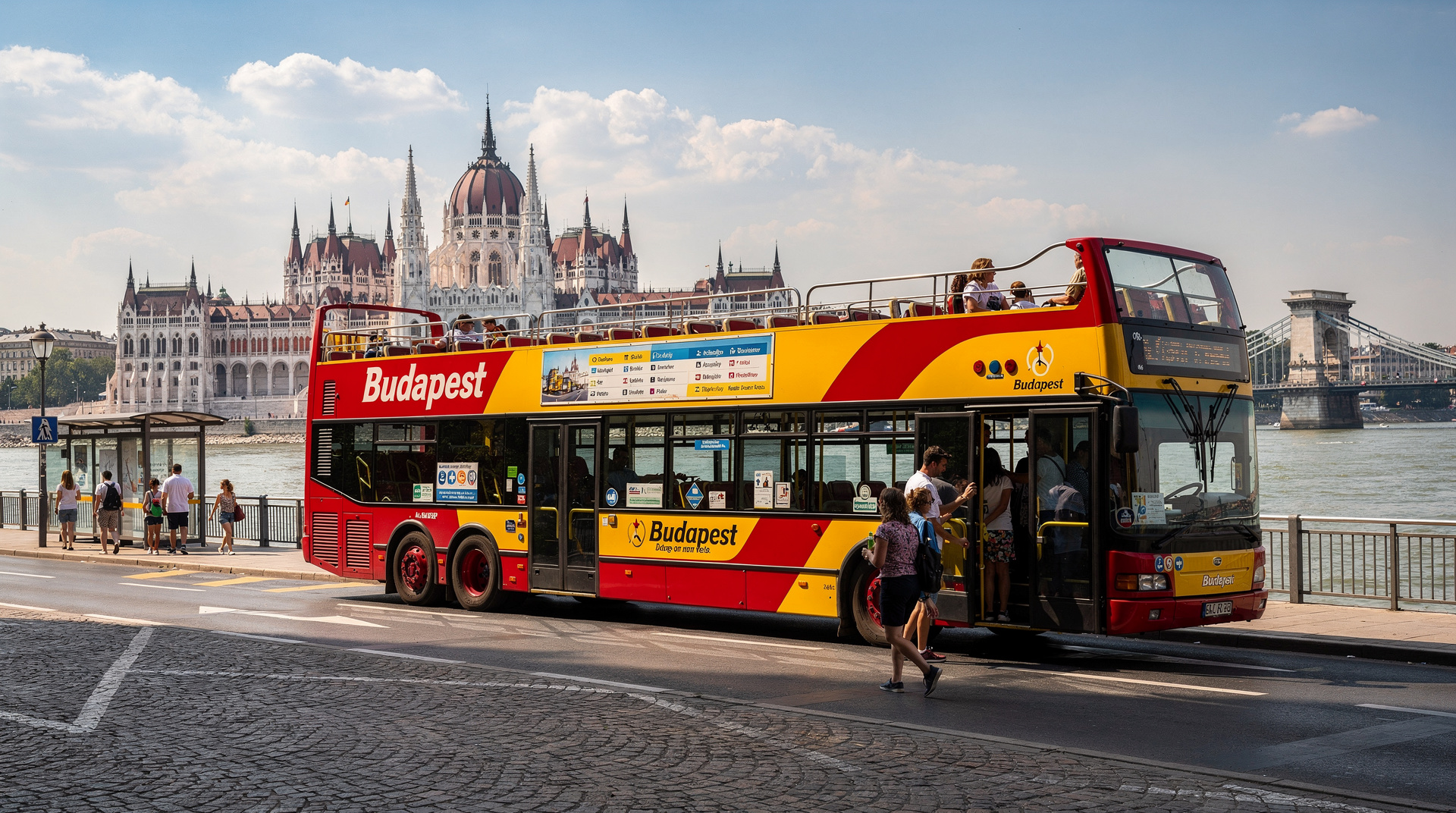
| Hop-on hop-off bus (24h) | 7,000–9,000 HUF (€17.50–22.50) |
| City highlights cruise | 3,500–5,500 HUF (€8.75–13.75) |
The 2-hour walking tour of central Budapest is one of the most cost-effective paid activities — typically 4,000–6,000 HUF (€10–15) per person and covers the main sights with a local guide’s context.
Transport costs
| Journey | Cost |
|---|---|
| Single metro/bus/tram ticket (bought in advance) | 500 HUF |
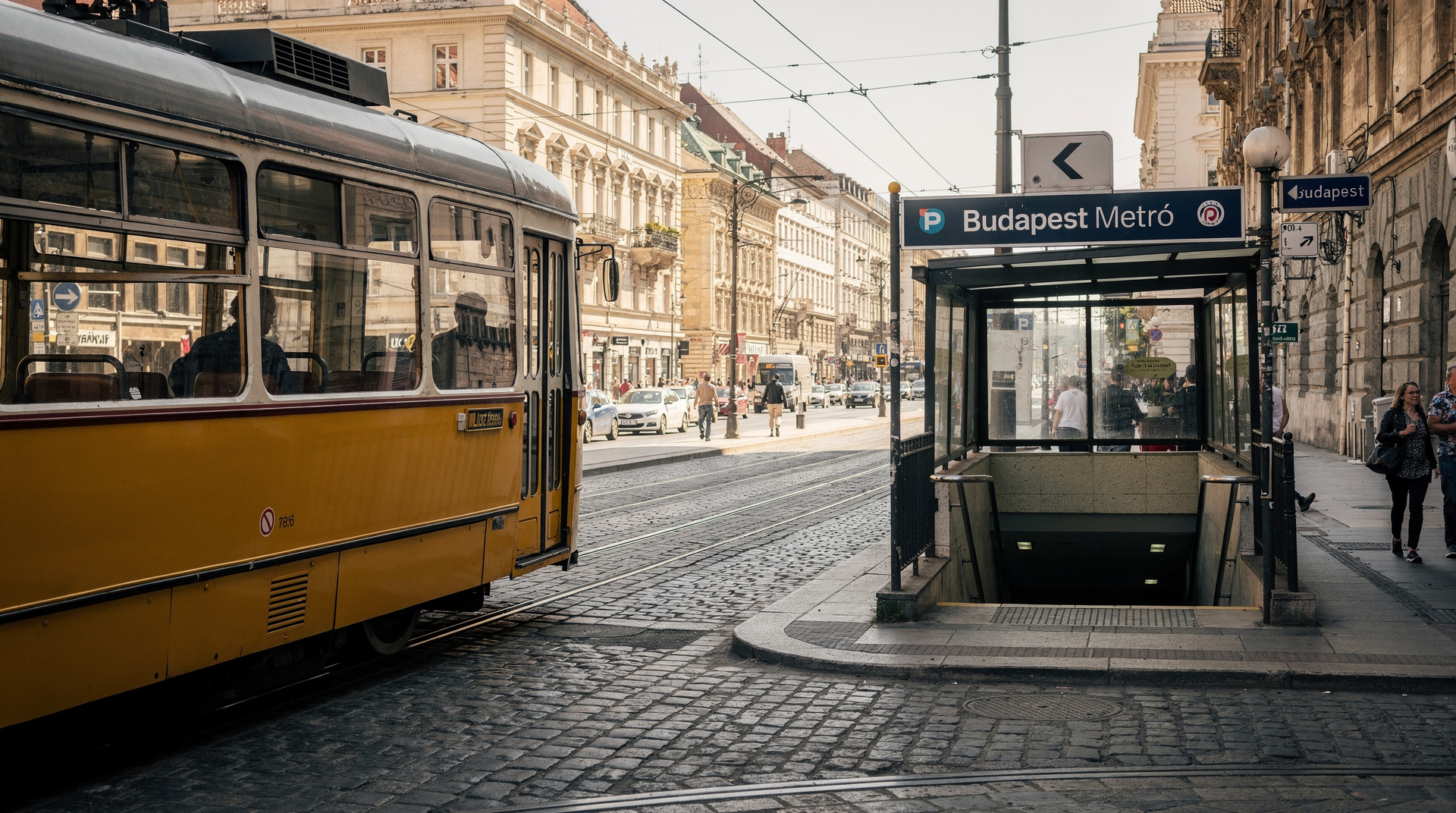
| 24-hour travelcard | 2,750 HUF |
| 72-hour travelcard | 5,750 HUF |
| Airport bus 100E | 2,500 HUF one way |
| Bolt taxi (airport to centre, ~16 km) | 6,000–10,000 HUF (€15–25) |
| Street taxi (avoid — meter manipulation common) | Unpredictable |
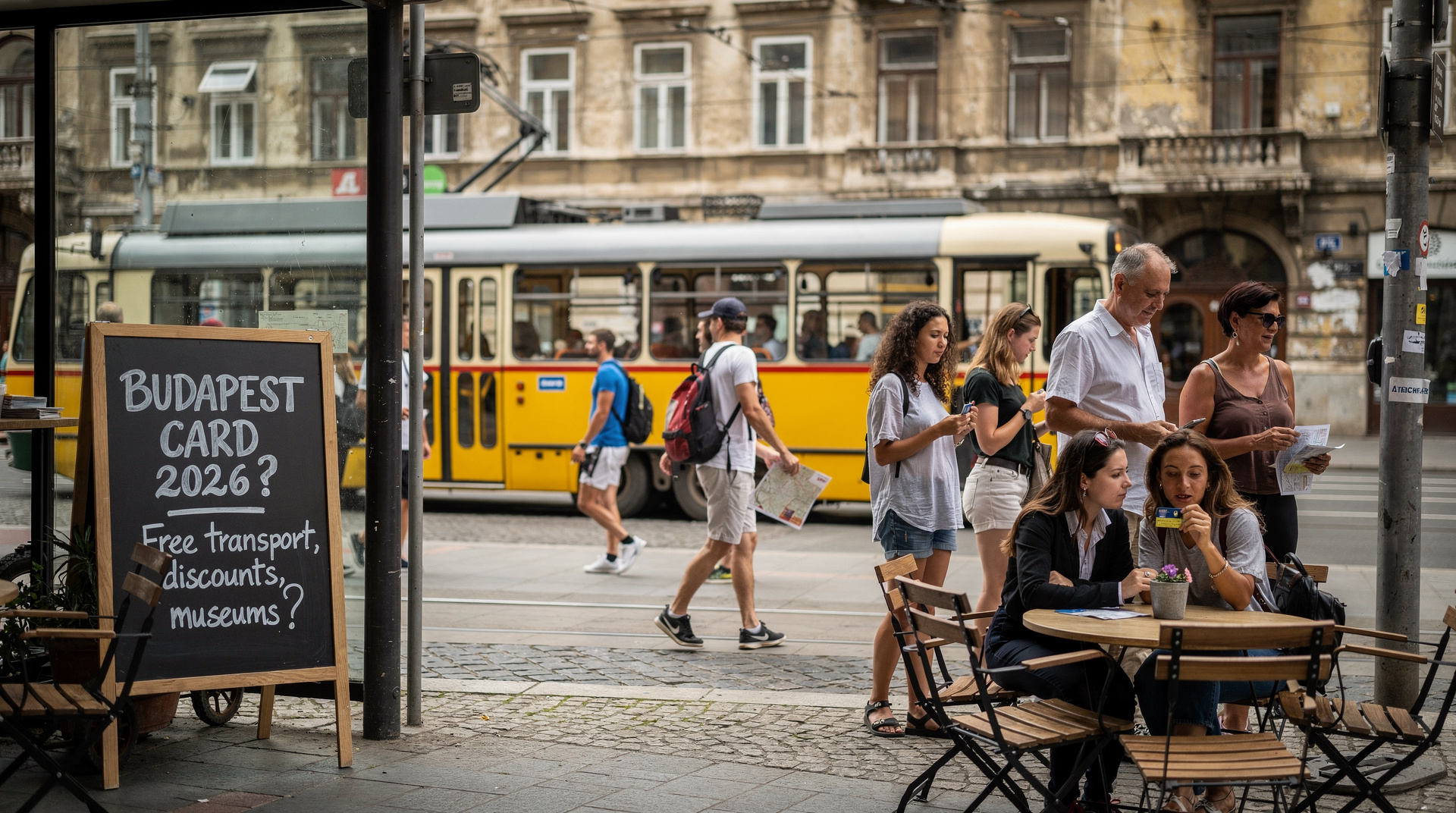
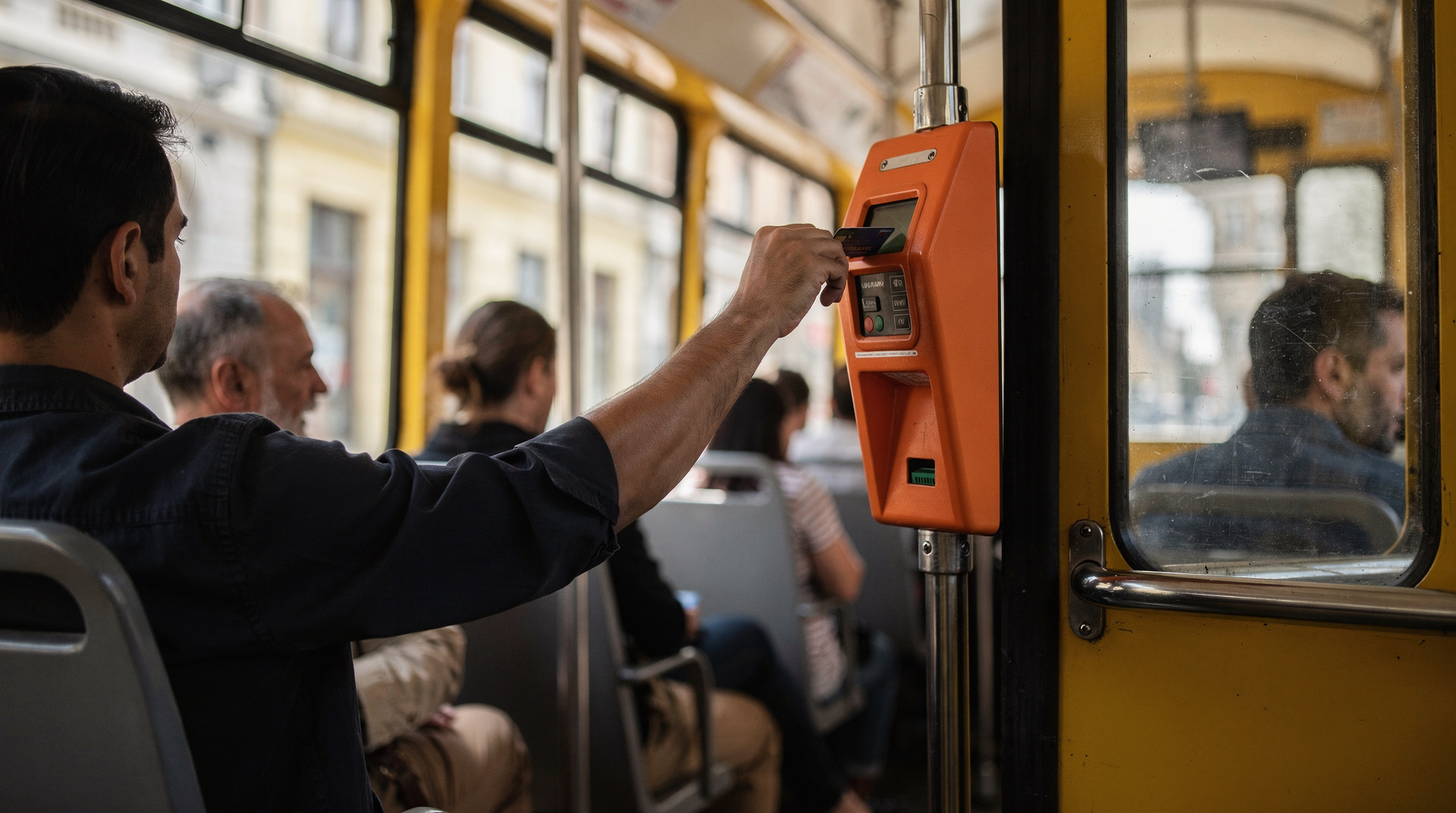
The BKK travelcards offer good value for visitors moving around frequently. The Budapest Card includes unlimited transport plus more than 30 free visits and activities, and discounts of 10 to 25% — use the Budapest Card calculator to evaluate whether it saves money for your specific itinerary. See /guides/public-transport-tickets/ for the full transport guide and /guides/budapest-card-worth-it/ for the card analysis.
Food costs in detail
Street food / market:
- Lángos: 600–1,200 HUF (€1.50–3)
- Kürtőskalács (chimney cake): 800–1,500 HUF (€2–3.75)
- Market lunch (Great Market Hall): 2,500–4,000 HUF (€6.25–10) per person
Cafés and casual dining:
- Coffee: 500–900 HUF (€1.25–2.25)
- Pastry: 400–800 HUF (€1–2)
- Lunch main: 2,500–5,000 HUF (€6.25–12.50)
Sit-down restaurants (mid-range):
- Soup: 1,200–2,500 HUF (€3–6.25)
- Main course: 3,500–8,000 HUF (€8.75–20)
- Dessert: 1,200–2,500 HUF (€3–6.25)
- Glass of Hungarian wine: 1,000–2,500 HUF (€2.50–6.25)
Grocery shopping: Self-catering from supermarkets (Spar, Tesco, Lidl, Aldi) costs significantly less than eating out — useful for families or budget travellers staying in apartments.
Water and drinks: Tap water is safe to drink throughout Budapest, so skip bottled water for a meaningful daily saving. A 0.5L bottled water at a kiosk near a major sight runs 500–800 HUF; refilling from the tap costs nothing. A pint of local beer in an ordinary bar runs 900–1,500 HUF; the same beer at a Váci utca terrace can be double that.
The honest tourist-trap cost table
| Trap | What you pay | What you should pay |
|---|---|---|
| Váci utca restaurant dinner | 8,000–15,000 HUF/person | 5,000–8,000 HUF at parallel streets |
| Airport exchange desk (€100) | ~32,000 HUF | ~40,000 HUF at a bank ATM |
| Euronet ATM (€100) | ~36,000 HUF + €5 fee | ~40,000 HUF at OTP/CIB |
| Street taxi from airport | 15,000–25,000 HUF | 6,000–10,000 HUF via Bolt |
| Bath ticket reseller | 20,000+ HUF | 10,000–14,000 HUF at the desk |
For the full honest guide to avoiding expensive mistakes, see /guides/budapest-tourist-traps/.
Is Budapest still worth it as a budget destination?
Yes — but the framing has shifted. Budapest in 2026 is not a “cheap” destination in the way it was in 2015. It is a value destination: the quality-to-price ratio is better than equivalent Western European cities, particularly for accommodation, food, and thermal baths.
Backpackers can still travel here for €35/day. Mid-range travellers get better hotel quality for €80/day than they would get in London or Paris for the same money. Luxury travellers pay less for equivalent experiences than in Vienna or Prague.
The key to a cost-effective Budapest trip is avoiding the tourist infrastructure designed to extract money — Váci utca, airport taxis, exchange desks — and using the city the way locals do: BKK transport, lángos at the market, thermal baths booked directly, and a bolt-app taxi from the airport.
Use the daily budget calculator to build a personalised estimate, and see the Budapest on a budget guide for specific strategies to keep costs low.
How Budapest costs compare to a full trip
A 3-day trip at mid-range spending (around €60–106/day) works out to roughly €180–320 excluding flights — still meaningfully less than the equivalent trip in Vienna or Amsterdam, and broadly in line with Prague. Where Budapest pulls ahead on value specifically: thermal baths (a full day at Széchenyi or Gellért costs a fraction of a European spa day), sit-down restaurant meals, and public transport. Where it has caught up to Western Europe: central 4- and 5-star hotel rates, and Váci utca-adjacent restaurant prices, which is exactly why avoiding the obvious tourist strip matters more than it used to.
Where the money actually goes
Most visitors assume food will be the big line on the bill, and in Budapest it usually is not. Accommodation takes the largest share of almost every budget, followed by the paid sights and the baths, with meals and transport coming in lower than you might expect. That is why the choice of neighbourhood matters so much: a bed in the heart of Pest costs more than one a few metro stops out, but you earn some of that back in transport and time. The where to stay in Budapest guide and the Buda vs Pest comparison explain how to weigh the trade-off, and the neighbourhoods guide shows what each area feels like after dark.
Timing is the second lever. The same hotel room can cost noticeably more in high summer than in the shoulder months, and the weather in spring and autumn is often better for walking. If your dates are flexible, read the best time to visit Budapest before you book anything non-refundable.
Ways to spend less without feeling deprived
The cheapest habits in Budapest are also the most enjoyable ones. Eat your main meal at a market or a casual local place, then keep dinner simple. Try the local classics described in the traditional Hungarian dishes guide and the street food guide, which prove that a good meal does not need a big bill. Start the day with a pastry and a coffee instead of a hotel breakfast, and carry a refillable bottle.
For sightseeing, mix paid and free days. One day built around a bath, a museum or a cruise can be followed by a day of wandering the river banks, the hills and the islands. The free things to do guide lists plenty of options, and the Gellért Hill and Citadella guide is a good example of a view that costs nothing. If you are short on time, a pre-planned route such as the 3-day budget itinerary saves you from expensive improvisation.
Costs that catch people out
A few expenses are easy to overlook when you are adding up a budget. Bath tickets vary with the day, the type of cabin or locker and any extras, so check the bath prices and tickets guide and the bath ticket mistakes guide before you queue. Nightlife can quietly become the most expensive part of a weekend, especially in tourist-facing bars; the ruin bar rip-offs guide explains what to watch for. And getting from the airport is the first moment your budget is tested, so read the airport to city centre guide before you land.
None of this means travelling joylessly. It means deciding in advance which things are worth paying for, such as a long soak in a historic bath or a well-chosen dinner, and refusing to pay for the ones that are not. A traveller who sets that list before leaving usually comes home with money left over and no sense of having missed out. For a fuller picture of a whole trip, the Budapest trip cost guide and the daily budget guide go further than this overview.
Frequently asked questions about Is Budapest expensive? honest 2026 cost breakdown
How much does a day in Budapest cost?
Backpacker/budget: €30–45/day (hostel, street food and market meals, free sights, public transport). Mid-range: €50–80/day (3-star hotel, sit-down lunch and dinner, 1–2 paid attractions). Comfortable: €80–140/day (4-star hotel, restaurant meals with wine, activities booked in advance). Luxury: €200–400+/day (5-star hotel, Michelin restaurants, private tours). Use the /tools/budget-calculator/ for a personalised daily estimate.Is Budapest cheaper than Prague?
Budapest and Prague are broadly comparable in price for tourists, though specific categories vary. Budapest tends to be slightly cheaper for accommodation and food in mid-range categories. The thermal baths are unique to Budapest and relatively affordable (€13–35 per day ticket). Public transport is inexpensive in Budapest (a single ticket bought in advance is 500 HUF). Both are meaningfully cheaper than Vienna or Paris.How much does accommodation cost in Budapest?
Hostel dorm beds: 4,000–8,000 HUF/night (€10–20). Budget private rooms/guesthouses: 12,000–24,000 HUF/night (€30–60). Mid-range 3–4 star hotels: 24,000–60,000 HUF/night (€60–150). Luxury/boutique: 60,000–120,000 HUF/night (€150–300). The Four Seasons and Matild Palace run €300–600+/night. Prices peak in July–August and drop 20–30% in winter.How much does food cost in Budapest?
Lángos (fried flatbread) at the market: 600–1,200 HUF (€1.50–3). Café lunch: 2,500–4,500 HUF (€6–11). Mid-range restaurant main: 3,500–7,000 HUF (€8.75–17.50). Restaurant dinner for two with wine: 18,000–35,000 HUF (€45–87.50). Michelin restaurant tasting menu: 35,000–70,000 HUF per person (€87.50–175). Street food and market eating keeps food costs remarkably low.What are the biggest budget traps in Budapest?
Overpriced restaurants on Váci utca (check menus before sitting down), airport exchange desks (terrible rates), Euronet ATMs (high fees), street taxis (use Bolt), and buying thermal bath tickets from resellers near Széchenyi's entrance. See /guides/budapest-tourist-traps/ for the full honest breakdown.Is the Budapest Card worth it for budget travellers?
The Budapest Card (72h = 29,990 HUF) includes unlimited public transport, more than 30 free visits and activities, and discounts of 10 to 25% at restaurants, cafés, museums and baths. Whether it saves money depends entirely on how much you plan to use it. Use the Budapest Card calculator to compare your planned activities against the card price. For most 3-day visitors, it breaks even rather than saves significantly.What can you do for free in Budapest?
Walk across the Chain Bridge, Fisherman's Bastion (the terrace, not the towers), Heroes' Square and Vajdahunyad Castle, Margaret Island, the Jewish Quarter, and Andrássy Avenue all cost nothing. Free walking tours (tip-based) depart daily from Deák Ferenc tér — see /guides/free-walking-tours-budapest/. The Parliament, Matthias Church, and Buda Castle charge entry fees, but the exteriors are free.Has Budapest got more expensive recently?
Yes. Hungary's inflation from 2022–2024 (peaking above 25%) pushed prices up significantly. Accommodation and restaurant prices in tourist areas have risen noticeably since 2020. Budapest is still cheaper than Western European capitals, but the margin has reduced. The thermal baths remain good value; accommodation in central Districts V–VII now commands near-Prague prices for comparable hotels.
Top experiences
Bookable activities with verified prices and instant confirmation on GetYourGuide.