Getting to Budapest: flights, trains, buses and driving

What is the best way to get to Budapest from Western Europe?
From London or Amsterdam, a direct flight to BUD takes 2–2.5 hours and is usually cheapest. From Vienna (2.5h by train) or Bratislava (2.5h by bus), the train or bus is more city-centre friendly. From Prague, the night train or overnight bus saves a hotel night. The ETIAS travel authorisation is expected for late 2026 — check the latest status before travelling.
Budapest as a Central European hub
Budapest sits at the crossroads of Central Europe, roughly equidistant from Vienna, Bratislava, Prague and Belgrade. This geography makes it an excellent standalone destination — served by direct flights from across Europe — and an equally good anchor for multi-city itineraries that include a day trip to Bratislava or Vienna.
BUD (Liszt Ferenc International Airport) is the 12th busiest airport in the EU by passenger numbers. It is well-served, efficient and compact. The city also has good rail and road links if you prefer to travel overland from neighbouring capitals.
| From Western Europe | Direct flight, 2–2.5 hours, usually cheapest |
| From Vienna | Railjet train, around 2h40, city-centre to city-centre |
| From Bratislava | Bus, around 2–2.5 hours |
| Visa | Schengen rules apply; ETIAS expected for late 2026 |
| On arrival | Get HUF cash and use Bolt, never a street taxi |
By air: flights to Budapest
From the UK: Wizz Air, Ryanair and easyJet fly direct from London Luton, Gatwick, Stansted and several regional airports. British Airways operates from Heathrow. Flight time is 2–2.5 hours. Fares start from £30 one way on Wizz Air if booked well in advance; full-service carriers typically cost £80–200 return.
From Germany: Lufthansa flies from Frankfurt and Munich; Ryanair and Wizz Air serve Berlin, Cologne, Hamburg and other cities. Frankfurt to Budapest is around 1.5 hours.
From France and Benelux: Air France from Paris CDG, Transavia from Amsterdam and Lyon, Wizz Air from Brussels and Paris Beauvais. Flight times of 2–2.5 hours.
From the US and Canada: No direct flights from North America as of 2026. One-stop routes via Frankfurt (Lufthansa), Amsterdam (KLM), Paris (Air France), Vienna (Austrian Airlines) or Istanbul (Turkish Airlines) are the standard options. Total journey time is 10–14 hours including the connection.
From Australia and Asia: Via Middle Eastern hubs (Emirates via Dubai, Qatar Airways via Doha, Etihad via Abu Dhabi) — 20–25 hours total.
Budget tip: Wizz Air’s base fares are often the lowest to Budapest, but add-ons (cabin bag, seat selection, check-in luggage) can significantly increase the total. Compare total fares, not just base prices.
Once you land, the airport to city centre guide covers every transfer option — bus, shuttle, Bolt and private transfer.
By rail: trains to Budapest
Train travel to Budapest is excellent for several European city pairs and is the environmentally lower-impact option.
From Vienna: The ÖBB Railjet is the flagship service — multiple departures daily, 2 hours 40 minutes, comfortable and reliable. Fares range from €20 (early book) to €50+ on flexible tickets. Vienna Hauptbahnhof to Budapest-Keleti. Book via ÖBB or the Eurail system if you hold a Eurail pass.
From Bratislava: Trains run frequently; the journey is about 2 hours 30 minutes to 3 hours with some changes. Given Bratislava’s short distance, the bus (see below) is sometimes faster city-to-city.
From Prague: Several direct trains and connections via Bratislava or Vienna. Journey time 6.5–8 hours depending on routing. The night train (Nightjet via Vienna or the Eurocity via Bratislava) saves a hotel night.
From Warsaw and Krakow: The overnight EN Latowit sleeper connects Warsaw and Krakow to Budapest; journey time from Krakow is approximately 9–10 hours. Book via PKP Intercity or ÖBB.
From Belgrade: The train is slow (6–8 hours) but improving. Rail connections between Belgrade and Budapest are undergoing upgrades; a new high-speed line is under development. Currently, the bus or driving is faster.
Night trains: The Nightjet operates from Paris, Frankfurt, Zurich and Vienna to Budapest. Booking 3+ months ahead secures the lowest fares. A couchette (shared, basic horizontal berth) is from around €39; a private 2-person sleeper from €100–180. Arriving in Budapest city centre in the morning means you go straight to your hotel without an airport connection.
Book European trains at Rail.eu, ÖBB.at, or the relevant national operators. Eurail passes can offer good value for multi-country Central European itineraries including Hungary.
Arriving at Keleti pályaudvar (Eastern Railway Station) by rail? It is well-served by metro M2 and M4 — use the BKK network or Bolt to reach your hotel. Read the taxi scam warning before you arrive at Keleti — unlicensed drivers concentrate here.
By bus: FlixBus, Eurolines and regional coaches
Long-distance buses are the cheapest option for many European city pairs and have become considerably more comfortable with the rise of FlixBus.
FlixBus: Direct services from Vienna (2.5–3h), Bratislava (2–2.5h), Prague (6.5h), Krakow (7–8h), Berlin (10h), Warsaw (10h), Bucharest (12h). Fares start from €10 one way if booked well in advance. Buses arrive at Kelenföld bus station or Népliget bus station, both well-served by metro M3 or M4.
Eurolines and national operators: Hungarian Volánbusz and other regional operators serve cross-border routes, sometimes at lower fares than FlixBus on shorter hops.
Bus vs train: Buses are slower and less comfortable than trains for journeys over 3–4 hours, but the price difference can be significant — Vienna to Budapest by FlixBus costs €15–25; by train it is €25–50. For a 2.5-hour Vienna journey the train is almost always worth the premium. For longer hops from Krakow or Warsaw, the bus is competitive.
By car: driving to Budapest
Budapest is easily reachable by car from Austria, Slovakia, Croatia, Serbia and Romania. The M1 motorway from Vienna is the most-used route; the M5 comes from the south (via Serbia); the M0 ring road allows circumnavigation.
Motorway vignette: Hungary requires an electronic vignette (matrica) for all motorway use. Purchase online at motorways.hu before you travel, at fuel stations near the border, or at major AGYAG/MOL stations. Cost: approximately 3,000 HUF for 10 days, 5,000 HUF for a month. Driving without a valid vignette means substantial fines.
Parking in Budapest: Street parking in the city centre uses a meter system (1-hour and 2-hour zones). The blue, red and green zones have different rate structures. Multi-storey car parks near tourist areas (Duna Garázs near the Chain Bridge; Árkád Üzletközpont near Keleti; Etele Plaza near Kelenföld) charge around 500–800 HUF/hour.
Getting in from the motorway: The M1 connects directly to the city via the ring road. The journey from the Austrian border (Hegyeshalom) to central Budapest is about 140 km, roughly 1.5 hours in normal traffic — add an hour during weekday commute times.
Flight, train or bus: the honest comparison
| Option | Best for | Typical cost | Typical time |
|---|---|---|---|
| Flight | Long distances, tight schedules | Varies widely, budget carriers from low fares | 2–2.5h from Western Europe |
| Train (Vienna) | Comfort, no airport hassle | €20–50 | ~2h40 |
| Night train | Saving a hotel night | €39–180 | Overnight |
| Bus (FlixBus) | Budget travel, shorter hops | From €10 | 2–10h depending on origin |
| Car | Flexibility, multi-stop trips | Fuel + vignette (~3,000 HUF/week) | Varies |
For journeys under about three hours (Vienna, Bratislava), the train is usually the best balance of cost, comfort and city-centre convenience. For longer distances (Prague, Krakow, Berlin), flying or a night train both make more sense than a full-day bus or drive.
Arriving and connecting onward
However you arrive, the first practical task is the same: get HUF cash, download BudapestGO, and decide on a travelcard if you’re staying more than a day or two. See getting around Budapest for the full transport breakdown once you’ve landed. If your itinerary continues beyond Budapest — to Lake Balaton, Eger or back toward Vienna — the same rail and bus networks that bring you into the city extend onward, and the best day trips from Budapest guide covers which destinations are easy without a car.
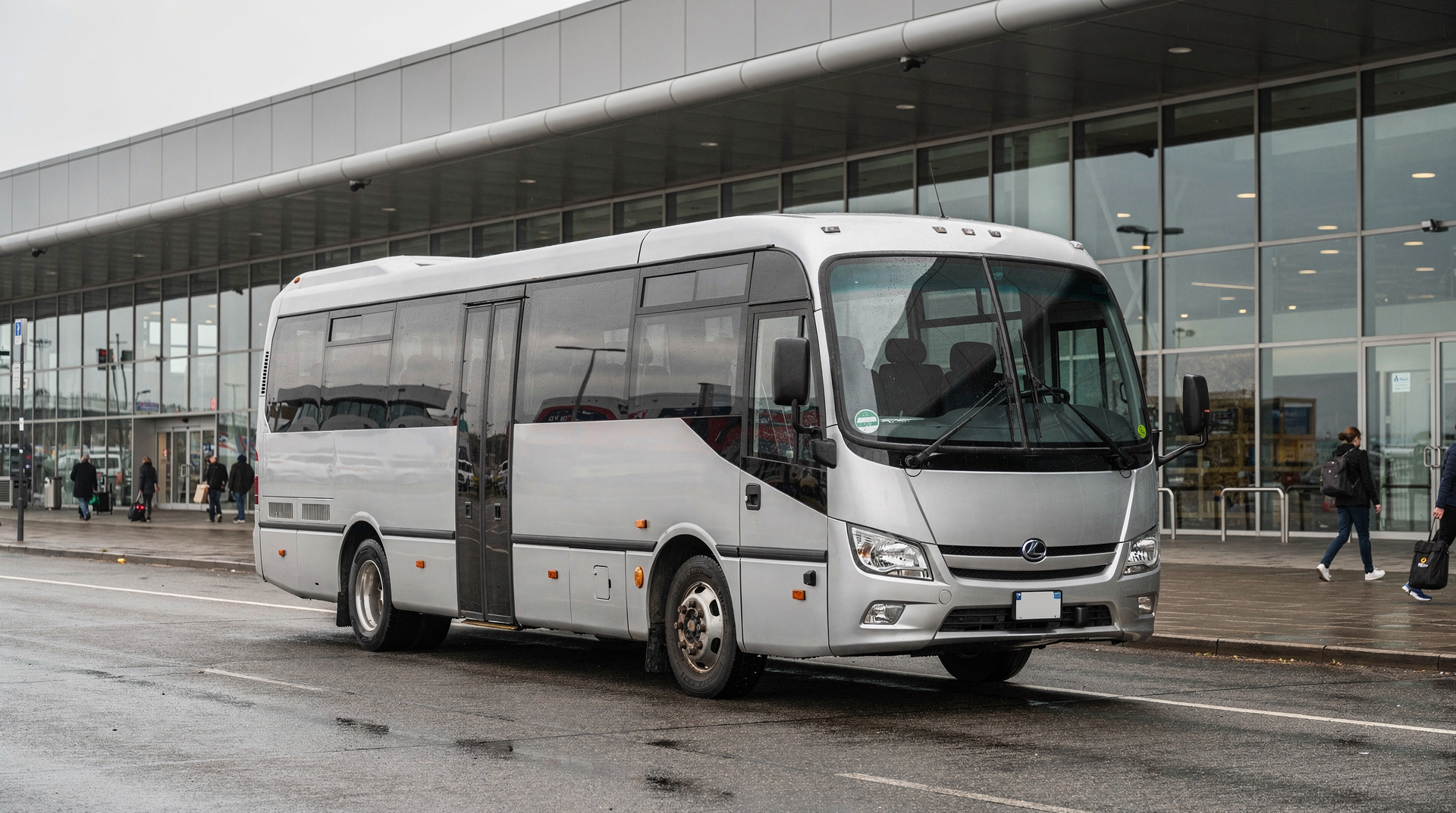
A private airport transfer is worth booking ahead if you are landing late at night, travelling with a family, or simply want to skip navigating public transport straight off a long flight.
Choosing your route by travel style
The right way to reach Budapest depends less on the map than on what kind of trip you are building. A few patterns come up again and again.
A short city break. If you only have a weekend, every hour counts, so a flight that lands in the morning and a hotel that lets you drop your bags will serve you better than a long overland journey. Pair this with a compact plan such as the Budapest weekend break itinerary and you can be in the water at a thermal bath by the afternoon.
A multi-city Central European trip. Here the rail and bus network is the real advantage. Arriving from Vienna or Bratislava and leaving toward another capital means you never pay the time cost of an airport at either end. The Budapest and day trips week shows how the city fits into a longer loop, and the Vienna versus Budapest comparison and Budapest versus Prague comparison help if you are still deciding which capitals to combine.
A budget trip. Flexibility is your friend. Early bookings on budget airlines, buses on shorter hops and a night train that doubles as accommodation all stretch a limited budget. Read Budapest on a budget and the daily budget guide before you lock in transport, because the cheapest ticket is not always the cheapest journey once bags, transfers and a lost night are counted.
A trip with children or limited mobility. Trains are generally the calmest option: you can stand up, stretch, and keep luggage within reach. If you are travelling with little ones, the Budapest with kids guide has ideas for the days after arrival, and the accessible Budapest guide is worth reading before you choose between train, bus and flight.
Practical tips for the journey itself
- Carry your documents where you can reach them. Border checks, ticket inspections and airline desks all ask for the same passport or ID, so keep it handy rather than buried in a suitcase.
- Screenshot your tickets. Rail and bus tickets are often digital. A saved copy helps if your signal drops near a border or inside a station.
- Keep some HUF for the first hour. Even if you plan to pay by card, small purchases at the station or on the bus on arrival are easier with a little local cash. The daily budget guide explains what everyday spending looks like.
- Know your arrival station before you board. Budapest has more than one long-distance terminal, and a bus or train may not stop where you expect. Check the name of your arrival point in advance and have your onward route ready.
- Plan the first night, not just the journey. If your train or flight lands late, make sure your hotel knows. The where to stay in Budapest and Buda versus Pest guides explain which areas make arrival easiest.
- Leave slack on the way back. Whatever route brought you in, give the return trip a generous buffer. Missing a booked train or a flight home is the most expensive mistake a good holiday can end with.
Your first day after arriving
Whether you step off a plane, a train or a coach, the first hours set the tone. Drop your luggage, eat something simple and resist the urge to cram in sights while tired. A gentle walk through the centre is a better start than a packed itinerary; the first-time visitor guide and the Budapest in three days overview lay out easy first-day options.
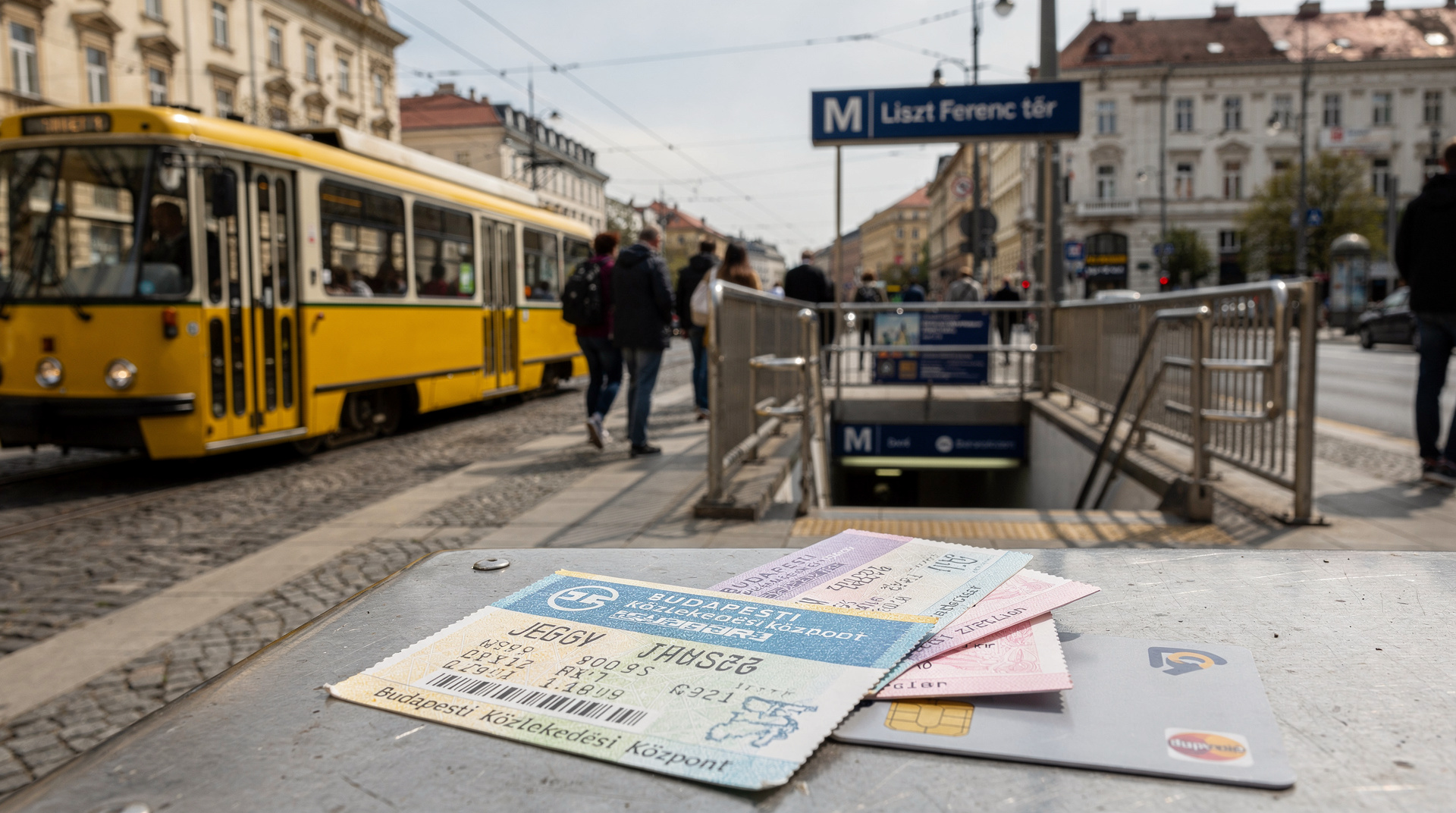
If you plan to ride transport often and make the most of free visits and activities, a city pass that bundles unlimited public transport with more than 30 free visits and activities can simplify things from the first morning. Compare it honestly with paying as you go in Budapest Card versus single tickets and see public transport tickets and the metro guide for how the network works. The BKK travel passes guide covers the alternatives.
For the wider picture of the season you are travelling in, check the best time to visit Budapest and the packing guide, and if safety is on your mind before you leave, is Budapest safe answers the common worries. Finally, common scams in Budapest is a good read on the journey in, since arrival points are where most visitors meet their first touts.
Onward travel from Budapest
Many visitors treat Budapest as one stop on a longer route. If you have time, a lake day is an easy way to see another side of Hungary, and a guided excursion to Lake Balaton removes the logistics of connections. The Lake Balaton destination page and the Danube Bend day trip are good starting points for planning, and the main Budapest destination page ties the whole region together.
Visa and entry: what you need
Hungary is a full Schengen member. Rules as of 2026:
- EU/EEA citizens: Enter with a valid national ID card or passport. No visa required, no limits for EU citizens.
- UK citizens: Passport required (ID card no longer accepted post-Brexit). No visa required for visits up to 90 days in any 180-day period.
- US, Canadian, Australian, New Zealand citizens: No visa required for 90 days. Standard Schengen rules apply — 90 days is the total across all Schengen states, not just Hungary.
- ETIAS: The European Travel Information and Authorisation System is expected to launch for non-EU passport holders requiring Schengen visa-free entry. A pre-travel online registration (~€7) will be required, similar to the US ESTA. As of mid-2026, the system is not yet operational — check the official eu-etias.com site for the latest status before your trip.
Tap water is safe to drink throughout Hungary. Tipping is customary at around 10% in restaurants and taxis. Currency is HUF — Hungary has not adopted the euro. Use the currency converter for current exchange rates.
For the full first-visit logistics overview, see first time in Budapest. For help planning the right trip length, see how many days in Budapest.
Frequently asked questions about Getting to Budapest
Which airlines fly direct to Budapest?
Wizz Air (Budapest's home carrier, based at BUD), Ryanair and easyJet cover much of Europe at low fares. British Airways, Lufthansa, KLM and Air France serve Budapest with full-service connections. Turkish Airlines, Emirates and Qatar Airways connect via their hubs for long-haul. BUD airport is Terminal 2A/2B — there is no Terminal 1 (it closed in 2012).How long is the train from Vienna to Budapest?
The Railjet from Vienna Hauptbahnhof (Hbf) to Budapest-Keleti takes approximately 2 hours 40 minutes on the fastest services. Trains run several times daily; a standard second-class ticket costs €20–50 depending on how far in advance you book. The Railjet is comfortable, punctual and avoids any airport hassle.Is there a night train to Budapest?
Yes. The ÖBB Nightjet connects Paris, Frankfurt and Vienna to Budapest — and to other Central European cities. Booking well in advance (3+ months) secures the best fares. A couchette costs from €39; a private sleeper cabin from around €100. The train arrives at Keleti station in the morning. Night trains are resurging in popularity across Europe and book out quickly.What visa do I need for Hungary?
Hungary is a Schengen member. Citizens of the EU, UK, US, Canada, Australia, New Zealand, Japan and most Western countries can enter without a visa for up to 90 days in any 180-day period. ETIAS (European Travel Information and Authorisation System) is expected to launch for non-EU passport holders in late 2026, requiring a pre-travel online authorisation (~€7) similar to ESTA. Check the official ETIAS website for the current launch status.Can I drive to Budapest from other countries?
Yes. Hungary uses a motorway vignette system (matrica) — you must purchase a sticker (electronic or physical) to use motorways. A weekly vignette costs around 3,000 HUF (~€7.50); a monthly one around 5,000 HUF (~€12.50). Buy at petrol stations near the border, at major filling stations, or online before you travel. Driving without a valid vignette on a motorway incurs substantial fines.How far is Budapest from other major cities?
Vienna: 250 km (2h40 by train, ~2.5h by car); Bratislava: 200 km (2.5h by bus, ~2h by car); Prague: 530 km (6.5–7h by train, ~5h by car); Krakow: 400 km (4.5h by train, ~4h by car); Belgrade: 380 km (6–7h by train, ~3.5h by car). Budapest is a strong hub for Central European multi-city itineraries.Is flying or taking the train from Vienna to Budapest better?
For most travellers, the train wins on convenience — Vienna Hauptbahnhof and Budapest-Keleti are both central, so there is no airport transfer time to add. Flying only makes sense if you find an unusually cheap fare and are also connecting onward through Vienna airport. For the 2h40 Railjet journey, the train is close to door-to-door competitive with flying once airport time is included.What should I do immediately after arriving in Budapest?
Get local currency (HUF) from a bank-branded ATM, download BudapestGO, and buy a travelcard if you are staying more than a day or two. Whether arriving by air, train or bus, avoid unlicensed taxi touts and use Bolt or the licensed rank instead. See first time in Budapest for the fuller arrival checklist.