Lake Balaton from Budapest: Central Europe's largest lake
Plan your Lake Balaton visit: beaches, sailing, wine villages, thermal spas, and Herend porcelain — all reachable from Budapest in under 2 hours.

Quick facts
- Distance from Budapest
- ~120 km south-west (Balatonfüred end); ~150 km (Keszthely/western tip)
- Travel time
- ~1.5 hrs by fast train to Balatonfüred; ~2 hrs to Keszthely
- Lake size
- 77 km long, up to 14 km wide — plan which shore you want before arriving
- Swimming season
- Mid-June to mid-September; water temperature peaks at 25–26°C in July–August
- Currency
- HUF; some resorts and large hotels accept EUR but pay in HUF to avoid poor conversion rates
- Honest note
- July–August is very crowded and pricey; May, June, and September offer the same lake with half the tourists
The Hungarian sea — and why that nickname fits
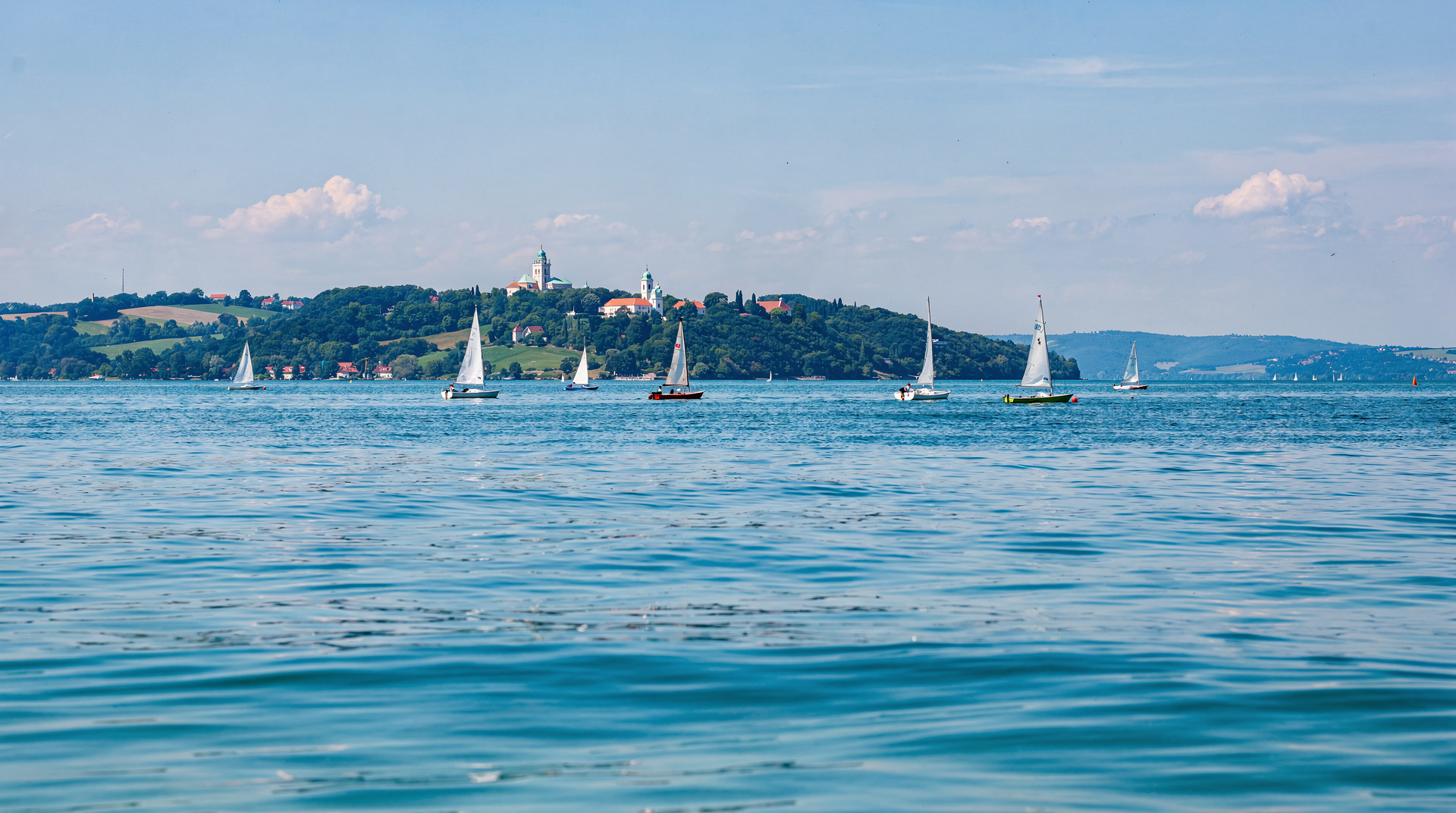
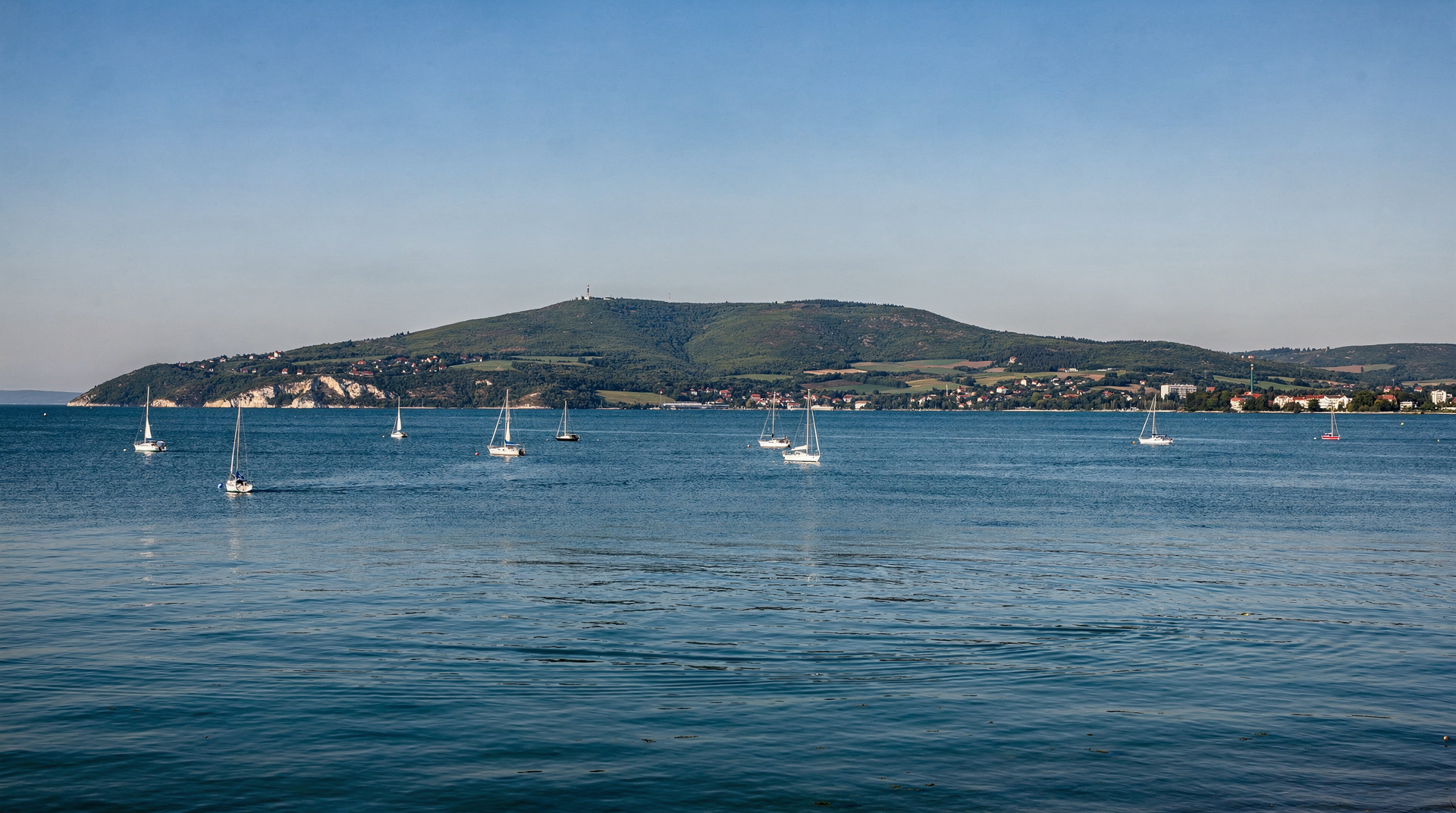
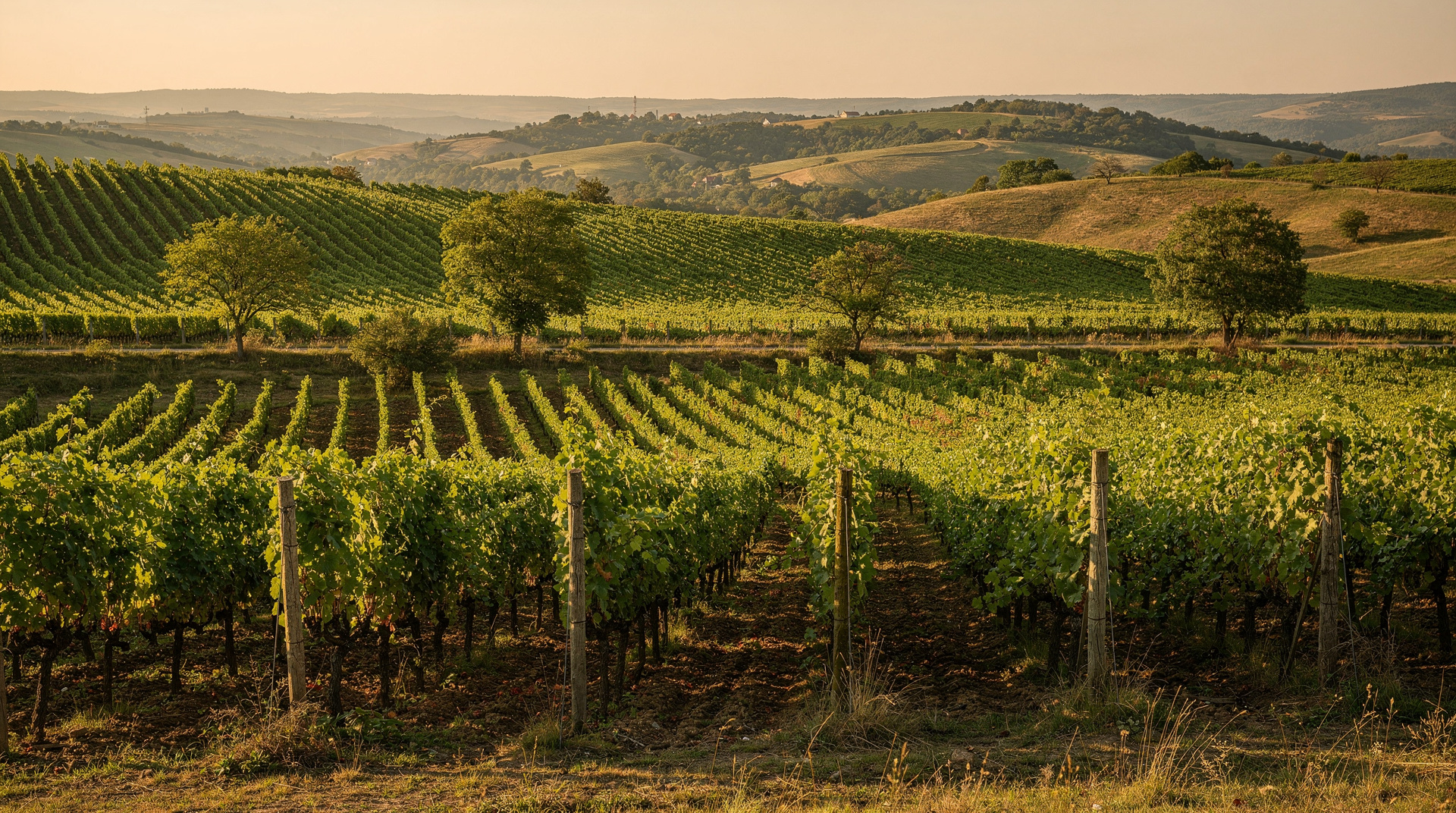
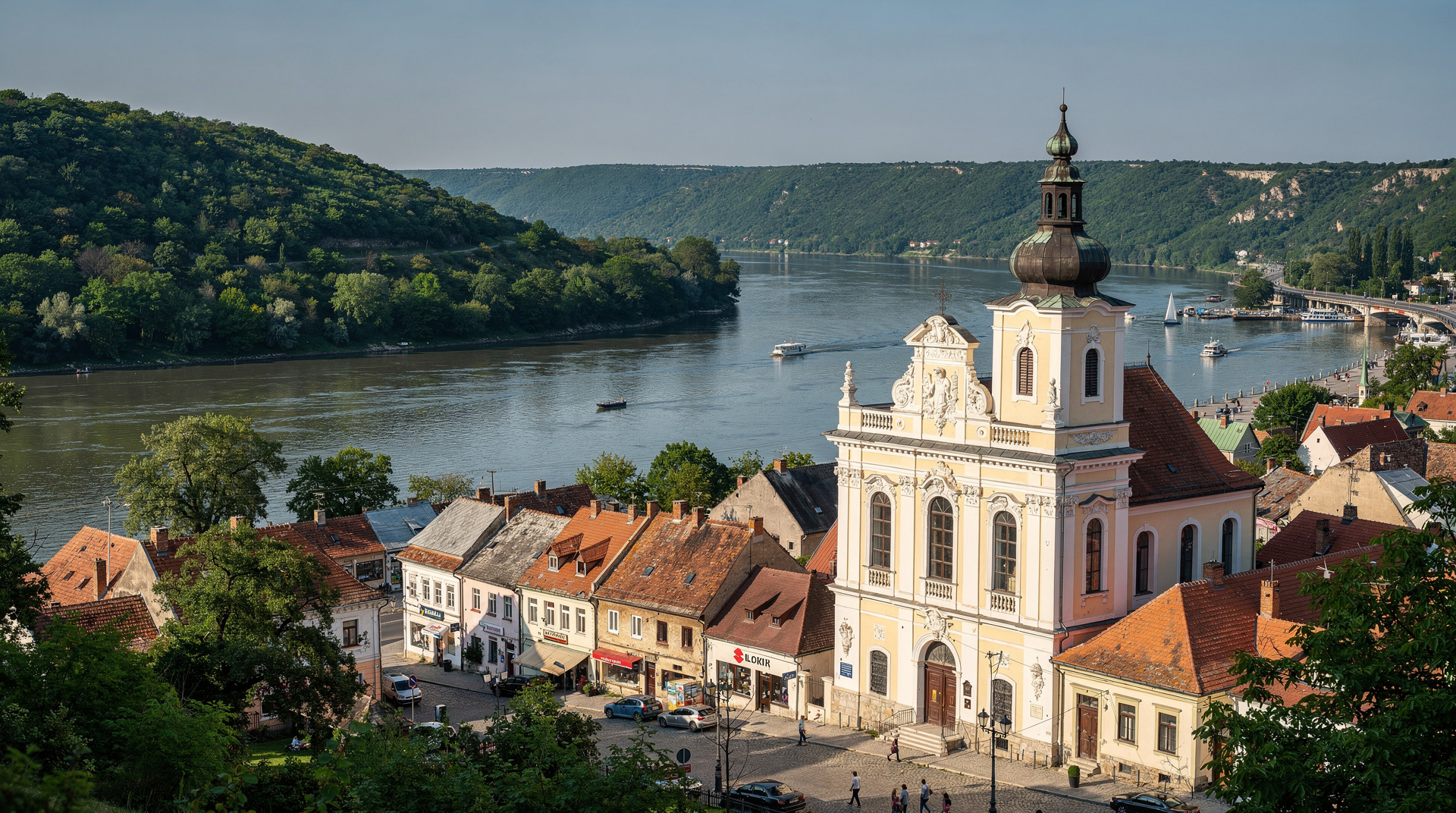
Hungarians call Lake Balaton the “Hungarian Sea” (Magyar Tenger), and while that sounds like wishful thinking from a landlocked nation, the phrase captures something real: the lake is 77 km long and up to 14 km wide, and when you stand on the northern shore on a windy day watching whitecaps roll toward a vine-covered hillside, the sea comparison does not feel entirely absurd.
Central Europe’s largest lake has been the country’s premier summer playground for over a century. Its warm, shallow water (average depth just 3.3 m), its wine villages, its bicycle paths, and its thermal-lake neighbour at Hévíz combine into a destination that rewards both a long day trip from Budapest and a two-night stay. Understanding which town to base yourself in, and which shore to prioritize, makes the difference between a great Balaton visit and a frustrating one.
| Where | ~120–150 km south-west of Budapest |
| Cost | Day trip 6 000–12 000 HUF independently; organized tours ~15 000–25 000 HUF |
| Time needed | 1 day (northern shore highlights) to 2 nights (full lake experience) |
| Getting there | Train to Balatonfüred (~1.5 hrs) or Keszthely (~2 hrs); M7 by car |
| Best time | June–August for swimming; May and September for wine and cycling |
North shore versus south shore: choosing your Balaton
The lake has two distinct personalities, divided by water and connected by ferry.
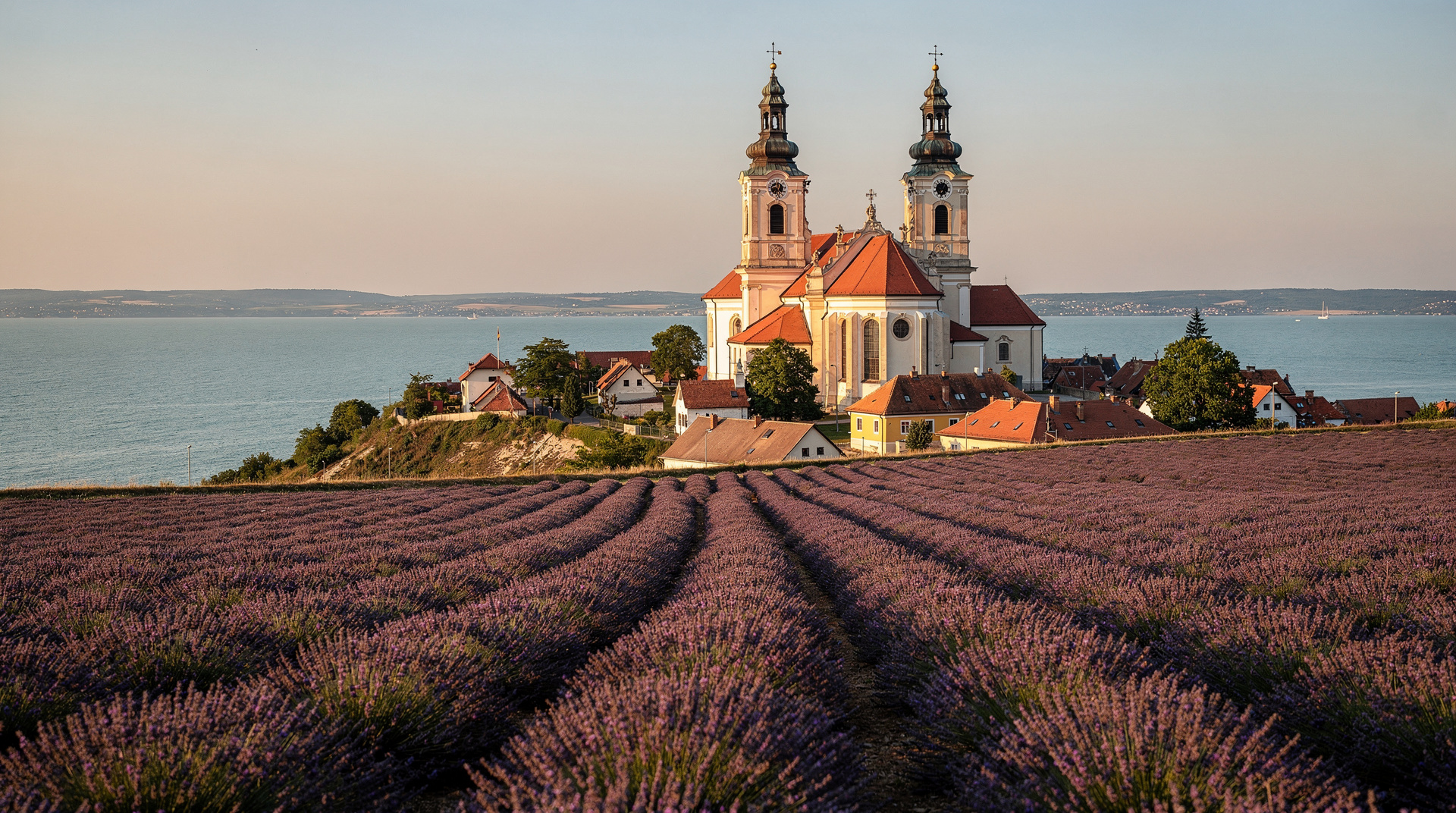
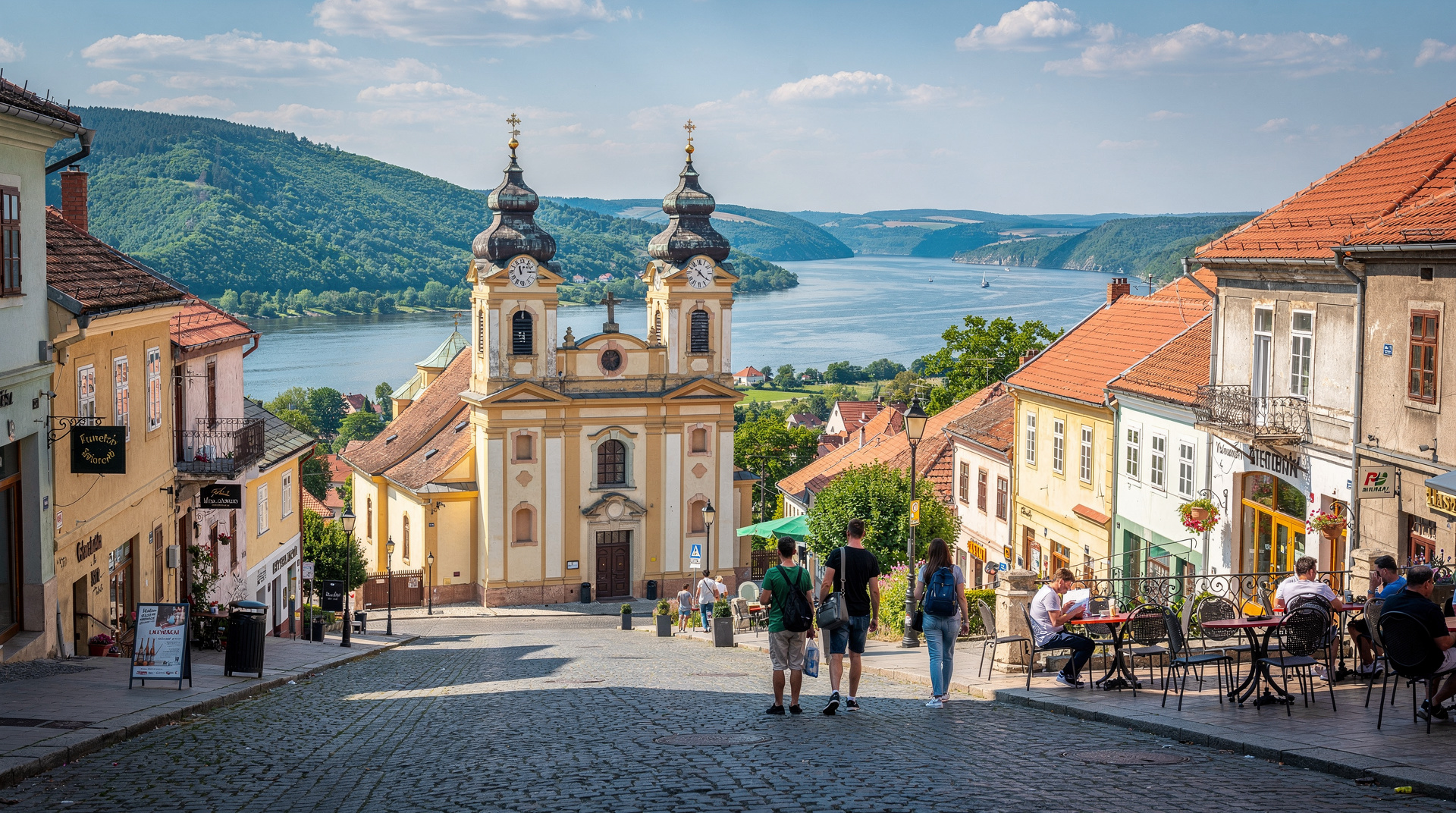
The northern shore is hillier, greener, and wine-obsessed. This is where the Badacsony volcanic basalt columns rise directly from the vineyard rows, where the Tihany peninsula juts into the water with its 1,000-year-old Benedictine abbey, and where the towns of Balatonfüred and Révfülöp have a genteel, slightly old-fashioned resort elegance. Wine tourism is taken seriously here: the Balatonfüred-Csopak wine region produces fine Furmint and Olaszrizling, while Badacsony’s volcanic soil yields Hungary’s rarest white grape, Kéknyelű. The northern shore beach areas are smaller and often pebbly, but the scenery compensates.
The southern shore is flat, sunny, and built for mass summer tourism. Siófok is the largest resort town — it can feel overwhelmingly busy in July and August but has the most options for nightlife, family facilities, and long sandy beaches. Zamárdi, Balatonboglár, and Fonyód are quieter alternatives on the same shore with good beaches and less traffic. The southern shore is more accessible from Budapest by road (M7 motorway) and has more accommodation options at lower price points.
General rule: wine, scenery, cycling, and quieter villages → north shore. Wide beaches, family resorts, easier accommodation → south shore.
| North shore | South shore | |
|---|---|---|
| Landscape | Hilly, volcanic, vineyards | Flat, sandy |
| Beaches | Smaller, often pebbly | Wide, sandy, family-oriented |
| Wine | Serious, Badacsony & Balatonfüred-Csopak | Minimal |
| Nightlife | Quiet, low-key | Livelier, especially Siófok |
| Best for | Wine, scenery, cycling, couples | Beach days, families, budget stays |
Getting to Balaton from Budapest
By train: Intercity trains from Budapest Déli or Keleti reach Balatonfüred in about 1.5 hours. In summer, these trains fill quickly — book seats on the MÁV app or website at least a few days ahead. The journey along the northern shore continues west through Badacsony and onward to Keszthely (roughly 2 hours total from Budapest). The southern shore is served by a separate line.
By organized day trip: The most efficient way to see the highlights without worrying about connections is an organized tour. The Lake Balaton day tour from Budapest covers the northern shore highlights including Tihany and a lake stop, typically in a small group with a guide. For a more leisurely full-day version, the full-day Lake Balaton tour includes more stops and time at the water. For those who want to combine the lake with the famous Herend porcelain factory, a private Lake Balaton and Herend day tour is the most flexible option.
By car: The M7 motorway reaches Siófok in about 1.5 hours and makes the southern shore easiest by car. The northern shore roads are slower and more scenic. Road toll (matrica) is required on Hungarian motorways — purchase online or at petrol stations.
Balatonfüred: the northern shore’s elegant hub
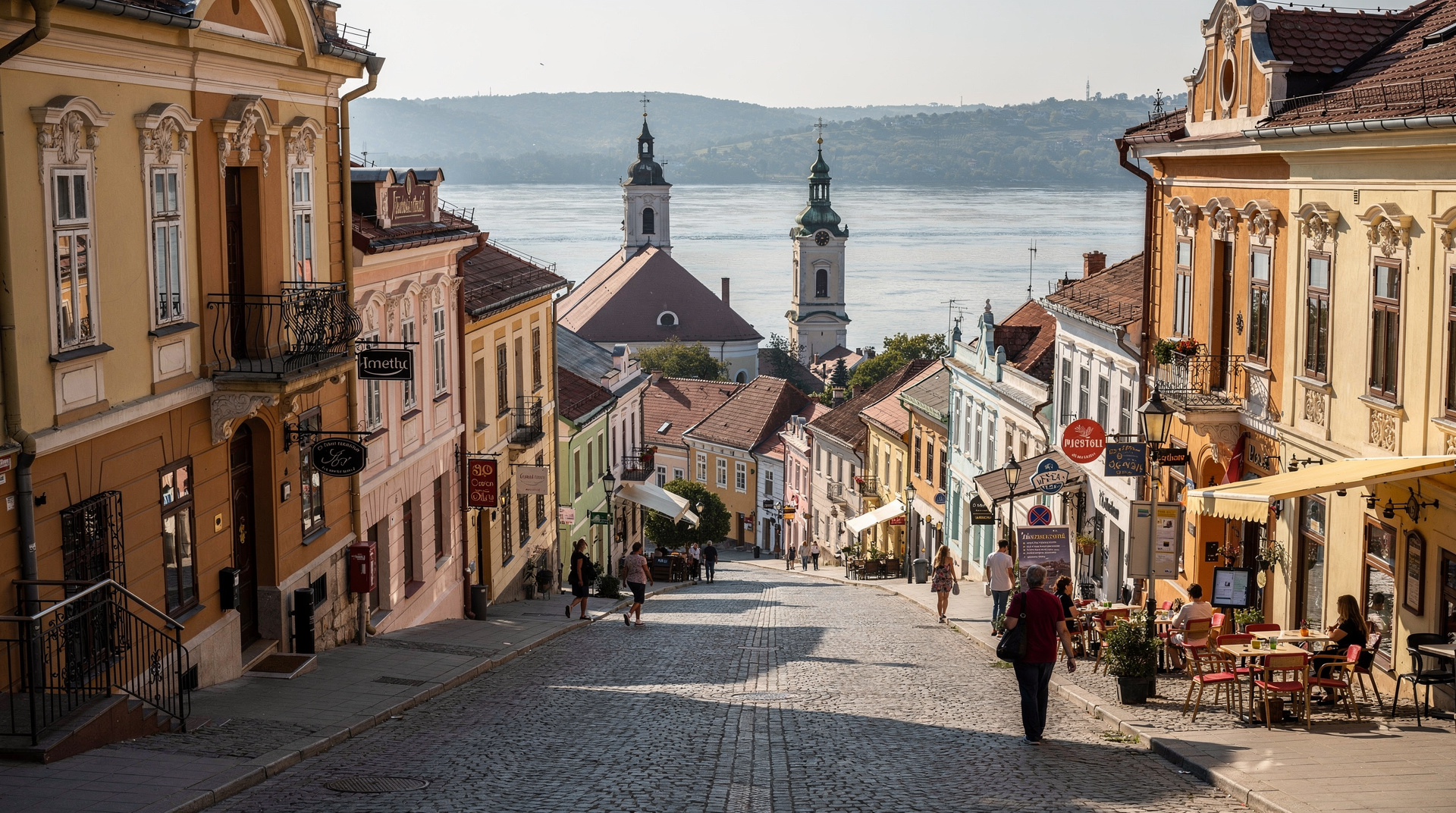
Balatonfüred was Central Europe’s first “health resort” in the early 19th century, drawing aristocrats and intellectuals to its carbonic springs. Today the Gyógy tér (Healing Square) still has a drinking fountain dispensing mildly fizzy mineral water with a metallic edge — free to try, not particularly pleasant, but historic. The lakeside promenade (Tagore sétány) is one of the most pleasant in Hungary: lined with plane trees, dotted with café terraces, and ending at the yacht harbour where sailboats create the seaside atmosphere that inland Hungary otherwise lacks.
The central beach (Városi Strand) charges admission of around 800–1 200 HUF (~€2–€3) and has showers, lockers, and a basic café. It fills by mid-morning in July and August, so arrive early or head to the smaller village beaches in Balatonalmádi or Csopak.
The wine villages of the northern shore
Wine is the reason serious travellers prefer the northern shore over the southern resort strip. The villages of Badacsony, Badacsonytomaj, and Badacsonylábdihegy cluster around the volcanic hill of the same name — vines grow almost to the cliff edge, and the cellar doors are scattered informally through the village. An afternoon tasting walk here — moving from one cellar to the next with a glass of Kéknyelű or Szürkebarát — is one of Hungary’s genuine pleasures and costs a fraction of what wine tourism costs in France or Italy.
The Balatonfüred-Csopak wine region, closer to Balatonfüred, is more polished: producers like Figula, Mihály, and Bodó have proper tasting rooms with English-speaking staff and structured tastings of their Furmint, Olaszrizling, and Chardonnay blends. Book ahead in summer.
For a guided experience in the Káli Basin (a hidden inland valley just above Tihany), see the Tihany destination page which covers the combined peninsula-and-wine itinerary.
Herend: porcelain on the way to Balaton
Herend, a small town 15 km from Veszprém and roughly 40 km from Balatonfüred, is home to Hungary’s most prestigious porcelain manufacturer. The company, founded in 1826, still hand-paints every piece — the Porcelánium visitor centre shows the entire process from clay to gilded finish. A visit takes about two hours and the museum collection includes pieces that were shown at the Great Exhibition of 1851 in London. The factory shop sells seconds and outlet pieces at reduced prices — a legitimate way to take home genuine Herend without the full retail premium.
The private day tour combining Lake Balaton with Herend is particularly good for those who want to see authentic Hungarian craftsmanship alongside lake scenery.
Hévíz: the thermal lake beyond Balaton
At the western tip of Balaton, near Keszthely, Hévíz is one of Europe’s largest natural thermal lakes — a genuinely different experience from the swimming lake itself. The water surface stays warm year-round (23–38°C depending on season and depth), fed by a spring that recirculates the entire lake roughly every two days, keeping the water clean despite constant bathing. A wooden boardwalk network of piers and pontoons lets you access the lake without touching the muddy bottom, and floating on the warm sulphurous water while watching steam rise in cool weather is one of Hungary’s more surreal wellness experiences. Combining Hévíz with a Balaton visit works best as an overnight — Keszthely, with its baroque Festetics Palace, sits between the two and makes a good base.
What a good Balaton day actually looks like
The best Balaton days are slow ones. Resist the urge to tick off every town: pick a base, swim when the water is calm, eat a long lunch, and leave the wine for the late afternoon when the light turns golden over the vineyards. Visitors who try to cram Tihany, Badacsony and a beach into one outing usually spend most of the day looking at a timetable rather than the lake.
A sensible northern-shore rhythm starts with an early arrival at Balatonfüred, a walk along the promenade before the crowds build, a swim or a paddle, and then lunch at a café terrace overlooking the harbour. In the afternoon you can add Tihany for the abbey and the views, or head along the shore toward the wine villages for a tasting. Whichever you choose, leave a margin before your return train so that a long glass of wine never turns into a missed connection.
If you are new to Hungarian wine, the Hungarian wine guide explains the grapes you will meet in the cellars, and the Tokaj wine region guide shows how Balaton’s whites differ from the sweet wines of the north-east. A small glass of local fruit brandy often ends a cellar visit, and the pálinka guide helps you sip it with some idea of what you are drinking.
What to eat and drink at the lake
Lakeside menus lean on simple, hearty food that suits long afternoons outdoors. Expect grilled and fried fish at harbour restaurants, plenty of salads and cold dishes in summer, and the usual Hungarian street snacks at beach kiosks. If you want to get a sense of the classics before you go, the traditional Hungarian dishes guide is a useful primer, and the lángos guide points to the deep-fried bread that seems to appear at every Hungarian beach.
Pair meals with the local whites rather than ordering the first bottle on the list. Many cellar doors serve food that matches their own wines, which makes a tasting walk a perfectly good lunch. Always pay in HUF, as noted above, and carry some cash for small kiosks and village cellars.
Fitting Balaton into a wider Hungary trip
Most visitors meet Balaton as part of a longer stay in the capital. If you are still deciding how many days to give the city before heading out, the Budapest destination page and the week of Budapest and day trips itinerary show where a lake day or overnight slots in naturally. The best time to visit Budapest guide is also worth a look, since the seasons that suit the city are not always the ones that suit the lake, and the Budapest in summer guide explains what the capital feels like when the lake is at its busiest.
Travelling as a family changes the calculation again. The Budapest with kids guide covers the capital’s family options, and Balaton’s shallow water makes a lake day a welcome break from city sightseeing. For anyone watching costs, the daily budget guide helps you set the lake against the rest of your spending.
Practical planning for Balaton
Summer booking: Hotels and pensions in Balatonfüred, Badacsony, and Tihany fill weeks in advance for July and August. Book accommodation three to four months ahead for summer weekends. Mid-week visits in peak season are significantly easier.
Budget: A full day at Balaton with admission, lunch, and afternoon wine tasting runs about 6 000–12 000 HUF (€15–€30) per person if travelling independently. Organized tours from Budapest cost 15 000–25 000 HUF (€37–€62) including transport and often a meal.
Cycling: The northern shore has a dedicated cycle path running most of its length — renting a bike in Balatonfüred or Tihany and cycling to Badacsony (about 40 km) with a return by train is one of the best ways to see the shore at ground level. E-bikes are available for rent in all larger towns.
Balaton with children: The shallow warm water makes it excellent for young children. The southern shore resorts have more family infrastructure (water parks, pedalos, playgrounds). The northern shore is better for slightly older children interested in history and nature.
Linking to other destinations: Balaton fits naturally before or after Tihany, which sits on a peninsula jutting into the lake’s middle. If you are building a multi-day Lake Balaton loop, start at Balatonfüred, continue to Tihany, ferry to Szántód on the south shore, and return to Budapest via Siófok. Read the best day trips from Budapest for how Balaton compares with other regional options including Eger and the Danube Bend. For train logistics and tour comparisons specific to the lake, see the Lake Balaton day trip guide, and for the Tihany peninsula itself as a standalone half-day, the Tihany hike and abbey tour covers the details.
Top experiences
Bookable activities with verified prices and instant confirmation on GetYourGuide.