Rudas baths guide: Budapest's Ottoman thermal jewel
What is special about Rudas baths?
Rudas is the most historically authentic bath in Budapest — an Ottoman Turkish bath built in 1550, with a original star-pierced dome over the central pool. It also has a modern rooftop Jacuzzi with Danube views. Weekdays are men-only in the traditional section; evenings and weekends are mixed.
Rudas: where Ottoman history meets Danube views
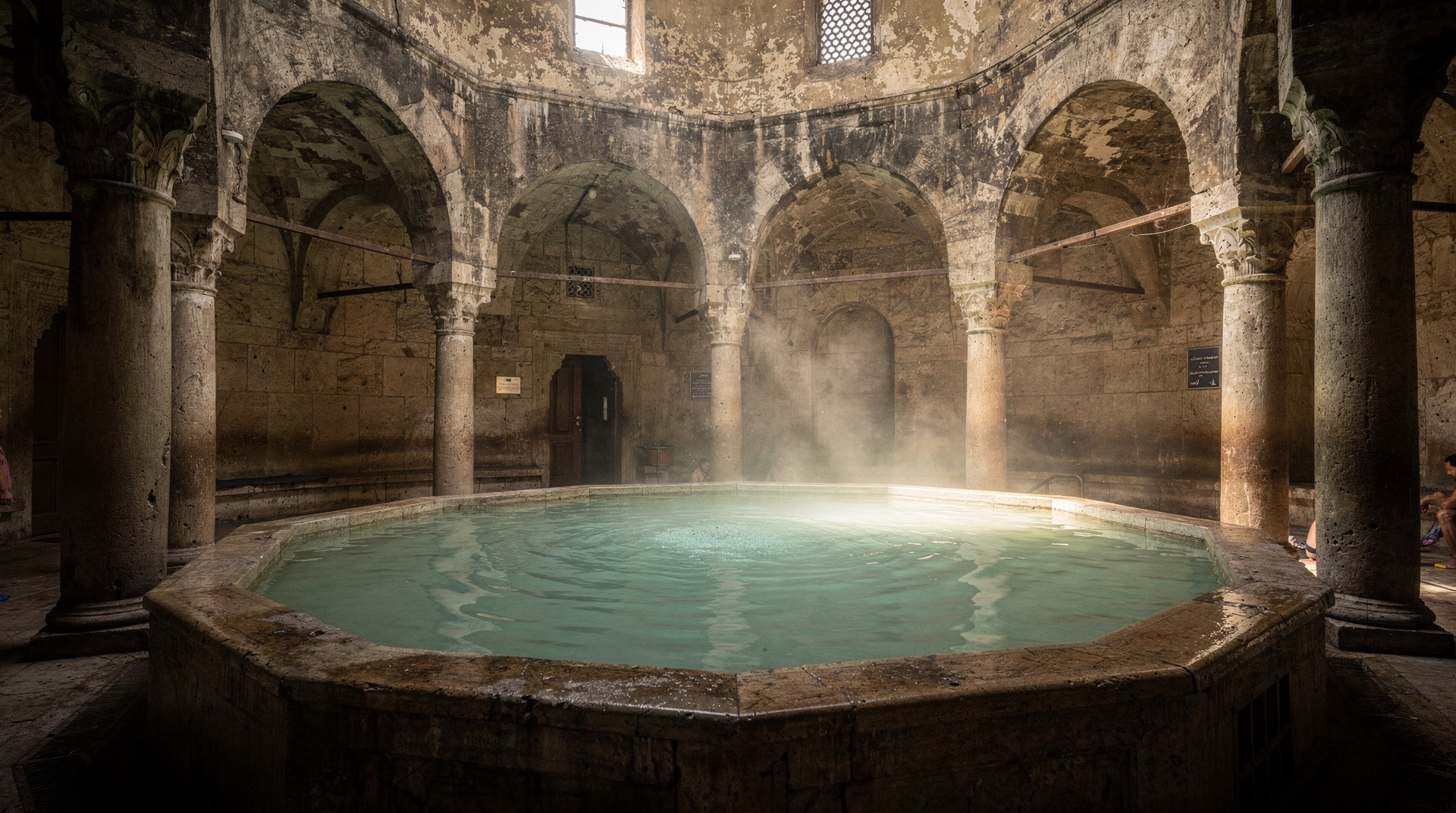
Rudas Baths was built in 1550 under the Ottoman ruler Mustafa Pasha on the Buda bank of the Danube, pressed against the base of /destinations/gellert-hill/. Nearly five centuries later, the central chamber — an octagonal pool beneath a star-pierced stone dome — remains largely as it was built. Columns of light pierce through in the morning. The stone is cool to the touch. The water runs at 34°C.
| Where | Döbrentei tér, Buda side, at the foot of Gellért Hill |
| Cost | around 4,900–6,500 HUF weekday entry |
| Time needed | 1.5–3 hours for a relaxed soak |
| Getting there | bus 7, or a 15–20 min walk from central Pest via Elizabeth Bridge |
| Best time | weekday mornings for the dome’s light; evenings/weekends for mixed sessions |
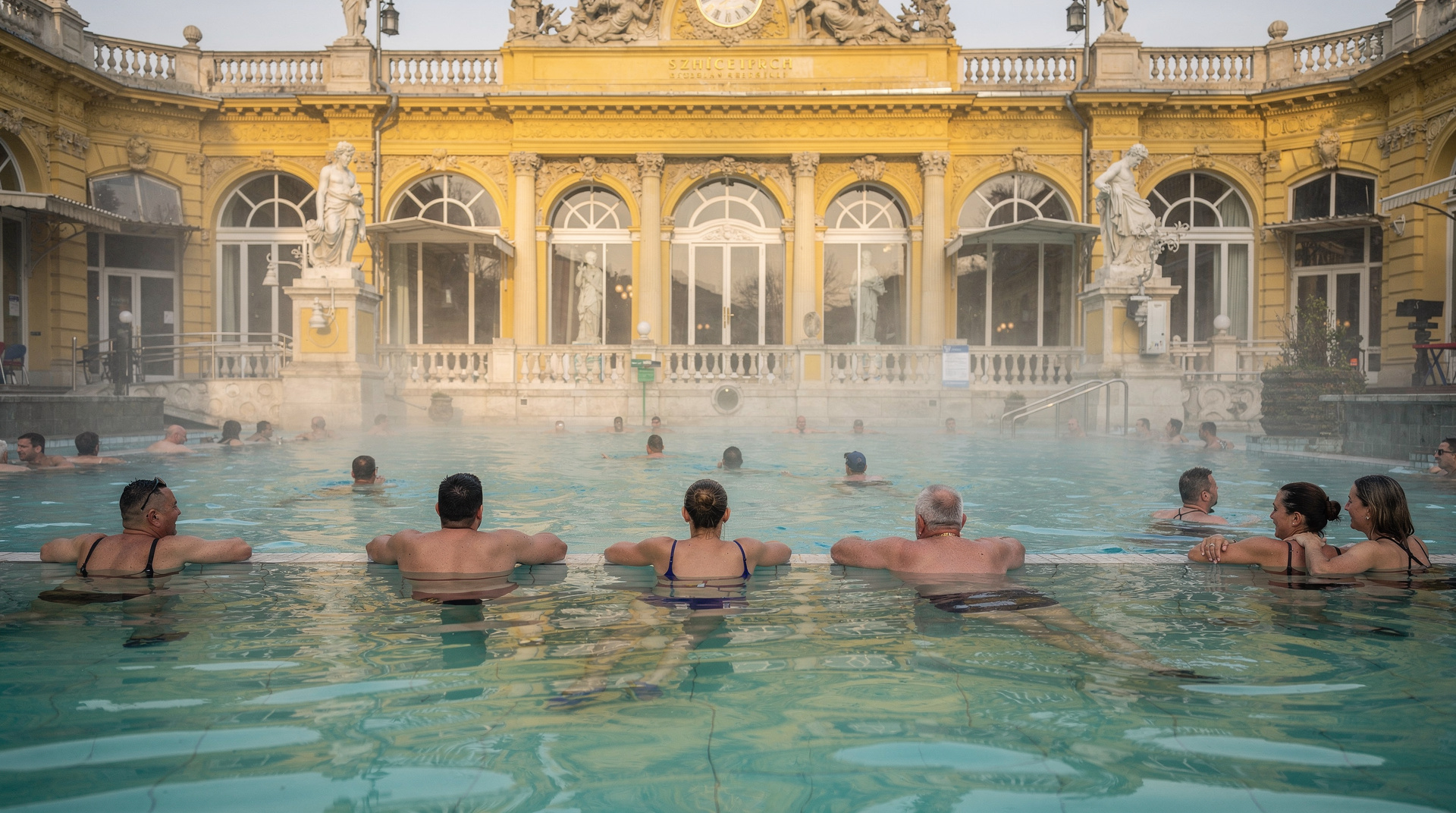
It is, by a considerable margin, the most historically immersive bathing experience in Budapest. Where Széchenyi is about outdoor glamour and Gellért is about Art Nouveau elegance, Rudas is about standing in a room that has barely changed since the 16th century and realising that bathing culture in this city is older than the building you are standing in.
The same complex, through a series of modern extensions, also includes a contemporary wellness zone, a steam room, a plunge pool, and a rooftop Jacuzzi with arguably the best view in Budapest: the Elizabeth Bridge to the north, the Danube below, and Pest stretched across the opposite bank.
The Ottoman dome section
The original Turkish bath core is what makes Rudas unique. You enter through low corridors into the central octagonal chamber. The dome above is pierced with coloured star-shaped glass openings — a standard Ottoman design seen across Turkey and the former Ottoman Balkans, but in Budapest, one of the only surviving examples of its kind.
The central pool sits at 34°C. Around the perimeter, a series of smaller alcove pools run at different temperatures — typically 28°C, 36°C, 38°C, and 42°C. Concrete benches line the walls. There are no towels, no sunloungers, no staff selling cocktails. It is a bathing space in the ancient sense of the word.
Gender schedule: The traditional section operates a segregated schedule during weekday daytime (men-only). Weekday evenings, weekends, and most public holidays are mixed (co-ed). This is a historic practice, not a modern restriction — Turkish baths in Ottoman tradition were gender-separated by design. The modern wellness zone is mixed at all times.
The modern wellness section
Connected to the Ottoman dome by corridors, the newer sections of Rudas include:
Steam rooms and saunas: A large steam room, Finnish sauna, and aromatherapy steam cabin. These are mixed-gender at all times and included in the standard day ticket.
Indoor modern pools: Larger pools in a contemporary space for those who find the Ottoman chambers too atmospheric or temperature-sensitive.
Rooftop pool: The roof of the Rudas complex has a Jacuzzi and a small plunge pool with panoramic views across the Danube. Temperature around 36°C. Open to all genders, all days. The view at dusk — with the bridge lights reflecting on the river and Pest lit up — is exceptional.
The Rudas spa meal package
For those wanting to combine a full soak with a proper Hungarian lunch, the Rudas Turkish bath spa day with three-course meal is a popular option. The restaurant at Rudas serves Hungarian cuisine at a reasonable standard — not fine dining, but solid. The combination of a long soak, Hungarian food, and the afternoon to recover is one of the more civilised ways to spend a Budapest day.
Practical information
Opening hours: Daily, typically 06:00–20:00 for the traditional thermal section on weekdays; evening and weekend hours extend to 22:00 or later during mixed sessions and party nights. Always confirm current hours at the time of booking.
Prices: Standard weekday entry approximately 4,900–6,500 HUF (€12–16). Weekend and evening rates may vary. The meal combination package is priced separately. For a full comparison, see /guides/budapest-baths-prices-tickets/.
What to bring: Swimsuit (mandatory for mixed-gender sessions; a loincloth is provided to men during men-only sessions — the historic Ottoman practice). Towel (recommended; rentals available). Flip-flops essential — the stone floors are slippery.
Age restrictions: Children under 14 are generally not admitted to the traditional Ottoman section. The /guides/best-baths-with-kids/ guide covers family-friendly options.
Getting there
Bus: Bus 7 (from Keleti station and central Pest) stops at Rudas gyógyfürdő, directly at the bath entrance. Fast and reliable.
Tram: Tram 2 runs along the Pest side of the Danube; cross at the Elizabeth Bridge for a scenic 10-minute walk to Rudas.
On foot: From the Liberty Bridge or central Pest, 15–20 minutes on foot. The walk along the Buda Danube bank on Döbrentei tér is pleasant.
Bolt: Simple drop-off on Döbrentei tér, just beside the main entrance.
When to go
Best lighting in the dome: Weekday mornings. The star-shaped openings in the dome send shafts of light through the steam in the morning hours — between roughly 08:00 and 12:00 on sunny days. This is the time to come if the Ottoman architecture is your main reason for visiting.
For mixed-gender soaking: Weekday evenings (check current times), Saturdays, and Sundays. The atmosphere is different from the men-only mornings — more tourist-facing, but still manageable.
For party nights: Friday and Saturday late-night events run the Rudas Party. Similar to the Sparty concept at Széchenyi. Good for a younger, livelier crowd; not the place for meditative soaking.
Avoid: Sunday afternoons in summer — the rooftop Jacuzzi queue can be significant.
Rudas vs the other major baths
Rudas is the smallest and most atmospheric of Budapest’s four major baths, which shapes what it’s best for. It has fewer pools than Széchenyi, no equivalent to Gellért’s Art Nouveau grand hall, and a more limited food and social offering than either. What it has instead is the Ottoman dome, which neither of the others can match, and the rooftop view. If you only have time for one bath and want the classic, social, photogenic Budapest bath experience, Széchenyi is still the safer first choice. If you want the single most distinctive room in Budapest’s bath culture and are comfortable with a starker, quieter atmosphere, Rudas is the one to prioritise.
Gellért day tickets are not currently available through our partner, so for a classic big-name bath, Széchenyi thermal baths fast-track admission with locker is the closest alternative.
If you are still deciding between the big names, the best thermal baths in Budapest roundup puts all of them side by side, and the Gellért baths guide explains what the Art Nouveau alternative feels like from the inside. Anyone leaning towards the classic outdoor scene can look at a day ticket for the big yellow outdoor complex in City Park instead.
How to spend your time inside
Rudas rewards a slow, unhurried rhythm. Arrive, change, and start in the dome rather than in the modern wing: the old chamber is where the atmosphere is strongest, and it is easier to appreciate before you have spent an hour in hot water and feel heavy. Move between the alcove pools in order of temperature, letting your body adjust rather than jumping straight into the hottest one. Between pools, sit on the stone benches and simply look up at the dome — the star-shaped openings are the point of the whole room.
After the dome, the steam room and sauna make a natural second stage, and the plunge pool is there for contrast. Finish upstairs. Saving the rooftop for last means you end the visit with the view rather than the queue, and it gives you a gentle, cooler-air cooldown before you dress and head back out into the city.
A few small habits make the session better. Drink water between pools, because the heat is more tiring than it feels. Do not rush from the hottest pool to the stairs; stand up slowly. Keep phones and cameras out of the dome area, both out of respect for other bathers and because the steam is unkind to electronics. If you want a record of the place, the rooftop is the sensible spot for photographs.
Who Rudas suits best
Rudas is a strong choice for travellers who care about history and architecture, and who would happily trade a lively social scene for atmosphere. Solo visitors often like it because nobody expects conversation; the dome encourages quiet. Couples looking for something memorable will find the evening mixed sessions and the rooftop at dusk especially appealing, and the best baths for couples guide shows how it compares with the other romantic options.
It is less natural for groups who want to play, splash and eat outdoors, and it is not designed around young children. Families should read the baths with kids guide before deciding, and anyone travelling with a mixed group of ages is usually better served elsewhere. If your companions are hesitant about bathing in public, the thermal bath etiquette guide is worth sharing with them in advance, since knowing the routine at the entrance and in the changing rooms removes most of the nerves.
Planning around tickets and crowds
Because the traditional section follows a schedule, the day and hour you choose shape the whole visit more than at most other baths. Decide first whether you want the quiet, historic feel or the mixed-session atmosphere, then pick your day accordingly. Party nights are a separate product altogether and should be planned like an evening out rather than a soak.
For the money side — what different ticket types include and how to avoid paying more than you need to — the Budapest baths prices and tickets guide is the place to start, and the bath ticket mistakes page covers the traps that catch first-time visitors, including buying from the wrong seller. If you are weighing a pass that bundles transport and attractions, compare it against single entries in the Budapest Card guide before committing.
Rudas in different seasons
The dome and the indoor pools work in every season, which is part of Rudas’s appeal: a grey winter afternoon is arguably the best time to appreciate warm water under old stone. The rooftop is the part that changes most with the weather. In cold months, sitting in a warm Jacuzzi with cool air on your face and the city lights across the river is one of the great Budapest experiences, and the outdoor baths in winter guide explains how to enjoy it comfortably.
In summer, the same rooftop is the busiest part of the complex, so the dome and the quieter indoor areas become the better refuge. Spring and autumn are a happy medium, with softer light through the dome and fewer crowds on the roof. If you are choosing your travel dates around bathing, the best time to visit Budapest guide helps you weigh weather, prices and crowds together.
Making Rudas part of a bigger day
Rudas sits at the foot of Gellért Hill, so it combines naturally with other Buda-side sights. A morning on the hill with the Gellért Hill and Citadella guide followed by an afternoon soak is an easy, satisfying day. For a fuller baths-focused plan, the Budapest thermal baths itinerary strings several baths together sensibly, while the Budapest weekend break itinerary shows how a single soak can fit into a short stay.
If you are staying nearby, you can read about the surrounding districts in the Budapest neighbourhoods guide. Visitors who want a gentler, wider Buda day can also pair the bath with the Buda Castle guide, keeping the evening free for the rooftop at dusk.
Rudas and your Budapest itinerary
Rudas pairs well with a /destinations/gellert-hill/ climb earlier in the day — walk up for the panoramic views over Budapest in the morning, descend to the bath for an afternoon soak. The hill, the river, and the Ottoman dome form one of the coherent Buda-side experiences.
The /itineraries/budapest-3-days/ flagship includes Rudas as a Buda Day option. The /itineraries/romantic-budapest-3-days/ places an evening Rudas visit (mixed session, rooftop at dusk) as one of the standout couple experiences.
For a full comparison between Rudas, Széchenyi, and Gellért, read /guides/szechenyi-vs-gellert-vs-rudas/. For the general etiquette guide applicable to all Budapest baths, see /guides/thermal-bath-etiquette/.
The honest assessment
Rudas is the most rewarding of Budapest’s four major baths for historically minded visitors — but it asks more of you. The Ottoman section is genuinely stark: no frills, no sunloungers, no cocktails. Just hot water, old stone, and filtered light. Many visitors love this. Some are surprised by how spare it is.
The rooftop is the crowd-pleaser and delivers its promise — one of the great urban views in Central Europe, experienced from a warm pool. The combination of ancient and modern within one building is a very Budapest thing: layers of history made casually available.
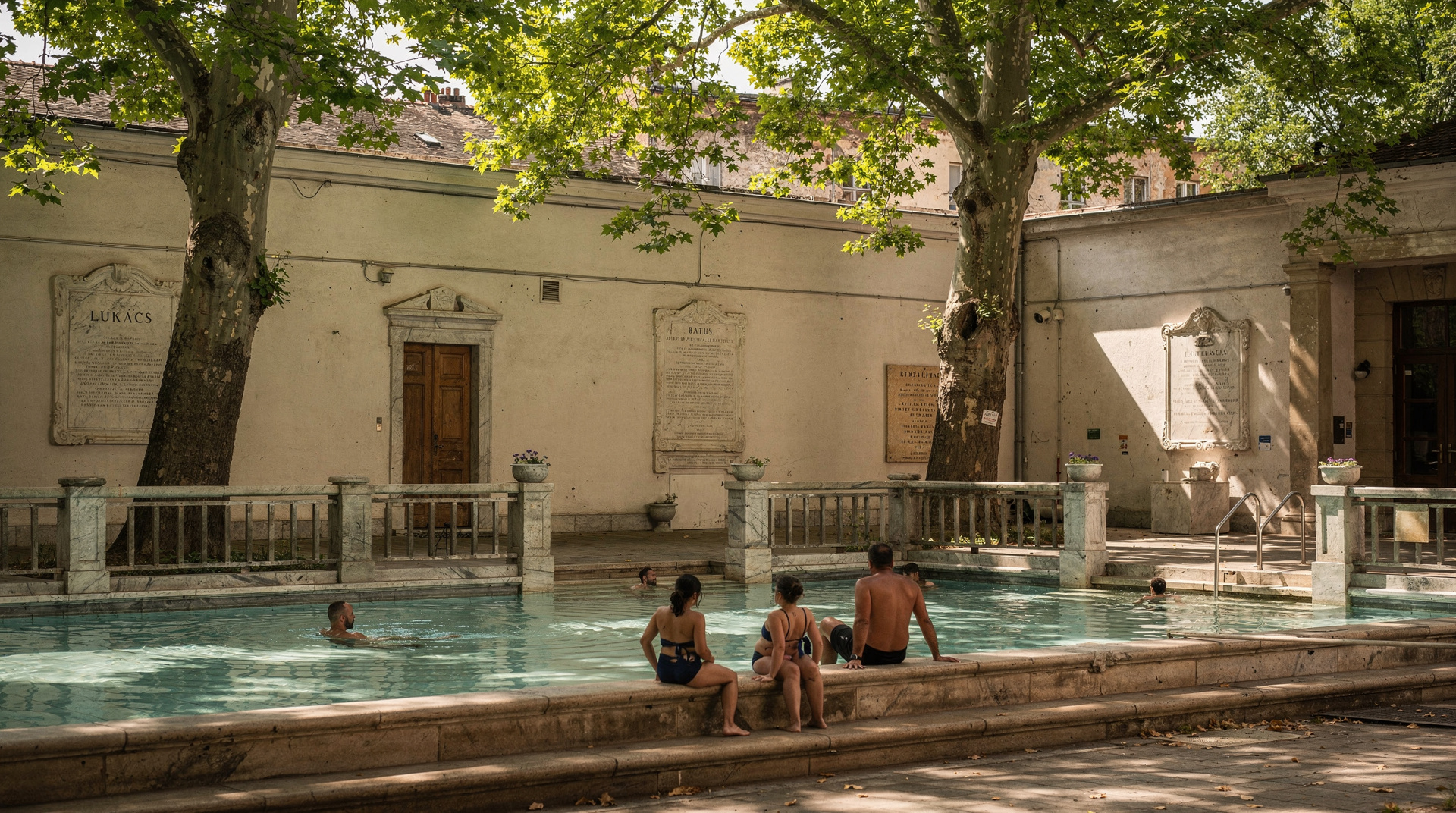
For a calmer alternative with a neighbourly atmosphere, also consider /guides/lukacs-baths-guide/. For the most social and photogenic experience, /guides/szechenyi-baths-guide/ remains the benchmark.
Frequently asked questions about Rudas baths guide
Is Rudas baths men-only?
The traditional section (Turkish dome area) operates on a gender-split schedule. Weekday daytime is men-only. Weekday evenings, Saturdays, and Sundays are mixed (co-ed). The modern wellness section and rooftop pool are mixed throughout. Check current schedule before booking.How much does Rudas baths cost?
Standard weekday entry runs around 4,900–6,500 HUF (€12–16). The rooftop Jacuzzi access is typically included. The Rudas spa day with a three-course meal package costs more but bundles lunch in the on-site restaurant. Weekend and evening prices may differ.What is the Ottoman dome like?
The central chamber has been largely intact since 1550 — an octagonal pool fed by thermal springs, with a stone dome pierced by star-shaped glass openings. Natural light shafts through in the morning. It is the most atmospheric bathing space in Budapest and unlike anything in Western Europe.What is the Rudas rooftop pool?
A modern Jacuzzi and plunge pool on the roof of the Rudas complex, open to all genders, with views over the Danube, the Elizabeth Bridge, and Pest. Temperature around 36°C. Added in the 2000s renovation — architecturally incongruous but the views are exceptional.Does Rudas have a late-night party like Sparty?
Yes. Friday and Saturday late nights, Rudas operates a 'Rudas Party' — pool party atmosphere with DJs from around 22:00–04:00. Similar concept to the Sparty at Széchenyi. Tickets book out in advance.Should I choose Rudas or Széchenyi for a first-time visit?
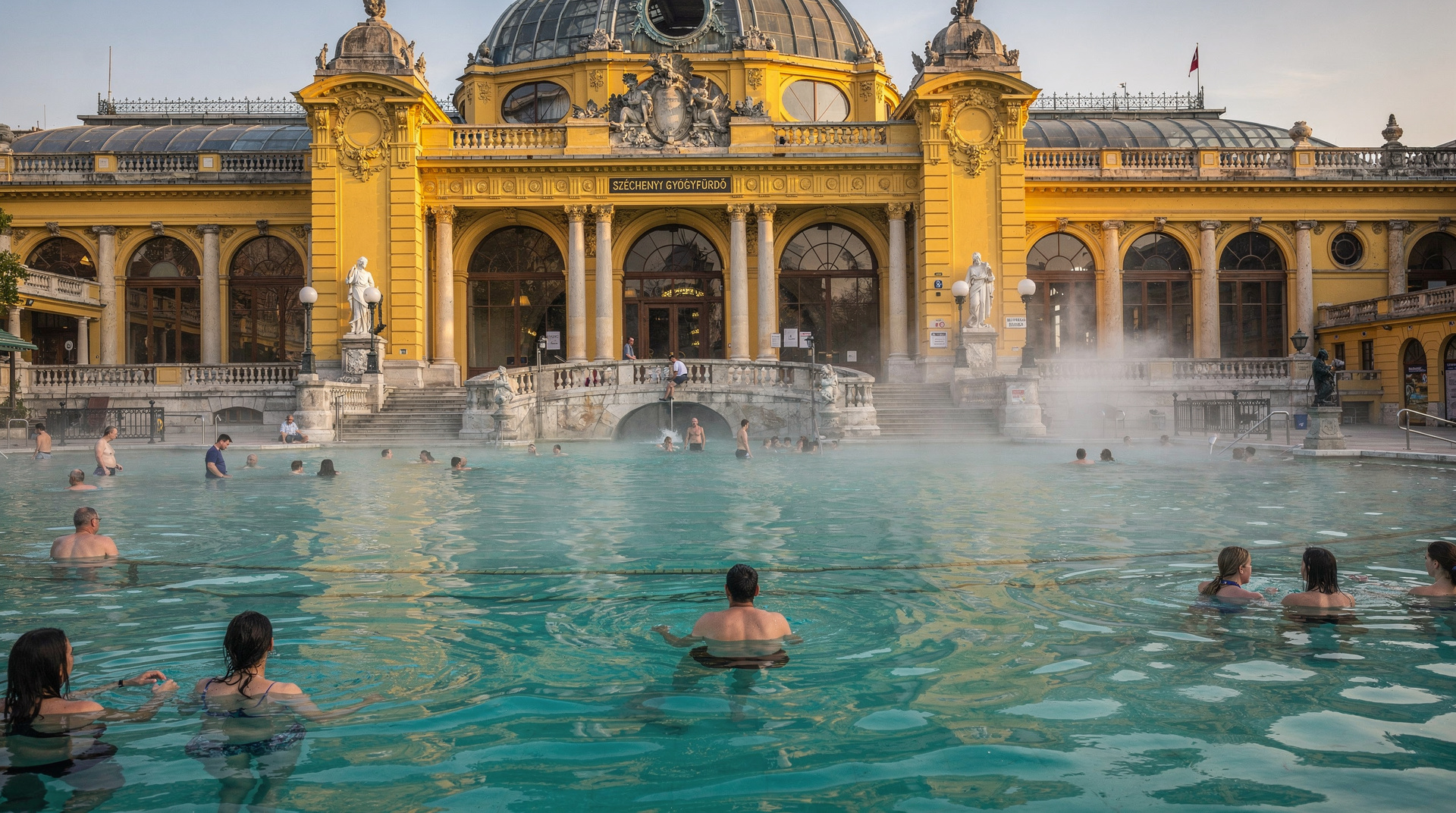
Széchenyi is the better first choice if you want the classic postcard image — grand yellow Neo-Baroque outdoor pools and chess players. Rudas is the better choice if you want the most historically distinctive space in Budapest and don't mind a more austere, less social atmosphere. Many visitors do both across a longer stay; see the Széchenyi vs Gellért vs Rudas comparison.Is Rudas suitable for a first-time bath visitor unfamiliar with the etiquette?
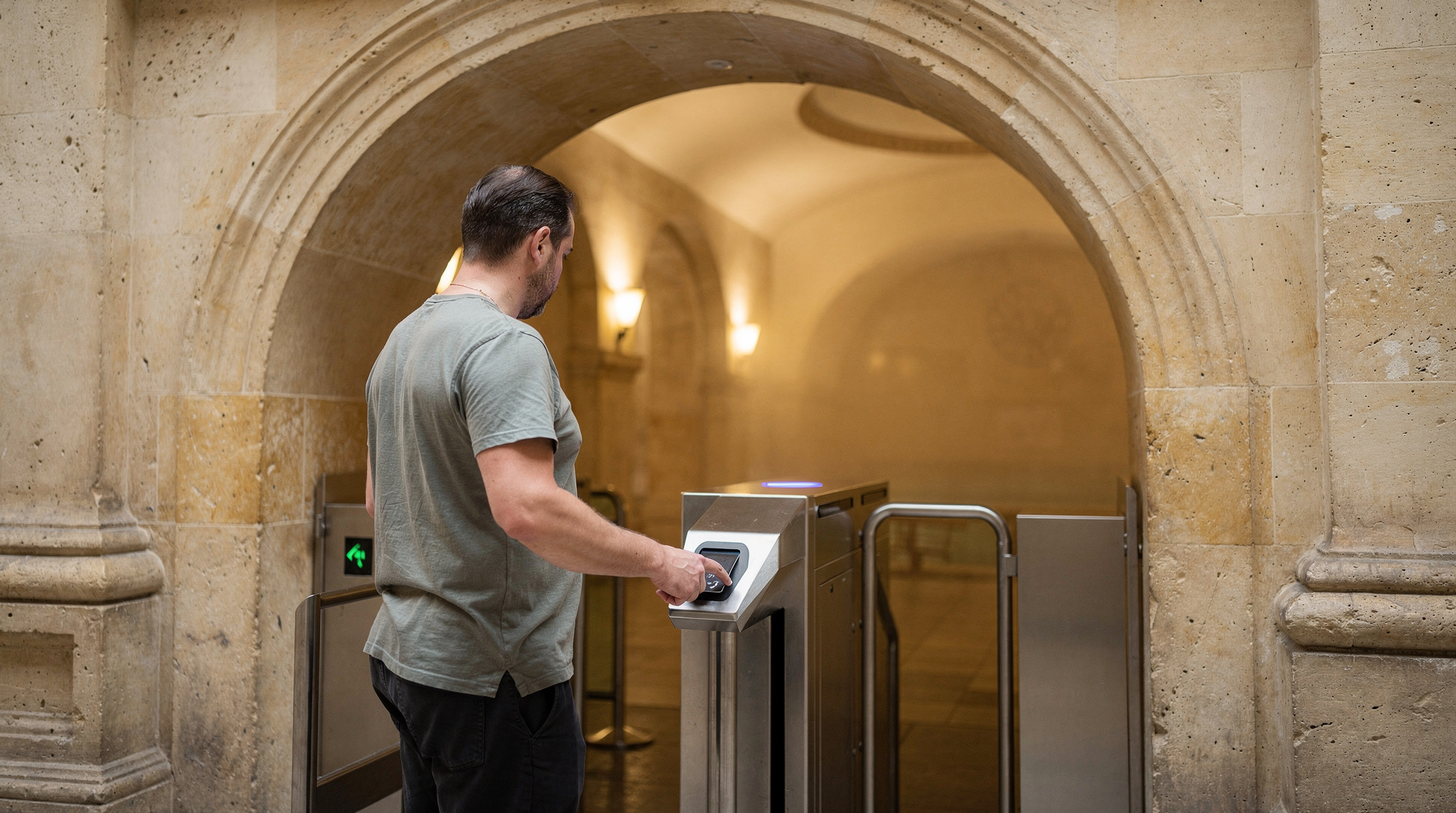
Yes, though the etiquette is slightly more particular than at Széchenyi because of the gender-split schedule and the swimsuit/loincloth rules. Read the thermal bath etiquette guide before your visit so you know what to expect at the entrance and in the changing rooms.
Top experiences
Bookable activities with verified prices and instant confirmation on GetYourGuide.