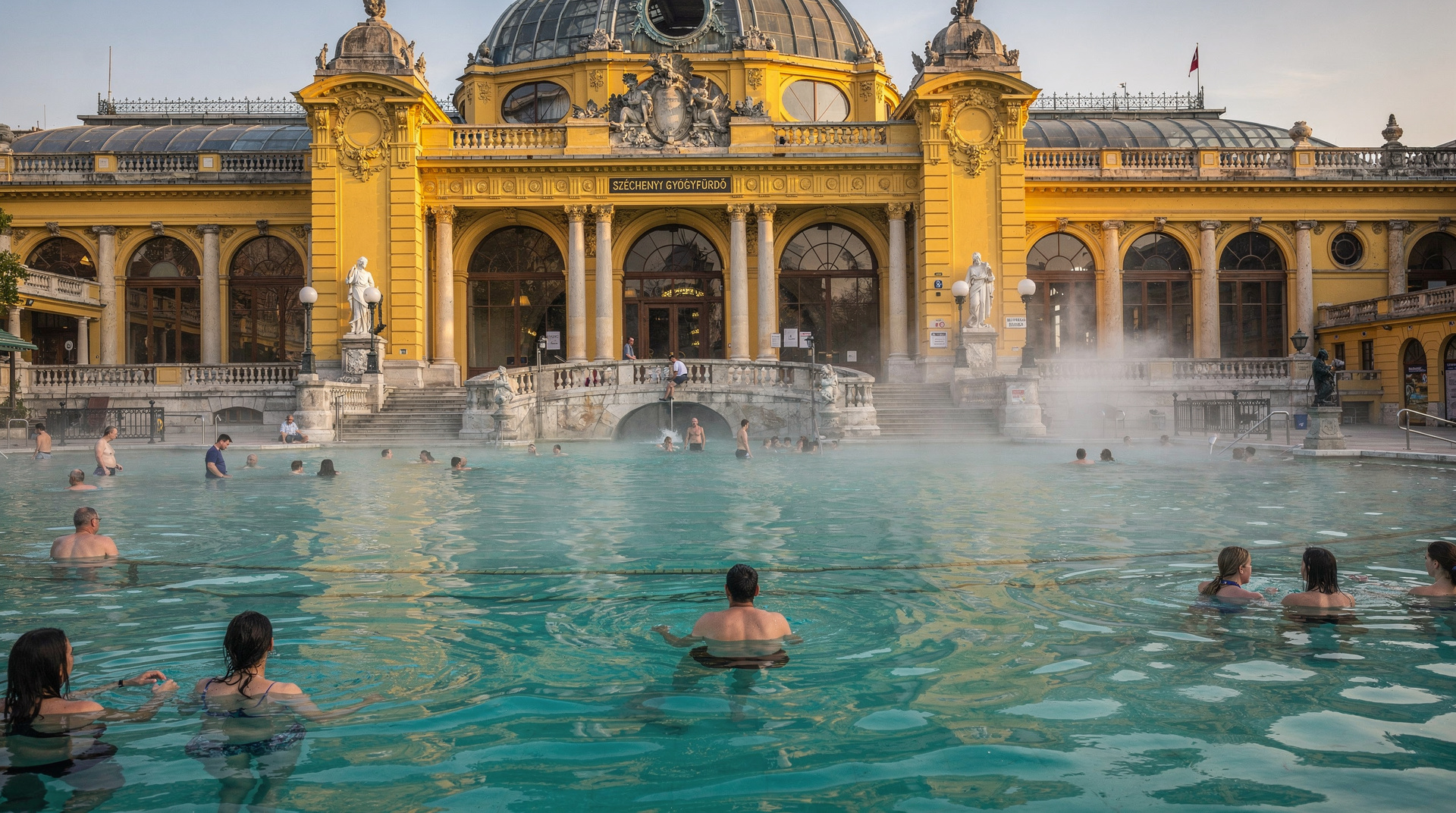
Gellért baths guide: Art Nouveau splendour on the Danube

Are Gellért baths worth visiting?
Yes, if they are open during your visit. The Art Nouveau main hall is one of the most beautiful indoor bathing spaces in Europe. Always check current operating status before going — there are unconfirmed reports of a possible renovation closure. Book tickets in advance.
Gellért baths: where architecture and thermal water meet
The Gellért Hotel and Baths complex is the most beautiful bathing establishment in Budapest — possibly in Europe. Opened in 1918 in Art Nouveau style, the main indoor thermal pool is a soaring domed hall of mosaic floors, marble columns, arched windows, and wrought-iron balustrades. Walking into it for the first time, you understand why it has appeared in more travel photography than any other bath in Hungary.
The baths occupy the ground floor of the Danubius Hotel Gellért on the Buda side of the Danube, directly at the foot of /destinations/gellert-hill/. The building itself — and the hill behind it — give Gellért a setting that Széchenyi, for all its outdoor drama, cannot match.
Important note before you plan: At the time of this writing, there are reports in the Hungarian renovation market of a potential temporary closure or partial renovation of the Gellért baths. No official closure date has been confirmed. Always check current operating status — either through the official Gellért site or through your booking confirmation — before your visit. Gellért tickets are currently not sold on GetYourGuide; as a close alternative, the Széchenyi thermal baths fast-track admission with locker offers a comparable thermal bath day, so verify details at the time of purchase.
| Where | Buda side, foot of Gellért Hill, attached to the Danubius Hotel Gellért |
| Cost | Around 10,900–13,500 HUF for a day ticket with locker |
| Time needed | 2–3 hours minimum to enjoy the pools without rushing |
| Getting there | Tram 47/49 to Szent Gellért tér, or a 10-min walk from Liberty Bridge |
| Best time | Weekday mornings before 10:00 for the quietest main pool |
The pools and facilities
The main thermal pool
The centerpiece of the complex is the indoor thermal pool, often called simply “the main pool.” It sits beneath a ribbed glass dome, surrounded by marble balconies on two levels. The water temperature holds around 36–38°C. Swimming caps are required (provided). The space is large enough to accommodate significant numbers of visitors, but it never feels like a water park — the architecture imposes a kind of natural reverence.
Indoor thermal pools and tubs
Beyond the main hall, a series of smaller indoor thermal pools at varying temperatures (32–40°C) run along the building’s interior. These are calmer, less photographed, and often quieter than the main pool. Good for genuine soaking rather than sightseeing.
The outdoor pool terrace (seasonal)
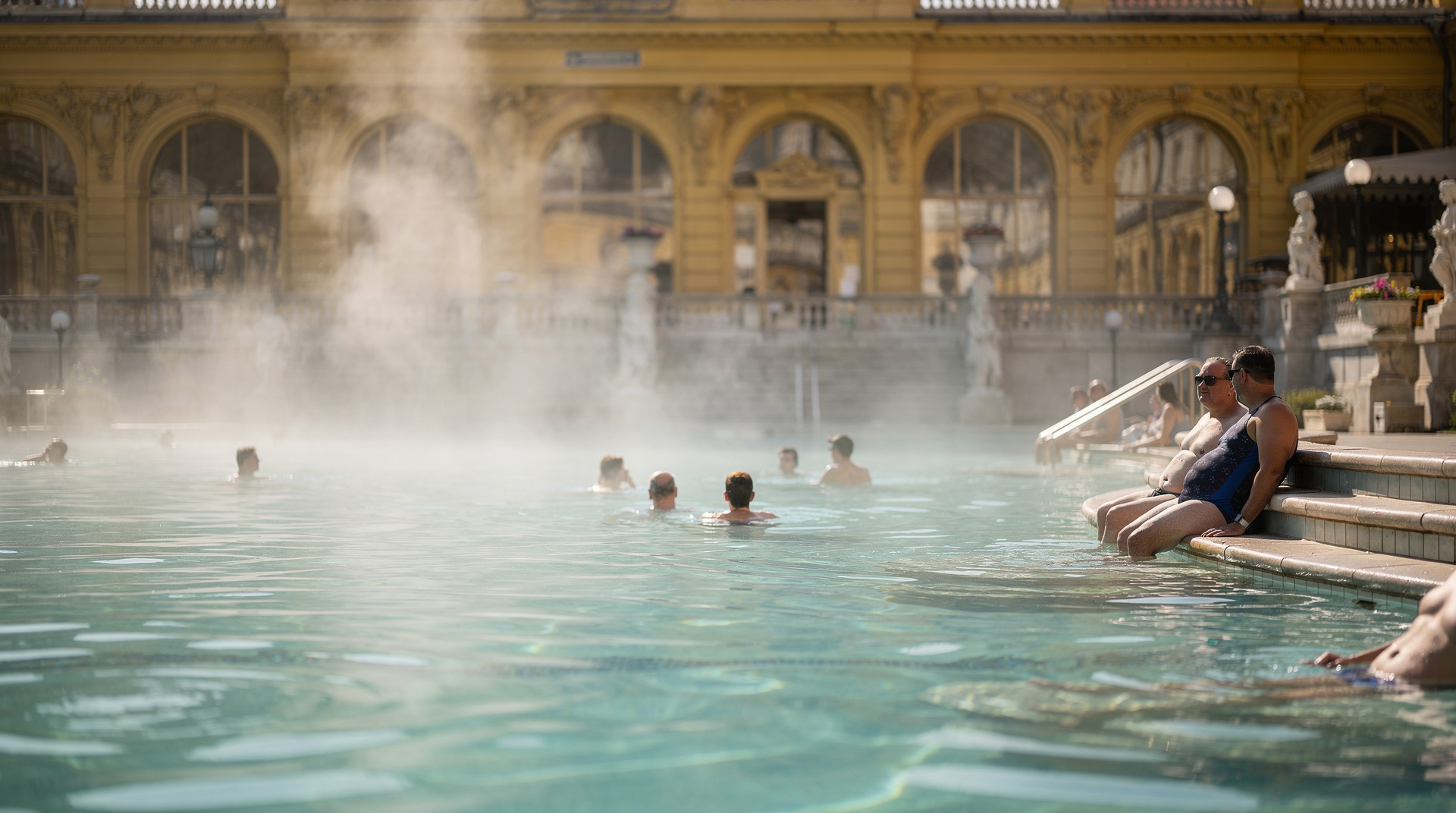
In summer (approximately May–September), the outdoor pool section opens on a terrace above the Danube. This includes a wave pool — one of the first in Europe when built in the 1920s — and sunbathing decks. The outdoor section is a very different atmosphere from the indoor: more casual, brighter, cooler water. Access may be ticketed separately from the thermal section, or included depending on the ticket type — confirm when booking.
Saunas and steam rooms
The sauna zone at Gellért includes a Finnish sauna, a steam room, and an infrared cabin. These are included in the standard day ticket. The steam room in particular is impressively large and well-maintained.
Treatments and massage
Gellért offers a range of physiotherapy and massage treatments bookable separately on site. These have a medical tradition — the baths have functioned as a therapeutic spa since the Ottoman era, long before the current building was constructed. Price range: 8,000–20,000 HUF (€20–50) depending on duration and type.
How to spend your hours inside
Most visitors make the same mistake at Gellért: they walk into the main hall, take their photographs, and spend the whole visit within a few metres of the entrance. The complex rewards a slower route. Start in the main thermal pool while the hall is at its calmest, then drift toward the smaller indoor pools, where the different temperatures let you build a rhythm of warm, hot, and cool rather than sitting in one place.
A sensible order, once you have showered and changed, looks like this:
- Begin with the main thermal pool to take in the dome, the mosaics, and the balconies before the hall fills.
- Move on to the smaller indoor pools and spend longer in the one whose temperature suits you best.
- Use the sauna zone and the steam room as a break from the water rather than as an afterthought.
- Finish with a slow, cooler soak, or the outdoor terrace in the warmer months, before you dress.
Treat the visit as a long, unhurried afternoon rather than a checklist. If you are staying on the Buda side, our where to stay in Budapest guide explains which areas make a bath like this easy to fit in, and the Buda vs Pest comparison helps you decide whether to base yourself near the river.
Who Gellért suits best
Gellért is at its best for people who value the building as much as the water. Couples often choose it for the hushed atmosphere of the main hall; our best baths for couples roundup puts it in context against the alternatives. Solo travellers who like a quiet soak and a good photograph also tend to enjoy it, and the formal feel suits anyone who finds livelier baths a little overwhelming.
It is a weaker choice if your priority is a lively outdoor party atmosphere or a bath with plenty of space for children to splash around. Families should read baths with kids before committing, and anyone planning a bathing trip across several days will find the Budapest thermal baths itinerary a useful way to combine more than one bath without repeating yourself.
Ticket options and pricing
Day ticket with locker: The standard entry. Locker in a shared changing area, access to all thermal pools, the main hall, saunas, and steam rooms. Around 10,900–13,500 HUF (€27–34).
Day ticket with cabin: Private changing cabin. Worth the extra cost if you are visiting with a partner or prefer privacy. Add roughly 2,000–3,000 HUF.
Outdoor pool ticket (summer): If the outdoor pool terrace is operating, this may be sold as an add-on or combined ticket. Confirm at booking.
Combined packages: GYG sometimes bundles a Gellért visit with Danube cruise tickets or city sightseeing; these can represent good value if you are planning both in the same day.
For a full price comparison across all Budapest baths, see /guides/budapest-baths-prices-tickets/.
Getting there
Tram: Lines 47 and 49 run from Deák Ferenc tér to Szent Gellért tér — a 5–8 minute journey. The tram stop is directly in front of the hotel entrance.
Bus: Bus 7 from Keleti (east) station stops at Gellért. Also reachable on bus 86 from Buda’s District II.
On foot: From the Liberty Bridge (Szabadság híd), it is a 10-minute walk. The bridge itself is worth walking — views of the Danube and the Buda Hills.
Bolt: Reliable and easy. The Bolt app estimates 10–12 minutes from central Pest. The driver drops you on Kelenhegyi út or directly on the hotel forecourt.
Gellért vs Széchenyi: the honest difference
Both are genuine historic baths with medicinal thermal water. The differences are atmosphere and crowd.
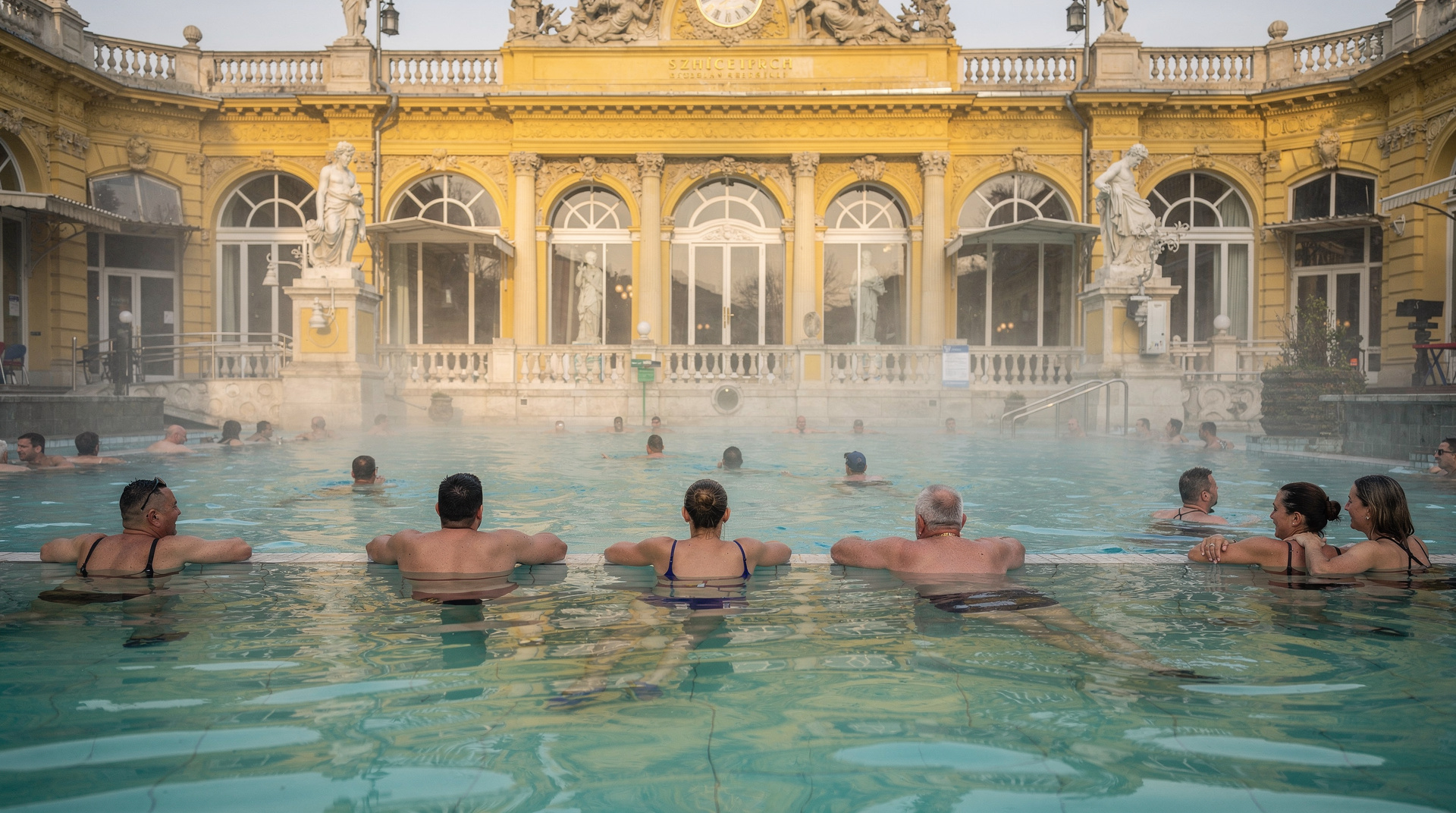
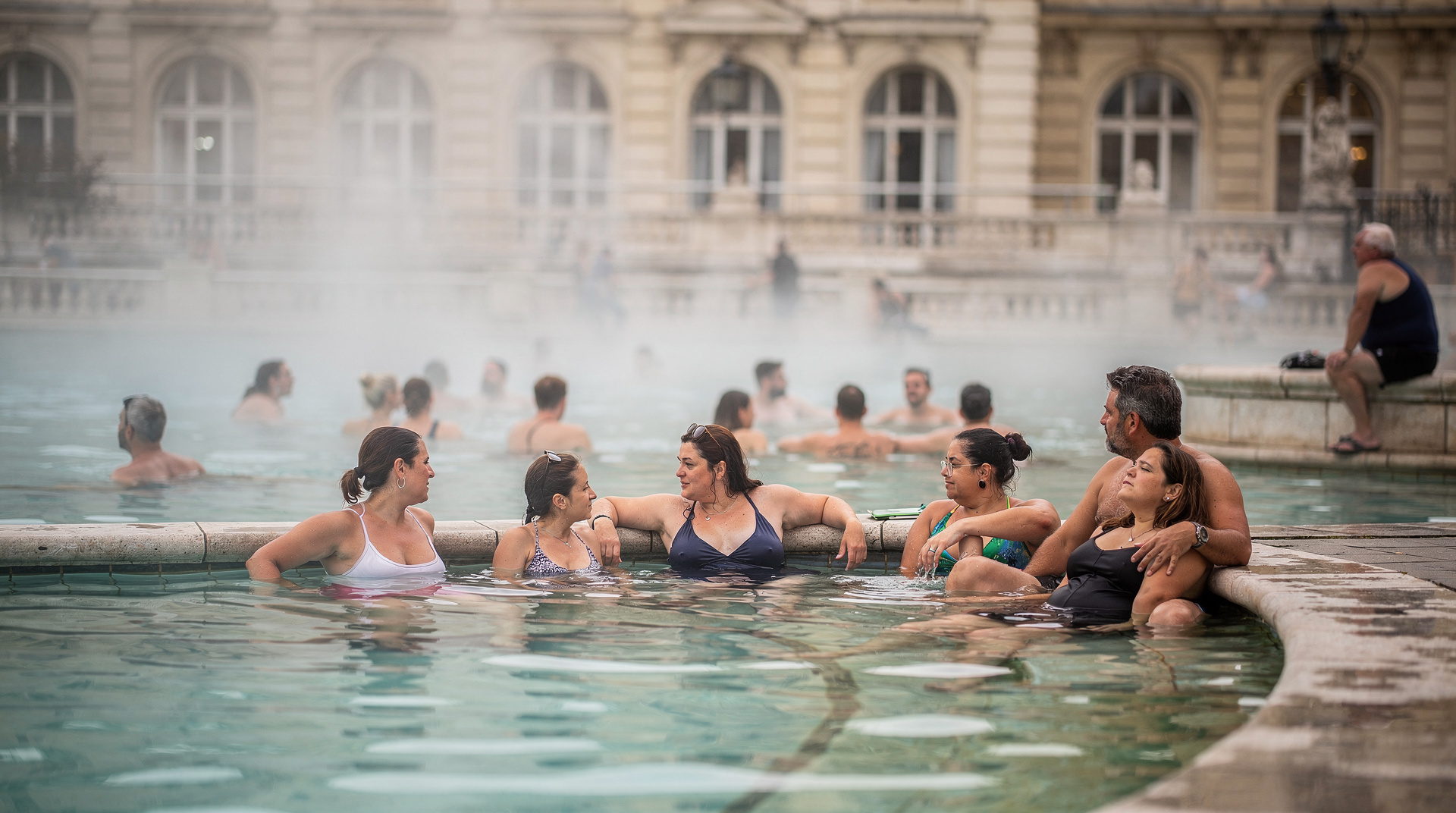
Széchenyi is more social — outdoor pools, chess regulars, and a broader mix of visitors. Its setting in City Park is animated and accessible.
Gellért is more formal and architecturally refined. The main hall feels hushed in a way Széchenyi does not. The Buda-side setting, attached to a four-star hotel, gives it a quieter demographic during weekday mornings.
For couples seeking a more elegant experience, Gellért often wins. For first-timers or groups wanting the full outdoor pool experience, Széchenyi is the default. The full comparison is in /guides/szechenyi-vs-gellert-vs-rudas/.
Value comparison: Gellért vs the other main baths
| Bath | Best for | Typical day ticket | Atmosphere |
|---|---|---|---|
| Gellért | Architecture and elegance | ~10,900–13,500 HUF | Formal, hushed |
| Széchenyi | First-timers, outdoor pools | ~12,000–17,000 HUF | Social, animated |
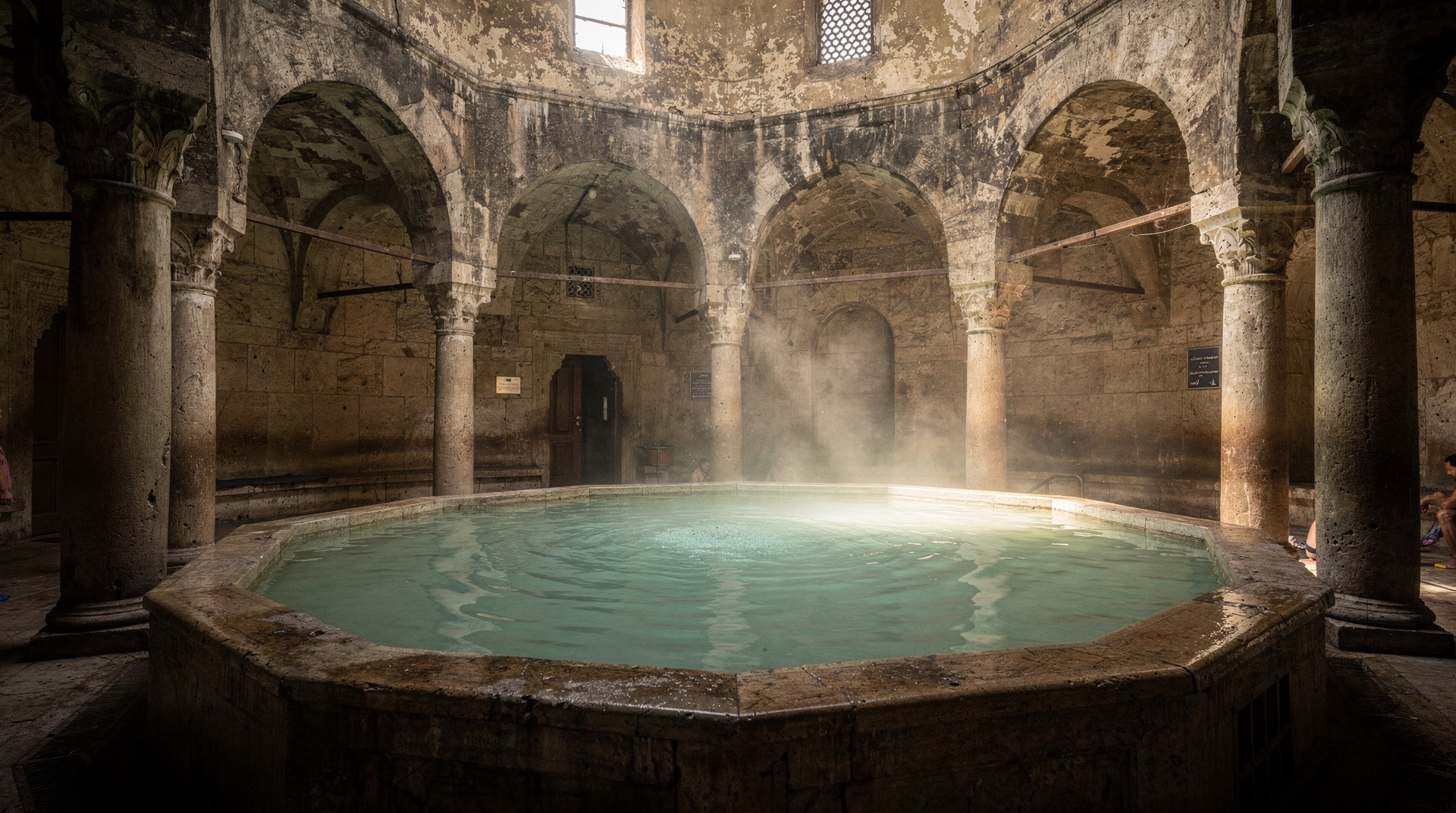
| Rudas | Most atmospheric, Ottoman dome | ~9,000–12,000 HUF | Traditional, intimate |
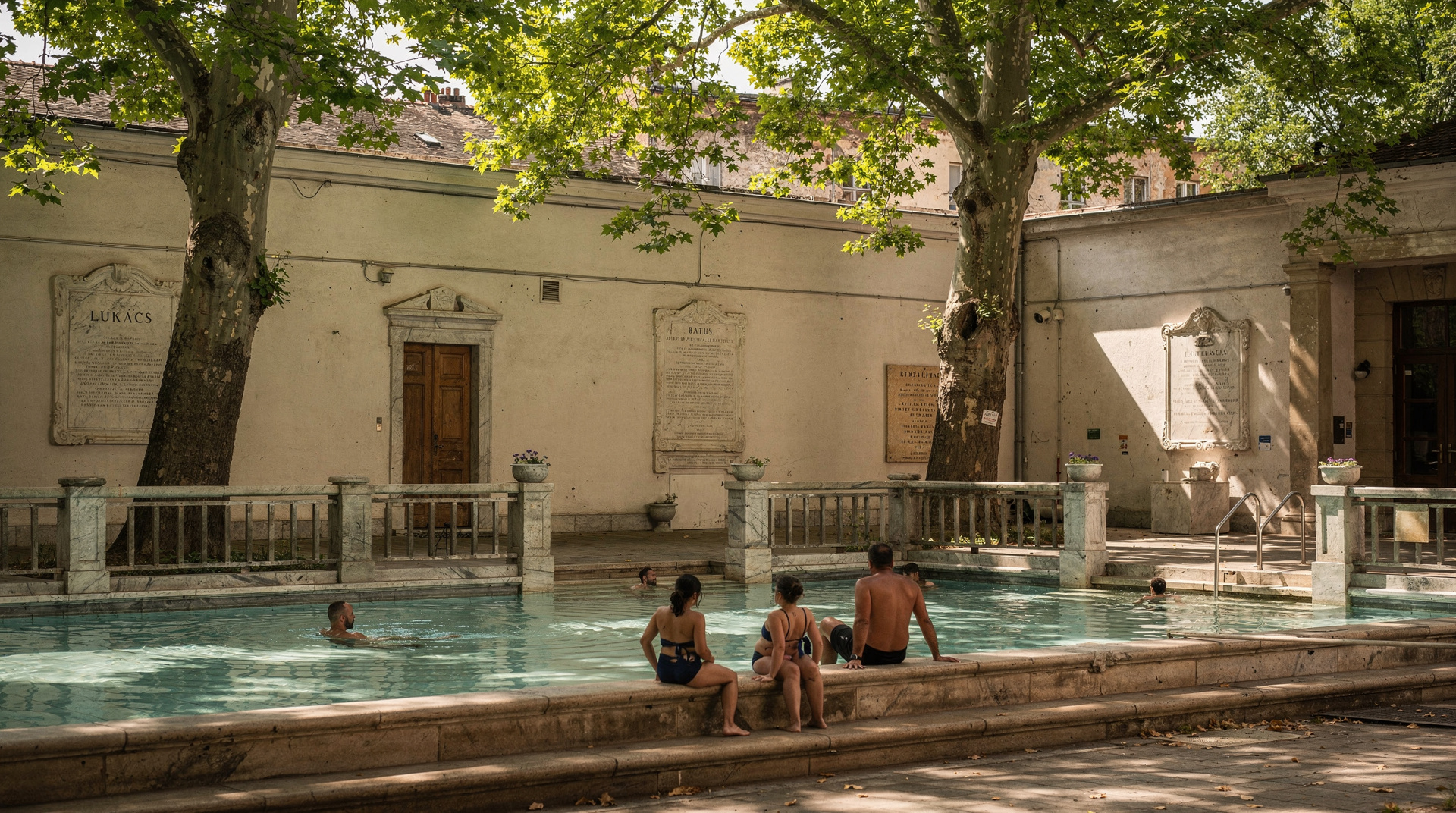
| Lukács | Local, budget-friendly | ~5,300–7,000 HUF | Quiet, unglamorous |
Gellért sits in the middle of the price range but at the top for architecture. If budget is the deciding factor, Lukács is the honest alternative; if outdoor pools matter more than interior beauty, Széchenyi wins. The full comparison, including Rudas, is at Széchenyi vs Gellért vs Rudas and best thermal baths in Budapest.
If Gellért is closed when you visit
Given the renovation uncertainty, it is worth having a backup plan rather than building your whole day around Gellért specifically. Rudas baths, a short tram or taxi ride north along the Buda embankment, offers a comparably historic (if smaller and more masculine-leaning in its traditional sections) Ottoman-era bathing experience. Széchenyi, across the river in City Park, is the reliable large-scale alternative with guaranteed outdoor pools regardless of season. Both are covered in detail in the Rudas baths guide and Széchenyi baths guide. A Széchenyi day ticket is a sensible backup booking if you are unsure of Gellért’s status close to your travel date.
Visiting Gellért as part of a Buda day
Gellért pairs naturally with a half-day on the Buda side. Walk up /destinations/gellert-hill/ before your bath visit (the morning views over the Danube are excellent), then spend the afternoon soaking. The Liberty Bridge walk back to Pest in the early evening is one of Budapest’s pleasant transitions between Buda and Pest.
The /itineraries/romantic-budapest-3-days/ itinerary includes Gellért on Day 2 as part of a Buda afternoon. The /itineraries/budapest-3-days/ flagship places Gellért as an alternative to Széchenyi depending on preference and timing.
Reading the ticket small print
Ticket confusion is one of the most common reasons a bath visit goes wrong, and Budapest has its share of avoidable errors. Before you pay, check exactly what your ticket includes: locker or cabin, thermal section only or outdoor terrace as well, and which day it is valid for. Our bath ticket mistakes guide walks through the traps in more detail, and the Budapest baths prices and tickets page keeps the comparison in one place.
If you are undecided between baths, a Rudas spa visit with a meal is one way to turn the outing into a longer, more relaxed experience, while the broader best thermal baths in Budapest list helps you rank them against your own priorities.
Winter and shoulder-season visits
The thermal water does not care what the weather is doing, which is why bathing is one of the more appealing things to do in Budapest when the days are short. The indoor halls at Gellért are the draw in colder months: you step from a cold street into warm, steamy marble and stay as long as you like. For the cold-air, warm-water experience in particular, see outdoor baths in winter, and for planning around the seasons, Budapest in winter covers what else to fit around a soak.
In summer the mood changes. The terrace comes into play, the crowds build, and the early-morning advice matters more. Whatever the season, check hours and status close to your date, as this guide has stressed throughout.
Practical advice
Shower before entering: Mandatory. Hot showers are provided at the changing room exit. This is not optional — bath attendants will send you back.
Valuables: Leave expensive items at your hotel. The lockers are secure but shared areas exist. A simple waterproof case for your phone is practical.
Towels and swimsuit: Bring your own. Rentals are available but basic.
Timing: Gellért is calmer than Széchenyi. Weekday mornings before 10:00 give you the main pool almost to yourself — a genuinely extraordinary experience. Weekend afternoons are the busiest.
After your bath: The neighbourhood around Gellért, including Bartók Béla út in District XI, has good local restaurants and coffee houses well away from tourist pricing. Walk 10 minutes south from the hotel and you are in neighbourhood Budapest.
Getting around afterwards: If you are heading on to another part of the city, the getting around Budapest guide covers trams, metro, and taxis, and Budapest daily budget helps you work out how a bath day fits into your overall spending.
For general bath etiquette rules applicable to all Budapest baths, read /guides/thermal-bath-etiquette/ before your first visit. For how Gellért compares to the other major baths on value, see /guides/best-thermal-baths-in-budapest/.
Frequently asked questions about Gellért baths guide
Is Gellért baths closed for renovation?
At the time of writing (May 2026), there are market reports of a possible renovation closure, but no official confirmed closure date has been announced. Check the Gellért official site or your booking confirmation for current status before your visit. The GYG ticket remains on sale; verify opening hours when booking.How much does Gellért baths cost?
A standard Gellért day ticket runs around 10,900–13,500 HUF (€27–34) depending on locker vs cabin and day of week. This includes access to the thermal pools, swimming pool, saunas, and steam rooms. Online booking is recommended.What is the famous main pool at Gellért?
The indoor thermal pool — a soaring domed hall with mosaic floors, marble columns, and wrought-iron balustrades built in 1918 — is the signature space. Water is at 36–38°C. It looks like a Roman palatial bath and is genuinely as impressive as photographs suggest.Does Gellért baths have an outdoor pool?
Yes. The outdoor pool terrace, open in summer (roughly May–September), is set above the Danube hillside. It includes a wave pool and sunbathing terraces. It operates separately from the thermal section and may have different hours.How do I get to Gellért baths?
Tram 47 or 49 to Szent Gellért tér (5–8 minutes from the city centre). Ten-minute walk from the Liberty Bridge. Also reachable by bus 7 or Bolt from anywhere in Pest. The bath is directly attached to the Danubius Hotel Gellért.Should I book Gellért baths in advance?
Yes, especially given the renovation uncertainty and in peak season (June–August, weekends year-round). Booking online confirms your slot, locks in the price, and avoids arriving to find the ticket desk queue longer than expected. Confirm current opening hours at the same time you book.What should I bring to Gellért baths?
Your own swimsuit and towel (rentals exist but are basic and cost extra), a swimming cap for the main pool (usually provided free at entry), flip-flops for the wet floors, and a small waterproof pouch for your phone if you plan to bring it poolside. Toiletries for the mandatory pre-entry shower are provided at the changing rooms.
Top experiences
Bookable activities with verified prices and instant confirmation on GetYourGuide.