Jewish Quarter — District VII, ruin bars and Dohány Synagogue
Navigate Budapest's Jewish Quarter: Europe's largest synagogue, ruin bar culture, street food, memorial sites and the city's most layered neighbourhood.

Quick facts
- Getting there
- Metro M2 to Astoria; metro M2/M4 to Keleti for the eastern end; tram 47/49 along Károly körút.
- Dohány Synagogue entry
- ~5 500 HUF (~€14) for the complex including the museum and garden. Book online to skip the queue.
- Ruin bars
- Most open from 4pm; peak from 9pm–2am. Szimpla Kert, Instant, Fogas Ház and Corvintető are the established venues.
- Street food
- Gozsdu Udvar passage has stalls for lángos, kürtőskalács and Hungarian snacks; open during the day and evenings.
- Safety note
- The 'friendly girl' bar scam operates in some establishments in the quarter — stick to known venues. Bolt for getting home.
The neighbourhood that reinvented itself twice
District VII has had two lives in the past century — and both are visible if you know where to look. The first life was as the heart of Budapest’s Jewish community: before 1944, roughly 200 000 Jews lived in Budapest, making it one of the largest Jewish populations in Europe, concentrated mainly in Districts VI and VII around the Great Synagogue on Dohány utca. The second life began in the early 2000s when young artists and entrepreneurs began occupying the derelict buildings of the old ghetto — not to restore them, but to turn them inside out, creating the ruin bars that now define Budapest’s international reputation for nightlife.
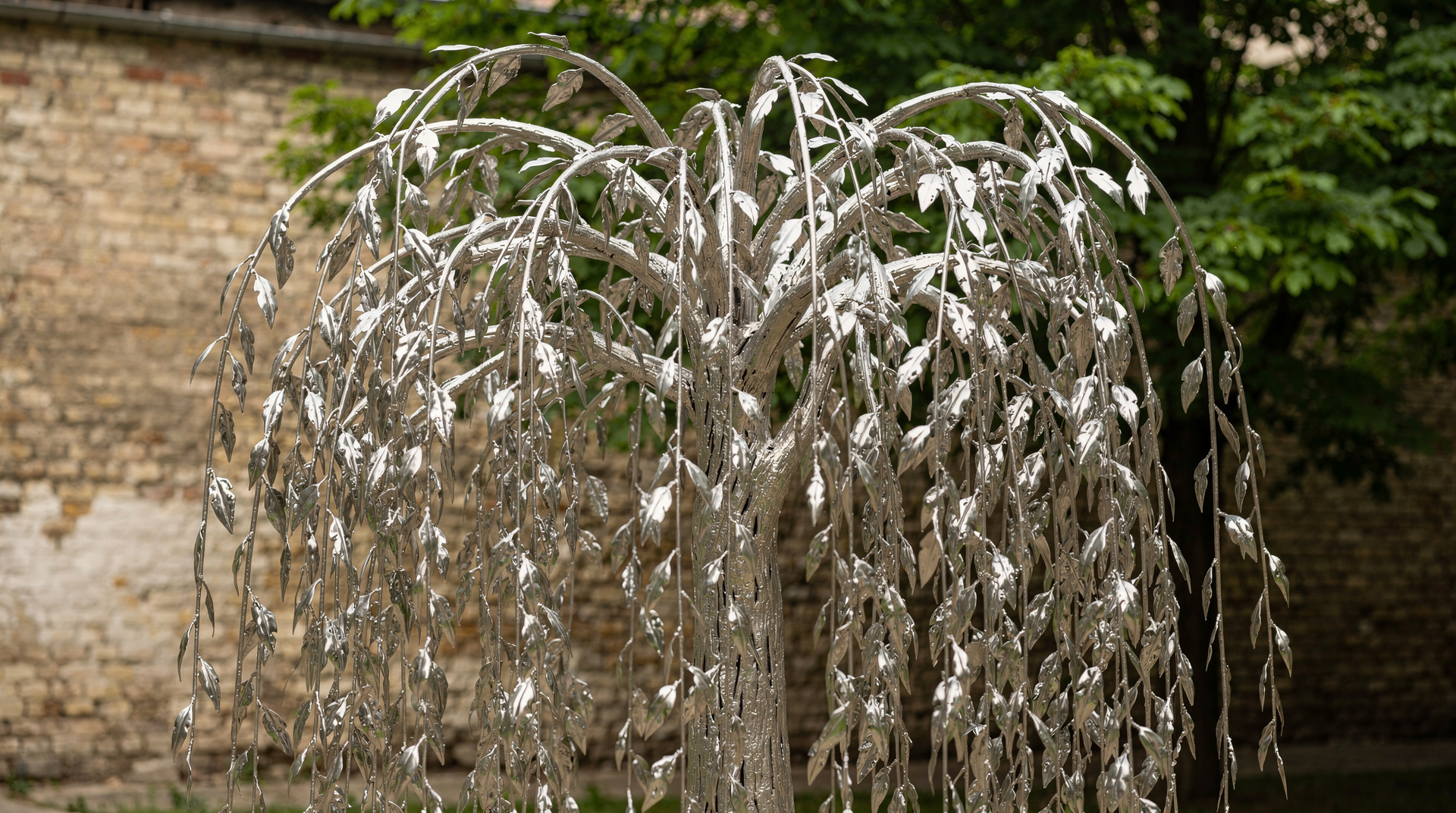
Walking through the Jewish Quarter today you encounter both layers within the same block: a Hebrew inscription above a doorway, then a bar with a rusted van embedded in the courtyard wall; a weeping willow memorial to Holocaust victims, then a queue of Europeans waiting to enter one of the most inventive clubs in the continent.
| Where | District VII, central Pest, metro M2 to Astoria |
| Cost | Synagogue ~5 500 HUF; ruin bars free entry, drinks ~1 000–3 500 HUF |
| Time needed | Half a day for heritage; a separate evening for ruin bars |
| Getting there | Metro M2 (Astoria) or M2/M4 (Deák Ferenc tér); tram 47/49 |
| Best time | Morning for the synagogue; from 9pm for ruin bars |
Dohány Street Synagogue — the essential starting point
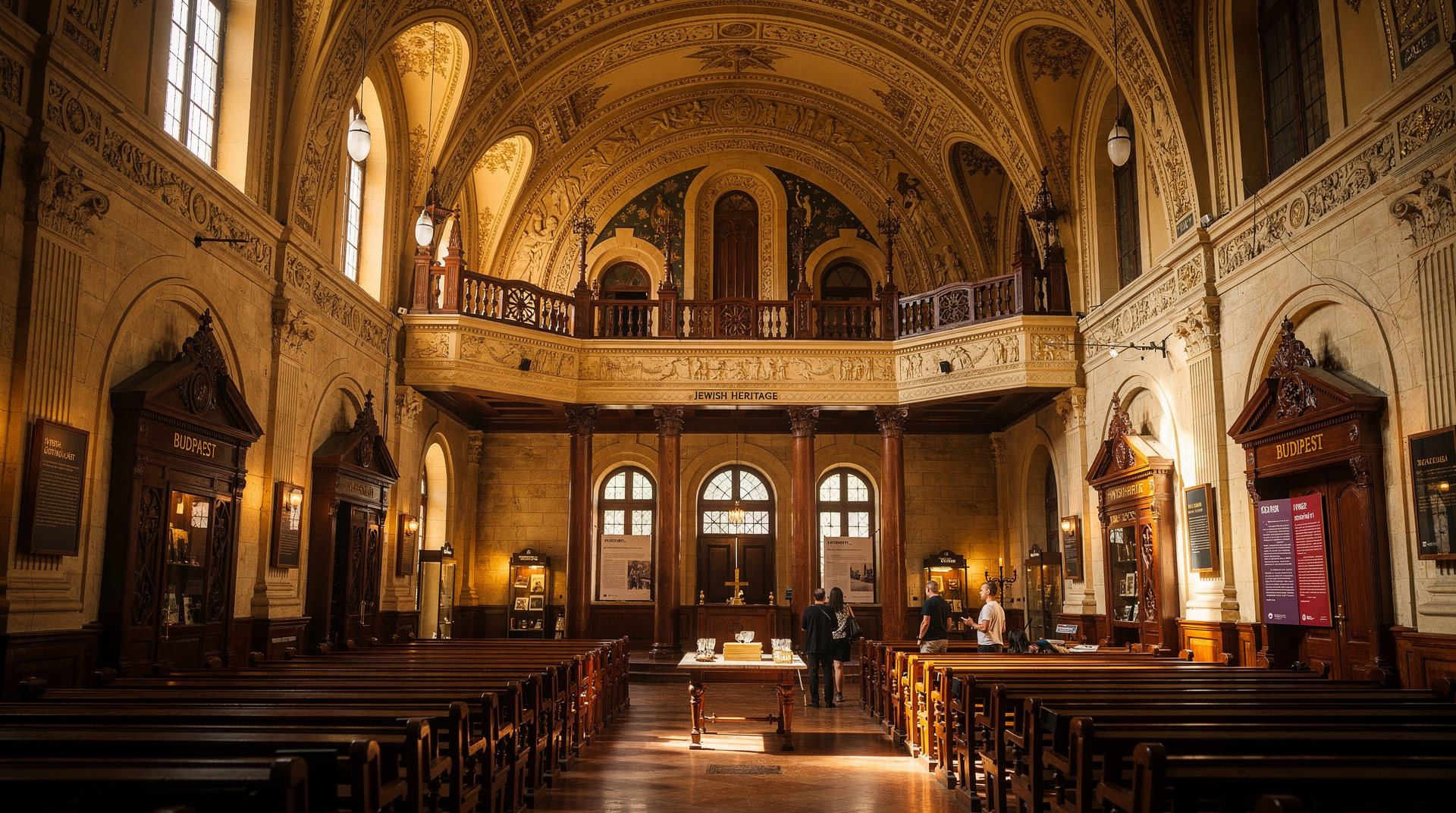
The Great Synagogue on Dohány utca is the largest in Europe and the second largest in the world after Temple Emanu-El in New York. Its twin Moorish towers, its Byzantine-Romanesque decorative scheme and its 3 000-person capacity make it unmistakable from the street — and its history makes it unmissable from a planning perspective.
The complex includes:
- The main synagogue: built 1854–59 to designs by Ludwig Förster, with an interior that mixes religious symbolism, Romantic-era decoration and the curious presence of an organ (unusual in Orthodox synagogues; Budapest’s Jewish community was Reform). The rose window above the entrance is modelled on those of Gothic cathedrals.
- Hungarian Jewish Museum: occupying the building where Theodor Herzl, father of modern Zionism, was born in 1860. The collection documents Jewish life in Hungary from the medieval period through the Holocaust, with particular depth in the materials from 1944–45.
- Heroes’ Temple: a smaller synagogue built to commemorate Hungarian Jews who died in the First World War.
- Raoul Wallenberg Memorial Garden: the garden behind the synagogue contains mass graves of Jews who died during the winter of 1944–45. At the centre is the Emanuel Tree — a weeping willow in metal, each leaf inscribed with the name of a victim, funded by actor Tony Curtis (born Bernard Schwartz, of Hungarian Jewish heritage).
The Jewish Quarter walking tour with synagogue entry contextualises the building within the broader history of the neighbourhood — useful if this is your introduction to the area’s layered past.
The streets of the former ghetto
In November 1944, the Arrow Cross (Hungarian fascist) regime established a sealed ghetto in a roughly six-block area around the Great Synagogue. Within this boundary, around 70 000 people were held in overcrowded conditions through the winter; around 10 000–15 000 died of starvation, disease and cold before Soviet forces liberated Budapest in January 1945.
The ghetto boundary is still traceable through the streets. Walk along Dob utca and Király utca and you pass buildings whose facades conceal damaged walls from that period. The memorial garden at Rumbach Sebestyén utca 11–13 (the site of a second, smaller synagogue) is quieter than the main complex and worth the small detour. A private Jewish Quarter walking tour maps these streets with the historical precision they deserve.
How to pace a heritage morning
The heritage side of the quarter rewards a slow, deliberate route rather than a checklist. Start at the synagogue complex while it is quiet, give the museum and the memorial garden the time they need, and only then walk out into the surrounding streets. Reading the neighbourhood in that order means the ghetto streets make sense when you reach them: you have already seen the community’s grandest building and its saddest garden, and the ordinary doorways of Dob utca and Király utca fill in the space between.
Leave room for silence. The garden and the smaller memorial spaces are not places to rush through with a camera, and many visitors say the Emanuel Tree stays with them longer than the monumental interior does. If you are travelling with teenagers or older relatives, tell them in advance what the complex contains, so the visit lands as intended rather than as a surprise. For wider context on how the quarter fits into the story of the city, the Hungarian history primer is a good companion read, and Shoes on the Danube is another memorial on the river that many visitors pair with this morning.
If you would rather have the whole district explained by a person, the guided options mentioned above are the easiest way to connect the buildings, the memorials and the present-day cafés into one coherent story. Independent travellers can do the same with the Jewish Quarter heritage guide in hand.
Gozsdu Udvar — food, drink and neighbourhood life
The Gozsdu Court is a sequence of seven interconnected courtyards running between Király utca and Dob utca, built between 1901 and 1904. During the communist era it deteriorated into neglect; it was restored in the 2010s and now operates as a food and bar market during the day and a nightlife hub in the evenings.
For food, the stalls lean toward Hungarian street food: lángos (deep-fried dough topped with sour cream and cheese), kürtőskalács (chimney cake — a cylindrical sweet pastry cooked over coals and rolled in sugar and cinnamon), and various grilled meats. Prices are tourist-oriented but not as inflated as Váci utca. The Friday evening market has a more local feel and is one of the best times to visit.
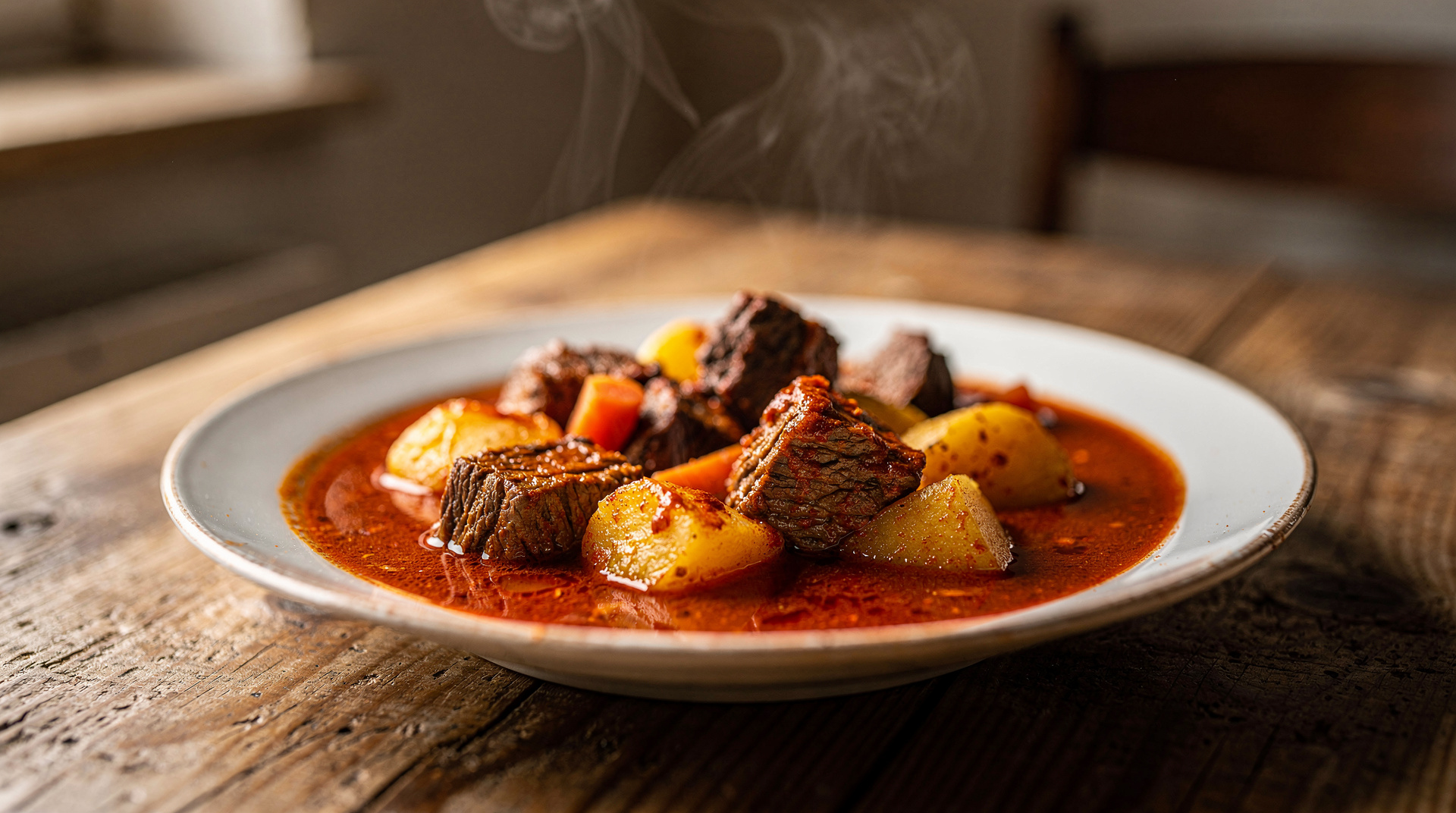
The Jewish cuisine and culture walk covers the Gozsdu area alongside the culinary history of the Jewish community — dishes like cholent (a slow-cooked Sabbath stew) and flódni (a layered pastry with walnuts, poppy seeds and apple) that influenced Hungarian cooking more broadly.
Grazing is the right approach here. Rather than committing to one sit-down meal, take a little from several stalls, share it, and move on. If you want a more structured introduction to Hungarian classics, the street food guide, the lángos guide and the chimney cake guide explain what to order and what to avoid. Vegetarian and vegan travellers will find the vegetarian and vegan guide useful, since the quarter has a good number of meat-free options alongside the grilled meats.
Ruin bars — how they started and where they are now
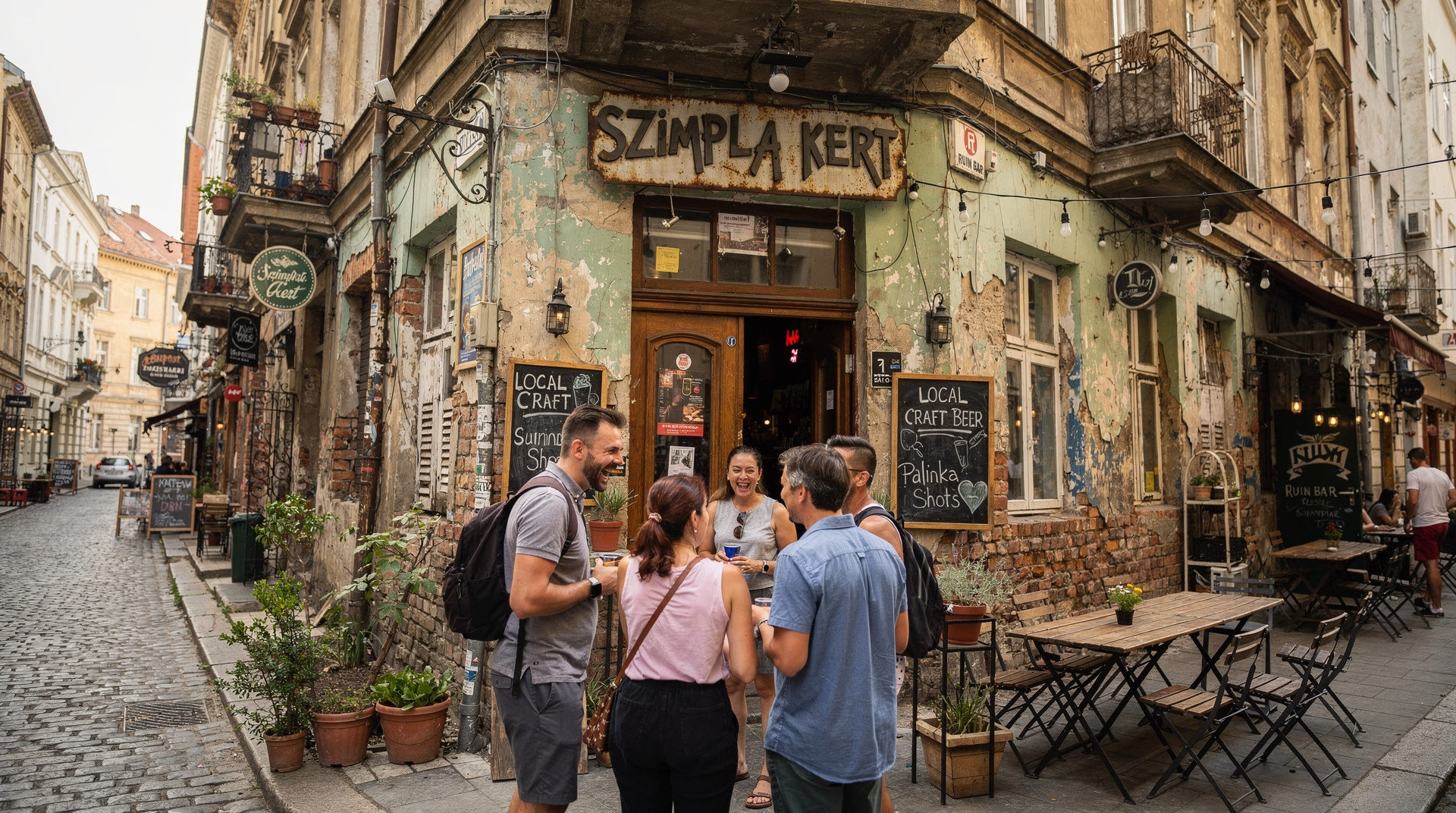
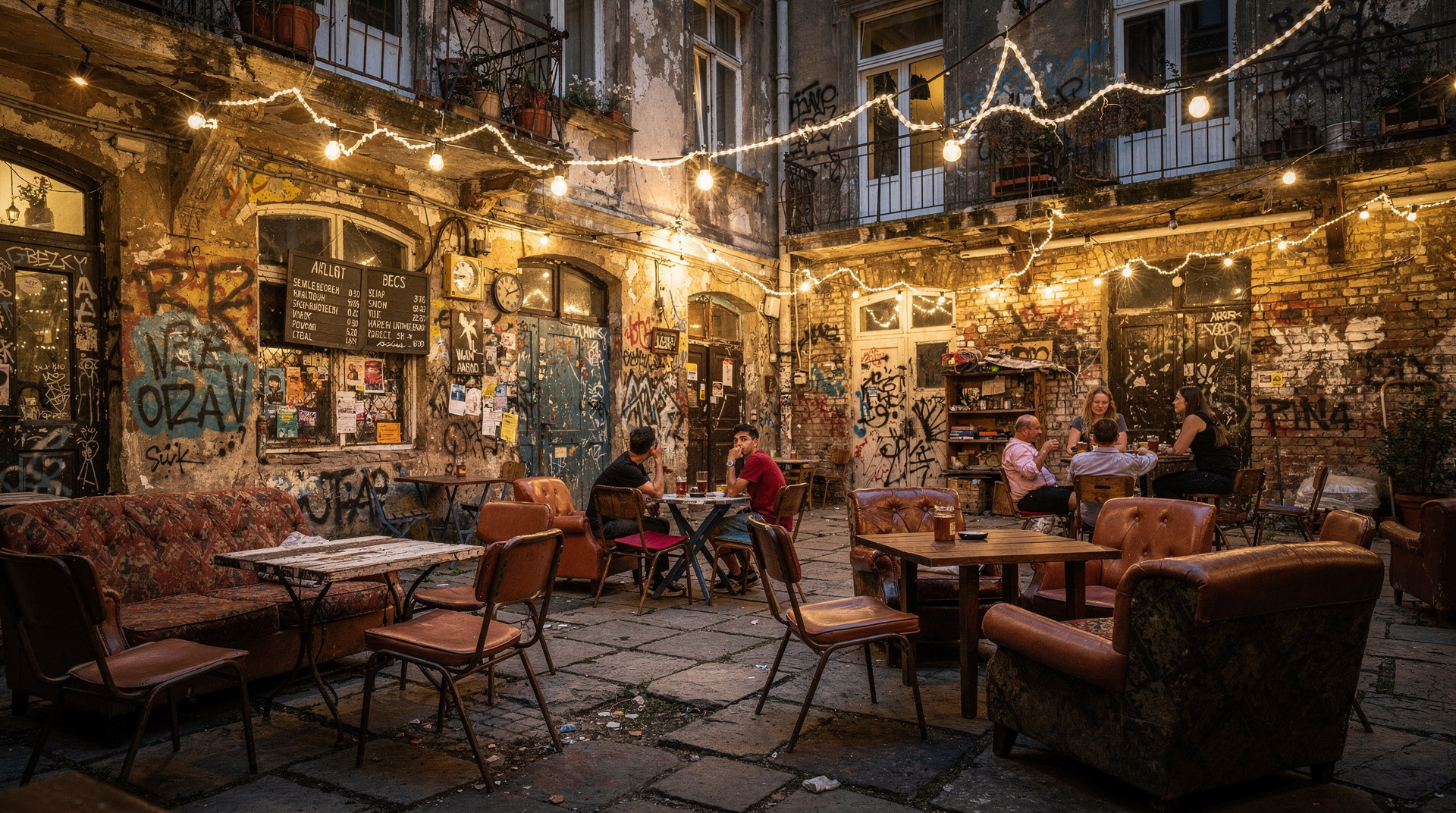
The first ruin bar was Szimpla Kert, opened in 2002 in an abandoned factory on Kazinczy utca. The concept was accidental: cheap rent, DIY decoration, mismatched furniture, a garden and a bar. It worked. Within a decade the model had spread across District VII, then into other parts of the city. What had started as squatter culture became a tourist attraction; what had begun as fringe became mainstream while somehow retaining most of its character.
Szimpla Kert (Kazinczy utca 14): the original. Two floors, multiple rooms, a cinema corner, a barber shop that appears inside the bar, art covering every surface, plants growing through the structure, vintage objects that range from bicycles to Trabant cars. The crowd is mixed — tourists, local students, older regulars. Sunday morning hosts a farmers’ market where the bar becomes a food hall. Best visited on a weekday evening before 11pm if you want to actually look at the interior.
Instant (Akácfa utca 49): a multi-room mega-club that merges into Fogas Ház next door. Together they form one of the largest entertainment complexes in Hungary — multiple dance floors, multiple genres of music, outdoor terraces, a garden. More oriented toward clubbing than heritage tourism.
Corvintető (Blaha Lujza tér 1–2, rooftop): a rooftop bar on top of the Corvin Department Store, legendary for summer evenings with views across the city. Seasonal — open spring through early autumn.
A ruin bar pub crawl with a nightlife guide is worth booking on your first Budapest night out: you get a local guide who knows which venues are worth the queue on a given night, skip-the-line entry to several bars, and usually some shots or drinks included. The karaoke pub crawl variant adds a more participatory element if your group is up for it.
For a full ranking and more venues than the three above, the best ruin bars guide goes further, and the Szimpla Kert guide covers the original in detail. The story of how the scene grew, and how it has changed since, is told in the blog pieces how ruin bars took over and the new ruin bars.
Choose the bar to fit the night you want. A quiet look at the interiors suits an early weekday evening; dancing suits the large club complex later on; a sunset drink suits the rooftop in the warm months. Trying to get all three in one night usually means seeing none of them properly.
Comparing the main ruin bars
| Venue | Atmosphere | Best for |
|---|---|---|
| Szimpla Kert | Original, layered, crowded but characterful | First-timers, Sunday farmers’ market |
| Instant/Fogas Ház | Large multi-room club complex | Clubbing, late-night dancing |
| Corvintető | Rooftop, seasonal, city views | Summer evenings, sunset drinks |
Klauzál tér and the covered market
A short walk from Gozsdu Udvar, Klauzál tér has a smaller, more local covered market hall than the tourist-oriented food stalls closer to Kazinczy utca — fresh produce, butchers, and a handful of cheap lunch counters serving Hungarian classics at prices closer to what locals pay. It is a useful contrast to the Gozsdu Court scene and a good stop if you want an authentic (and cheaper) lunch before an afternoon of heritage sightseeing. The surrounding square itself, with its playground and benches, is one of the more residential-feeling corners of District VII, a reminder that people still live here between the bars.
Honest nightlife advice
The friendly girl scam: Women approach foreign men on the street or in bars, strike up a conversation, and suggest moving to a nearby venue for drinks. The bar — which operates as part of the scam — presents an astronomical bill at the end: thousands of euros. The women are paid commission. This operates specifically in a small number of establishments; the known ruin bars are not part of it, but some bars in the surrounding streets are. If someone you have just met insists on a specific bar, decline politely.
Pricing: Szimpla Kert, Instant and the main ruin bars have prices clearly listed — a craft beer runs around 1 000–1 500 HUF (€2.50–€4), cocktails 2 500–3 500 HUF (€6–9). If a bar does not display prices or resists showing you a menu before you order, leave. See the ruin bar rip-offs guide for a full breakdown.
Getting home: Use Bolt. Do not take a taxi from outside a ruin bar — the street-hailing scam operates in exactly this context. Download the app before you go out.
Related reading helps here: the common scams guide and the taxis and Bolt guide explain the same warnings in more depth, and the Budapest tourist traps guide puts them in the wider context of the city.
Connecting to the rest of the city
The Jewish Quarter connects naturally to Downtown Pest to the south (a 10-minute walk down Király utca brings you to the Inner City) and to the City Park area via Andrássy út, which runs northwest from the edge of the quarter.
If you are building a whole trip around the quarter, the Budapest 3 days itinerary and the one-day itinerary show where a heritage morning and a ruin bar evening can sit among the other sights. The neighbourhood also pairs naturally with the Buda vs Pest guide if you are still deciding which side of the river to concentrate on.
For your broader Budapest visit, the Budapest nightlife guide covers the full scene beyond the Jewish Quarter, while the where to stay guide explains why District VII is one of the best areas to base yourself — central, walkable to most attractions, well-connected by metro M2. For a deeper dive into the neighbourhood’s Jewish heritage sites beyond the main synagogue, see the Jewish Quarter heritage guide, and for the full story of the Great Synagogue itself, the Dohány Street Synagogue guide.
Top experiences
Bookable activities with verified prices and instant confirmation on GetYourGuide.