Is Budapest safe? honest safety guide for visitors in 2026

Is Budapest safe for tourists?
Yes — Budapest is one of the safer capital cities in Europe for visitors. Violent crime targeting tourists is rare. The real risks are financial: taxi overcharging, bar bill inflation and ATM currency tricks. These are avoidable with basic awareness. Solo women travellers report Budapest as generally safe by European standards, with standard precautions applying after dark in the bar district.
The honest safety picture
| Overall risk level | Low — comparable to most Western European capitals |
| Main real risk | Financial scams (taxis, bar bills, ATMs), not violence |
| Emergency number | 112 (EU-wide, English-speaking operators) |
| Riskiest hours/area | District VII bar district, after midnight, weekends |
| Best precaution | Install Bolt before you land; pay in HUF, not EUR |
Budapest appears on “most dangerous European cities” lists occasionally, and on “safest European cities” lists just as often. Both framings are misleading. The reality is nuanced: Budapest is genuinely safe for tourists by European capital standards, with a specific and identifiable set of financial risks that are avoidable with preparation.
This guide gives you the honest assessment — not the tourist board version that pretends everything is fine, and not the fear-mongering version that makes Budapest sound like a danger zone. It is neither.
What Budapest’s actual crime picture looks like
Hungary has a relatively low rate of violent crime compared to Western European capitals. The violent crime metrics that affect tourists (muggings, attacks on tourists) are not a significant pattern in Budapest. In twenty years of traveller accounts on the major review platforms, violent crime targeting tourists is rare enough to be notable when it does occur.
The crime that does affect tourists is:
Financial scams — taxi overcharging, bar bill inflation, ATM currency manipulation. These are patterned, predictable and avoidable. They are covered in detail in the Budapest tourist traps guide and common scams in Budapest.
Petty theft — pickpocketing on public transport and in crowded tourist areas. Not dramatically worse than London, Paris or Prague; about average for a major European tourist destination.
Drink spiking — reported occasionally in the context of the konzumlány bar scam and in some nightlife venues. Not epidemic, but a relevant risk for solo travellers drinking in unfamiliar bars late at night. Never leave your drink unattended in an unknown venue.
Neighbourhood safety breakdown
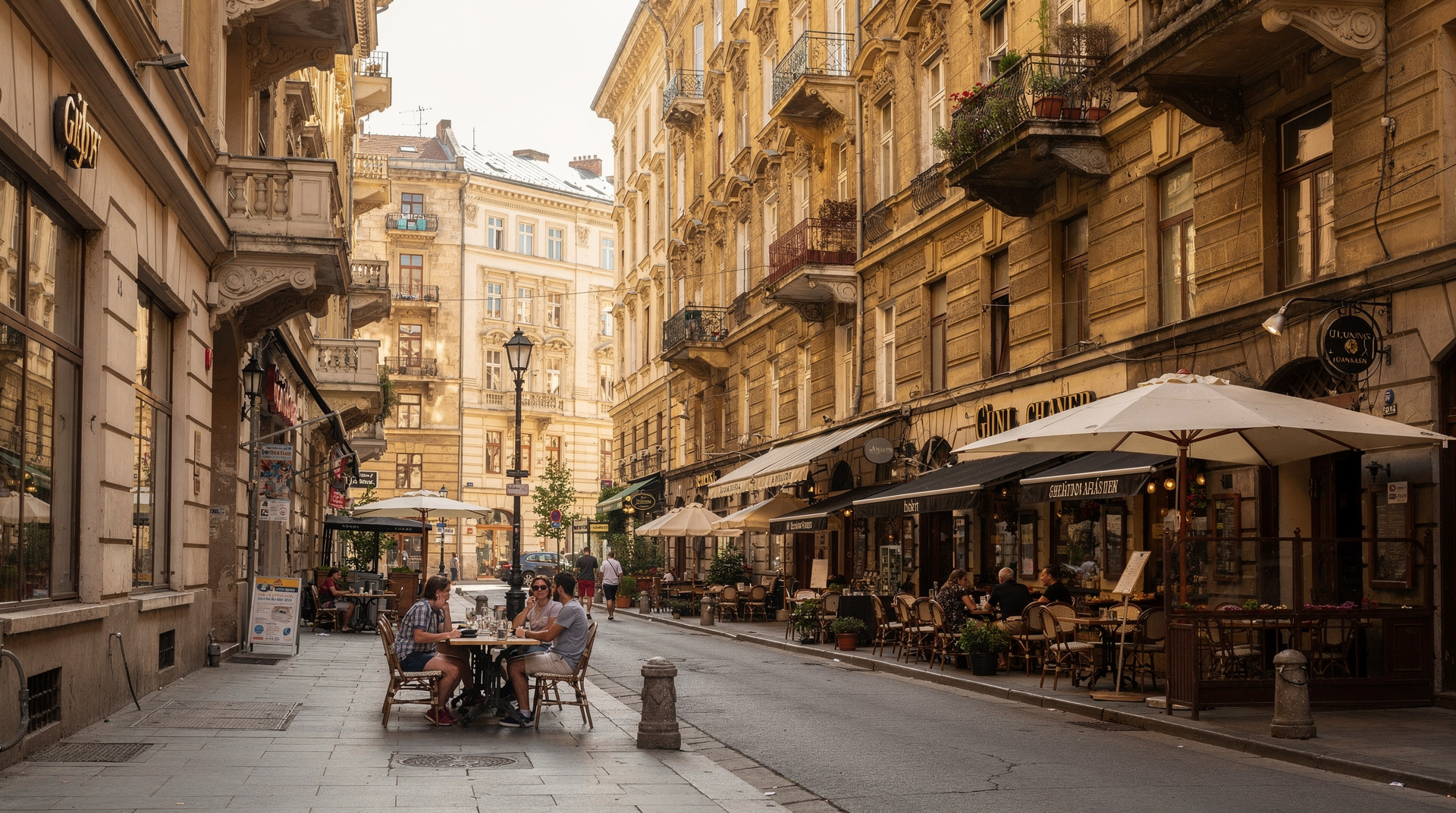
District V (Belváros): very safe. Tourist-heavy, police presence, well-lit. Main risk is restaurant overcharging, not crime.
District VI (Terézváros): safe. Residential-and-tourist mix. Andrássy Avenue and surroundings are well-maintained. Low pickpocket risk compared to the party district.
District VII (Erzsébetváros / Jewish Quarter): safe in the sense that violent crime is not a pattern. The specific risk is financial: bar scams, overcharging, the konzumlány setup. Late Friday and Saturday nights see large crowds of intoxicated tourists, which creates pickpocket opportunity. Be aware of your surroundings, guard your phone and wallet, choose your bars carefully.
District VIII (Józsefváros): mixed. The area around the National Museum and the Palace Quarter is fine. Blaha Lujza tér and the streets immediately east of it have a known reputation for street crime and public intoxication. Not dangerous exactly, but the least comfortable area for tourists in central Pest.
Buda Castle District: very safe. Low crime, mostly tourists and residents. The main practical issue is getting there at night (limited public transport; use Bolt).
Keleti station area: safe to pass through but be wary of taxi touts and people offering to “help” with your luggage or navigation. Keep moving through to the metro.
Transport safety
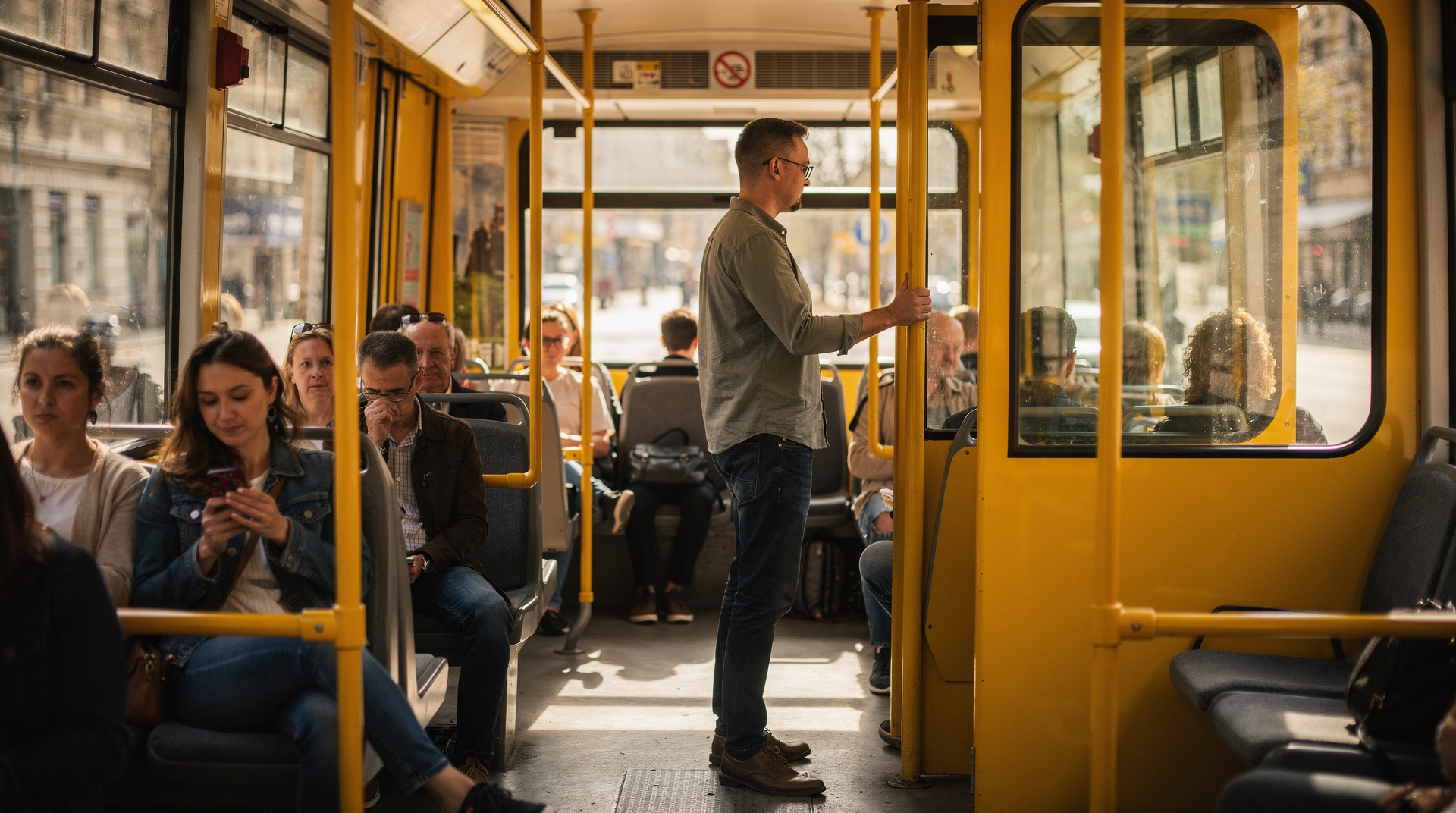
Public transport in Budapest (metro, tram, bus) is safe. The main risk is pickpocketing on crowded metro carriages — a known pattern on lines M2 and M3 during rush hour. Keep valuables accessible only from the front. The trains are not dangerous; the crowding is the vulnerability.
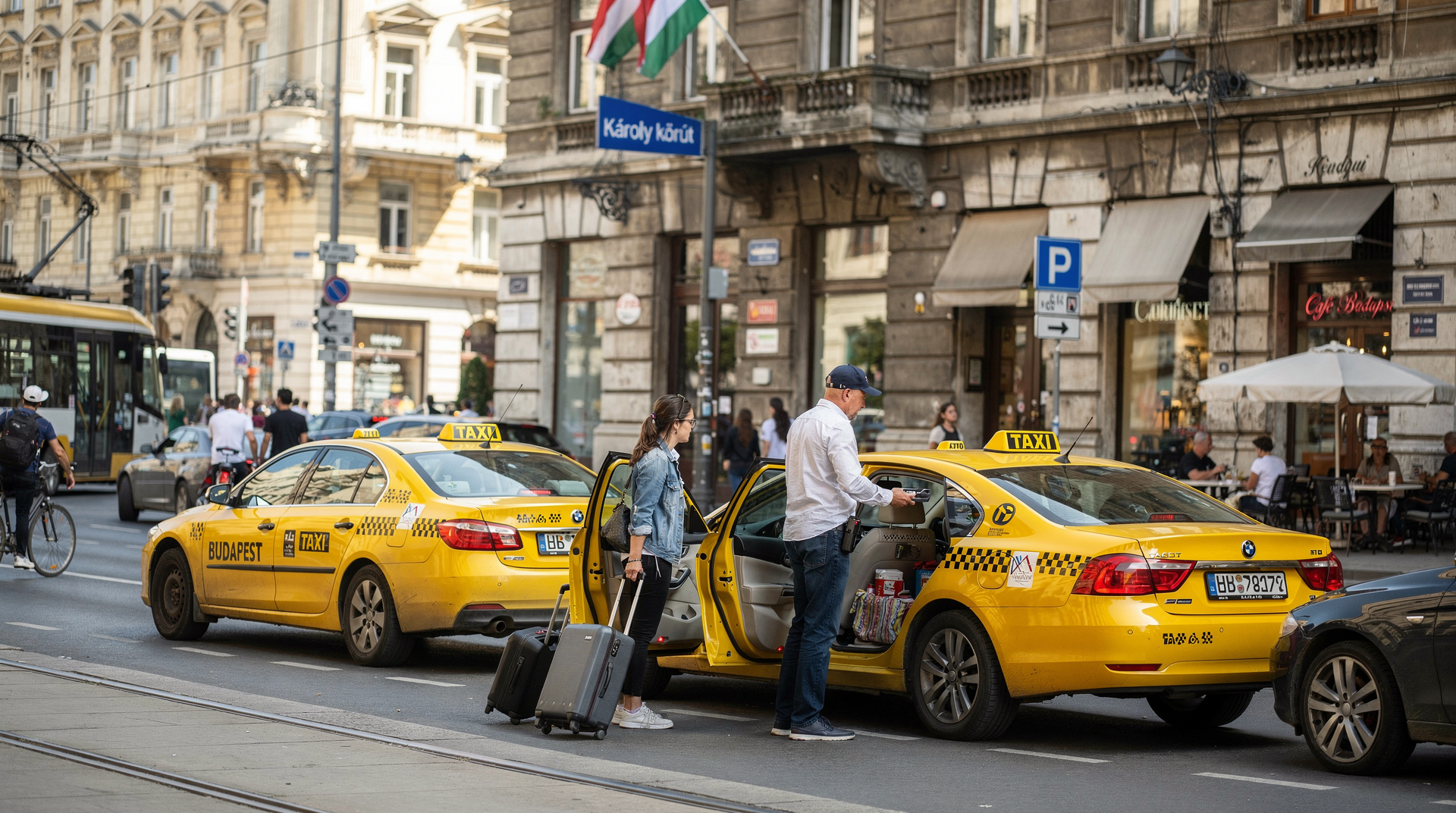
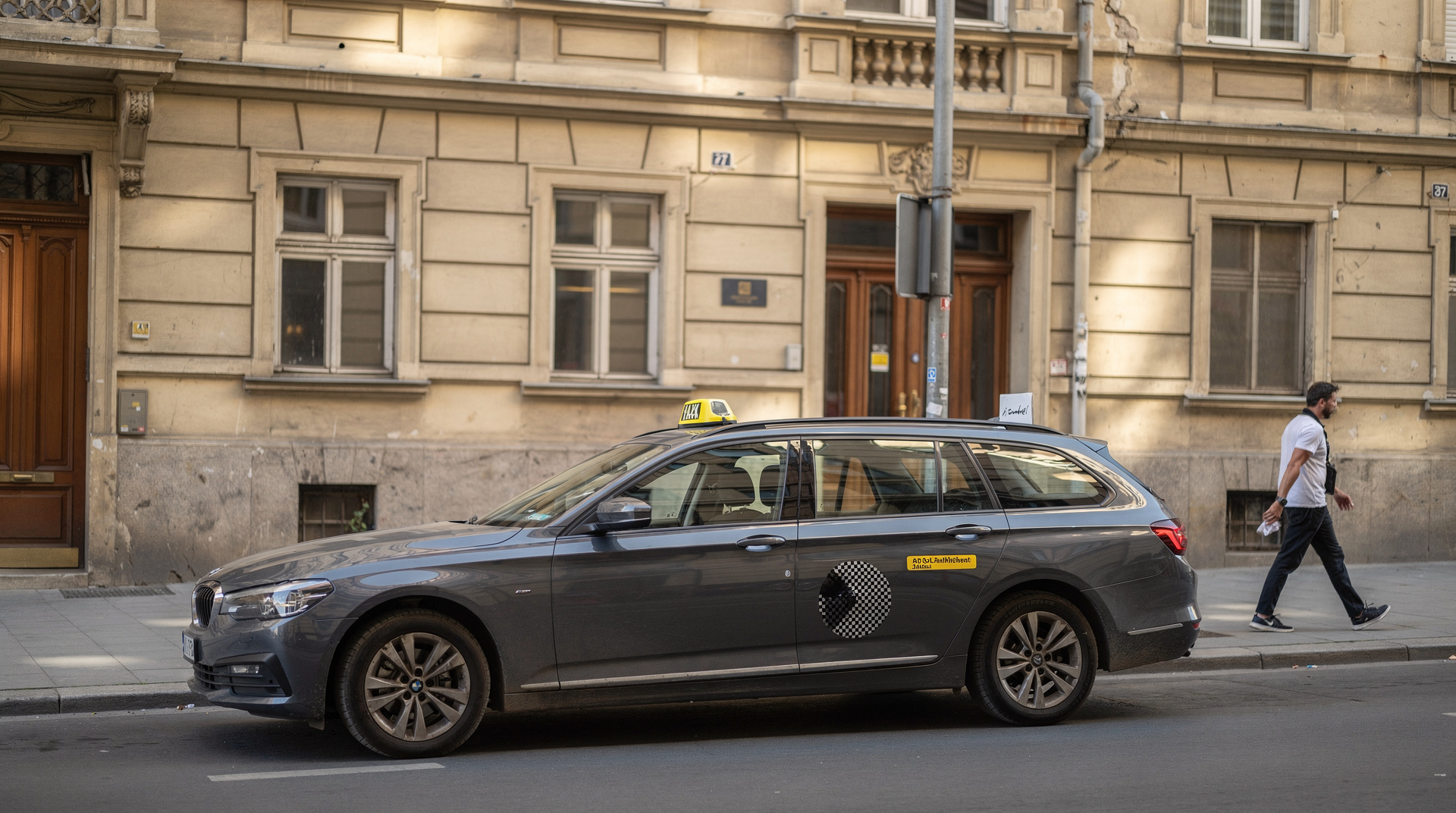
For taxis: always use Bolt. The safety issue with street taxis is primarily financial, not physical. No reports of physical danger from Budapest taxi scams; the risk is paying 5–10× the correct fare. Install Bolt before you land and this risk disappears entirely. See Budapest taxi scams guide.
Safety for solo travellers
Solo travellers of any gender should apply standard European capital precautions: keep phone in a pocket not your hand in crowded areas, be aware of your surroundings after midnight in the bar district, and have your Bolt app ready for the journey home.
Solo women travellers report Budapest as generally comfortable by European standards. The konzumlány bar scam targets solo men more than solo women (though it is not exclusive). The main recommendation for solo women is consistent with general advice: use Bolt late at night, trust your instincts in any bar that feels uncomfortable, and be aware that drink-watching matters in any unfamiliar venue.
Solo men should be aware that the bar scam specifically targets solo males. Never follow a stranger to a bar she recommends. The full common scams in Budapest guide explains this in detail.
Solo travellers joining walking tours (free walking tours meeting at St Stephen’s Basilica or Deák tér) report excellent experiences — good way to meet other travellers and get honest local orientation on your first day. A guided city-centre walking tour doubles as orientation and social starting point.
Safety on foot, by day and by night
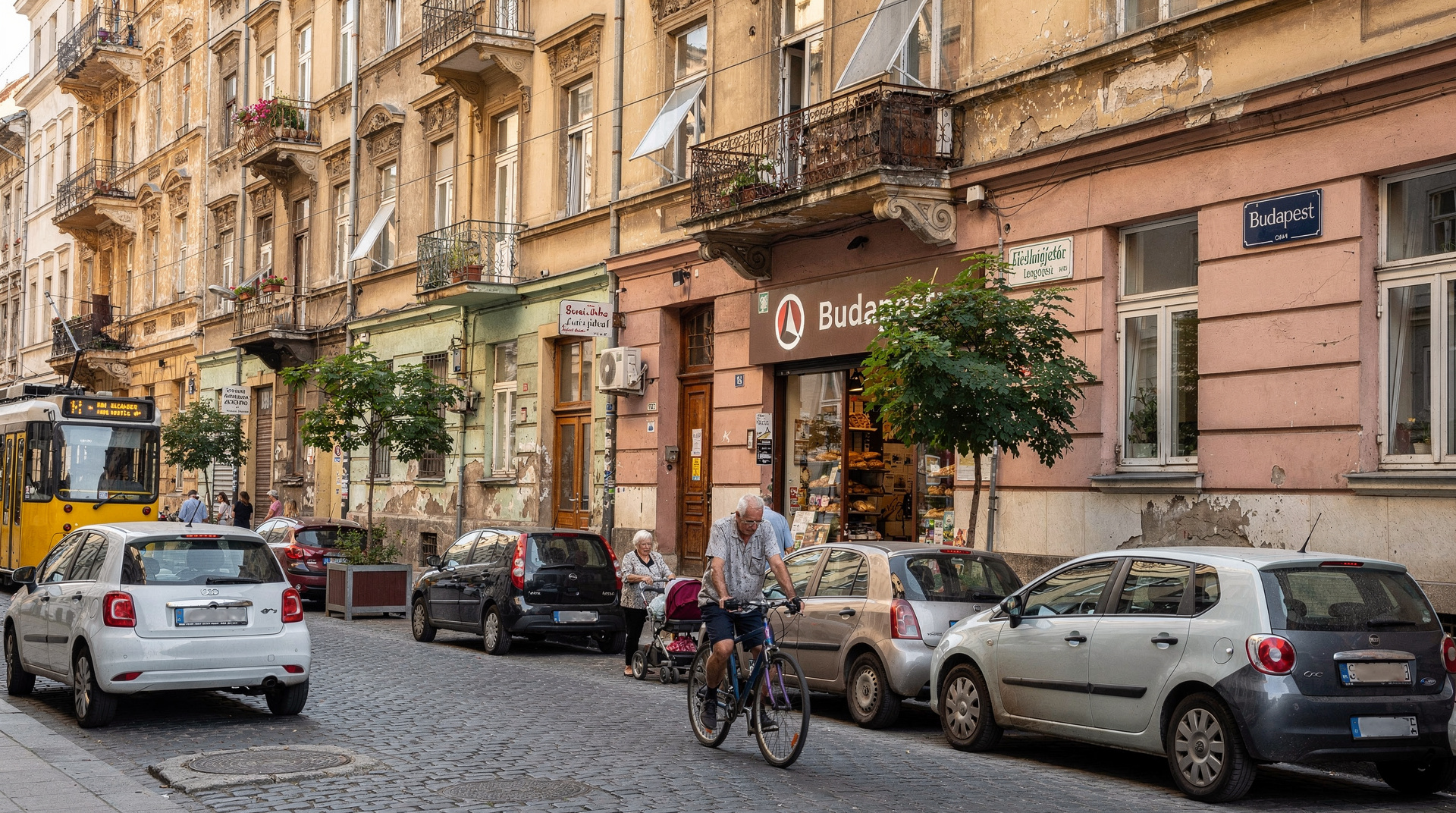
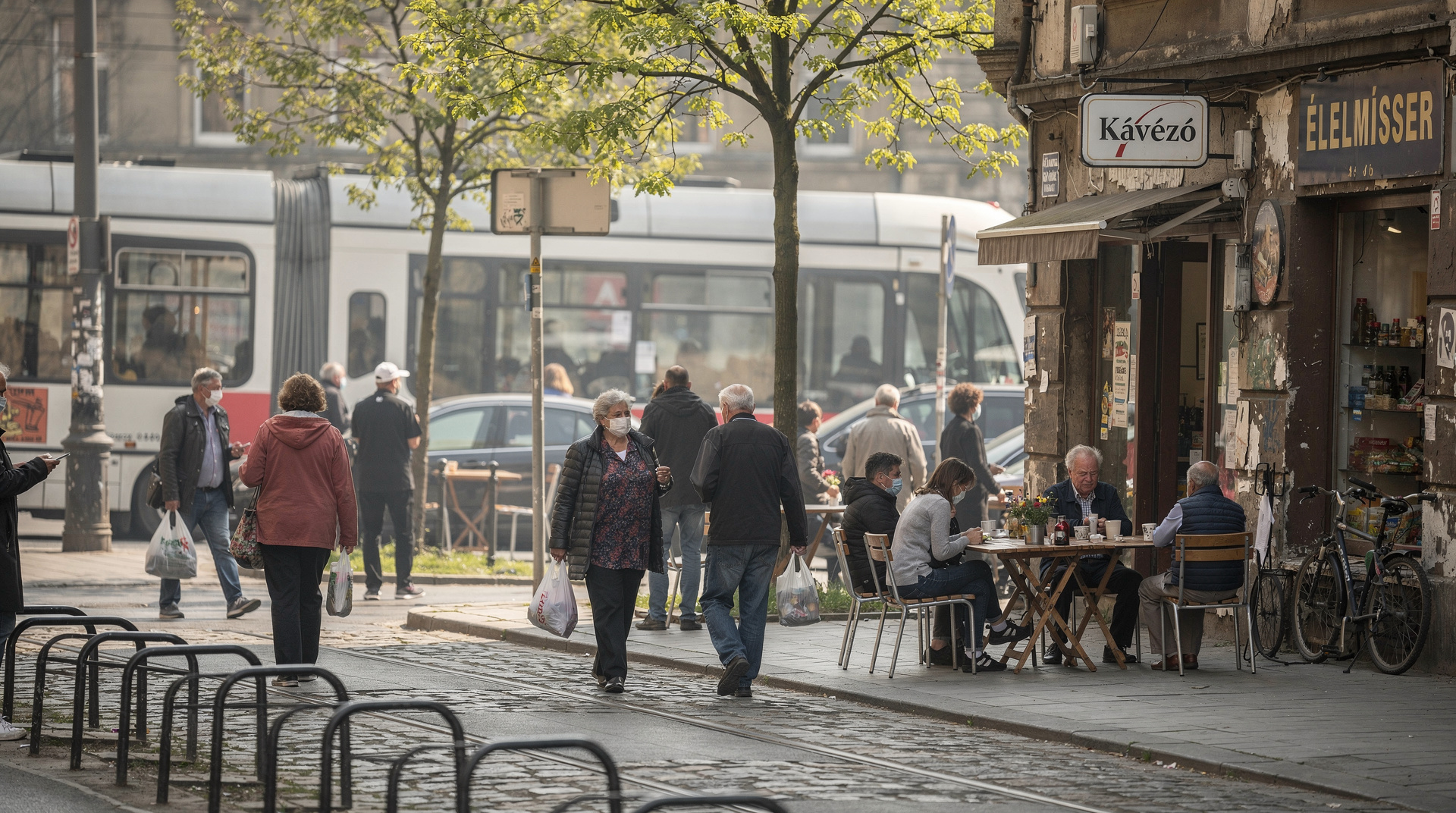
Walking is the best way to see central Pest, and it is also one of the safest. Daytime routes along the Danube promenade, through the streets around St Stephen’s Basilica and across the Chain Bridge are busy with residents and visitors alike, and the main thing to watch is the pavement itself: cobbles, tram tracks and cyclists who share more space than you might expect. Look both ways at tram crossings, because trams are quiet and do not slow down for hesitant pedestrians.
After dark the picture changes only a little. The riverbank and the main boulevards stay populated, lit and comfortable. Quieter side streets in the outer parts of the inner districts are where it pays to stay alert, as in any city. If a route feels deserted, switch to a busier street or call a Bolt rather than pushing on. Our late-night Budapest guide and night tours guide show how to enjoy the city after sunset without taking unnecessary chances.
Crowds, queues and sightseeing hotspots
Pickpockets work where attention is divided: queues, photo stops and packed viewing points. At Fisherman’s Bastion, around the Hungarian Parliament and inside the Great Market Hall, your focus is on the view or the stalls, which is exactly what an opportunist counts on. Wear your bag in front of you, zip pockets, and never leave a phone on a café table at the edge of a pavement terrace.
The same logic applies to the thermal baths. Changing rooms and lockers are generally orderly, but a wristband or key is only useful if you keep it on you, and valuables are best left at your accommodation. The thermal bath etiquette guide explains the locker and cabin system so you do not end up improvising in a crowd.
Staying safe in bars and ruin bars
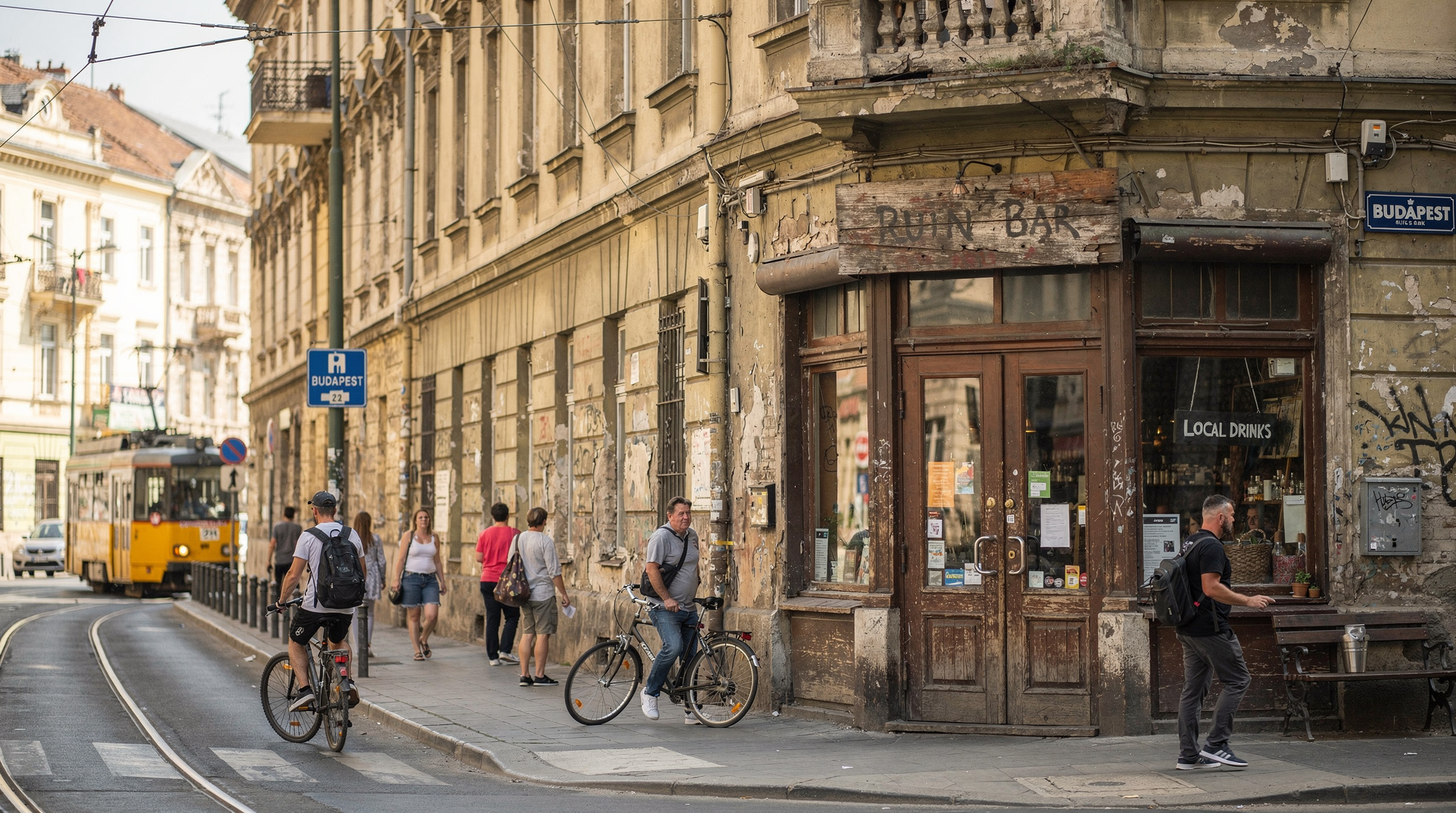
The ruin-bar scene is one of the best things about the city, and the vast majority of evenings are simply loud, friendly and good fun. The way to keep it that way is to stay in charge of your own plan. Choose venues from a trusted source rather than from someone who approaches you in the street, check the drinks menu for prices before ordering, and keep an eye on your tab as it grows. The best ruin bars guide, the ruin-bar rip-offs guide and the Szimpla Kert guide are good starting points for places where tourists drink without drama.
Go out with a loose meeting point if you are in a group, so nobody is left alone when the crowd moves on. If you are travelling with friends, agree on how you will all get home before the first round. Pub crawls can be a sociable way to see several venues in one evening; read the pub crawls guide first so you know what a sensible one looks like.
Money, cards and everyday precautions
Most day-to-day money risk comes down to paying in the wrong currency or at the wrong machine. When a terminal offers to charge you in euros or your home currency, decline and pay in forint. Keep one card as a spare in a different place from your main wallet, so a lost bag does not end your trip. The Budapest daily budget guide helps you decide how much cash you actually need, which in turn keeps your wallet lighter and your exposure lower.
Keep photographs or digital copies of your passport and insurance details separate from the originals. Hotels and apartments usually have a safe, and using it for spare cash and documents is a simple habit that removes most of the stress of a lost bag.
Families, couples and first-timers
Families find Budapest comfortable and easy, with plenty of parks, playgrounds and attractions suited to children. The practical points are crowds on public transport and keeping young children close in busy places such as the metro and market halls; the Budapest with kids guide covers the family side in more depth. Couples can enjoy the city at any hour with the same sensible habits described above, and our romantic Budapest guide suggests evenings that are atmospheric rather than risky.
If this is your first visit, the best safety measure is orientation. A city card covering public transport and attractions reduces the number of ticket machines and cash transactions you need to deal with, and helps you move around confidently from day one. See the Budapest Card guide to decide whether it suits your plans.
Health and emergency services
Hungary has good emergency services. The emergency number is 112 (unified EU number, works for police, fire and medical). English speakers are on call.
For medical needs, Budapest has several hospitals with English-speaking staff. Pharmacies (gyógyszertár, identifiable by the green cross) are widespread. Basic medication available without prescription; anything stronger requires a Hungarian prescription.
Tap water in Budapest is safe to drink. This is worth stating because some visitors hesitate — the water meets EU standards and drinking it is normal for Budapesters.
Travel insurance is strongly recommended for medical coverage, as Hungary’s public health system is intended for residents and EU citizens (EU card covers urgent care for EU nationals). Non-EU visitors should have private coverage.
The 2026 specific context
Hungary is an EU and Schengen member state. ETIAS (European Travel Information and Authorisation System) is expected to launch later in 2026 — visa-exempt nationals (US, UK, Canada, Australia, etc.) may need to apply for this authorisation before arrival, similar to the US ESTA or Australian ETA. Cost expected to be around €7. Check your government’s travel advisory site for the current status before booking.
What to do if something goes wrong
Even careful travellers sometimes lose a phone or get overcharged. If something is stolen, report it to the police and ask for a written report, because your insurer will almost certainly want it. If a card is lost, freeze it through your bank’s app straight away. If you realise you have been overcharged at a bar or restaurant, stay calm, ask for an itemised bill and avoid arguing alone in a crowded room; walking out with a clear head is better than a confrontation.
For transport problems, the public transport tickets guide and the BKK travel passes guide explain how tickets are validated, which matters because ticket inspectors on public transport do check, and a fine for a missing validation is an avoidable annoyance.
Planning ahead is the quiet secret of a trouble-free trip. Read first time in Budapest and the Budapest travel guide before you arrive, and a long weekend in Budapest will feel as easy as any other European city break.
The summary
Budapest is safe for tourists. The risks are financial and avoidable. Install Bolt, choose your own bars, pay in HUF, use bank ATMs, and book thermal bath tickets from official channels. Do these things and the Budapest that awaits is one of Europe’s great city-break destinations — beautiful, fascinating, affordable and genuinely welcoming.
For the full tourist-trap picture, see Budapest tourist traps and biggest Budapest mistakes.
This guide is part of our honest Budapest hub.
Common scam patterns, at a glance
| Scam | Where it happens | How to avoid it |
|---|---|---|
| Taxi overcharging | Street hails, Keleti station, airport | Use Bolt exclusively; see taxi scams guide |
| Bar bill inflation (konzumlány) | District VII late-night bars | Never follow a stranger to a recommended bar |
| Inflated restaurant bills | Váci utca and nearby tourist streets | Check menu prices before sitting; see Váci utca guide |
| Bath ticket resellers | Outside Széchenyi and Gellért entrances | Buy only at the official desk or online; see bath ticket mistakes |
| ATM currency conversion tricks | Euronet machines, tourist-area ATMs | Always choose to be charged in HUF, never EUR |
Practical first-day safety habits
A few habits cover most of the real risk in a Budapest trip. Install Bolt before you land rather than after a bad taxi experience. Decide in advance which bars you’ll go to in District VII rather than accepting a stranger’s recommendation on the night. Keep your phone in a front pocket on the M2 and M3 during rush hour. And treat any bath ticket, tour, or “discounted” offer from a street vendor as something to decline politely and walk past — official channels are never meaningfully more expensive. The solo travel Budapest guide and getting around Budapest guide cover the transport and orientation side of this in more depth.
Frequently asked questions about Is Budapest safe? honest safety guide for visitors in 2026
Is Budapest safe for solo female travellers?
Yes, with standard urban precautions. Budapest has a good record for solo women travellers by European capital standards. The main risk areas are the same as for any visitor: District VII late at night (bar district, lots of intoxicated tourists, the occasional konzumlány scam attempt), and avoiding street taxis. Use Bolt for late-night journeys home, stay aware of your drink, and trust your instincts about any situation that feels uncomfortable.Which areas of Budapest are unsafe?
No area of Budapest is meaningfully dangerous for tourists in the way that some other European capitals have genuinely risky zones. The ruin-bar district (District VII) is chaotic after midnight on weekends but the risk is financial (bar scams, overcharging) not violent. Blaha Lujza tér metro station and the surrounding streets have a reputation for pickpocketing and street drinking. Keleti station has taxi touts. Avoid these specific dynamics; the areas themselves are not no-go zones.Is pickpocketing common in Budapest?
It exists, as in any European tourist city. The highest-risk situations: crowded metro carriages (especially M2 and M3), the queue outside Széchenyi Baths in summer, Váci utca during peak tourist season, and the ruin-bar district on Friday/Saturday nights. Keep phones and wallets in front pockets or inside bags. A money belt is not necessary but mindfulness is.Is Budapest safe at night?
Yes, by and large. The centre of Pest is lively and populated until 3–4am on weekends. Walking between the ruin bars, along the riverbank, across the bridges — all of these feel safe for most visitors. The specific risk window is: leaving a ruin bar after midnight, intoxicated, and making transport decisions. Resolve this by pre-booking a Bolt before you leave.Are there any current travel advisories for Hungary?
In 2026, major Western governments (US, UK, Canada, Australia) rate Hungary as a Level 1 or equivalent (exercise normal precautions) destination. No significant security threats are in effect. Hungary is an EU and Schengen member state. Travellers should check their government's travel advisory page for the most current assessment.Is Budapest safe for LGBTQ+ travellers?
Budapest has a visible LGBTQ+ scene — several bars and clubs in District VII and VI, an annual Pride march, and broad acceptance in central tourist areas. Hungary's political climate under the current government is less welcoming at an official level. Casual public displays of affection between same-sex couples in central tourist areas are generally fine; in more conservative outer districts and in rural Hungary, discretion is advisable. The EU safety baseline applies.
Top experiences
Bookable activities with verified prices and instant confirmation on GetYourGuide.