Best restaurants in Budapest: honest picks from budget to Michelin

Where should I eat in Budapest?
For traditional food cheaply: Kádár Étkezde (Klauzál tér 9, cash only, lunch only). Mid-range: Hungarikum Bisztró (near Parliament) and Kőleves (Jewish Quarter). Jewish-inspired: Macesz Bistro (Dob utca 26) and Mazel Tov (Akácfa utca 47). Michelin-starred: Costes and Stand. Avoid restaurants on Váci utca — overpriced and mediocre.
Eating well in Budapest: the honest framework
Budapest has a wider and more interesting restaurant scene than most visitors expect. It ranges from decade-old canteens where a three-course lunch costs €5 to Michelin-starred modern Hungarian cuisine that competes with the best in Central Europe. Between these poles are dozens of reliable mid-range restaurants, Jewish Quarter bistros, craft beer taverns, and rooftop bars.
This guide organises the options honestly by tier and neighbourhood, with specific restaurant names, realistic prices, and the context you need to avoid the tourist-trap versions of everything.
| Budget | Étkezde lunch, around 1,500–3,000 HUF |
| Mid-range | Bistro or Jewish Quarter dinner, around 3,000–6,000 HUF |
| Splurge | Michelin tasting menu, around 30,000–65,000 HUF |
| Where to avoid | Váci utca and streets directly facing major sights |
| Booking | Recommended Friday/Saturday in the Jewish Quarter; essential at Michelin restaurants |
The Váci utca warning and where to eat instead
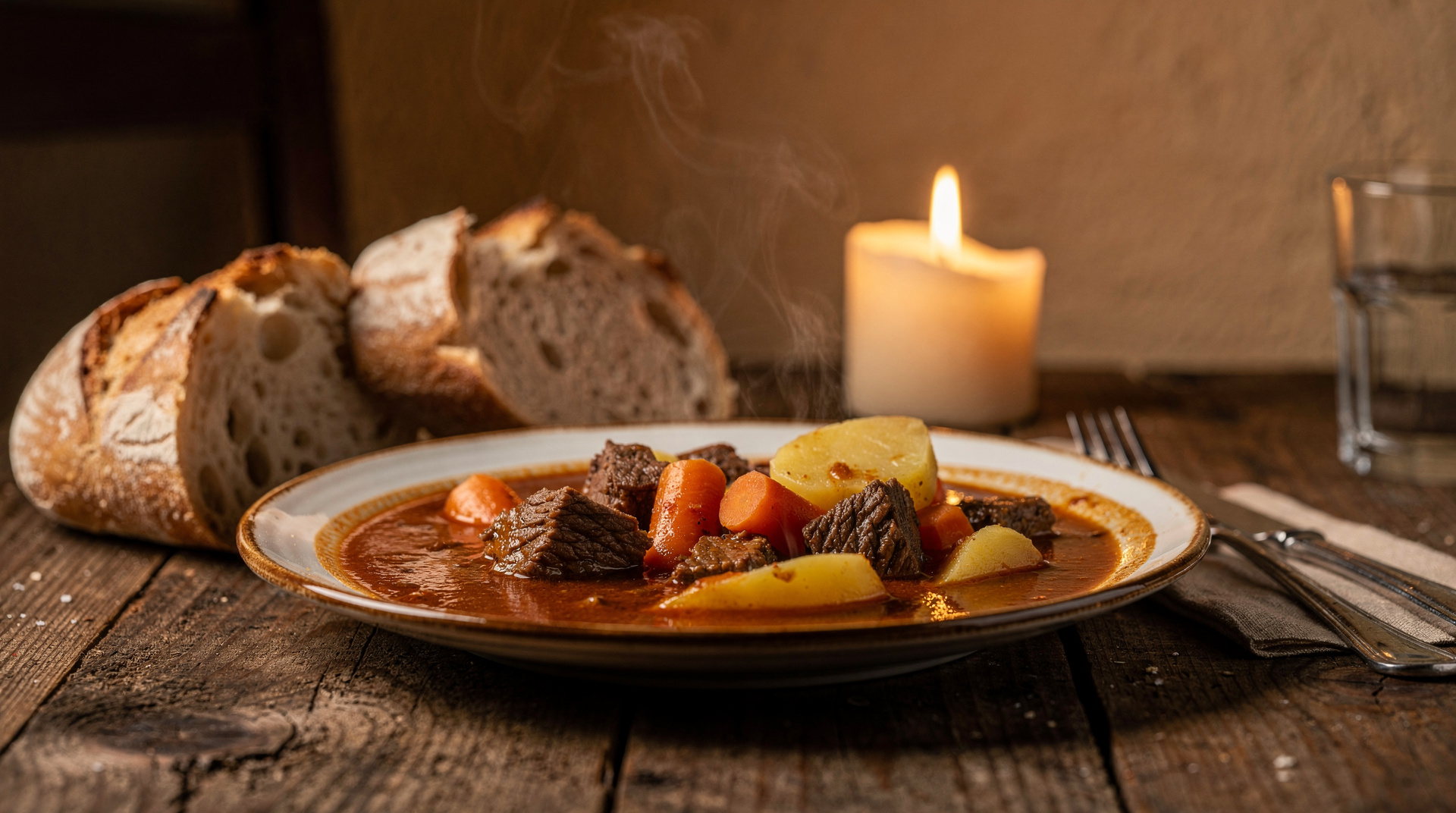
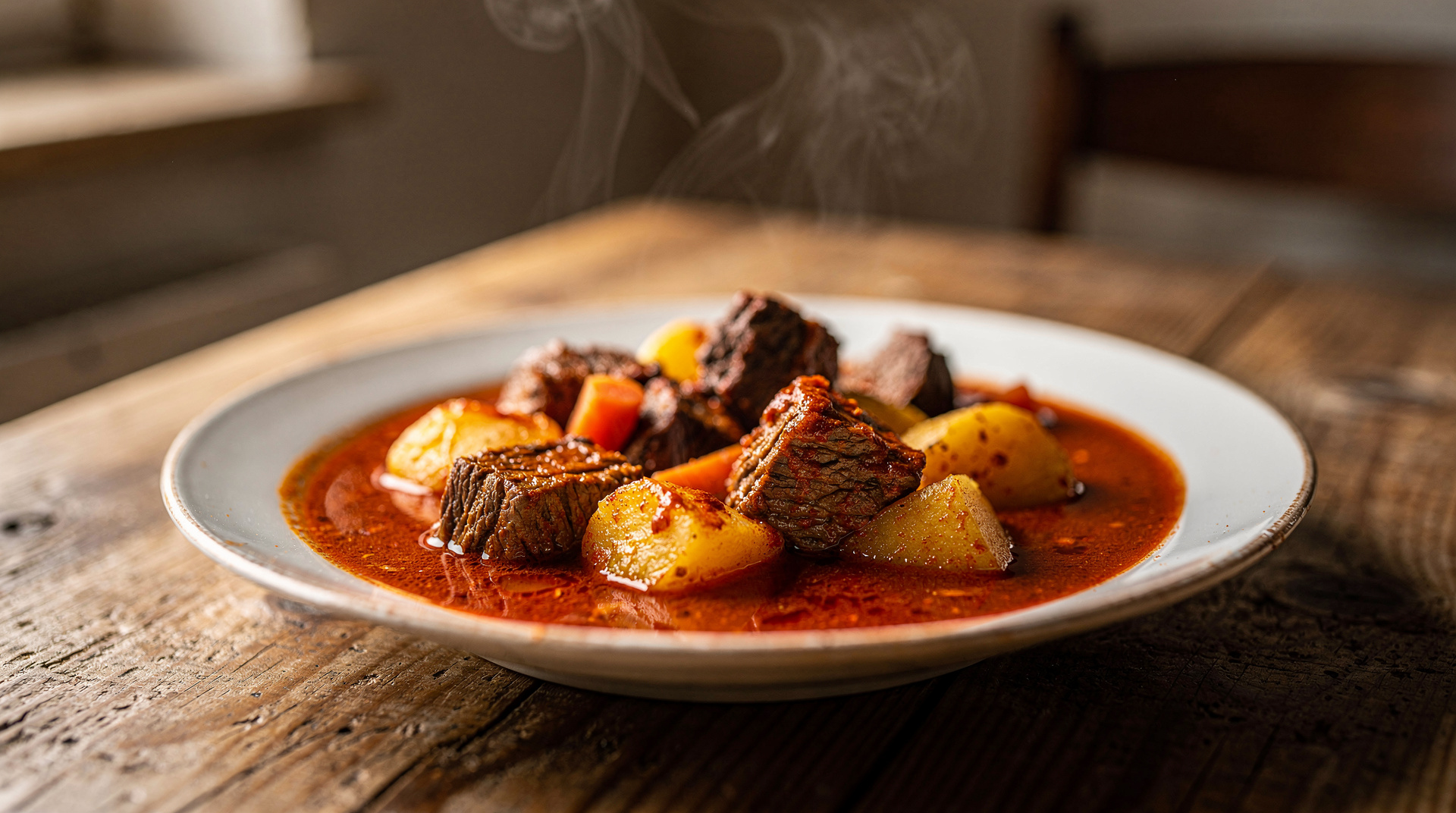
The clearest single piece of advice for eating in Budapest: avoid restaurants on and immediately adjacent to Váci utca (the main tourist pedestrian street in District V). This street is lined with establishments that charge 2–3 times Budapest norms for food that ranges from mediocre to poor. Gulyás at 3,500–5,000 HUF, strudel at 1,800 HUF, uninspired chicken paprikash — all available for half the price and better quality two streets over.
The same caveat applies to the tourist-facing restaurants clustered near the Chain Bridge entrance, some spots immediately outside the Buda Castle, and any place with a menu only in English and German displayed outside. A legitimate Budapest restaurant has its menu in Hungarian first.
Budget tier: étkezde and canteens
Kádár Étkezde — Klauzál tér 9, District VII The most famous traditional Hungarian canteen in the city. Open Monday–Saturday for lunch only (11:30–15:30), cash only, communal tables. Daily specials on a chalkboard — gulyás soup, bean soup, stuffed cabbage, pörkölt with nokedli. Main courses 1,500–2,200 HUF (€3.75–5.50). Bring patience for the queue at peak times (12:30–13:30) and a willingness to share a table.
Főzelékfaló Ételbár — Paulay Ede utca 53, District VI An ételbár (food bar) specialising in főzelék — thick Hungarian vegetable stews (spinach, pea, savoy cabbage, lentil) served with a meat or egg component. Budget 1,200–2,000 HUF (€3–5) for a filling meal. Extremely popular with local workers for lunch; fast service, no frills.
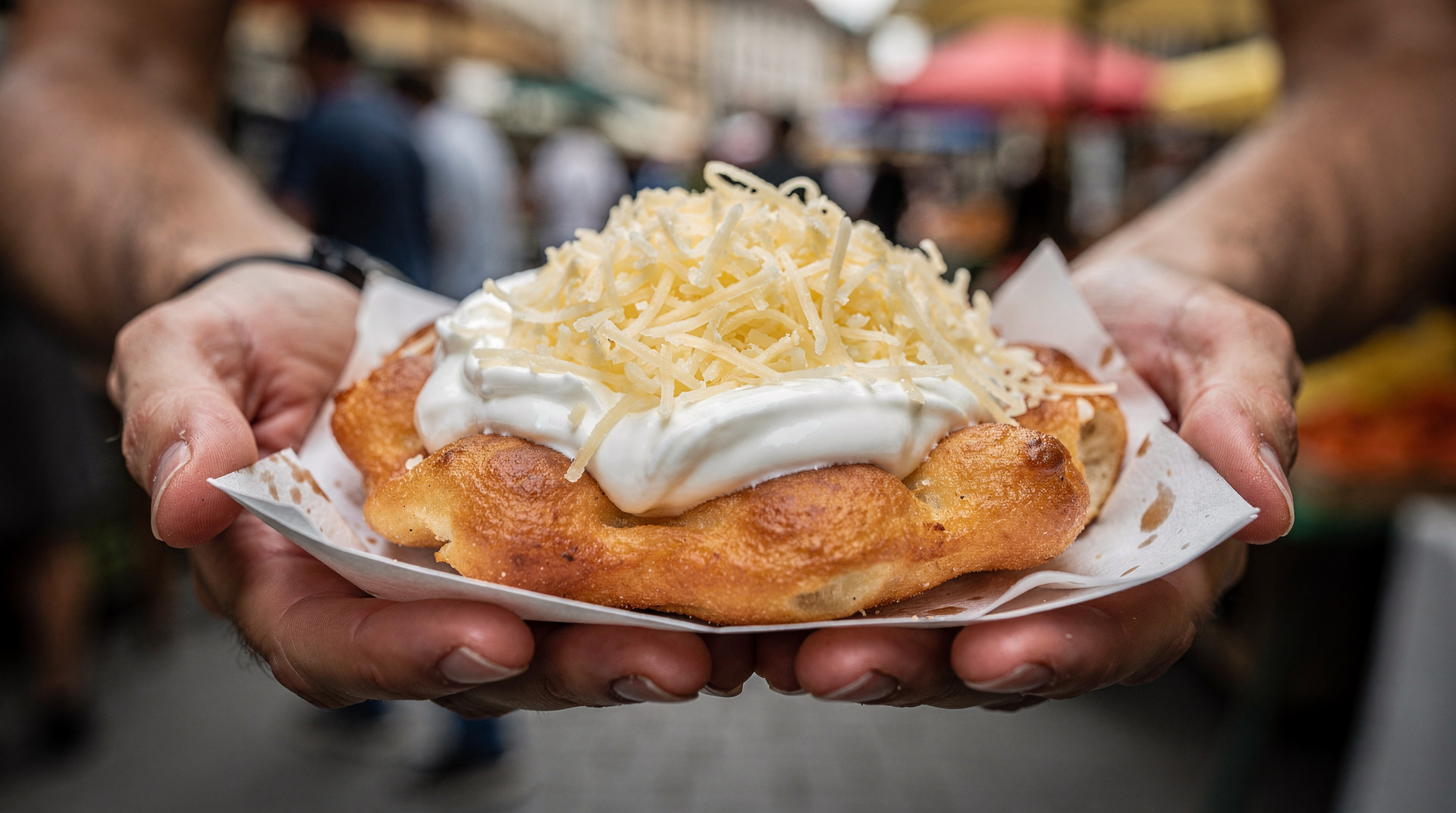
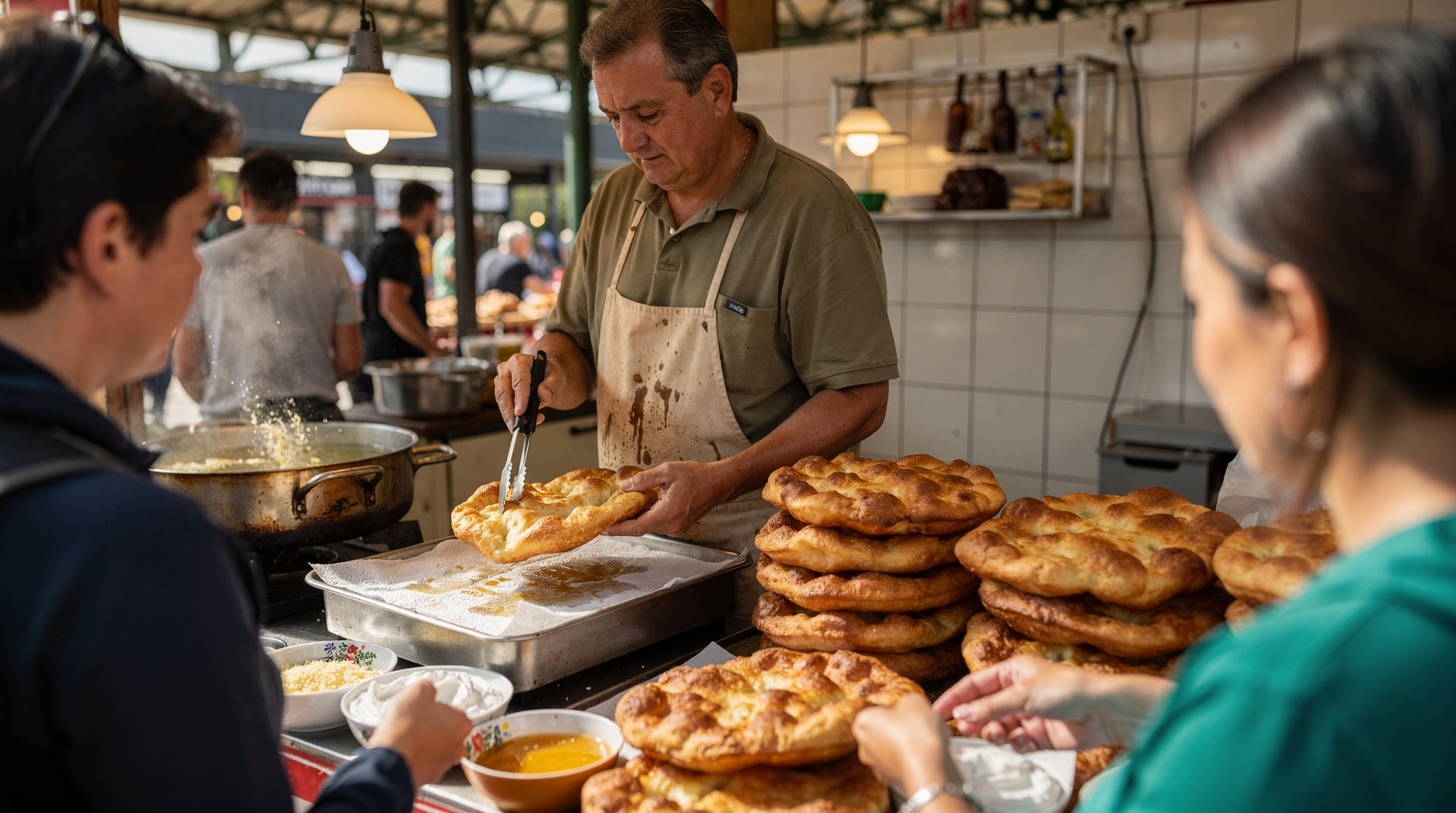
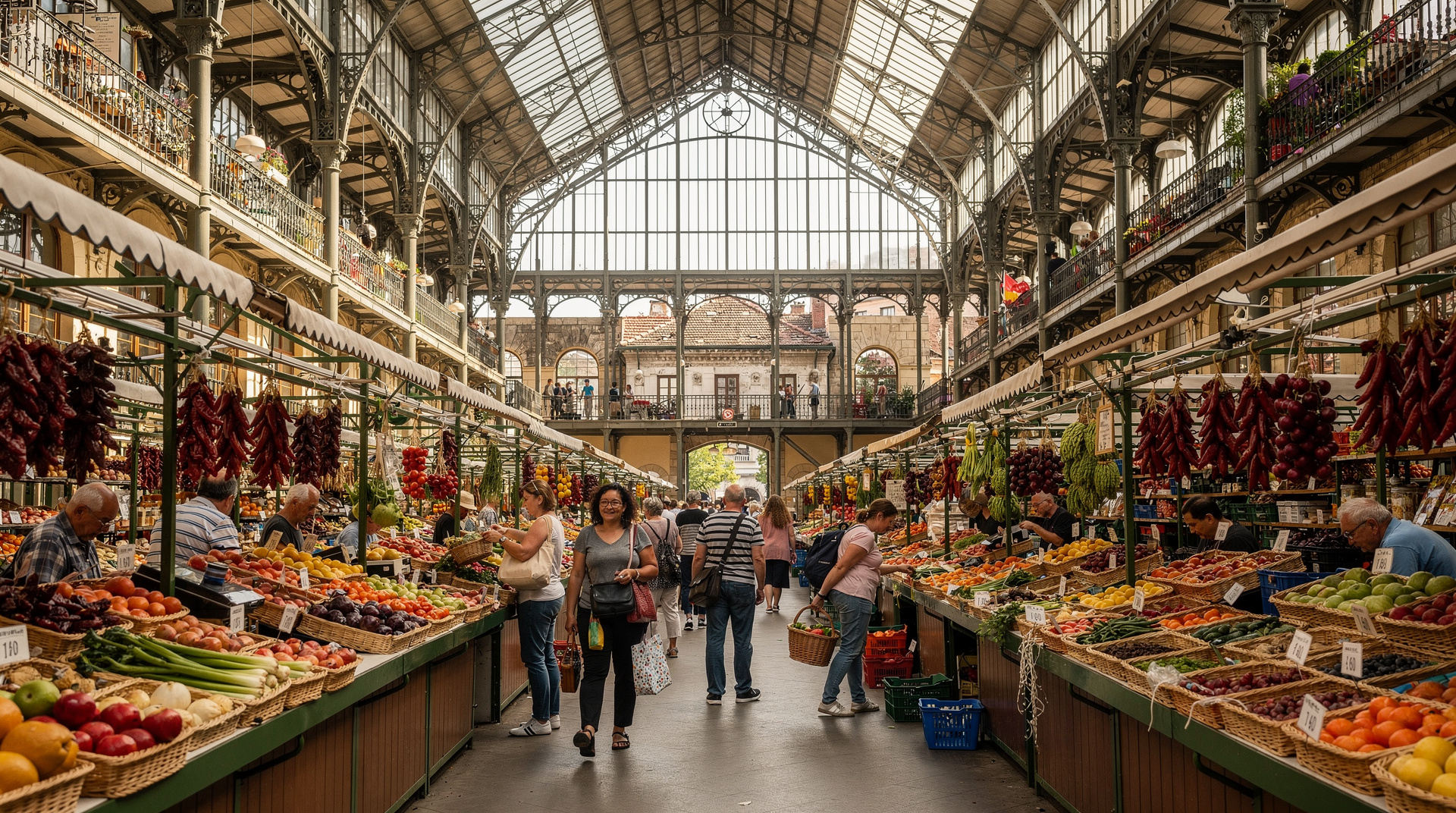
Great Market Hall upper floor — Fővám tér, District IX The food court on the upper level of the Central Market Hall serves lángos, rétes, gulyás, and pörkölt at fair prices (mains 1,500–3,000 HUF / €3.75–7.50). No table service — tray and communal seating. Lunch atmosphere is busy and authentic.
Mid-range tier: reliable and worth it
Hungarikum Bisztró — Steindl Imre utca 13, District V Near the Parliament, this modern bistro serves Hungarian classics with good execution: gulyás, veal paprikash, Hortobágyi palacsinta, and seasonal specials. Mid-range pricing (mains 3,500–6,000 HUF / €8.75–15). Service is professional and English-fluent. Booking recommended for dinner.
Kőleves — Kazinczy utca 41, District VII In the heart of the Jewish Quarter, Kőleves (“stone soup”) serves Hungarian food with a modern edge — lighter preparations, better-quality sourcing than a typical étkezde. Mains 3,000–5,500 HUF (€7.50–13.75). The garden terrace is excellent on summer evenings. No reservation needed for lunch; dinner on weekends fills quickly.
Buja Disznó’ka — Erzsébet körút 2, District VII Small-plates format, focused on Hungary’s pig culture (the name roughly translates as “lush pig snout”). Mangalica pork dishes, offal preparations, rustic bread. Good for sharing; budget 4,000–8,000 HUF (€10–20) per person for a satisfying spread. Excellent natural wine list.
Macesz Bistro — Dob utca 26, District VII Jewish-Hungarian bistro in the Jewish Quarter. Dishes blend traditional Hungarian and Ashkenazi Jewish food: matzo ball soup, chicken liver with caramelised onion, cholent on Saturdays, and good versions of Hungarian classics. Mains 2,800–5,500 HUF (€7–13.75). Booking recommended on weekends.
Jewish Quarter dining: the best concentration
The Jewish Quarter in District VII has the highest density of quality restaurants in a walkable area. Beyond Kőleves and Macesz Bistro:
- Mazel Tov (Akácfa utca 47): Israeli-inspired mezze in a ruin-bar courtyard. Hummus, falafel, shakshuka — mains 2,800–4,500 HUF. Excellent cocktails. See the best ruin bars guide for atmosphere context.
- Tzafon (Sip utca 8): contemporary Israeli food in a small room; booking essential.
- Carmel (Kazinczy utca 31): kosher restaurant; traditional Jewish dishes, open Friday/Saturday for Shabbat dinner.
Upmarket and Michelin-starred
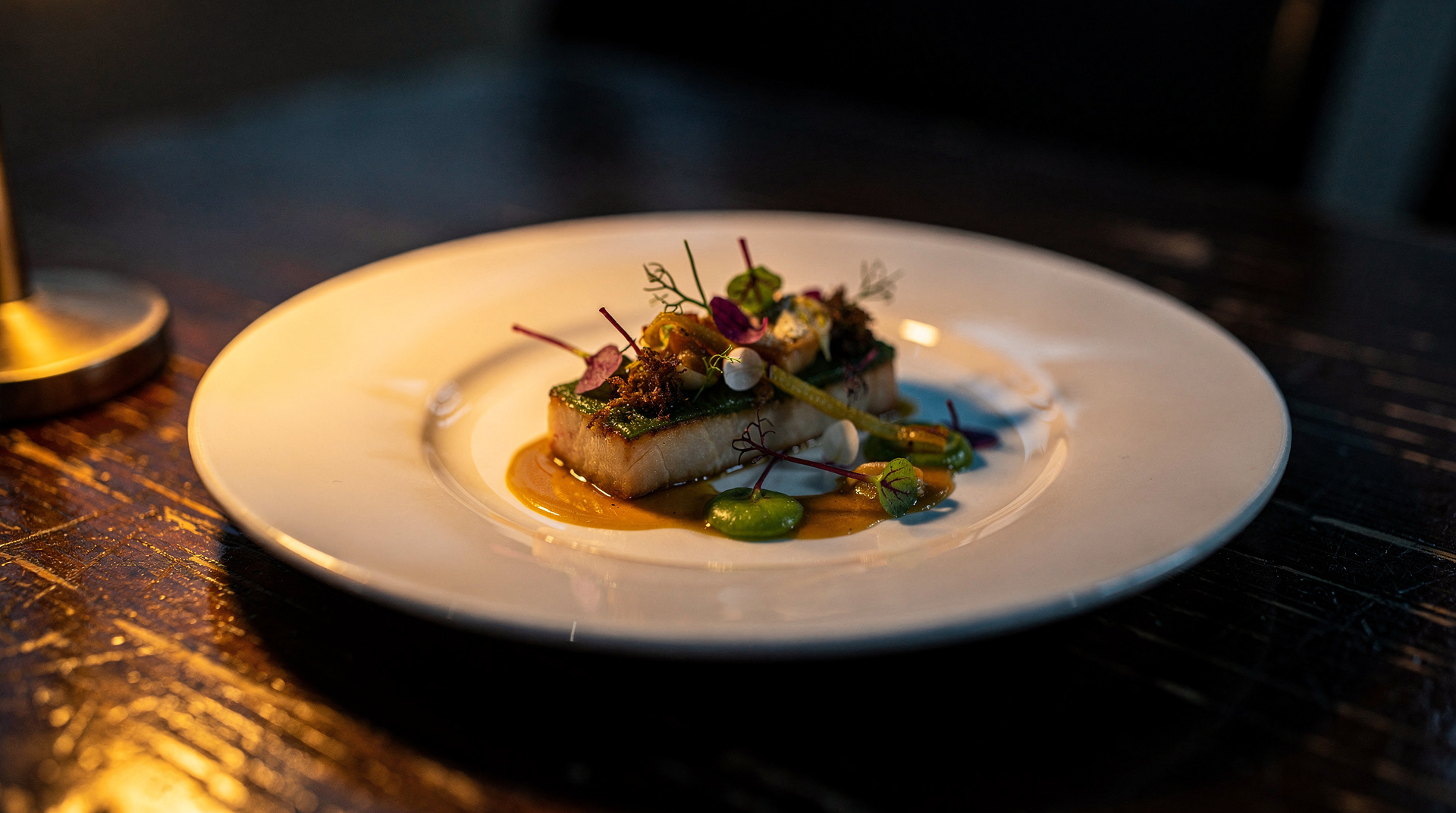
Costes — Ráday utca 4, District IX One Michelin star. Hungarian ingredients, French-influenced technique — the kitchen changes with the seasons and consistently produces some of the best food in Central Europe. The lunch menu is the best value (tasting menu from ~18,000 HUF / €45). Dinner tasting menus from 30,000 HUF (€75) per person excluding wine. Essential booking.
Stand — Széll Kálmán tér 4, District II (Buda) One Michelin star. Chef Széll Tamás (winner of the Hungarian version of MasterChef) serves modern Hungarian cuisine with exceptional technical execution. The restaurant is informal in atmosphere for the food quality — no strict dress code. Tasting menus from 30,000 HUF. Stand25 bistro next door offers similar quality at half the price.
For the full Michelin guide, see Michelin restaurants in Budapest.
Rooftop restaurants and views
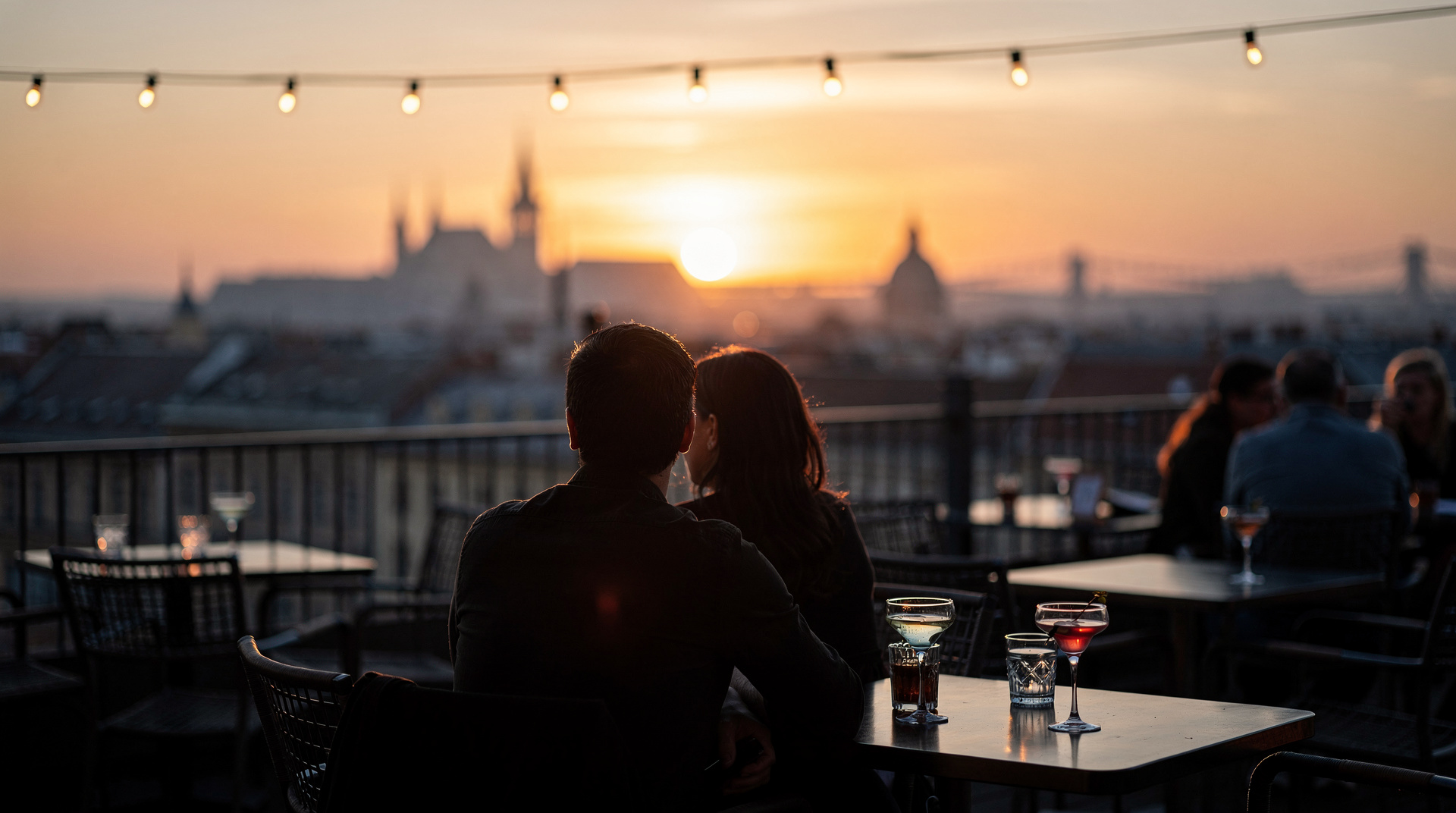
Budapest has several rooftop restaurants with Danube or city views. These tend to charge a significant premium for the view — fair warning. Best honest options: Callas Café (Opera terrace, Andrássy út 20), and Bar Rum (rooftop hotel bar, Petőfi Sándor utca). Full guide at best rooftop bars in Budapest.
Food tours as an introduction
If you’re visiting for the first time and want to understand the scene before committing to restaurants, an organised food tour is a reliable shortcut. The eat, sip and explore food tour covers the Jewish Quarter neighbourhood and several key food stops over 3 hours — a good orientation before making your own dining choices.
The market-to-tavern food tour specifically covers both the Great Market Hall and a traditional tavern meal — useful for understanding the full range from market ingredients to finished dish.
For the full picture on Hungarian food and what you’ll encounter, see traditional Hungarian dishes. For budget, see Budapest daily budget and is Budapest expensive?.
Breakfast and brunch in Budapest
Hungarian breakfast culture revolves around the presszó (neighbourhood café-bar) — a small coffee stand where the default is espresso, a bread roll, and perhaps a fried egg. The more elaborate brunch scene is a newer urban development, strongest in Districts V, VI, and VII.
Traditional breakfast:
- Fresh bread rolls (zsemle) with butter and honey from a pékség (bakery): 400–700 HUF
- Coffee from a presszó: 400–600 HUF for espresso
- Langos from a morning market stall: 700–1,200 HUF
Modern brunch spots:
- Bors GasztroBar (Kazinczy utca 10): tiny sandwich shop that draws an enormous queue on weekends. Soups, stuffed baguettes; no seating but extraordinary quality for the price (600–1,200 HUF per item).
- Szimpla Kert Sunday morning market: From 09:00, the ruin bar serves coffee and pastries alongside the farmers’ market. One of the most atmospheric breakfast settings in Budapest.
- Centrál Kávéház (Károlyi Mihály utca 9): The historic café serves a full breakfast and brunch menu in a beautiful Habsburg-era room. Mains 2,800–5,500 HUF (€7–13.75).
- Avocado Queen (Semmelweis utca 3): Modern, vegetable-forward brunch menu. Popular with expats; avocado toast 2,200–3,200 HUF.
Lunch in Budapest: the set-menu tradition
Many Budapest restaurants serve a fixed-price lunch menu (ebéd menü or napi menü) on weekdays — typically a soup, a main, and sometimes a dessert or salad, for a set price. These lunch menus provide the best value eating in the city:
- Budget range: 1,800–2,800 HUF (€4.50–7) for a two-course lunch at a neighbourhood restaurant or étkezde
- Mid-range: 3,500–5,500 HUF (€8.75–13.75) for a two/three-course set lunch at a quality restaurant
- Fine dining: Costes, Stand, and other Michelin-level restaurants offer reduced lunch tasting menus from around 14,000–20,000 HUF (€35–50) — substantially cheaper than dinner equivalents
The lunch menu culture is Monday–Friday only; on weekends, most restaurants switch to à la carte throughout the day.
Practical dining tips for Budapest
Reservations: Mid-range restaurants in the Jewish Quarter fill up Friday and Saturday evenings — book by email or phone 2–3 days ahead. The top Michelin restaurants require 3–6 weeks’ notice for dinner.
Language: Almost all Budapest restaurants have English-language menus alongside Hungarian. In a traditional étkezde, the menu may only be in Hungarian; the staff will usually speak enough English to explain the day’s specials.
Payment: Most restaurants accept cards; traditional étkezde are often cash-only. Check before ordering.
Service charge: Hungarian restaurants add a 10–15% service charge (felszolgálási díj) to the bill — check before adding a tip on top. If no service charge is listed, 10% is customary.
Tipping: Standard practice is 10% in cash, left in the bill folder. Tipping on the card machine is increasingly accepted but less common.
Eating near major sights
Near Parliament: Hungarikum Bisztró (Steindl Imre utca 13) is the most reliable option. For cheaper, take the tram south to the Jewish Quarter (15 minutes) for better value.
Near Buda Castle: Ruszwurm cukrászda (coffee and cake, Szentháromság utca 7) for a break. For a proper meal, descend to Krisztinaváros (District I on the Buda side) — Café Déryné (Krisztina tér 3) is a reliable bistro. Avoid the tourist restaurants clustered on Castle Hill directly.
Near Széchenyi Baths: Városliget (City Park) area has few high-quality restaurants directly adjacent. Take the metro (M1, yellow line, two stops to Vörösmarty utca) into the city centre for a better dining range. Menza (Liszt Ferenc tér 2) is 10 minutes’ walk from the M1 Oktogon stop.
Near the Great Market Hall: Centrál Kávéház (10 minutes’ walk north) is excellent. On the other side of the market, the Ráday utca restaurant street (five minutes’ walk south) offers 30+ options at honest prices.
For the restaurant context alongside your overall food experience, see best food tours in Budapest and traditional Hungarian dishes. For vegetarian options, see vegetarian and vegan Budapest.
How to read a Hungarian menu
For first-time visitors, the Hungarian menu structure can be unfamiliar. A standard étlap:
Levesek (soups): Ordered as a starter. Gulyásleves, gombalevés, meggyleves (cold sour cherry soup, summer only).
Előételek (appetisers): Hortobágyi palacsinta (savoury crepe with meat ragout), libamáj (goose liver), salads.
Főételek (main courses): The main section — pörkölt, paprikás, roasted meats, fish dishes.
Köretek (side dishes): Ordered separately in traditional restaurants. Nokedli, chips, rice. Budget 600–1,200 HUF (€1.50–3).
Napi menü (daily menu): Weekday lunch fixed price. Best value eating in Budapest: 1,800–3,500 HUF (€4.50–8.75) for two courses. Available 11:30–14:30, posted in the window.
Tipping and service charges
Service charge: Many restaurants add 10–12% felszolgálási díj automatically. Check before adding more — if it’s already on the bill, additional tipping is at your discretion.
Cash tips: If no service charge: leave 10% in cash in the bill folder. Card tips are increasingly accepted but the money doesn’t always reach the server reliably.
At an étkezde: No tipping expected; round up to the nearest 200 HUF if you’d like.
District-by-district shortlist
District V: Costes Downtown (Michelin, Vigyázó Ferenc utca 5); Centrál Kávéház for coffee and light food; avoid anything on Váci utca.
District VI: Menza (Liszt Ferenc tér 2) for modern Hungarian at honest prices; Klassz (Andrássy út 41) for wine and food.
District VII: Kőleves (Kazinczy utca 41), Macesz Bistro (Dob utca 26), Mazel Tov (Akácfa utca 47), Carmel kosher (Kazinczy utca 31), Bors GasztroBar sandwiches (Kazinczy utca 10, lunch only).
District IX: Costes (Ráday utca 4, Michelin); Ráday utca for honest mid-range dining.
Buda (Districts I, II): Stand (Széll Kálmán tér 4, Michelin); Déryné (Krisztina tér 3) for a post-Castle Hill meal; neighbourhood restaurants on Margit körút.
For the Michelin detail, see Michelin restaurants in Budapest. For the full food budget analysis, see is Budapest expensive? and Budapest daily budget.
Budapest restaurant pricing: what to expect
Understanding the price structure saves confusion on arrival. Budapest is genuinely affordable relative to Western European capitals, but the range within the city is wide:
Étkezde (workers’ lunch canteen): The cheapest proper meals in the city. Napi menü (daily menu) runs 1,500–2,500 HUF (€3.75–6.25) for a two-course lunch including soup, main, and sometimes bread. Quality is often excellent — home-style Hungarian cooking rather than tourist-modified versions. Examples: Kádár Étkezde (Klauzál tér 9, District VII); Alföldi Vendéglő (Kecskeméti utca 4, District V).
Neighbourhood restaurant (mid-range): 3,000–6,000 HUF per person for two courses plus drinks. This is the sweet spot for value in Budapest — Hungarian food at honest quality with table service. Includes most of the Jewish Quarter restaurants, Ráday utca, and neighbourhood finds across Districts VIII and IX.
Tourist-area pricing: Restaurants within visible sight of the Basilica, Castle Hill, Váci utca, and the Chain Bridge charge 30–60% more than equivalent restaurants 300 metres away. The food quality does not improve proportionally — often the reverse. Moving one street off the main tourist circuits saves money while generally improving the meal.
Fine dining (Michelin-level): Tasting menus at Budapest’s Michelin-starred restaurants run 35,000–65,000 HUF (€87.50–162.50) per person, with wine pairing adding 20,000–35,000 HUF (€50–87.50). By Western European standards this is moderate for this level; compared to local salaries it represents a significant luxury. See Michelin restaurants Budapest for the complete guide.
The Jewish Quarter restaurant scene in depth
The Jewish Quarter (District VII, roughly bounded by Dohány utca, Király utca, Kertész utca, and Rákóczi út) has become Budapest’s most varied restaurant district. Several dynamics converge:
Historical depth: The quarter has a continuous food culture rooted in Hungarian-Jewish cooking — goose fat instead of lard, kosher butchery practices that influenced local meat preparation, Ashkenazi dishes (cholent, strudel, stuffed cabbage with sweet-sour sauce) that entered mainstream Hungarian cooking over two centuries.
Surviving institutions: Carmel (Kazinczy utca 31) is a kosher restaurant that has operated for decades. The menu covers Ashkenazi classics — cholent (slow-baked beans with meat), kishke, Hungarian-Jewish versions of gulyás. For visitors with kosher requirements, Carmel is the primary option in central Budapest.
Contemporary Jewish dining: Macesz Bistro (Dob utca 26) reinvents Jewish-Hungarian food in a modern format — matzah brei as brunch, chicken soup with the best handmade nokedli in the district, updated versions of grandmother’s recipes. Mid-range pricing; excellent quality.
International options: Mazel Tov (Akácfa utca 47) is a Middle Eastern restaurant-bar with Israeli and Levantine influences — hummus, shakshuka, mezze, grilled meats. It’s architecturally beautiful (a roofless courtyard with fig trees and retractable canopy) and serves decent food. More about the atmosphere than strict culinary authenticity, but genuinely good.
The Jewish cuisine food tour covers the quarter’s food history with a local guide; it’s the most efficient way to understand the culinary context before eating independently.
Seasonal eating in Budapest
Budapest’s restaurant menus change significantly by season — worth factoring into meal planning:
Spring (April–May): White asparagus (fehér spárga) season. Hungarian asparagus from the Szatmár region is excellent; most mid-range and fine-dining restaurants feature it prominently on April–May menus. Also: fresh river fish (carp, pike-perch) from the Danube system as the season restarts.
Summer (June–August): Cold sour cherry soup (meggyleves) appears on menus in June. Lecsó (the Hungarian ratatouille of peppers, tomatoes, and onion) is at its best when the vegetables are garden-fresh. Pálinka distillation season doesn’t directly affect restaurant menus, but summer fruit pálinka (barack/apricot, cseresznye/cherry) is fresher.
Autumn (September–November): Mushroom season. Forest mushrooms from the Bakony and Bükk hills appear as risotto, stew additions, and standalone dishes in September and October. Game meats (venison, wild boar) start appearing on menus in October. Tokaj harvest season — ask about new vintage tokaji wine, sometimes available by the glass at better restaurants before formal release.
Winter (December–March): Hearty soups and stews are at their most appropriate. Christmas market food (kürtőskalács, bejgli walnut roll, mulled wine) on Vörösmarty tér and Erzsébet tér. Restaurant prices are slightly lower and booking is easier in January–February. Traditional Christmas dishes — halászlé (fish soup on Christmas Eve in Catholic households), beigli, töltött káposzta (stuffed cabbage) — appear on holiday menus.
Vegetarian and dietary considerations at Hungarian restaurants
Hungarian cuisine is historically meat-focused, but the restaurant landscape has improved significantly for non-meat-eaters:
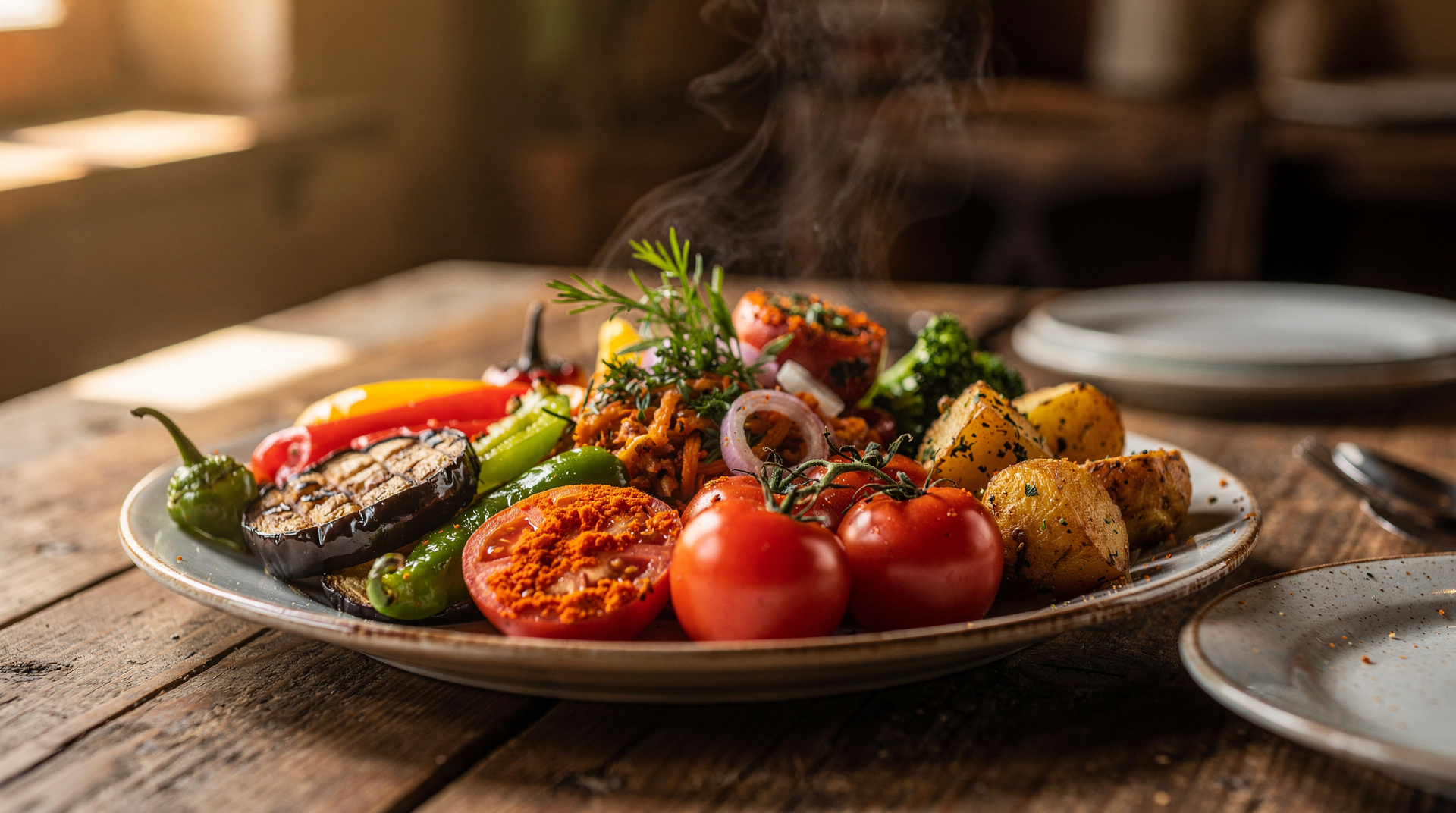
Traditional vegetarian dishes: Főzelék (vegetable stew — see vegetarian Budapest for types), rántott sajt (fried cheese), lecsó without the kolbász, rétes (strudel with apple, cherry, or cheese filling), palócleves (bean soup, often vegetarian). Most traditional restaurants will have at least three or four vegetarian options.
Dedicated vegetarian restaurants: Napfényes (Teréz körút 11, District VI) is the longest-established vegetarian restaurant in Budapest; Vegan Love (Paulay Ede utca 7, District VI) is entirely plant-based. Both are in the Liszt Ferenc tér / Nagymező utca area, convenient to the Jewish Quarter.
Communication: “Vegetáriánus ételt kérnék” means “I would like vegetarian food.” For vegan: “Nem eszem húst, tejet, vagy tojást” (I don’t eat meat, milk, or eggs). Most restaurant staff understand vegetarian in English; vegan requires clarification.
For the comprehensive vegetarian guide, see vegetarian and vegan Budapest.
Opening hours and last orders
Budapest kitchens generally keep shorter hours than visitors from Southern Europe expect. Most étkezde close by 15:30–16:00 and do not reopen for dinner — they are lunch-only operations built around the weekday workforce. Mid-range restaurants typically take last orders around 22:00–22:30, with the kitchen fully closed by 23:00, even on weekends. Michelin-level restaurants close earlier for last seating, often 21:30, given the length of a tasting menu. Sunday is the quietest day for restaurant openings generally; some of the best Jewish Quarter spots close entirely, though Mazel Tov and the ruin bar food stalls tend to stay open. If you’re arriving late from the airport or an evening train, check hours in advance rather than assuming late dinner is available — see the airport to city centre guide for typical arrival timing.
Frequently asked questions about Best restaurants in Budapest
What is an étkezde and why should I eat at one?
An étkezde is a traditional Hungarian canteen — simple, cash-only, daily specials on a chalkboard, communal tables, fast service. They serve the cheapest and most authentic Hungarian food in the city: gulyás, pörkölt, stuffed cabbage, bean soup. A two-course lunch with a drink costs 2,000–3,500 HUF (€5–8.75). Kádár Étkezde (Klauzál tér 9) is the most famous; open Monday–Saturday, lunch only.Are Váci utca restaurants worth it?
No. Restaurants immediately on Váci utca and the surrounding tourist streets typically charge 2–3× Budapest norms for mediocre food. A main course that costs 3,000 HUF in a neighbourhood restaurant is 6,000–8,000 HUF on Váci utca. The food is often adapted for foreign tastes, not authentic. Walk two blocks east or west for dramatically better value.What does a restaurant meal cost in Budapest?
Budget (étkezde): 1,500–3,000 HUF (€3.75–7.50) for a main. Mid-range: 3,000–6,000 HUF (€7.50–15) for a main course. Upmarket: 6,000–14,000 HUF (€15–35) per main. Michelin tasting menus: 30,000–80,000 HUF (€75–200) per person. A 10% tip is customary; check whether a service charge is already added.Which Budapest restaurants have Michelin stars?
As of 2026: Costes (Ráday utca 4) and Costes Downtown (Vigyázó Ferenc utca 5) both hold one Michelin star. Stand (Széll Kálmán tér 4) and Onyx (Vörösmarty tér 7) also hold stars. The Stand25 bistro (same ownership as Stand) is excellent value at half the price. Budapest first received Michelin stars in 2010 and the list has grown steadily.What time do restaurants in Budapest close?
Étkezde canteens are typically lunch-only, closing by 15:30–16:00. Mid-range restaurants generally take last orders around 22:00–22:30, and Michelin-level restaurants often seat their final tasting menu by 21:30 given the length of the meal. Sunday sees the most closures, though the Jewish Quarter's more casual spots tend to stay open.
Top experiences
Bookable activities with verified prices and instant confirmation on GetYourGuide.