Getting around Budapest: the complete transport guide

What is the best way to get around Budapest?
The BKK public transport network (metro, tram, bus) covers almost everything at 500 HUF per single ticket bought in advance. For transfers, a 24-hour travelcard (2,750 HUF) or 72-hour pass (5,750 HUF) pays off from the third journey. Use the Bolt app for late-night taxis — never hail a street cab.
The shape of Budapest’s transport network
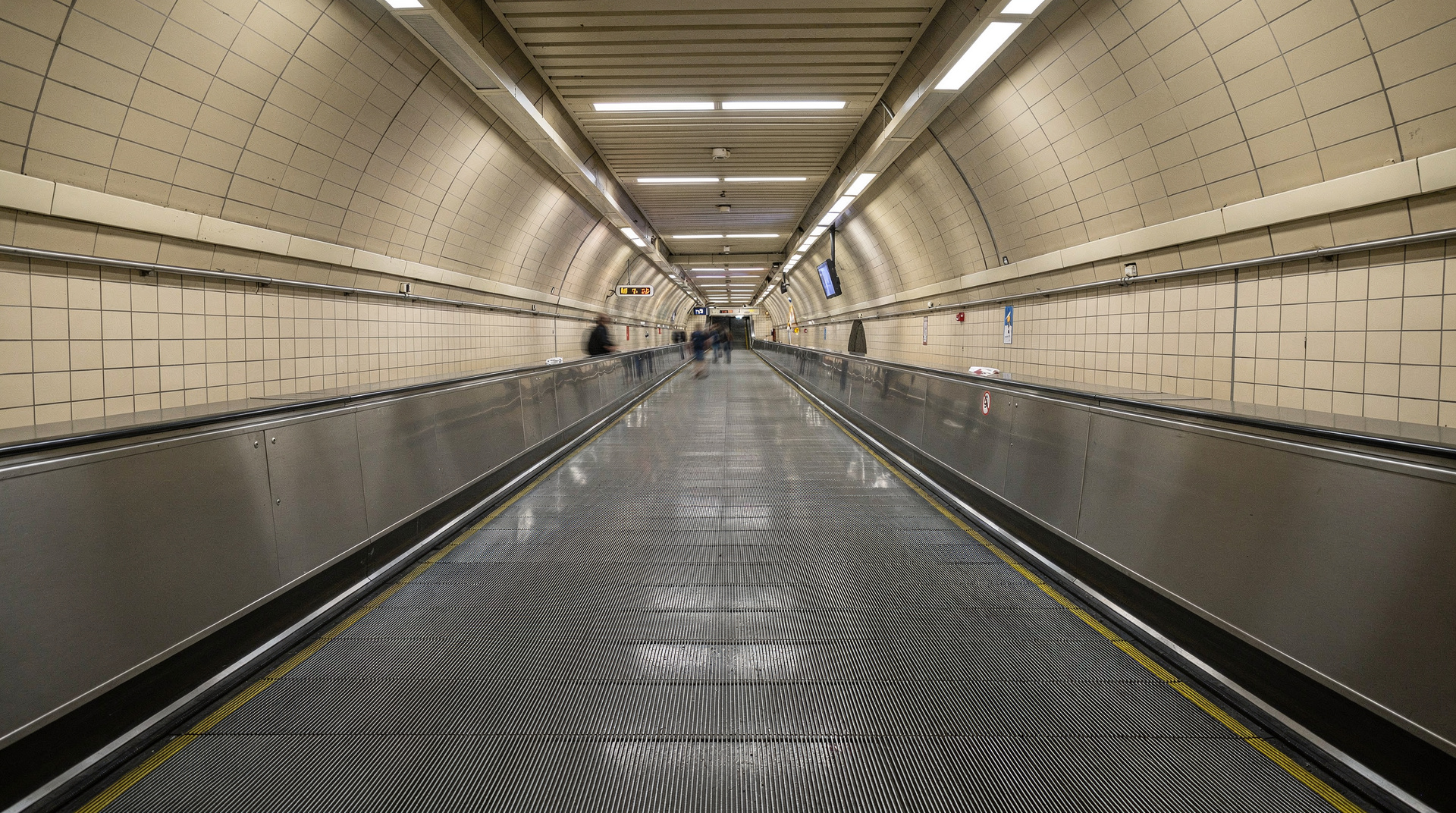
Budapest is an unusually easy city to navigate without a car. The Danube splits the city into Buda (hilly, residential, historic) and Pest (flat, commercial, lively), and a dense web of public transport stitches them together continuously. Metro lines M1 through M4 reach every major neighbourhood; trams run parallel to the Danube on both banks; buses fill the gaps. Walking is genuinely practical in the centre — the Jewish Quarter, the Great Market Hall, and the Basilica are all within 20 minutes on foot of each other.
The city transport authority is BKK, and all tickets are interchangeable across the network: the same single ticket works on metro, tram, bus, trolleybus and the cogwheel railway up to Széchenyi-hegy. One notable exception: the suburban HÉV trains to Szentendre, Gödöllő and other destinations outside the city boundary require a separate ticket for the section beyond the inner ring.
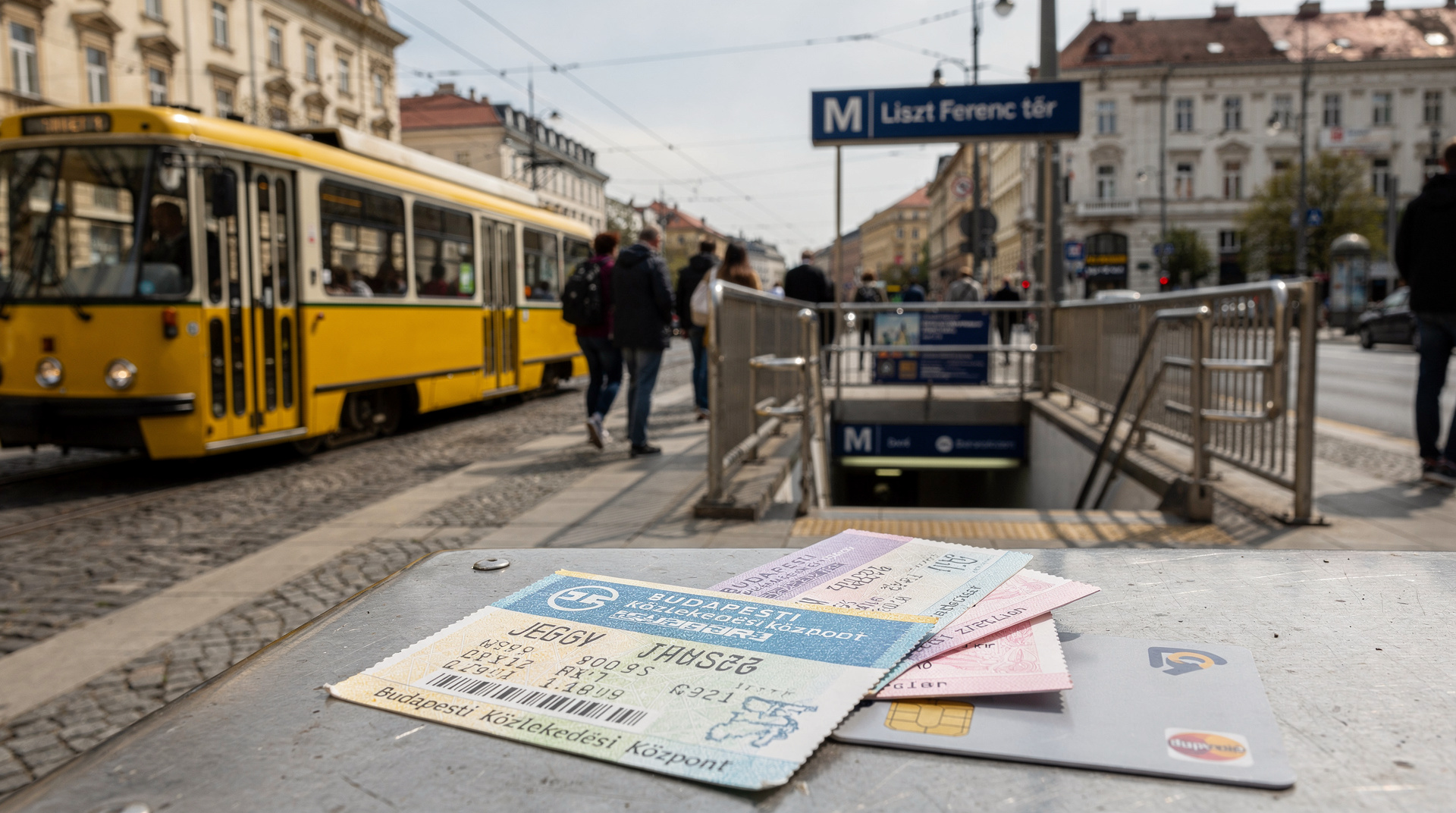
| Single ticket | 500 HUF in advance, one uninterrupted journey |
| 24-hour travelcard | 2,750 HUF, unlimited journeys |
| 72-hour pass | 5,750 HUF, the standard choice for most trips |
| Validation | Immediately on boarding — fines apply for skipping this |
| Best app | BudapestGO, for live departures and journey planning |
The metro system (M1–M4)
Budapest has four metro lines, each colour-coded and with a distinct character.
M1 (yellow) is the oldest underground railway in mainland Europe, running since 1896 below Andrássy Avenue from Vörösmarty tér to Városliget (City Park). The carriages are tiny and charming; it covers the Opera, Heroes’ Square and the Széchenyi baths area. Ride it even if you don’t need to — it’s a sight in itself.
M2 (red) crosses east-west, connecting Keleti (Eastern) railway station to Déli (Southern) station via Deák Ferenc tér, the main interchange hub. If you arrive at Keleti by international train, M2 takes you to the centre in 10 minutes.
M3 (blue) runs north-south through Pest, linking Kőbánya-Kispest (airport bus terminus) to Újpest-Városkapu. It serves Keleti, Deák Ferenc tér, Kálvin tér (for the Great Market Hall and National Museum) and Corvin-negyed. Note: sections of M3 have been progressively renovated — check the BudapestGO app for current closures before relying on specific stations.
M4 (green) is the newest line, crossing under the river from Kelenföld to Keleti via Gellért tér, Fővám tér (Great Market Hall) and the Eastern station. It’s fast, clean and useful for crossing between Buda and Pest without a bridge.
Trains run every 2–5 minutes during peak hours, every 5–10 minutes off-peak. Service ends around midnight; night buses cover the network thereafter.
Trams: the essential surface network
Trams are often faster than the metro in central Budapest because the stations are more frequent. The key lines every visitor should know:
Tram 2 runs along the Pest bank of the Danube — one of the most scenic tram rides in Europe. It passes the Chain Bridge approach, the Parliament, and continues to Margaret Bridge. The views across to Buda Castle are outstanding.
Trams 4/6 form the big circular ring through Pest (the Nagykörút). They run 24 hours — the only public transport that operates through the night — connecting Keleti station, Blaha Lujza tér, Oktogon and the West railway station. If you are out late, trams 4/6 are your night network.
Trams 17/19/41 run along the Buda bank, connecting Chain Bridge to Gellért tér and beyond. If you are staying in District I (Castle District) or District XI, these are essential.
Tram 47/49 connects Deák Ferenc tér across the Liberty Bridge to Gellért tér — the shortest Danube crossing by tram and a classic Budapest short hop.
Buses, trolleybuses and the 100E
The bus network fills every gap the metro and trams leave. For tourists, the most important line is bus 100E, the express airport bus from BUD (Liszt Ferenc International Airport) to Deák Ferenc tér in central Pest. It runs every 20 minutes and costs 2,500 HUF (no standard BKK ticket valid — 100E has a dedicated tariff). Journey time is roughly 35–40 minutes.
Trolleybuses (electric, overhead wire) operate within central Pest on several routes. They use the same BKK tickets as everything else.
For a full guide to buying and validating tickets, see public transport tickets and BKK travel passes.
The BudapestGO app
Download the free BudapestGO app before you arrive. It shows:
- Real-time departures for every metro, tram, bus and HÉV stop
- Journey planning with connection times
- The option to buy digital tickets (as of 2025; feature rollout may vary — check current availability)
- Disruption and engineering work notices
Even if you buy paper tickets at the machine, the app’s journey planner is more accurate and up to date than any static map.
Taxis and ride-hailing
This is where Budapest earns its “honest guide” title.
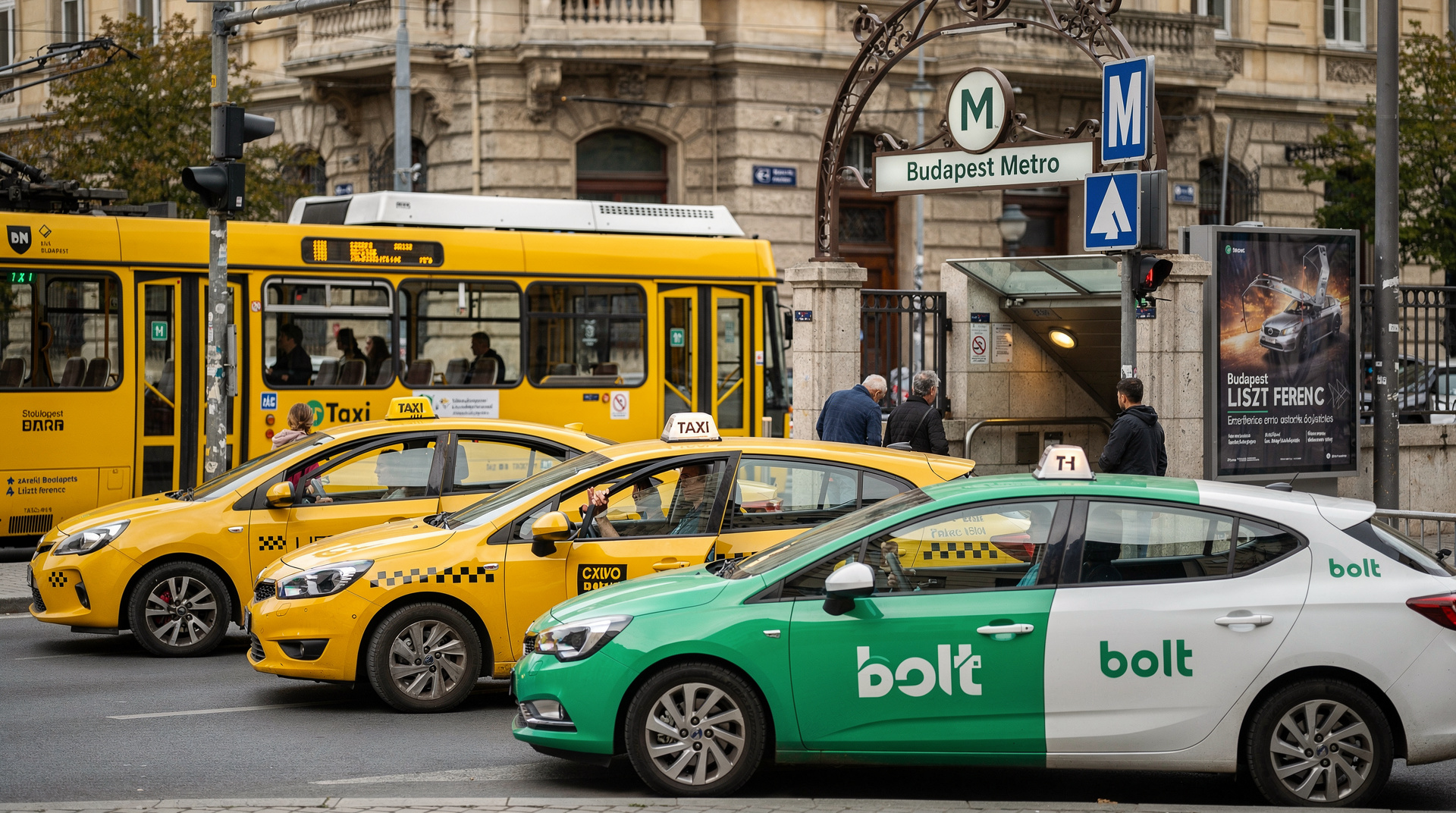
Use Bolt. The app is free, works in Hungary (and across Europe), shows you the estimated fare before you confirm, and the driver’s rating is visible. A typical central Budapest journey costs 2,000–4,000 HUF (€5–10). Download it in advance — you will need a working phone number for registration.
Official licensed taxis are legitimate but less convenient. If you need a taxi without the app, call Főtaxi (+36 1 222-2222) or City Taxi (+36 1 211-1111). The legal start rate is 1,100 HUF, then 450 HUF/km. A licensed cab has a yellow licence plate and a clearly visible taximeter.
The scams to avoid: men who approach you at Keleti station, Budapest airport or on the street offering a “taxi” or “transfer” — unlicensed, no meter, inflated prices. Never negotiate a price upfront with a street driver. If a driver does not use a meter, get out. See taxis and Bolt in Budapest for the full warning guide.
Cycling in Budapest
Budapest has invested heavily in cycling infrastructure since 2020. The riverside paths along both banks are smooth, signed and separated from traffic. Margaret Island has a dedicated car-free circuit. The inner neighbourhoods of Pest — especially District VII and District VIII — have new bike lanes.
The MOL Bubi bike-share scheme has stations every 300–500 metres in the city centre. A 24-hour pass costs around 2,000 HUF; rides under 30 minutes are free with the pass. Longer rides accrue a small per-minute charge. The app is called Bubi (available on iOS and Android).
Private bike hire and guided bike tours are available from several operators near the Chain Bridge and in the Jewish Quarter.
Getting from Buda to Pest and back
Most tourists cross the Danube more often than they expect, shuttling between the Castle District, the thermal baths in Buda, and the restaurants and ruin bars of Pest. The options:
- Chain Bridge on foot: 20 minutes, spectacular, free
- Tram 47/49: Liberty Bridge crossing in 5 minutes, 500 HUF
- M4 metro: Underground crossing from Gellért tér to Fővám tér, 2 minutes
- Bus 16/16A: Over the Chain Bridge, stops at Castle Hill base and Deák tér
The Castle Hill funicular (sikló) runs from the Chain Bridge approach up to the Castle District — a classic experience, around 1,400 HUF one way. It is not free with BKK tickets.
Night transport
Budapest has a reasonable night bus network. The numbered buses run from midnight to approximately 04:30, covering most metro routes with reduced frequency. The key night lines:
- 954/956: cover the M3 metro corridor
- 950: covers the M2 corridor
- 978/979: covers the M4 corridor
- Trams 4/6: operate 24 hours — the backbone of the night network
Night buses run every 30–60 minutes. At Sziget Festival (August), temporary night services extend the network to the festival site.
Hop-on hop-off and sightseeing transport
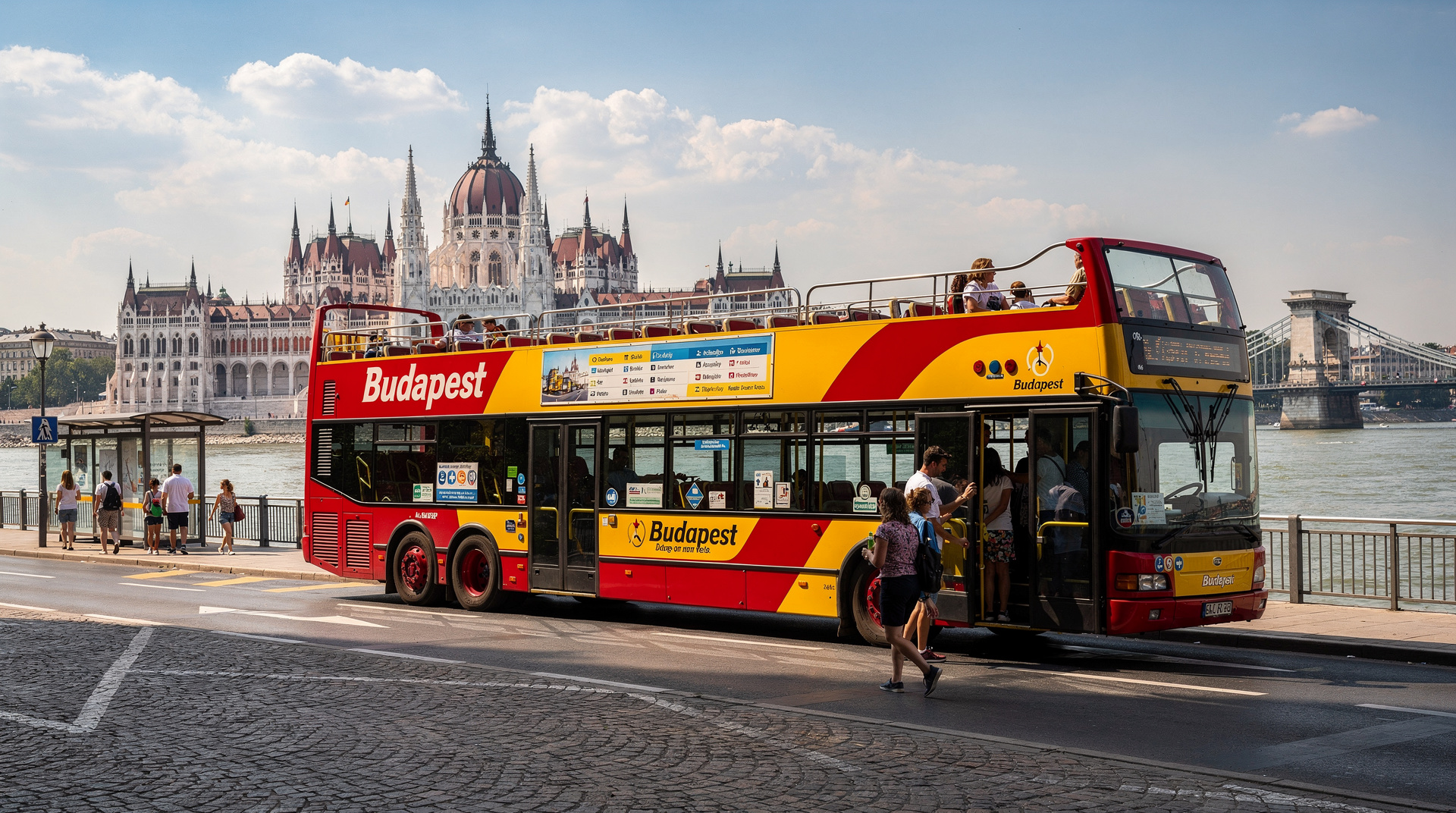
For first-time visitors who want a passive overview, the Budapest Big Bus hop-on hop-off tour with Danube cruise covers both banks and includes a river circuit. This is not a commuter option — it is a sightseeing product — but for the first day of a trip it provides a useful orientation.
For the bigger picture on costs and whether day passes or the Budapest Card saves you money, use the Budapest Card calculator and the currency converter for current HUF/EUR rates.
Ticket types compared
| Ticket | Cost | Best for |
|---|---|---|
| Single ticket | 500 HUF | One trip, no transfers |
| 24-hour travelcard | 2,750 HUF | A single busy sightseeing day |
| 72-hour pass | 5,750 HUF | Most short trips (3–4 days) |
| Budapest Card | Varies by duration | Transport plus museum/bath discounts bundled |
Run your own numbers with the Budapest Card calculator before deciding between a travelcard and the card — the card only pays off if you are also visiting several paid attractions.
Getting to and from the airport specifically
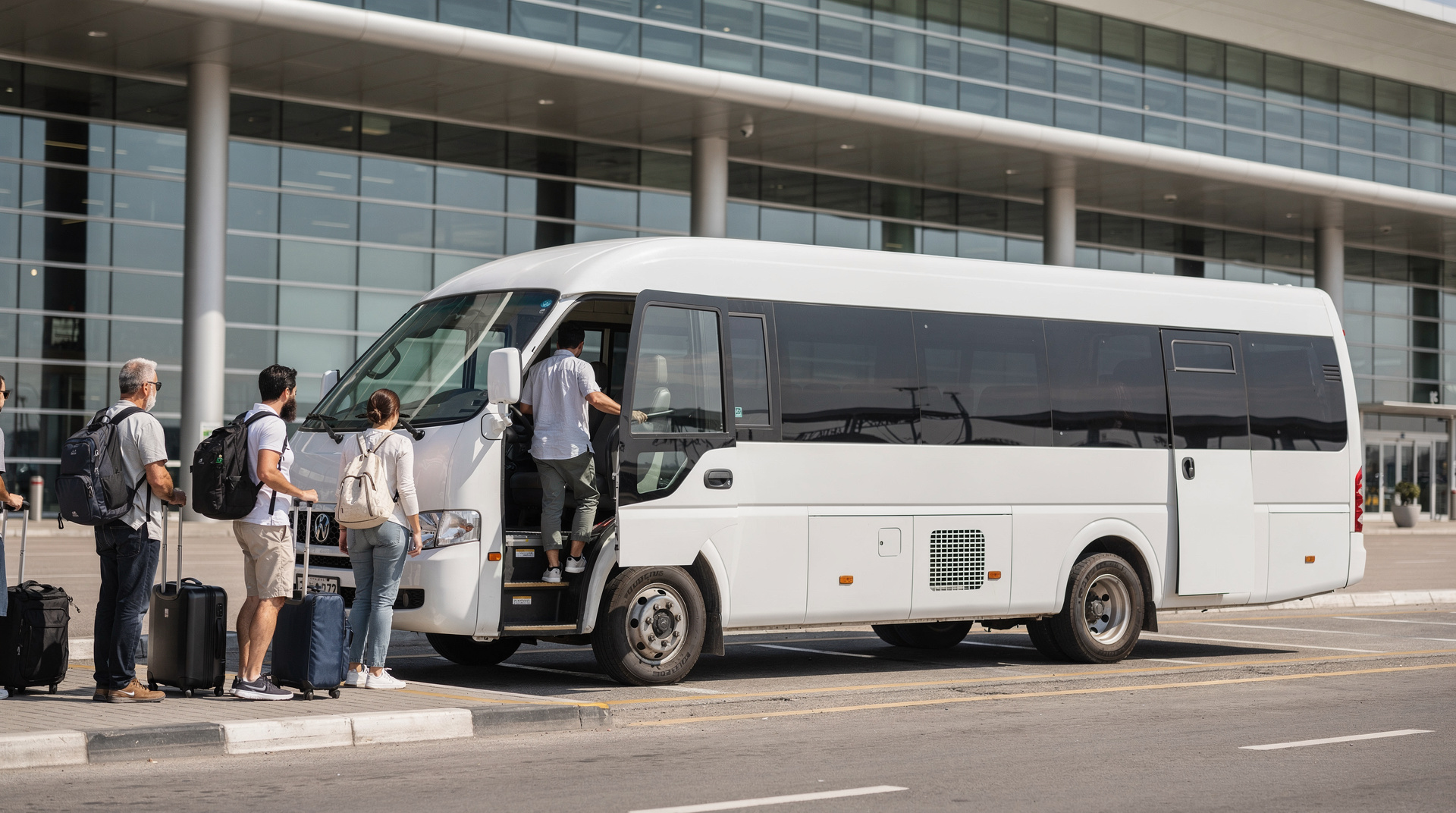
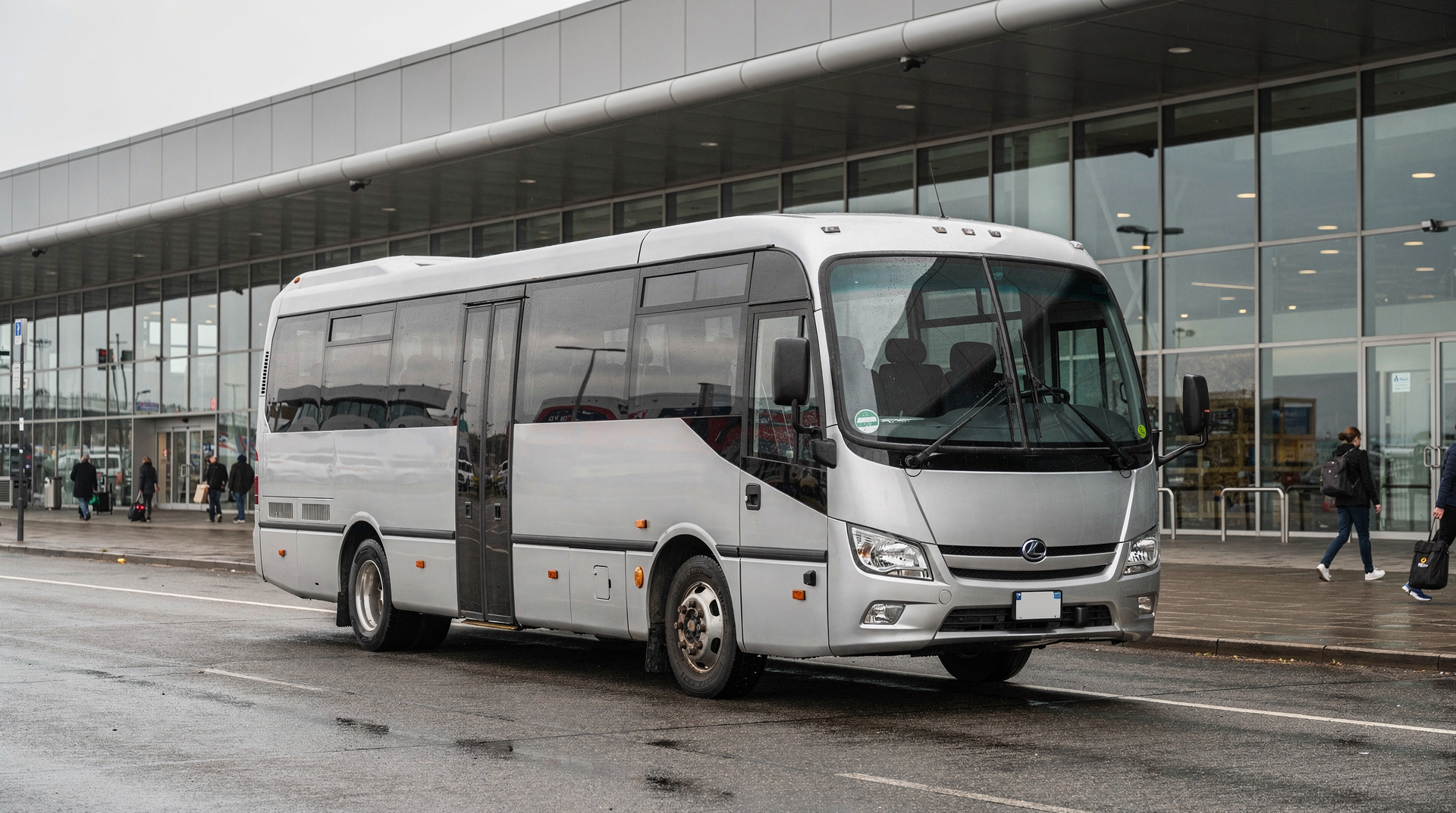
BUD airport sits outside the city centre, and airport transport uses different fare rules from the rest of the network. Bus 100E has its own dedicated fare (2,500 HUF) rather than a standard BKK ticket, running every 20 minutes to Deák Ferenc tér in roughly 35–40 minutes. Bolt is the door-to-door alternative and the option most first-timers find easiest after a long flight. Shared shuttles and private transfers exist for larger groups or late-night arrivals when public transport frequency drops. The full comparison of every option, including pricing and journey times, is at Budapest airport to city centre.
A private airport transfer is worth considering for late arrivals, families with luggage, or anyone who wants to skip the logistics entirely on their first evening.
Practical tips
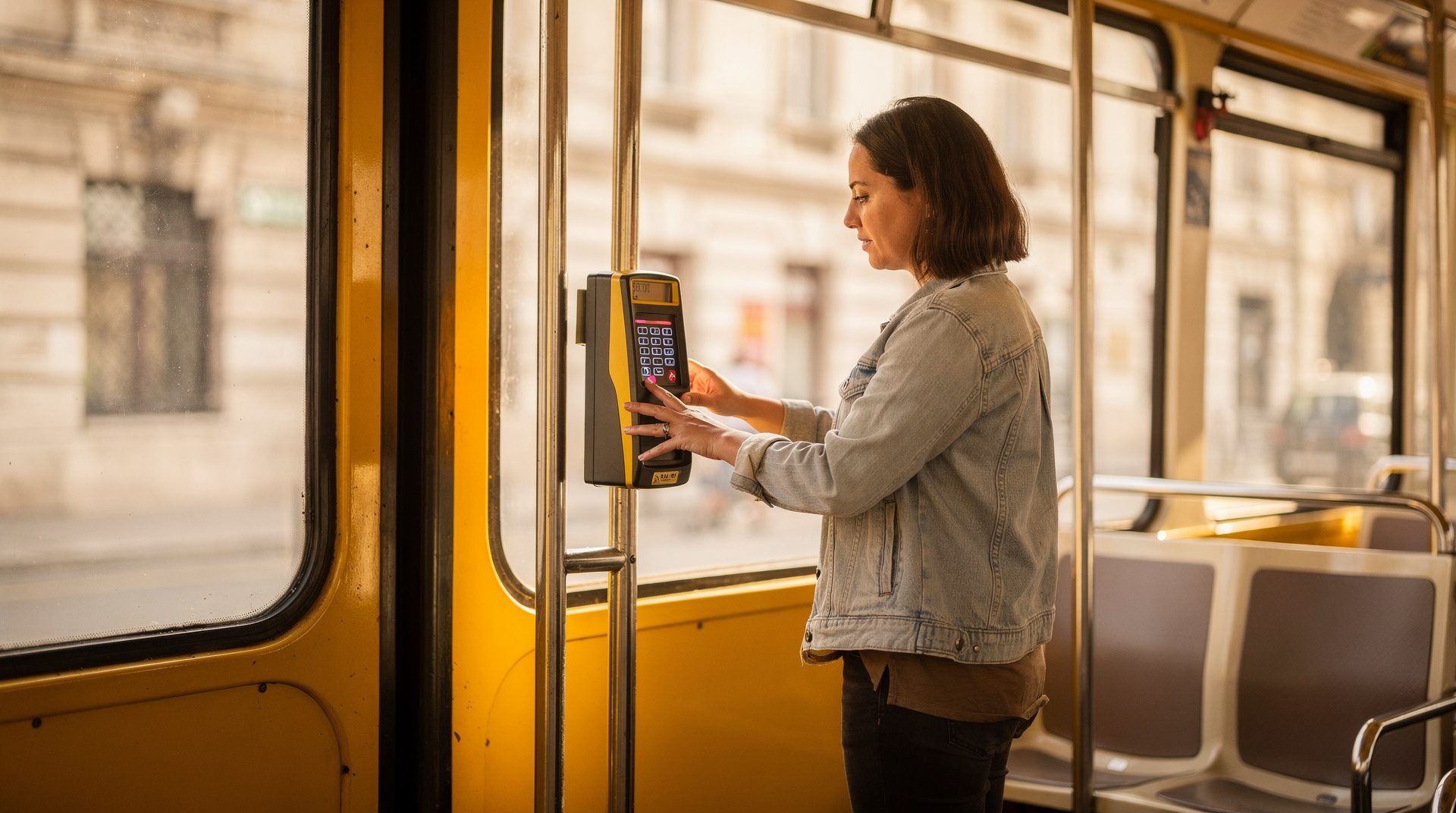
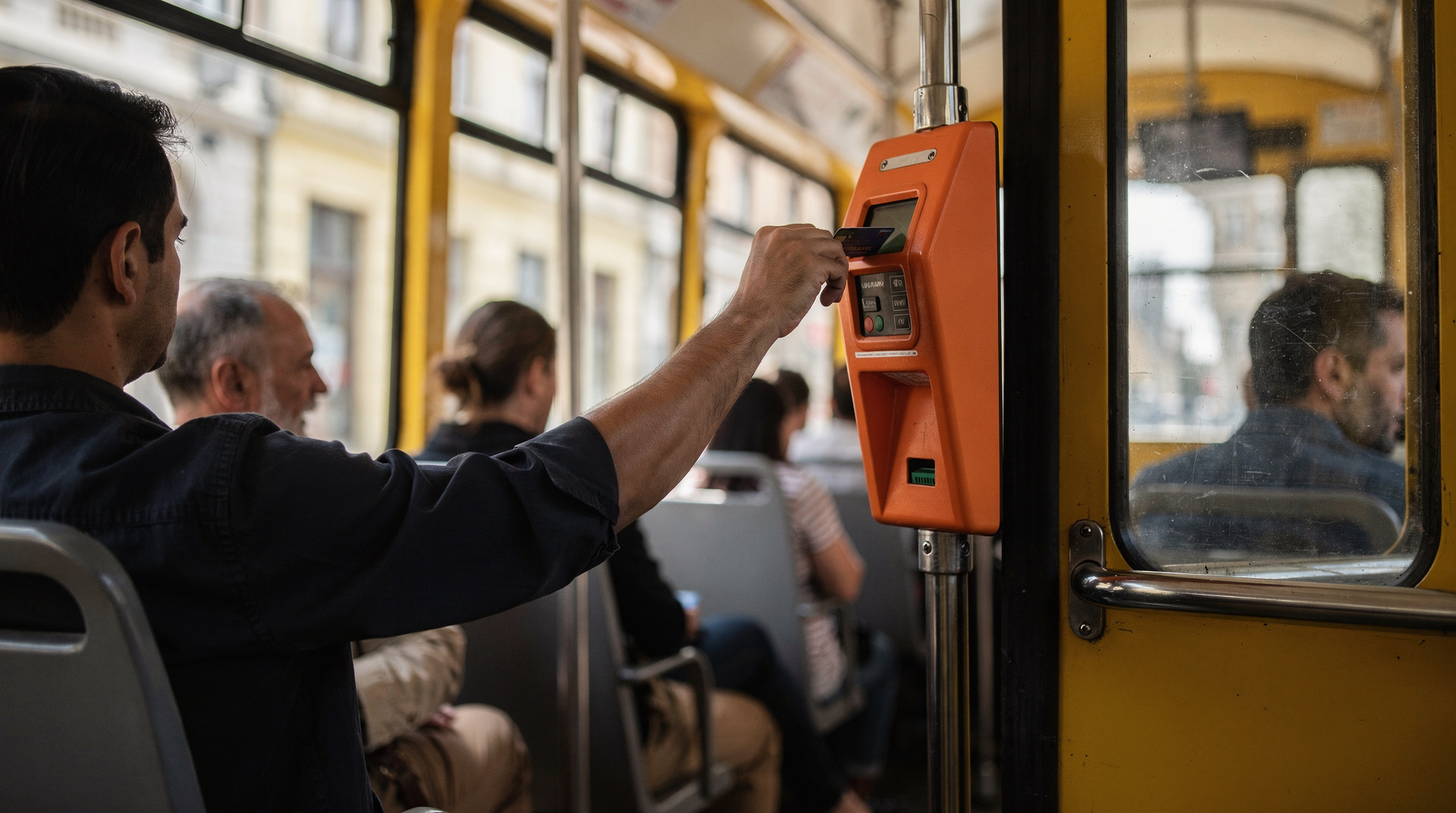
Validate immediately: On trams and buses, validators are at the door. On the metro, validate before passing the barrier. A valid ticket or pass must be visible if an inspector boards — they carry handheld devices and are not lenient with tourists.
Single tickets do not cover transfers: A single ticket (500 HUF) is valid for one uninterrupted journey on one vehicle. If you change trams or transfer to a different metro line, you need a new ticket or a travelcard. The 24-hour or 72-hour pass is unlimited and the easiest option for any multi-journey day.
Accessibility: The M4 metro and newer tram stops are fully accessible. The M1, M2 and M3 lines have fewer lifts — check BudapestGO for accessible routing if needed. See accessible Budapest for a full guide.
Budapest Card: If you plan 3+ journeys per day plus museum visits, the Budapest Card bundles unlimited transport with museum admissions. Run the numbers at the calculator before buying.
For planning your arrival from BUD airport, see Budapest airport to city centre — the dedicated guide to every transfer option including bus, shared shuttle, private taxi and the pros and cons of each.
Frequently asked questions about Getting around Budapest
How much does public transport cost in Budapest?
A single ticket costs 500 HUF when bought in advance (700 HUF from the driver). A 24-hour travelcard is 2,750 HUF and a 72-hour pass is 5,750 HUF. Validate your ticket immediately on boarding — inspectors are frequent and fines are around 16,000 HUF on the spot.Is Budapest easy to navigate without a car?
Very easy. The city centre is compact, the metro lines are fast and logical (M1, M2, M3, M4), and trams run continuously along the Danube. Most tourist sights are within walking distance of a metro stop. A car is only useful for day trips to the Danube Bend, Balaton or Eger.What is the Bolt app and is it safe in Budapest?
Bolt (formerly Taxify) is a ride-hailing app like Uber that operates legally in Budapest. The fare is metered in the app before you confirm, and the driver rating system keeps standards high. It is consistently the cheapest and most reliable taxi option. Download it before landing at BUD airport.Are there taxis in Budapest that are not scams?
Yes — licensed Budapest taxis have a start rate of 1,100 HUF and 450 HUF per km. The scam involves unlicensed cabs, especially outside Keleti railway station and at the airport taxi rank. Always use Bolt or official taxi companies (Főtaxi, City Taxi). Never get in a car if a driver approaches you unsolicited.Can I cycle around Budapest?
Yes. Budapest has over 200 km of dedicated cycling paths. The MOL Bubi bike-sharing scheme has docking stations across the city; a day pass costs around 2,000 HUF. The Danube Promenade path and Margaret Island circuit are particularly good. Cycling on Castle Hill is steep but some riders manage it.Does the Budapest Card include public transport?
Yes. The Budapest Card includes unlimited BKK public transport for its duration (24, 48, 72 or 96 hours) plus more than 30 free visits and activities. See the full breakdown at the /tools/budapest-card-calculator/ to check whether it saves money for your itinerary.What is the difference between BKK and BKV?
BKK (Budapesti Közlekedési Központ) is the transport authority that manages the network and sells tickets. BKV (Budapesti Közlekedési Vállalat) is the operator that runs the vehicles. As a visitor you interact mainly with BKK — the app is BudapestGO, and BKK tickets are valid across all metro, tram, bus and trolleybus services within Budapest city limits.How do I get from one side of the Danube to the other?
The Chain Bridge, Elizabeth Bridge, Liberty Bridge and others carry trams and buses. The metro M4 crosses under the river (Gellért tér to Fővám tér). Tram 2 runs along the Pest bank with riverside views. Tram 19/41 runs along the Buda bank. The river crossing takes a few minutes by any of these routes.Should I buy single tickets or a travelcard?
If you plan three or more journeys in a day, the 24-hour travelcard (2,750 HUF) is cheaper than buying single tickets individually and removes the need to validate a new ticket for every trip. For a multi-day visit, the 72-hour pass (5,750 HUF) is the standard recommendation for most first-time visitors.Is there an app for buying Budapest transport tickets?
BudapestGO is the official app and supports digital ticket purchase, though feature availability has varied by rollout phase — check current functionality when you arrive. Physical ticket machines at every metro station and most tram stops remain a reliable fallback and accept card payment.
Top experiences
Bookable activities with verified prices and instant confirmation on GetYourGuide.