Common scams in Budapest: the complete honest guide

What are the most common scams in Budapest?
The three most impactful are: (1) the konzumlány bar scam — a 'friendly local' steers you to a bar and the bill is 10× what you expect; (2) taxi overcharging — especially at Keleti station and the airport; (3) ATM and currency exchange traps — Euronet machines and airport bureaux with terrible rates. All are avoidable with basic awareness.
The honest overview
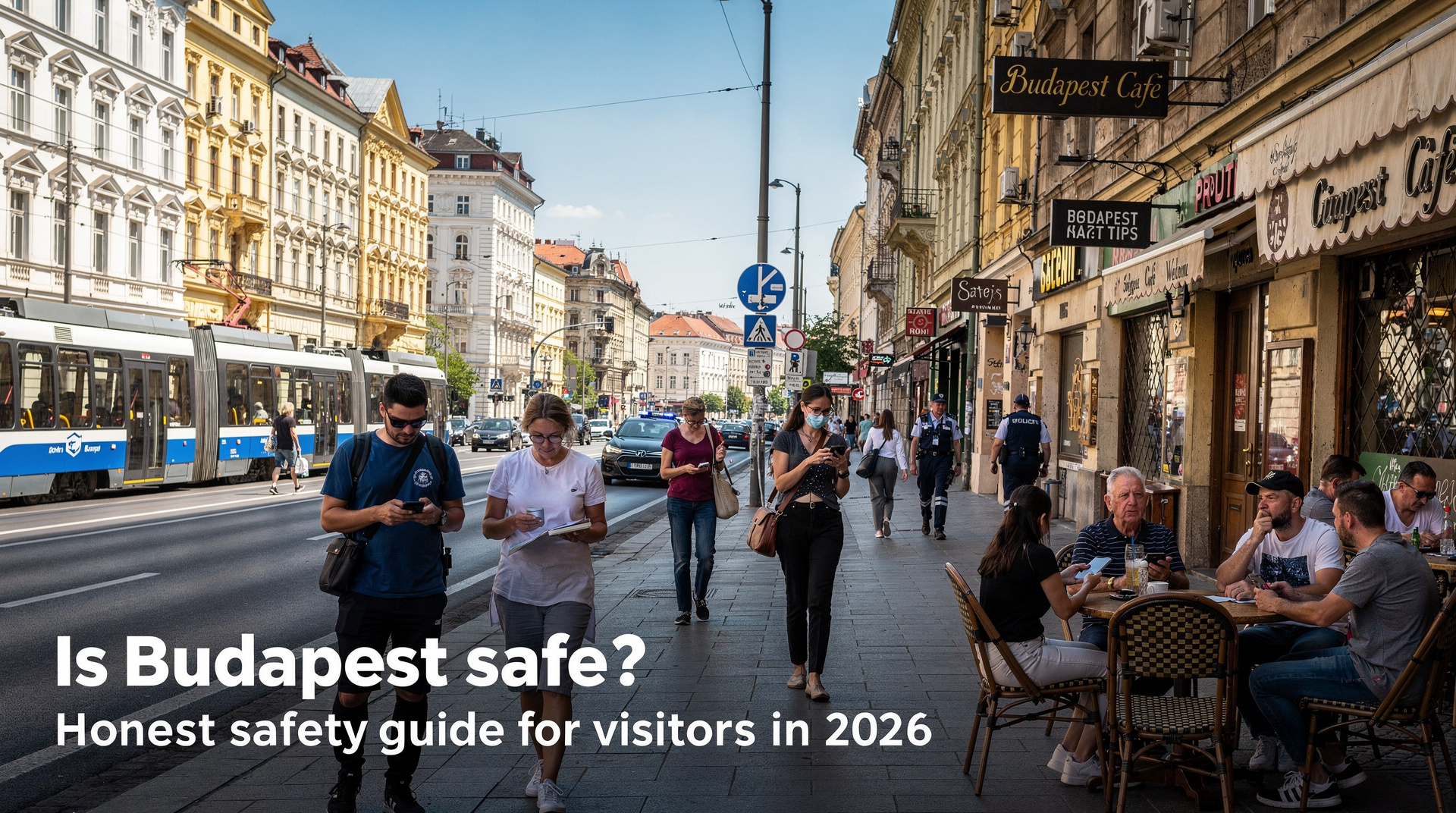
Budapest is a genuinely safe city by European standards. Violent crime targeting tourists is rare. The police presence in central areas is visible. Most encounters with locals — in shops, restaurants, on public transport — are straightforward.
The risk in Budapest is financial. A handful of specific, well-established scams target tourists and can be expensive if you are not prepared. This guide covers every significant one with enough detail to avoid them entirely.
| Highest-risk areas | District VII ruin-bar streets, Váci utca, Keleti station, the airport |
| Highest-risk times | Late evening in the party district; arrival at the airport |
| Typical cost if caught out | 25,000–200,000+ HUF depending on the scam |
| Single best precaution | Install Bolt before you land; never let a stranger pick your bar |
| Where to report | Budapest Tourism Police, Sütő utca 2, near Deák tér |
The konzumlány bar scam (bar bill inflation)
This is Budapest’s most notorious tourist trap and it remains active in 2026.
How it works:
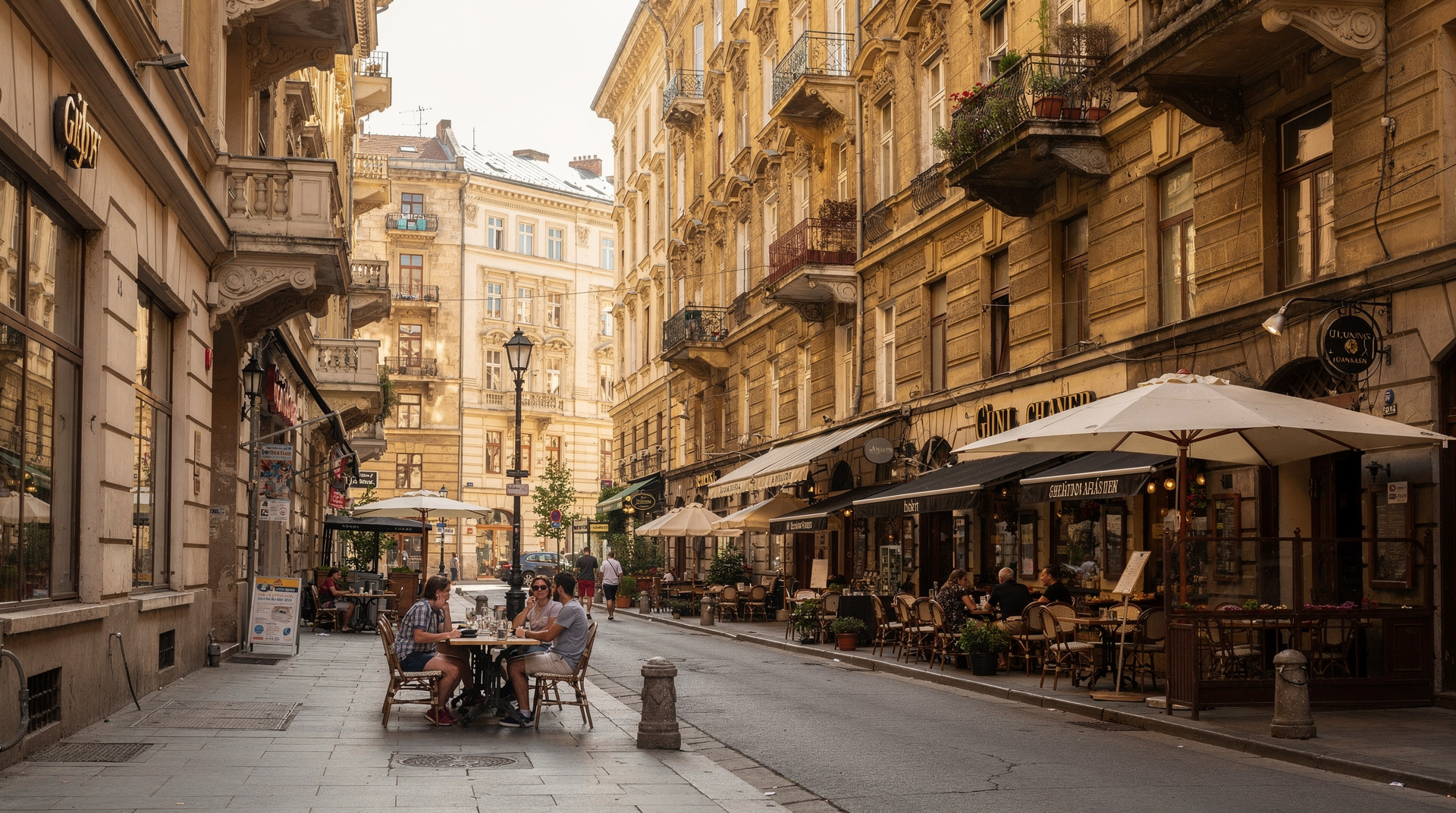
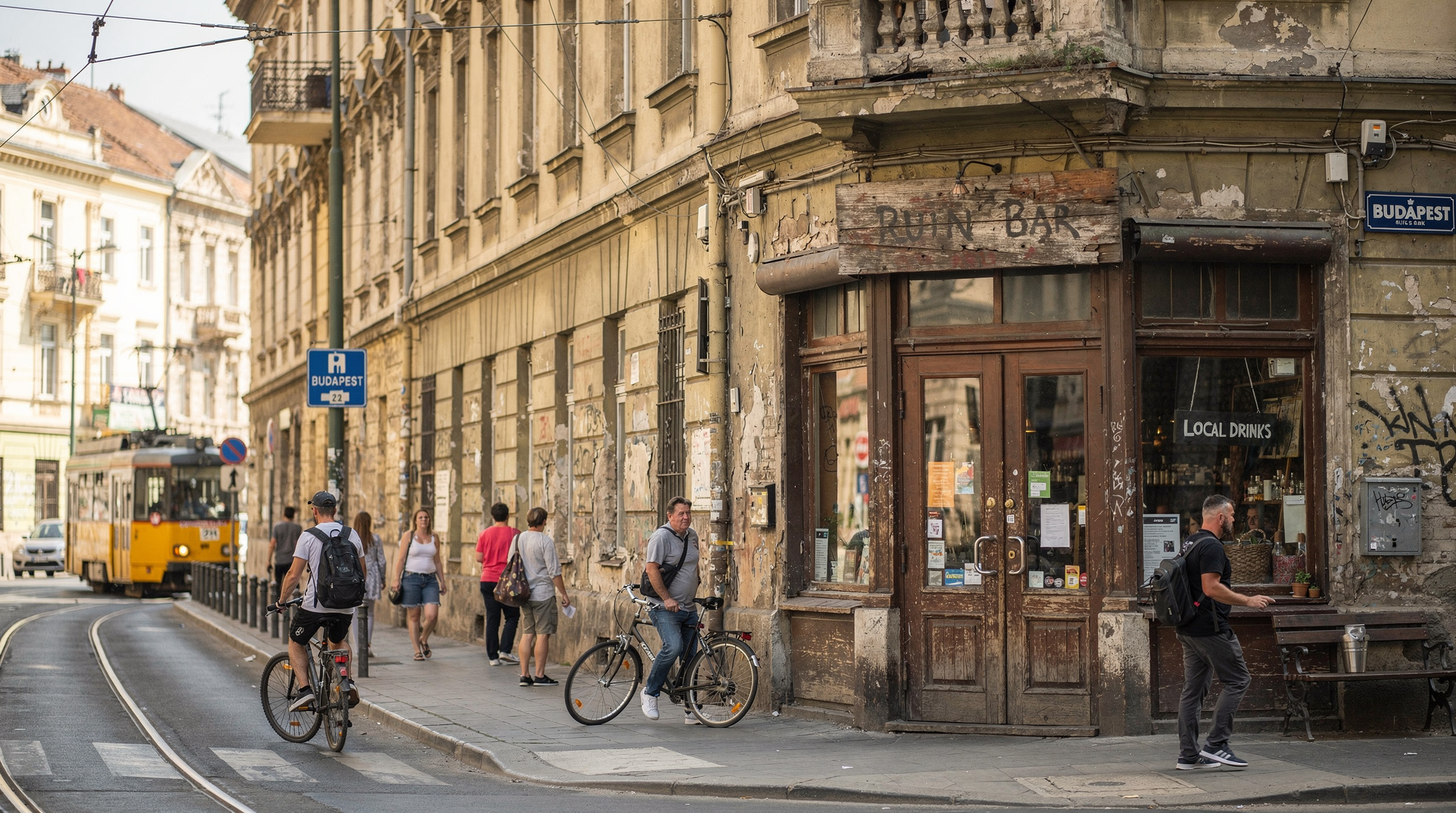
A well-dressed local woman — or occasionally a group of two — approaches a tourist (usually a solo male traveller or a small group of men) near the ruin bars of District VII or in the pedestrian streets around Gozsdu Udvar. She is friendly and chatty, speaks excellent English, and suggests a bar she knows where the atmosphere is great and drinks are reasonable. The tourist agrees.
At the bar, drinks arrive without price discussion. A second round appears, perhaps pushed by bar staff. After 30–45 minutes, the bill comes. It is enormous: 80,000–200,000 HUF (€200–500) for a few drinks. The woman may have ordered expensive bottles of wine or cocktails without mentioning the price. The tourist protests; bar staff (and sometimes a large doorman) explain calmly that this is the bill. The woman has disappeared.
Why it works:
Tourists in an unfamiliar city are reluctant to cause a scene. The amount is large enough to hurt but not so large as to seem obviously criminal. The bar often shows a laminated menu with prices — for the drinks you ordered, at 4,000 HUF each, the bill looks mathematically correct.
Protective behaviours:
- Never let a stranger choose your bar. If you want recommendations, ask at your hotel or check Google Maps for reviewed venues in the ruin-bar district.
- If you are already in a bar and sense something is wrong, ask for the menu and check prices before ordering a second round.
- Before entering any unfamiliar bar at night, check Google Maps reviews — look specifically for “overpriced” or “bill” mentions in recent reviews.
- If someone approaches you on the street and immediately suggests a specific bar, decline. Real locals do not do this.
Full details and the ruin-bar context at ruin bar rip-offs guide.
What the evening looks like from the inside:
The scam is built on momentum. Nothing in the first ten minutes feels wrong: the conversation is easy, the bar looks like any other, and the person you are with seems to know the staff. That is the point. By the time the bill arrives you have already spent an hour being a guest, which makes the argument that follows feel rude rather than reasonable. Knowing this in advance changes how you react. The moment a stranger proposes a specific venue, the polite answer is a smile and “we already have plans”, and the evening carries on as it would have anyway.
Groups are not immune. Stag parties and friends on a long weekend are often targeted precisely because the group is relaxed, a little drunk and keen to meet locals. If you are travelling for a celebration, read the Budapest stag do weekend itinerary and the nightlife guide so that your venues are chosen before the first drink, not by whoever speaks to you on the street.
Taxi overcharging
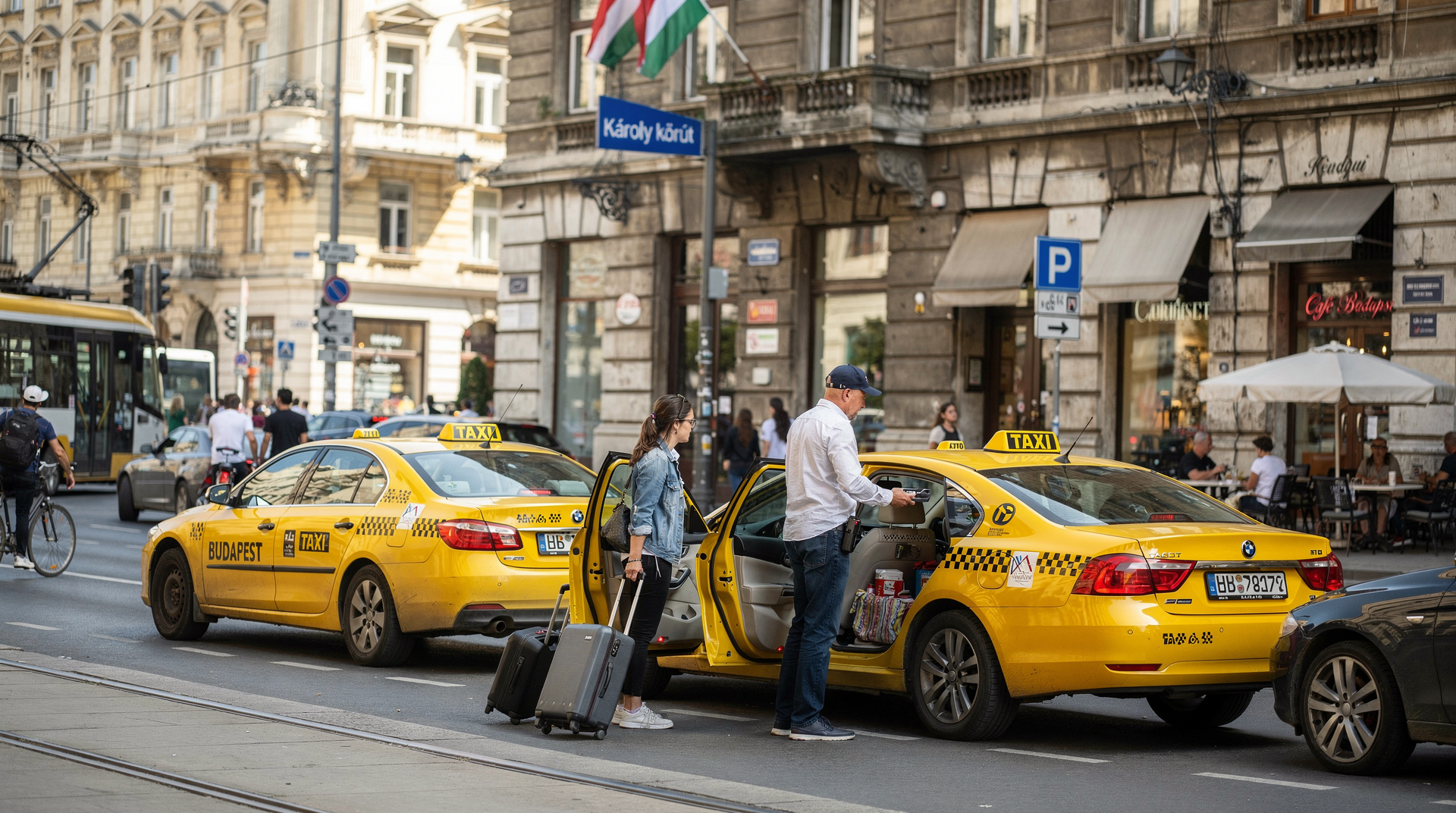
The Budapest taxi scam has three main settings: Keleti station, the airport, and late-night tourist areas. In each case, a driver either charges a flat inflated price or uses a rigged meter.
The solution is Bolt (ride-hailing app). Price shown before you confirm. Route tracked. No cash dispute possible. Install it before you land.
From the airport, the legitimate alternative is bus 100E (2,500 HUF airport ticket) + metro (500 HUF): about 3,000 HUF total to central Pest. A Bolt ride costs 4,500–6,500 HUF (€11–16). A street taxi has charged tourists 25,000–40,000 HUF for the same journey.
Full breakdown at Budapest taxi scams guide.
Most of the pressure disappears once you know how the city’s public transport works. Our guides to taxis and Bolt, getting from the airport to the centre, the metro and public transport tickets cover the practical side, so that you are never standing at a station exit negotiating with a stranger. If you plan to use buses, trams and the metro heavily, it is worth comparing a travel pass with single tickets in the BKK travel passes guide, and checking whether a Budapest city card that bundles transport and entries suits your plans. Having a ticket or pass already in your pocket means one less transaction where something can go wrong.
ATM and currency exchange traps
Euronet ATMs (orange branding): found throughout tourist areas. Two mechanisms that cost you money:
- High per-withdrawal fees — typically €3–5 equivalent per transaction
- Dynamic Currency Conversion (DCC) — the machine offers to charge you in your home currency. This sounds convenient but locks in a terrible exchange rate (5–10% worse than your card’s rate). Always select HUF.
Better alternative: OTP Bank, K&H, Raiffeisen or UniCredit ATMs. These are standard Hungarian bank machines with lower fees and no DCC pressure. Even better: use a card without foreign ATM fees (Wise, Revolut, Starling) and withdraw HUF in larger amounts to minimise per-transaction cost.
Airport currency exchange: the bureaux at Liszt Ferenc Airport offer rates typically 8–15% worse than the interbank rate. This is not a scam exactly — the rates are displayed — but they are designed for passengers who do not know what the rate should be. The airport has a Raiffeisen Bank ATM in the arrivals hall; use that instead.
Card payments: when paying by card at any Budapest business, if the card reader asks “Do you want to pay in HUF or EUR/GBP/USD?” — always select HUF. Paying in your home currency gives the merchant’s exchange rate, which is always worse than your bank’s rate. This is Dynamic Currency Conversion and it applies everywhere, not just at ATMs.
A simple routine for money: decide before you arrive how you will get cash, and stick to it. Withdraw from a bank ATM in a single larger amount, pay by card where cards are accepted, and always answer the currency question with HUF. Looking at the receipt for a moment before you walk away takes seconds and catches most mistakes. For the wider picture on spending, see the daily budget guide and is Budapest expensive?.
Restaurant overcharging
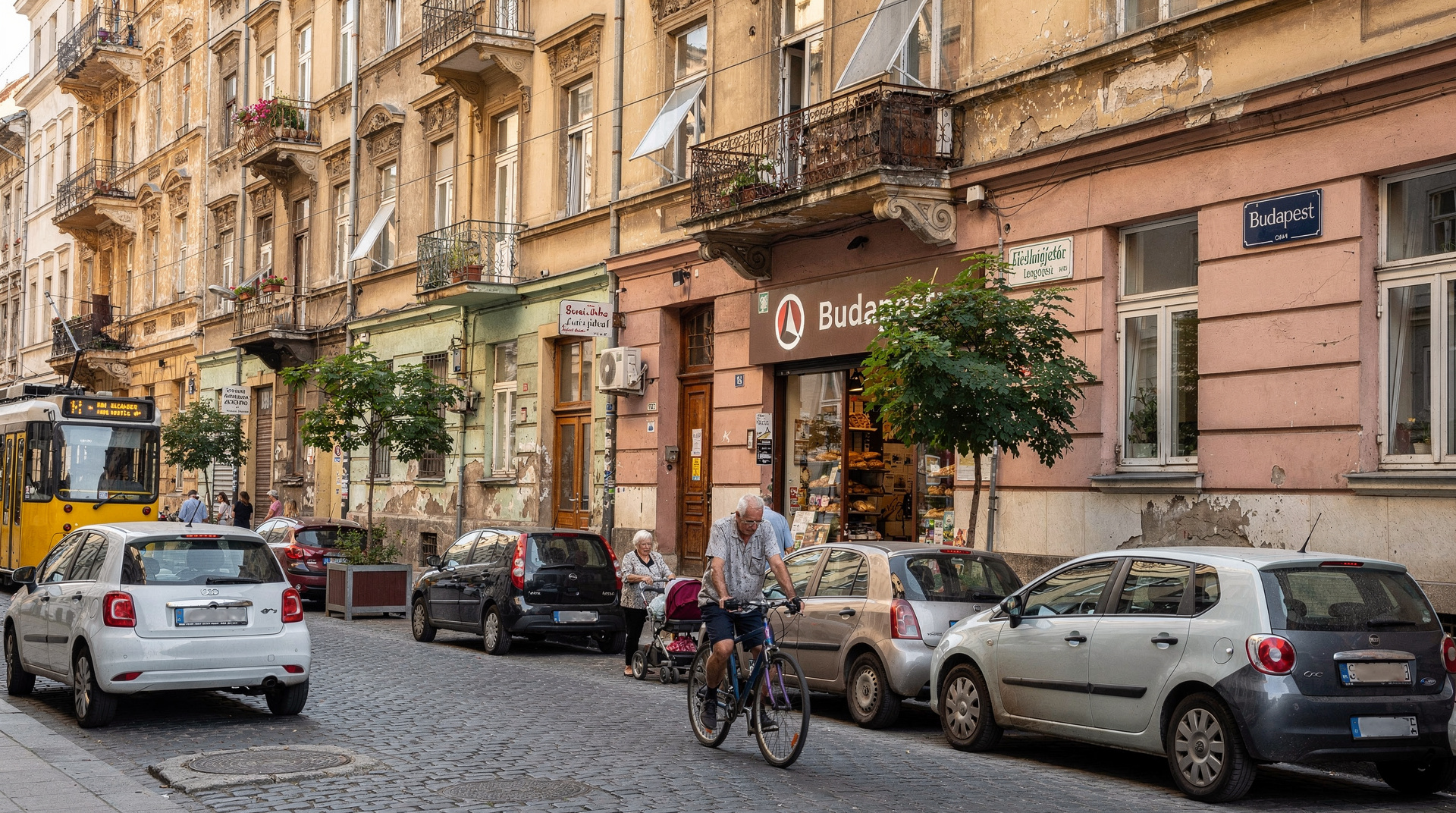
The mechanism on Váci utca (the main tourist shopping street in District V):
- Waiters standing outside and aggressively inviting tourists in — legitimate quality restaurants do not need to do this
- Bread served automatically and charged at 1,000–1,500 HUF per person without mention
- Service charge of 10–12% added at the end
- Prices on the outside menu reflecting food only; drinks priced separately and not flagged upfront
One block east or west of Váci utca, prices are 30–50% lower for equivalent food. The Central Market Hall (Nagy Vásárcsarnok) five minutes south serves excellent traditional food at real prices.
See Váci Street tourist trap guide for specific restaurant recommendations and what to order where.
Good habits at the table are simple. Ask to see the full menu, drinks included, before you sit down. Check whether a service charge is already printed on the bill before adding a tip on top. And if something on the receipt is unclear, ask the waiter to explain it line by line; an honest restaurant will do so without fuss. For places worth your money, start with the best restaurants in Budapest, the street food guide and the Central Market Hall guide.
Bath ticket resellers
Outside Széchenyi Baths, people sell bath tickets. Some are legitimate tickets at a markup. Some are counterfeit. Some are associated with pickpocket operations.
There is no legitimate reason to buy from anyone other than the official ticket desk or a verified online platform. Do not engage. See bath ticket mistakes for the full picture.
Minor scams worth knowing
The dropped bracelet: someone drops or hands you a bracelet, insists it is a gift, then demands payment. Common near tourist sights. Decline the bracelet firmly and keep moving.
Fake charity collectors / petition signers: people with clipboards asking for signatures for “charity” petitions, then demanding a cash donation. Do not sign anything or give money.
Fake monks / religious figures: less common than in some Asian cities but occasionally reported. Real Buddhist or other religious organisations do not approach tourists on streets for cash.
Overpriced “local guides” at sights: people near the Parliament or Buda Castle offering informal guided entry — they are not licensed guides and the “special access” they promise does not exist. Use licensed tours with transparent pricing.
If you would rather have a knowledgeable person beside you than work it all out alone, a guided walk through the city centre is an easy way to see the main sights with a booked, clearly described itinerary. You can also compare options in our guides to walking tours and free walking tours, and read the first time in Budapest guide for a calm overview of the city before you land.
Scam risk by area and time
| Area / situation | Risk level | Main scam |
|---|---|---|
| District VII ruin-bar streets, after 10pm | High | Konzumlány bar scam |
| Airport arrivals hall | High | Currency exchange, taxi touts |
| Keleti station | High | Taxi overcharging |
| Váci utca | Moderate | Restaurant overcharging |
| Near Széchenyi Baths entrance | Moderate | Bath ticket resellers |
| Metro and trams, daytime | Low | Occasional pickpocketing in crowds |
| Residential districts (II, XI, XIII) | Low | Essentially none tourist-specific |
This is a useful mental map for a first visit: the risk concentrates heavily around specific streets and times rather than being spread evenly across the city. Ordinary daytime sightseeing in the Castle District or a walk through Downtown Pest carries essentially none of these risks — it is the nightlife zone and the transport pinch points that need active awareness.
Nightlife-specific precautions
Because the konzumlány scam concentrates so heavily in the party districts, it is worth pairing this guide with the best areas for nightlife guide before choosing where to spend an evening — picking a well-reviewed bar in advance removes most of the risk before you even arrive. If you are joining an organised pub crawl rather than bar-hopping independently, the group format itself is a reasonable protective measure, since organised tours use vetted venues with posted prices.
An official guided pub crawl is a straightforward way to enjoy District VII’s nightlife with transparent pricing and no risk of being steered into an unvetted bar.
Keeping your belongings safe
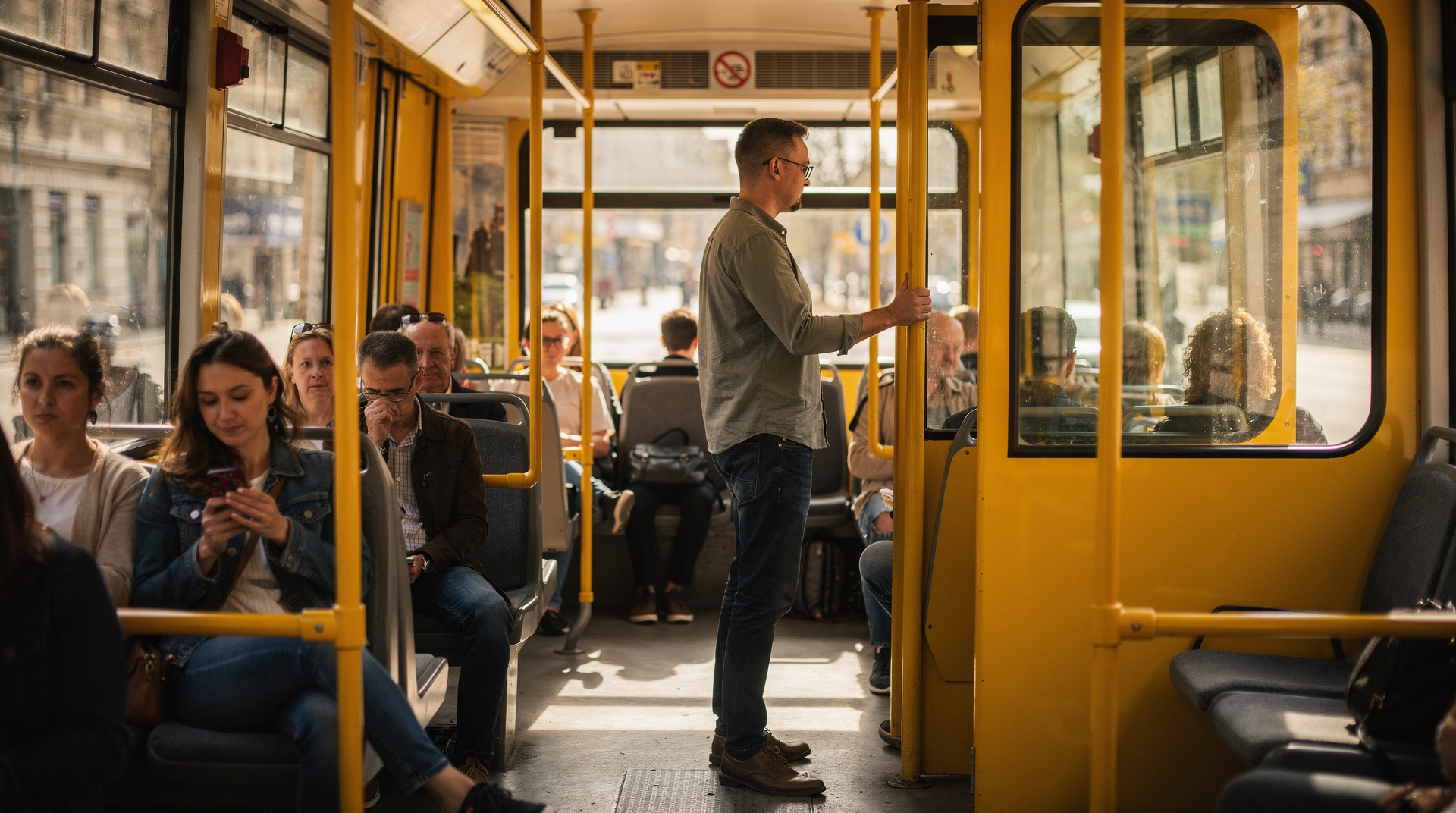
Pickpocketing is the one non-financial-trick risk worth a paragraph. It is occasional rather than rampant, and it clusters where crowds do: packed metro carriages, busy trams, the queues at major sights and the crush outside popular bars. Keep your phone and wallet in a front pocket or a zipped bag, do not leave a phone on a café table, and be wary of any sudden distraction, such as someone bumping into you or asking for help with a map. The Budapest metro guide and the Heroes’ Square and City Park guide are useful for planning busy-time visits.
If you are travelling alone, as a couple or with children
Solo travellers, especially men on a night out, are the usual target of the bar scam, so the advice in the solo travel guide is worth reading. Couples tend to be approached less, and a romantic evening built around a pre-booked dinner or a cruise leaves little room for improvisation. Families rarely meet the nightlife scams at all; for them the realistic risks are the taxi rank and the tourist-street restaurant, both covered above. See Budapest with kids for a family-friendly plan.
The honest context
None of these scams are unique to Budapest. Taxi overcharging happens in Madrid, Rome and New York. Bar scams operate in Barcelona, Prague and Amsterdam. Euronet-style ATM fee structures exist across Europe.
Budapest is not uniquely dangerous or dishonest. But the specific Budapest forms of these scams — especially the bar scam — are distinctive enough that awareness helps. The single most protective action you can take is installing Bolt before you land.
For the full safety picture, see is Budapest safe? and Budapest tourist traps.
This guide is part of our honest Budapest hub.
Frequently asked questions about Common scams in Budapest
Is the konzumlány bar scam still happening in Budapest?
Yes, as of 2026 it continues to operate in District VII. The typical setting is near Gozsdu Udvar, Kazinczy utca or the main ruin-bar streets. The woman initiating contact is typically well-dressed, speaks fluent English and is very friendly. The bar she suggests will not have obvious prices displayed. The solution is simple: choose your own bars, always confirm prices before ordering.How does the Euronet ATM scam work?
Euronet ATMs (orange branding) charge high fixed fees per withdrawal and offer to let you pay in your home currency (Dynamic Currency Conversion or DCC). If you select your home currency, they apply their own exchange rate — consistently 5–10% worse than your card's rate. The combination of DCC and fees can cost you 10–15% extra on every withdrawal. Always select HUF and use bank ATMs (OTP, K&H, Raiffeisen).Are currency exchange offices in Budapest honest?
Most exchange offices in tourist zones and at the airport offer poor rates. The airport bureaux in particular are designed for captive passengers. Before visiting any exchange office, check the rate on Google for EUR/HUF or USD/HUF, then compare. A legitimate exchange office will be within 1–2% of the interbank rate. Anything more is a markup designed for tourists. Use bank ATMs instead.What should I do if I am presented with an enormous bar bill?
Stay calm, do not sign anything or hand over a card. Take a photo of the bill if possible. Ask for an itemised receipt. Note the name and address of the bar. Pay the minimum you can — the alternative (confrontation with venue staff) is not safe. Report to the Budapest Tourism Police at Sütő utca 2 (near Deák tér) or via the city's tourist complaint system. Leave detailed reviews on Google Maps and TripAdvisor immediately.How do overpriced restaurants on Váci utca work?
The mechanism is usually cover charges for bread (1,000–1,500 HUF per person, not mentioned when you sit down), service charges added to the final bill (10–12%), and prices quoted for food only while drinks are priced separately at tourist rates. Walk away if a waiter approaches you on the street — this aggressive touting is a sign of a restaurant that does not rely on quality.What other scams exist in Budapest?
Less common but reported: the 'dropped bracelet' trick near tourist sights (someone drops a bracelet, insists you keep it, then demands money); petition signers who claim to represent a charity and then demand payment; and fake monks collecting donations. None are as financially damaging as the taxi or bar scam, but awareness helps.
Top experiences
Bookable activities with verified prices and instant confirmation on GetYourGuide.