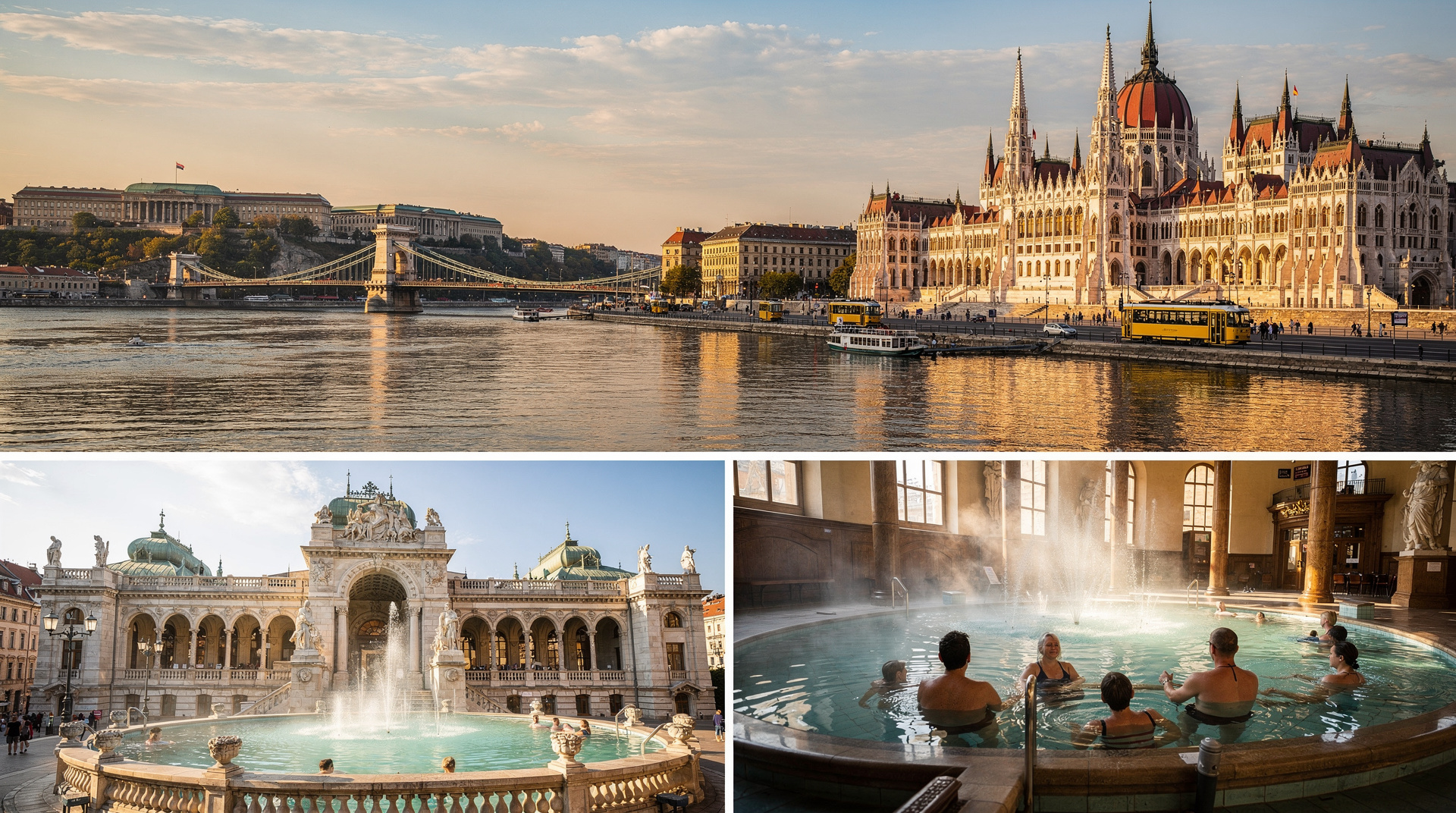
Budapest 3-day itinerary: the classic trip, day by day

Three days is the gold standard for Budapest. Long enough to feel like you know the city rather than just passed through it, short enough to maintain momentum and curiosity. You will see both Buda and Pest in depth, soak in a thermal bath, cruise the Danube after dark, eat gulyás and lángos in the right places, and find yourself in the ruin bars of the Jewish Quarter wondering why you didn’t book more time.
This itinerary is built for first-time visitors but structured in a way that rewards travellers who want to understand why Budapest became one of Europe’s most compelling cities — not just a list of monuments to tick off.
| Where | Buda day 1, Pest and Széchenyi day 2, Jewish Quarter and Danube day 3 |
| Cost | around 102,000–122,000 HUF (€255–305) per person, mid-range |
| Time needed | three full days, best as a Thursday–Sunday or Friday–Monday break |
| Getting there | on foot + metro M1/M2/M3 + a 72-hour BKK travelcard |
| Best time | spring or autumn; book Parliament, Széchenyi and the dinner cruise ahead |
Day-by-day summary
| Day | Focus | Highlights |
|---|---|---|
| Day 1 | Buda | Fisherman’s Bastion, Matthias Church, Royal Palace, Gellért Hill |
| Day 2 | Pest | Parliament, Great Market Hall, Széchenyi Baths, Andrássy út |
| Day 3 | Jewish Quarter + Danube | Dohány Synagogue, House of Terror, dinner cruise, ruin bars |
If you have a fourth day available, the Budapest 4-day itinerary adds a Danube Bend excursion, and the Budapest 5-day itinerary goes further still. For a dedicated focus — family travel, couples, budget travel — see the specialised itineraries linked throughout, including the first-timer highlights itinerary if you want the same three days with a slightly different rhythm.
Day 1: Buda — castles, hills and the Chain Bridge
7:30 — Arrive early at Fisherman’s Bastion
Start on the Buda side before breakfast. The Castle District is quietest between 7:30 and 9:30, before tour groups arrive. Take a taxi or Bolt from your hotel — or the metro to Batthyány tér and the bus up from there.
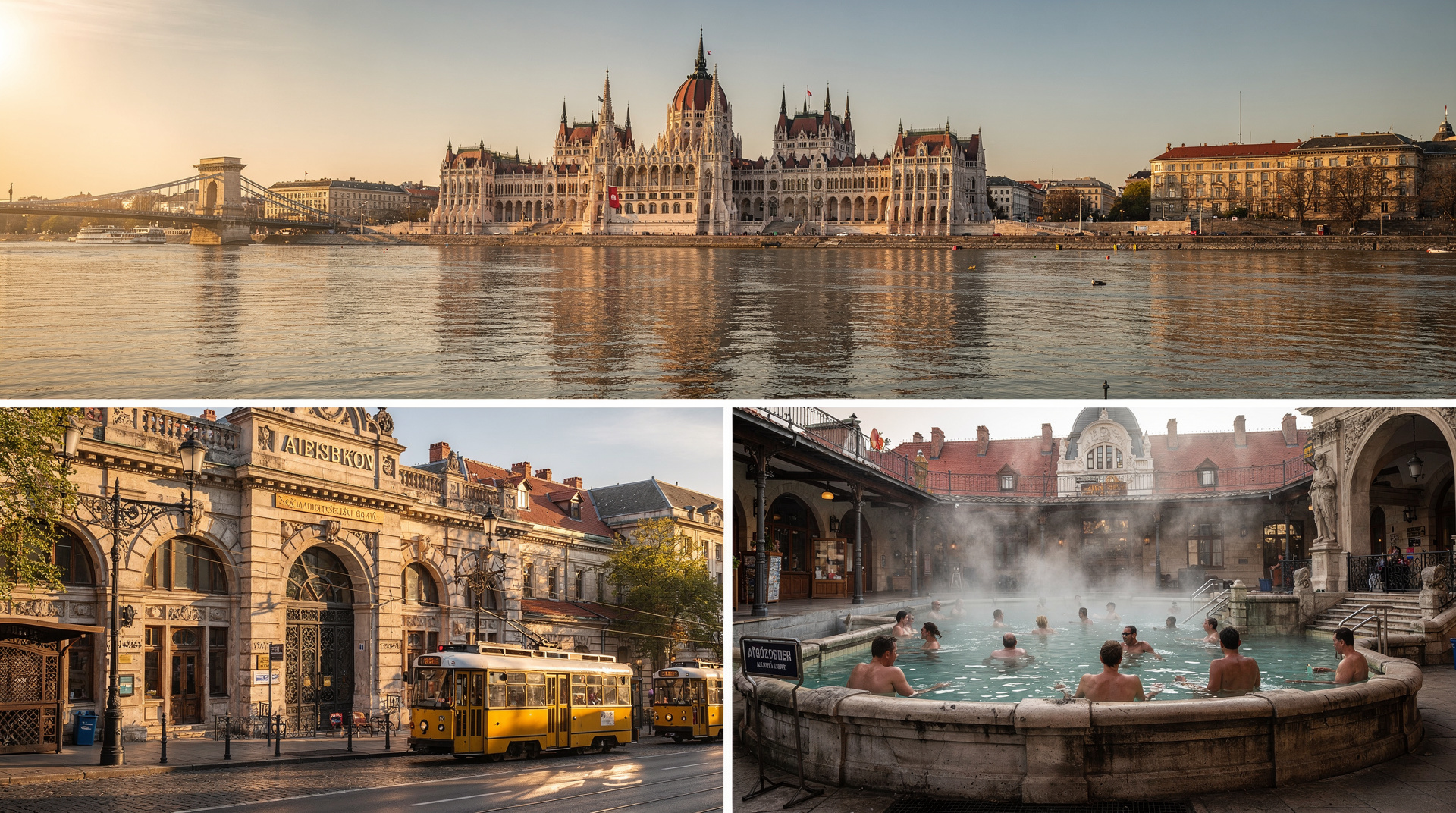
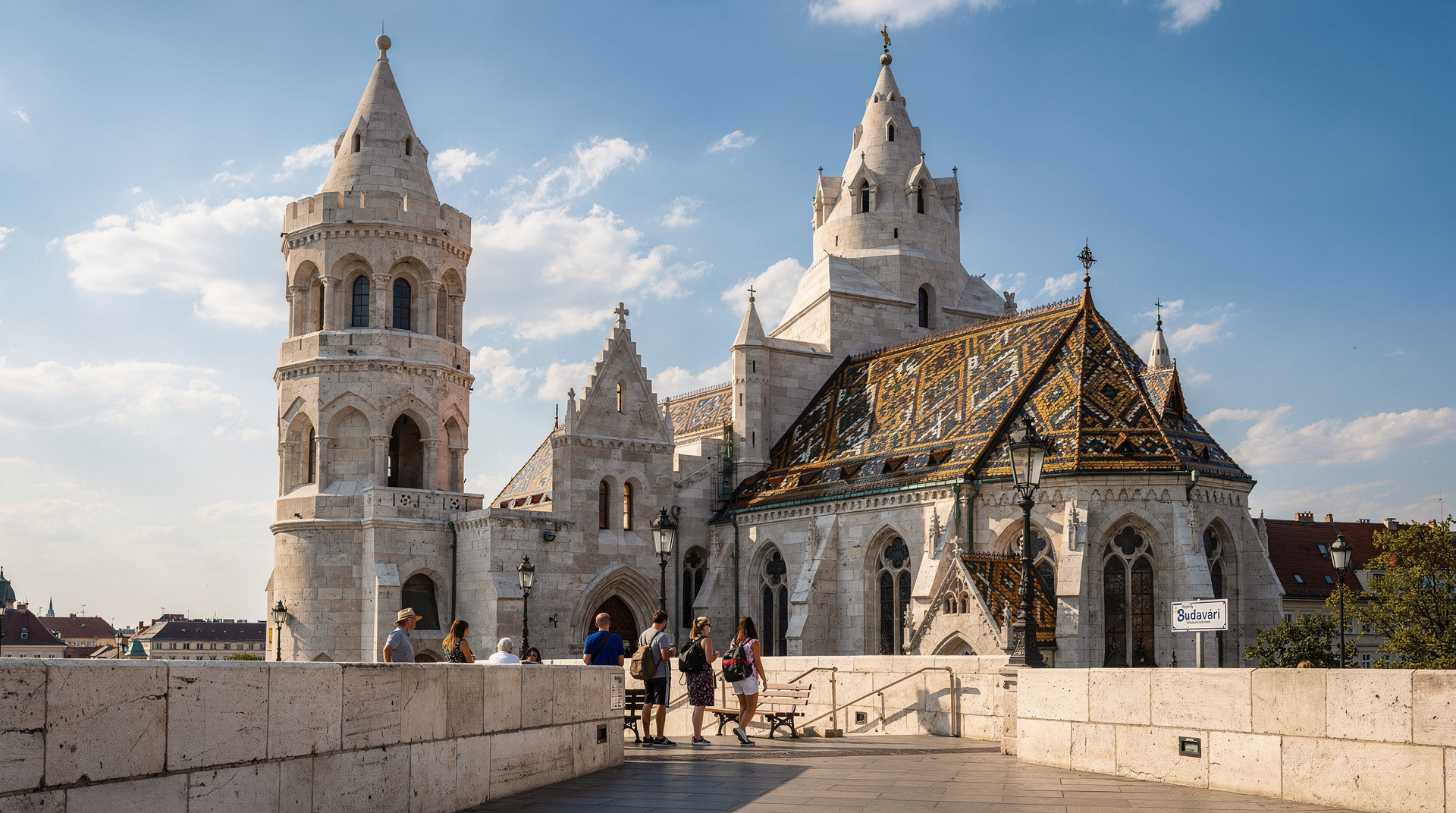
Fisherman’s Bastion (Halászbástya) opens at dawn. The lower terraces are free; the upper gallery costs around 1,500 HUF. Arrive at 7:30 for the best light and fewest people. The view across the Danube to the Parliament building on the Pest side is consistently rated one of Europe’s finest urban panoramas. Spend 30–45 minutes here.
9:00 — Matthias Church
Matthias Church (Mátyás-templom) opens at 9:00. Entry is approximately 3,500 HUF. The Gothic and Romanesque interior is painted in vivid geometric patterns — surprisingly colourful for a medieval church. Allow 40 minutes. The small treasury upstairs has Hungarian royal regalia including a replica of the Holy Crown.
For context that enriches both sites, a guided Buda Castle walking tour covers the neighbourhood’s full history — the Ottoman occupation, Habsburg reconstruction, 1956 uprising and the scars still visible in the stonework. Tours typically depart around 10:00.
10:30 — Royal Palace and Buda Castle
Walk south through the cobbled streets of the castle district to the Royal Palace complex. The current building dates primarily from the Habsburg reconstruction after World War II bombing, but has stood in various forms since the 14th century. The Hungarian National Gallery (inside the palace) is worth an hour if you have appetite for Central European fine art; the terrace views south toward Gellért Hill are free regardless.
12:00 — Chain Bridge and crossing to Pest
Walk down to the river and cross the Széchenyi Chain Bridge (Lánchíd) on foot. This iconic suspension bridge, first built in 1849 and rebuilt after World War II, is about 400 metres long — a 10-minute walk with excellent views upstream and downstream. The twin lion sculptures at each end are a Budapest icon. Take your time; there is no rush.
13:00 — Lunch in central Pest
You are now on the Pest side. Resist the temptation of Váci utca for food — the pedestrian street is beautiful but the restaurants are aimed squarely at tourists and charge accordingly (the Budapest tourist traps guide explains the markup). Instead, try:
- Borz (Veres Pálné utca): neighbourhood bistro, gulyás around 3,200 HUF
- Szalai Cukrászda (Balassi Bálint utca): legendary patisserie, cakes from 500 HUF
- Karavan Food Court (Kazinczy utca): outdoor street food stalls, 1,500–2,500 HUF per dish
14:00 — Gellért Hill and city views
In the afternoon, take tram 2 along the Danube south to the Gellért Baths stop and walk up Gellért Hill. The Citadella at the summit (free to walk around the exterior) gives the best elevated view of both Buda and Pest spread along the river. The Liberty Statue (Szabadság-szobor) — a Soviet-era monument to liberation from fascism — is visible for miles around and makes a striking photo.
If you want to include a bath visit today instead of tomorrow, Gellért Baths (Gellért fürdő) are at the foot of the hill in the grand Art Nouveau hotel. Note: check current status before booking, as renovation work has been rumoured (no confirmed date).
17:00 — Evening walk along the Danube
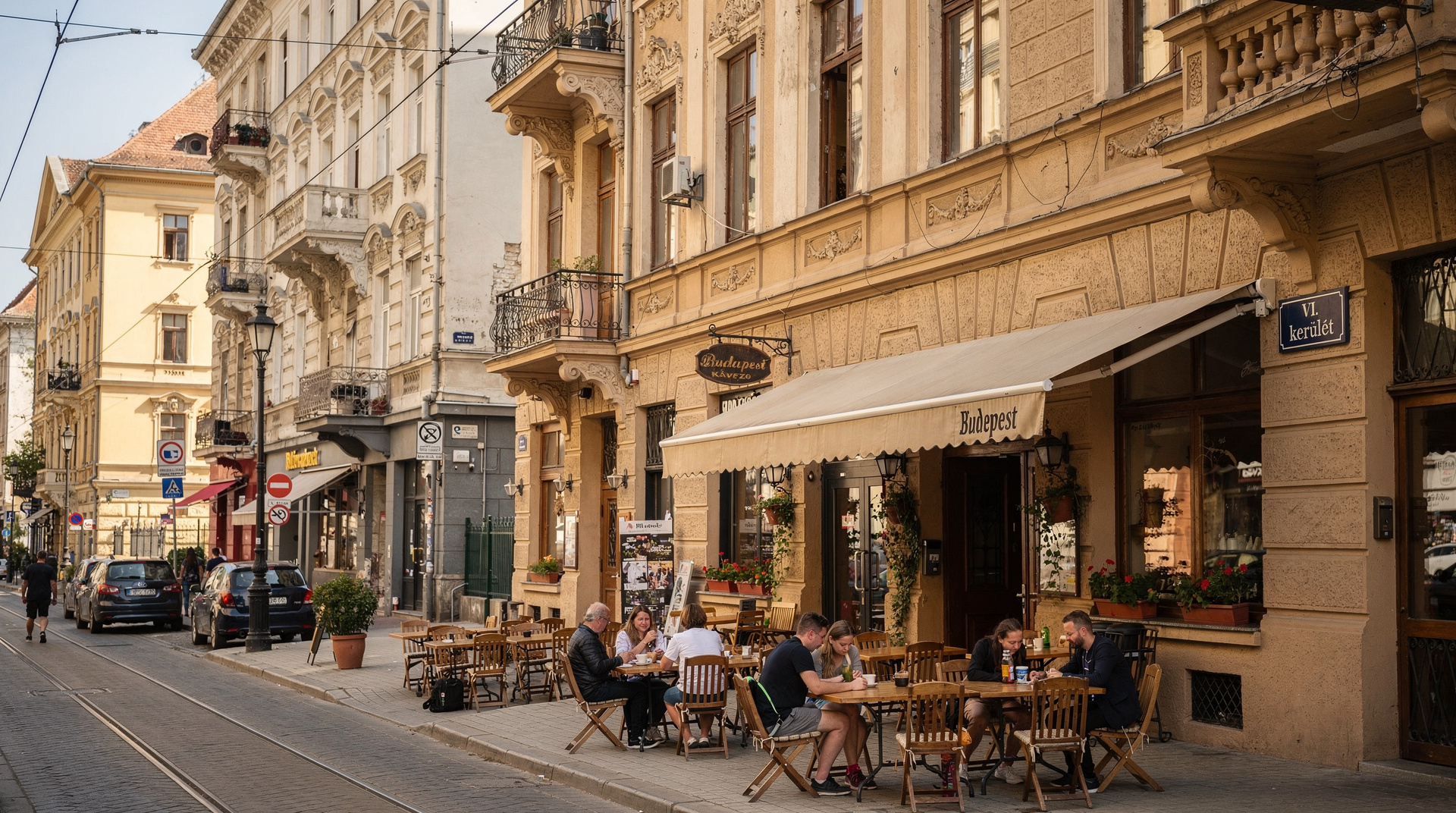
Stroll north along the Pest embankment as the late afternoon sun catches the Buda hills. This is one of the loveliest times to be outdoors in Budapest: the light goes golden, the cafés on the embankment fill up, and the city feels unhurried.
19:30 — Dinner and first evening in Pest
For dinner on day 1, stay in central Pest. The area around Belvárosi (District V) has a range of mid-range Hungarian restaurants. Try Borkonyha (wine kitchen, one Michelin star, book ahead), Kőleves on Kazinczy utca for a relaxed neighbourhood vibe, or the many spots along Ráday utca in District IX. Budget 7,000–12,000 HUF per person with wine.
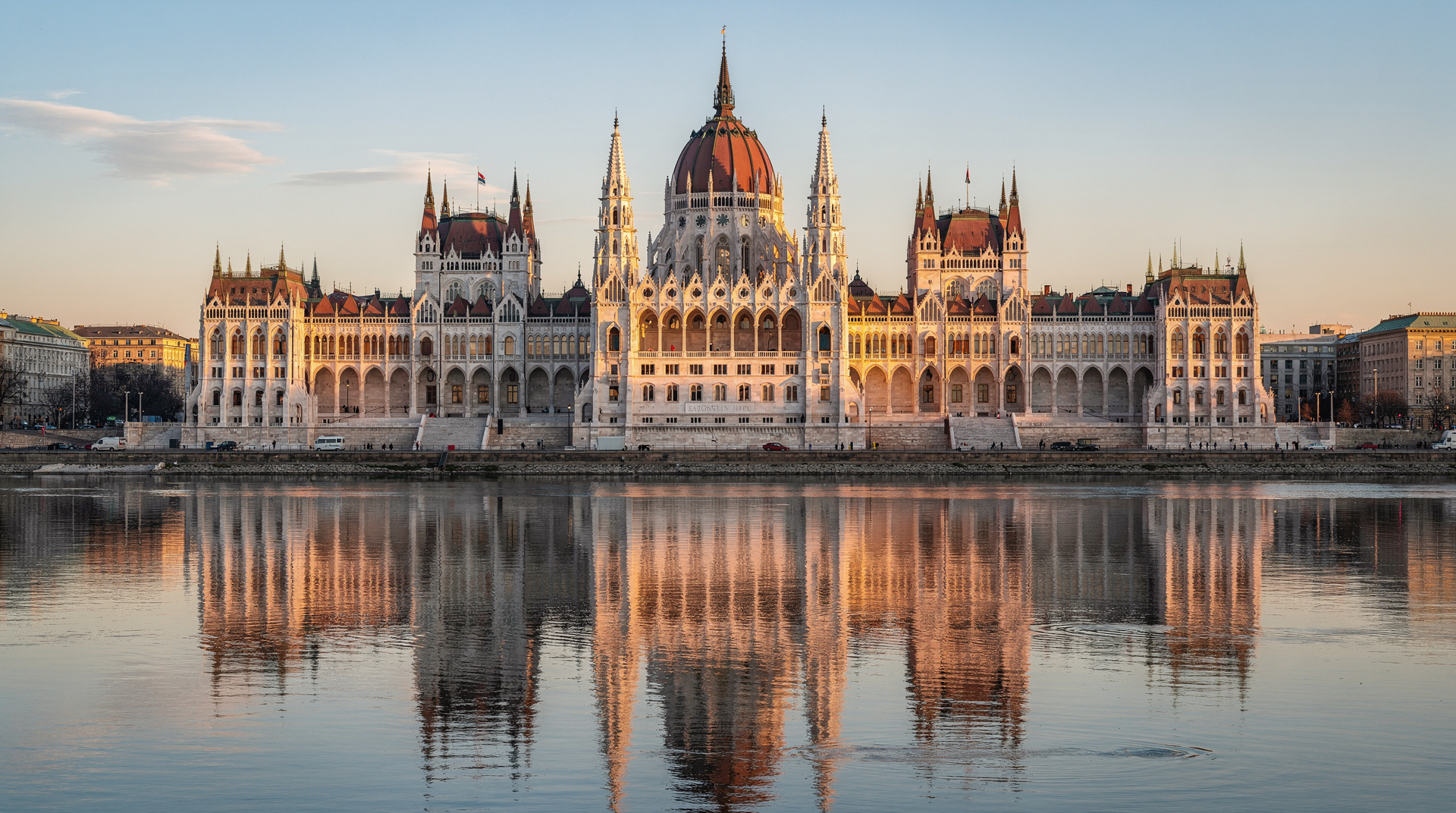
End the evening exploring the neighbourhood on foot — the illuminated Parliament from the embankment at night is something most visitors photograph repeatedly.
Day 2: Pest — Parliament, markets and Széchenyi Baths
8:30 — Hungarian Parliament Building
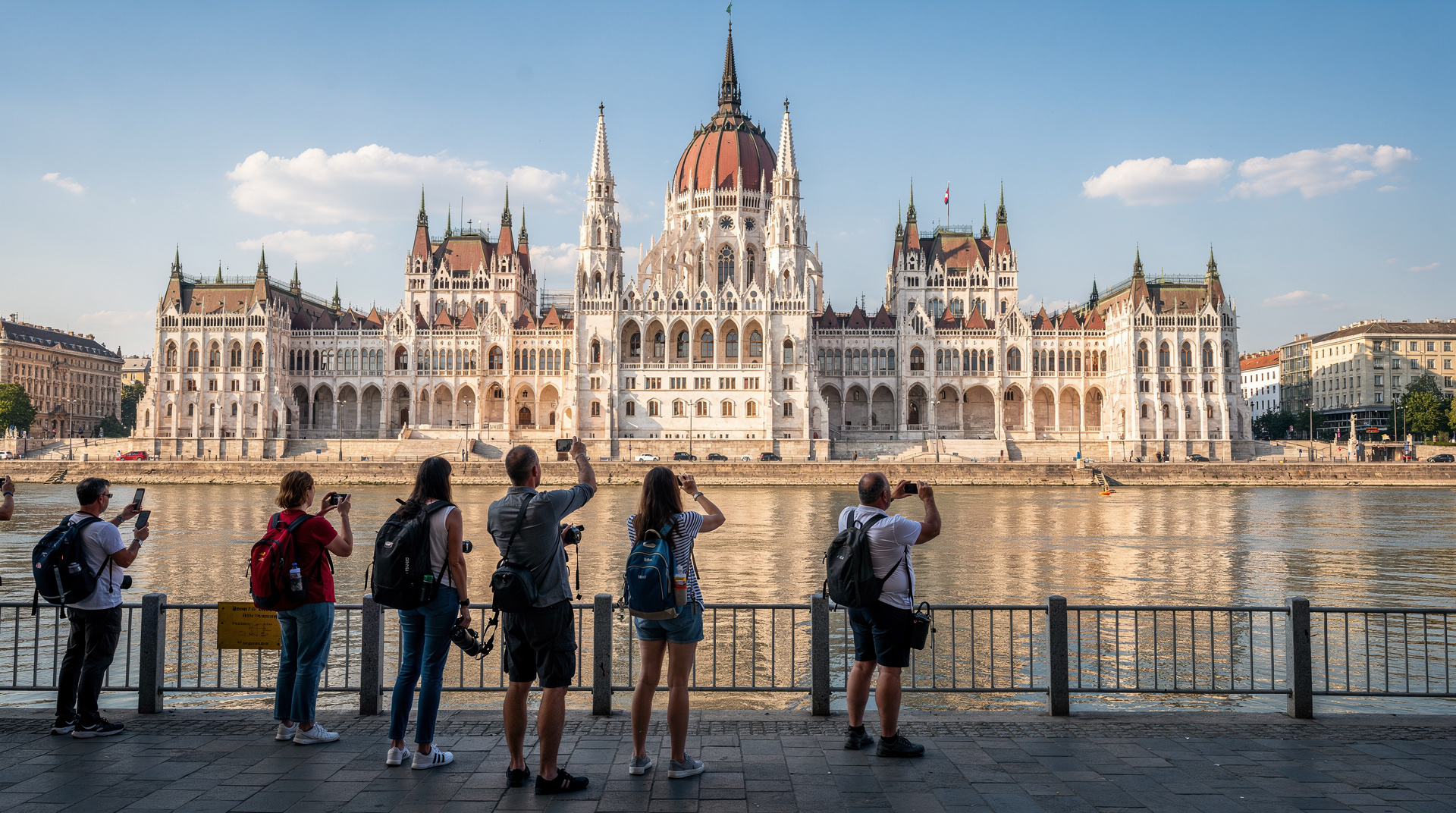
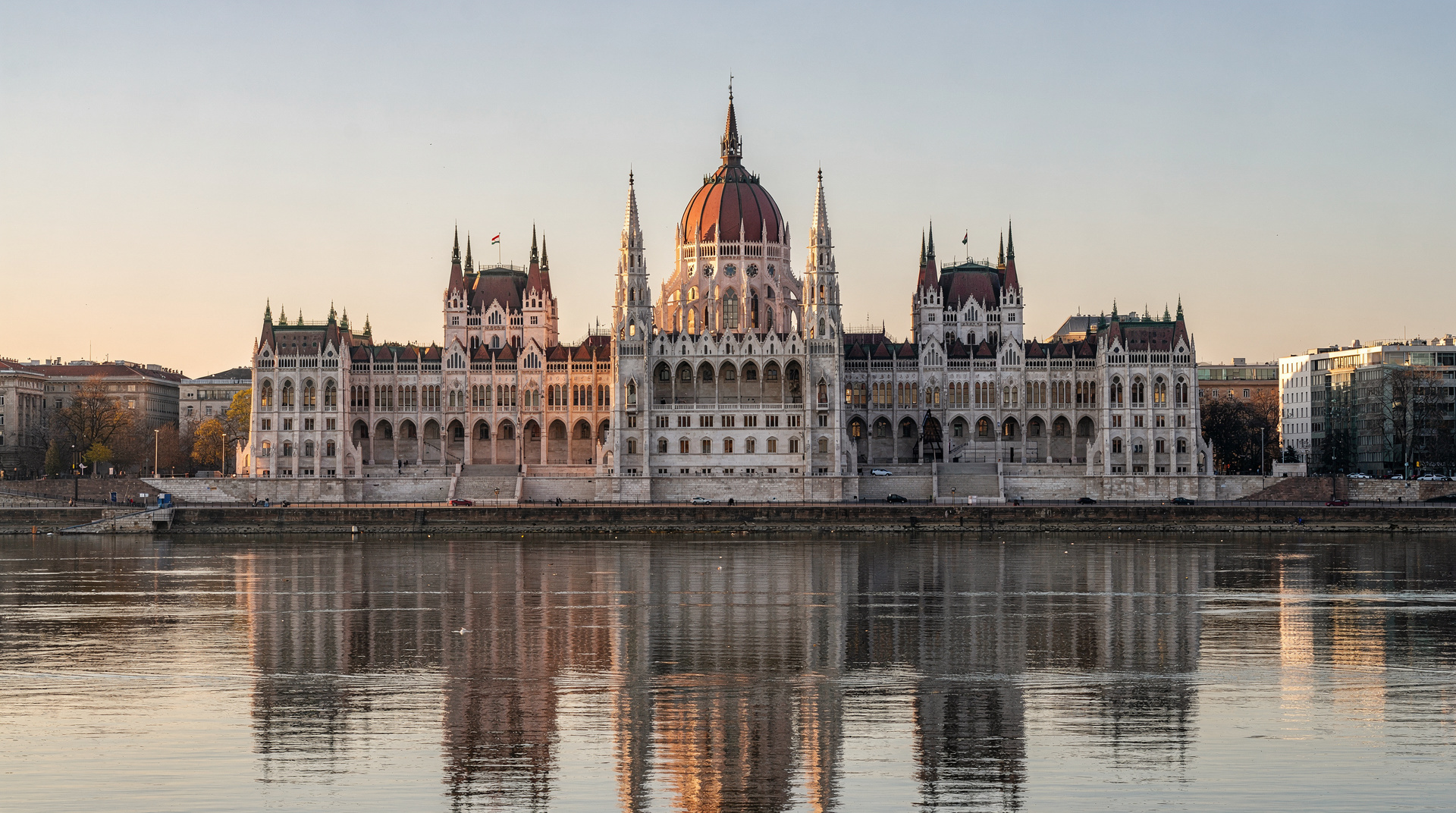
Pre-book a timed tour of the Hungarian Parliament (Országház) online before you leave home — this is essential in peak season. Tours depart roughly every 30 minutes from 8:00 and last about 45 minutes. The entrance fee is around 7,000 HUF (€18) for non-EU adults. The interior is extraordinary: the neo-Gothic central dome, the Hungarian Holy Crown under glass, the twin ornate lobbies. A Parliament visit with audio guide is a good option if you want flexibility on timing.
After Parliament, walk to the Shoes on the Danube Bank memorial — five minutes south along the embankment. Sixty pairs of iron shoes mark where people were ordered to remove their shoes before being shot into the river in 1944–45. It takes ten minutes and is free.
10:30 — St Stephen’s Basilica
Walk south along Zrínyi utca to St Stephen’s Basilica. The dome is climbable (~1,300 HUF) for city panoramas that complement Fisherman’s Bastion from a different angle. Inside, the mummified right hand of King Stephen — one of Catholicism’s stranger relics — is on display in a side chapel. The nave holds regular organ concerts; check the classical concerts guide for the schedule.
The square in front of the Basilica (Ferenciek tere side) has some of Budapest’s best coffee — Espresso Embassy on Arany János utca is particularly good (a flat white costs around 900 HUF).
12:00 — Great Market Hall
Take tram 2 south to the Central Market Hall (Központi Vásárcsarnok) at Fővám tér. This 1897 cast-iron and tiled market hall is one of Budapest’s most beautiful buildings as well as its most practical. Ground floor: butchers, cheese sellers, paprika stalls, pickle barrels, fresh produce. Upper gallery: food court (lángos, kürtőskalács, gulyás), souvenir stalls and a small Hungarian handicrafts section.
A lángos — deep-fried flatbread topped with sour cream and grated cheese — costs 1,200–2,000 HUF and is the authentic Budapest street food experience. The Great Market Hall guide explains what to buy, what the prices should be, and what to avoid.
14:00 — Széchenyi Baths
Take metro M3 to Keleti, then M2 to Keleti and M1 to Széchenyi — or take a Bolt taxi directly (around 2,500 HUF). Allow 2.5–3 hours in the baths.
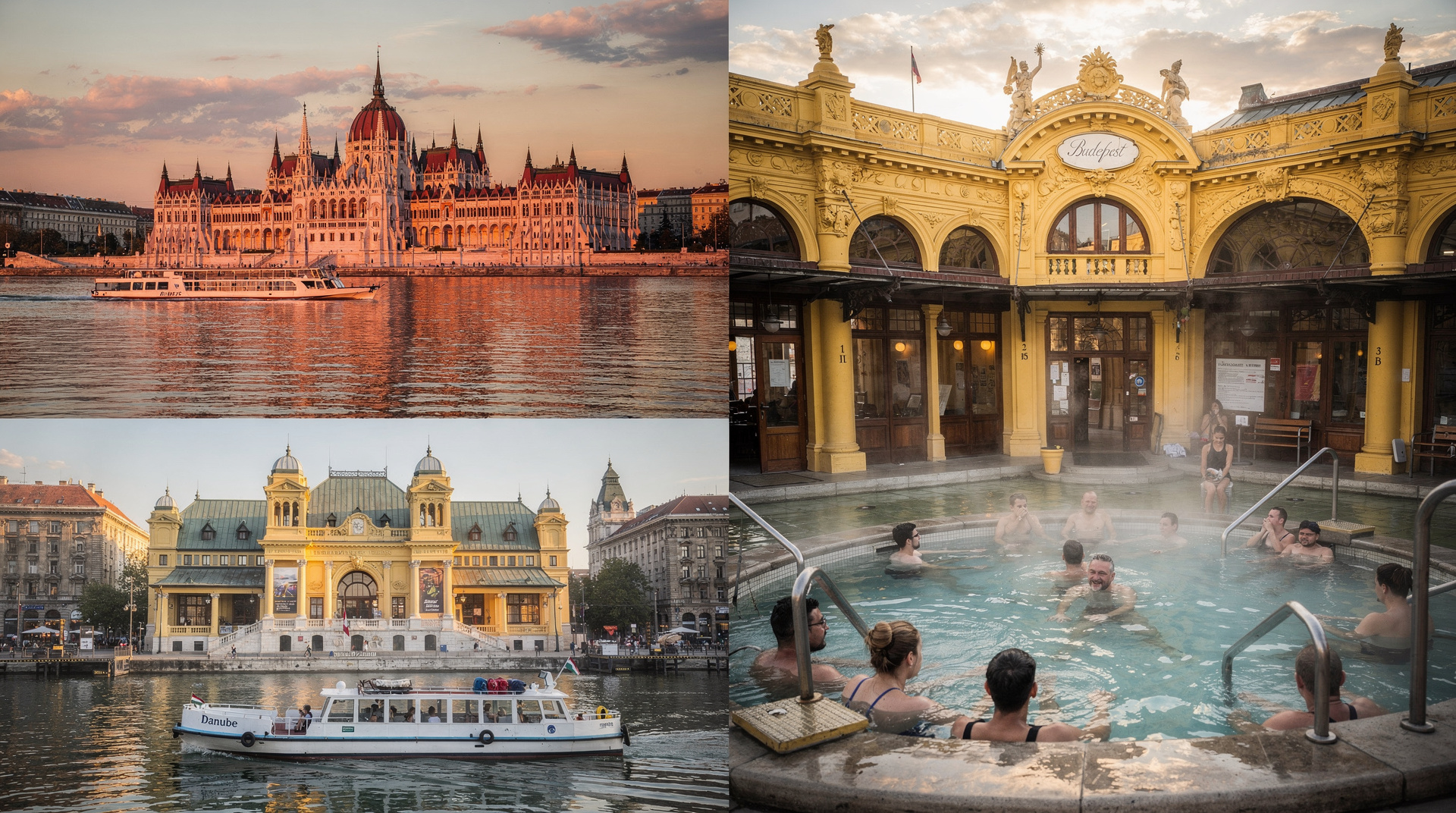
The Széchenyi Baths are the essential Budapest thermal bath experience: three outdoor pools at 34–38°C, indoor pools and steam rooms, and the spectacular 1913 neo-baroque building. A full-day ticket runs 9,900–13,900 HUF depending on day and locker type. Book your Széchenyi ticket in advance to avoid the queue, which can run an hour or more in summer. Bring a swimsuit; towels can be rented on site (~1,500 HUF).
For a comparison of all Budapest baths, see the best thermal baths guide. If you prefer a different atmosphere — Ottoman architecture, local crowd, lower prices — consider Rudas or Lukács instead.
17:30 — City Park and Heroes’ Square
After the baths, walk through Városliget (City Park) to Heroes’ Square (Hősök tere). The Millennium Monument — a 36-metre column topped by the Archangel Gabriel, flanked by Hungarian kings and tribal chieftains — was built for Hungary’s 1896 millennium celebrations. The square anchors the beginning of Andrássy út, Budapest’s grandest boulevard.
Vajdahunyad Castle in the park lake is free to walk around and combines architectural styles from across Hungarian history (Romanesque, Gothic, Baroque, Renaissance — all in one pastiche structure built for the 1896 Expo).
19:30 — Andrássy út dinner and opera option
Walk or take the little yellow metro M1 (one of the world’s oldest underground railways) back toward the centre along Andrássy út. The boulevard’s restaurants — particularly around the Liszt Ferenc tér area — are excellent for dinner without tourist-trap pricing. Mák Bistro (innovative Hungarian), Olimpia (neighbourhood bistro), and Stand25 Bisztró are all within budget range (8,000–14,000 HUF per person with wine).
If you are interested in opera, the Hungarian State Opera House on Andrássy út is one of the most beautiful opera houses in Europe. Standing tickets cost as little as 900–1,500 HUF; even a partial performance is worth experiencing for the interior alone. Check classical concerts and opera for the programme.
Day 3: Jewish Quarter, Danube cruise and ruin bars
9:00 — Dohány Street Synagogue and Jewish Quarter
The Jewish Quarter (District VII) is one of Budapest’s most layered and interesting neighbourhoods: historically the centre of Jewish life in Budapest, later a ghetto, now simultaneously a memorial site, a living community and the epicentre of the ruin bar scene.
Begin at the Dohány Street Synagogue (Dohány utcai Zsinagóga) — the largest synagogue in Europe and second largest in the world. Entry is approximately 4,500–5,500 HUF and includes the Jewish Museum and the memorial garden with the Weeping Willow sculpture. Allow 90 minutes. The Dohány Street Synagogue guide has full visiting details.
10:30 — Jewish Quarter walking tour
The streets around the synagogue — Kazinczy utca, Rumbach Sebestyén utca, Klauzál tér — reward slow exploration. Look for the New York Café on Erzsébet körút (the most ornate coffee house in Budapest, breakfast around 4,000–6,000 HUF — a deliberate splurge) and the wall art around Gozsdu Udvar.
A Jewish Quarter walking tour with a local guide adds significant depth to the neighbourhood — covering the pre-war community, the ghetto, deportations, and the postwar transformation. Tours typically run 2 hours and cost 6,000–10,000 HUF.
12:30 — Lunch and Andrássy út
Lunch options near the Jewish Quarter are excellent. Mazel Tov in Akácfa utca is a popular Israeli-Hungarian restaurant in a beautiful ruined courtyard — falafels, hummus and grilled vegetables in a setting that encapsulates the neighbourhood perfectly (mains around 3,500–5,000 HUF).
Spend the early afternoon walking the length of Andrássy út from Erzsébet körút to Heroes’ Square — about 2.5 kilometres. Along the way: the House of Terror (Andrássy út 60, former headquarters of both the Arrow Cross fascists and the ÁVH secret police, now a museum, entry ~3,000 HUF, open until 18:00). See the House of Terror guide for context on what you are seeing.
15:00 — Afternoon: choose your focus
Option A: Another bath experience. If you want to try a different bath from Széchenyi on day 2, today is the time. Rudas Baths — a 450-year-old Ottoman structure in Buda with a rooftop pool — is the most atmospheric alternative, and offers an adults-only evening swim on Fridays and Saturdays (from 22:00, swimsuit required). Lukács Baths in District II is quieter and more local, at around 5,300 HUF.
Option B: More sightseeing. The Memento Park — a collection of communist-era statues removed from Budapest’s streets after 1989 — is worth a half-day for history enthusiasts (requires a bus or taxi to the western suburbs; guided tour is easiest).
Option C: Shopping and cafés. Spend the afternoon on Váci utca (for the architecture, not the restaurants), in the antique shops of Falk Miksa utca, or browsing the independent boutiques of the Palace District (Palotanegyed).
18:30 — Sunset Danube cruise
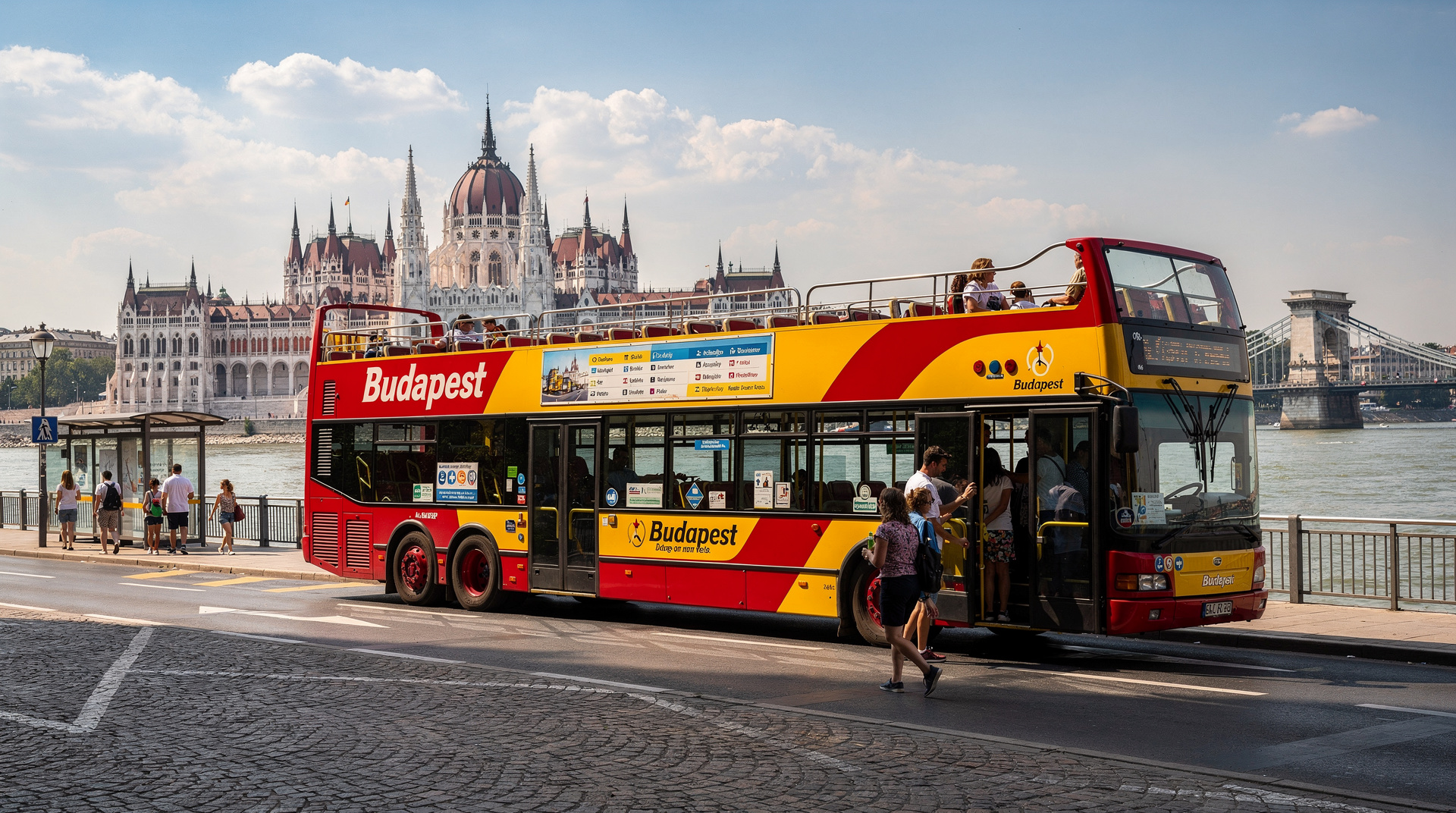
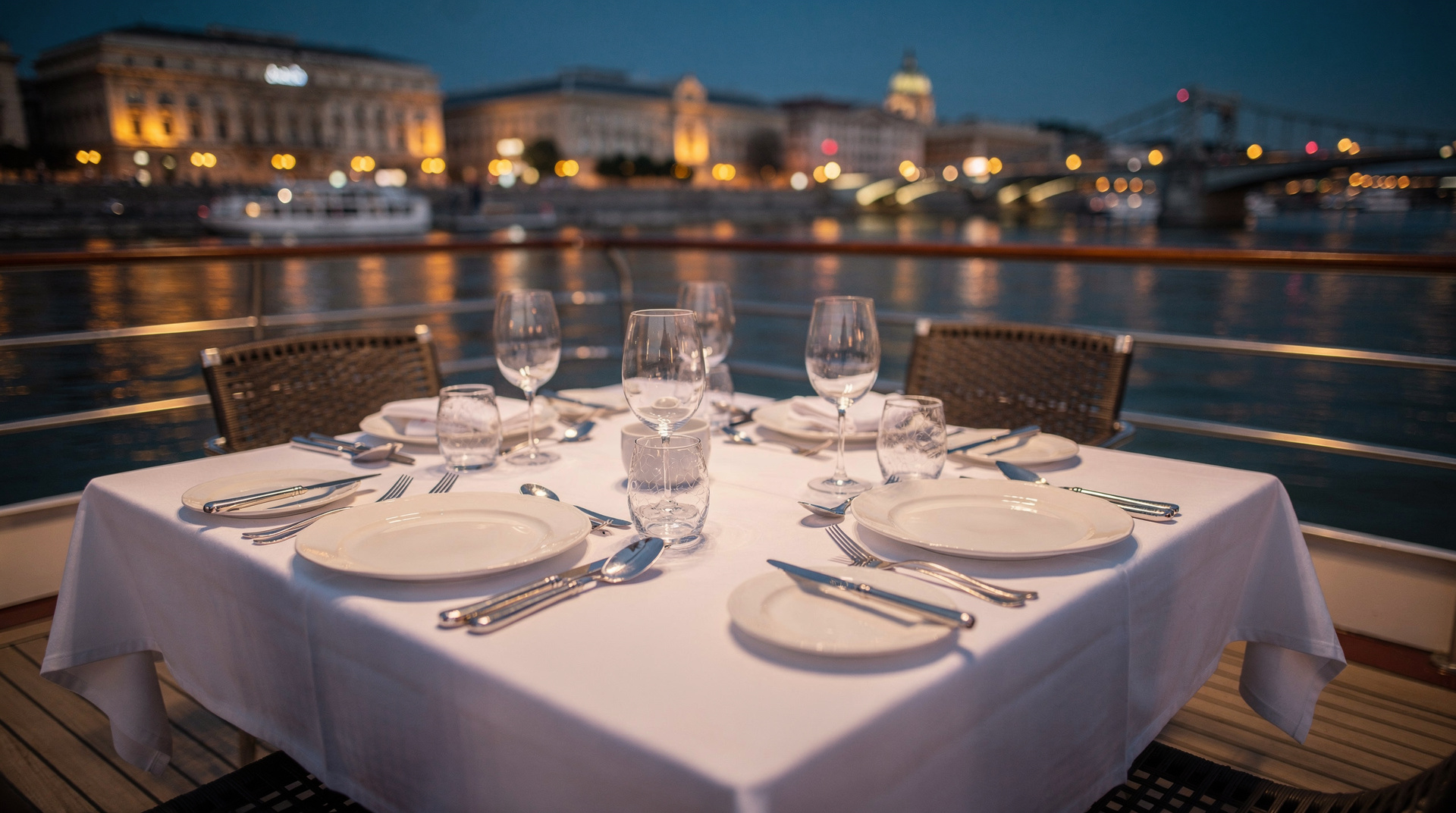
This is the moment. The Parliament, Buda Castle and the bridges are all illuminated after dusk, and seeing them from the water at the moment the lights come on is the definitive Budapest evening experience. A dinner cruise with Hungarian food and live music combines this with a full dinner (gulyás, chicken paprikash, live violin) and runs approximately 3 hours — a memorable way to end the trip.
If a full dinner cruise feels like too long, a simpler evening sightseeing cruise for 1–2 hours works well with dinner before or after on land.
21:00 — Ruin bars: the classic Budapest ending
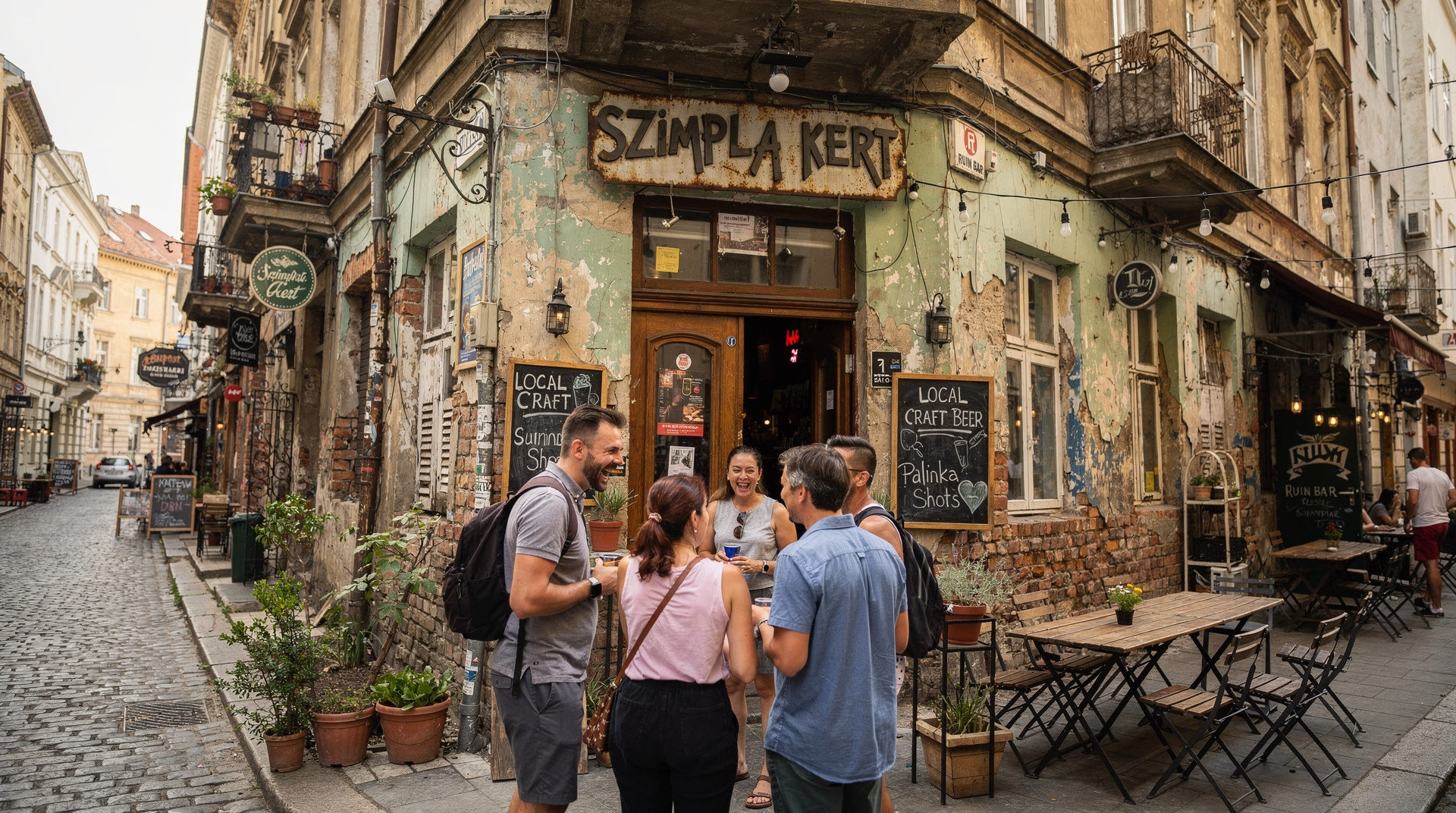
No Budapest trip is complete without at least one evening in the ruin bars of the Jewish Quarter. Szimpla Kert (Kazinczy utca 14) — the original, opened in 2004 in a derelict factory — remains the best introduction: multiple rooms, courtyards, mismatched furniture and vintage objects, craft beers and cheap pálinka shots, a crowd mixing locals and travellers, and live music on weekends.
Nearby options if Szimpla feels crowded: Ellátó Kert (smaller, more local), Fogasház (huge complex, good for dancing), Anker’t (open-air courtyard, quieter). The ruin bars guide covers 15+ venues with honest reviews.
A guided ruin bar pub crawl is a great option if you are travelling solo or want to meet people — includes multiple venues, shots and a local guide who knows which venues are worth the queue. Book in advance on weekends.
Safety note on bars: The “friendly girl” or konzumlány scam operates in some non-ruin-bar venues — a woman befriends solo male travellers and steers them to a specific bar where drinks are astronomically overpriced and the bill is enforced by intimidation. The common scams guide explains how to recognise and avoid it. Stick to well-reviewed ruin bars and you will be fine.
Practical notes for three days
Getting around
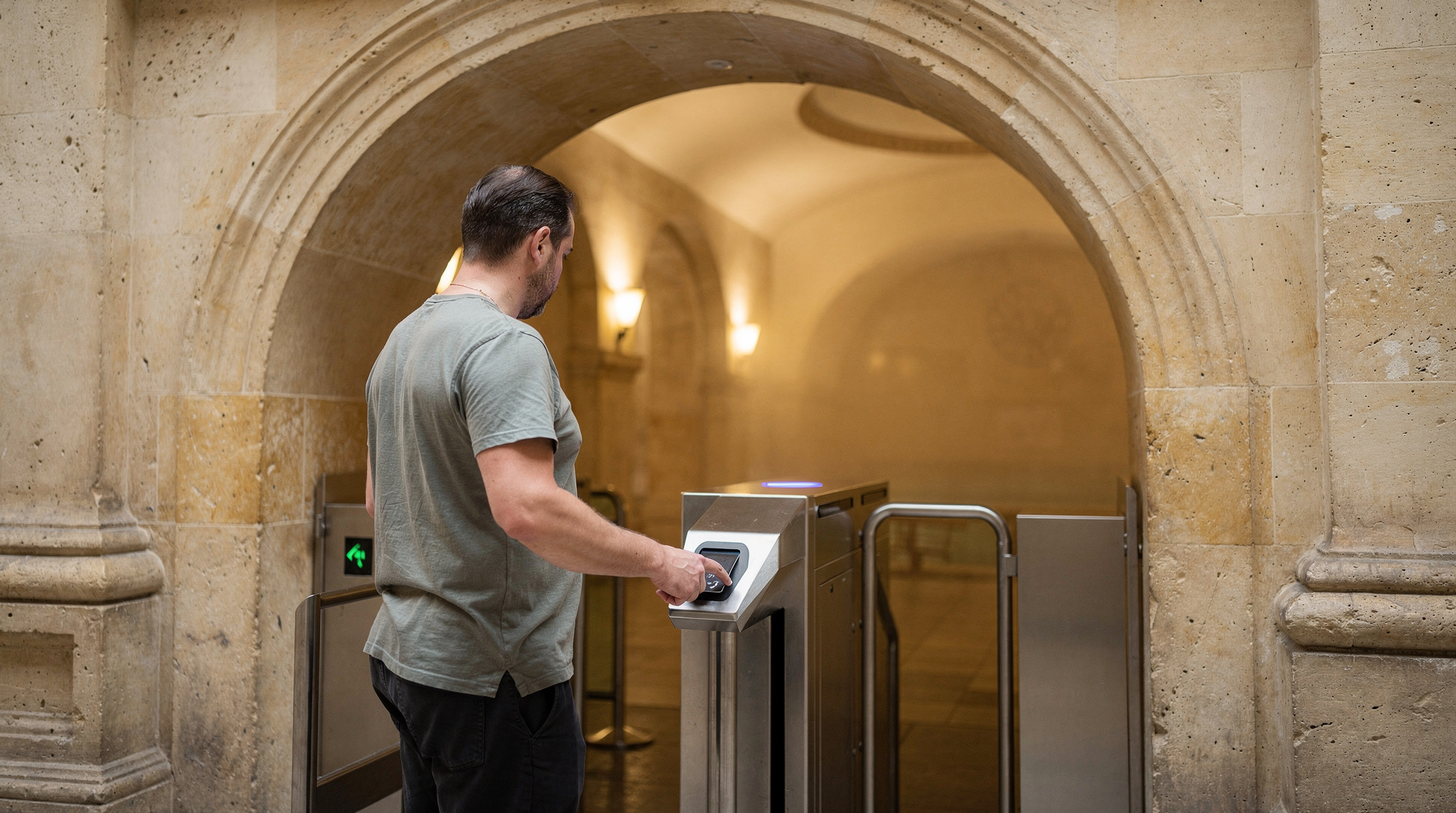
A 72-hour BKK travelcard (5,750 HUF) is the simplest option for three days and covers all metro lines, buses and trams. Buy at the airport bus 100E stop, metro stations or at the BKK customer service centres. The getting around Budapest guide covers every transport option including the Budapest Card.
The Budapest Card (72h version from 29,990 HUF) includes unlimited public transport plus more than 30 free visits and activities — potentially worth it if you plan to visit multiple paid sites. Use the Budapest Card calculator to check whether it saves money based on your specific plans.
For taxis: use Bolt exclusively. Never take a taxi that approaches you at Keleti station, the airport or Váci utca — rigged meters are well documented. See the taxi scams guide.
Budget overview (three days, mid-range, per person)
| Item | HUF | EUR approx. |
|---|---|---|
| 72h transport pass | 5,500 | €14 |
| Parliament tour | 7,000 | €18 |
| Matthias Church | 3,500 | €9 |
| Széchenyi Baths | 11,000 | €28 |
| Dohány Synagogue | 5,000 | €13 |
| Dinner cruise | 15,000 | €38 |
| Meals (3 days, budget-mid) | 40,000–60,000 | €100–150 |
| Misc entries + drinks | 15,000 | €38 |
| Total approx. | 102,000–122,000 | €255–305 |
This is a realistic mid-range figure. Backpackers can do three days for €100–130 total (free walking tours, hostel, cheap eats); couples at a boutique hotel with dinner cruises and a nice restaurant nightly can spend €400–500+.
Currency and payments
Hungary uses the forint (HUF) — not the euro. Most restaurants and shops accept cards, but carry some cash for markets, smaller bars and tips (~10% is standard). Use bank ATMs (OTP, K&H, Raiffeisen) and avoid Euronet machines. When a card terminal offers to charge in EUR instead of HUF, always choose HUF — the dynamic currency conversion rate is typically 5–10% worse.
Scam awareness
The most common issues for tourists: rigged taxi meters (use Bolt), the friendly stranger leading you to overpriced bars (decline politely and walk away), restaurants near Váci utca with no prices on the menu (ask for the price list before ordering), and bath ticket resellers outside Széchenyi offering “skip the line” tickets at inflated prices (book online directly). Full details in the tourist traps guide.
Seasonal notes
Spring (April–May): Ideal. Warm enough for terraces and the Danube embankment, flowers in City Park, smaller crowds than summer. Summer (June–August): Peak season, excellent weather, Sziget Festival in mid-August — book accommodation and baths tickets well in advance. Autumn (September–October): The best combination of weather, prices and crowd levels. Winter (November–March): Cold but magical — Christmas markets from mid-November, baths in cold air, fewer tourists, lower prices. See the Budapest winter itinerary for the festive season in detail.
Adjusting the order for your arrival time
This itinerary assumes a full Day 1 morning start, but real flight schedules rarely cooperate. If you land the night before, follow the plan exactly as written. If you arrive mid-morning on what would be “Day 1”, swap in the Day 3 afternoon instead — the Jewish Quarter and House of Terror don’t depend on early light the way Fisherman’s Bastion does, so they absorb a late start far better. Save the sunrise-dependent Buda morning for whichever day you can genuinely start by 7:30–8:00.
Families with young children or travellers prone to jet lag often do better spreading this itinerary across four calendar days rather than three back-to-back ones — arriving, resting, then running Days 1–3 at the pace described. The Budapest with kids itinerary covers the same three days restructured around nap times and shorter attention spans, and the budget version of this itinerary covers the same ground at a lower daily spend if cost is the bigger constraint than pace.
What to skip if three days feels tight
Even the classic three-day plan has slack you can cut without losing the trip’s core. The Hungarian National Gallery inside the Royal Palace is the easiest skip on Day 1 — worthwhile for art lovers, skippable for everyone else, and it frees up 45–60 minutes. On Day 2, choosing between the Parliament interior tour and St Stephen’s Basilica dome rather than doing both saves a comparable amount of time without losing much: both give you an interior/panorama experience of a grand building. On Day 3, Option B and Option C in the afternoon slot exist precisely because most travellers don’t need all three afternoon options — pick one and move on rather than trying to sample all of them.
The one block worth protecting above all others is the Day 3 evening: the dinner cruise and ruin bars together are what most visitors remember years later, so if a choice has to be made between trimming daytime sightseeing and trimming the evening, trim the sightseeing.
Frequently asked questions about Budapest 3-day itinerary
Is three days really enough, or should I plan for more? Three days is enough to see Budapest’s essential sights at a comfortable pace, including one thermal bath and a full evening in the Jewish Quarter. It is not enough for a day trip to the Danube Bend or Lake Balaton, or for a second bath visit without cutting something else. If either of those matters to you, the 4-day or 5-day itinerary is the better starting point.
Which single day should I cut if I only end up with two? Fold Day 1 and Day 2 together rather than dropping Day 3 — the Jewish Quarter, dinner cruise and ruin bars are the hardest to compress and the most memorable, while the Castle District and Parliament exteriors can be seen back-to-back in one longer day if you accept a faster pace. The dedicated 2-day itinerary shows exactly how that compression works.
Top experiences
Bookable activities with verified prices and instant confirmation on GetYourGuide.