Budapest in one day: the express first-timer itinerary

One full day in Budapest is genuinely enough to fall in love with the city — and to understand why so many visitors book a return trip before they leave. The key is sequencing: Buda in the morning (fewer crowds, better light on the Castle), Pest from midday (Parliament, markets, baths), and the Danube at dusk (when the bridges light up and the water turns gold). This itinerary is designed for an early riser who wants honest timing, not an aspirational checklist that leaves you running between sites.
| Where | Buda Castle District in the morning, Pest downtown midday, City Park in the afternoon, Danube + Jewish Quarter at night |
| Cost | around 34,000–40,000 HUF (€85–100) per person, all in |
| Time needed | one full day, ideally 7:30 start to 23:00 |
| Getting there | on foot + metro M1 + the Chain Bridge crossing on foot |
| Best time | April–May or September–October for weather and crowds |
If you have more time, the Budapest 3-day itinerary slows things down and goes deeper, and the Budapest 2-day itinerary sits in between. But if today is all you have, read on.
Hour-by-hour at a glance
| Time | Block | Highlights |
|---|---|---|
| 7:30–12:00 | Morning | Buda Castle, Fisherman’s Bastion, Matthias Church, Chain Bridge |
| 12:00–14:30 | Late morning | Parliament exterior, Shoes on the Danube, lunch, St Stephen’s Basilica |
| 14:30–18:00 | Afternoon | Széchenyi Baths or City Park and Heroes’ Square |
| 18:30–23:00 | Evening | Danube cruise, dinner, ruin bars in the Jewish Quarter |
This is a genuinely tight schedule — see the pacing notes below if you’d rather cut one block than rush all four.
Morning: Buda Castle and Fisherman’s Bastion (7:30–12:00)
Start on the Buda side of the river. Beat the tour groups by arriving at Castle District before 9:00. The funicular from Clark Ádám tér is scenic but costs around 1,400 HUF each way — the stairs alongside it are free and take five minutes.
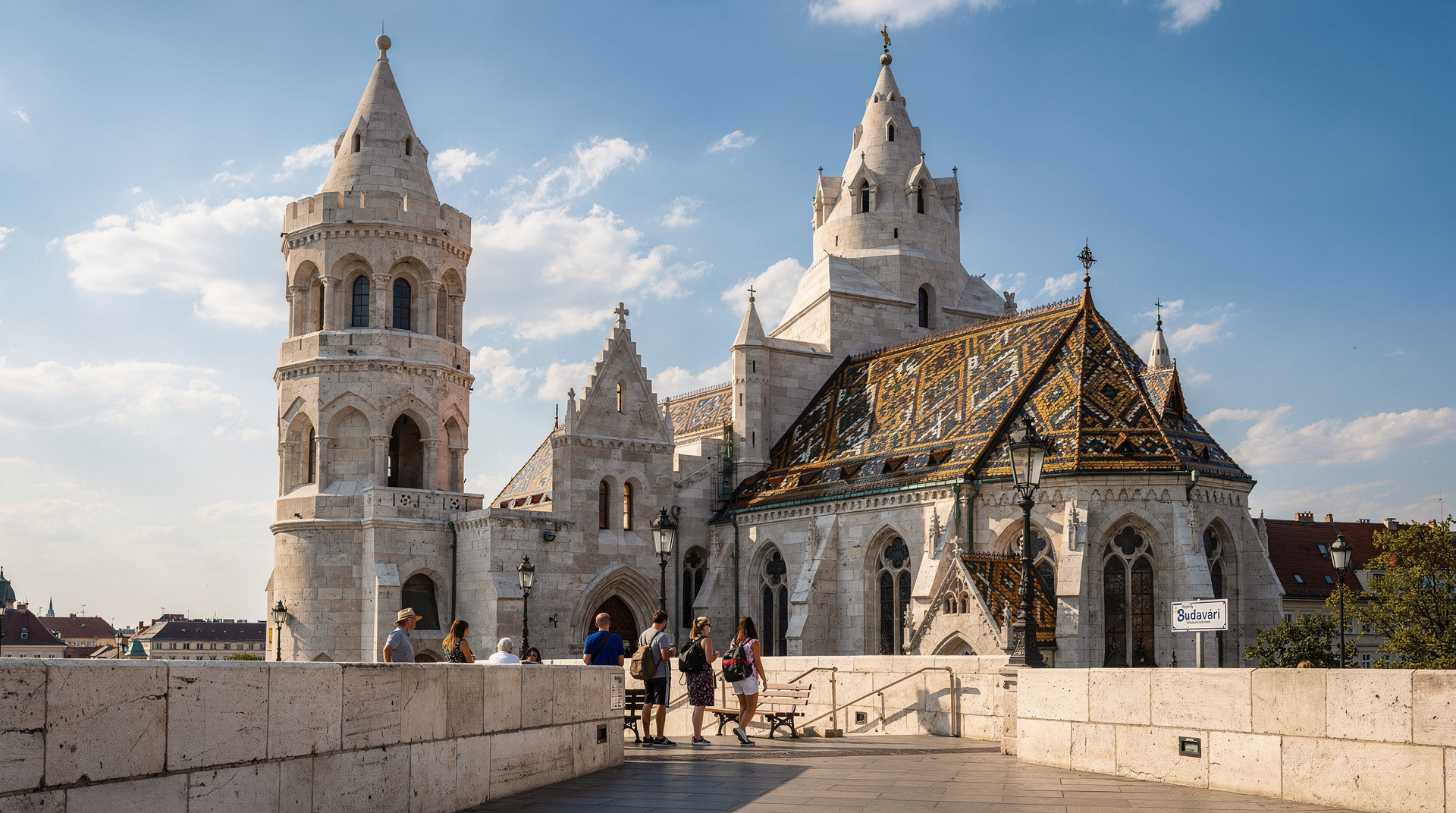
Fisherman’s Bastion opens at dawn and entry to the lower terraces is free. The seven neo-Romanesque towers and the panorama over the Danube, Parliament and Pest’s roofline make this the single best photo spot in the city. The upper gallery costs 1,500 HUF but is rarely worth queuing for — the lower level view is just as good. Aim to be here for 8:00 when the light is soft and the crowds are thin.
From Fisherman’s Bastion, walk two minutes to Matthias Church (Mátyás-templom). Interior entry is around 3,500 HUF. The neo-Gothic interior with its painted vaulting and tile floor is surprisingly vivid — it looks more like a Moroccan palace than a Hungarian church. Allow 30–40 minutes.
The Royal Palace complex and its wings (Hungarian National Gallery, Budapest History Museum) are worth a walk-through even if you skip the interiors. The equestrian statue of Prince Eugene of Savoy and the views south toward Gellért Hill are free to enjoy.
By 10:30, make your way down to the riverbank. The Chain Bridge (Széchenyi Lánchíd) is the most photographed in Budapest — walk across it for the views both upstream and downstream. It takes about 10 minutes on foot.
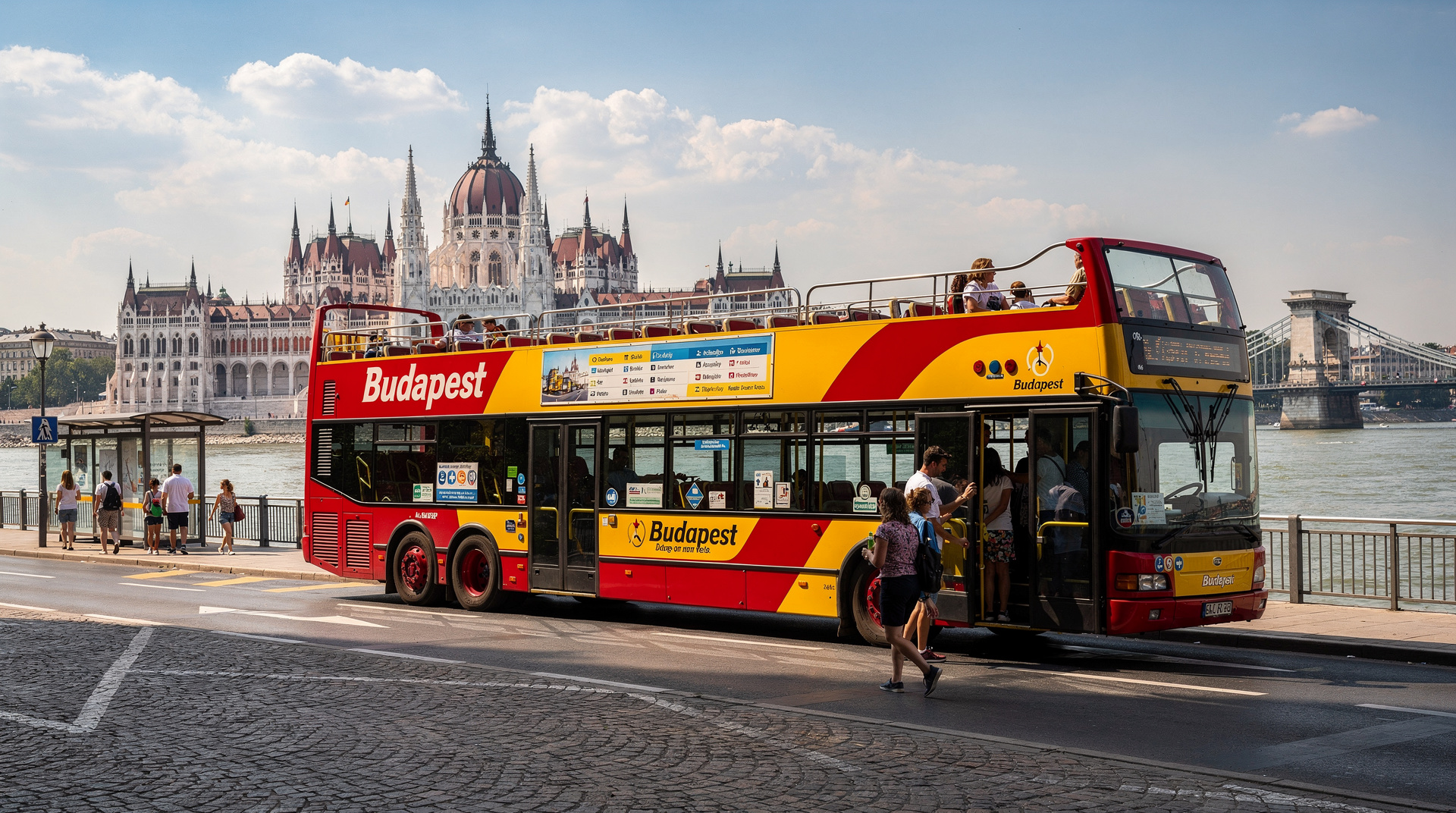
If you prefer to let a guide handle the context, a live 3-hour city tour covers Castle District and crosses to Pest with a knowledgeable local — useful for first-timers who want stories behind the monuments.
Late morning: Parliament and downtown Pest (12:00–14:30)
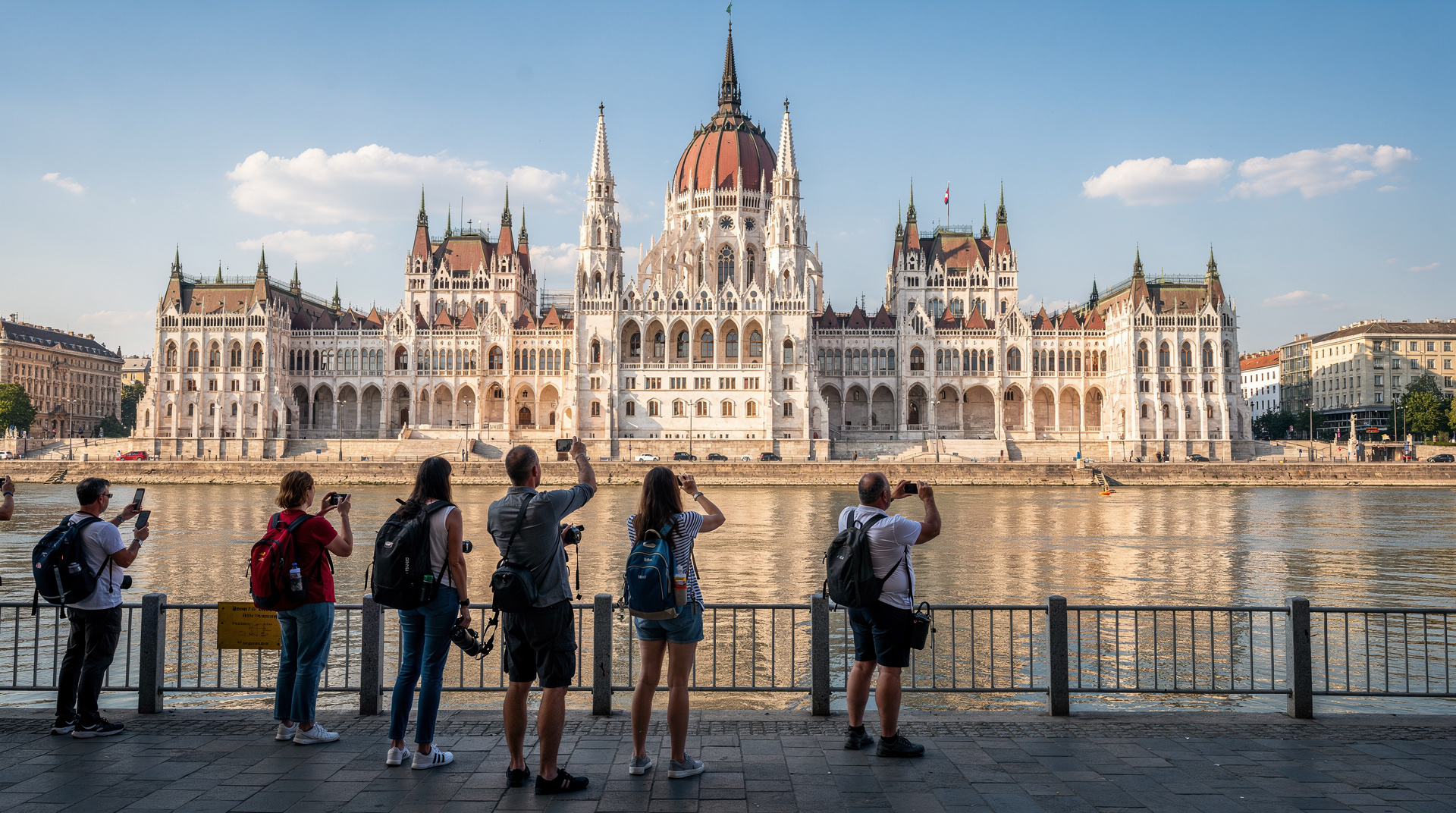
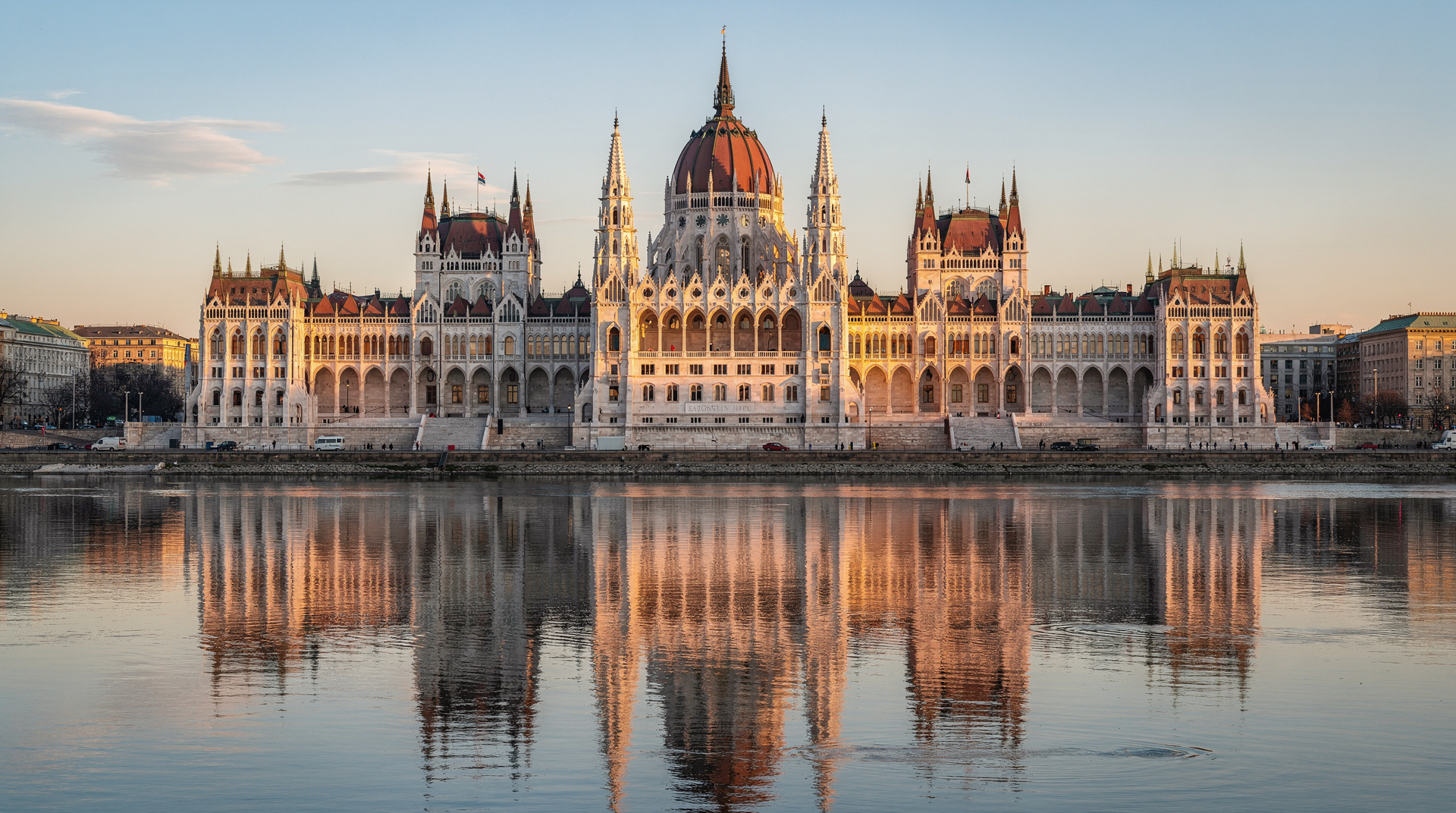
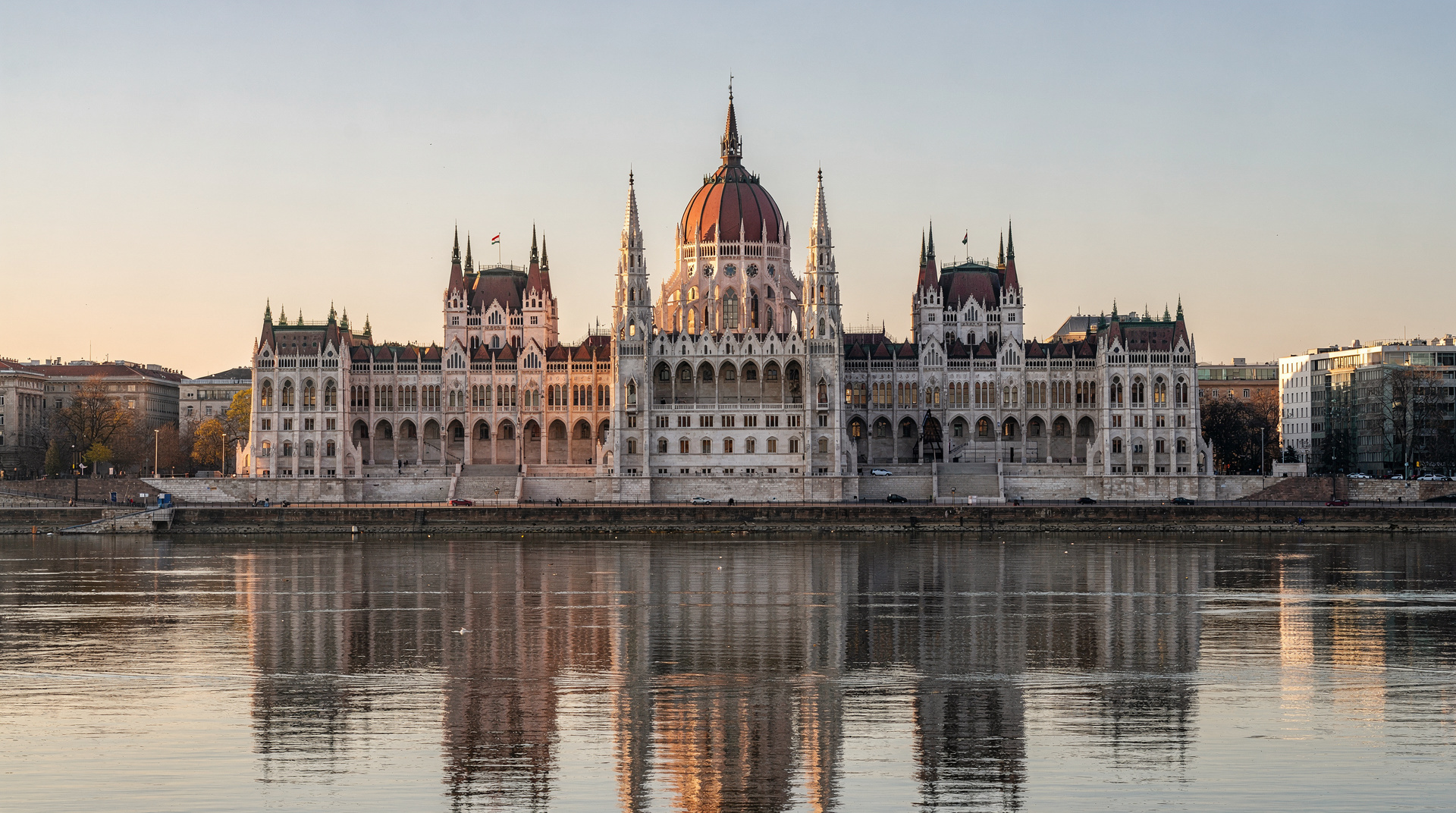
Cross to the Pest side and walk north along the Danube embankment (the Duna-korzó). After about 15 minutes you reach the Hungarian Parliament Building — one of the world’s largest parliament buildings and a genuine masterpiece of neo-Gothic architecture. You cannot enter without a timed ticket (book online in advance; tours start at roughly 9:00 and run every 30 minutes, last entry around 16:00 on most days). The exterior from Kossuth tér is dramatic regardless.
Nearby, the Shoes on the Danube Bank memorial — 60 pairs of iron shoes left at the water’s edge — marks where Jews were shot into the river in 1944–45. It is one of the most affecting memorials in Europe and takes just a few minutes to visit. Entry is free.
Grab lunch in this area rather than on Váci utca, which runs parallel but a few blocks inland. Váci utca is beautiful but notoriously overpriced for food — see the tourist traps guide for the full rundown. Instead, try a place on Zrínyi utca or around Ferenciek tere: a bowl of gulyás costs 2,800–3,500 HUF (€7–9) at a decent local spot.
Alternatively, take the metro M1 (the little yellow line, Europe’s second-oldest underground railway) two stops to St Stephen’s Basilica. The dome is climbable (around 1,300 HUF) for a city panorama that rivals Fisherman’s Bastion from a different angle. A Parliament audio guide tour combines the interior visit with optional extras — worth booking if Parliament is a priority.
Afternoon: Széchenyi Baths or City Park (14:30–18:00)
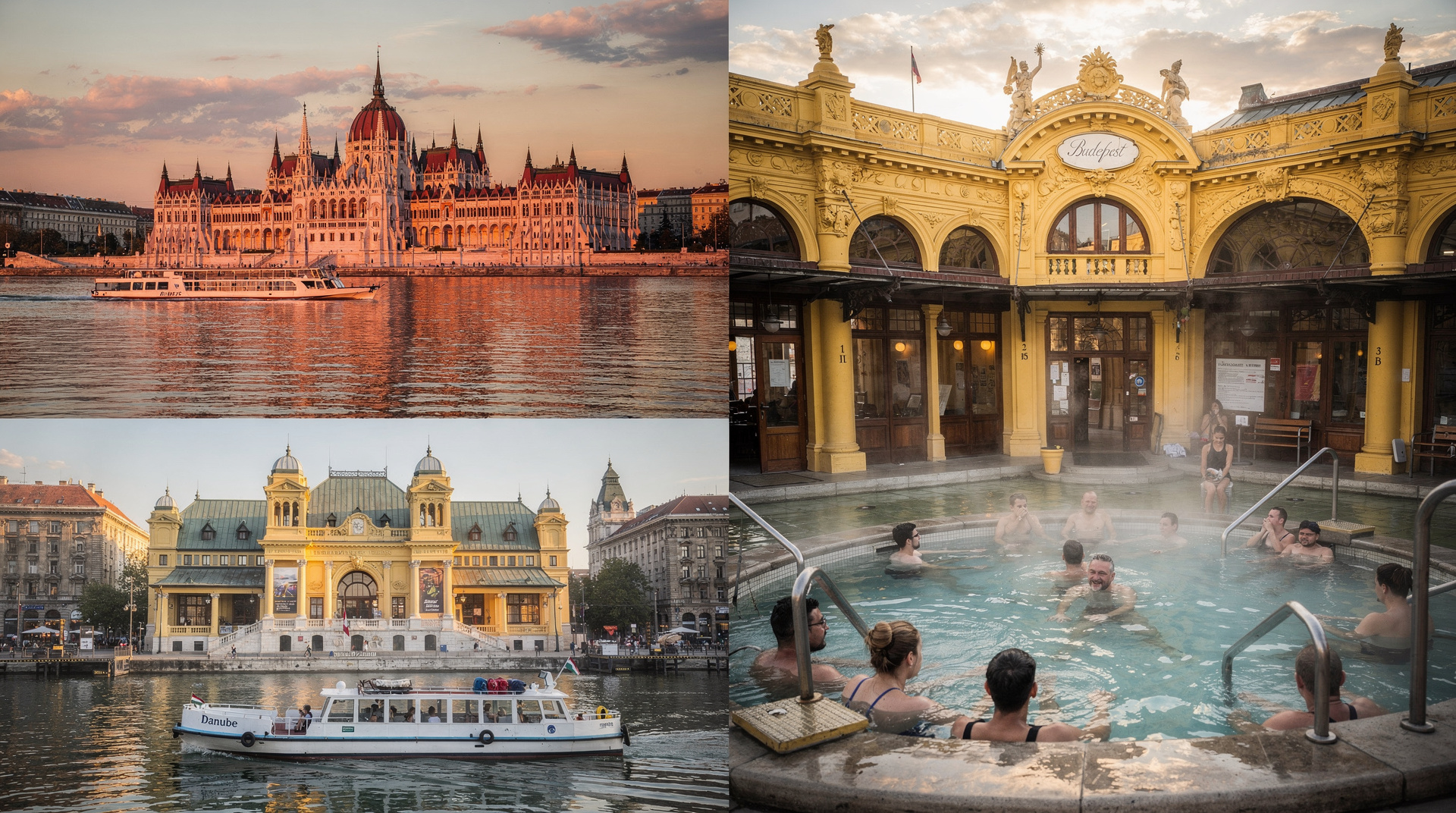
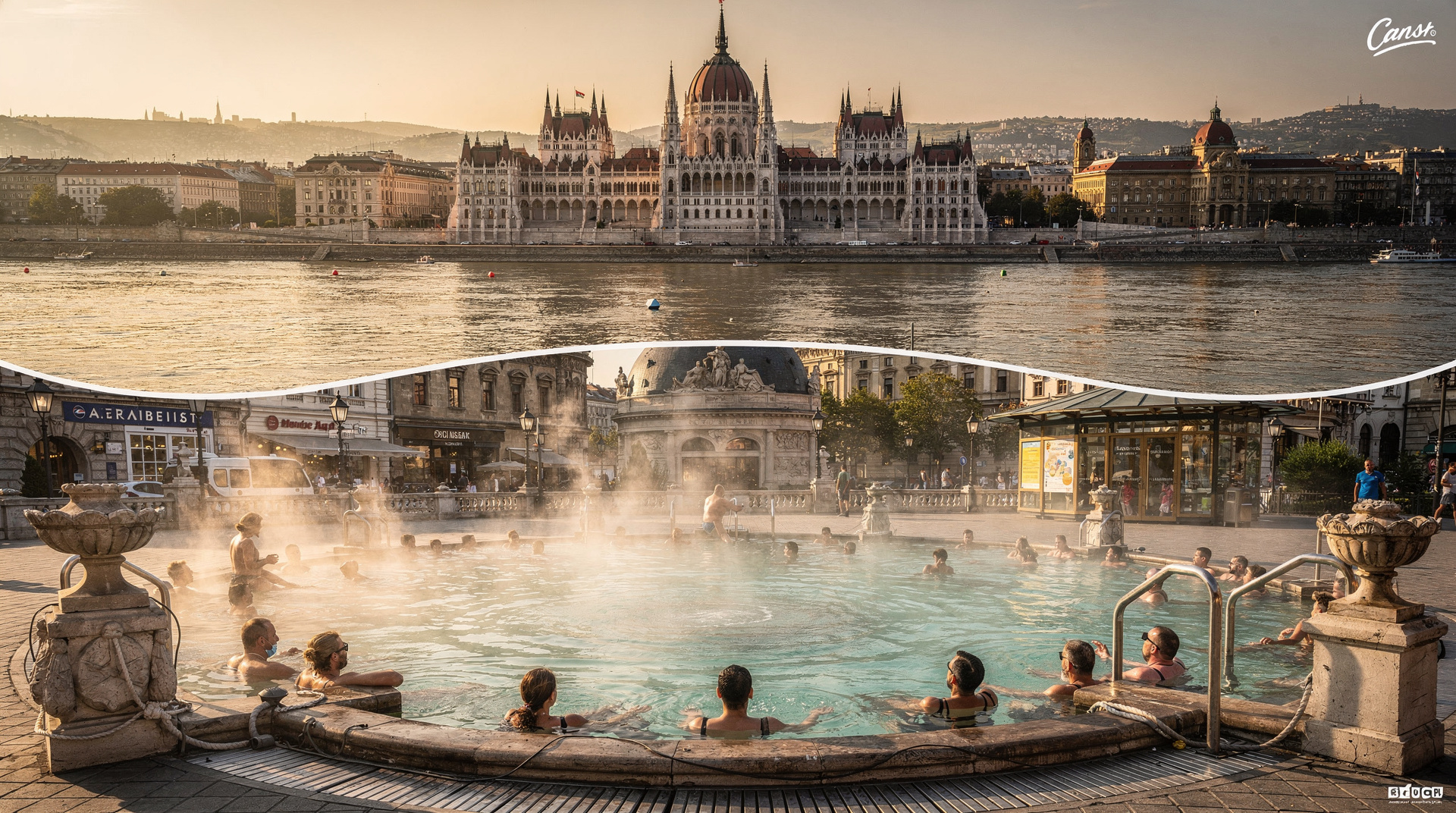
Take metro M1 to Széchenyi station (Széchenyi fürdő). The thermal baths here are an unmissable Budapest experience: three outdoor pools (34–38°C), indoor pools, steam rooms, and the extraordinary yellow neo-baroque building. A full-day ticket runs 9,900–13,900 HUF (€25–35) depending on the day and locker type.
Plan 2–3 hours minimum. Bring your swimsuit; hire a towel on site (around 1,500 HUF) if you didn’t pack one. The outdoor pools are excellent in any season — in winter the steam rising off hot water against cold air is particularly atmospheric. For the full comparison of all baths, see the best thermal baths guide.
Book your Széchenyi day ticket online in advance — walk-up queues can run 45–60 minutes in summer.
If baths don’t appeal, the City Park (Városliget) surrounding Széchenyi is pleasant for a walk. Vajdahunyad Castle — a pastiche of Hungarian architectural styles — sits on a small island in the park lake and is free to walk around. Heroes’ Square (Hősök tere) at the park entrance is one of Budapest’s grandest public spaces and the gateway to Andrássy út, Budapest’s Champs-Élysées.
Evening: Danube cruise and ruin bars (18:30–23:00)
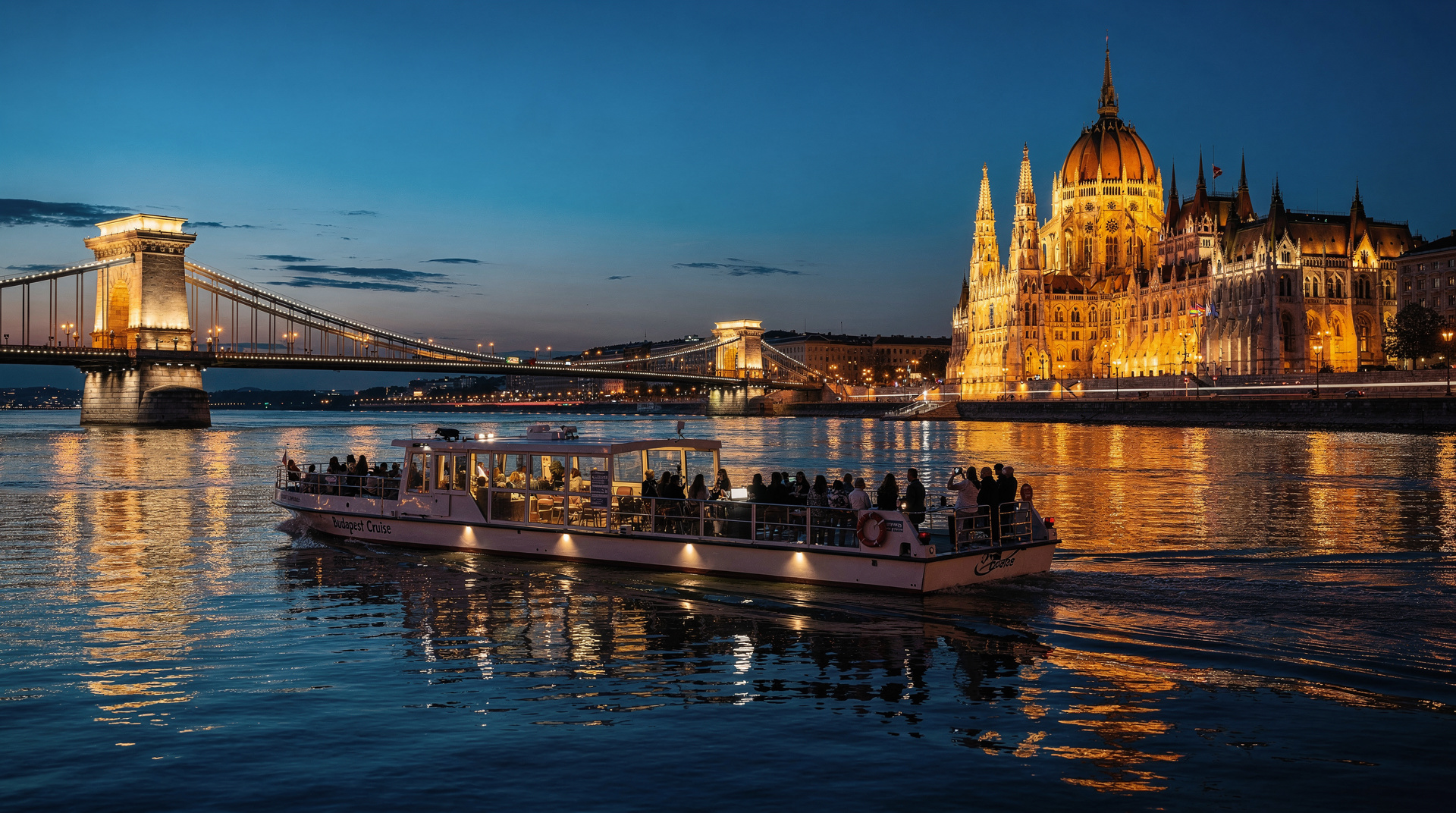
Evening on the Danube is genuinely magical. The Chain Bridge, Buda Castle, and Parliament are all floodlit after dusk, and seeing them from the water gives a completely different perspective than from the bank.
A one-hour evening sightseeing cruise fits neatly before dinner and leaves you back in town by 20:30. A one-hour evening cruise with a welcome drink is a sensible option — good views, reasonable price (around 5,500–8,000 HUF / €14–20), no commitment to a long dinner. Upgrade to a dinner cruise if you want to combine eating and viewing.
After the cruise, make your way to the Jewish Quarter (District VII) for the ruin bar scene. Szimpla Kert on Kazinczy utca is the original and remains the most atmospheric — a decaying courtyard filled with mismatched furniture, fairy lights, live music and a young crowd. It opens around 12:00 but fills properly after 21:00. Entry is usually free.
For context and a guided intro to the neighbourhood’s bar culture, the ruin bars guide covers the best spots and what to expect. A guided pub crawl is an easy way to meet people if you’re travelling solo — just read the honest advice on ruin bar rip-offs before you go.
Realistic pacing: what to cut if you’re running late
Even honest itineraries slip. If you leave the hotel after 8:30 or Fisherman’s Bastion is more crowded than expected, decide early which block you’ll shorten rather than trying to rescue all four. The easiest cut is the Royal Palace walk-through — the exterior views from outside the wings cost nothing and take five minutes, so skip the museum queues entirely. The second easiest cut is choosing between Matthias Church interior and St Stephen’s Basilica dome climb rather than doing both; they’re similar in scale and doing one leaves 30–40 minutes back in the day.
If the afternoon is the tight spot, City Park and Heroes’ Square are free and take under an hour, versus 2–3 hours at Széchenyi — swap to the park if the baths would push your evening cruise past sunset. Never cut the evening block; the floodlit Danube crossing is the single most memorable part of a one-day visit and the ruin bars are free to enter, so it costs you nothing to keep it.
If you’re arriving on an early flight rather than starting from a hotel, see the airport transfer guide — bus 100E from the airport to Deák Ferenc tér takes about 40 minutes, so a 6:00 landing can realistically still deliver a 7:30–8:00 start at the Castle.
Money-saving tweaks without cutting sights
A single day doesn’t leave much room for budget engineering, but a few swaps make a real difference. Buy the 24-hour BKK travelcard rather than single tickets the moment you’ll take three or more rides — see public transport tickets for the full fare breakdown. Skip the Fisherman’s Bastion upper gallery (the free lower terraces give essentially the same view) and the funicular (the stairs take five minutes). Eat lunch a few streets back from Váci utca as described above, and treat the evening cruise as your one splurge rather than adding a paid dinner cruise on top. For a fuller breakdown of what a full day costs at different budget levels, the Budapest daily budget guide and Budapest on a budget guide both go deeper than the honest budget list below.
Practical planning notes
Transport: Buy a 24-hour BKK travelcard (2,750 HUF) at the airport or any metro station. It covers all buses, trams, metro lines and the Cogwheel Railway. For the airport, use bus 100E to Deák Ferenc tér (2,500 HUF single). Never take an unlicensed taxi from arrivals — use the Bolt app instead. See the airport transfer guide for full options.
Honest budget (one day):
- Transport day pass: 2,750 HUF
- Baths (Széchenyi): 11,000 HUF (~€28)
- Lunch + snacks: 4,000–6,000 HUF (~€10–15)
- Dinner: 5,000–9,000 HUF (~€13–22)
- Evening cruise: 6,500 HUF (~€16)
- Matthias Church + misc entry: 5,000 HUF (~€13)
- Total: roughly 34,000–40,000 HUF (€85–100)
Add a Széchenyi booking, skip queues, and you have a very full day for around €100 per person.
When to visit: April–May and September–October give the best combination of weather and crowd levels. July–August is peak season — beautiful but crowded, especially at baths. Winter is underrated: thermal baths feel incredible in cold air, Christmas markets run from mid-November to January 1, and hotel prices drop sharply.
One-day vs more days: If this is your only day, you will see the highlights but scratch the surface. The how many days in Budapest guide explains what opens up with 2, 3 or 5 days. Even one extra day makes a significant difference.
Alternatives if you have a specific interest
- History focus: Swap the baths for the House of Terror on Andrássy út (open until 18:00, ~3,000 HUF) and Memento Park for communist-era statues (requires a separate trip to the western suburbs — taxi or dedicated tour).
- Food focus: Join a food walking tour that hits the Great Market Hall, street food vendors and local wine bars in 3–4 hours — replaces the baths slot entirely.
- Families: The Castle District and Baths work well with children. See the Budapest with kids itinerary for age-specific tips.
Budapest rewards even a single day. It is compact enough that the major sites cluster within walking distance or a short metro ride, and it is beautiful enough that simply wandering Andrássy út or the banks of the Danube feels worthwhile. Come back for longer — but if this is all you have, you will leave having seen something genuinely exceptional.
Frequently asked questions about Budapest in one day
Is one day enough to see Budapest properly? Enough to see the highlights, not enough to see it properly. You’ll cover the Castle District, Parliament exterior, a thermal bath and the Danube at night, but you’ll miss the day-trip destinations, most museums, and the slower pace that makes Budapest special. If you can stretch to two or three days, the Budapest 3-day itinerary or the how many days in Budapest guide show what opens up.
What’s the single best sight to prioritise if I have to cut everything else? Fisherman’s Bastion at sunrise, followed closely by the Danube at night. Both are free or nearly free, both are quintessentially Budapest, and both work regardless of season or weather. Everything else on this itinerary is genuinely optional if time runs short.
Top experiences
Bookable activities with verified prices and instant confirmation on GetYourGuide.