Great Market Hall Budapest: the insider's food guide

Is the Great Market Hall worth visiting in Budapest?
Yes, for the atmosphere and architecture alone. The 19th-century iron-and-glass building is beautiful, and the ground floor market is still a genuine working market used by locals. However, some stalls on the upper levels cater almost entirely to tourists at tourist prices. Go in the morning, focus on the ground floor, and treat the upper level as a food court with a view.
Budapest’s cathedral of food
The Great Market Hall (Nagycsarnok, or Központi Vásárcsarnok — Central Market Hall) at Fővám tér on the Pest bank of the Danube is the largest and most impressive of Budapest’s five historic market halls. Built 1894–1896 to designs by Samu Pecz, it was constructed simultaneously with three other neighbourhood markets as part of Budapest’s late-19th-century urban modernisation programme.
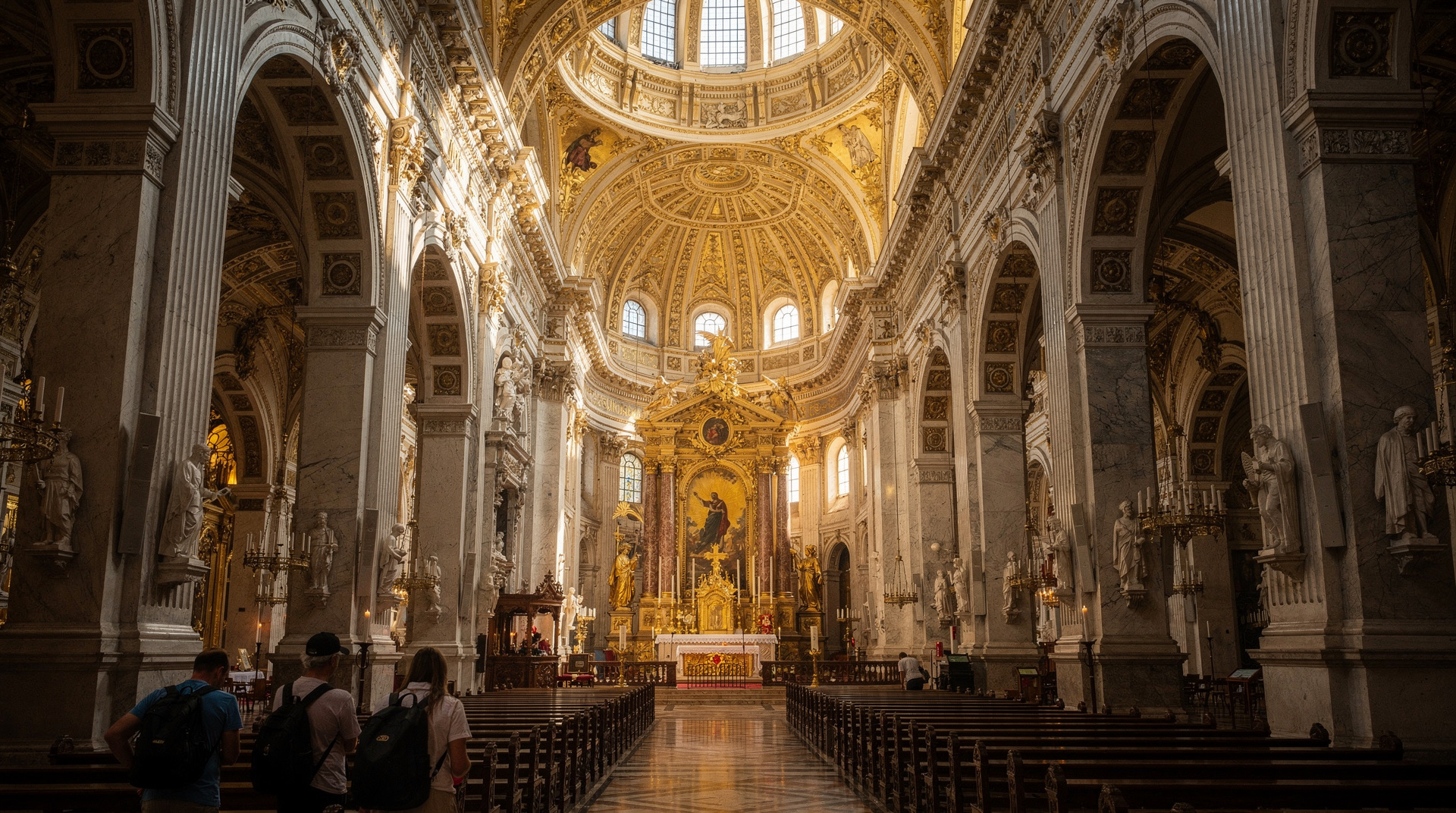
The building itself is worth visiting on architectural grounds alone: an enormous iron-and-glass hall, 150 metres long and 50 metres wide, with a ceramic Zsolnay tile roof in geometric patterns (matching the Matthias Church tiles across the river). The interior — cast iron columns, multi-storey gallery levels, natural light flooding down through the glass roof — is genuinely majestic.
As a functioning food market, it is a hybrid: the ground floor remains a real market, the upper levels have drifted almost entirely to tourist trade, and the basement caters to a niche of food specialists. Understanding this division makes the visit far more rewarding.
| Where | Fővám tér, Pest bank, southern end of central Pest |
| Cost | Free entry; budget 2,000–5,000 HUF for food and small souvenirs |
| Time needed | 45–90 minutes |
| Getting there | Tram 2 to Fővám tér, or metro M4 to Fővám tér |
| Best time | Tuesday–Friday mornings, 8–11am |
The ground floor: where the real market lives
The ground floor (fszt. in Hungarian) is the heart of the market and the most interesting level for food shopping.
Produce stalls: seasonal vegetables and fruit, priced at local market rates (slightly higher than a supermarket, much lower than tourist-area shops). In summer, the peach, cherry and watermelon stalls are exceptional. In autumn, mushrooms, plums and paprika appear. Hungarian winter vegetables — celeriac, parsnip, red cabbage — dominate the cold months.
Sausage and charcuterie stalls: Hungarian salami, kolbász (spiced sausages), hurka (blood sausage and liver sausage), and the famous Pick salami from Szeged are sold by weight. Pick Téliszalámi — the iconic Hungarian winter salami in its white mould coating — is the most authentic souvenir from this section. Prices: 3 500–6 000 HUF per 100g for premium salami; cheaper for everyday sausage.
Paprika: Hungary is synonymous with paprika, and the market stalls carry a genuinely superior range compared to supermarkets. Look for Kalocsa or Szeged paprika (the two traditional growing regions), smoked varieties (füstölt), rose paprika (rózsa — medium) and hot (erős). Quality ranges from tourist-souvenir blends to serious cooking paprika; ask the vendor to recommend their best. 200–500 HUF for 100g.
Honey: Hungarian acacia honey (akácméz) is world-class — pale, almost clear, with a delicate floral flavour. The market stalls often sell directly from beekeepers. 1 500–3 500 HUF for 500g.
Wine: Several stalls on the ground floor sell Hungarian wines at reasonable prices. Focus on Tokaj (Aszú and dry furmint), Eger reds (Bikavér), and Badacsony whites. Prices are mid-range — higher than a supermarket, lower than a dedicated wine shop. For the best selection, the [Great Market Hall wine stalls are a starting point; Bortársaság shops are better for serious wine shopping.
The upper floor: food court and folk art
The upper gallery (emelet) is almost entirely tourist-oriented.
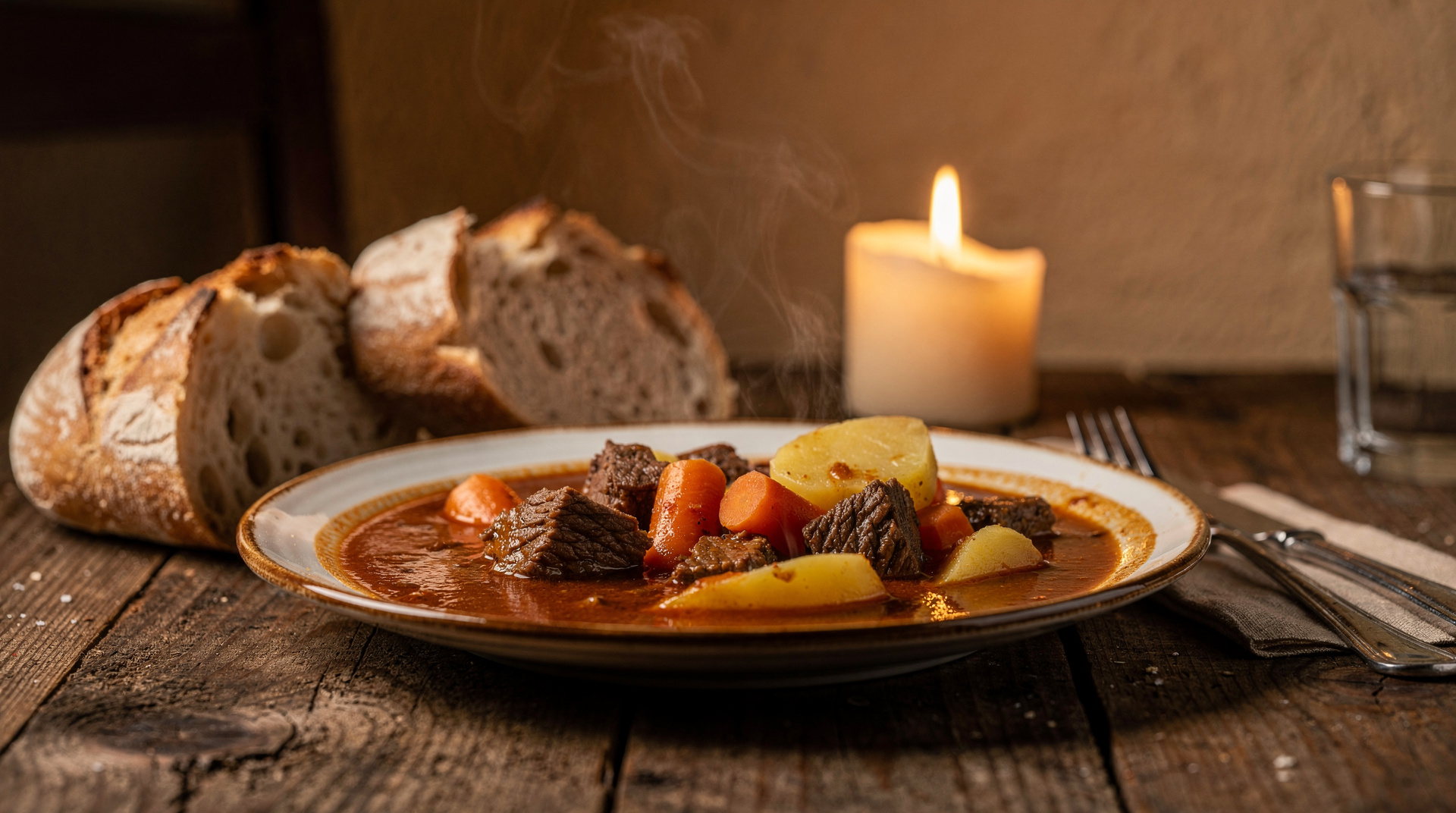
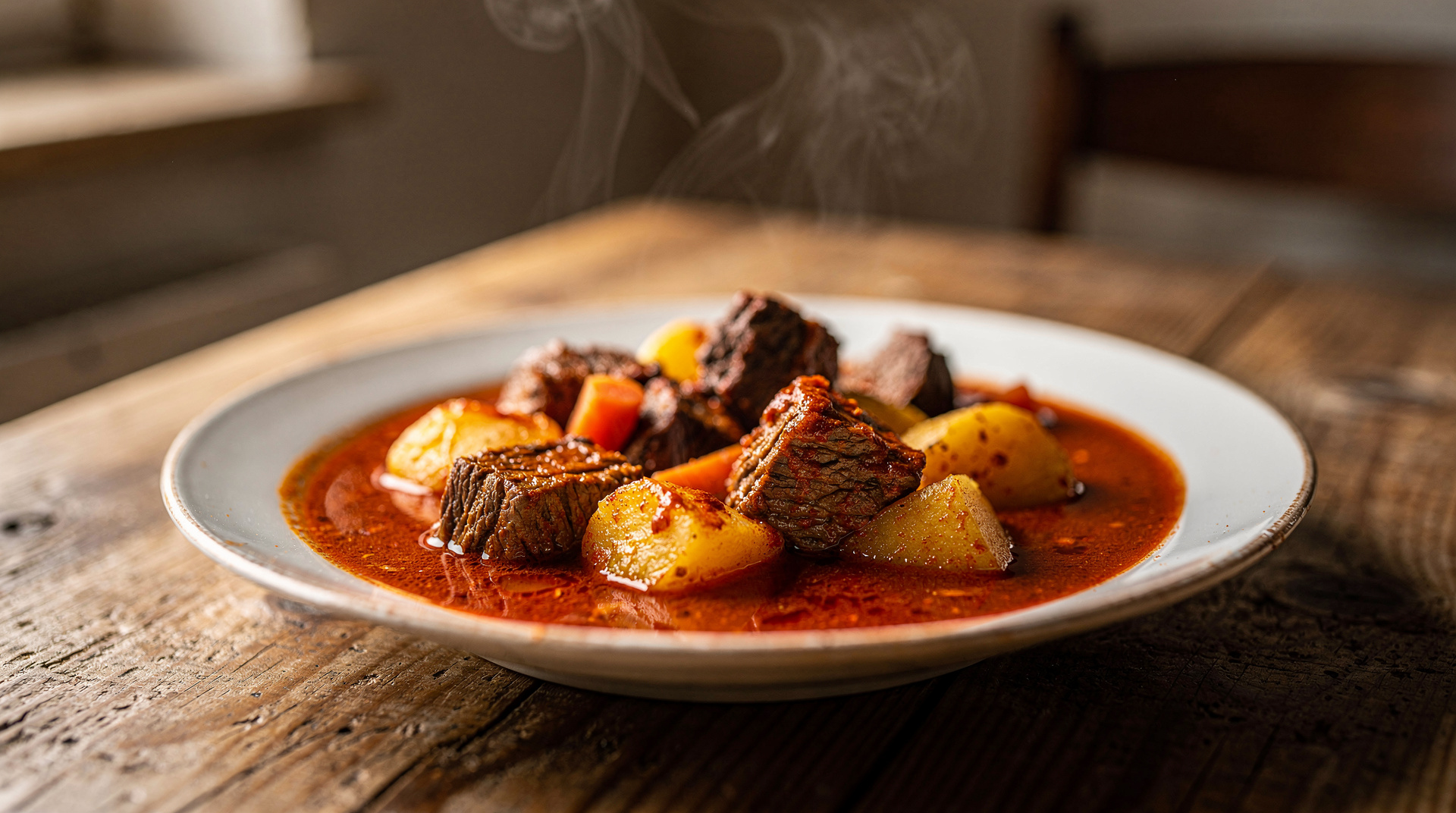
The food court: Stalls serve hot Hungarian dishes — gulyás, pörkölt, stuffed cabbage (töltött káposzta), lángos, goulash soup in bread bowls. Quality is adequate; prices are tourist-zone elevated (2 000–5 000 HUF for a main dish). The lángos is freshly made and the correct introduction to this Hungarian street food for visitors who have not tried it elsewhere.
The setting — eating overlooking the market hall floor from the gallery — is appealing. This is the most photogenic place in the market for food photos.
Folk art and craft stalls: Embroidered tablecloths, painted pottery (Herend-style, not genuine Herend — the genuine article is at the Herend boutique on Andrássy út), traditional dress items, woven textiles and wooden toys. Quality ranges from genuine artisan work to factory imports. Prices have room for negotiation but not dramatically. Authentic Hungarian embroidery (Kalocsa or Matyó style) from a named maker is a genuine souvenir; the anonymous tourist versions are not.
The basement: specialist and local
The basement level (pince) is little-visited by tourists and more interesting for that reason. Stalls selling wine, pálinka, preserved vegetables, pickles, and specialty foods are used primarily by locals and food professionals. The pickle section — enormous jars of fermented cucumbers, peppers, cauliflower, cherry peppers — represents the Hungarian taste for savanyúság (literally “sourness”) that accompanies almost every meal.
Practical tips
Opening hours: Monday 6 am–5 pm; Tuesday–Friday 6 am–6 pm; Saturday 6 am–3 pm; closed Sunday. No entry fee.
Best time: Tuesday–Friday, 8–11 am. Saturday morning is the peak atmosphere and peak crowd simultaneously. Avoid Monday lunchtime when the selection is already picked over.
Food tours: Guided food tours of the market are available through GYG and local operators — these add context to what you are tasting and include guide introductions to vendors. The best food tours in Budapest covers these in detail.
Transport: The market is at Fővám tér, a 10-minute walk from the hotel district around Vörösmarty tér. Tram 2 stops directly outside (Fővám tér stop). The adjacent Szabadság híd (Liberty Bridge) leads over to Gellért Hill in Buda.
Nearby eating: The streets immediately around the market have several good mid-range restaurants. Borbíróság (Csarnok tér side) is one of the better wine-and-food spots. The Corvinus University canteen on Fővám tér serves extremely cheap Hungarian food (700–1 500 HUF) used primarily by students.
A sensible route through the hall
The simplest way to avoid feeling overwhelmed is to decide on an order before you walk in. Start on the ground floor while the stalls are fresh and the vendors have time to talk. Walk the length of the hall once without buying anything, just to see who sells what and how the prices compare from one stall to the next. Then go back for the purchases you actually want. This costs a few extra minutes, but it stops you from paying a premium at the first stall near the entrance, which is where visitors tend to stop and spend.
Once your shopping is done, head to the basement for pickles, wine or pálinka, and leave the upper gallery for last. Eating lunch there at the end of the visit means you are not carrying bags of salami and paprika around a crowded food court, and the view over the hall floor makes a good place to rest your feet. If you would rather have someone explain the stalls as you go, a guided tasting walk through the market stalls is a relaxed way to try several things without having to guess which counters are worth your time.
A few habits make the visit smoother. Greet the vendor before you point at anything, because a short hello changes the tone of the exchange. Be ready to say what you want in simple terms, since many stalls sell by weight and a rough amount is enough. Keep small notes handy, and do not be embarrassed to say no if a sample or a suggestion does not appeal. Vendors on the ground floor deal with locals all week and are generally straightforward; the more you behave like a regular, the better the service tends to be.
Buying food to take home
Think about the journey home before you buy. Hard salami, paprika, honey and sealed jars travel well; fresh cheese and anything that needs cooling does not. Vendors are used to visitors and will often vacuum-pack or wrap sausage so that it survives a suitcase. Ask politely, and ask before the item is cut, not after.
For liquids, remember that wine, pálinka and honey in glass can be a problem in hand luggage on a flight, so plan to pack them in checked baggage or buy them last. If you are comparing bottles, the Hungarian wine guide and the Tokaj wine region guide help you read labels and pick something that suits your taste rather than the first bottle a stall offers. Anyone drawn to the spirits shelves can read the pálinka guide before choosing.
Sweet things deserve a mention too. If you want a baked souvenir rather than a jar, the chimney cake guide explains what a proper kürtőskalács should taste like, which makes it easier to judge the versions sold around the hall.
Who the market suits best
Food lovers and photographers get the most out of the hall. If you enjoy browsing, comparing and asking questions, you can happily spend a long morning here. Families can also enjoy it, because the scale of the building and the colours of the produce keep children interested, although the crowds on a busy Saturday can be tiring for small ones. Our Budapest with kids guide has other ideas for pacing a day with younger travellers.
Visitors on a tight budget should treat the market as a place to buy picnic supplies rather than a place to eat out. Bread, cheese, fruit and sausage from the ground floor make a far cheaper lunch than a hot dish upstairs, and the Budapest on a budget guide shows how this kind of self-catering fits into a wider plan. Vegetarians will find plenty of produce, pickles and bread, but the hot food upstairs leans heavily on meat, so the vegetarian and vegan guide is worth a look before you go.
What’s overpriced vs what’s genuinely good value
| Item | Verdict | Better alternative |
|---|---|---|
| Upper-floor lángos | Convenient but pricier | Street stalls elsewhere: 400–700 HUF vs 800–1,500 HUF |
| Anonymous embroidery/craft stalls | Often mass-produced | Look for a named maker for genuine Kalocsa/Matyó work |
| Ground-floor paprika, salami, honey | Genuinely good value | — |
| Basement pickles and wine | Under-visited, good value | — |
| Upper-floor ready-made dishes (gulyás, stuffed peppers) | Tourist prices | Cook your own with market ingredients, or see where to eat in Budapest for better-value spots nearby |
The pattern is consistent throughout the building: the ground and basement floors serve locals and reward careful shopping, while the upper floor exists mainly for tourist convenience and prices accordingly. Neither is a scam — the upper floor is simply a food court with a view, and paying for that convenience is a reasonable choice, just not the best-value one.
Visiting as part of a food-focused day
The Great Market Hall pairs naturally with a broader culinary itinerary in Budapest. A morning at the market for produce and a light lunch, followed by an afternoon exploring the street food scene or a stop at a coffee house for cake, makes a full day built around Hungarian food culture. For a deeper dive with expert context, the best food tours in Budapest guide covers guided options that go beyond independent browsing, including several that start or end at the market itself.
Fitting the market into your itinerary
Because the hall sits at the edge of the central tourist corridor, it fits easily into a short stay. On a first visit, it works well as a morning stop in a one-day Budapest plan or as part of the Pest-side day in the three-day first-timer itinerary. If you are still deciding how long to stay in the city, how many days in Budapest helps you work out where a market morning fits.
After the market, the Liberty Bridge is right next door, so you can cross to the Buda side and walk up towards Gellért Hill for a view back over the river. Having bought picnic food downstairs, you can carry it up with you. For a broader look at how the two banks differ, see Buda vs Pest.
If you prefer to see the area on wheels or at a distance, a hop-on hop-off bus around the main sights passes close enough that you can combine a market stop with a loop around the city.
Connecting sights
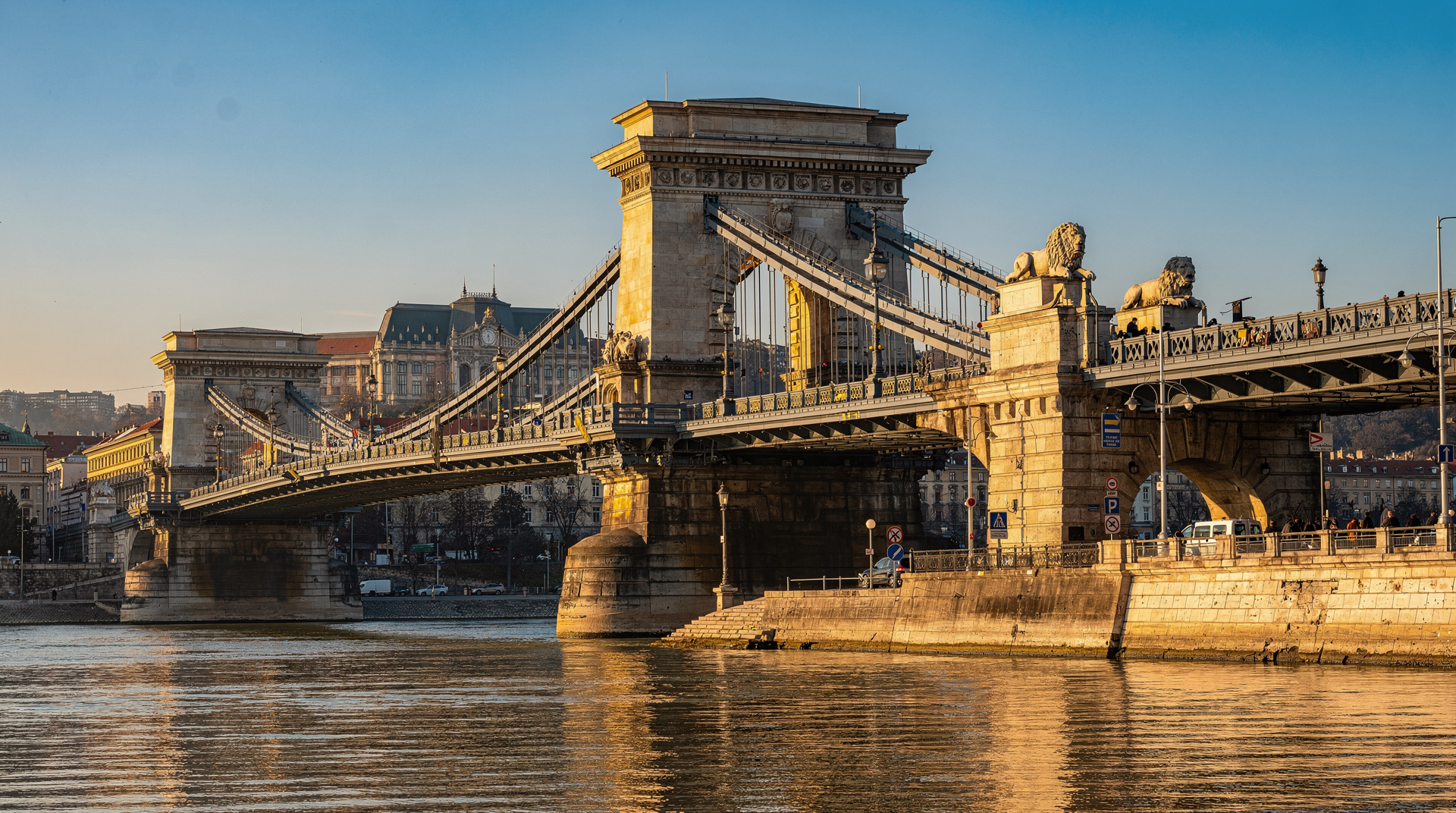
The Great Market Hall is at the southern end of central Pest’s main tourist corridor. Chain Bridge is 10 minutes north along the embankment; St Stephen’s Basilica is 20 minutes north via Váci utca. The market makes a logical endpoint (or start) for a morning exploring downtown Pest.
For context on what you are buying and eating, the traditional Hungarian dishes guide explains the cultural significance of the foods sold here. The Hungarian wine guide covers the wine stalls. The pálinka guide helps identify quality in the basement spirits selection.
A guided walking tour of central Budapest typically includes the market hall as a stop — useful for getting oriented before shopping independently.
Frequently asked questions about Great Market Hall Budapest
What should I buy at the Great Market Hall?
Ground floor: Hungarian paprika (smoked and sweet), Pick salami from Szeged, Tokaj wine, artisan honey, kürtőskalács mix, and fresh produce (fruit, vegetables, cheeses). Upper floor: lángos (fried dough with sour cream and cheese, 800–1 500 HUF) and traditional Hungarian ready-made dishes — gulyás, stuffed peppers — at tourist prices. Embroidery and folk craft stalls on the upper floor range from authentic to mass-produced.When is the Great Market Hall open?
Monday 6 am–5 pm, Tuesday–Friday 6 am–6 pm, Saturday 6 am–3 pm, closed Sunday. The market is most lively on Tuesday–Friday mornings (8–11 am), when locals shop alongside visitors. Saturday mornings are busy and atmospheric. The market is always open to visitors during trading hours — no entry fee.Is the lángos at the Great Market Hall good?
The lángos on the upper floor is competent — freshly fried, topped with sour cream (tejföl) and cheese (sajt), the classic Budapest version. It is not the cheapest in the city (local street stalls are 400–700 HUF vs 800–1 500 HUF upstairs), but the convenience and the setting make it a reasonable tourist experience. Real lángos connoisseurs go to the street stalls outside.How do locals use the Great Market Hall?
The ground floor is a genuine working market. Locals buy fruit, vegetables, bread, sausages and dairy from the stalls Monday–Friday, generally arriving before 10 am. They avoid the upper floor almost entirely (tourist prices and tourist food). The basement level has a small number of stalls with pickles, wine and specialty foods that are less visited and often better value.Can I pay by card at the Great Market Hall?
Most stalls accept card payment, though many smaller vendors still prefer cash for small purchases. Carrying some HUF in small denominations speeds things up and avoids minimum-spend issues some stalls apply to card payments.Is the Great Market Hall good for a quick lunch?
Yes — the upper-floor food court is the fastest sit-down-adjacent lunch option in the immediate area, with lángos, gulyás and other Hungarian staples served quickly. It is not the cheapest lunch in the city, but for convenience combined with the setting, it's a reasonable choice on a sightseeing day.
Top experiences
Bookable activities with verified prices and instant confirmation on GetYourGuide.