House of Terror Budapest: what to expect and how to visit
What is the House of Terror in Budapest?
The House of Terror (Terror Háza) is a museum at Andrássy Boulevard 60, occupying the former headquarters of Hungary's Nazi and communist secret police. It documents both regimes' crimes through artefacts, survivor testimonies and immersive exhibits. A visit takes 2–3 hours.
A building that was already a monument to fear before it became a museum
The building at Andrássy Boulevard 60 has been many things: a private villa, the headquarters of the Hungarian fascist Arrow Cross party (1944–45), and then — from 1945 to 1956 — the headquarters of the ÁVH, Hungary’s communist secret police, feared throughout the country as the address from which people disappeared. It was a site of interrogation, torture and execution under both regimes. Today it is the House of Terror (Terror Háza), a museum opened in 2002 that documents both periods.
No Budapest cultural itinerary that takes the city’s 20th-century history seriously can omit it.
| Where | Andrássy út 60, near metro M1 Vörösmarty utca |
| Cost | Around 4,000–5,000 HUF, reductions for students/seniors |
| Time needed | 2–3 hours for a thorough visit |
| Getting there | Metro M1 (yellow line) to Vörösmarty utca, short walk |
| Best time | Weekday morning, straight after opening, to avoid tour groups |
The building’s history before the museum
Andrássy Boulevard was built in the 1870s as Budapest’s grand answer to Paris’s Champs-Élysées. The villa at number 60 was a prestigious address. Its transformation into a headquarters of political violence came in stages.
In 1940, the Arrow Cross — Hungary’s home-grown fascist movement, allied with the Nazis — took over the building as their Budapest base. After German occupation of Hungary in March 1944 and the Arrow Cross seizure of power in October 1944, the basement became an interrogation centre. Hundreds of people, mostly Jews and political opponents, were tortured here in the final months of the war.
When Soviet forces occupied Hungary in 1945, the building transferred to the State Protection Authority (ÁVH), the Hungarian equivalent of the Soviet NKVD/MGB. Under Mátyás Rákosi’s Stalinist government, the ÁVH arrested, tortured and executed thousands of Hungarians — not only political enemies but party members suspected of insufficient loyalty. Cardinal József Mindszenty, the Catholic primate of Hungary, was among the most famous prisoners. The ÁVH building on Andrássy was where confessions were extracted.
The regime fell, partially, in 1956. The ÁVH was dissolved after the revolution. But its successor organisations continued their work in different buildings. The formal transition to democracy came only in 1989–90.
What you see inside
The museum’s design is determinedly non-neutral. The directorial choices — dramatic lighting, a central dark-coloured void, video testimonies playing on loop — aim to create an emotional experience rather than a detached academic one. This has drawn both praise and criticism. The museum’s founding political context (it was established during Viktor Orbán’s first government) has shaped what it emphasises: it gives roughly equal weight to the Nazi and communist periods in terms of floor space, but critics argue the Soviet period receives less analytical rigour while the museum uses its displays to frame post-war communist Hungary in ways that serve contemporary political arguments. Visitors should be aware of this context without letting it prevent them from engaging with the genuine historical content.
Ground floor: reception, introduction to Hungary’s 20th-century political situation. The courtyard at the centre of the building — now glass-roofed — contains a Soviet tank and an Arrow Cross flag. The visual contrast between the elegant art nouveau building and its contents is immediate.
First and second floors: themed rooms covering the Arrow Cross period (1944–45) and then the ÁVH/communist period (1945–1956+). Exhibits include original artefacts from the building itself — furniture, filing cabinets, office equipment — alongside photographs, documents and video testimonies from survivors. The survivor testimony sections are the most affecting: elderly men and women describing what happened in specific rooms of this specific building.
The basement: the most difficult part of the visit. This is where the actual interrogation and detention cells were. The cells have been preserved and recreated. A slowly descending lift carries visitors down through a documentary film about the ÁVH’s methods and victims — a deliberate atmospheric device. The basement is authentic: the small size of the cells, the absence of light, the damp. It is not theatrical reconstruction; it is the real space.
The final basement room deals with the executioner’s room and with Hungary’s path to the 1956 revolution. The exhibition concludes with a “Gallery of Perpetrators” — photographs and names of ÁVH officers and collaborators, with their eventual fates. Some lived to old age without prosecution; a few were tried after 1989.
Guided tours: what they add
The museum has English-language audio guides, but a live guide with expertise in the period adds substantially more. The House of Terror guided tour covering Nazi and Soviet history connects the exhibits to the broader Hungarian political narrative — the Arrow Cross’s relationship with the Nazi regime, Hungary’s unique position as an Axis ally rather than occupied territory until 1944, the specific mechanics of Stalinist terror, and the 1956 revolution.
A guide also helps visitors navigate the museum’s political angle consciously: understanding which aspects of the display are straightforward historical documentation and which reflect the choices of its founders.
The communist history guided tour pairs the museum with a walk through nearby streets and monuments that contextualise the communist period — useful for visitors who want to see the city alongside the museum.
Practical information
Address: Terror Háza, Andrássy út 60, Budapest 1062. Metro M1 (yellow line) to Vörösmarty utca, then a short walk down Andrássy Boulevard — the museum is clearly signposted.
Opening hours: Tuesday–Sunday 10:00–18:00 (last admission 17:30). Closed Monday.
Tickets: Buy at the door or online. Student/senior reductions available. EU citizens under 26 admitted free (standard EU museum rule applies here). No need to buy from resellers.
Photography: Allowed in most areas; restricted in the basement cells. Check signage.
Language: Exhibits are in Hungarian and English throughout. Audio guide available in multiple languages.
Duration: 2–3 hours for a thorough visit. If you read every panel and watch every video, allow more time.
Is it worth the entry price
Yes, for almost anyone with a genuine interest in 20th-century European history — but go in prepared for a heavy visit, not a casual afternoon stop. The entry price is modest compared with the depth of what is inside, and the basement cells alone justify the trip for visitors who want to understand what Andrássy 60 actually was rather than just read about it. It is less worthwhile as a rushed 45-minute add-on between other sights; the museum rewards visitors who give it the full two to three hours and read at least a portion of the text panels rather than walking past them.
Managing a difficult visit
The subject matter is genuinely upsetting, and the museum’s design intensifies that deliberately — dim lighting, looping video testimony, a slow descent into the basement. Pace yourself: there is no obligation to read every panel or watch every video in full, and stepping into the central courtyard for a moment is a reasonable way to reset between floors. Visitors sensitive to depictions of violence, or travelling with children, should read the exhibit descriptions above before committing to the full visit. The museum does not soften its content, and that is largely the point — but knowing this in advance makes for a better visit than being caught off guard in the basement.
Planning your day around the visit
Because the museum asks a lot of you emotionally, it works best as the anchor of a half-day rather than one stop among five. Arrive early, give the exhibition its full time, and leave the afternoon open for something gentler. A long lunch, a coffee in one of the city’s old cafés (see the coffee houses guide) or a slow walk along the boulevard all help you process what you have just seen.
If you are building a first itinerary, the first time in Budapest guide shows how a heavy cultural morning can sit alongside lighter sights, and the top attractions in Budapest list helps you decide what else deserves a place beside it. Many travellers like to follow the museum with an evening in a thermal bath, since warm water is a natural counterweight to a sombre morning; the best thermal baths in Budapest guide covers the options.
Getting to Andrássy Boulevard is straightforward on the Budapest transport network. The Budapest metro guide explains how the M1 line works, and the public transport tickets page covers what to buy. If you are using a city pass, check the Budapest Card guide to see whether it fits your plans before you assume anything about museum entry.
How to read the exhibition critically
The House of Terror is both a historical museum and a piece of deliberate staging, and the best visitors hold both ideas at once. The artefacts, the preserved cells and the survivor testimonies are real and carry their own weight. The framing — which period gets which emphasis, how perpetrators and victims are presented, what is left unsaid — is the work of the people who designed the display.
A useful habit is to ask of each room what is documentation and what is interpretation. A photograph of a prisoner, a filing cabinet from the building, a transcript of a testimony: these are evidence. The music, the lighting, the sequencing and the closing messages are choices. Neither category cancels the other, and noticing the difference makes the visit richer rather than more cynical.
It helps to arrive with some background. The Hungarian history primer gives the long view, and the communist Budapest guide shows how the sites of the period connect. With that grounding, the exhibits on the Arrow Cross years and the Stalinist period read as chapters of a continuing story rather than isolated displays. Travellers who want a guide’s voice to hold it all together can choose the guided trip to the Soviet-era statue park as a companion experience on another day.
Remembering the victims elsewhere in the city
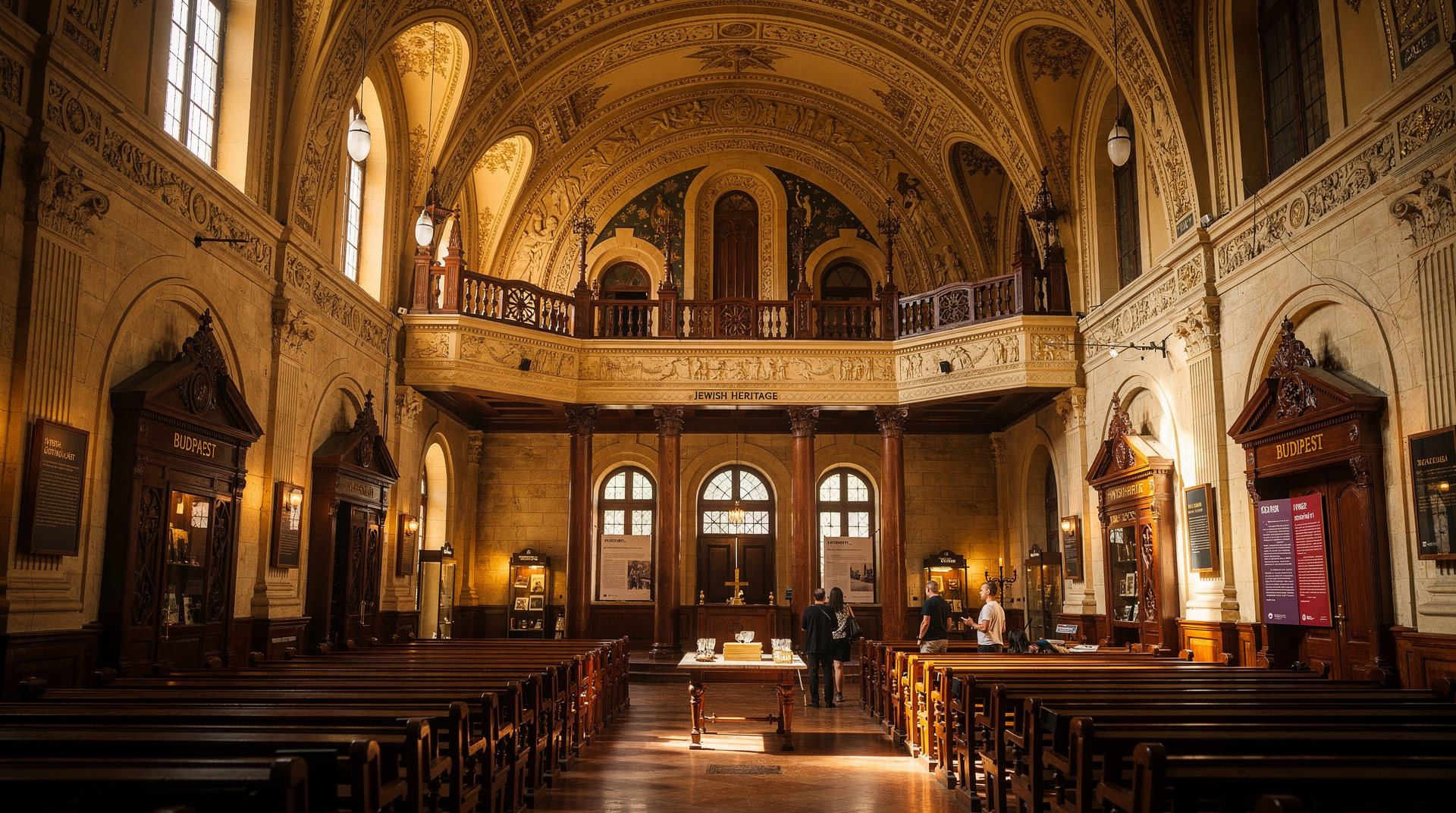
The museum is one of several places in Budapest where this history is kept alive, and visiting a few of them gives a fuller sense of what the city lived through. The Shoes on the Danube memorial on the riverbank is a quiet, open-air counterpoint to the museum’s immersive approach. The Dohány Street Synagogue and the surrounding Jewish Quarter heritage guide tell the story of the Jewish community, and the district VII guide helps with the practicalities of walking there. For a deeper conversation with someone who knows the period, the Jewish history walk led by a historian is a thoughtful way to continue.
Many visitors find that spacing these experiences over several days, rather than packing them into one, lets each of them land properly. The Budapest 3 days overview and the first-timer highlights itinerary are good starting points for pacing a trip that mixes history with the city’s lighter pleasures.
Who should visit, and who might skip it
The museum suits readers who like to understand a place through its difficult chapters and who are ready for an intense visit. It is a strong choice for history students, for travellers returning to Budapest who have already seen the main landmarks, and for anyone curious about how Central Europe lived through the twentieth century.
It may be a poor fit on a day when you are tired, travelling with small children, or looking for something light. In that case, the best museums in Budapest guide lists alternatives, and the free things to do in Budapest page has gentler options for the same afternoon. If you are visiting with teenagers, the Budapest with kids guide discusses how to judge what suits your family.
Combining with other cultural sites
The House of Terror sits on Andrássy Boulevard, one of Budapest’s grandest avenues. The Hungarian State Opera House is a 10-minute walk south (toward the city centre). The Heroes’ Square and City Park area is a 15-minute walk north.
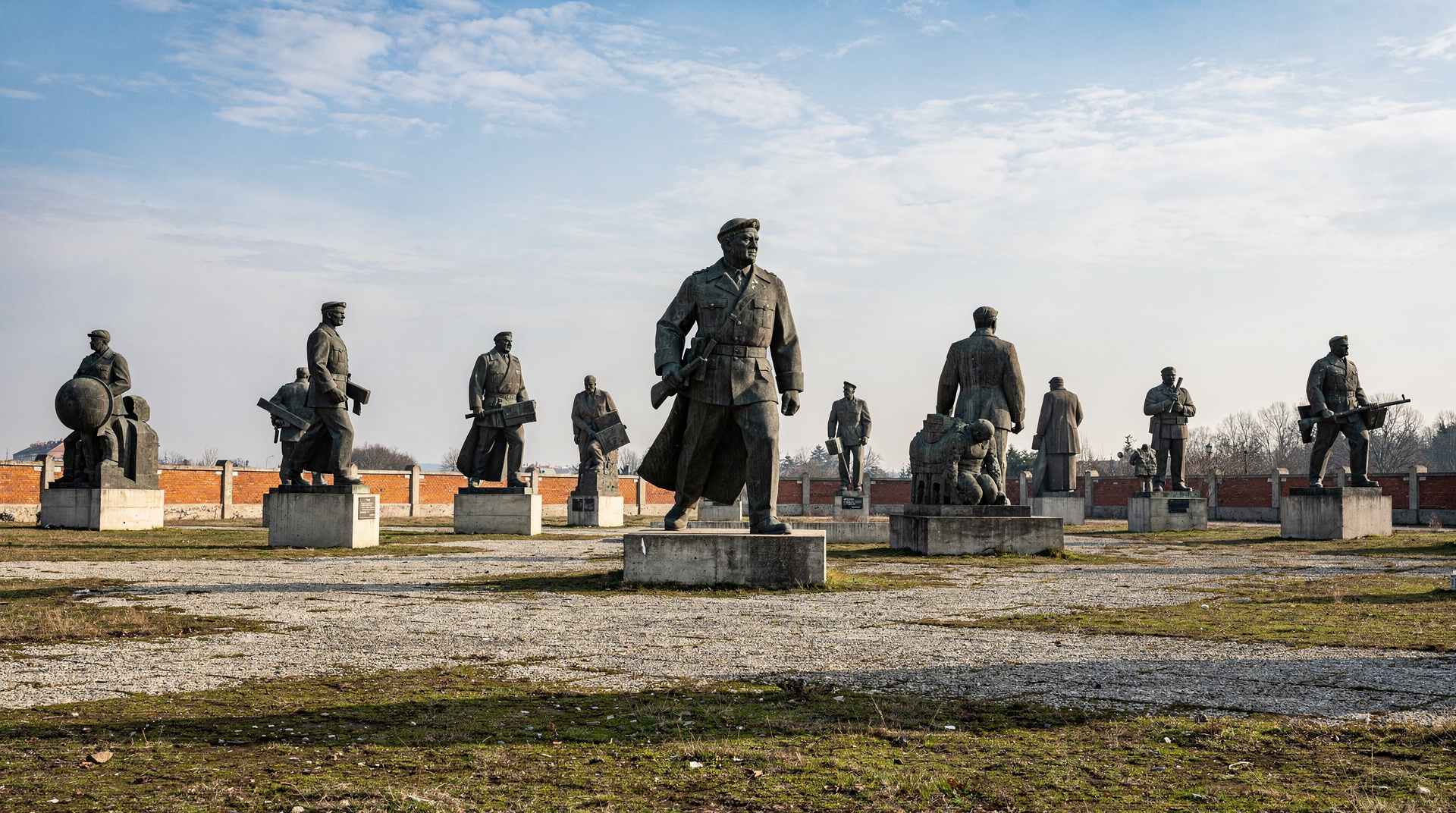
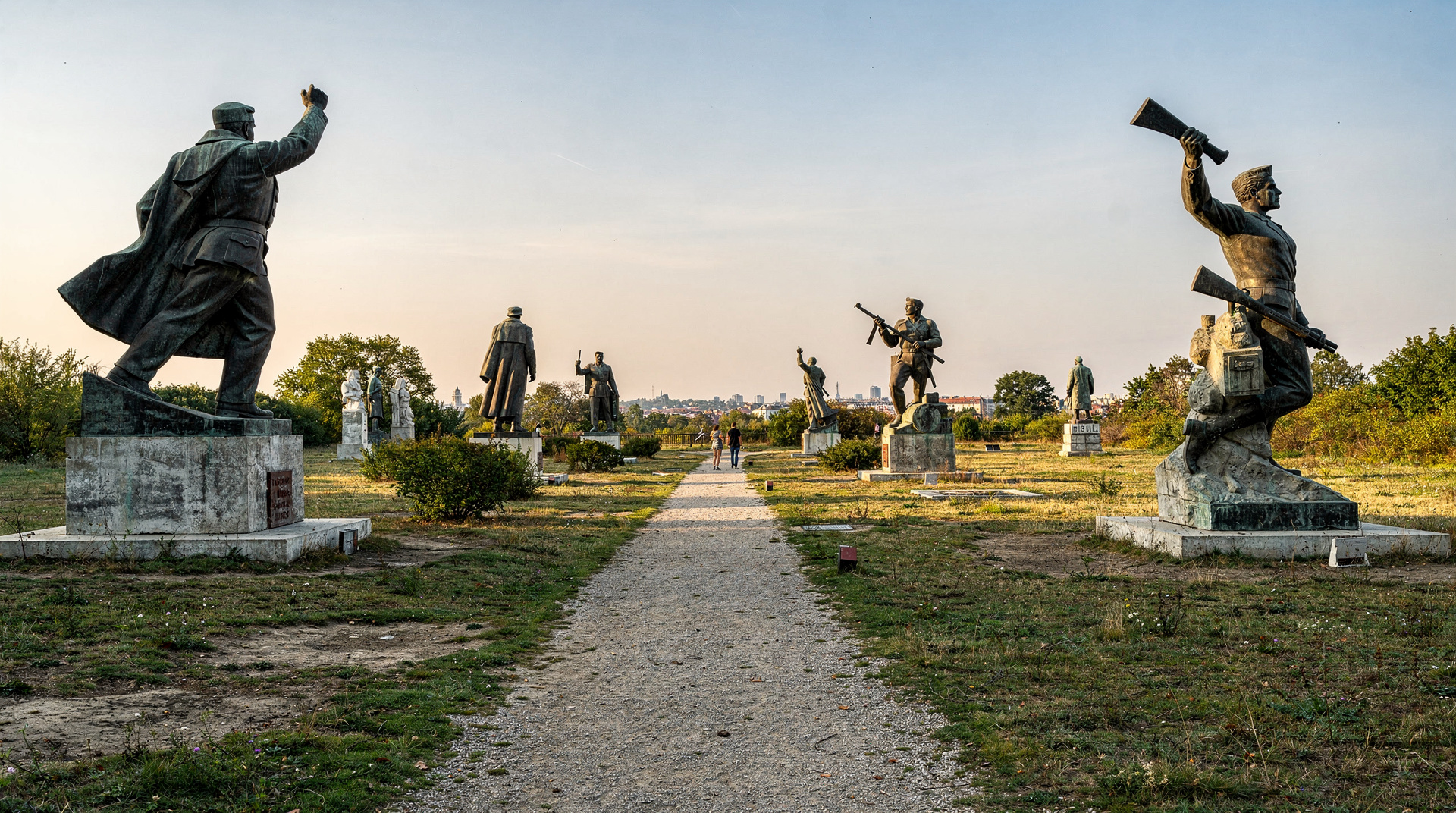
For a coherent day of 20th-century history, combine the House of Terror with a visit to the Jewish Quarter and Dohány Street Synagogue — together they cover the Nazi period from two complementary perspectives. For the communist period in visual form, Memento Park on the outskirts of the city houses the monumental Soviet-era statues removed from Budapest’s public spaces after 1989.
The communist Budapest guide places all these sites within their historical narrative. The Hungarian history primer provides the full 1,000-year framework. For practical itinerary planning, the Budapest 3-day itinerary suggests how to fit these cultural visits around the city’s other major attractions. The best museums in Budapest guide ranks the full range of options for visitors with varying degrees of historical interest.
Frequently asked questions about House of Terror Budapest
How much does the House of Terror cost?
Standard admission is around 4 000–5 000 HUF (€10–12). Reduced prices apply for students, seniors and EU citizens under 26. The ticket covers all permanent exhibits. Guided tours, available through GetYourGuide and on-site, cost extra but are strongly recommended for historical context.How long does the House of Terror take?
Plan on two to three hours for the permanent exhibition at a thoughtful pace. The museum has three floors plus a basement. The documentary footage rooms take time. Allow more time if you read all the text panels — they are detailed and worth reading.Do I need a guided tour for the House of Terror?
Not strictly, but the museum is significantly more powerful with context. Many of the artefacts and exhibits are presented without extensive English explanation. A guide can connect the exhibits to the broader political history of Hungary in the 20th century and answer questions the panels cannot anticipate.Is the House of Terror appropriate for children?
The museum contains graphic content including documentation of torture, execution and deportation. It is generally appropriate for teenagers with some historical preparation, but not for young children. The museum itself does not set an official age restriction.What is the black blade on the roof of the House of Terror?
The overhanging blade ('terror' cut from metal sheet) projects from the roof of the building, casting a shadow over the pavement below. It frames the building's history as a statement visible from the street. When sunlight angles correctly, the shadow of the word 'terror' falls across the façade — a piece of architectural theatre that reinforces the museum's directorial approach.
Top experiences
Bookable activities with verified prices and instant confirmation on GetYourGuide.