Budapest 5-day itinerary: the in-depth city experience

Five days in Budapest is a proper trip, not a city break. By day five, you will know which metro line goes where without checking your phone, have a favourite café, and be able to recommend the right bath for someone’s personality. This itinerary covers the essential sights in the first three days, then ventures out to the Danube Bend and Eger for day trips, with space for the slower pleasures that a short break never allows.
| Where | Budapest city days 1–3, Danube Bend day 4, Eger day 5 |
| Cost | around 153,800–178,800 HUF (€385–448) per person, mid-range |
| Time needed | five full days; day 5 needs an early train to fit Eger and Egerszalók |
| Getting there | on foot + metro in the city; HÉV/tour for day 4, InterCity train for day 5 |
| Best time | April–May or September–October, for both the city and both day trips |
Day-by-day summary
| Day | Focus | Highlights |
|---|---|---|
| Day 1 | Buda | Castle District, Chain Bridge, Gellért Hill |
| Day 2 | Pest | Parliament, Great Market Hall, Széchenyi Baths |
| Day 3 | Jewish Quarter | Dohány Synagogue, House of Terror, dinner cruise |
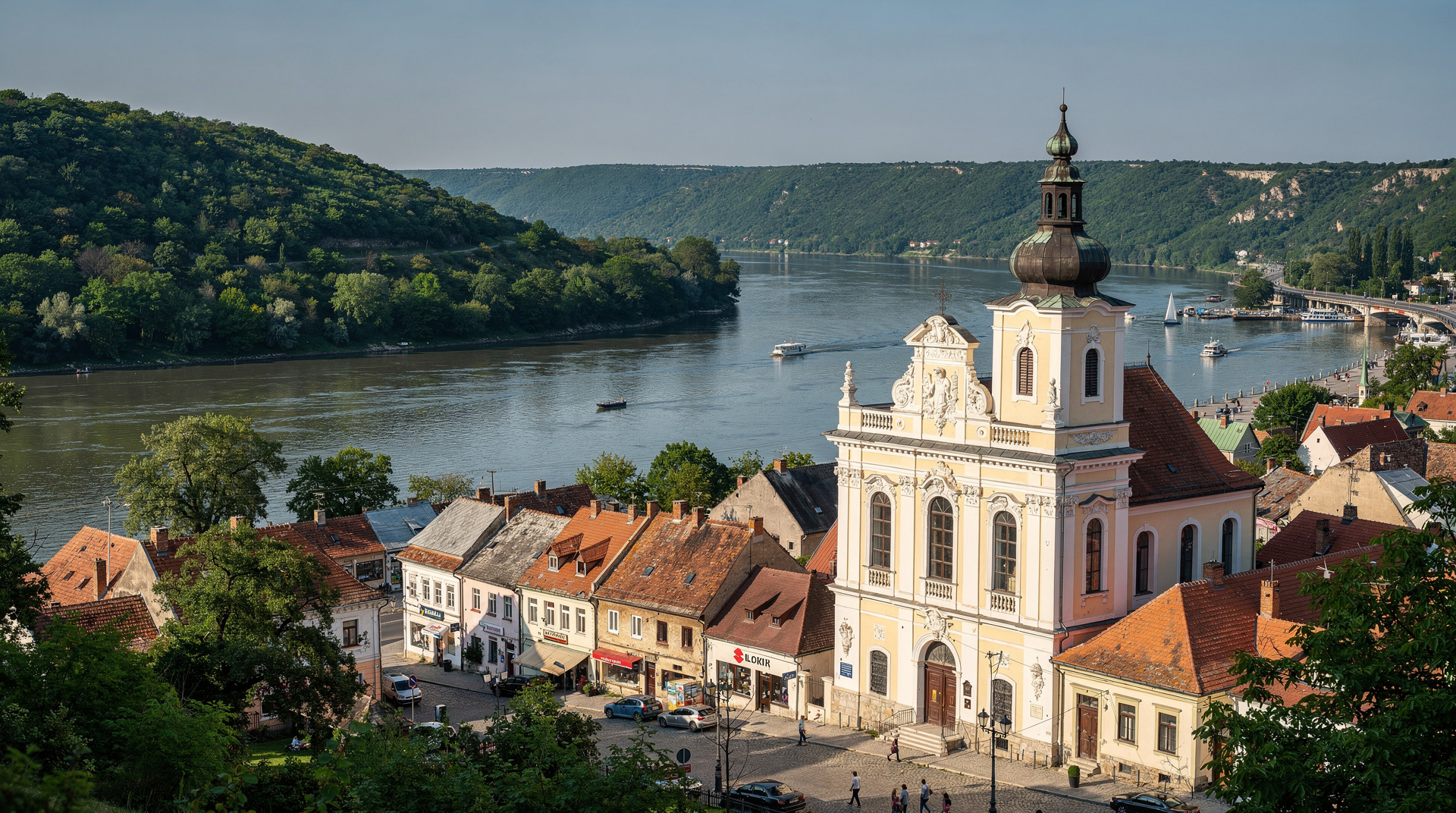
| Day 4 | Danube Bend | Szentendre in the morning, Visegrád in the afternoon |
| Day 5 | Eger | Castle, Basilica, wine tasting, optional Egerszalók |
For the detailed day-by-day breakdown of days 1–3, see the Budapest 3-day itinerary — it is the backbone of this plan. Below is the full five-day structure with additional depth. If two day trips feels like one too many, the 4-day itinerary keeps just the Danube Bend, and the week-long day-trips itinerary goes further still for travellers with even more time.
Day 1: Buda — Castle District, Chain Bridge and the river at dusk
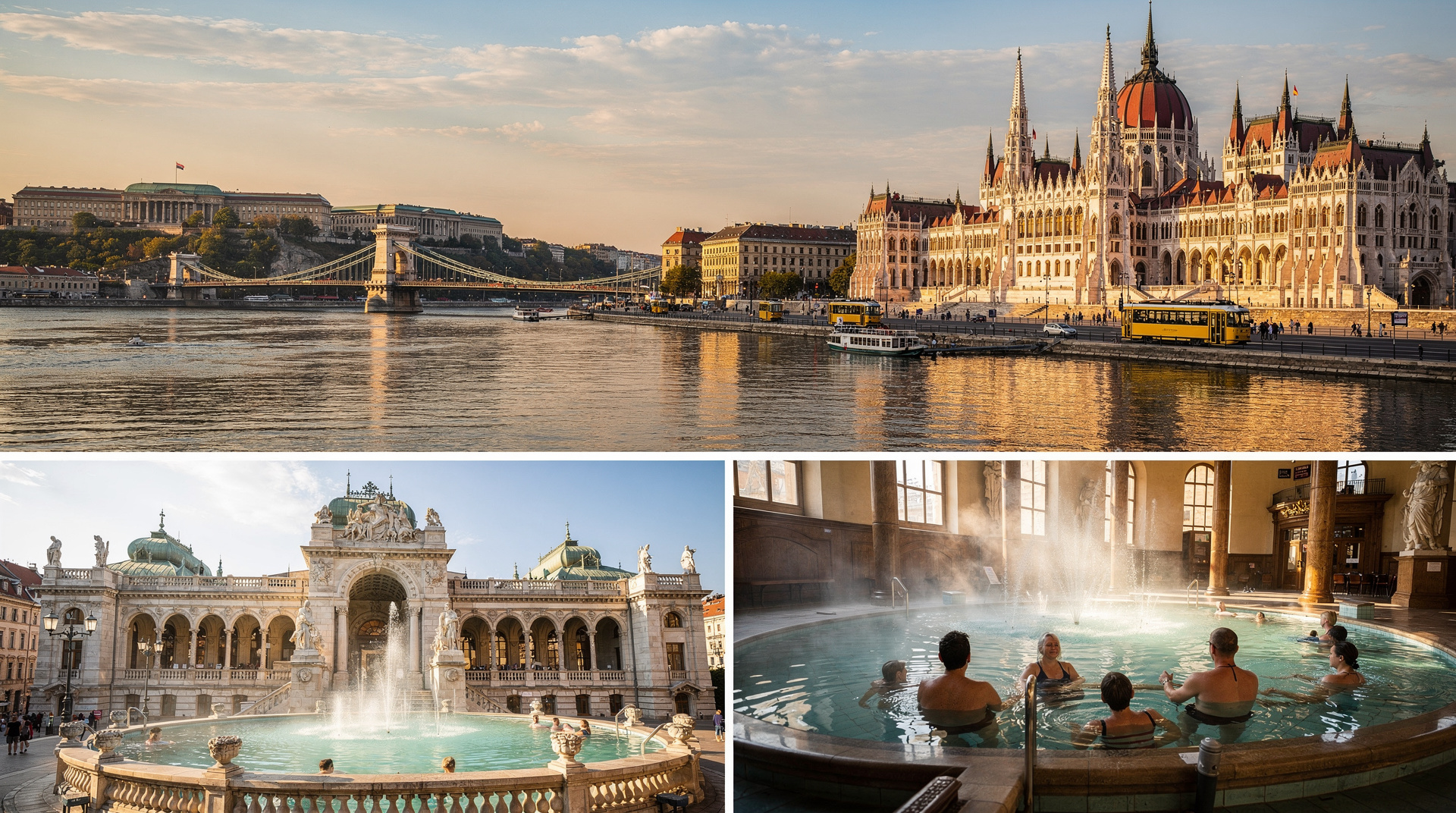
Start at Castle District before 9:00. Fisherman’s Bastion, Matthias Church, the Royal Palace terrace. Cross the Chain Bridge to Pest on foot. Afternoon on Gellért Hill for the city panorama. Evening dinner near the Danube embankment.
With five days, you can afford to slow down today — take a long coffee at one of the Castle District cafés, wander the back streets of Tabán below the palace, and arrive at Fisherman’s Bastion a second time in the late afternoon when the light is golden. There is no rush.
The hop-on hop-off bus is particularly useful on day 1 if you want to orient yourself quickly and catch all the major viewpoints on both sides of the river without planning transport between each stop. It includes a Danube river cruise section.
Day 2: Parliament, the market and Széchenyi Baths
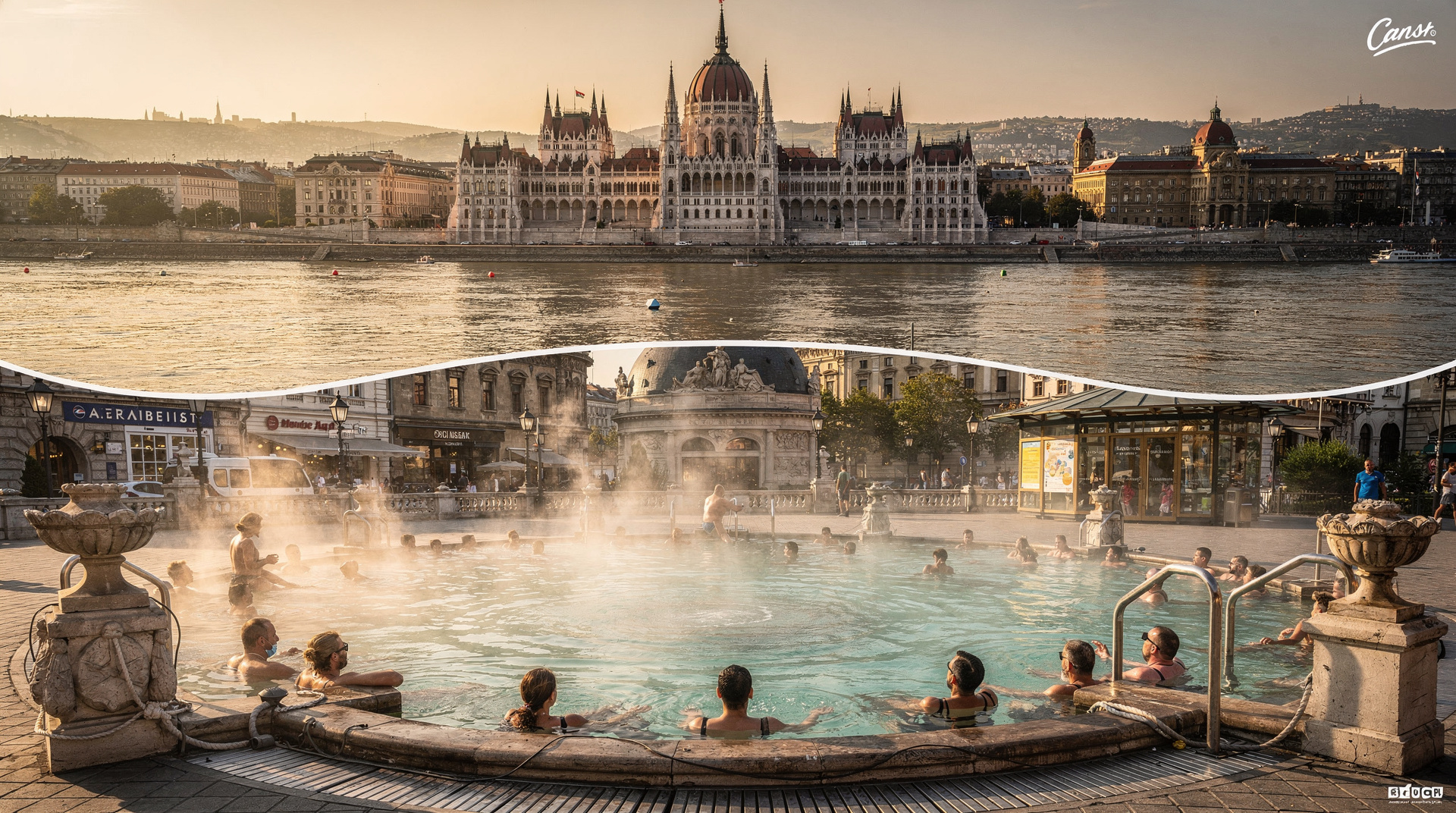
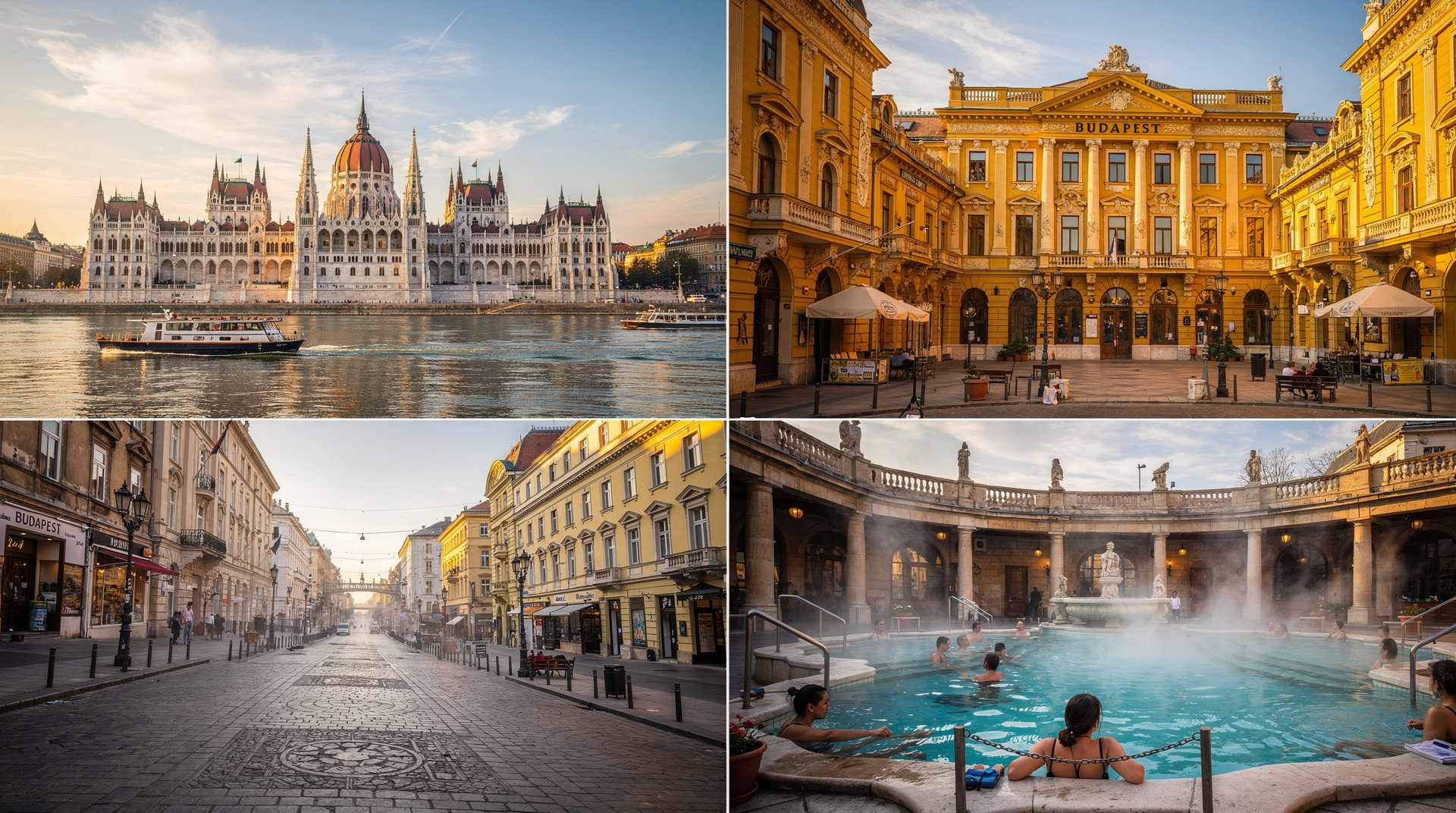
The Hungarian Parliament (pre-book online) in the morning. The Great Market Hall for lunch — lángos and a wander through the paprika and pálinka stalls. Metro M1 to Széchenyi Baths in the afternoon — allow 2.5–3 hours. Book the Széchenyi day ticket in advance for peak season.
Dinner in the evening near Heroes’ Square or along Andrássy út. If the Hungarian State Opera House has a performance, this is the evening for it — standing tickets from around 900 HUF.
See the best thermal baths guide for a comparison with Rudas, Lukács and Gellért if you want to choose a different bath on day 5.
Day 3: Jewish Quarter, Andrássy út and a Danube dinner cruise
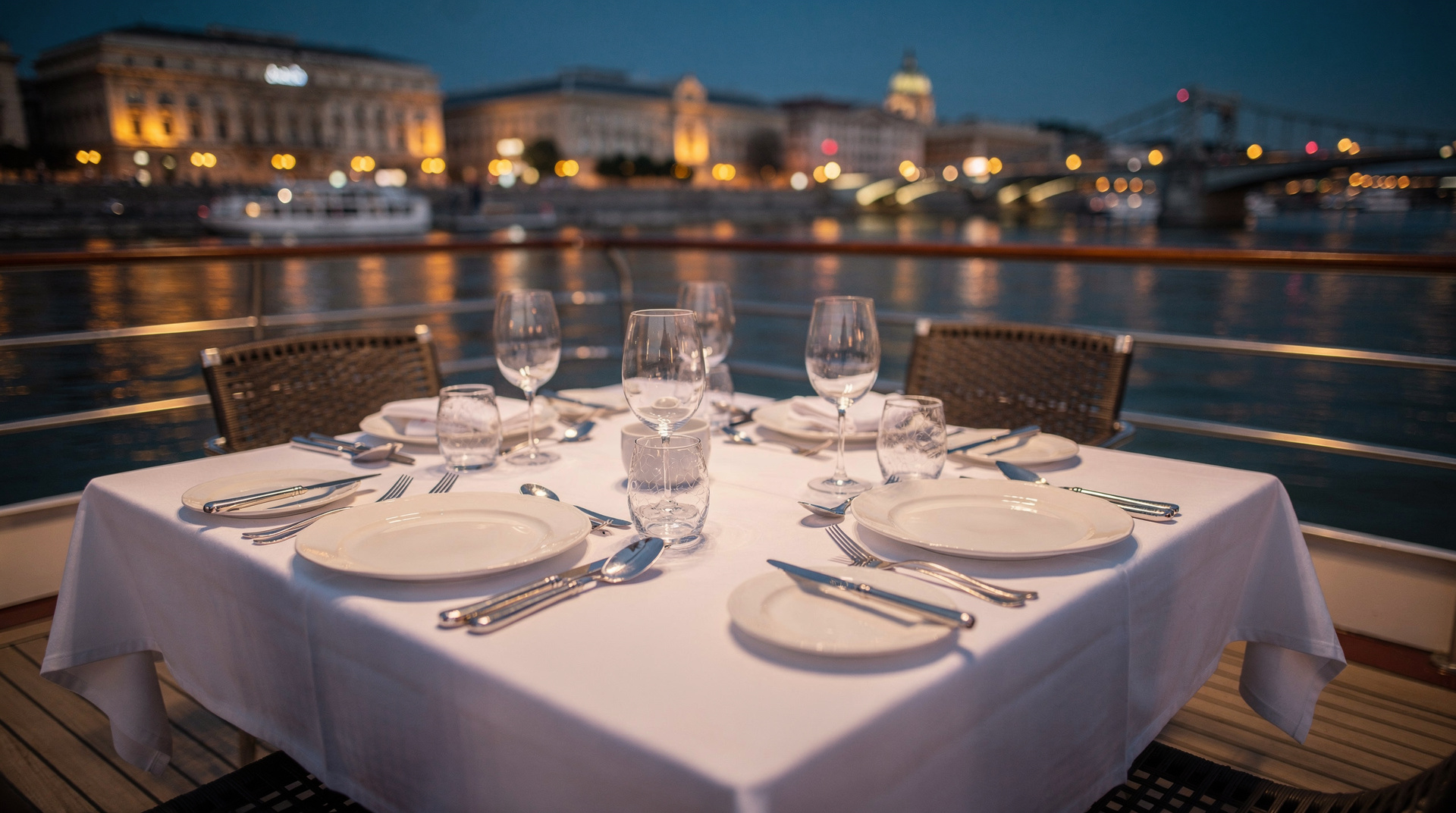
Morning at the Dohány Street Synagogue and the Jewish Quarter. Afternoon along Andrássy út — House of Terror, opera house exterior, the tree-lined boulevard itself. Evening: a Danube dinner cruise is the perfect way to mark the end of the city-centre programme. A Danube dinner cruise with gulyás and live music runs about three hours, timed for the floodlit Parliament and bridges. Ruin bars at Szimpla Kert afterwards.
Day 4: Danube Bend — Szentendre and Visegrád
Getting there and around
The Danube Bend is 40–60 minutes north of Budapest by road. For a relaxed day without logistics, a guided full-day Danube Bend tour covers both Szentendre and Visegrád with transport, guide and often lunch included. For independent travellers, the HÉV H5 from Batthyány tér (included in BKK passes) runs to Szentendre every 20 minutes in 40 minutes; Visegrád requires a bus from Árpád híd or a Mahart ferry.
Szentendre (9:30–13:00)
Hungary’s most photogenic town: Baroque churches, Serbian Orthodox architecture, pastel-coloured merchant houses, and an art scene disproportionate to the town’s 25,000 residents. The Ferenczy Museum is the finest art museum outside Budapest; the streets around Fő tér are best explored slowly with no particular plan.
The town has excellent traditional restaurants. Try Rab Ráby or Aranysárkány for Hungarian cuisine without tourist pricing (main courses 3,500–5,500 HUF / €9–14).
Visegrád (14:00–17:00)
The medieval citadel at Visegrád sits 329 metres above the Danube on a steep forested hill. The views from the upper castle — which protected Hungary’s northern border for centuries — extend for kilometres in every direction. Entry is around 2,000 HUF; the minibus from the town centre saves a stiff 20-minute climb.
The Royal Palace ruins in the lower town tell the story of Hungary’s 15th-century Renaissance golden age. Return to Budapest by bus or HÉV via Szentendre, arriving around 19:00.
Evening
After a day outdoors, dinner near your hotel in whatever district suits. The Jewish Quarter area is excellent for a light dinner and drinks — Kazinczy utca has everything from street food to wine bars within 200 metres.
Day 5: Eger — wine, history and thermal water
Why Eger?
Eger is one of the most satisfying day trips from Budapest: 1.5 hours by intercity train or coach, a beautifully preserved Baroque city, a famous wine region (Egri Bikavér — Bull’s Blood), thermal baths at Eger and the nearby geothermal wonder of Egerszalók, and a hilltop castle that withstood an Ottoman siege in 1552 against all odds.
Getting there
Direct InterCity trains from Keleti station run several times daily and take about 1h 45m (2,400–3,200 HUF one-way, book in advance at mav.hu). For a guided experience, a combined Eger and Egerszalók wellness tour handles all the transport and focuses on both the historical and thermal bath aspects.
Eger on foot (9:30–14:00)
The old town centre is compact and easy to navigate. Start at Eger Castle (Egri Vár) on the hill — the site of the 1552 siege that passed into Hungarian legend when a vastly outnumbered garrison held off the Ottoman army. The castle grounds are free to walk; the castle museum costs around 1,800 HUF.
The Basilica of Eger on Pyrker tér is the second largest church in Hungary, built in a severe neo-Classical style that contrasts with everything else in this decorative Baroque town. The Minaret — the northernmost surviving Ottoman minaret in Europe — is climbable (tiny stairs, a tight spiral, dramatic views) for around 500 HUF.
Lunch in Eger is excellent. Senator-ház Étterem on the main square, Macok Bistro on Törvényház utca, or the numerous wine restaurants along the Valley of the Beautiful Women (Szépasszony-völgy) — a kilometre outside the centre — all do justice to Eger’s culinary reputation.
Wine tasting in the Valley of the Beautiful Women (14:30–17:00)
No visit to Eger is complete without wine tasting. The Valley of the Beautiful Women (Szépasszony-völgy) is a semicircle of wine cellars carved into the tufa hillside — around 30 in total, open from midday. You walk from cellar to cellar, order a glass (around 400–800 HUF per glass), and sit on wooden benches with other visitors. The local specialities are Egri Bikavér (the famous “Bull’s Blood” blend), Egri Csillag (“Star of Eger”, a crisp white blend), and Leányka (a delicate white variety).
For those interested in Eger’s wine culture in greater depth, the Eger wine day trip guide covers the region’s appellations and the best cellars to visit.
Egerszalók (optional, 17:00–19:00)
If you have the energy, the thermal terraces at Egerszalók — 10 kilometres from Eger — are one of Hungary’s more spectacular natural sights: calcium-carbonate terraces formed by hot spring water, similar in appearance to Pamukkale in Turkey. The Saliris Spa uses the thermal water in its facilities (entry around 6,000–8,000 HUF). Budget taxis from Eger cost around 2,500–3,500 HUF one-way.
Return to Budapest (19:00–21:00)
InterCity trains from Eger to Keleti run into the evening. The 1h 45m journey is comfortable and gives you time to review the day over a beer from the dining car.
Planning notes for five days
Budget overview (per person, mid-range)
| Item | HUF | EUR approx. |
|---|---|---|
| Transport (5 days, passes + trains) | 20,000 | €50 |
| Parliament tour | 7,000 | €18 |
| Széchenyi Baths | 11,000 | €28 |
| Matthias Church + Synagogue | 8,000 | €20 |
| Visegrád Castle | 2,000 | €5 |
| Eger Castle | 1,800 | €5 |
| Dinner cruise | 15,000 | €38 |
| Meals (5 days, varied) | 65,000–90,000 | €163–225 |
| Wine tasting Eger | 3,000 | €8 |
| Misc entries, drinks, souvenirs | 20,000 | €50 |
| Total approx. | 153,800–178,800 | €385–448 |
Best time for five days
April–May and September–October are ideal for this itinerary — mild weather for the day trips, comfortable temperatures for exploring on foot, and fewer crowds at the major sites. Summer is busier and hotter; winter limits the outdoor aspects of the Danube Bend and Eger but makes the thermal baths even more appealing.
What to cut if compressed
If five days becomes four: drop Eger (day 5) and replace with a half-day extension of the Jewish Quarter or a second bath. If five days becomes three: stick to the Budapest 3-day itinerary entirely, and plan a return trip for the day excursions.
Packing and practical tips
Budapest is a walkable city but some days involve significant distances. Comfortable walking shoes are essential. For the baths, pack a swimsuit and a pair of flip-flops (or rent towels at the facility). Card payments are widely accepted, but carry HUF cash for the Valley of the Beautiful Women wine cellars and smaller market stalls.
See the first time in Budapest guide for a full pre-trip planning checklist.
Swapping Eger for something closer
Eger is the classic choice for day 5 because it combines history, wine and thermal water in one trip, but it is also the itinerary’s longest single day out — nearly four hours of travel round-trip. Travellers who would rather stay closer to Budapest have solid alternatives: Lake Balaton suits anyone who wants water and scenery over castles and wine cellars, while a Gödöllő Palace half-day is a much gentler option if four consecutive full days have left you tired. Wine enthusiasts who still want Eger’s grape varieties without the full-day commitment could also consider a shorter tasting closer to the city, though nothing quite replicates the Valley of the Beautiful Women’s atmosphere.
Making the most of the slower moments
Five days is long enough that you don’t need to fill every hour, and the itinerary works better if you don’t try to. Build in at least one unscheduled morning — ideally after the Eger day, when a slow coffee and a late breakfast are a fair reward for the previous day’s travel. Revisit whichever thermal bath you liked best on day 2 rather than trying a new one for the sake of variety; familiarity often makes a second bath visit more relaxing than the first. If you developed a favourite ruin bar or café earlier in the trip, a return visit on the final evening is a better use of time than chasing one more “must-see” you haven’t researched properly.
Frequently asked questions about Budapest 5-day itinerary
Is five days too long for a first visit to Budapest? Not if you value depth over ticking off a shortlist. Five days lets you see the essential city sights unhurried and add two contrasting day trips, without the constant momentum a 3-day trip requires. If you’d rather keep things tighter, the 3-day itinerary or 4-day itinerary cover the core experience in less time.
Should I do the Danube Bend or Eger first? Either order works, but doing the Danube Bend (day 4) before Eger (day 5) is slightly easier logistically, since Eger’s InterCity trains run reliably late into the evening, giving you a bit more flexibility on your final full day. If your Eger train times work better earlier in the week, swapping the order causes no real problem.
Top experiences
Bookable activities with verified prices and instant confirmation on GetYourGuide.
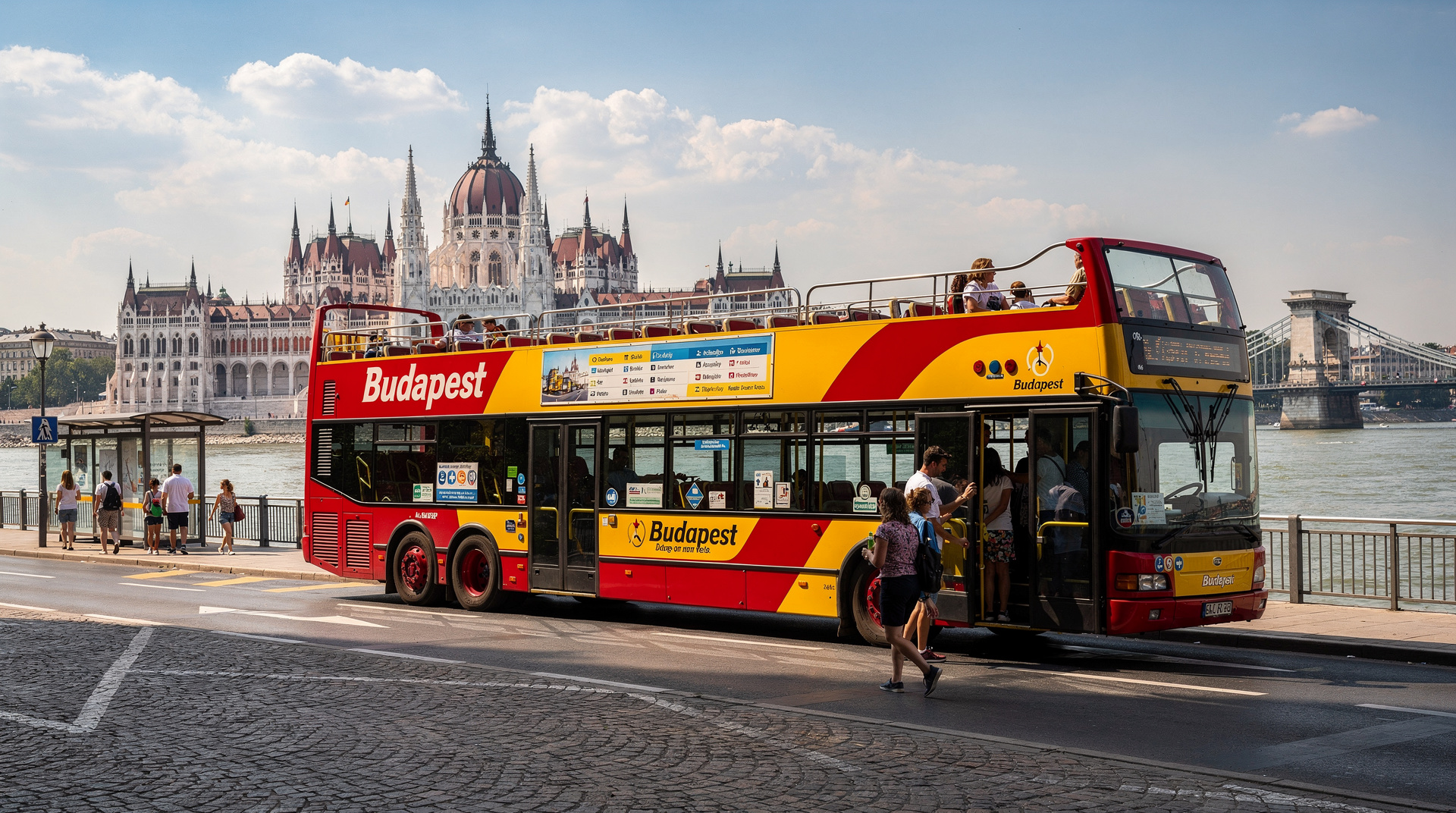
Budapest: Big bus hop on hop off tour Danube river cruise
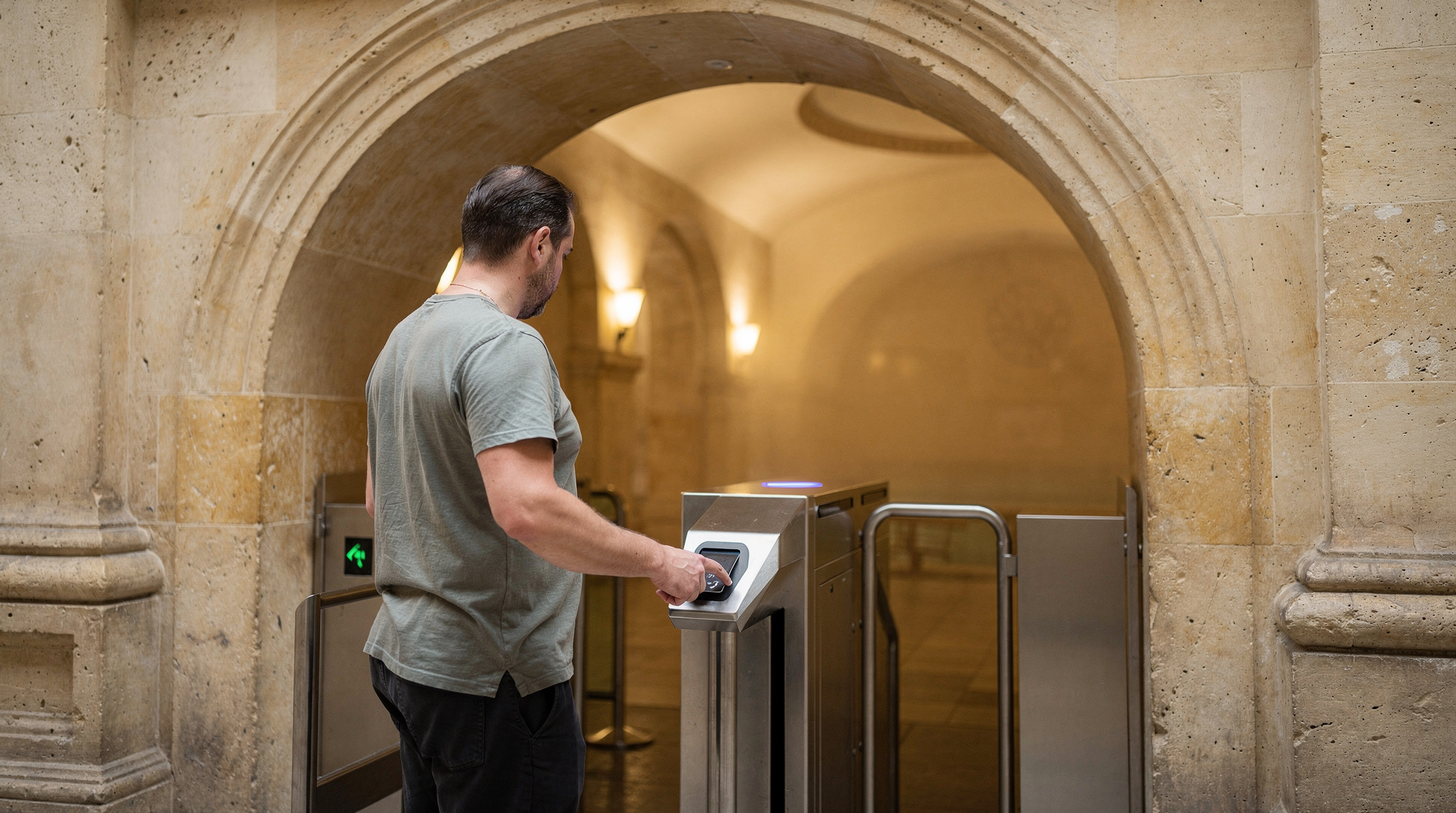
Budapest: Széchenyi spa full day entrance pass
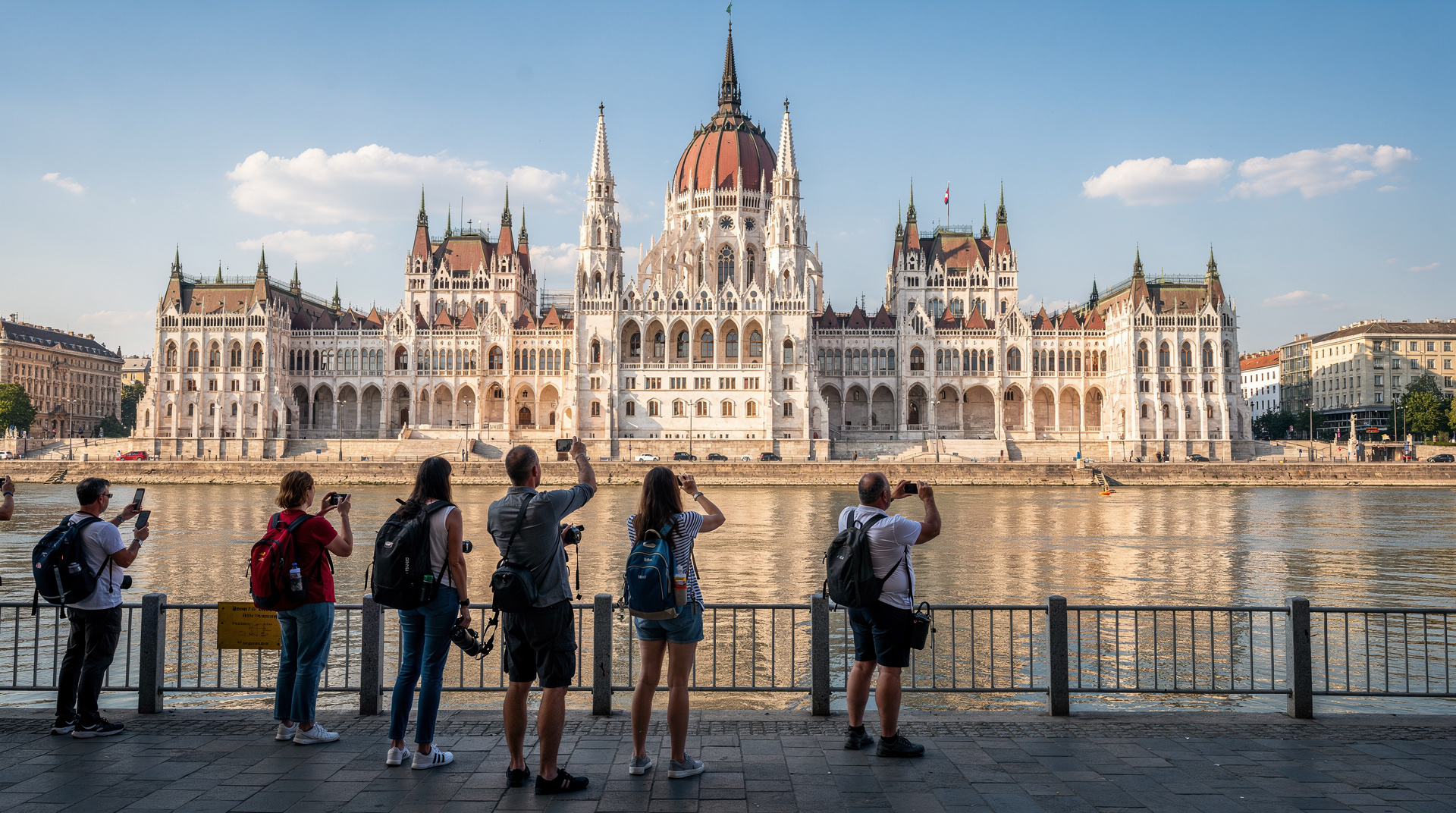
Budapest: Parlament tour with audio guide opt boat tour
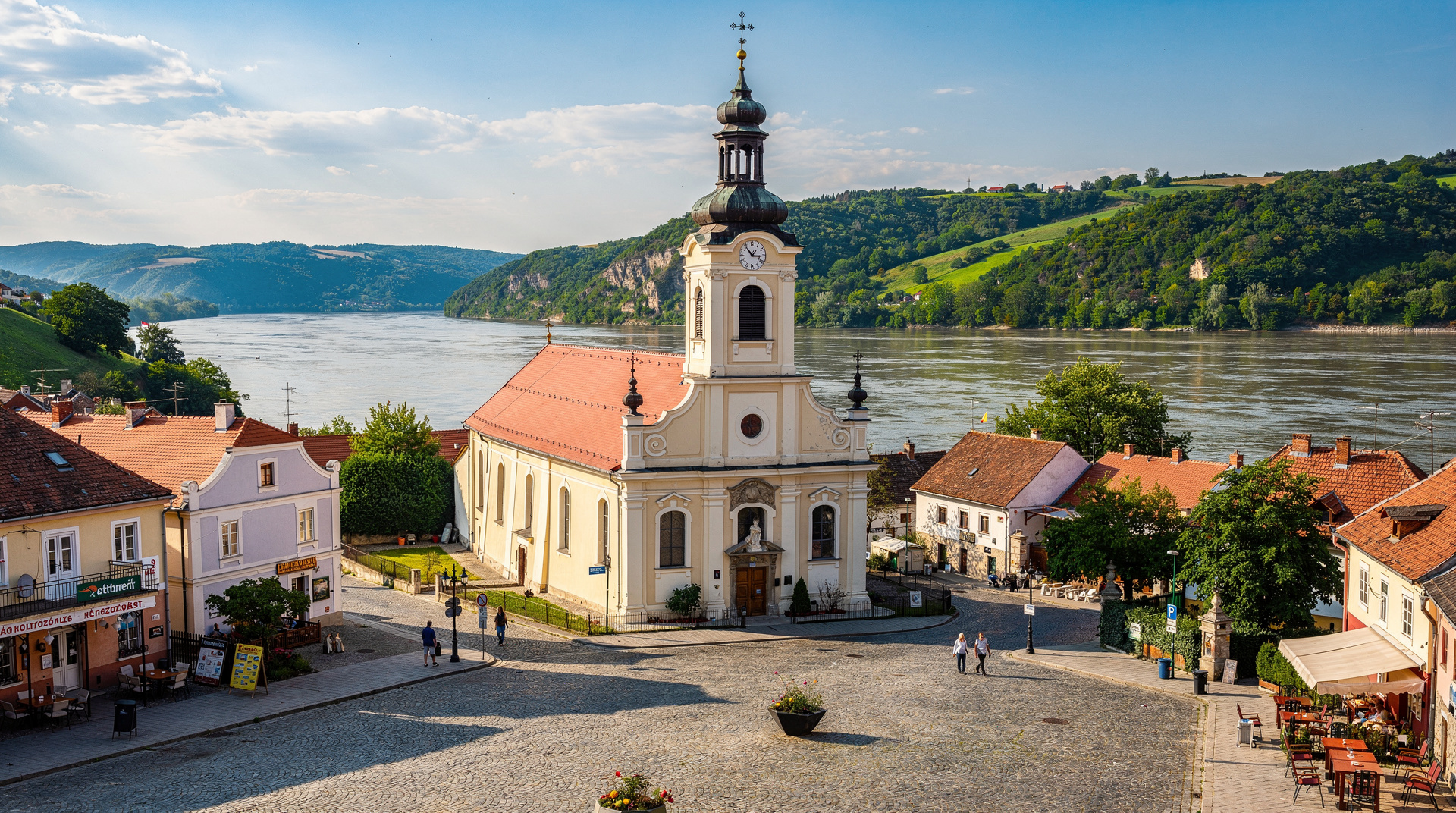
Budapest: The fabulous Danube bend full day tour
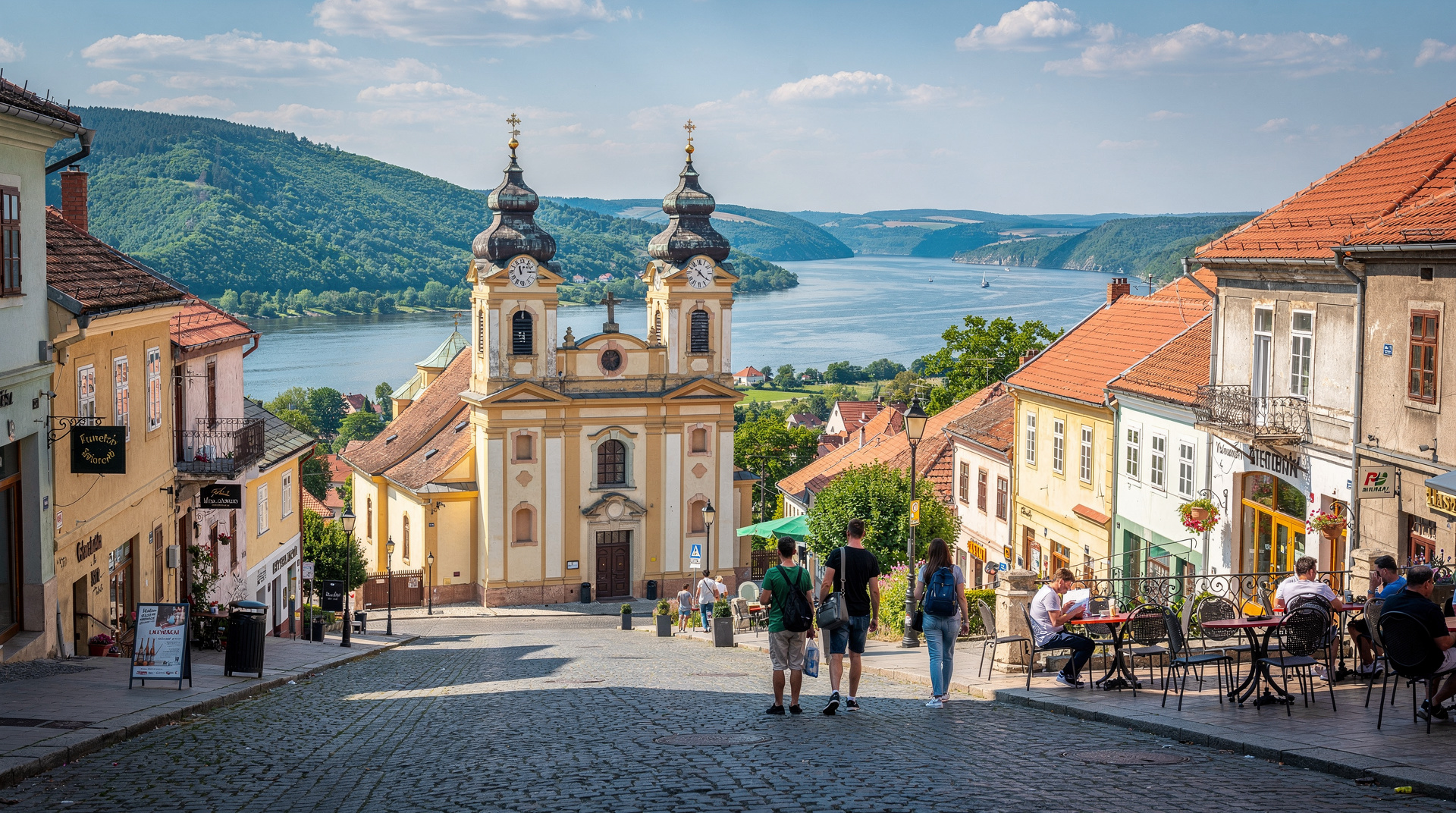
Budapest: Wellness and history Eger and Egerszalók