First-timer highlights in 3 days: Budapest's essential itinerary

This itinerary is for people who want a clear plan rather than a long list of options. If you are visiting Budapest for the first time and want to make sure you see the things that make it exceptional — without wasting time on decisions — this is the guide.
| Where | Castle District, Downtown Pest, Jewish Quarter, City Park |
| Cost | Around €223–273 per person, mid-range |
| Time needed | 3 days, five must-see experiences |
| Getting there | 72h BKK travelcard covers the whole trip |
| Best time | Any season; book Parliament and baths ahead regardless |
Three days, five definitive experiences, real timings, honest prices. Read the first time in Budapest guide for the practical groundwork; this itinerary is the day-by-day plan.
The Budapest 3-day flagship itinerary covers similar ground with more depth and context. This version is more direct for visitors who prefer structure.
The five highlights this itinerary is built around
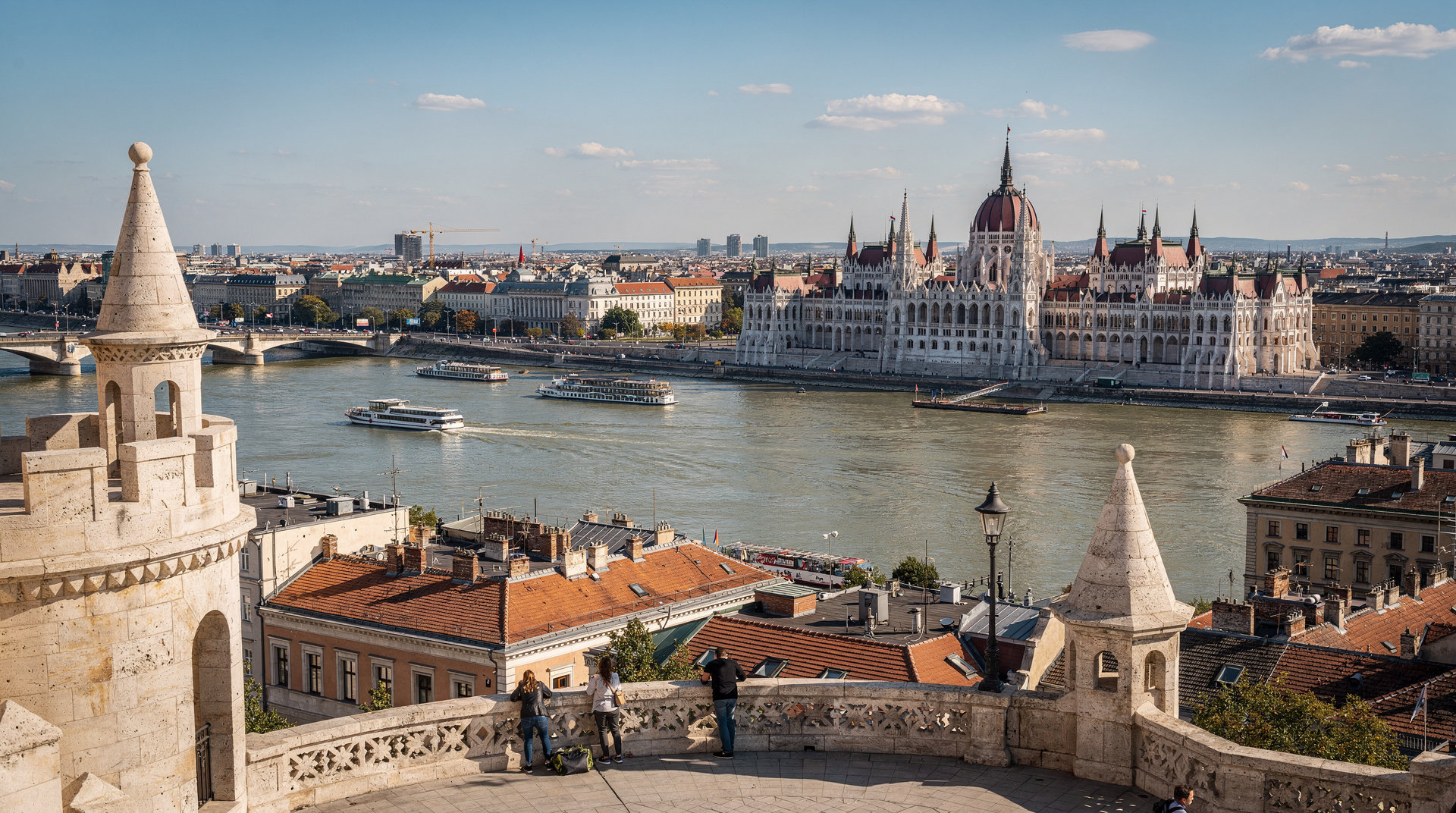
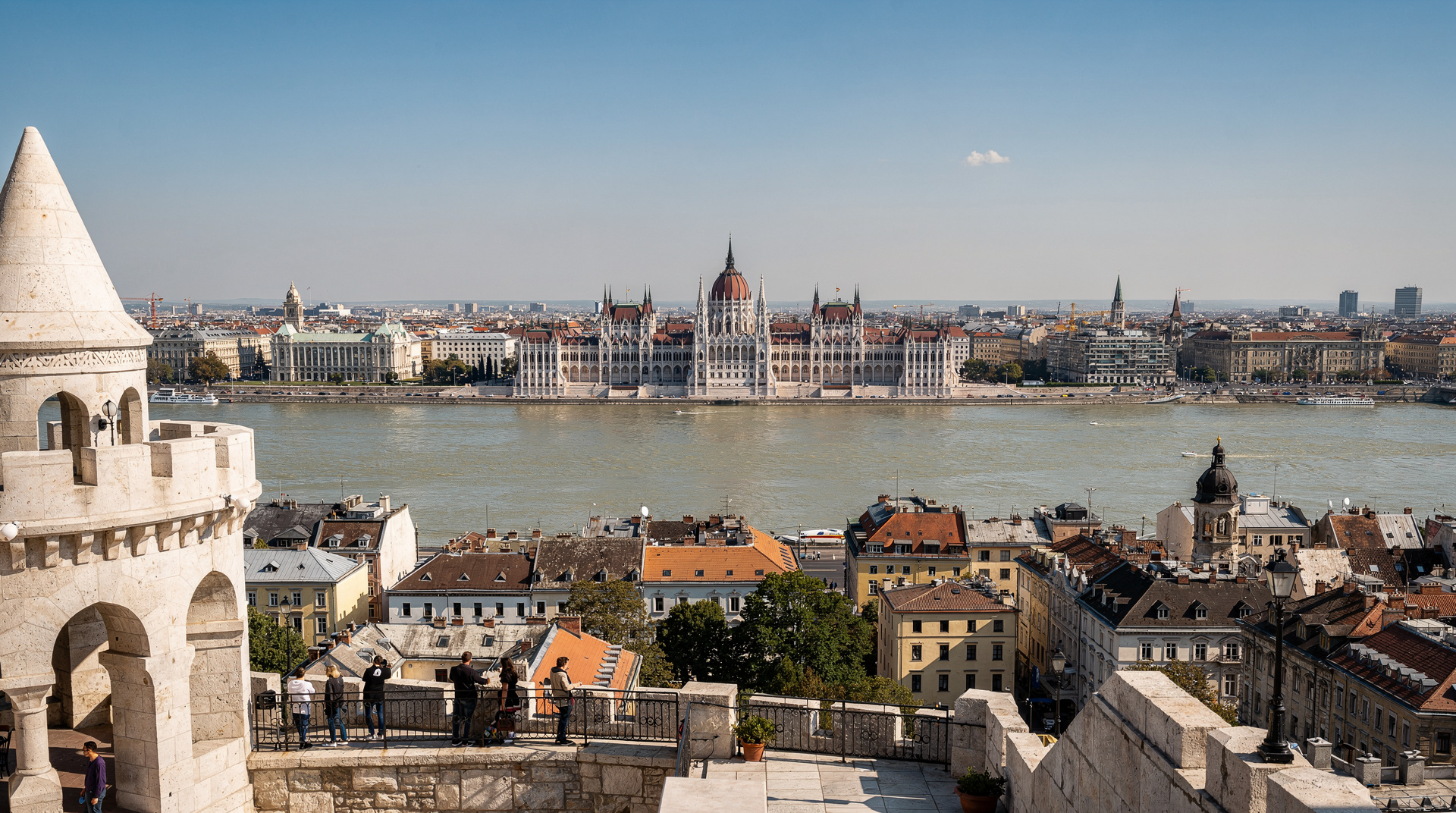
1. Fisherman’s Bastion and Castle District: the best view in Budapest, a medieval-Baroque neighbourhood, Matthias Church. The entire Buda experience.
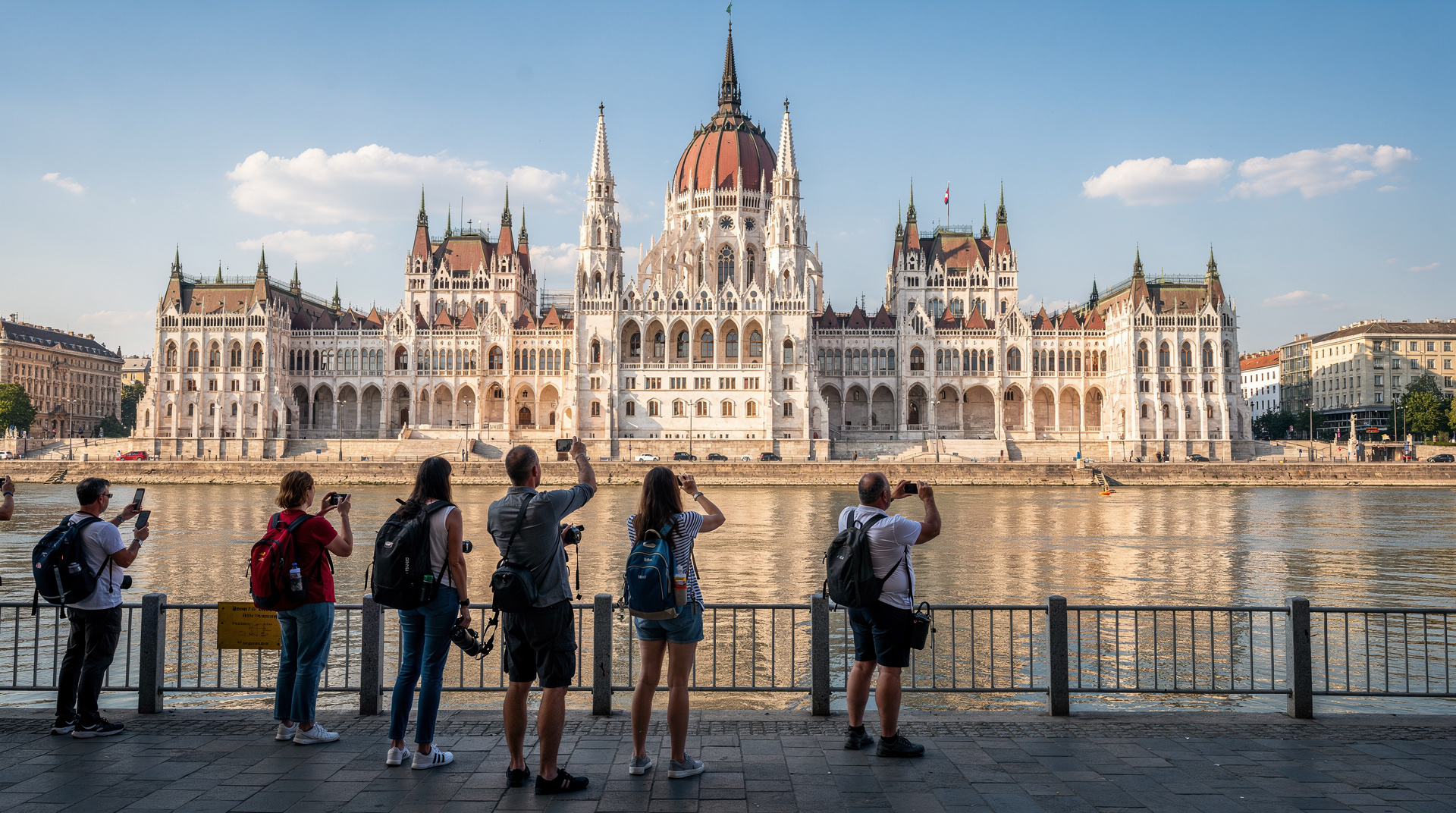
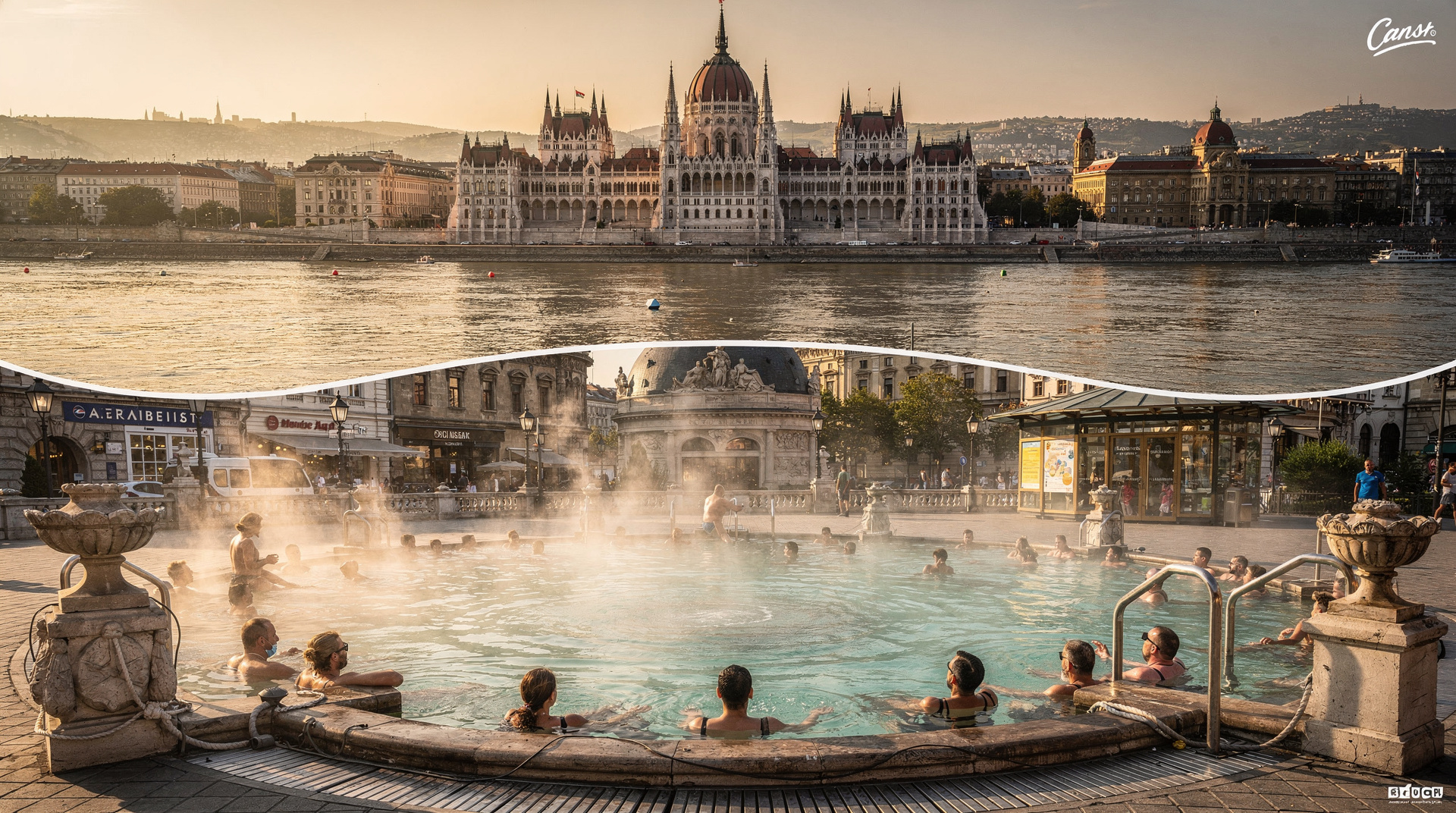
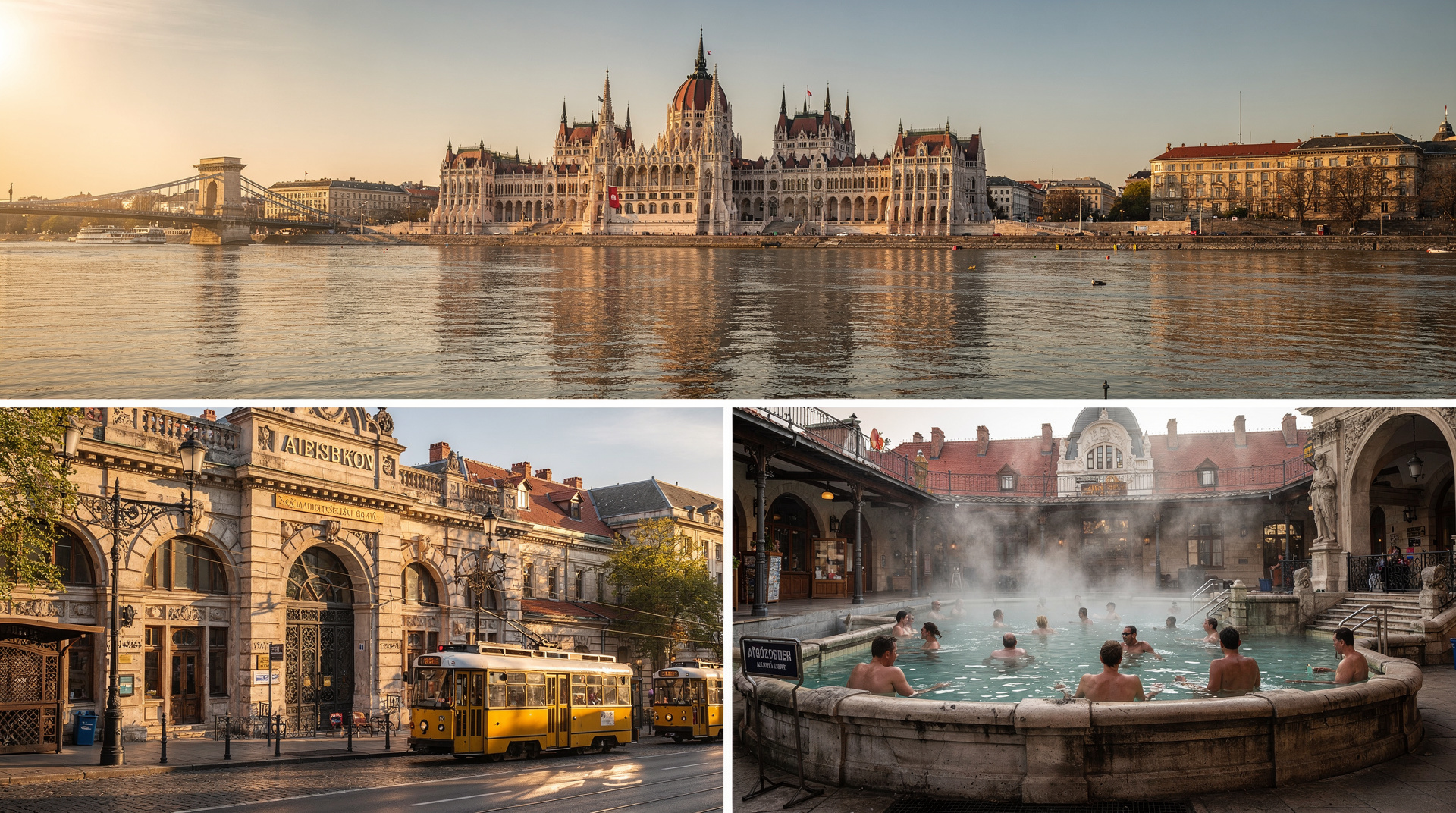
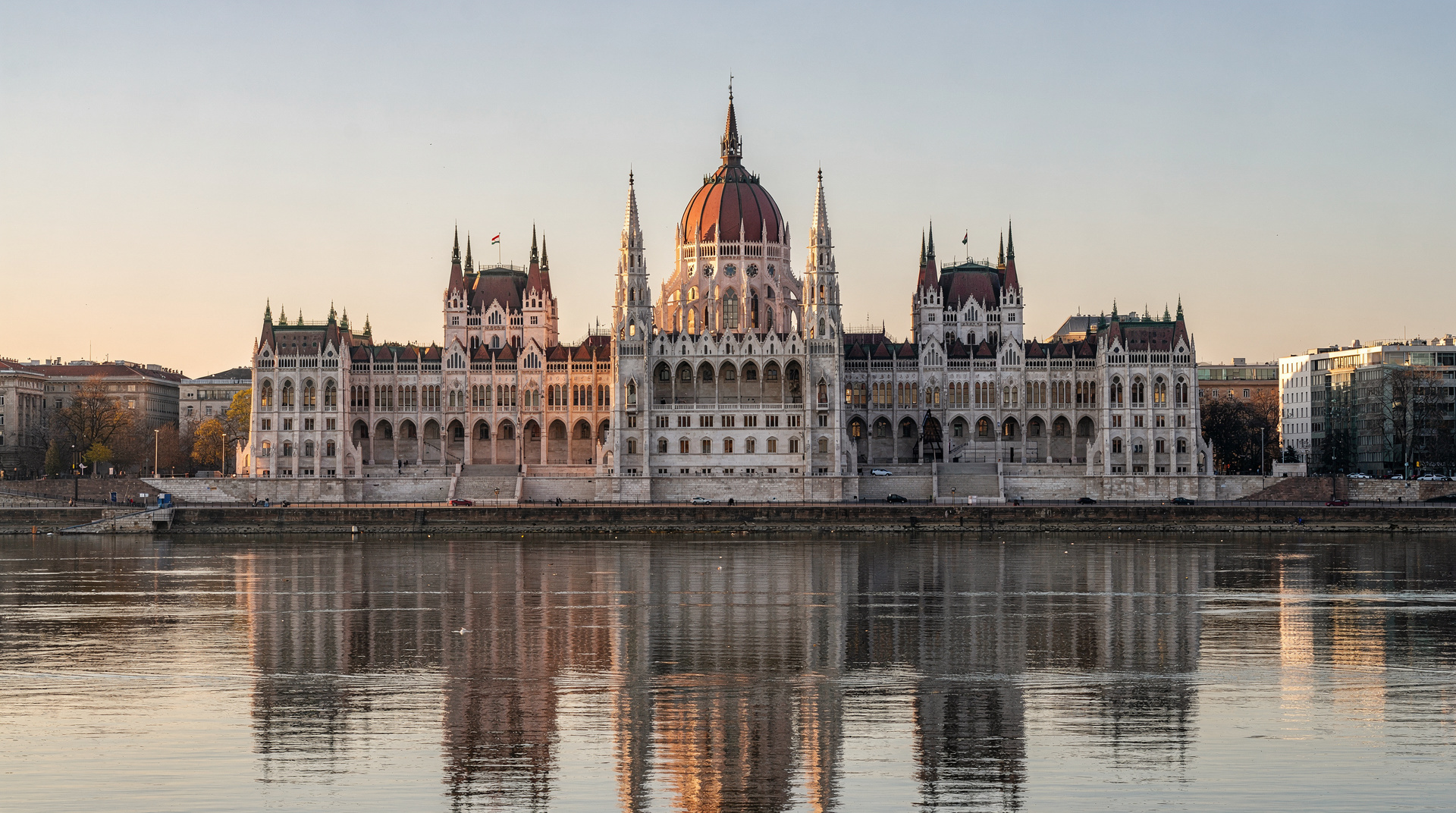
2. Hungarian Parliament: one of the world’s great parliament buildings, Neo-Gothic interior, the Hungarian Holy Crown. Not optional.
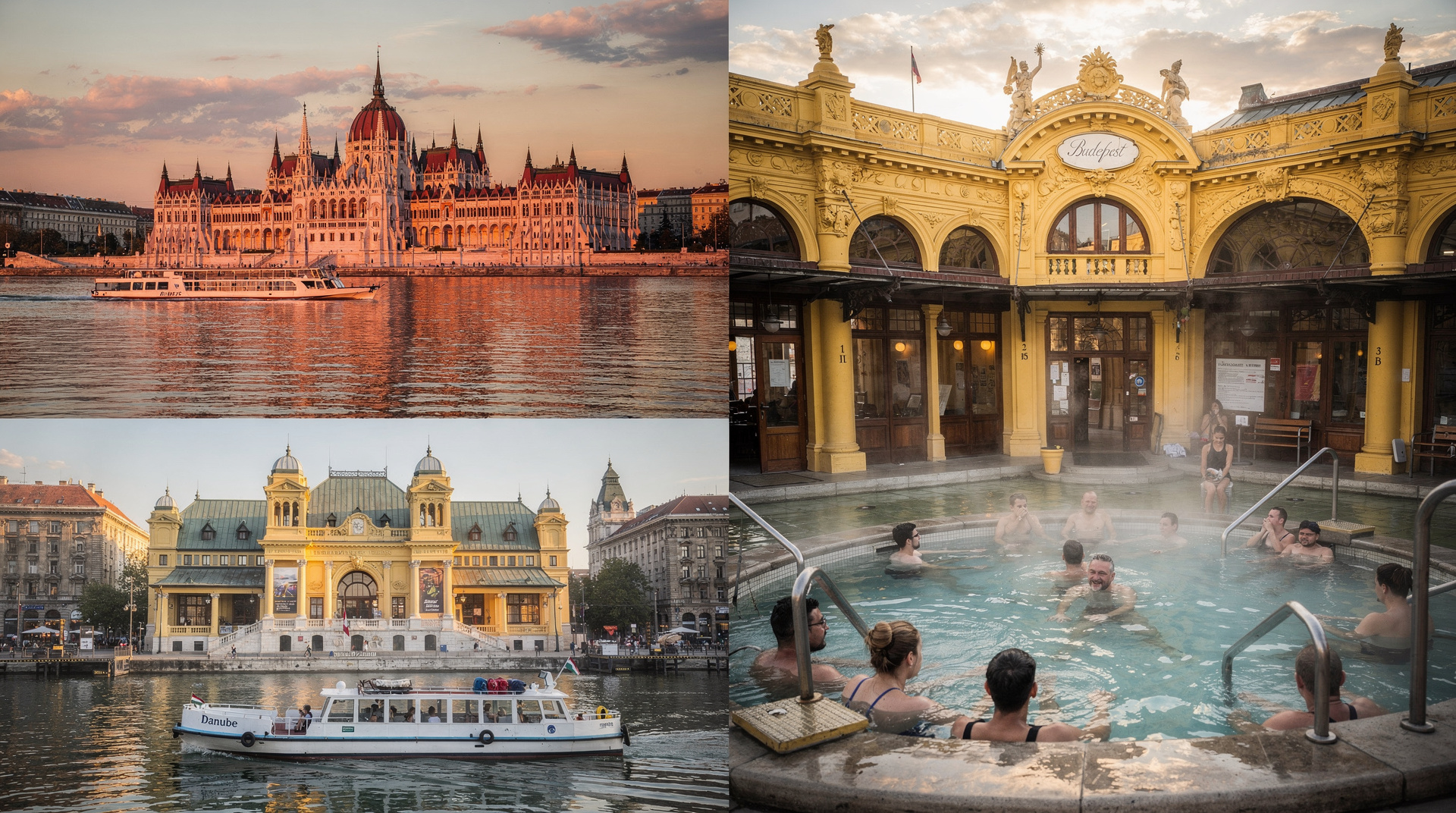
3. Széchenyi Baths: a 1913 neo-baroque thermal bath palace with outdoor pools at 38°C. The defining Budapest leisure experience.
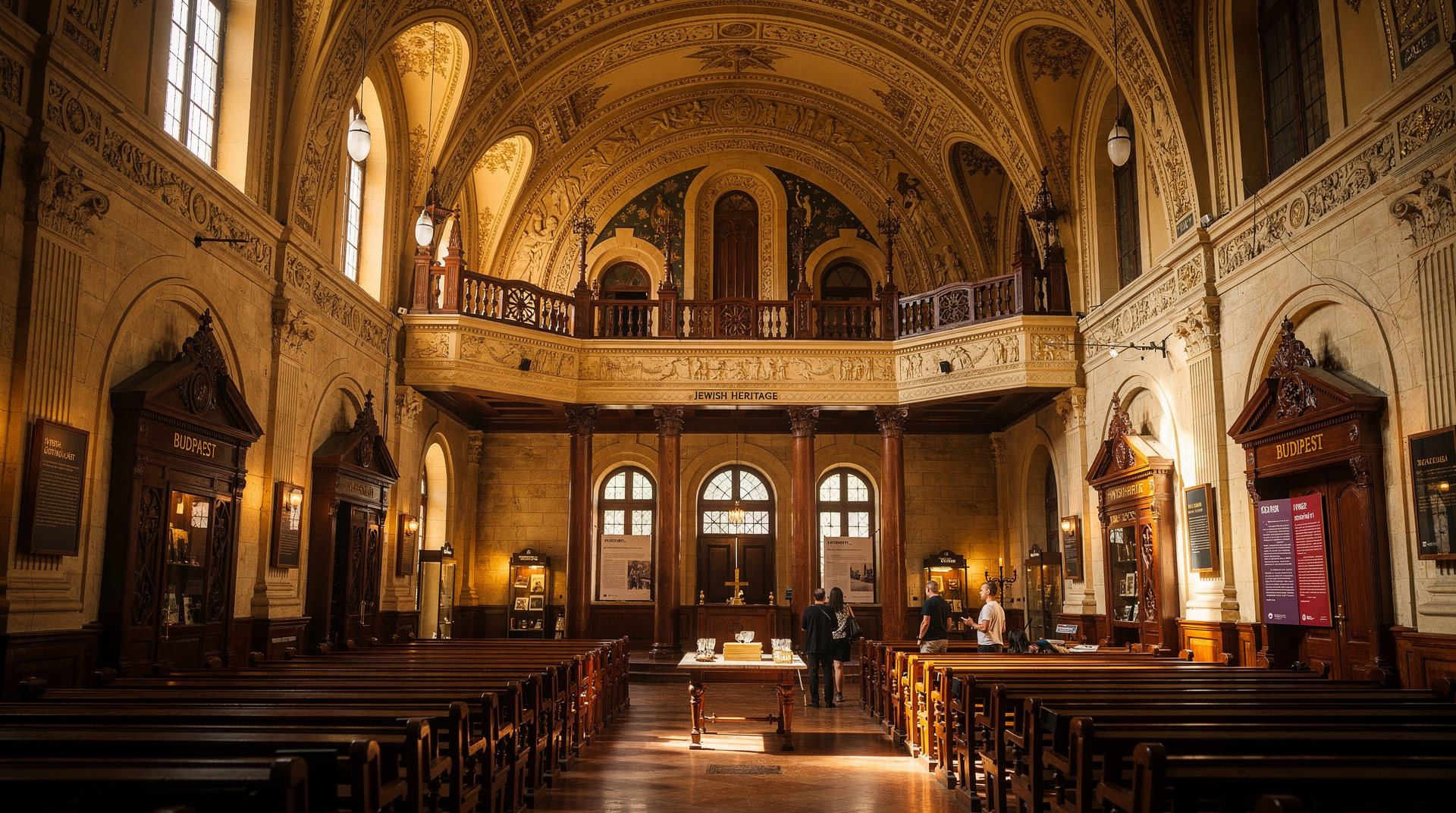
4. Dohány Street Synagogue and Jewish Quarter: Europe’s largest synagogue, the neighbourhood’s layered history, and the ruin bars that share the same streets.
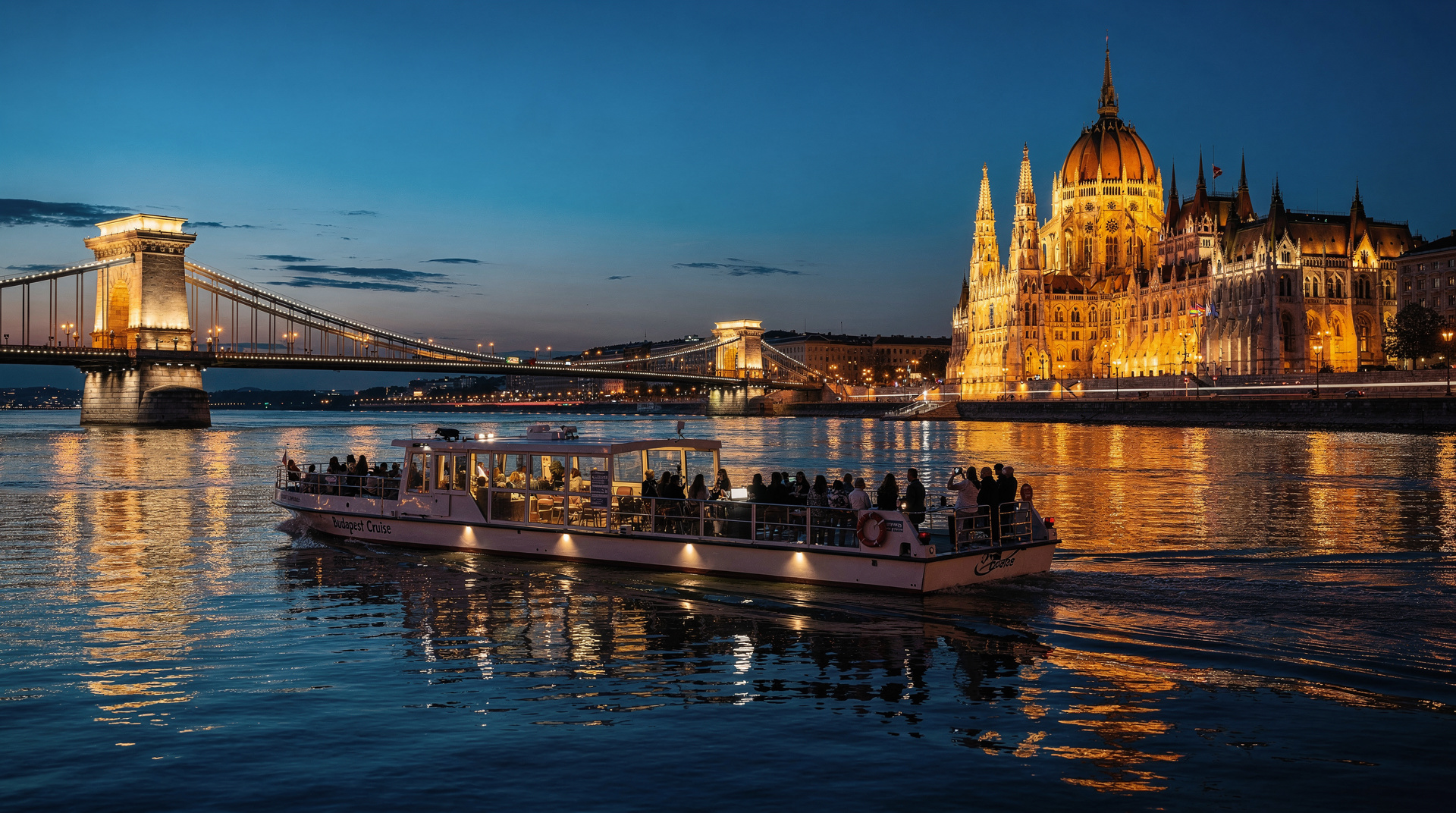
5. Danube evening cruise: the illuminated Parliament and Buda Castle from the water, after dark. The image that defines Budapest internationally.
Everything else in this itinerary — the Chain Bridge, the Great Market Hall, Heroes’ Square, the ruin bars — supports these five without competing with them.
Three days at a glance
| Day | Morning | Afternoon | Evening |
|---|---|---|---|
| 1 | Fisherman’s Bastion, Matthias Church | Chain Bridge, lunch, Széchenyi Baths | Danube embankment at dusk |
| 2 | Hungarian Parliament | Basilica, Great Market Hall, Heroes’ Square | Danube evening cruise |
| 3 | Dohány Street Synagogue | Jewish Quarter on foot, free choice | Ruin bars or second bath |
This structure front-loads the two must-book experiences (Parliament and the Danube cruise) into days that also have flexible free time either side, so a delayed booking confirmation does not derail the whole trip.
Day 1: Buda — Castle District and the western bank
Early morning: Fisherman’s Bastion (7:30–9:00)
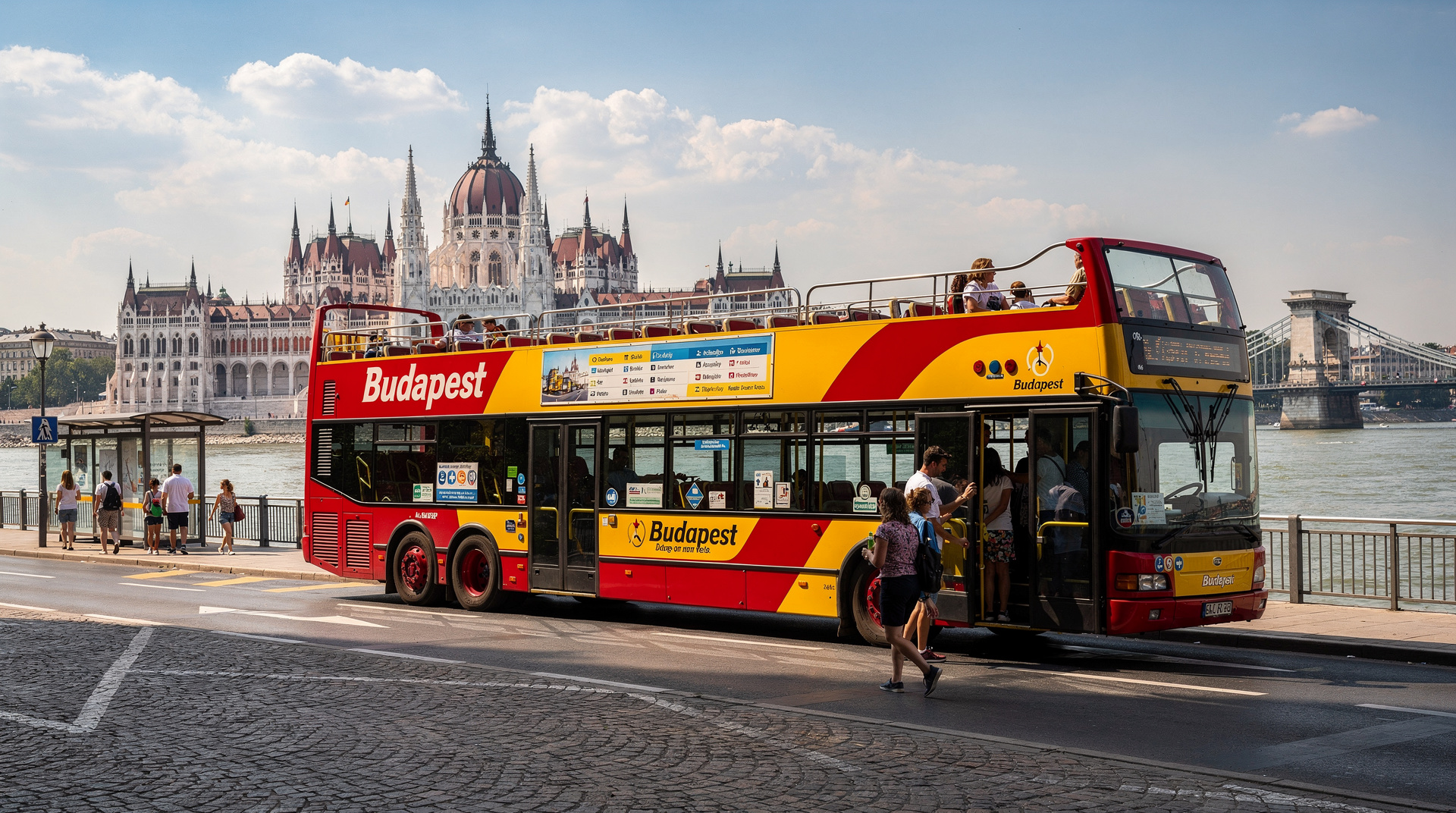
The hop-on hop-off bus covers both Buda and Pest with a Danube cruise section and is worth using on day 1 to orient yourself before you start walking. Alternatively, take a Bolt taxi from your hotel directly to the Castle District.
Arrive at Fisherman’s Bastion (Halászbástya) before 8:30. The lower terraces are free. The view east across the Danube to Parliament, the bridges and the long Pest embankment is consistently described as one of the finest urban panoramas in Europe — and for good reason. The seven white towers, the neo-Romanesque arches, the morning light on the river. Allow 45 minutes here at minimum.
The upper gallery (1,500 HUF) is not significantly better than the lower terraces — the extra elevation is marginal. Save the money. The Fisherman’s Bastion guide has photo-timing advice if you want the view without the tour-group crowds that build from around 9:30.
Morning: Matthias Church and Castle District (9:00–12:00)
Matthias Church (Mátyás-templom) opens at 9:00. Entry ~3,500 HUF. The interior is painted in vivid geometric patterns — tiles, painted vault ribs, geometric floor — and looks surprisingly non-European for a Gothic structure. The treasury upstairs holds a reproduction of the Hungarian Holy Crown and medieval sacred objects. Allow 40 minutes.
Walk the cobbled streets of the castle district after the church. The main street (Úri utca) has well-preserved medieval window surrounds and carved doorways at ground-floor level — the visible remnants of a city that predates the current Baroque facades. The Royal Palace terrace at the southern end gives views toward Gellért Hill.
Descend to the river via the stairs alongside the funicular (free) or take the funicular down (1,400 HUF).
Midday: Chain Bridge and lunch in Pest (12:00–14:00)
Walk across the Chain Bridge — about 10 minutes — and you are in Pest. The bridge was opened in 1849 (Budapest’s first permanent bridge connecting Buda and Pest), rebuilt identically after World War II, and remains the most photographed bridge in Hungary.
Lunch: Do not eat on Váci utca. The tourist traps guide explains why the pedestrian street’s restaurants overcharge consistently. Instead: the area around Ferenciek tere (a few blocks inland) has several honest cafés and restaurants. A gulyás soup and bread costs 2,500–3,200 HUF at a good neighbourhood spot.
Afternoon: Széchenyi Baths (14:30–18:00)
Take metro M3 to Pest and then M1 from Deák Ferenc tér to Széchenyi station. Allow 3–3.5 hours at the baths — this is not something to rush.
Széchenyi Baths — the flagship thermal bath experience — operates in a grand 1913 yellow neo-baroque building with three outdoor pools (34–38°C) and 18 indoor pools. Book your Széchenyi day ticket in advance to skip the queue, which can run 45–60 minutes in summer without a booking. A day ticket is 9,900–13,900 HUF (€25–35) depending on day and locker type.
The outdoor round pool (36°C) is the social centre. The rectangular pool (34°C) is better for swimming. The indoor pools — including an 18°C cold plunge if you are brave — complete the circuit.
See the best thermal baths guide if you want to compare Széchenyi with Rudas, Lukács or Gellért.
Why this order and not the reverse
Doing the Castle District first and the baths in the afternoon (rather than the other way round) is deliberate: Fisherman’s Bastion is genuinely better in soft morning light and before the day’s tour groups peak, while Széchenyi is comfortable to enter tired at the end of a walking morning and there is nowhere else you need to be afterward. Visitors who reverse the order tend to arrive at the Castle District mid-afternoon in harsher light and larger crowds, and then rush the baths to make dinner.
Evening: Danube embankment at dusk (19:30)
Walk or take tram 2 along the Danube embankment in Pest as the evening lights come on. Parliament, the Chain Bridge, the floodlit Castle District across the water — this is the Budapest that appears on every travel website and it earns the reputation. Take your time; sit at a riverside café if the weather allows.
Day 2: Pest — Parliament, market and the Jewish Quarter
Morning: Parliament (9:00–11:00)
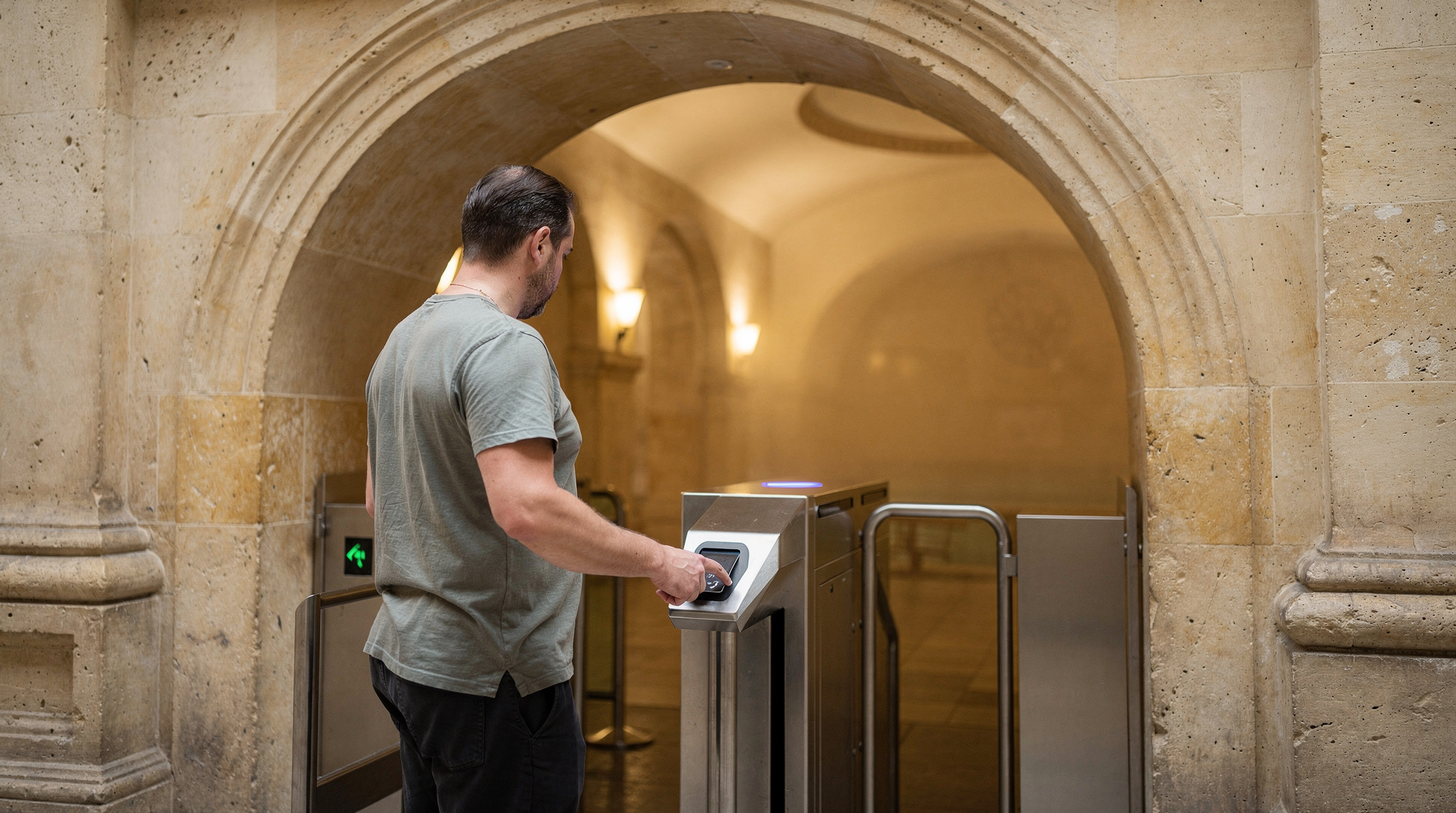
The Hungarian Parliament Building (Országház) requires a pre-booked timed ticket — book online before you leave home. Tours depart every 30 minutes from around 8:00. Entry for non-EU adults is ~7,000 HUF (€18); EU citizens with ID pay significantly less (~2,000 HUF).
The interior is extraordinary: a neo-Gothic central dome, the dual lobbies with ornate stonework, and the Hungarian Holy Crown displayed under glass in the central hall. The building contains 691 rooms, 29 staircases and 10 courtyards. The guided tour (about 45 minutes) is efficient and informative.
A Parliament visit with audio guide gives more flexibility on timing if the group tour schedule does not fit your morning.
After Parliament, walk five minutes south along the embankment to the Shoes on the Danube Bank memorial. It takes ten minutes and is free. The 60 pairs of iron shoes at the water’s edge mark where Jewish Budapestians were shot into the river in 1944–45. It is the most affecting free memorial in the city.
Midday: St Stephen’s Basilica and the Great Market Hall (11:30–14:00)
Walk south from Parliament to St Stephen’s Basilica (15–20 minutes or a short metro ride). The dome is climbable (~1,300 HUF) for city views from a completely different angle than Fisherman’s Bastion. Inside, the mummified right hand of Hungary’s first king — St Stephen — is in a side chapel.
Continue south to the Central Market Hall at Fővám tér for lunch. The upper gallery food court is the most honest place to eat in central Budapest: lángos (deep-fried flatbread with sour cream and cheese, 1,200–2,000 HUF) is the classic Budapest street food experience. Lunch for two is 5,000–8,000 HUF including drinks.
Afternoon: Heroes’ Square and City Park (14:30–17:30)
Take metro M1 to Heroes’ Square (Hősök tere). The Millennium Monument — Hungary’s 1896 centenary monument to the Magyar tribal chieftains and the Christian kings — is Budapest’s grandest public space. The Museum of Fine Arts (Szépművészeti Múzeum) on the northern side is Hungary’s main art museum (entry ~3,000 HUF; EU students often free).
Walk into City Park (Városliget) toward Vajdahunyad Castle — a free building on a moated island that combines architectural styles from across Hungarian history. The surrounding park is pleasant for a late-afternoon walk before the evening programme.
Evening: Danube cruise (19:30–22:00)
Tonight is the Danube cruise — highlight five. The illuminated Parliament building from the water at night is the canonical Budapest image, and the cruise format lets you see it from multiple angles as the boat moves upriver.
A one-hour evening cruise with a welcome drink is the right length for an evening programme — leaves you back on the embankment by 21:00 or 21:30, with time for dinner and the ruin bars. A longer dinner cruise covers the same views while you eat.
See the best Danube cruises guide to compare cruise types and durations.
After the cruise: dinner near the Jewish Quarter and at least one visit to Szimpla Kert (Kazinczy utca 14). The ruin bar scene is specifically a Budapest phenomenon — not something that can be adequately replicated elsewhere — and Szimpla Kert is the place to experience it.
Day 3: Jewish Quarter and free time
Morning: Dohány Street Synagogue (10:00–12:00)
The fourth highlight. The Dohány Street Synagogue (Dohány utcai Zsinagóga) is the largest synagogue in Europe — a 3,000-person capacity Moorish-Gothic building completed in 1859. Entry (4,500–5,500 HUF) includes the Jewish Museum and the memorial garden at the rear, where a weeping willow sculpture marks the graves of 2,000 Jews who died in the ghetto winter of 1944–45. Allow 90 minutes.
A Jewish Quarter walking tour that includes synagogue entry provides context on the neighbourhood’s pre-war community, the wartime ghetto and the postwar transformation — recommended for those who want to understand what they are seeing rather than just photograph it.
Midday: Jewish Quarter on foot (12:00–14:30)
Walk the streets around the synagogue. Kazinczy utca is the heart of the ruin bar district by day — the courtyards are open and less overwhelming during daylight. The Gozsdu Udvar covered alley runs between Dob utca and Király utca and is a good place to stop for lunch: several restaurants and café bars along the passage.
The Jewish Quarter guide covers the neighbourhood’s layers in detail. If you want a fuller sense of the top sights across the whole city rather than just this itinerary’s five, the top attractions in Budapest guide is a good cross-check before you commit your afternoon.
Afternoon: your choice (14:30–18:00)
With the five essential highlights covered, use day 3’s afternoon for whatever you missed or most want to revisit:
- Second bath: Rudas (Ottoman, atmospheric) or Lukács (local, quieter)
- Food tour: a food walking tour covers Hungarian cuisine, the Great Market Hall and local food culture in 3–4 hours
- Andrássy út: walk the full UNESCO-listed boulevard from the Basilica to Heroes’ Square, visiting the House of Terror (open until 18:00, ~3,000 HUF)
- Shopping: the antique shops of Falk Miksa utca, the design boutiques of Király utca, or the souvenir market at the Central Market Hall ground floor
Essential practical notes
Transport: A 72-hour BKK travelcard (5,750 HUF) covers all metro, bus and tram travel for three days. Buy at the airport 100E stop or any metro station. Use Bolt for taxis — never hail taxis on the street. See the getting around Budapest guide.
Booking checklist:
- Parliament interior tour: book online weeks in advance in summer
- Széchenyi Baths: book online at least 1–2 days ahead
- Evening dinner cruise (if upgrading): book 2–3 days ahead
- Jewish Quarter tour: book 24–48 hours ahead
Scams to know: the common scams guide and the tourist traps guide are essential pre-trip reading. The short version: never take a street taxi, never follow a stranger to a bar, never eat in a restaurant that has no price list, and never buy bath tickets from resellers outside the entrance.
Budget for three days (per person, mid-range):
- Transport: 5,750 HUF
- Parliament: 7,000 HUF (€18)
- Matthias Church: 3,500 HUF (€9)
- Széchenyi: 11,000 HUF (€28)
- Synagogue: 5,000 HUF (€13)
- Evening cruise: 7,000 HUF (€18)
- Meals x3 days: 40,000–60,000 HUF (€100–150)
- Misc: 10,000 HUF (€25)
- Total: ~89,000–109,000 HUF (€223–273)
Frequently asked questions about First-timer highlights in 3 days
Is three days enough for a first visit to Budapest? Yes — three days covers the five defining experiences (Castle District, Parliament, Széchenyi Baths, the Dohány Synagogue and Jewish Quarter, and a Danube evening cruise) without rushing any of them. Longer stays add day trips or a second thermal bath; shorter stays should drop the synagogue or the second bath option on Day 3.
Which Budapest sight should I prioritise if I only have one day? If forced to choose one, most first-time visitors rate the combination of Fisherman’s Bastion in the morning and a Danube evening cruise as the single best day, since it covers both the city’s best panorama and its most famous night view. The Budapest 1-day itinerary builds a full day around exactly that trade-off.
Top experiences
Bookable activities with verified prices and instant confirmation on GetYourGuide.