Budapest vs Prague: which city should you visit?

Should I visit Budapest or Prague?
Both cities reward a visit, but they feel quite different. Prague is more compact and fairy-tale pretty; Budapest is grittier, warmer (literally — the thermal baths), and often cheaper. If thermal baths, ruin bars and big river architecture draw you, Budapest wins. If medieval old-town charm and easy walkability matter most, Prague edges ahead.
Two great rivals, one honest verdict
Central Europe’s two most-visited cities sit 525 kilometres apart, connected by overnight trains and fierce traveller loyalty. Pick a side in any backpacker hostel and someone will argue for the other. This guide strips away the hype and compares Budapest and Prague across the things that actually decide a trip: cost, atmosphere, sightseeing, nightlife, transport, safety and day trips.
Neither city is objectively better. But one of them is probably better for you — and that depends on why you travel.
| Best for | Budapest: baths, nightlife, value. Prague: compact beauty, walkability |
| Distance apart | 525 km, around 6.5–7 hours by direct train |
| Currency | Budapest: HUF (forint). Prague: CZK (koruna) — neither uses the euro |
| Ideal trip length | 3–4 days each, or 4+3 nights combined |
| Cheaper city | Budapest, by roughly 10–20% on food and lodging |
The big picture: what each city feels like
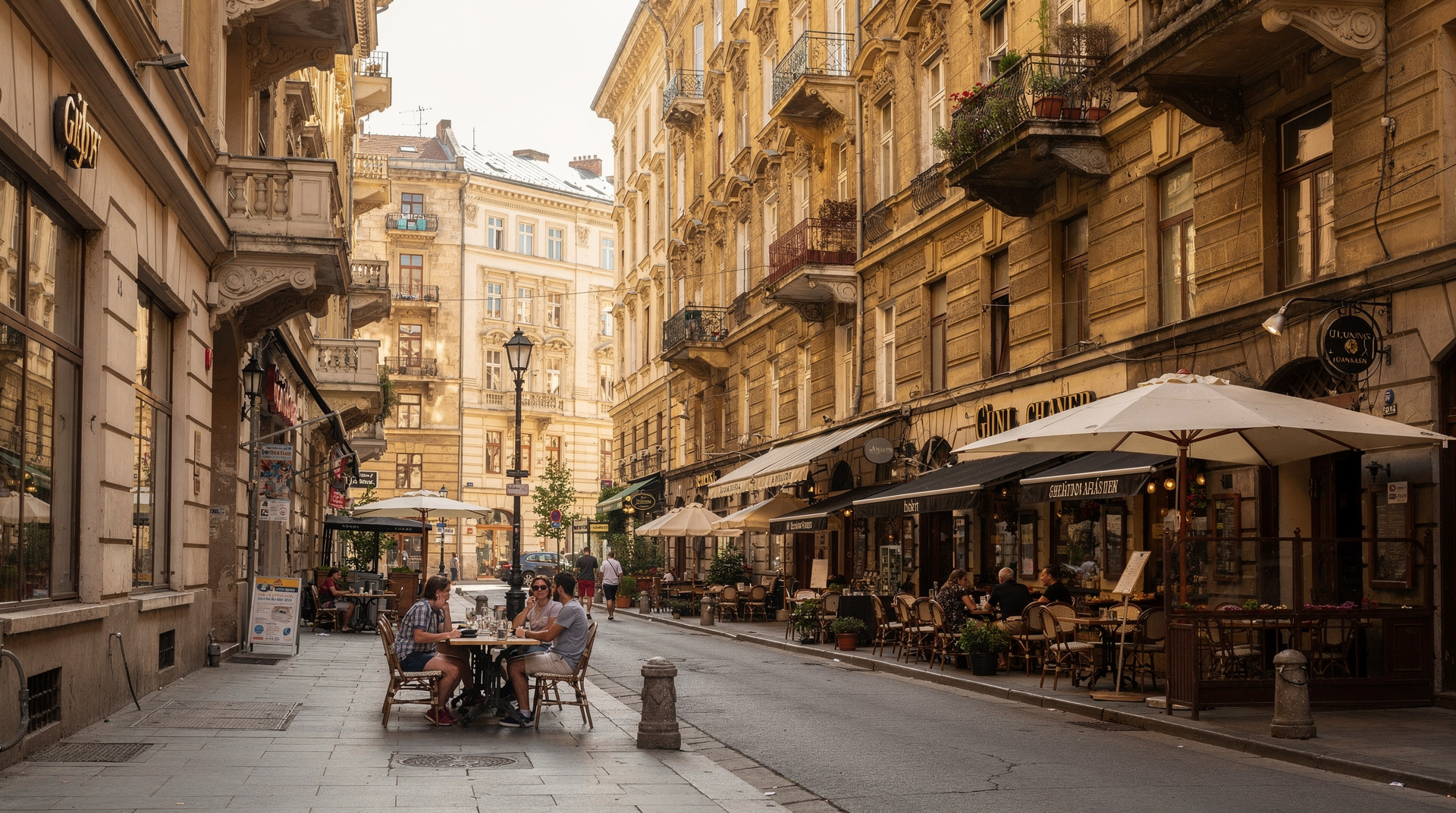
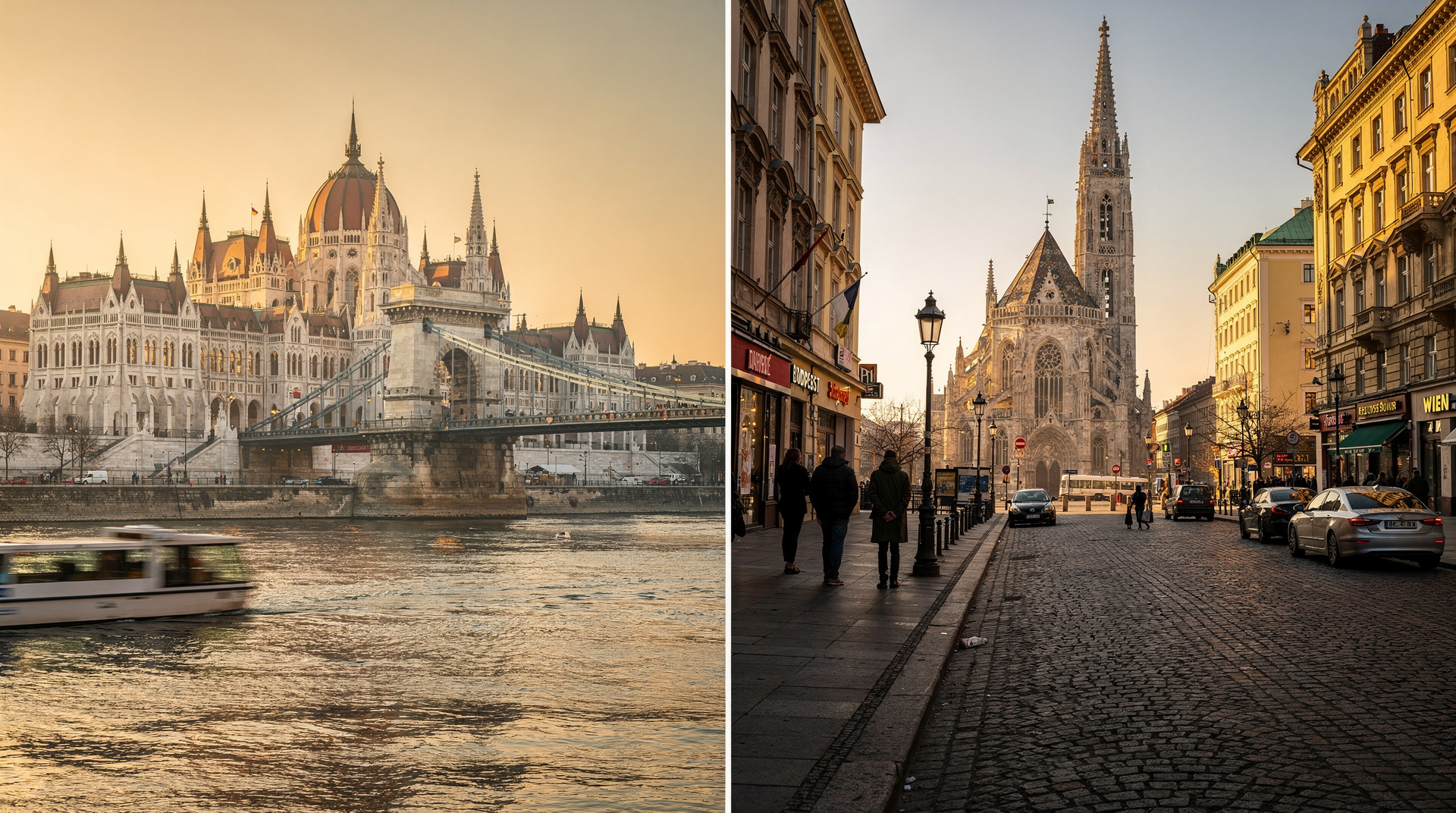
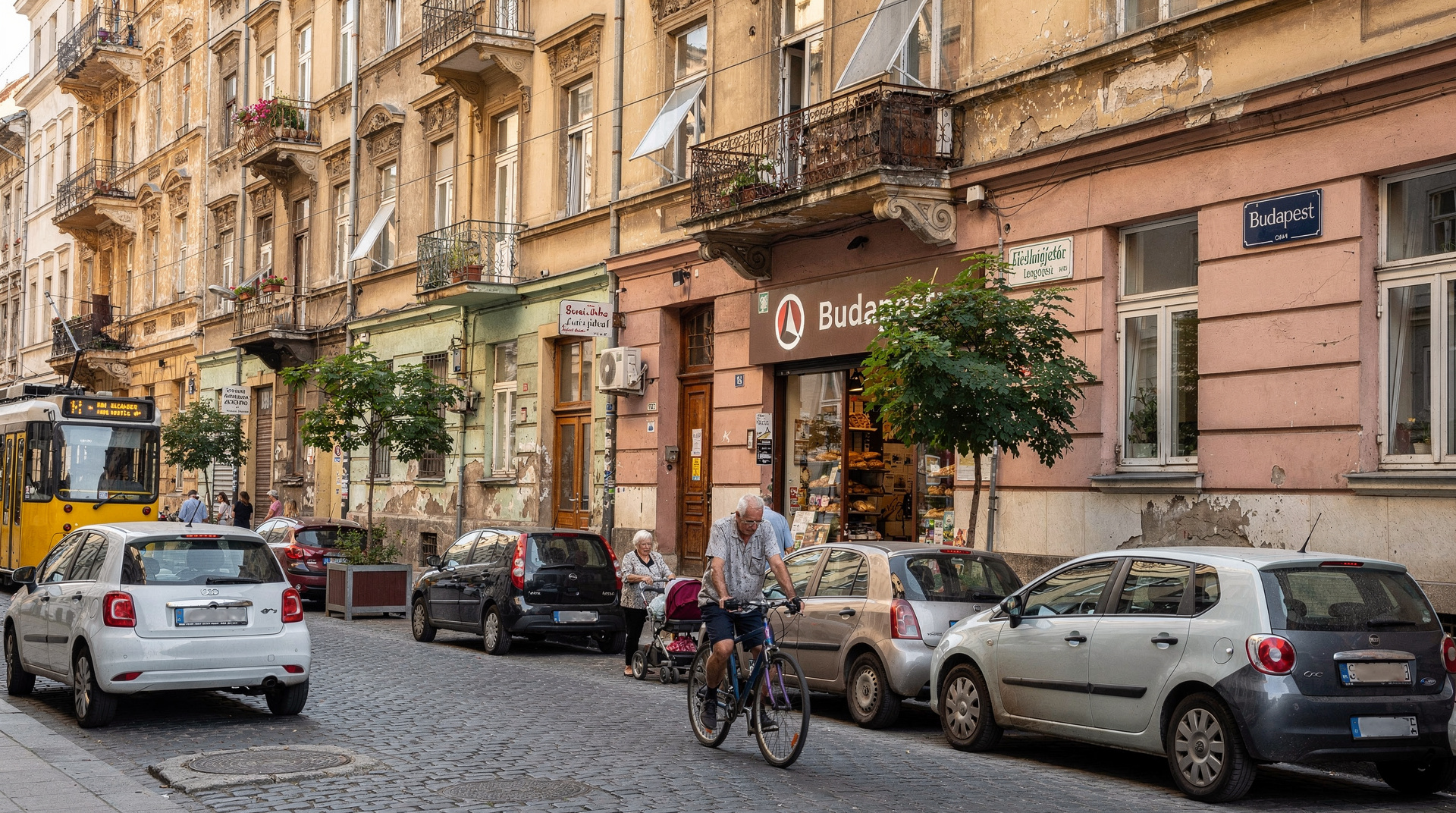
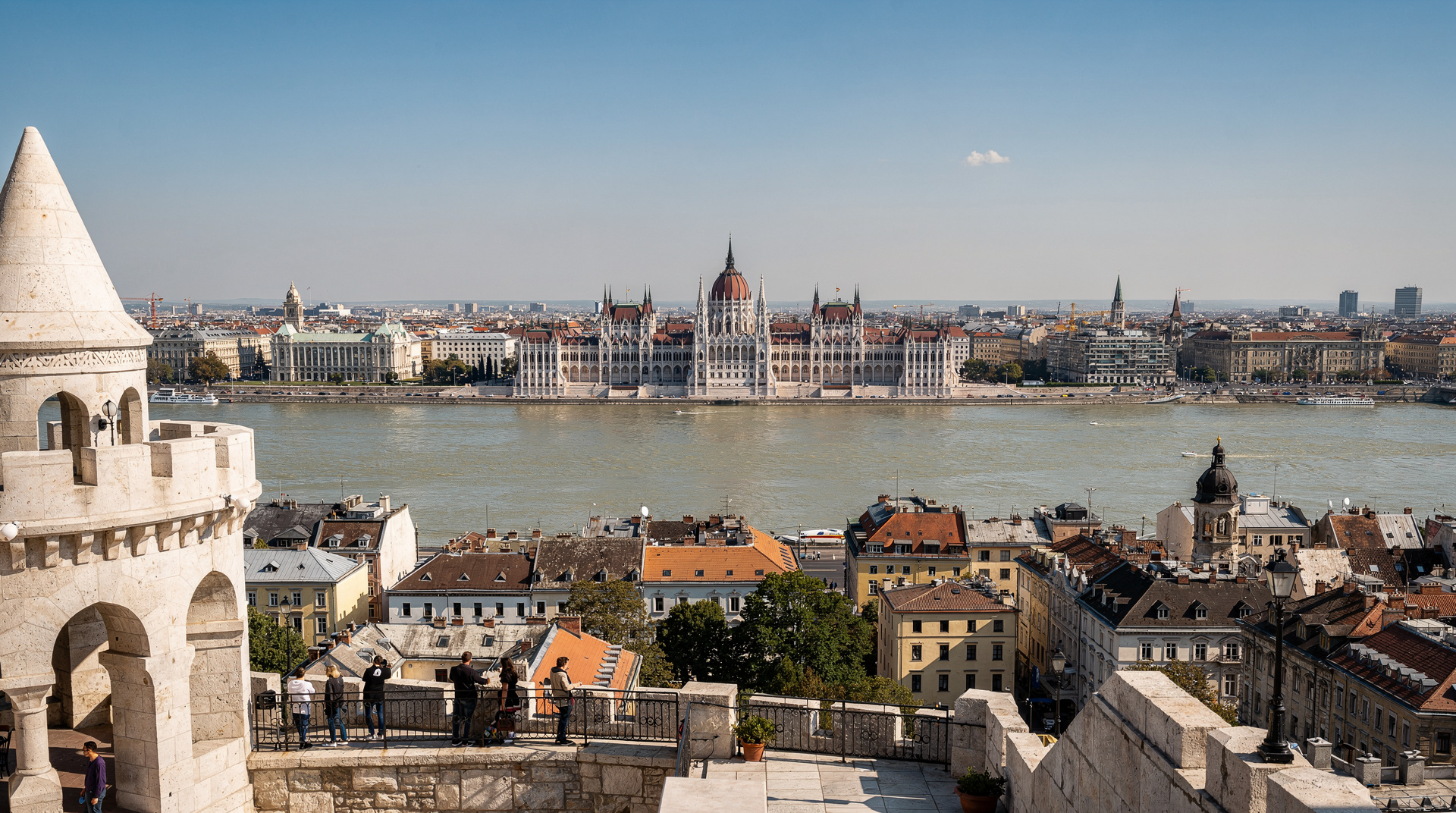
Budapest sprawls across both banks of the Danube, split by history and character. Buda is hilly, quiet and romantic — Matthias Church, Fisherman’s Bastion, the Castle District winding down to the river. Pest is flat, fast and alive — ruin bars, grand coffee houses, the Parliament at night, thermal baths steaming in City Park. The city feels vast, a little rough around the edges, and genuinely thrilling after dark.
Prague is more immediately beautiful. The medieval Old Town, Charles Bridge at dawn, the castle on the hill — it is a fairy-tale city that delivers on its postcard. But it can also feel like a theme park in peak season. The crowds on Charles Bridge in July are genuinely oppressive.
Budapest is grittier; Prague is prettier. Budapest rewards exploration; Prague rewards photography.
Costs and currency
Hungary has the Hungarian forint (HUF) — not the euro. At roughly 400 HUF to the euro, pricing can feel abstract. Always pay in HUF at shops and restaurants, never in euros, to avoid conversion markups. ATMs from major banks (OTP, Raiffeisen, K&H) give good rates; avoid Euronet machines with their punishing fees.
| Category | Budapest | Prague |
|---|---|---|
| Hostel dorm | €12–20 | €15–25 |
| Mid-range hotel | €70–130 | €90–160 |
| Sit-down lunch | €7–12 | €9–15 |
| Dinner for two, mid-range | €20–35 | €25–45 |
| Local beer | €1.50–2.50 | €2–3 |
| Thermal bath day ticket | €13–35 | no equivalent |
| Airport transfer (Bolt/taxi) | €15–20 | €20–30 |
Budapest comes out 10–20% cheaper on most categories, sometimes more. For backpackers and budget travellers, that gap adds up significantly over a week.
Sightseeing: the hit list
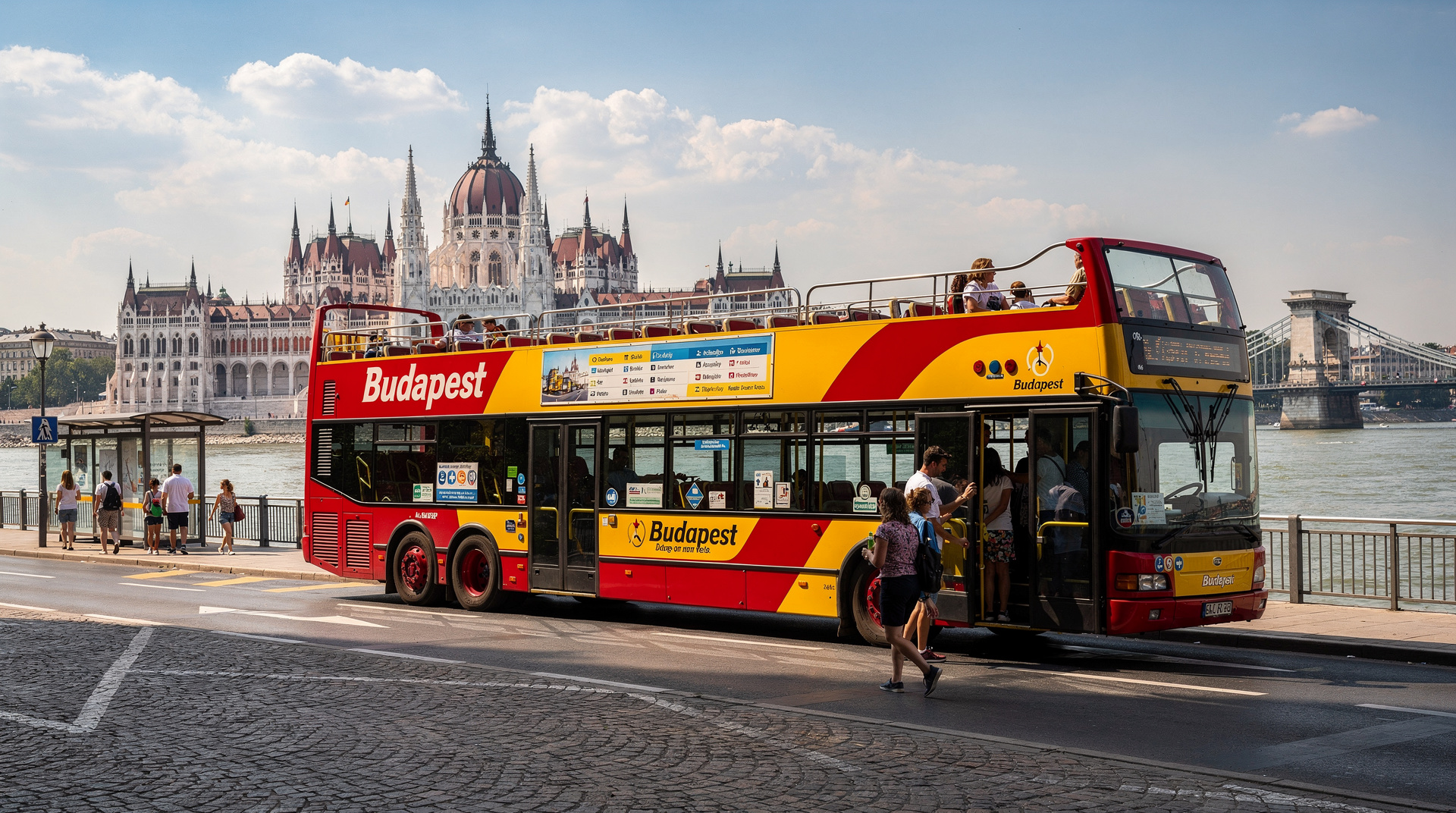
Both cities pack their sights into walkable zones, but Budapest’s footprint is larger and benefits from a hop-on hop-off bus.
Budapest’s unmissables:
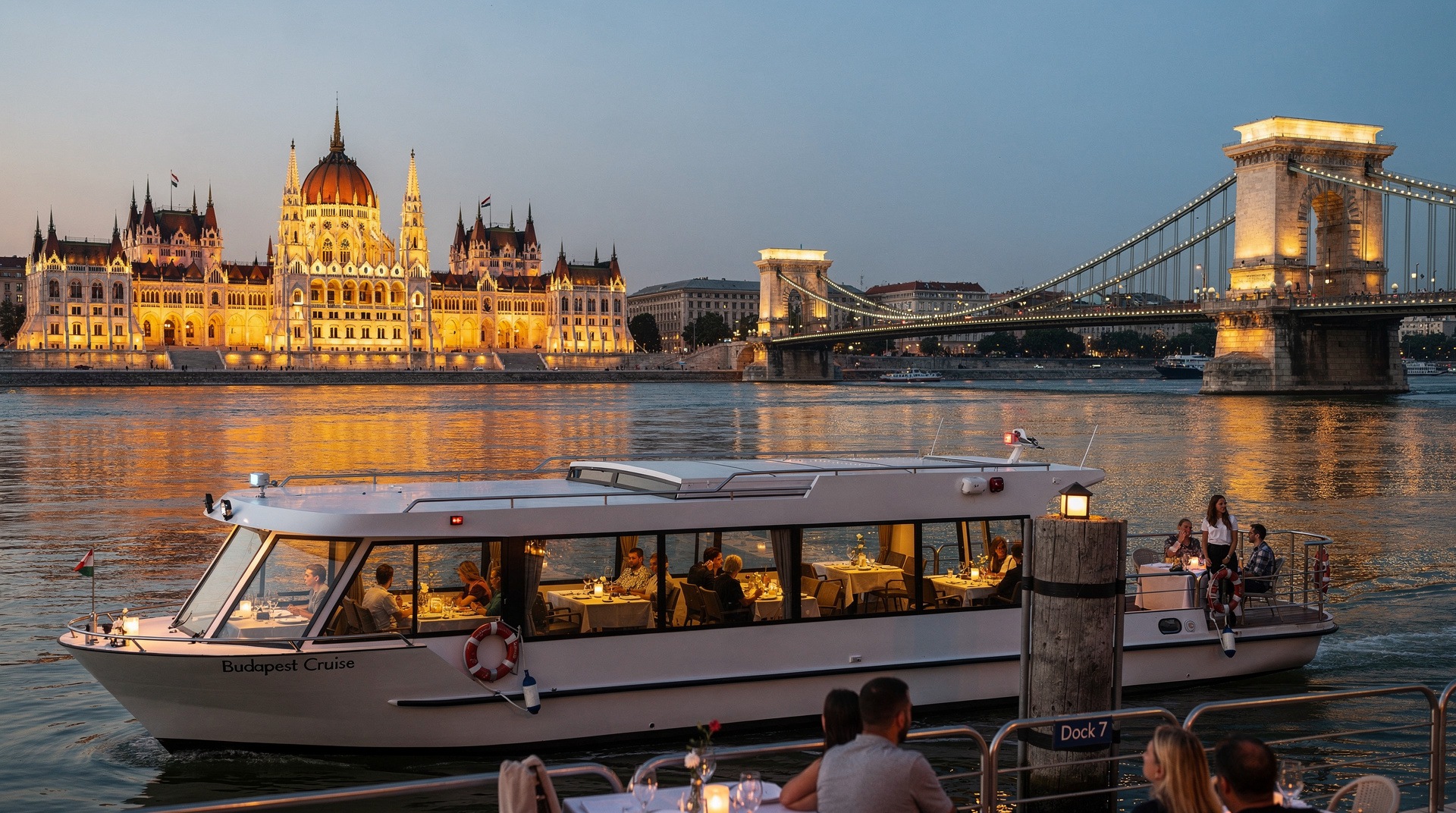
- Hungarian Parliament (world’s third largest) — go at night for the lit facade
- Buda Castle and the Castle District — half a day minimum
- Fisherman’s Bastion — free to walk, views rival anything in the region
- Chain Bridge and the Danube riverbanks (UNESCO)
- Great Synagogue on Dohány Street — largest in Europe
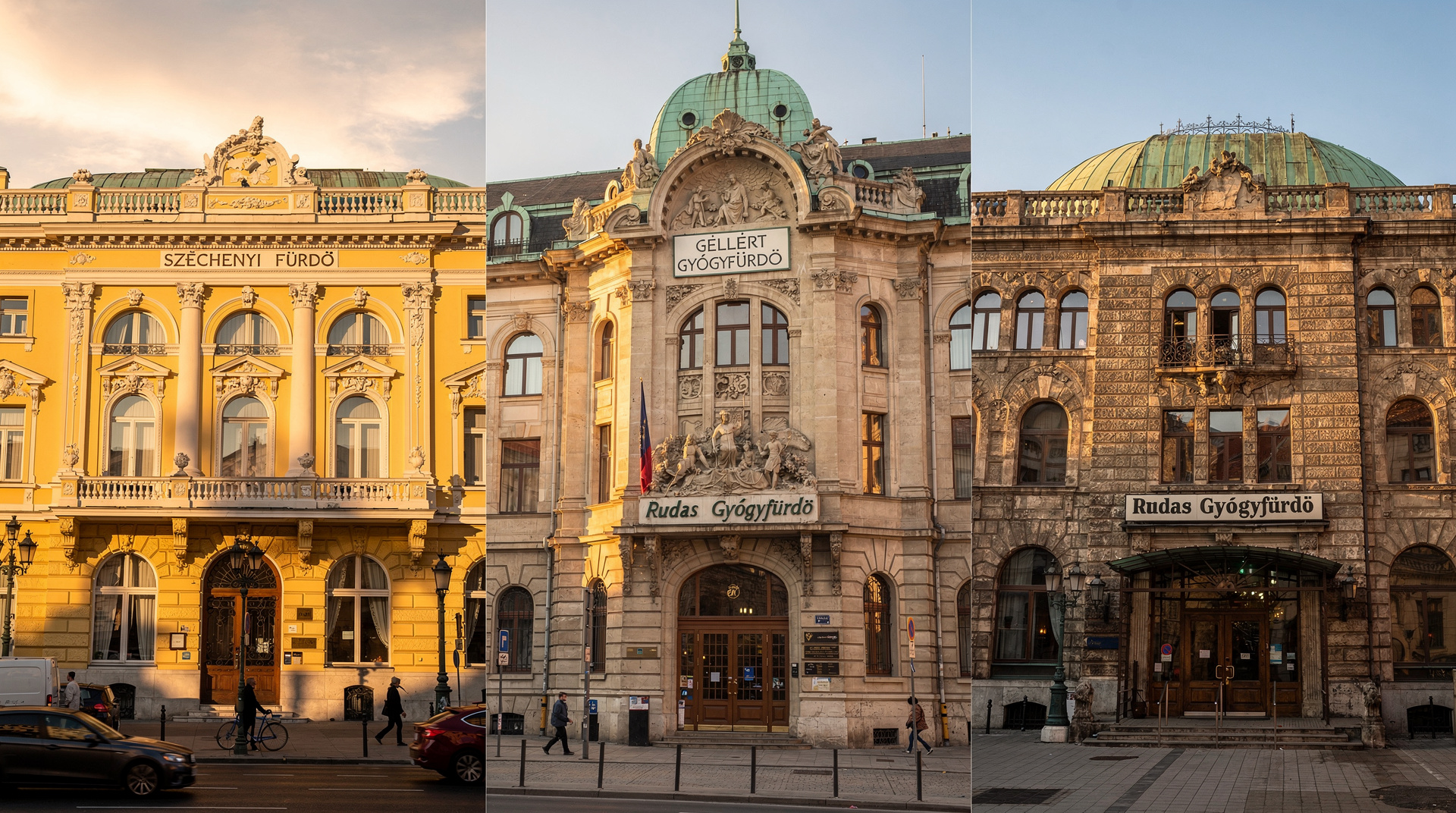
- Széchenyi or Gellért thermal baths
- Szimpla Kert ruin bar (even in daylight for the architecture)
- Central Market Hall (Nagy Vásárcsarnok)
Prague’s unmissables:
- Old Town Square and the Astronomical Clock
- Charles Bridge (early morning only — 9 am it is wall-to-wall tourists)
- Prague Castle and St Vitus Cathedral
- Josefov (Jewish Quarter)
- Lesser Town and Malá Strana
Budapest has more variety in its sightseeing — you can go underground (cave tours, wine cellars), on the water (Danube cruises), or do dedicated thermal wellness days with no standard sightseeing at all. Prague’s sights cluster more tightly but feel more historically cohesive.
A hop-on hop-off bus is genuinely useful in Budapest because the city is large and the key stops (Buda Castle, Parliament, City Park, Gellért Hill) are spread out. In Prague, most visitors walk everywhere.
Thermal baths: Budapest’s killer advantage
This is the single biggest differentiator. Budapest sits on more than 100 thermal springs, and bathing culture runs 500 years deep. There is simply nothing equivalent in Prague.
Széchenyi Baths in City Park — Neo-Baroque yellow domes, outdoor pools at 38°C, chess players floating in the steam — is an experience that stays with you. Rudas Baths dates to 1566 under Ottoman rule. Gellért has Art Nouveau tiles and a rooftop hot tub overlooking the Danube.
If thermal baths appeal to you at all, this tips the scales heavily toward Budapest. Use the thermal bath finder to find the right one for your vibe, or read the full Széchenyi vs Gellért vs Rudas comparison.
Nightlife: Budapest wins this round
Budapest earned its reputation as the stag-weekend capital of Central Europe through genuine quality, not just cheap drinks. The ruin-bar district — a cluster of bars built into crumbling courtyards and abandoned factories in District VII — is unlike anything in Prague or Vienna.
Szimpla Kert is the original and still the best: multiple rooms, courtyard with vintage cars, local craft beer, live music on weekends, open 7 days. The surrounding streets (Kazinczy utca, Wesselényi utca, Dob utca) are dense with alternatives: Ellátó Kert, Fogasház, Anker’t.
Prague has solid nightlife along Dlouhá Street and in the Vinohrady neighbourhood, but it skews more tourist-facing. The real craft beer scene and underground music clubs are harder to find without local knowledge.
One caution for Budapest: the ruin-bar district has its share of tourist traps. Read the ruin bar rip-offs guide before you go out. The konzumlány “friendly girl” scam — women who befriend tourists and steer them toward a bar where the bill is 10× what you expect — is still active in District VII. See common scams in Budapest for the full picture.
An evening Danube cruise is one of Budapest’s great nighttime experiences — the Parliament lit up from the water is genuinely spectacular.
Day trips
Budapest’s geography makes it a superb base for day trips:
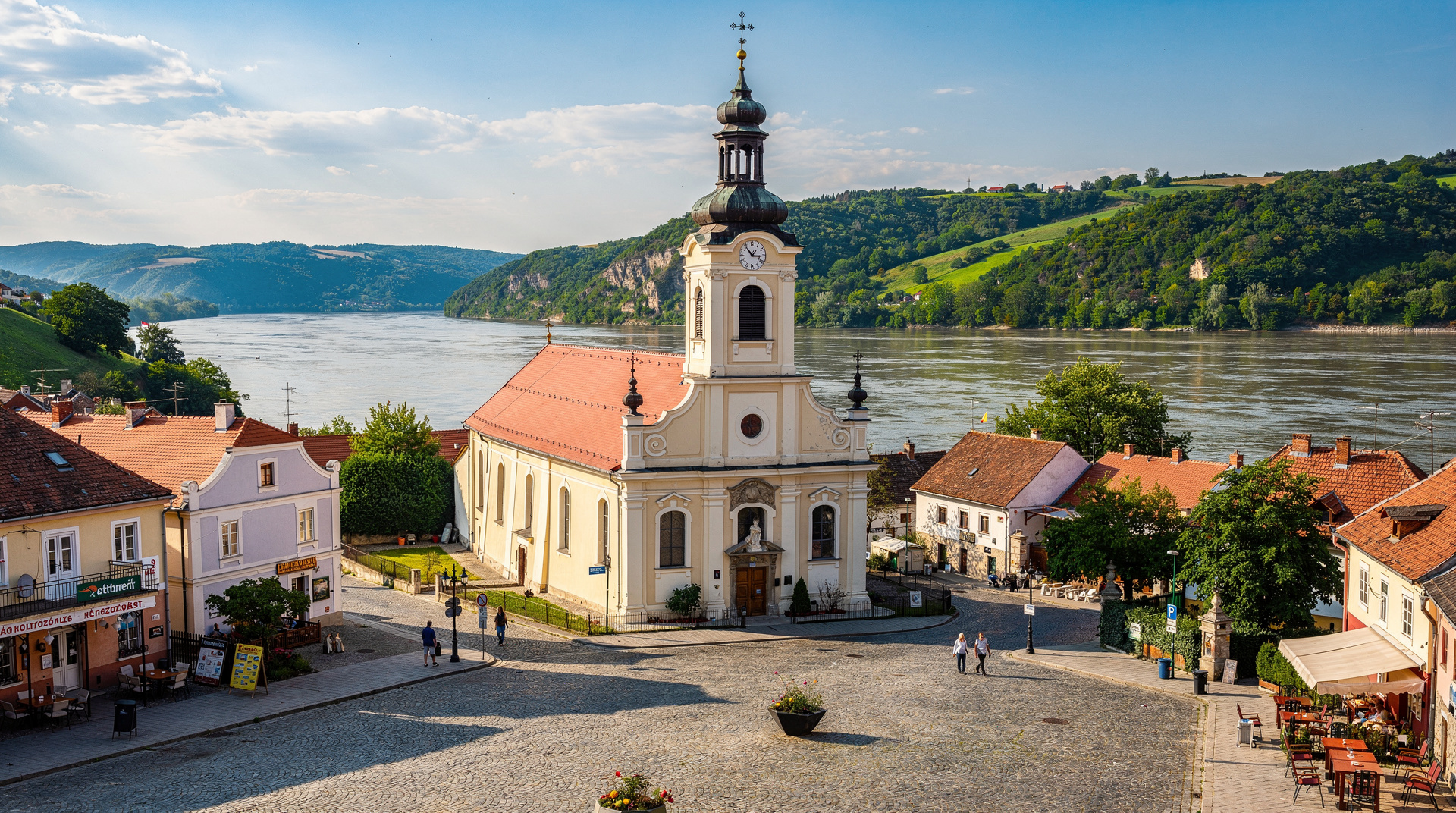
- Danube Bend (Szentendre, Visegrád, Esztergom) — 45 min to 1.5 hours by car or tour bus, one of Europe’s most scenic river bends
- Lake Balaton — Central Europe’s largest lake, 1.5–2 hours by train
- Eger — baroque city, Valley of Beautiful Women wine cellars, Egri Bikavér
- Tokaj — world-famous wine region, UNESCO listed
- Bratislava — just 2.5 hours by fast train, compact and underrated
Prague also has great day trips (Český Krumlov, Karlovy Vary, Kutná Hora), but they are more heritage-focused. Budapest’s day-trip mix of nature, wine and history is broader.
Read the full day trips from Budapest guide for transport options and tour recommendations.
Food and drink: goulash vs guláš
Hungarian and Czech cuisine share a hearty, Central European backbone — pork, paprika, dumplings, dark beer — but the flavours diverge. Hungarian food leans on paprika-rich stews (gulyás, pörkölt), langos (fried dough with sour cream and cheese) and strudel; see the traditional Hungarian dishes guide and where to eat langos for specifics. Czech food centres on roast pork, dumplings and cabbage, with some of the world’s best pilsner. Budapest’s café culture is a genuine highlight in its own right — the historic coffee houses guide covers grand rooms like New York Café that have no real Prague equivalent.
Wine is another point in Budapest’s favour for travellers who enjoy it: Hungary’s Tokaj and Eger regions are a short trip away, and the Hungarian wine guide is a good primer. Prague counters with beer culture — cheaper and arguably better on tap — but has no comparable wine-country day trip.
Best time to visit each city
Both cities share a similar climate, but the crowd curve differs slightly because Budapest’s baths give it a genuine off-season draw that Prague lacks.
| Season | Budapest | Prague |
|---|---|---|
| Spring (Apr–May) | Mild, blooming, moderate crowds | Mild, very popular, book ahead |
| Summer (Jun–Aug) | Hot, festival season (Sziget), peak crowds | Hot, peak crowds, Charles Bridge packed by 9am |
| Autumn (Sep–Oct) | Mild, wine harvest in Tokaj/Eger, great value | Mild, popular for Christmas market build-up in Nov |
| Winter (Nov–Feb) | Cold but thermal baths shine, Christmas markets | Cold, fairy-tale look, Christmas markets, very busy Dec |
Budapest arguably has the stronger case for an off-season visit — steaming outdoor baths in freezing air is a memorable, uniquely Budapest experience covered in the outdoor baths in winter guide and the Budapest in winter guide. For a broader look at seasonal trade-offs, see best time to visit Budapest.
Getting there and transport
Budapest: Liszt Ferenc Airport (BUD) is 16 km east of the centre. Bus 100E + metro M3 takes about 45 minutes total; a Bolt (ride-hailing app) costs €15–20. Do not take a street taxi from the airport — this is one of Budapest’s most persistent tourist traps. See Budapest airport to city centre for the full options.
Prague: Václav Havel Airport (PRG) is 17 km from the centre. Bus to metro is cheap; a taxi app (Bolt or Liftago) costs €10–15.
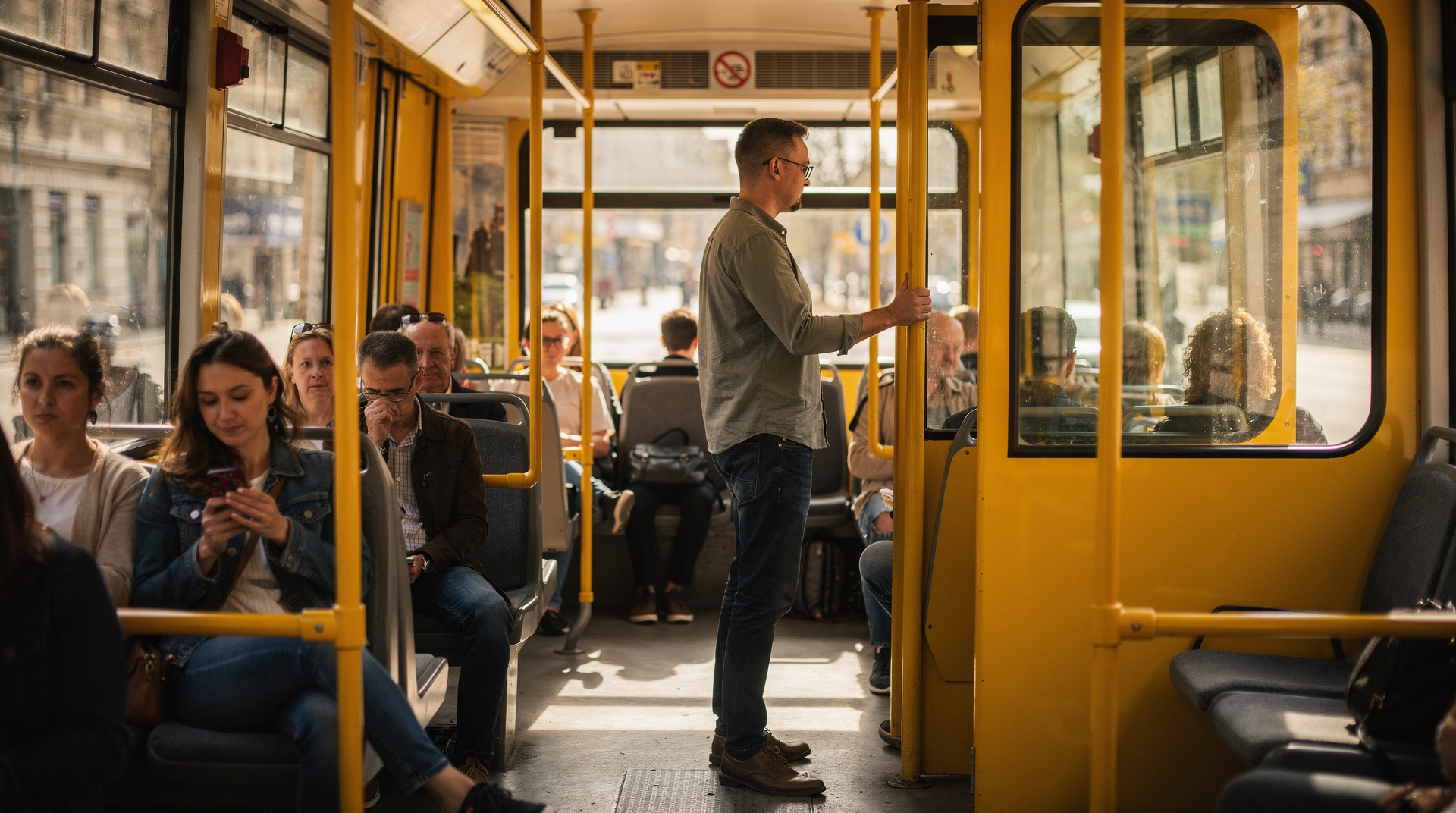
Within the city, Budapest uses a metro + tram + bus system (BKK). A single journey is 500 HUF when bought in advance (700 HUF on board). Prague’s metro + tram system is equally efficient and slightly simpler to navigate for first-timers. Both cities charge fines for fare evasion — buy your ticket before boarding.
The Budapest Card covers unlimited public transport plus more than 30 free visits and activities, from 17 990 HUF for 24 hours. Use the Budapest Card calculator to see if it pays off for your itinerary. There is no comparable card for Prague at the same value level.
The honest verdict
Choose Budapest if:
- Thermal baths are on your bucket list
- You want memorable nightlife (ruin bars, Sparty)
- Budget matters — you will spend less on almost everything
- You enjoy big, sprawling cities with layers to discover
- You want a diverse day-trip portfolio
Choose Prague if:
- Compact, walkable, medieval beauty is your priority
- You find dirty charm tiresome and prefer polish
- You have limited time and want everything within easy walking distance
Visit both if you have 10+ days. The train journey is easy, the contrast between the two cities makes each one richer, and the combination covers Central Europe’s highlights without duplication.
For more trip-planning detail, see how many days in Budapest and the first-timer’s Budapest guide.
Frequently asked questions about Budapest vs Prague
Is Budapest cheaper than Prague?
In 2026, Budapest is generally 10–20% cheaper than Prague for food and accommodation. A mid-range dinner for two in Budapest runs 8,000–14,000 HUF (€20–35); a similar meal in Prague costs roughly €25–45. Budapest is in the HUF (Hungarian forint), not the euro, which sometimes makes pricing feel opaque — always pay in HUF to avoid dynamic-currency-conversion losses.Which city has better nightlife?
Budapest is widely considered the nightlife capital of Central Europe, ranked top-three for stag/bachelorette weekends in Europe. Szimpla Kert and the ruin-bar district of District VII are genuinely unlike anywhere else. Prague has a solid nightlife scene but it feels more polished and tourist-facing. Budapest wins this category.Can I do both cities in one trip?
Yes — a direct train between Budapest Keleti and Prague runs roughly 6.5–7 hours and costs €20–60 booked in advance. Many travellers pair four nights in Budapest with three nights in Prague or vice versa. The cities sit about 525 km apart, making a day trip impractical but a longer trip very doable.Which city is safer?
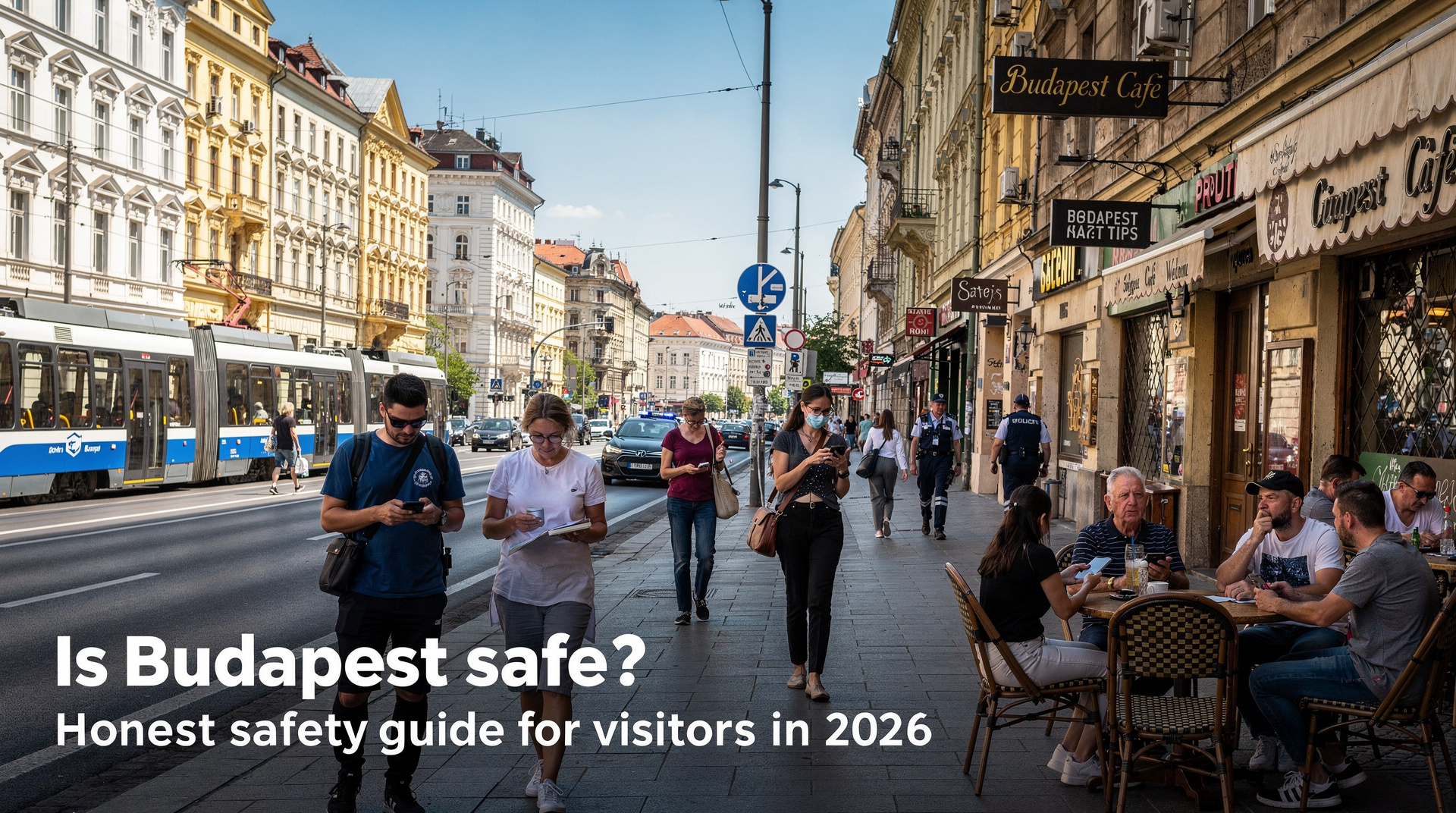
Both are among the safest capitals in Europe for tourists. The main risks in Budapest are petty theft in crowded areas (Váci utca, Széchenyi queue) and specific scams — taxi overcharging and the so-called konzumlány bar scam in the party district. Prague has similar pickpocket risks around Old Town Square. Read /guides/is-budapest-safe/ and plan accordingly.Which city has better day trips?
Budapest's day-trip portfolio is exceptional: the Danube Bend (Szentendre, Visegrád, Esztergom), Lake Balaton, Eger, Tokaj wine country. Prague offers Český Krumlov, Karlovy Vary and Dresden. Both are strong, but Budapest's variety — thermal towns, wine regions, river bends — is hard to beat.Which city has better weather for a summer trip?
Both sit at similar latitudes with warm, occasionally muggy summers, but Budapest tends to run a touch hotter in July and August (highs around 28–32°C) thanks to its lower, river-basin setting, while Prague's slightly higher elevation keeps evenings a little cooler. Neither city is a good July choice if you dislike crowds — both hit peak tourist season together. Spring and early autumn are pleasant in both.Is the language barrier worse in Budapest or Prague?
Hungarian and Czech are both notoriously difficult for outsiders, so neither city rewards trying to read signage. In practice this is a wash: central Budapest and central Prague both have strong English proficiency in hotels, restaurants and transport apps, and neither expects visitors to speak the local language. Learning a few polite words (köszönöm / děkuji — thank you) goes a long way in either city.
Top experiences
Bookable activities with verified prices and instant confirmation on GetYourGuide.