Budapest Card guide: what's included, prices and honest verdict

Is the Budapest Card worth buying?
For visitors planning 3+ museum visits and 3+ days of public transport, the 72-hour Budapest Card typically pays off — especially the free visits and activities. Light sightseers or those mainly doing thermal baths and restaurants will not recover the cost. Use the /tools/budapest-card-calculator/ to check for your specific itinerary.
What the Budapest Card actually is
The Budapest Card is a tourism pass sold by BKK. It bundles three main categories of value: unlimited public transport, more than 30 free visits and activities, and discounts of 10 to 25% at restaurants, cafés, museums and baths. The concept is standard across European cities — similar to the London Pass, Paris Visite or Vienna City Card — with the idea that a single purchase unlocks city-wide savings.
Whether the Budapest Card delivers genuine savings depends almost entirely on your itinerary. For some visitors it is an excellent deal; for others it is an expensive pass for things they would not have paid for anyway. This guide gives you the honest calculation.
| Cost | From 17,990 HUF (24h) to 29,990 HUF (72h), per the official BKK site |
| Best for | 4+ museums, heavy transport use, first-timers |
| Skip if | Bath-focused or fewer than 3 museum visits |
| Buy where | Online, or at over 300 points of sale |
| Compare against | Budapest Card vs single tickets |
What’s included (and what’s not)
Included: unlimited BKK public transport
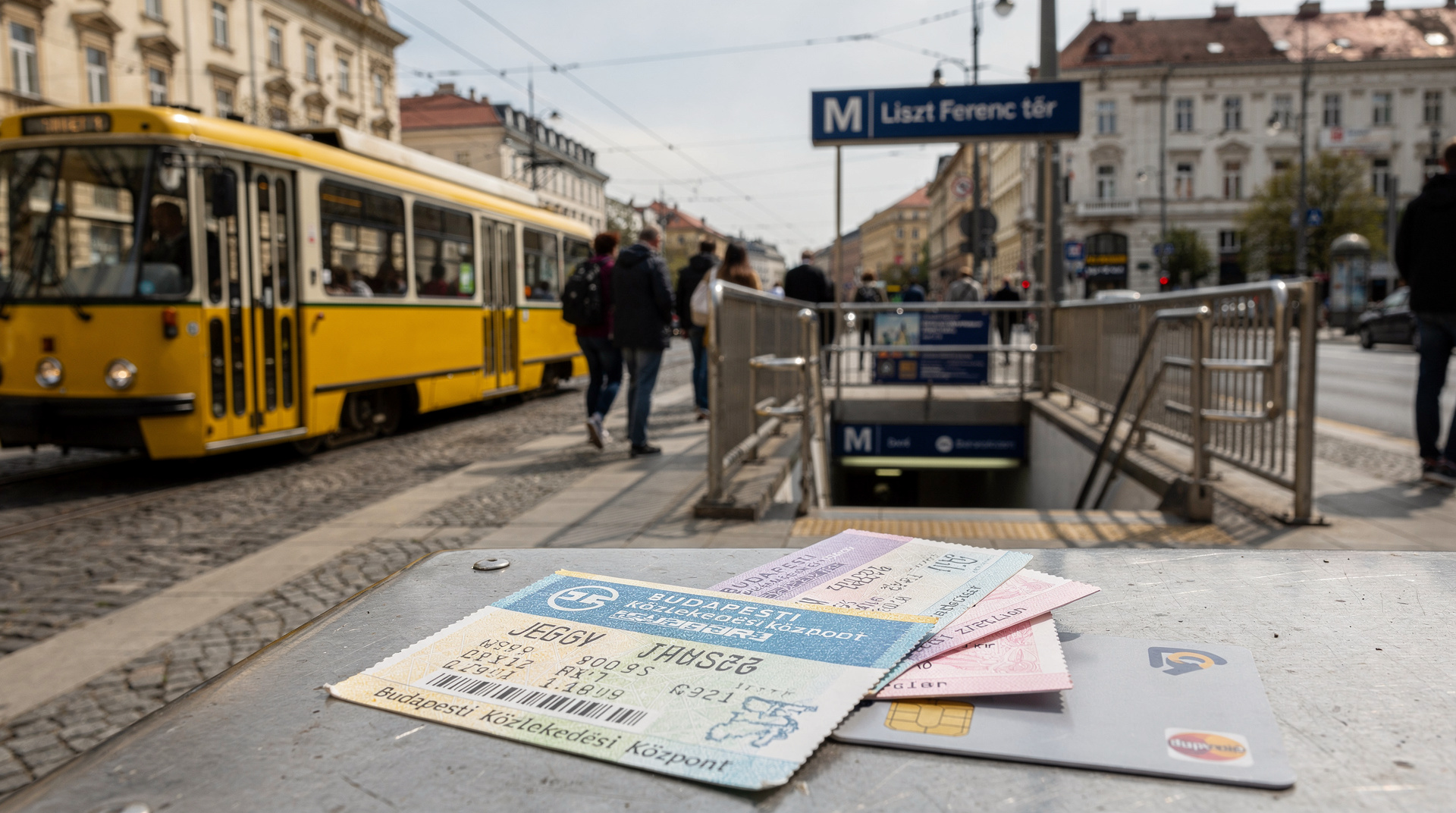
The Budapest Card includes unlimited public transport for the duration of the card (24, 48, 72 or 96 hours). This alone has monetary value:
- 24-hour BKK travelcard separately: 2,750 HUF
- 72-hour BKK travelcard separately: 5,750 HUF
If you are already planning to buy a travelcard, the transport portion of the Budapest Card is essentially “included” in the premium you pay above a standalone travelcard.
The 72-hour PLUS formula also adds the Airport Express (bus 100E).
Included: free visits and activities
The Budapest Card includes more than 30 free visits and activities. Places named as free on the official site include:
- Lukács thermal bath
- Hungarian National Gallery
- Museum of Fine Arts
- Robert Capa Centre
- Official Castle Bus
- Citadella
- Budavári Sikló funicular
Inclusions can change. The Budapest Card website lists the current programmes — verify before purchasing.
Partner discounts
The card includes 10 to 25% off at selected restaurants, cafés, museums and baths. These discounts have real value if you plan to use them, but they require some advance planning — not every restaurant near the tourist areas participates.
The honest calculation: does it pay off?
The 72-hour Budapest Card costs 29,990 HUF. Let’s calculate the standalone value of its transport component:
| Item | Standalone cost |
|---|---|
| 72-hour BKK travelcard | 5,750 HUF |
At that rate, the 72-hour card (29,990 HUF) requires approximately 24,240 HUF more in paid entries or discounts to break even. If you would otherwise pay for several of the free visits and activities, you typically come out ahead. If you plan only one or two and skip the rest, you do not.
Run the precise comparison with the Budapest Card calculator before deciding.
Who should buy the Budapest Card
Buy it if you are:
- Visiting 4+ museums or attractions in 72 hours
- Staying in the city and relying heavily on public transport
Skip it and buy separately if you are:
- Primarily visiting thermal baths (the bath discounts rarely make the card worthwhile on their own)
- Planning heavy spending on food tours and ruin bars rather than museums
- Making just 1–2 museum visits across your trip
- Planning a 1-day visit (the 24-hour card at 17,990 HUF rarely breaks even)
Alternative if you mainly need transport: A 72-hour BKK travelcard (5,750 HUF) plus individual museum tickets almost always saves money if your museum count is below 4. See BKK travel passes for the pure transport comparison.
Budapest Card vs buying separately
If your plan leans heavily on museums and transport, the card wins outright. If it leans on baths, food and nightlife, buying separately almost always wins — the Budapest Card vs single tickets comparison walks through both scenarios with real numbers. For travellers still undecided after reading both guides, the safest rule is: count your planned paid museum visits, and if it is fewer than four, skip the card.
How the card fits different trip lengths
A 1-day visit rarely justifies even the 24-hour card unless the day is packed with museums back to back. A 2–3 day visit built around the 3-day Budapest overview — Castle District, Parliament, Jewish Quarter, one bath — often falls short of the museum count needed to break even,. Where the card shines is a 3-day trip that deliberately includes several museums, such as pairing the best museums Budapest guide with a packed itinerary.
How to buy the Budapest Card
Online: The Budapest Card website sells digital cards (downloadable app or PDF voucher). Buy at least 24–48 hours before arrival so the card is ready on landing. Digital cards eliminate the risk of losing a physical card.
At the airport: Available at the BKK customer centre at the airport. Convenient but loses the online pre-purchase advantage.
In the city: The BKK customer centre at Deák Ferenc tér is one of more than 300 points of sale.
Using the Budapest Card
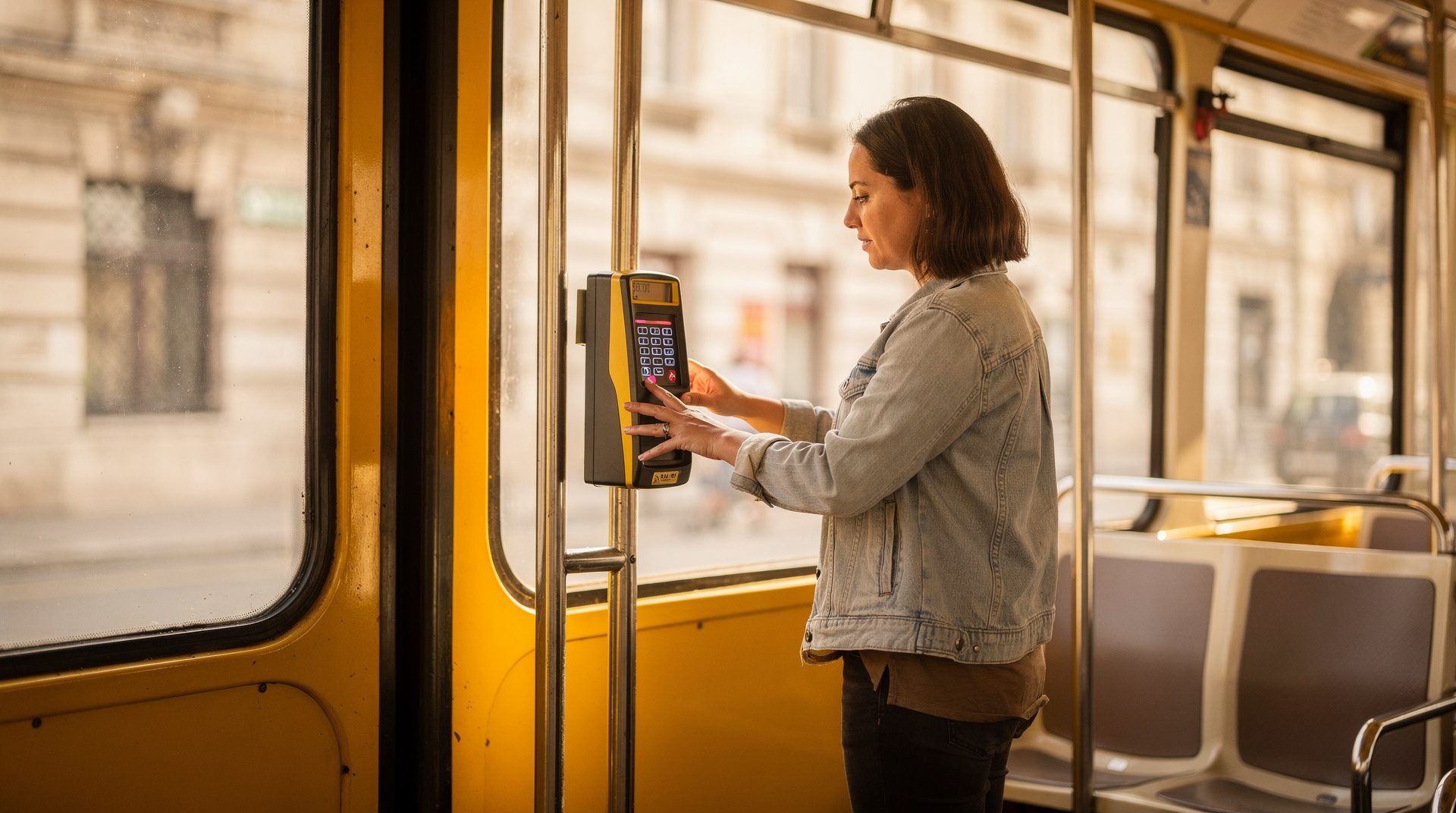
The card requires activation before first use — similar to a travelcard. At venues: show the card at the ticket desk for free entry; some venues may ask to see it alongside photo ID. On transport: validate on first use, then show without validating again.
For the Budapest Card with public transport, over 30 free visits and discounts, booking through GetYourGuide gives you confirmed pricing before you arrive.
For the full day-by-day planning context where the Budapest Card fits, see first time in Budapest and the 3-day Budapest overview. For sightseeing costs and the overall daily budget, Budapest trip cost has the full breakdown.
Building a day around the card
The card rewards planning more than almost any other purchase you will make in the city. Treat the first morning as a strategy session: write down the museums you genuinely want to see, group them by neighbourhood, and only then decide how many hours of card validity you need.
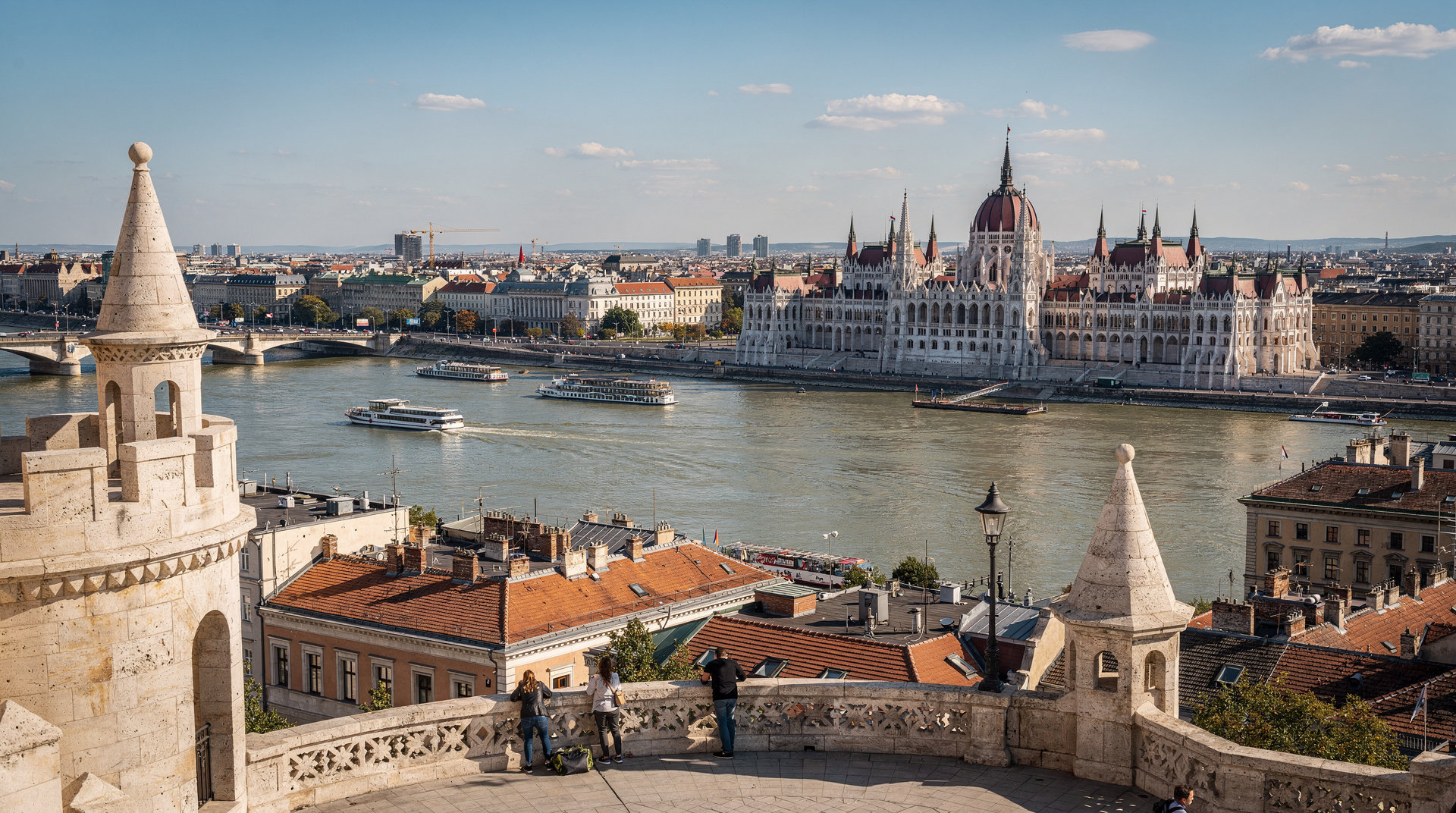
A sensible pattern is to pair museum visits with the districts they sit in. The Castle District has the history museum and a cluster of viewpoints, so the Buda Castle guide and the Fisherman’s Bastion guide fit naturally into one Buda morning. Over in Óbuda, the Roman ruins are a separate trip, and the Óbuda and Aquincum destination page explains how to combine them with the riverbank. Pest has its own museum cluster, and the downtown Pest page helps you string several stops together on foot between metro rides.
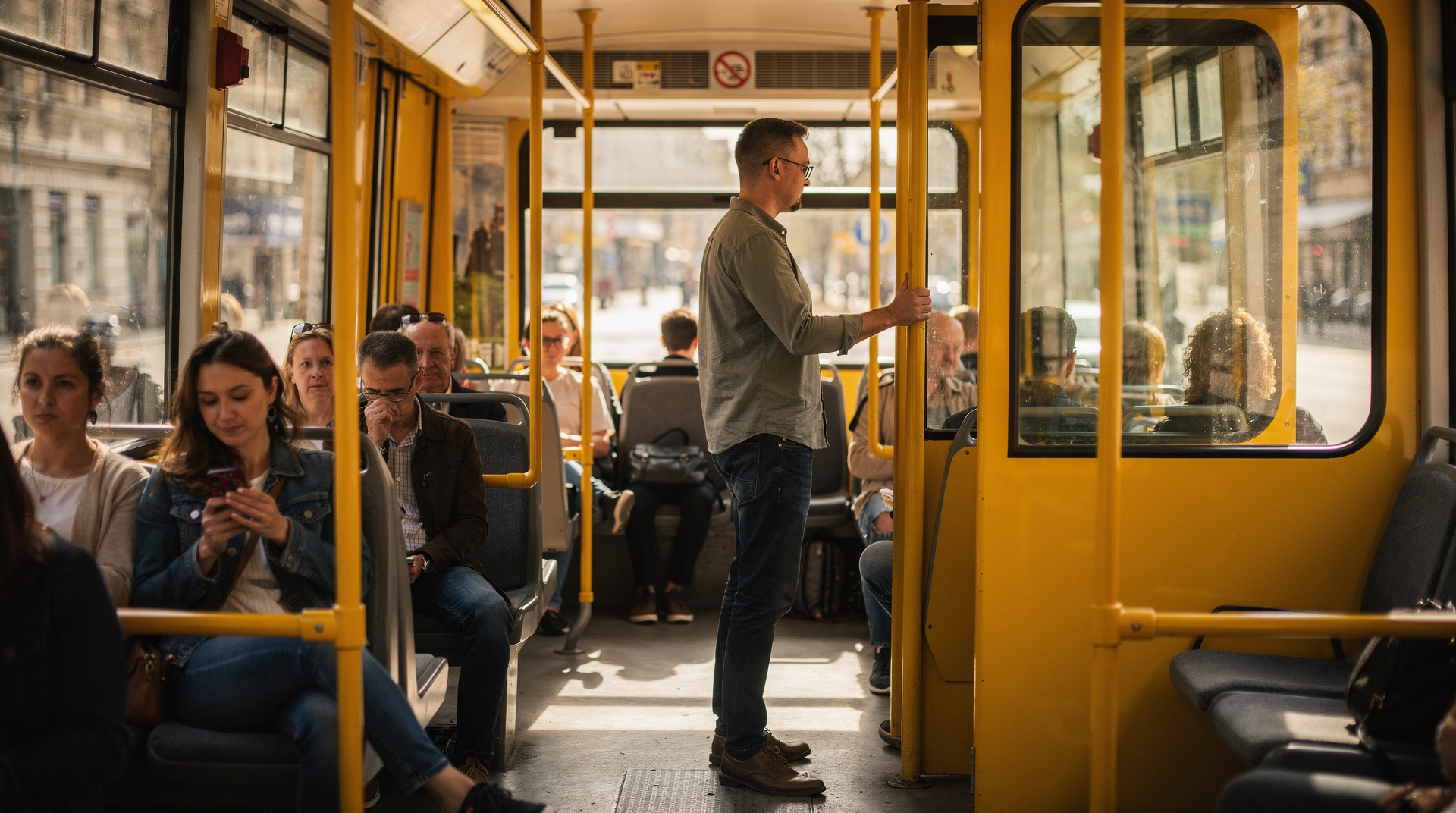
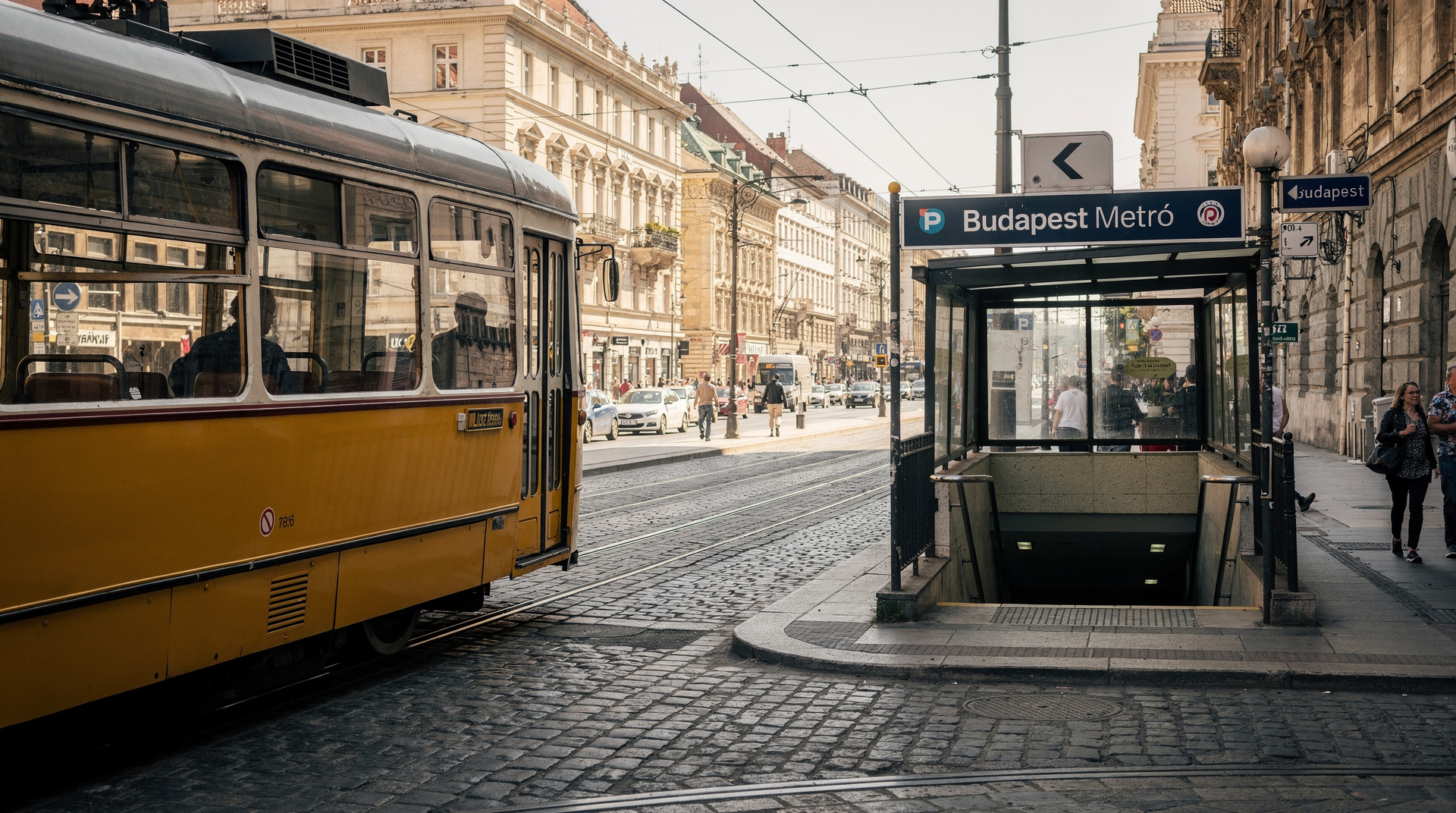
Public transport is where the card quietly earns its keep on days like these. You never stop to work out which ticket you need, you never queue at a machine, and you can hop on a tram for a single stop without feeling that you are wasting money. If you are unsure how the network fits together, the Budapest metro guide and the public transport tickets guide explain the lines and the ticket types in plain terms.
Using the cruise and the sightseeing perks well
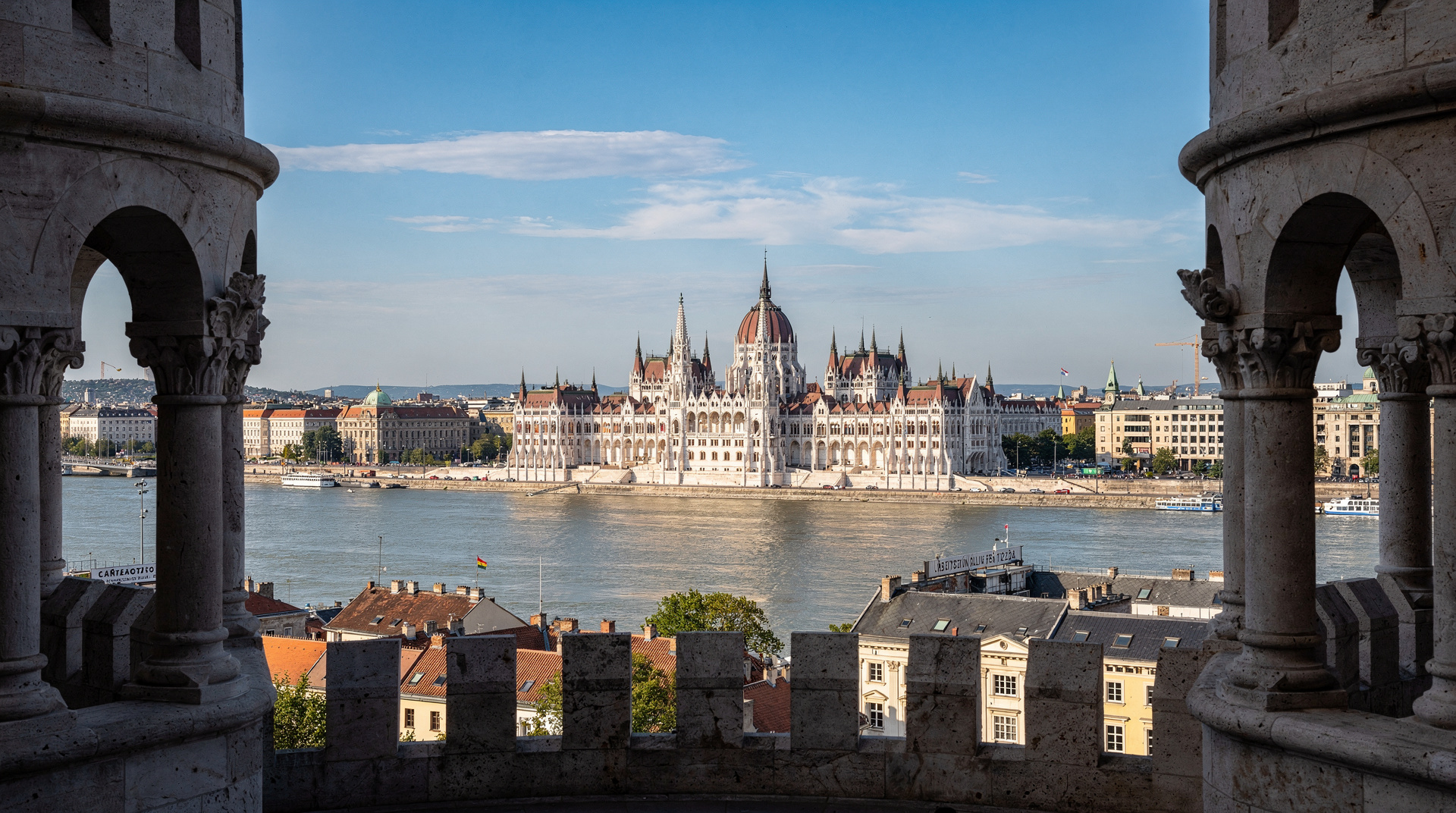
A Danube cruise is worth doing early in the trip, because seeing the Parliament, Chain Bridge and Castle Hill from the water gives you a mental map of the city that makes everything afterwards easier to place. Cruises are a separate purchase to plan around the card, and the best Danube cruises in Budapest and the daytime sightseeing cruises guide show what you would otherwise be choosing between.
Some travellers prefer a cruise with more atmosphere. An evening trip with a drink in hand, such as a sunset cruise with a cocktail on board, makes a good complement to the daytime views, and you can still use the card’s free visits and transport on the other days. The sunset cocktail cruises guide lays out how those evening options differ.
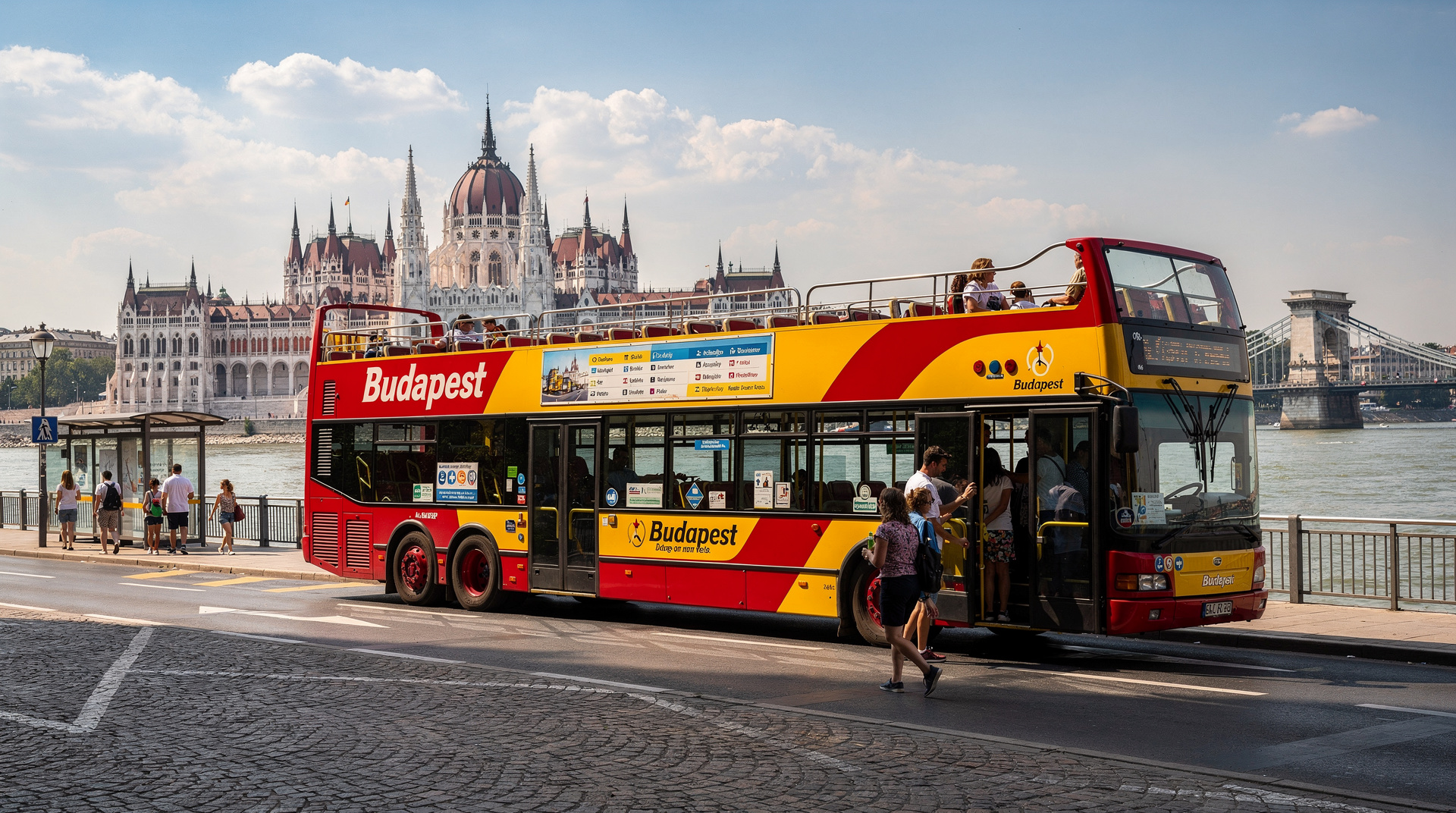
If you like the idea of riding a loop with commentary rather than navigating transport yourself, a hop-on hop-off route is the other big sightseeing option in the city. Many visitors weigh a hop-on hop-off bus tour of the main sights against the card, and the hop-on hop-off Budapest guide explains who it suits. The two are not mutually exclusive, but together they can mean paying twice for the same transport, so decide which one is your backbone before you buy either.
Budgeting around the card
The card is a fixed cost paid up front, which changes how the rest of your spending feels. Once you have paid, every free visit you add costs nothing extra, and that can tempt you into visiting places you have little interest in just to feel you are getting value. Resist this. A museum you walk through in twenty minutes while checking your phone is not a saving; it is lost time that could have gone to a bath, a long lunch or a wander through the Jewish Quarter.
Keep the card inside your wider budget rather than treating it as a separate decision. The Budapest daily budget guide and the guide on whether Budapest is expensive give context for where the money usually goes, and the Budapest on a budget guide is worth reading if you are trying to keep every outing cheap. For many budget travellers the cheapest approach is not the card at all but a mix of free sights, a travelcard and a small number of carefully chosen paid entries, and the free things to do in Budapest list shows how much the city offers without a ticket.
Rainy days, winter and shoulder season
The card tends to look better in months when you will spend more time indoors. A grey day with steady rain is exactly when a museum-heavy plan makes sense, and having the entries already covered means you can change your mind about which museum to visit without any financial penalty. If your trip falls in the colder months, the Budapest in winter guide explains how the season changes the balance between indoor and outdoor plans.
In high summer the equation can flip. Long daylight, outdoor terraces and open-air pools pull people away from museums, and the card can sit unused for half a day. If that sounds like your trip, the Budapest in summer guide will help you judge how much indoor sightseeing you are likely to do. For travellers who are still deciding when to go at all, the best time to visit Budapest guide covers the trade-offs between seasons.
Traps and small details to keep in mind
- Check the opening days. Several museums close on one weekday, so a card activated on that day can lose value quickly. Look at each venue’s days before you commit to a sequence.
- Carry photo ID. Because the card is personal, staff may compare it with the holder, so keep a passport or ID card with you rather than leaving it at the hotel.
- Do not count discounts as savings you will definitely use. A bath discount only helps if you actually go. The bath ticket mistakes guide covers errors that cost more than any discount saves.
- Ignore sellers outside official channels. The same caution that applies to taxis and street offers applies here; the Budapest tourist traps guide explains the patterns to avoid.
If after all this you still cannot decide, the Budapest Card worth it guide gives a second opinion with a different framing, and the 3-day Budapest itinerary shows what a typical three-day plan looks like so you can count your own museum visits against it.
Frequently asked questions about Budapest Card guide
What does the Budapest Card include?
The Budapest Card includes unlimited public transport, more than 30 free visits and activities, and discounts of 10 to 25% at restaurants, cafés, museums and baths. The exact inclusions change — always verify on the Budapest Card official site before purchasing.How much does the Budapest Card cost in 2026?
Official adult prices: 24-hour card 17,990 HUF, 48-hour card 23,990 HUF, 72-hour card 29,990 HUF, 96-hour card 38,990 HUF. Compare using the /tools/budapest-card-calculator/ with your planned activities.Does the Budapest Card include the airport bus?
The 72-hour PLUS formula (39,990 HUF) adds the Airport Express (bus 100E). Check the official site for what your chosen card covers.Does the Budapest Card include Széchenyi baths?
The Lukács thermal bath is among the free programmes named on the official site, and discounts of 10 to 25% apply at some baths. Verify current bath inclusions on the Budapest Card site before assuming.Where can I buy the Budapest Card?
Online, or at more than 300 points of sale, including the BKK customer centres at Deák Ferenc tér and at the airport. Buying online 24–48 hours before arrival often means you can pick it up or download it as a mobile card.Can I share a Budapest Card with someone else?
No. The Budapest Card is personal and non-transferable. At museums and attractions, staff check the card against the holder's photo ID. Each person in your group needs their own card.Is the 24-hour Budapest Card ever worth it?
Rarely. At 17,990 HUF, the 24-hour card struggles to break even unless you pack in several of the free visits and activities in a single day, which is an ambitious schedule. Most visitors on a 1-day visit do better buying a single transport ticket and paying museum entries individually — the 48- or 72-hour cards offer better value per day if you have the time.What happens if I lose my Budapest Card?
A physical card cannot be replaced or refunded once lost — treat it like cash. This is one reason the digital version (app or PDF voucher) is worth choosing: it lives on your phone rather than in a pocket or bag, and there is nothing physical to misplace during a busy sightseeing day.
Top experiences
Bookable activities with verified prices and instant confirmation on GetYourGuide.