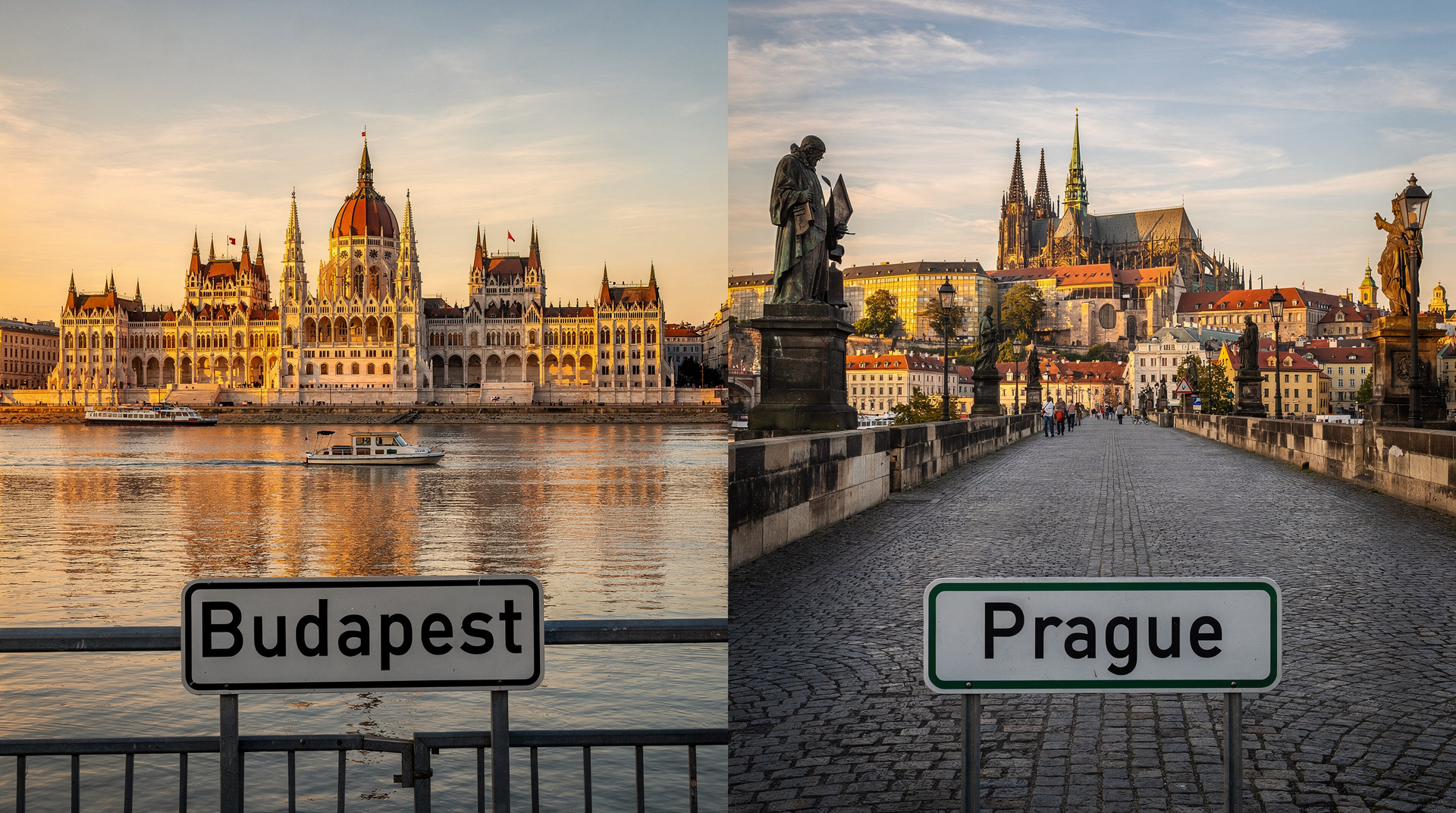
Budapest vs Vienna: which city is right for your trip?

Should I visit Budapest or Vienna?
Vienna is polished, imperial and expensive — great for classical music, museums and Viennese coffee-house culture. Budapest is livelier, cheaper, has thermal baths and a ruin-bar scene that Vienna simply cannot match. If budget matters, Budapest wins clearly. For pure cultural grandeur and comfort, Vienna holds its own.
Imperial grandeur versus thermal soul
Vienna and Budapest were once the twin capitals of the Austro-Hungarian Empire, so it feels fitting that they are still compared. They share a layer of Habsburg grandeur — the ring roads, the opera houses, the coffee-house culture — but beneath that shared history they have evolved into very different cities.
Vienna is ordered, wealthy, a little serious. Budapest is chaotic, cheaper and full of surprises. If you are deciding between them, this guide gives you the honest picture across costs, culture, practicalities and the things neither city will tell you in a tourist brochure.
| Best for | Budapest: value, baths, nightlife. Vienna: music, museums, polish |
| Distance apart | 250 km, around 2h40 direct by Railjet train |
| Currency | Budapest: HUF (forint). Vienna: euro |
| Ideal trip length | 3–4 nights each, or combine as 3+2 |
| Cheaper city | Budapest, by roughly 40–60% |
The price gap: Budapest is dramatically cheaper
This is the single biggest practical difference. Hungary uses the Hungarian forint (HUF), not the euro, at roughly 400 HUF to €1 in 2026. Vienna, as an Austrian euro-zone city, operates at full Western European prices.
| Category | Budapest | Vienna |
|---|---|---|
| Budget hostel dorm | €12–18 | €25–40 |
| Mid-range hotel (3-star) | €70–120 | €130–220 |
| Espresso at a café | €1.50–2 | €3–4 |
| Lunch, local restaurant | €7–12 | €15–22 |
| Dinner for two, mid-range | €20–35 | €50–80 |
| Museum entry (average) | €6–15 | €15–20 |
| Metro single journey | 500 HUF | €2.40 |
| Beer, 0.5L | €1.50–2.50 | €4–6 |
The gap is real and significant. A week in Budapest typically costs what four nights in Vienna costs. Backpackers and mid-range travellers notice this immediately; luxury travellers less so, but even at the top end Budapest’s five-star hotels are cheaper.
One caution: always pay in HUF at Budapest restaurants and shops, never in euros. Many places offer “currency conversion” on the card reader that locks in a terrible rate. See Budapest trip cost for a full budget breakdown by profile.
Architecture and atmosphere
Both cities owe their grand boulevards, opera houses and ornate facades to the same late-19th-century building boom. The Ringstrasse in Vienna and Andrássy Avenue in Budapest were both built in the same era, and both feel imperial in scale.
Vienna is more consistently beautiful. Almost nothing looks shabby in the first district. The Kunsthistorisches Museum, the Belvedere, Schönbrunn Palace, St Stephen’s Cathedral — they are all in immaculate condition. The city has money and spends it on preservation.
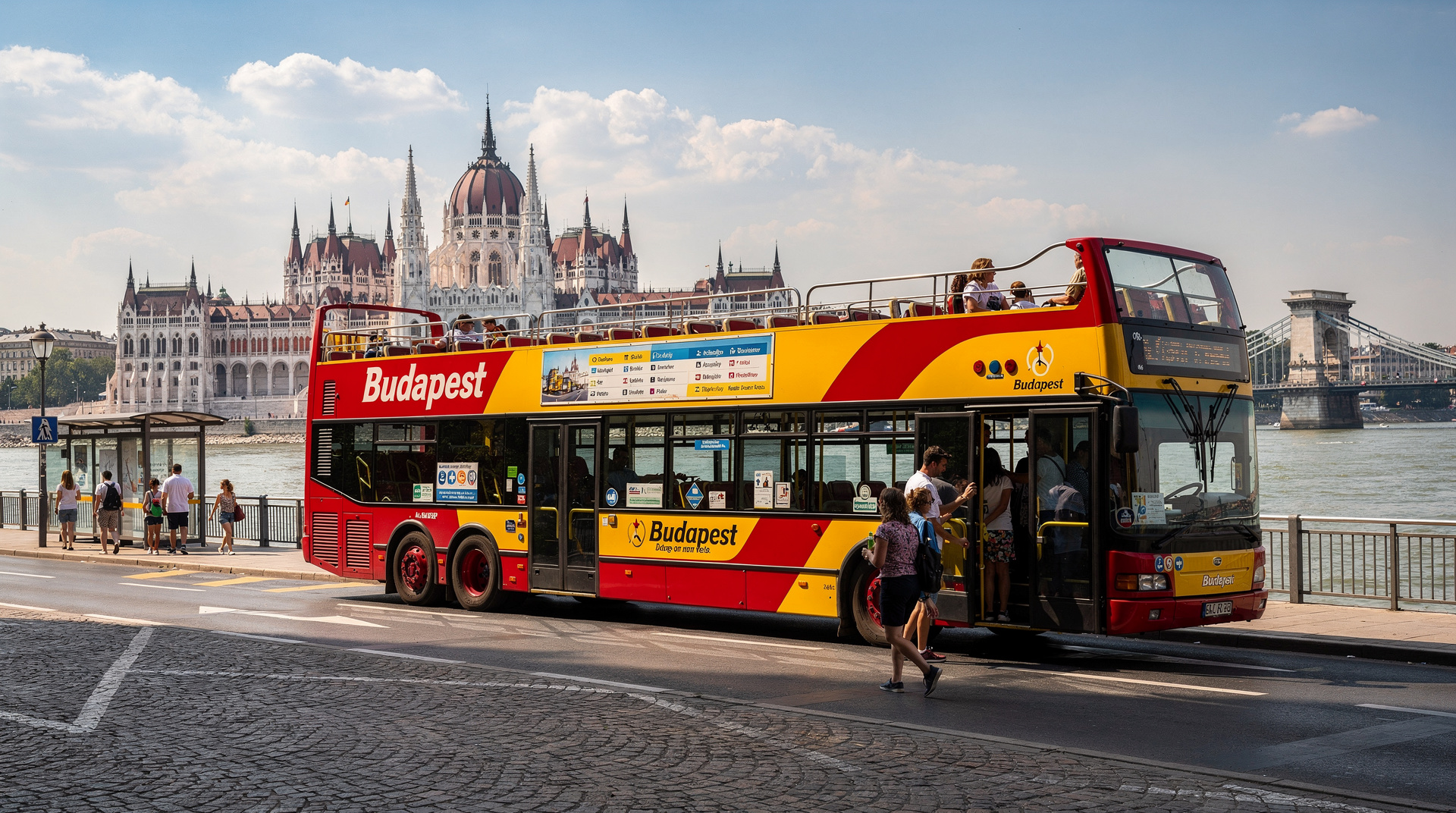
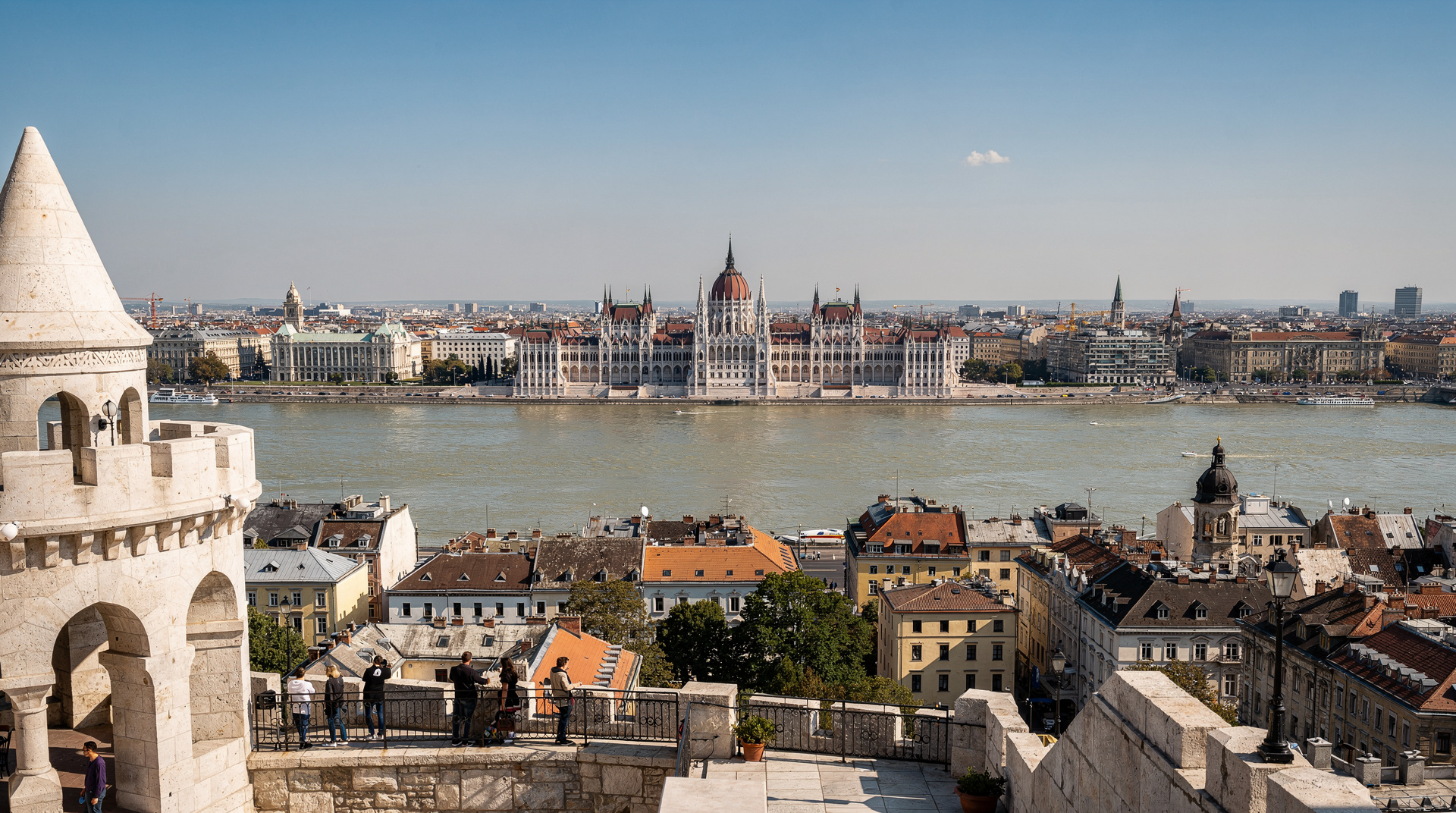
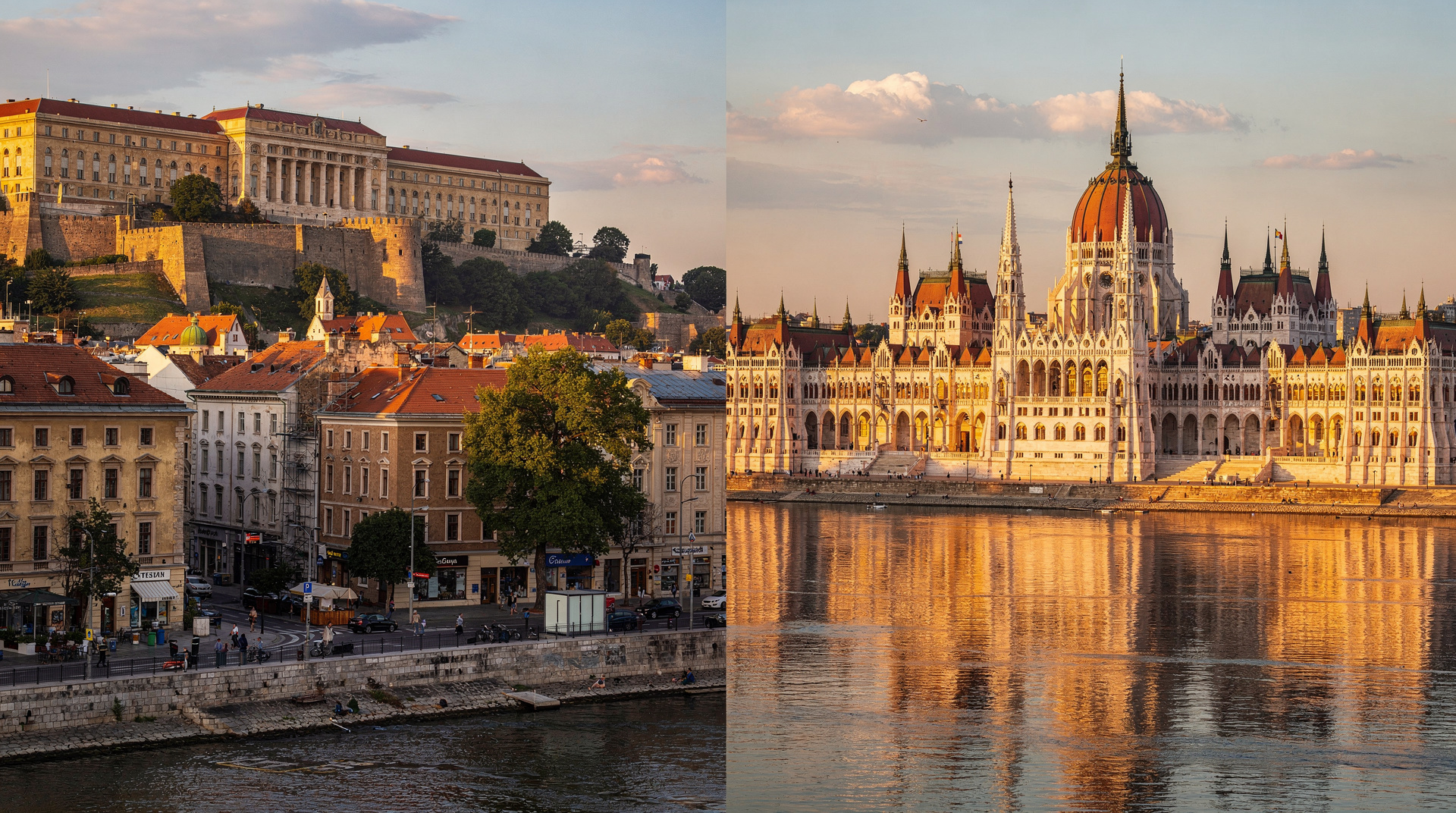
Budapest is more varied. The Parliament building is one of the world’s great Neo-Gothic structures. The Chain Bridge and the Danube panorama from Fisherman’s Bastion are genuinely breathtaking. But you also pass crumbling plasterwork, half-finished regeneration projects and the magnificent decay of the old Jewish quarter — the exact aesthetic that gave birth to the ruin-bar movement.
Vienna is a finished masterpiece. Budapest is a work in progress that is arguably more interesting for it.
Culture and museums
Vienna holds a stronger hand here for dedicated culture tourists. The Kunsthistorisches Museum houses one of Europe’s great art collections. The Leopold Museum has the world’s largest Egon Schiele collection. The Museum of Natural History, the Albertina, the Belvedere with Klimt’s The Kiss — Vienna is a museum city of the first order.
Budapest has solid cultural offerings: the Museum of Fine Arts, the Hungarian National Museum, the House of Terror (a sobering must-see on Soviet and Nazi occupation), and Memento Park (a surreal collection of Communist-era statues relocated to the city’s edge). The Great Synagogue on Dohány Street is the largest in Europe and deeply moving.
For classical music, Vienna is incomparable. The Vienna State Opera, the Musikverein — if you love classical music, spend at least a night here. Budapest has the Hungarian State Opera (cheaper tickets, excellent productions) and chamber concerts at St Stephen’s Basilica that are very good without reaching Vienna’s heights.
The thermal baths advantage
This is non-negotiable: Budapest wins on thermal baths. Vienna has public baths, but they bear no resemblance to Budapest’s 2,000-year-old bathing culture fed by 100+ natural thermal springs.
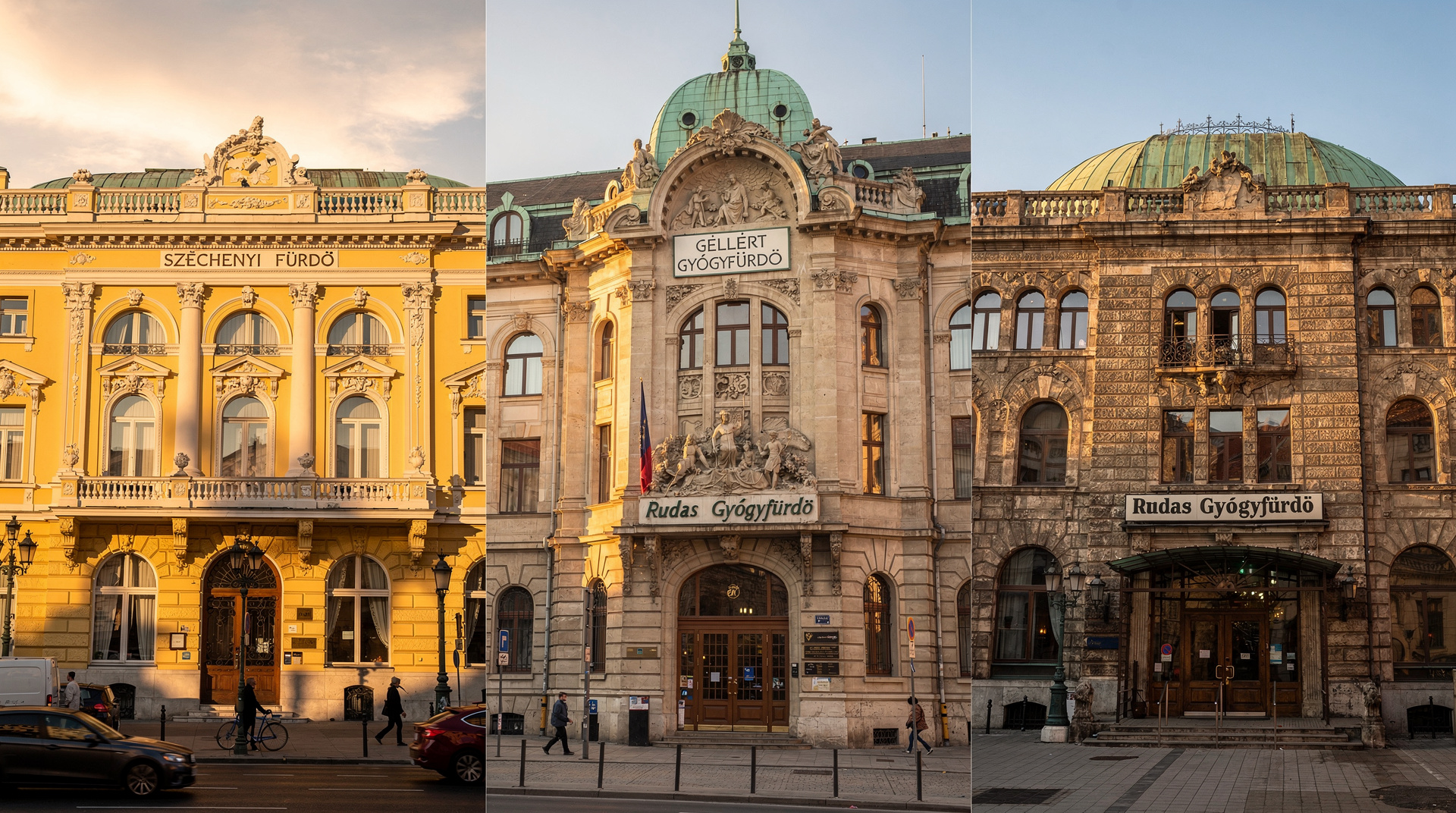
Széchenyi Baths in City Park — Neo-Baroque domes, outdoor pools at 38°C, chess games floating in the steam — is genuinely unlike anything in Vienna. Rudas Baths dates to 1566 under Ottoman occupation, with an original domed room that has been bathing Budapesters for four and a half centuries. Gellért adds Art Nouveau luxury; Lukács offers a quieter, more local experience.
Use the thermal bath finder to identify the right bath for your priorities, or read the Széchenyi vs Gellért vs Rudas comparison to understand the differences.
A Széchenyi full-day pass is one of the best-value experiences in Budapest. In Vienna, no equivalent experience exists.
Nightlife
Budapest leads decisively. The ruin-bar district in District VII — Szimpla Kert, Ellátó Kert, Fogasház and dozens of others — is a genuinely unique cultural phenomenon. Bars built into crumbling courtyards and abandoned factories, cheap beer, local crowds and an atmosphere that manages to be both gritty and welcoming.
Vienna’s nightlife is good — the Naschmarkt area, the clubs in the second district — but it is expensive, and it feels European-normal rather than exceptional. Vienna closes earlier; Budapest stays out later.
One caveat for Budapest: the ruin-bar district has tourist-trap hazards. The konzumlány bar scam (women who befriend tourists and steer them to bars with extortionate bills) still operates in District VII. Read common scams in Budapest before going out.
Day trips
Both cities are excellent day-trip bases, but for different reasons.
From Budapest:
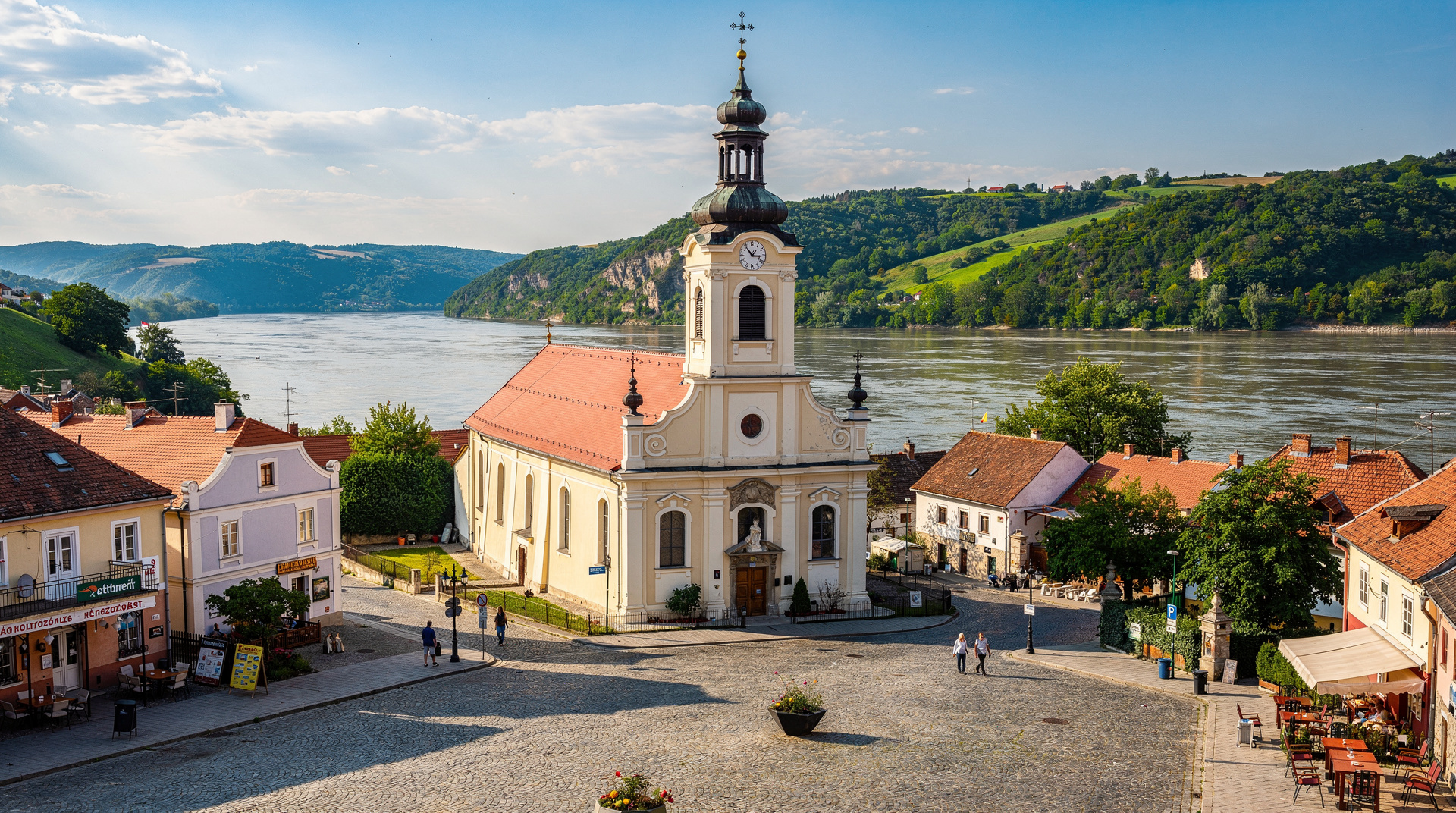
- Danube Bend (Szentendre, Visegrád, Esztergom) — 45 min–1.5 hours
- Lake Balaton — 1.5–2 hours by train
- Eger and Tokaj wine country — 2–2.5 hours
- Bratislava — 2.5 hours by fast train
From Vienna:
- Bratislava — 1 hour by train (the shortest international train journey in the world)
- Salzburg — 2.5 hours
- Hallstatt — 3.5 hours
- Český Krumlov — 3 hours
Budapest’s day-trip portfolio is more diverse; Vienna’s are faster and mostly within Austria’s excellent rail network. See the day trips from Budapest guide for full details and booking options.
Coffee house culture: shared heritage, different rooms
Both cities claim the Central European coffee house as their own, and both have a genuine case. Vienna’s coffee houses (Café Central, Café Sperl) are quieter, more formal, and steeped in literary history. Budapest’s grand cafés — New York Café, Gerbeaud, Central Kávéház — matched that grandeur at their 19th-century peak and are covered in full in the historic coffee houses guide. Prices tip decisively toward Budapest: a coffee that costs €4–5 in Vienna’s first district runs €1.50–2.50 in most Budapest cafés, New York Café’s tourist premium aside.
Food: langos and goulash vs schnitzel and sachertorte
Vienna’s food identity centres on Wiener schnitzel, Sachertorte and a refined restaurant scene; Budapest’s leans on paprika-forward stews, langos and a livelier, cheaper street-food culture. Neither cuisine is “better” — they reward different appetites. The traditional Hungarian dishes guide and where to eat langos cover Budapest’s side in detail; expect to pay roughly half as much for a comparable sit-down meal in Budapest as in central Vienna.
Getting there and around
Budapest: Liszt Ferenc Airport (BUD), 16 km east. Bus 100E + metro M3 to the centre takes about 45 minutes; a Bolt app taxi costs €15–20. Never take a street taxi from the airport — see Budapest taxi scams.
Vienna: Vienna International Airport (VIE), well-connected by the City Airport Train (CAT, €12, 16 min) or the S-Bahn (€4.20, 25 min).
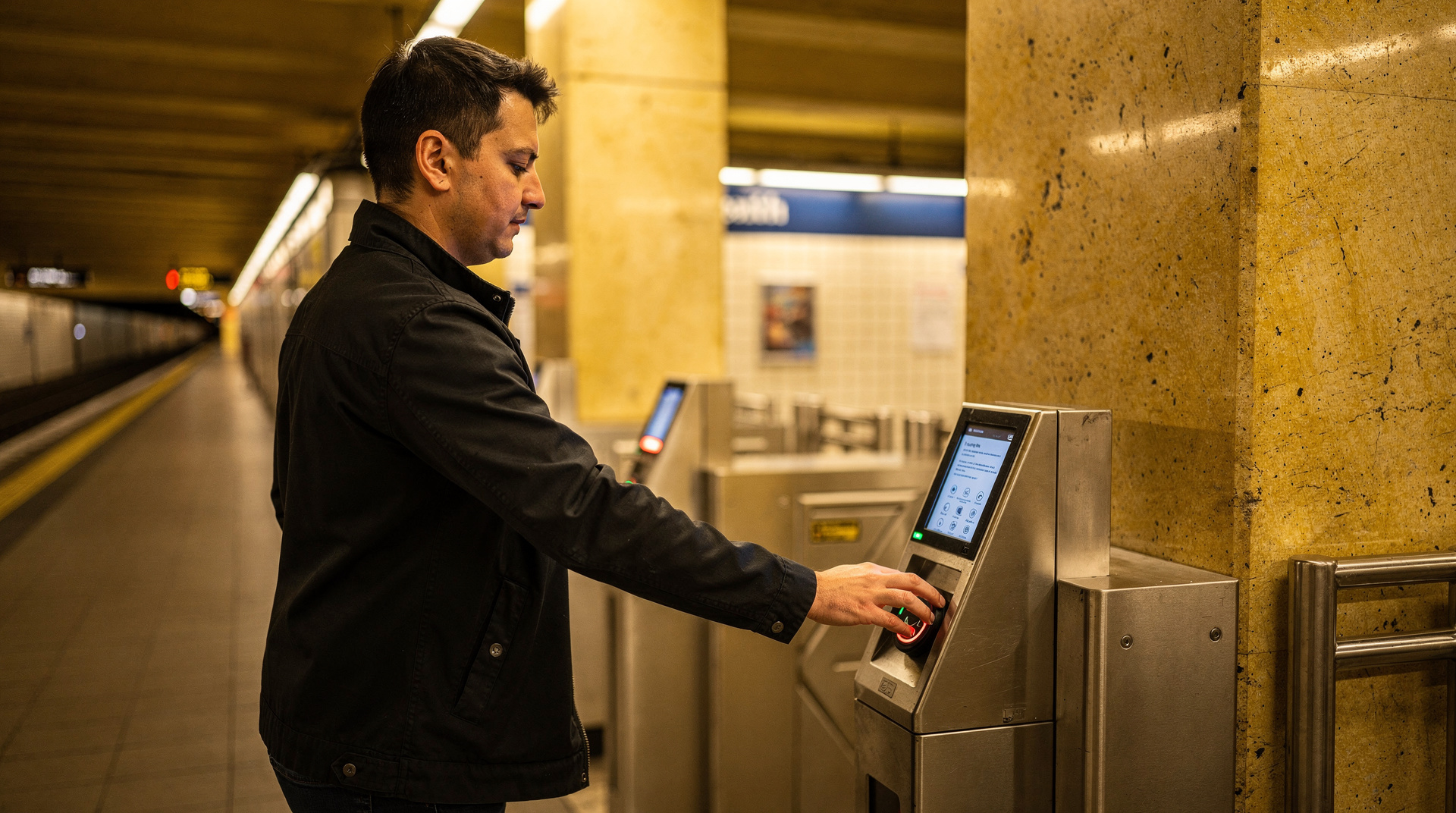
Within Budapest, the BKK network (metro, tram, bus) costs 500 HUF per journey when the ticket is bought in advance. The Budapest Card covers unlimited public transport plus more than 30 free visits and activities, from 17,990 HUF for 24 hours — use the Budapest Card calculator to check if it makes sense for your itinerary. Vienna’s metro is excellent but costs €2.40 per journey; a 48-hour pass costs €14.10.
Choosing by travel style
The honest way to decide is to ask what a good day looks like for you. If it starts with a slow breakfast, moves through a museum and ends with a concert in a formal hall, Vienna fits you naturally. If it starts with a walk across a bridge, continues with a long soak in a thermal pool and ends in a courtyard bar with strangers, Budapest is the better match.
Couples tend to enjoy both, but for different reasons. Budapest offers candlelit river views, spa evenings and romantic dinners that cost far less than the Viennese equivalent; see romantic Budapest for couples and the best baths for couples. Families with younger children often find Budapest easier on the wallet and surprisingly welcoming, with plenty to do outside the museums — Budapest with kids and baths with kids explain how. Solo travellers will find both cities comfortable, with Budapest’s hostel and bar scene making it simpler to meet people; solo travel in Budapest covers the practical side.
Food lovers should not treat this as a contest. Vienna is the place for a refined, traditional restaurant meal and a slice of cake in a historic room. Budapest is the place for markets, street food and long dinners with local wine. The Central Market Hall guide and street food in Budapest show how much a curious eater can cover without spending heavily.
Seasons and timing
Both cities change character through the year, and the best season is not always the same for each. Budapest suits the shoulder months well, when walking is pleasant and the baths are still comfortable; our best time to visit Budapest page sets out the trade-offs. Winter is a particular strength: steaming outdoor pools in cold air are a signature Budapest experience, covered in outdoor baths in winter, and the city’s festive season is described in the Budapest Christmas markets guide. Vienna also has a famous festive season, so a December trip combining both is a real option.
Summer brings the longest days and the busiest streets in both places. Budapest’s riverside and island life comes into its own, but queues at the most popular baths grow, so arriving early helps. Whichever city you pick, book the headline experiences ahead in peak months rather than relying on a free slot on the day.
If you can only pick one: a practical decision rule
Start with your priorities and let the first two decide. If budget and baths appear among them, choose Budapest without further agonising. If music and museums come first and the cost is acceptable, choose Vienna. If your priorities are split, ask how long you have: with a short weekend, Budapest delivers more variety per day, as the Budapest weekend break itinerary shows, while a longer stay lets you build a fuller picture with the 3-day Budapest itinerary.
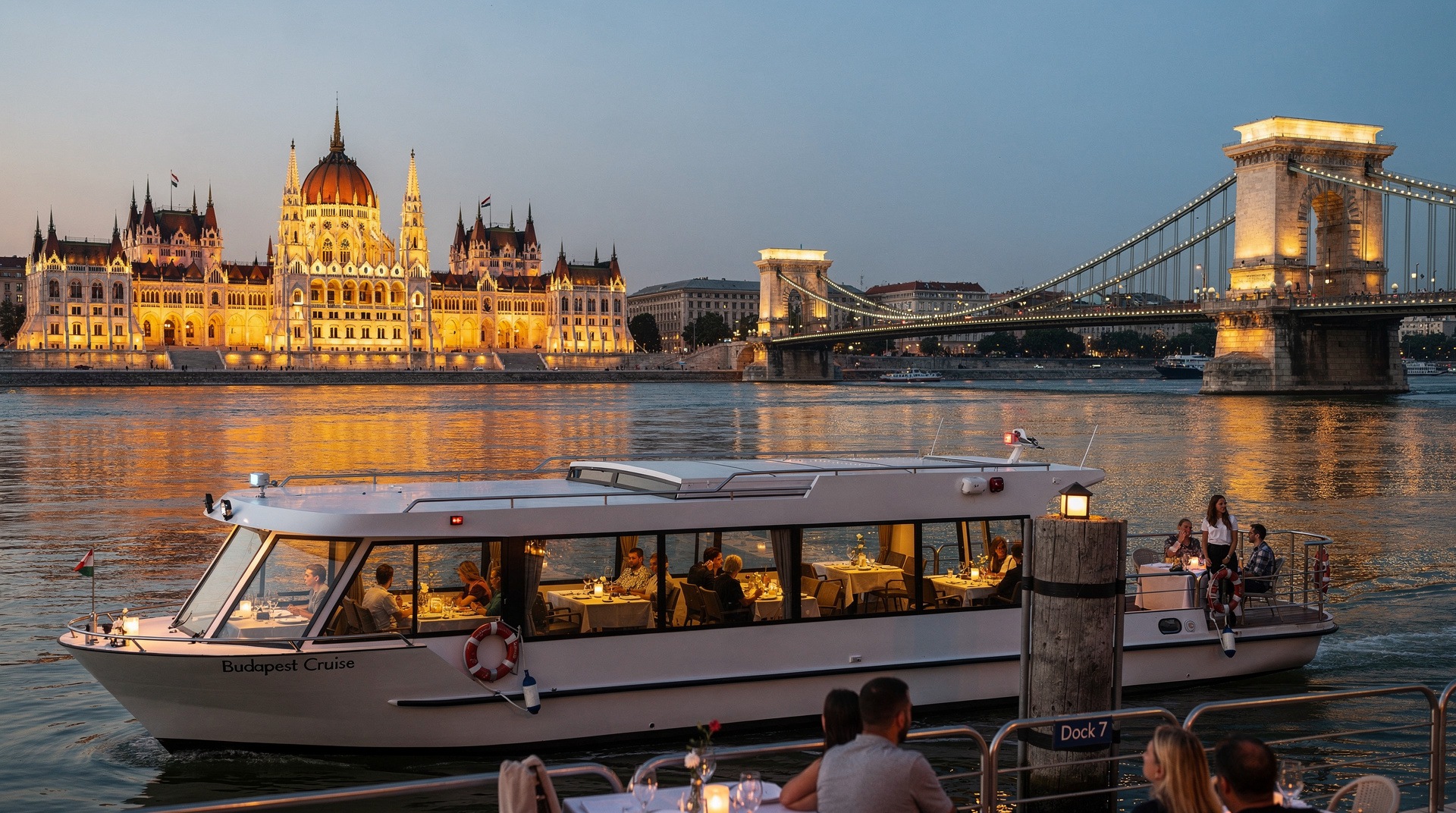
Remember too that the cheaper city lets the rest of the trip stretch further. Money saved on hotels and dinners in Budapest can pay for the one splurge you really want, whether that is a tasting menu, a river cruise or a night at the opera. The Budapest Card guide helps you judge whether a bundled pass suits your plans, and a sightseeing cruise along the Danube is an easy way to take in the main landmarks from the water on a first evening.
Getting your bearings in Budapest
First-time visitors who come from Vienna or arrive after it often ask how to organise their days. Budapest is divided by the Danube into hilly Buda and flat Pest, and the two feel different enough that choosing where to sleep shapes the whole stay. The Buda vs Pest guide explains the contrast, and the Buda Castle guide is a good starting point for the historic side. For a first visit, the first time in Budapest guide gathers the essentials in one place.
Getting around is simple once you understand the system. Read the getting around Budapest guide and the public transport tickets guide before you arrive, so you buy and validate the right ticket from the first ride. A little preparation here removes most of the small frustrations that make a new city feel harder than it is.
Safety
Both cities are among the safest capitals in Europe. Budapest’s main risks are specific: taxi overcharging (use Bolt), the bar scam in the party district, Euronet ATM fees, and pickpockets around Széchenyi in summer. Vienna’s risks are similar — pickpockets on the U-Bahn, tourist-restaurant overpricing. Neither requires significant anxiety.
See is Budapest safe? for a detailed breakdown.
The verdict
Visit Budapest if:
- Cost is a factor — you will spend 40–60% less
- Thermal baths are on your list
- You want a ruin-bar nightlife experience unlike anywhere else
- You enjoy cities with rough edges and real character
Visit Vienna if:
- World-class classical music and museums are your priority
- You prefer polished, comfortable and orderly
- You want the quintessential Habsburg imperial experience
- Budget is not a concern
Visit both if you have 6+ nights. A Railjet train connects them in under 3 hours. Three nights in Budapest, two in Vienna (or reverse) is one of the best short breaks in Central Europe. Add Bratislava as a half-day detour en route for no extra real effort.
For planning help, see how many days in Budapest and the Budapest travel guide.
Frequently asked questions about Budapest vs Vienna
Is Budapest much cheaper than Vienna?
Yes — Budapest is typically 40–60% cheaper than Vienna across accommodation, food and entertainment. A mid-range dinner for two in Budapest costs €20–35; in Vienna it is often €50–80. Public transport is also far cheaper. Budapest is in the HUF (Hungarian forint), not the euro — always pay in HUF to avoid conversion fees.How far is Budapest from Vienna?
About 250 km. The Railjet train (ÖBB/MÁV) takes 2 hours 40 minutes direct and costs €20–60 booked in advance. This makes them an easy combination — three nights in one city, then hop to the other.Which city is better for classical music?
Vienna. The Vienna State Opera, the Musikverein (home of the New Year's Concert), the Vienna Philharmonic — Vienna is the world capital of classical music. Budapest has the Hungarian State Opera and excellent chamber concerts at St Stephen's Basilica, but it does not compete at the top level for classical music lovers.Which city has better thermal baths?
Budapest, with no comparison. Vienna has public baths (the Amalienbad is pretty) but nothing approaching Budapest's thermal culture — 100+ springs, Ottoman-era domes, Széchenyi's outdoor pools at 38°C, Rudas's rooftop jacuzzi. Thermal bathing is the defining Budapest experience.Can I visit both cities on one trip?
Very easily. The train between Budapest Keleti and Vienna Hauptbahnhof runs roughly 12–14 times a day, taking 2h40. A common pattern is 3–4 nights in Budapest plus 2–3 nights in Vienna. Add Bratislava (1h from Vienna, 2.5h from Budapest) for a classic Central Europe triangle.Is Budapest or Vienna better for a first-time visit to Central Europe?
Vienna is the gentler introduction — orderly, English-friendly, and predictable in the way Western European capitals are. Budapest asks a little more of first-time visitors (currency confusion, a less-central-European feel, more scam awareness needed) but rewards it with a livelier, less sanitised experience. Neither is objectively harder; pick based on whether you want comfort or texture on a first trip.Which city has better public transport for tourists?
Both are excellent and easy to use without a car. Vienna's U-Bahn is slightly more intuitive for absolute first-timers and runs later on weekends. Budapest's BKK network (metro, tram, bus) is just as efficient and considerably cheaper, and the M1 'millennium' line under Andrássy út is a sight in itself. See the Budapest metro guide for specifics.
Top experiences
Bookable activities with verified prices and instant confirmation on GetYourGuide.