Budapest in winter: what to expect and what to do

Is Budapest worth visiting in winter?
Yes. Budapest in winter offers the Christmas markets (mid-November to 1 January), the unique experience of outdoor thermal baths in cold weather, lower hotel prices, and a local, unhurried atmosphere. The trade-off is short days (dark by 16:00 in December), occasional fog, and temperatures around 0–7°C. For couples, budget travellers, and spa enthusiasts, winter is genuinely excellent.
Budapest in winter: the honest picture
Winter in Budapest runs from November through March, with December–February as the coldest core months. It is a different city in winter — quieter, less touristy, more local — and that change suits some types of visitors very well.
The high point is the Christmas market season (mid-November to 1 January), which draws visitors specifically to Budapest in December. Beyond the markets, the thermal baths are more atmospheric in cold weather than at any other time of year, hotel prices are at their annual low (except Christmas week), and the coffee houses and wine bars feel genuinely welcoming.
| Weather | 0–7°C daytime, colder at night; damp cold rather than crisp |
| Crowds | Low outside Christmas market season |
| Hotel prices | Annual low, except Christmas week and New Year’s Eve |
| Signature event | Christmas markets, mid-November to 1 January |
| Booking lead time | Minimal, except Christmas week accommodation and concerts |
Weather expectations
| Month | Average daytime high | Average low | Precipitation | Daylight |
|---|---|---|---|---|
| November | 7–10°C | 1–3°C | Rain/fog | 9–10 hours |
| December | 3–6°C | -2–1°C | Rain/snow possible | 8–9 hours |
| January | 1–5°C | -5–0°C | Coldest month | 9 hours |
| February | 4–8°C | -3–1°C | Variable | 10–11 hours |
| March | 8–14°C | 0–5°C | Variable, warming | 12 hours |
What this means practically: Bring a warm coat. The cold in Budapest is damp rather than crisp — wind off the Danube adds a chill factor, particularly on the embankments and bridges. Snow falls most winters in January–February but rarely settles for long in the city centre. Fog is common in November and December along the river.
The days are short: dark by 16:00 in December and January. Plan outdoor sightseeing for the morning and early afternoon. Evening activities (baths, restaurants, Christmas markets) take over after dark.
A workable winter day follows that rhythm. Use the bright hours for the sights that need daylight, such as the Buda Castle district, Fisherman’s Bastion and the views from Gellért Hill. Then head indoors, to a museum, a coffee house or a bath, as the light fades and the cold settles in. If you are still deciding on dates, the best time to visit Budapest guide compares winter with the other seasons, and the neighbouring shoulder seasons are covered in Budapest in autumn.
The thermal baths in winter — Budapest’s best seasonal experience
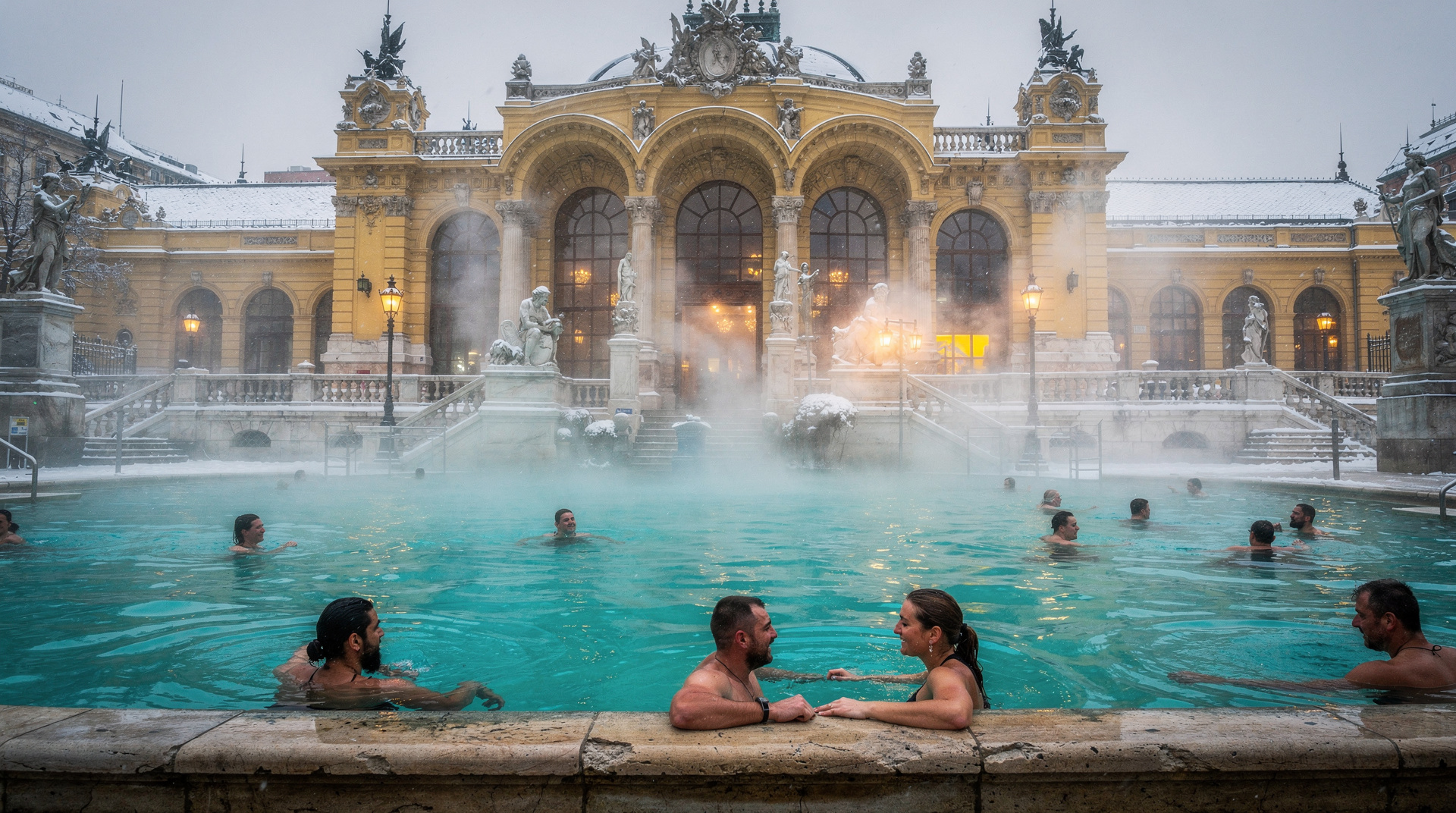
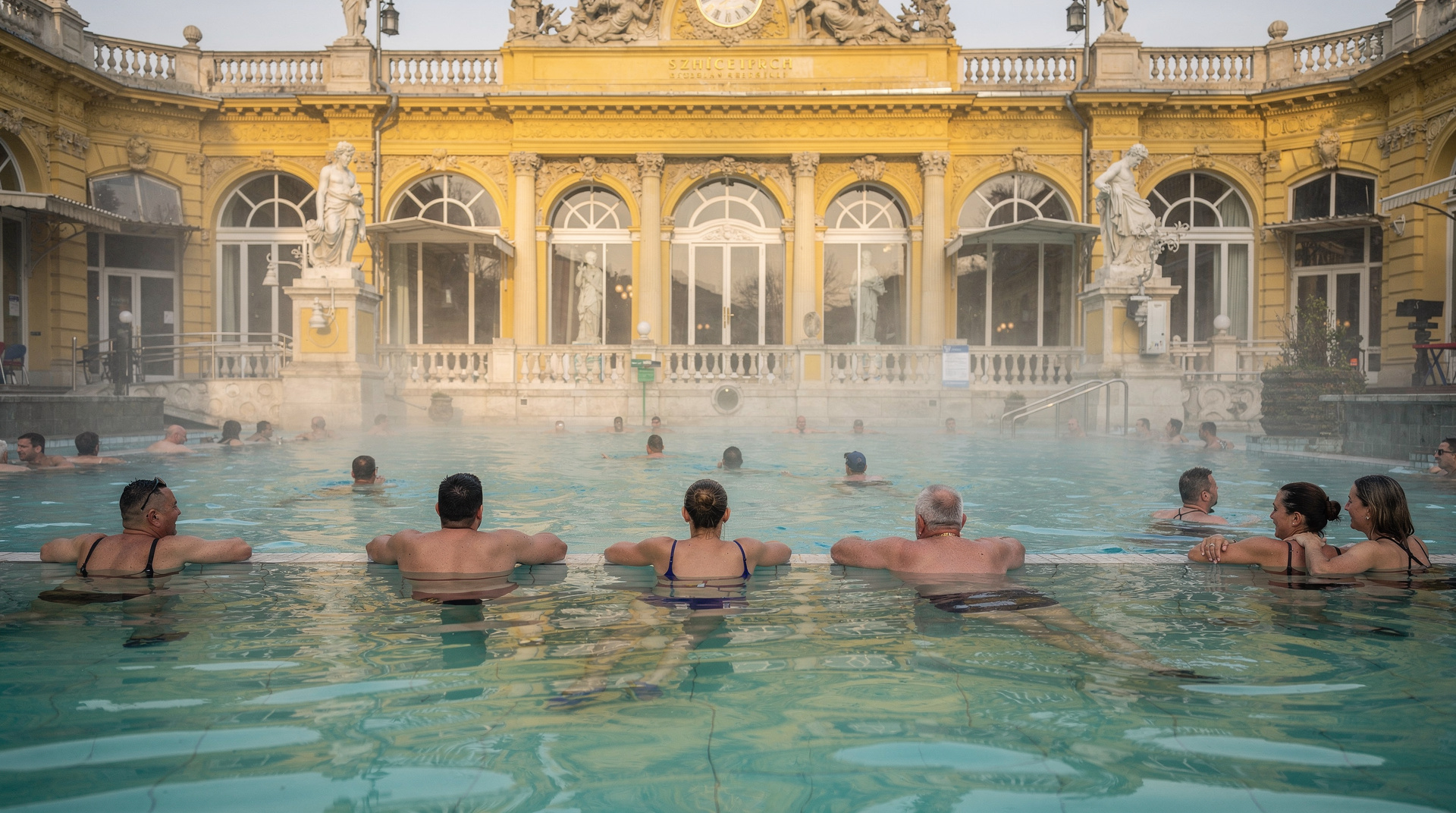
The outdoor thermal pools at Széchenyi in cold weather are one of Europe’s genuinely remarkable experiences. You sit in 38°C water while the air temperature is -5°C, steam rising dramatically around you, the yellow Art Nouveau complex above, possibly snow falling on your head. It sounds theatrical; it is.
This is the experience that most convinces winter visitors that they chose the right season. The pools are less crowded than in summer. The atmosphere is intimate — shared experience among the smaller group of people willing to brave the cold. The indoor thermal rooms are equally appealing as a warm refuge.
Széchenyi day tickets cost the same year-round. Queue times are much shorter in winter — you can book in advance or take the risk of walking up. See /guides/szechenyi-baths-guide/ for the full guide and /guides/outdoor-baths-in-winter/ for the winter-specific experience.
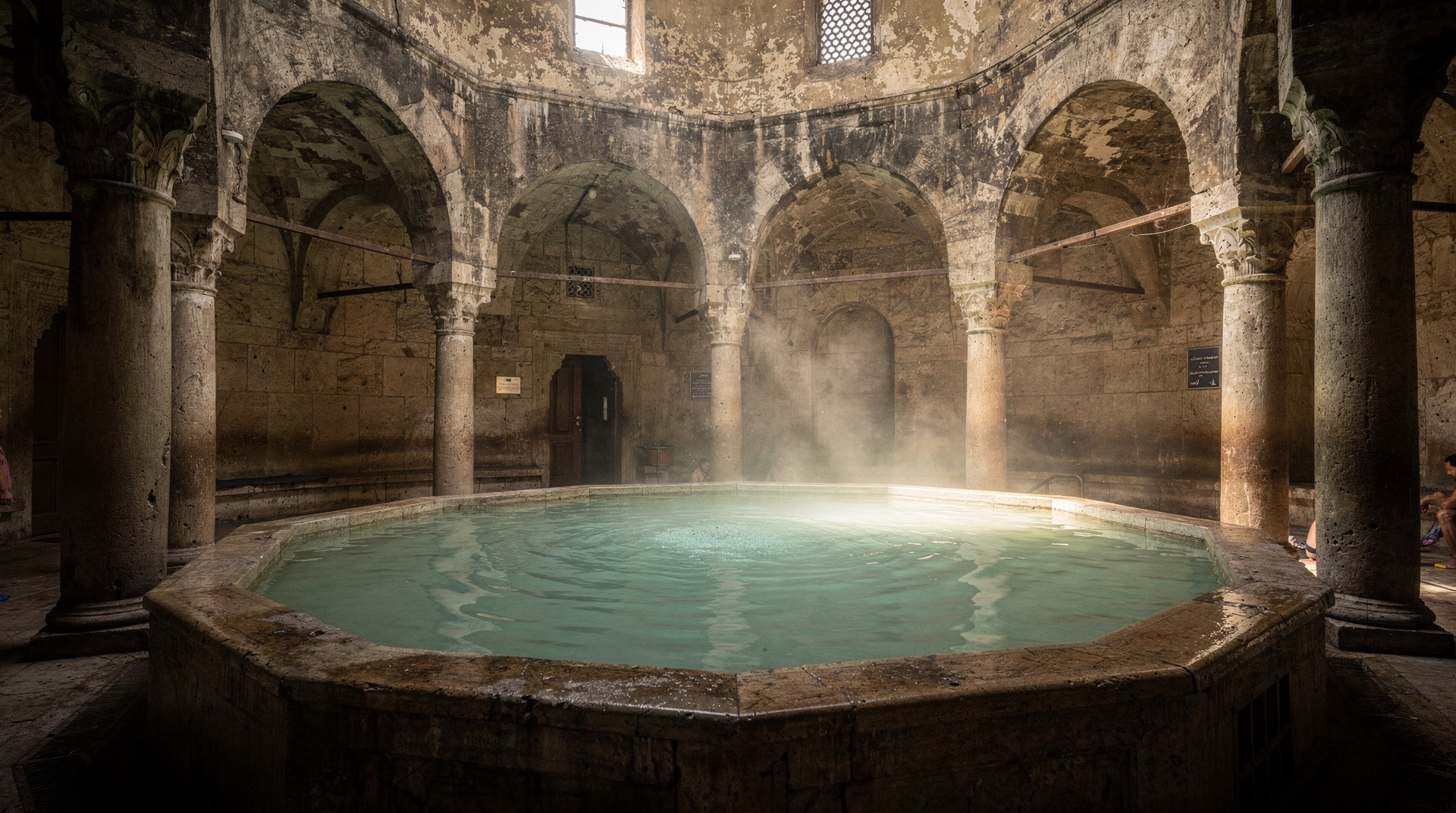
Rudas Baths are also excellent in winter — the Ottoman dome is particularly dramatic on cold nights, and the rooftop pool provides Danube views from warm water. See /guides/rudas-baths-guide/ for detail.
A few habits make a winter bath day smoother. Wear your swimsuit under your clothes if the changing arrangements allow it, keep your towel and flip-flops in an easy-to-reach bag, and move quickly between the indoor rooms and the outdoor pools, because the short dash through cold air is the only unpleasant part. Warm up in an indoor pool first, then step outside once your body is comfortable. Leave the outdoor water when you start to feel light-headed, and rest inside before getting dressed. Wet hair in freezing air is uncomfortable, so bring a hat for the walk back to the tram or metro. The thermal bath etiquette guide explains the unwritten rules, and bath ticket mistakes covers the errors that cost visitors money at the entrance.
If you cannot decide between the big names, Széchenyi vs Gellért vs Rudas lays out the differences, and the wider best thermal baths in Budapest roundup helps you build a plan around your own preferences. Families can read baths with kids before choosing which pool to visit.
Christmas markets
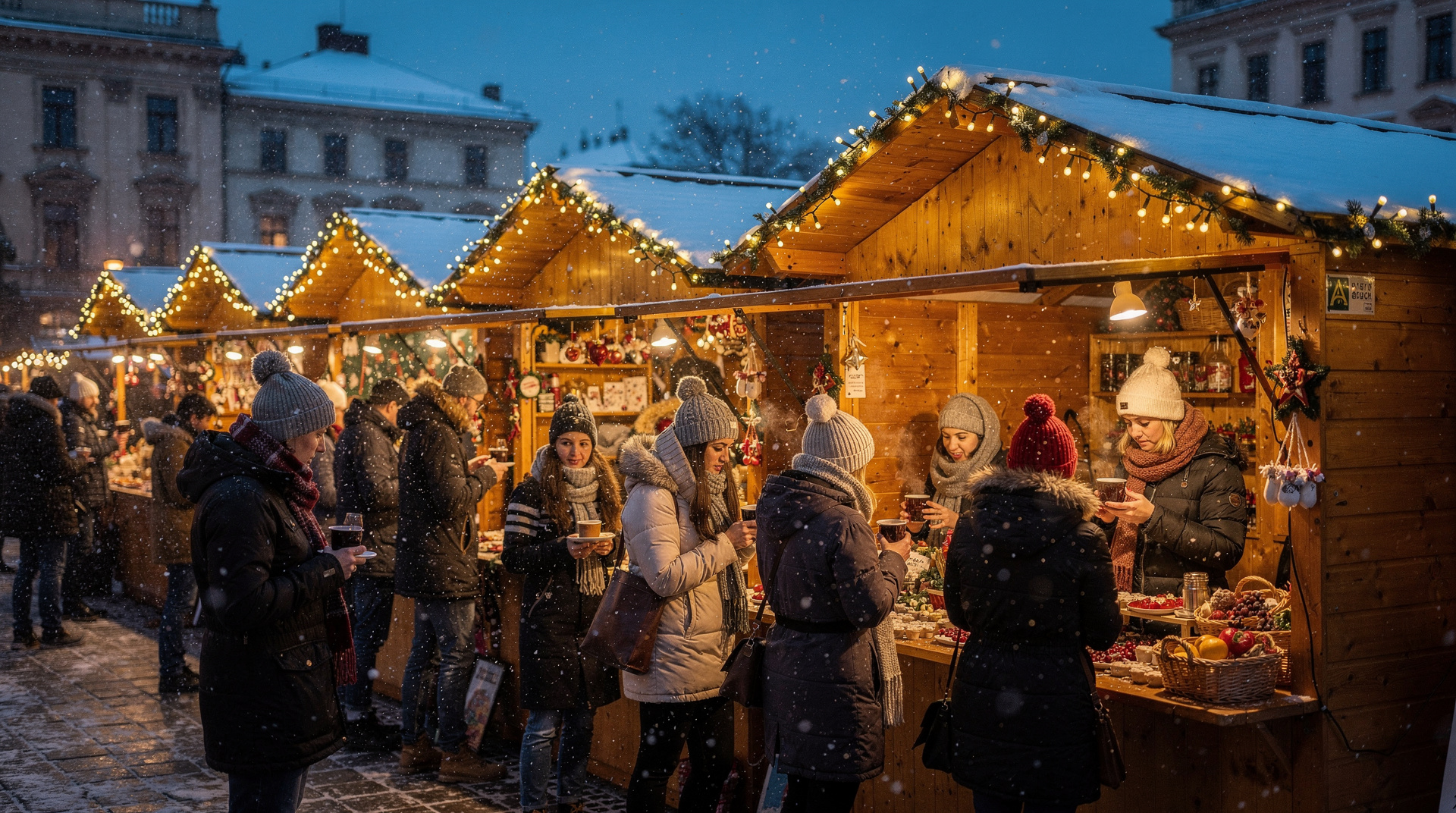
Budapest’s Christmas markets (Karácsonyi vásár) run from mid-November to 1 January at two main locations:
Vörösmarty tér: The larger market, on the main pedestrian square in central Pest. Craft stalls, food, mulled wine, live music on the central stage. The ice rink at one end and the illuminated square make it genuinely beautiful after dark.
St Stephen’s Basilica: Smaller, more intimate, considered by many to have higher-quality craft stalls. The Basilica’s facade provides an extraordinary backdrop. The market is less dense and easier to navigate than Vörösmarty.
Eating and drinking at the markets:
- Forralt bor (mulled wine): 700–1,200 HUF per cup (€1.75–3)
- Kürtőskalács (chimney cake): 800–1,500 HUF
- Lángos: 800–1,200 HUF
- Hot gulyás soup: 1,500–2,500 HUF
Best time to visit the markets: After 17:00 when the lights are on and the atmosphere is at its peak. Midday weekends are the most crowded time — manageable but dense.
See /guides/budapest-christmas-markets/ for the full guide, including additional smaller markets, what to buy, and what to skip.
The markets work best as part of an evening rather than a destination on their own. Start with a slow walk through the stalls, eat something warm, and then move on to a coffee house or a bar when your fingers get cold. If you want to try Hungarian classics beyond the market stalls, the traditional Hungarian dishes and chimney cake guides explain what to order, while street food in Budapest covers the cheaper snacks. For a full itinerary built around the season, see the winter and Christmas 3-day itinerary, and for the market guide in full, go to Budapest Christmas markets.
Winter events and highlights
St Nicholas Day (December 6): Hungarian children put boots outside and receive gifts or small surprises. Small local events and market specials.
December 24–26 (Christmas): Most restaurants and shops close Christmas Day. Some hotels offer special Christmas dinners (book in advance). The streets are quieter than the rest of December — pleasant for walking.
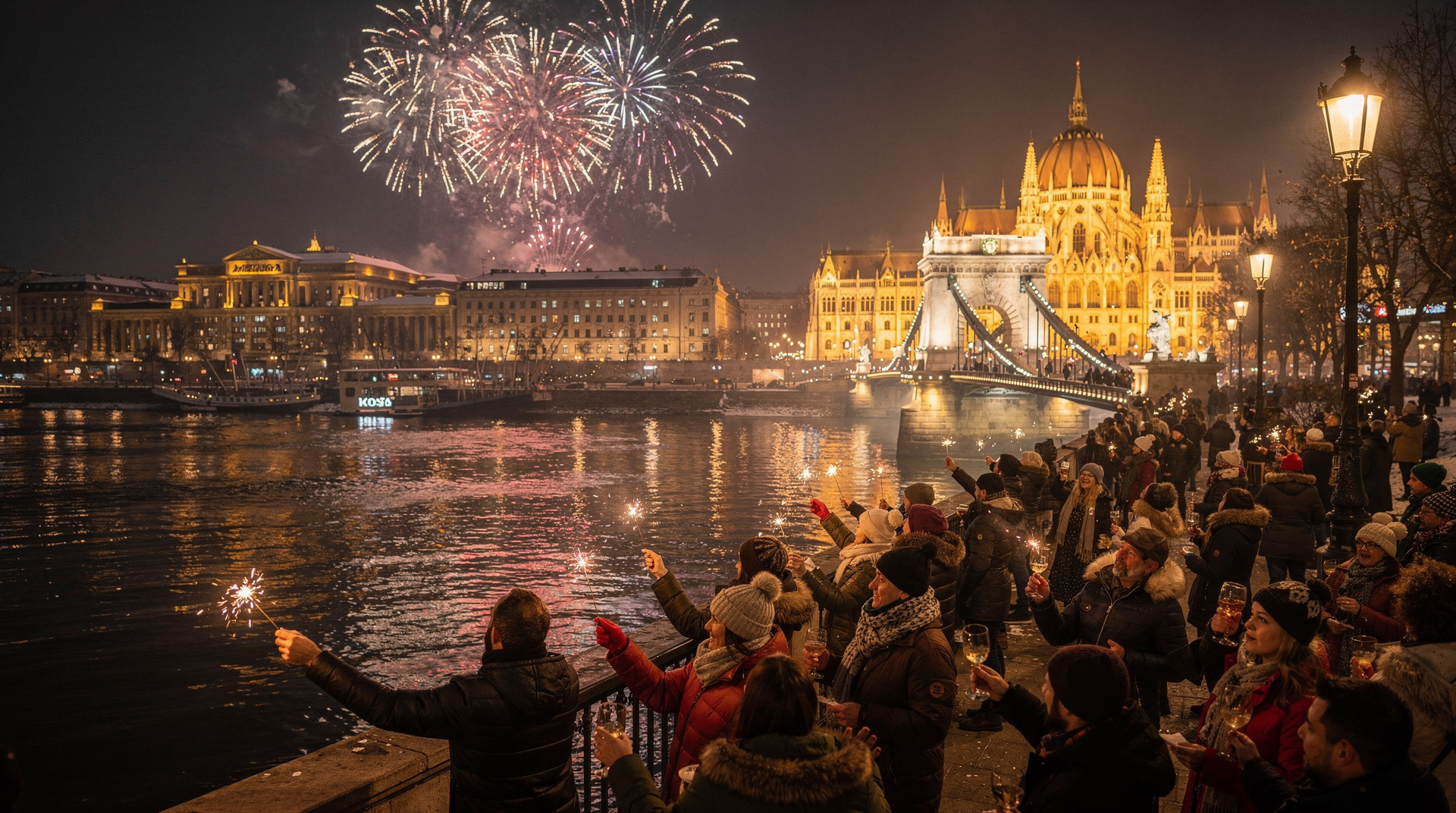
New Year’s Eve (December 31): Budapest has a strong New Year’s tradition. Fireworks over the Danube (generally around midnight), parties in the ruin-bar district, and free outdoor celebrations along the embankments. See /guides/budapest-new-years-eve/ for how to experience it well.
January–February: Quietest months. A few cultural events but primarily a time for the thermal baths, coffee houses, and the local pace of the city. The Budapest Winter Festival (January–February) sometimes runs with classical music events.
Winter activities
Thermal baths (the main event)
Széchenyi, Rudas, Lukács, and Gellért are all open and excellent in winter. See the sections above and the guides linked. This is genuinely the best time for the baths.
Coffee houses
Budapest’s grand coffee houses — New York Café, Gerbeaud, Central Kávéház — feel most at home in winter. The baroque interiors, warm lighting, and hot drinks are ideal on a cold grey afternoon. A coffee and cake at the New York Café (3,000–5,000 HUF / €7.50–12.50) is a classic winter Budapest experience. See /guides/coffee-houses-budapest/.
Danube dinner cruise
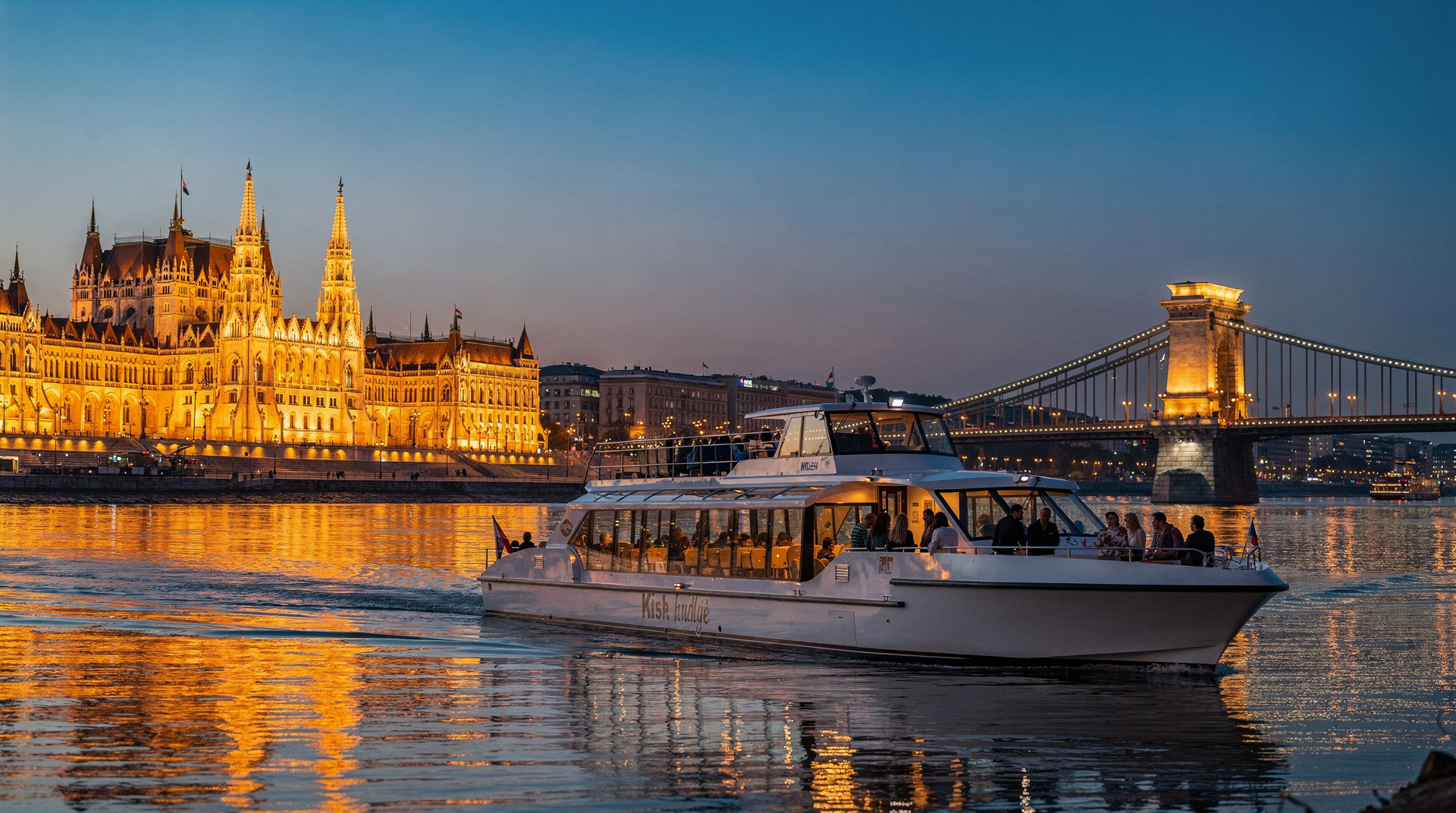
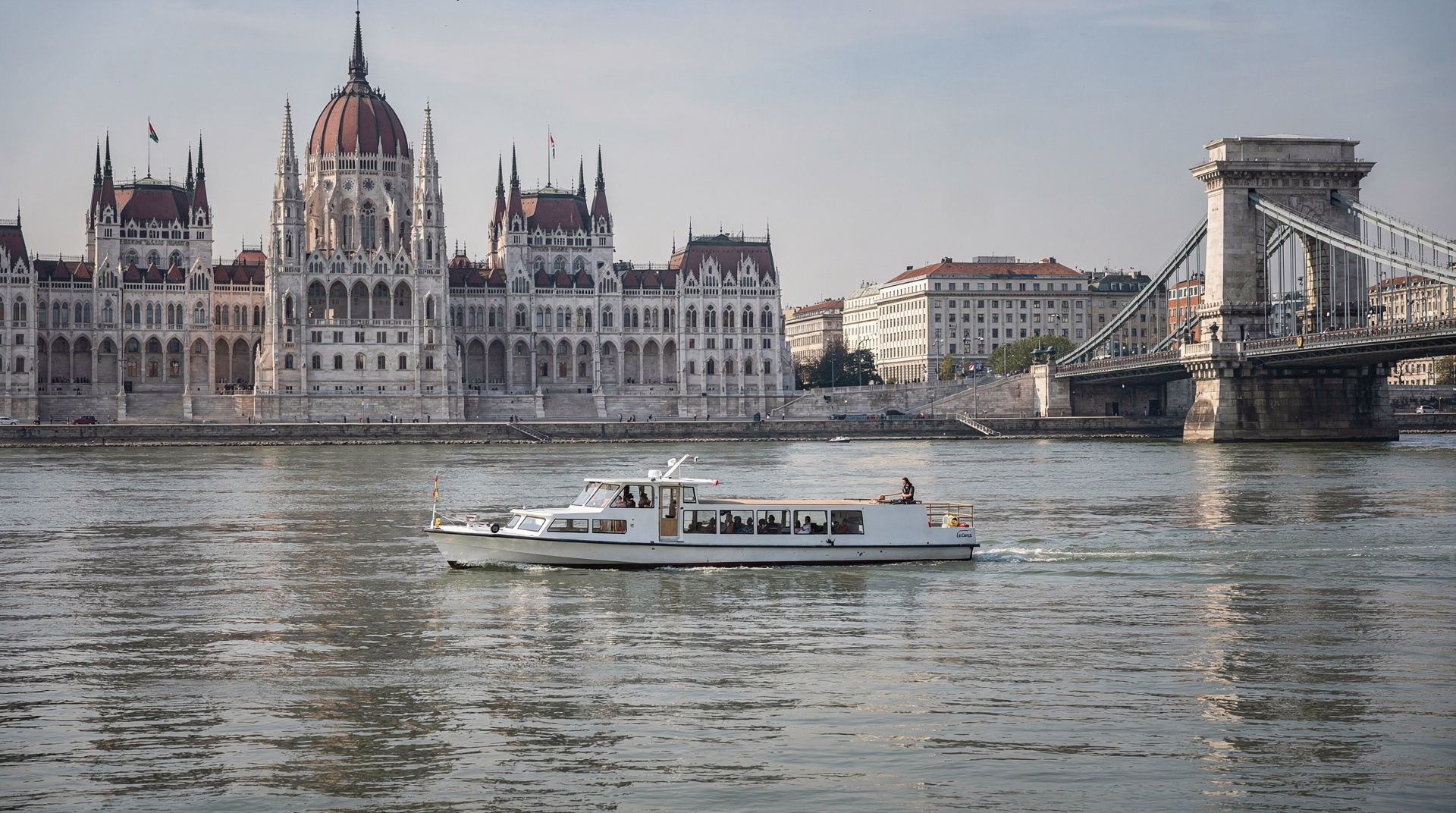
The dinner cruise with folk show runs year-round. In winter, the Parliament and Buda Castle illuminated at night, seen from the river, are as beautiful as in summer — arguably more so with fewer boats and lower tourist volume. Dress warmly for any outdoor deck sections.
Winter concerts and opera
Budapest’s concert season runs October through April. The Hungarian State Opera, the Palace of Arts (Müpa), and St Stephen’s Basilica all have full winter concert programmes. The Basilica organ concerts and the folk music dinner shows at various venues provide accessible evening entertainment. See /guides/classical-concerts-budapest/ and /guides/folklore-shows-budapest/.
Museums
Winter is the best time for Budapest’s museums — no queues, comfortable temperatures inside, and often free days. The House of Terror, Hungarian National Museum, Museum of Fine Arts, and the various castle museums are all accessible and uncrowded in January–February. See /guides/best-museums-budapest/.
Evening walks
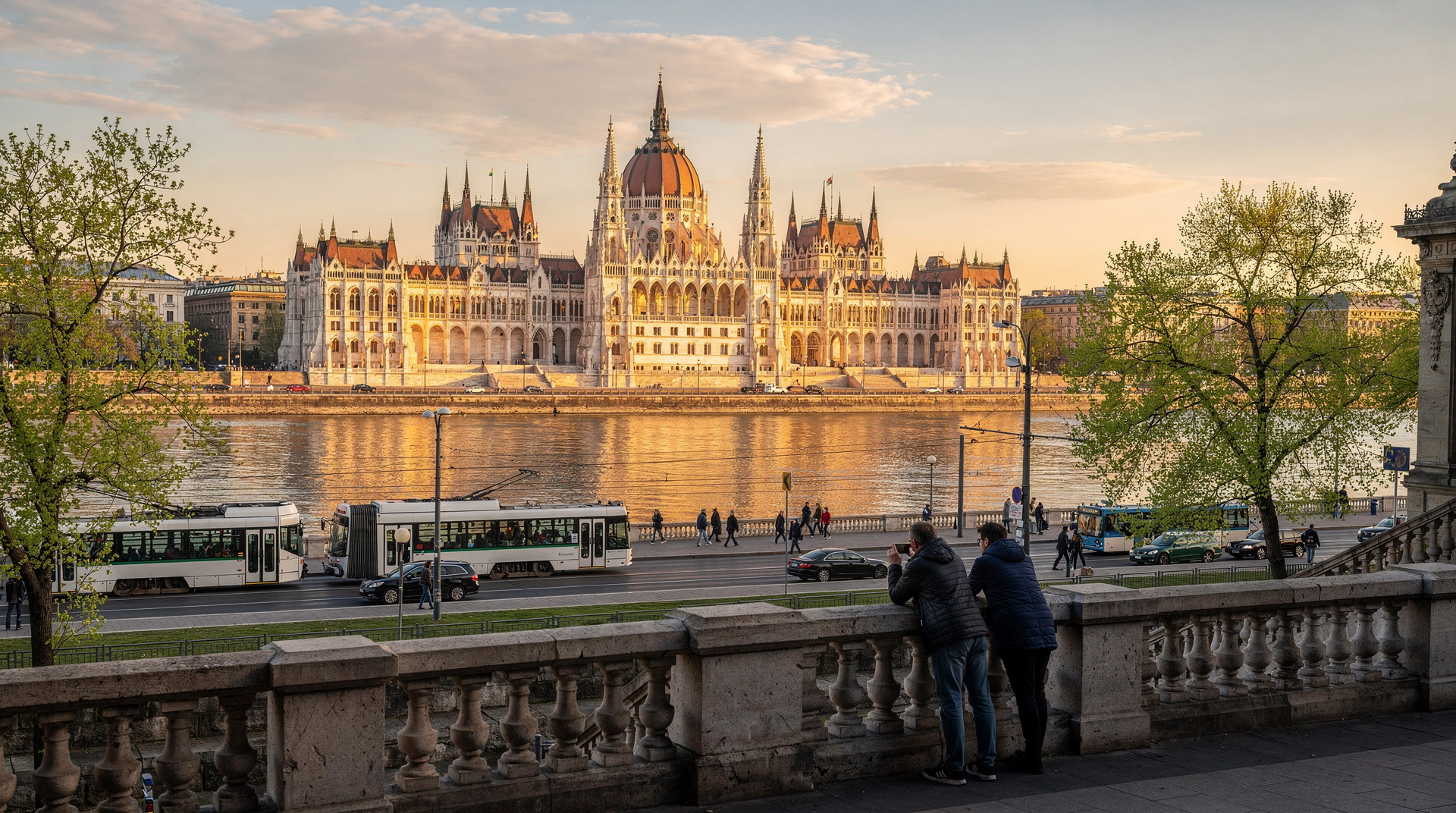
Cold weather evening walks in Budapest have their own appeal. The Chain Bridge and Liberty Bridge are dramatically lit. The Christmas market streets (through January 1) are festive. The Buda Castle District in late evening — when day-trippers have left and the cobblestones are nearly empty — is one of Budapest’s most beautiful and accessible experiences.
Winter for couples
Winter is one of Budapest’s most romantic seasons: candlelit coffee houses, thermal baths steaming in cold air, and Christmas market mulled wine all lend themselves to a couple’s trip. Pairing a thermal bath afternoon with an evening cruise and a Christmas market dinner makes for a complete, unhurried couple’s day without needing to rush between districts. See romantic Budapest for couples and Budapest honeymoon guide for itinerary ideas built around the season.
Candlelit dinner cruise on the DanubeThe combination of the illuminated Parliament, a warm cabin, and a genuinely quiet river in the off-season makes this one of the better-value romantic evenings in the city.
Eating and drinking when it is cold
Winter is the season for Hungarian comfort food. Heavy, warming dishes such as goulash, stews and paprika-spiced meat make sense in damp weather, and the menus of traditional restaurants lean into them. A glass of Hungarian wine or a shot of fruit brandy after dinner fits the mood. For ideas on where to book, see best restaurants in Budapest, and for something special, romantic restaurants in Budapest. Learn about local spirits in the pálinka guide and about the country’s wines in the Hungarian wine guide.
Vegetarian and vegan visitors will find that winter menus still offer choices, and the vegetarian and vegan Budapest guide points to places that handle them well.
Planning a winter trip
How many days you need depends on what you want from the season. A short stay can cover the markets and one bath, while a longer one leaves room for museums, concerts and slow afternoons in coffee houses. The how many days in Budapest guide helps you decide, and the Budapest weekend break itinerary shows how to fit the essentials into a short trip. Packing is the other practical question, and what to pack for Budapest goes through the layers and shoes that suit cold, damp weather.
Visitors who prefer to stay out of the cold should lean on indoor options: the thermal baths itinerary links several baths in a sensible order, and the best museums in Budapest guide lists indoor sights worth the visit. A first-time visitor’s guide covers the basics that apply in any season.
Where to stay in winter
Short days and cold streets make location matter more in winter. Districts V, VI and VII put the Christmas markets, thermal baths and coffee houses within easy walking distance — a real advantage when it’s dark by 16:00 and you don’t want a long, cold walk back to a hotel after an evening out. See where to stay in Budapest for the full neighbourhood breakdown.
Practical winter tips
Layering matters: Thermal layers under your main clothing are more effective than one heavy coat for Budapest’s damp cold.
Footwear: Waterproof shoes or boots with some grip — cobblestones and stone stairs get slippery when wet.
Transport: BKK public transport runs normally in winter. The metro is heated and a warm refuge. The airport bus 100E runs regardless of weather. Bolt taxis have heated cars. See /guides/getting-around-budapest/.
Booking: Outside Christmas week, no advance booking is necessary for most things. The thermal baths accept walk-ups in winter with short or no queues. Restaurants have availability without reservations. Only concert tickets and special Christmas events need advance booking.
Prices: January–February have the lowest hotel prices of the year. The daily budget calculator shows current seasonal price ranges.
Sunset cocktail cruise: The sunset cocktail cruise runs in the warmer months; check availability in late autumn and early spring. Winter Danube cruises typically run as dinner or folk show evening experiences rather than sunset cocktail format.
Who should visit Budapest in winter?
Perfect for:
- Couples who want a romantic city break with Christmas markets and thermal baths
- Budget travellers who want low hotel prices (January–February)
- Thermal bath enthusiasts who want the outdoor-in-cold experience
- Visitors who prefer quiet streets and local atmosphere to summer crowds
Less ideal for:
- Families with young children who want outdoor playgrounds and comfortable walking temperatures (though the thermal baths work for families in winter too — see /guides/baths-with-kids/)
- People who need warm, sunny weather to enjoy outdoor sightseeing
For the full seasonal comparison, see /guides/best-time-to-visit-budapest/ and the best time to visit tool.
Frequently asked questions about Budapest in winter
How cold does Budapest get in winter?
December–February averages 0–7°C daytime, with nights dropping to -5°C or below in cold spells. Snow is possible December–February but not guaranteed. January is typically the coldest month. The city is manageable in the cold — most sights are outdoors but easily accessed, and the thermal baths provide warm refuge.Are the thermal baths open in winter?
Yes — all major thermal baths (Széchenyi, Lukács, Rudas, Gellért) operate year-round. The outdoor pools at Széchenyi stay at 38°C regardless of air temperature. Winter is arguably the best season to visit — the steam rising from the outdoor pool in cold air is one of Budapest's most atmospheric experiences. Less crowded than summer.Are the Christmas markets good in Budapest?
Consistently rated among the best in Central Europe. The Vörösmarty tér market has quality craft stalls and good food. The St Stephen's Basilica market is more intimate and beautifully lit at night. Both run mid-November to 1 January. Mulled wine (forralt bor), lángos, kürtőskalács, and traditional crafts. Evenings are the best time — the lights and atmosphere after dark are considerably better than midday. See /guides/budapest-christmas-markets/ for full detail.What should I wear in Budapest in winter?
Warm, waterproof layers. Budapest winters are not extreme by Eastern European standards, but 0°C with wind chill on the Chain Bridge or Gellért Hill is cold. Sturdy waterproof shoes (cobblestones can be slippery when wet or icy), a warm coat, gloves, and a hat. The thermal baths require swimwear; bring a small bag that fits in a locker.Are things more expensive in Budapest at Christmas?
Hotel prices rise during Christmas week (December 24–26) and New Year's Eve, sometimes significantly. Outside those peak dates, December and January are among the cheaper months. Book accommodation early for Christmas dates. Transport and food prices do not change seasonally. See /guides/budapest-daily-budget/ for current pricing.Where should I stay in Budapest in winter?
Districts V, VI and VII are the most practical choice in winter — short walks to the Christmas markets, thermal baths and coffee houses matter more when it's cold and dark early. See /guides/where-to-stay-in-budapest/ for the full neighbourhood breakdown.Is Budapest good for a winter honeymoon or romantic trip?
Yes — the combination of Christmas markets, candlelit coffee houses, and thermal baths in cold air makes winter one of Budapest's most romantic seasons. Lower prices outside Christmas week are an added bonus for couples on a budget. See /guides/budapest-honeymoon-guide/ and /guides/romantic-budapest-for-couples/.
Top experiences
Bookable activities with verified prices and instant confirmation on GetYourGuide.