Best time to visit Budapest: month-by-month guide for 2026

When is the best time to visit Budapest?
April–May and September–October are the best months: mild temperatures (15–22°C), lower crowds than summer, and noticeably cheaper hotel rates. June–August is popular but hot (30°C+), crowded, and pricier — worth it for outdoor thermal pools and festivals. December has the Christmas markets. January–February is the quietest and cheapest but cold (0–5°C). The thermal baths are good year-round.
When to visit Budapest: the honest guide
Budapest does not have a bad season. It has seasons with different trade-offs — and understanding those trade-offs is the difference between a trip that works perfectly for your priorities and one that surprises you with crowds, heat, or cold you did not anticipate.
The short answer: spring (April–May) and autumn (September–October) are the best months for most visitors. Summer is good but crowded and hot. Winter is cold but has its own rewards, particularly the Christmas markets and outdoor thermal baths. Use the best time to visit tool for a personalised month-by-month view.
| Best overall | May or September |
| Cheapest | January–February |
| Hottest / most crowded | July–August |
| Best for baths | Winter (steam against cold air) or shoulder months |
| Watch for | Mid-August (Sziget) and Christmas–New Year for price spikes |
Month-by-month summary
January
Temperature: 0–5°C | Crowds: Lowest of the year | Hotel prices: Lowest of the year
The quietest month. Hotels drop significantly in price — central 3-star properties sometimes reach €40–60/night. The thermal baths are at their most atmospheric: stepping from freezing air into 38°C outdoor thermal water is genuinely extraordinary at Széchenyi or Rudas. Restaurant terraces are closed, but indoor cafés are warm and uncrowded.
Activities to prioritise: thermal baths (indoor and outdoor), coffee houses (New York Café and Gerbeaud have their own winter charm), evening concerts at St Stephen’s Basilica. See /guides/outdoor-baths-in-winter/ for the bath-in-winter experience.
February
Temperature: 1–8°C | Crowds: Low | Hotel prices: Low
Similar to January. Occasional Carnival/Farsang events in the second half of February. Days are still short but lengthening. A good month for city-focused trips where thermal baths and food culture are the priorities.
March
Temperature: 5–14°C | Crowds: Low-to-moderate | Hotel prices: Starting to rise
Spring begins. March 15 is a national holiday (1848 revolution anniversary) with events in the city centre. Restaurant terraces start tentatively opening. The weather is variable — days of warmth alternate with cold — but the trend is upward.
April
Temperature: 12–20°C | Crowds: Moderate | Hotel prices: Moderate (20–30% below summer)
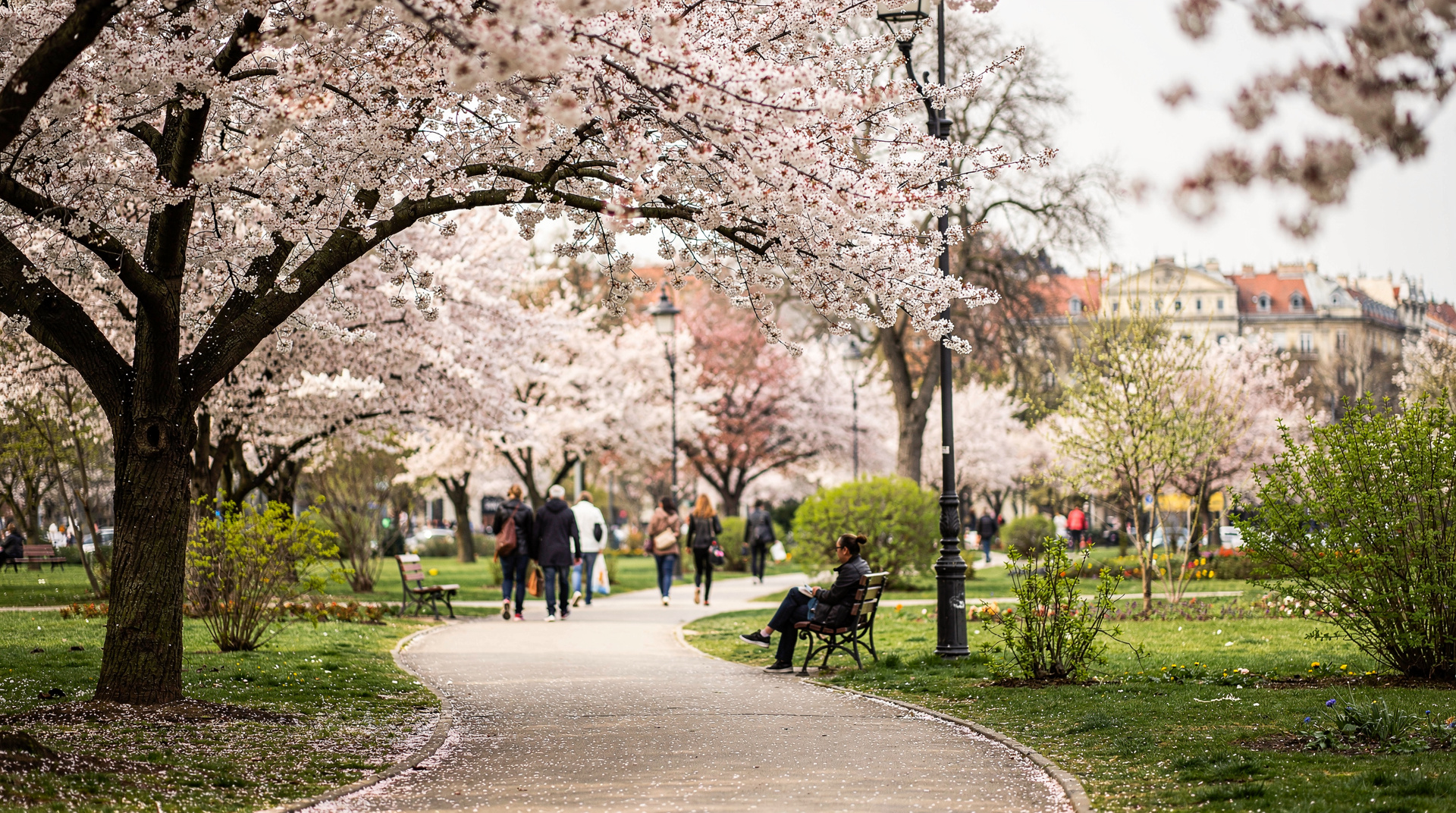
One of Budapest’s best months. Blossoms in City Park and on Gellért Hill. Reliable warm-ish days without summer heat. Hotel prices are not yet at summer peaks. The city feels energetic without being overwhelmed. Budapest Spring Festival (late March to mid-April) brings classical music, opera, and cultural events. See /guides/budapest-in-spring/.
May
Temperature: 17–24°C | Crowds: Moderate | Hotel prices: Moderate-to-high
Possibly the ideal month for most visitors. Long days, warm evenings, all outdoor terraces open, and tourist volumes that feel manageable rather than overwhelming. The outdoor pools at Széchenyi are comfortable and uncrowded by summer standards. Restaurant reservations are easier. May is when locals describe the city as “feeling right” for tourists.
June
Temperature: 20–28°C | Crowds: High | Hotel prices: High (peak season starts)
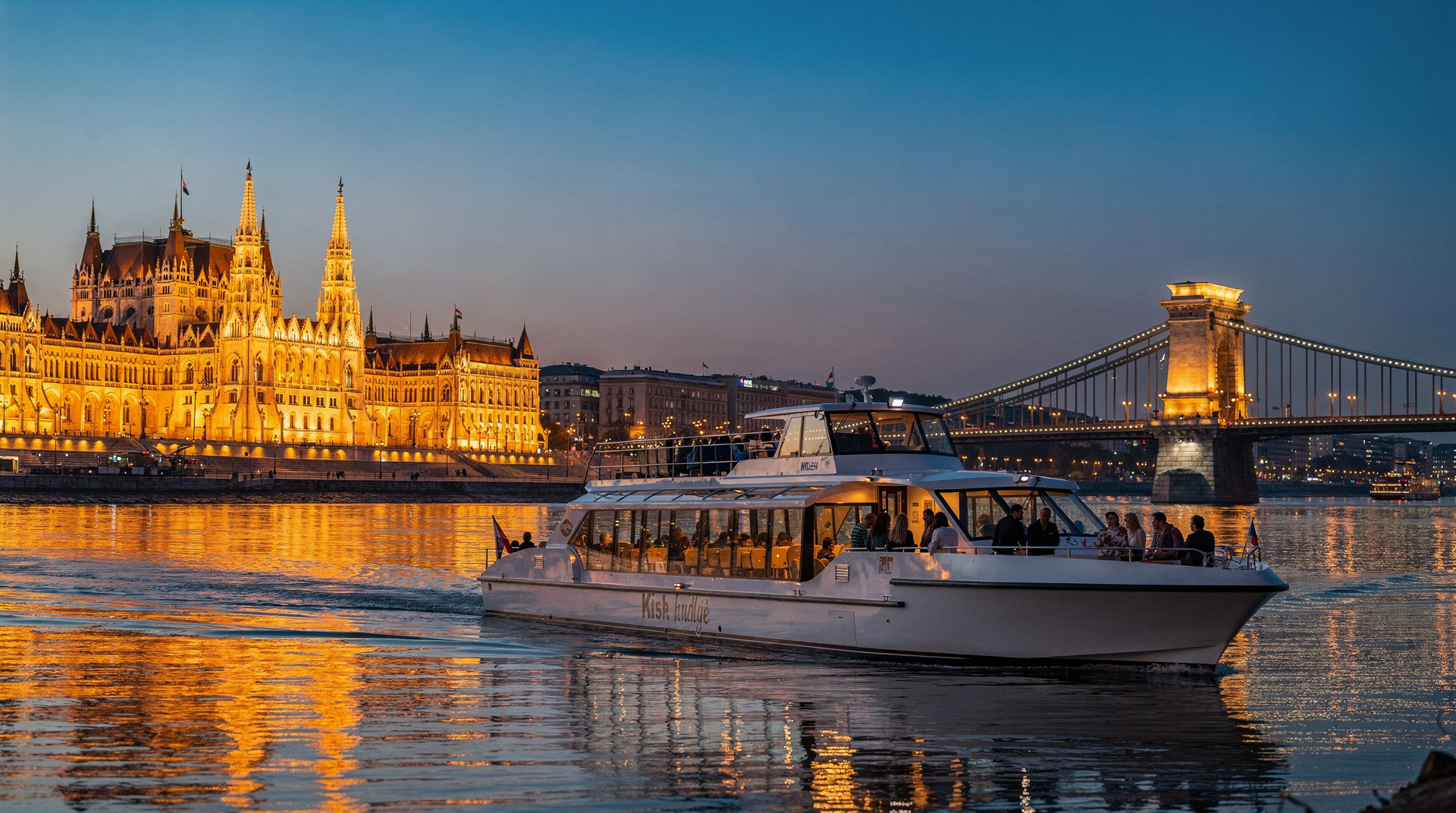
Early summer is excellent but the shift toward peak season is visible. Outdoor terraces packed in the evenings, Danube cruises filling up, baths getting crowded. The sunset cocktail cruise is at its best in June — long, warm evenings on the Danube. Book everything a week or more in advance.
July
Temperature: 22–32°C | Crowds: Peak | Hotel prices: Peak
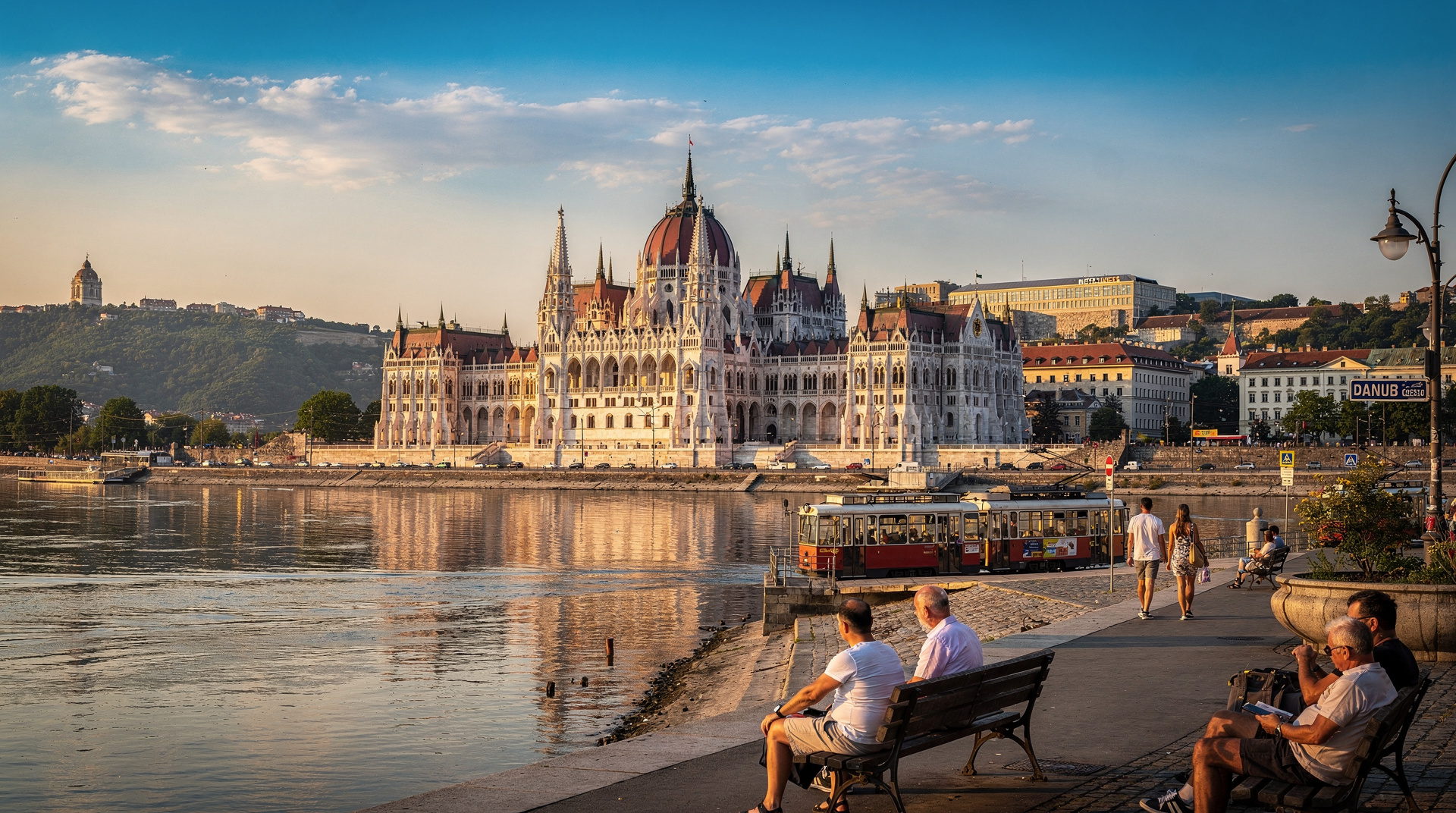
Peak tourist season. Hotels are expensive and book out quickly. The heat (30°C+ regularly) can make walking intensive — plan for early mornings and evenings, with midday breaks in air-conditioned spaces or the baths. The outdoor Széchenyi pools are social and lively. Sparty (the spa party) runs monthly and is at its most attended.
Weather reality: July in Budapest can be very hot. If you are not heat-tolerant, consider the shoulders. Thunderstorms clear the heat periodically.
August
Temperature: 22–32°C | Crowds: Peak, compounded by Sziget | Hotel prices: Peak
The second week of August is Sziget Festival week — one of Europe’s largest music festivals, held on an island in the Danube north of the city. Tens of thousands of festival-goers fill Budapest’s accommodation and push prices further. If you are attending Sziget, plan well in advance. If you are not, consider avoiding mid-August or booking accommodation very early.
August 20 is a national holiday (St Stephen’s Day) with a major fireworks display over the Danube — one of the best in Central Europe. Worth staying for.
See /guides/budapest-in-summer/ and /guides/sziget-festival-guide/ for detail.
September
Temperature: 17–24°C | Crowds: Dropping | Hotel prices: Dropping (15–25% below July)
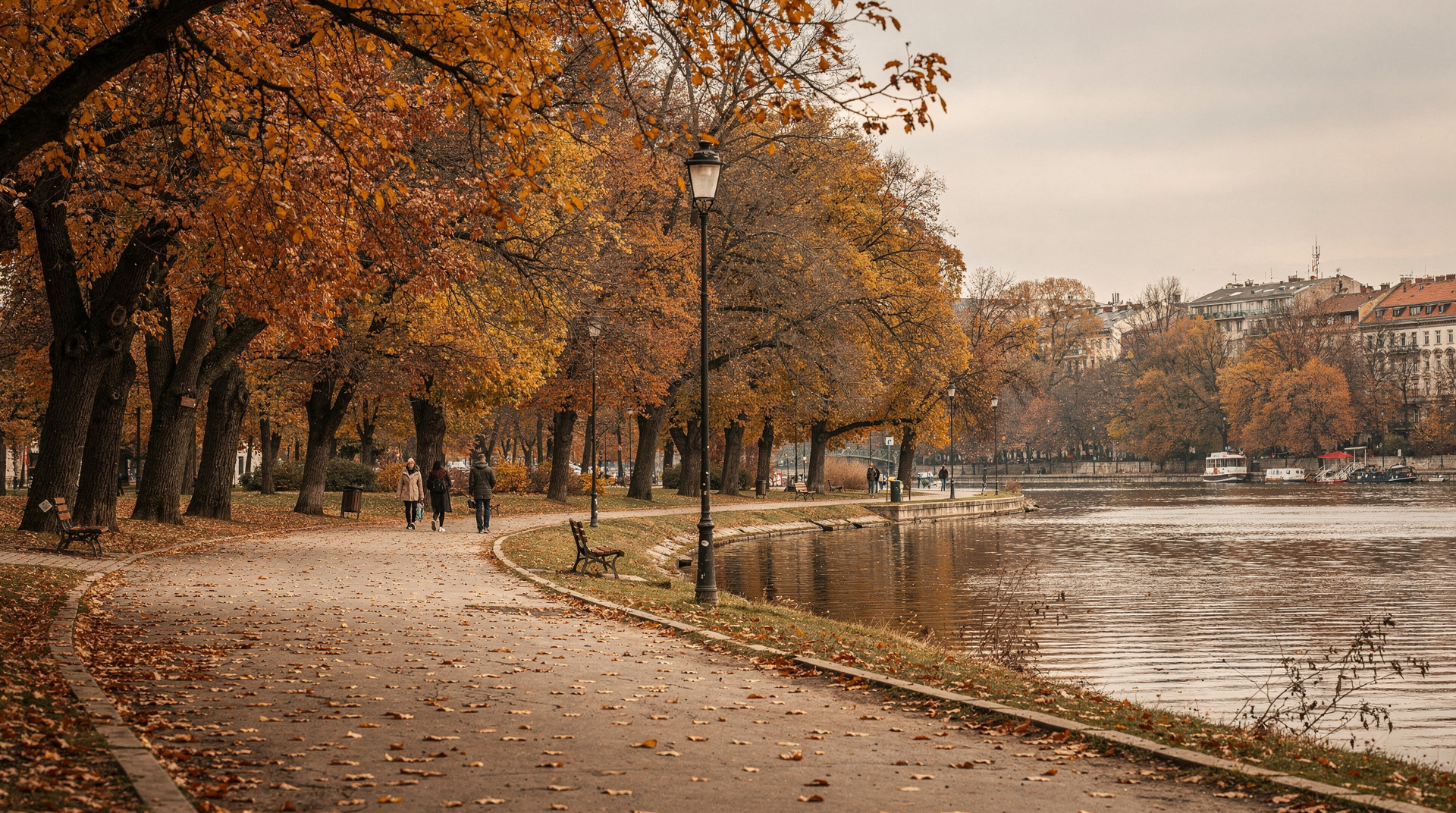
September is arguably the best single month to visit Budapest. Summer heat is past; crowds thin noticeably after school holidays end; prices drop; wine harvest season begins, making the wine bars exceptionally good. Warm evenings continue through mid-September. The city is at its most liveable.
Festivals: Budapest Design Week (September), Jewish Cultural Festival (varies), various autumn food and wine events.
October
Temperature: 10–20°C | Crowds: Low-moderate | Hotel prices: Moderate
A continuation of the autumn shoulder: warm days, cooler evenings, low crowds, reasonable prices. The wine harvest is in full swing — a trip to Eger or Tokaj as a day trip from Budapest is particularly rewarding in October. See /guides/eger-day-trip/ and /guides/tokaj-wine-day-trip/. Széchenyi’s outdoor pools are still comfortable, particularly in early October.
November
Temperature: 4–12°C | Crowds: Low | Hotel prices: Low (except Christmas market period)
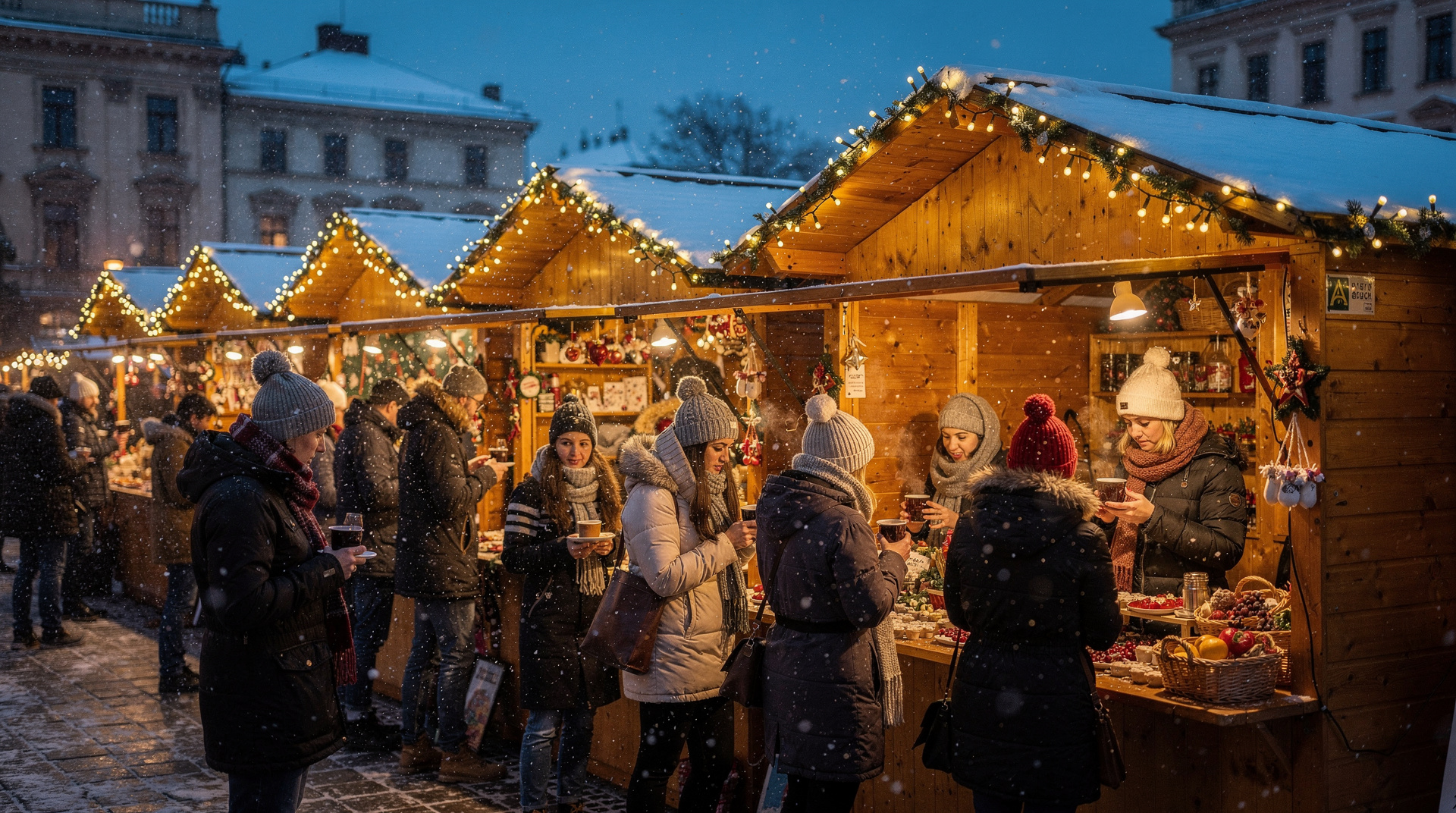
November is split by the Christmas markets. Before mid-November: quiet, cold, and cheap — a local’s Budapest. From mid-November onward: the Vörösmarty tér and St Stephen’s Basilica markets open, bringing festive crowds and atmosphere. The transition is abrupt and worth planning around. See /guides/budapest-christmas-markets/.
December
Temperature: 0–7°C | Crowds: Moderate (market visitors) | Hotel prices: Moderate-high (Christmas week)
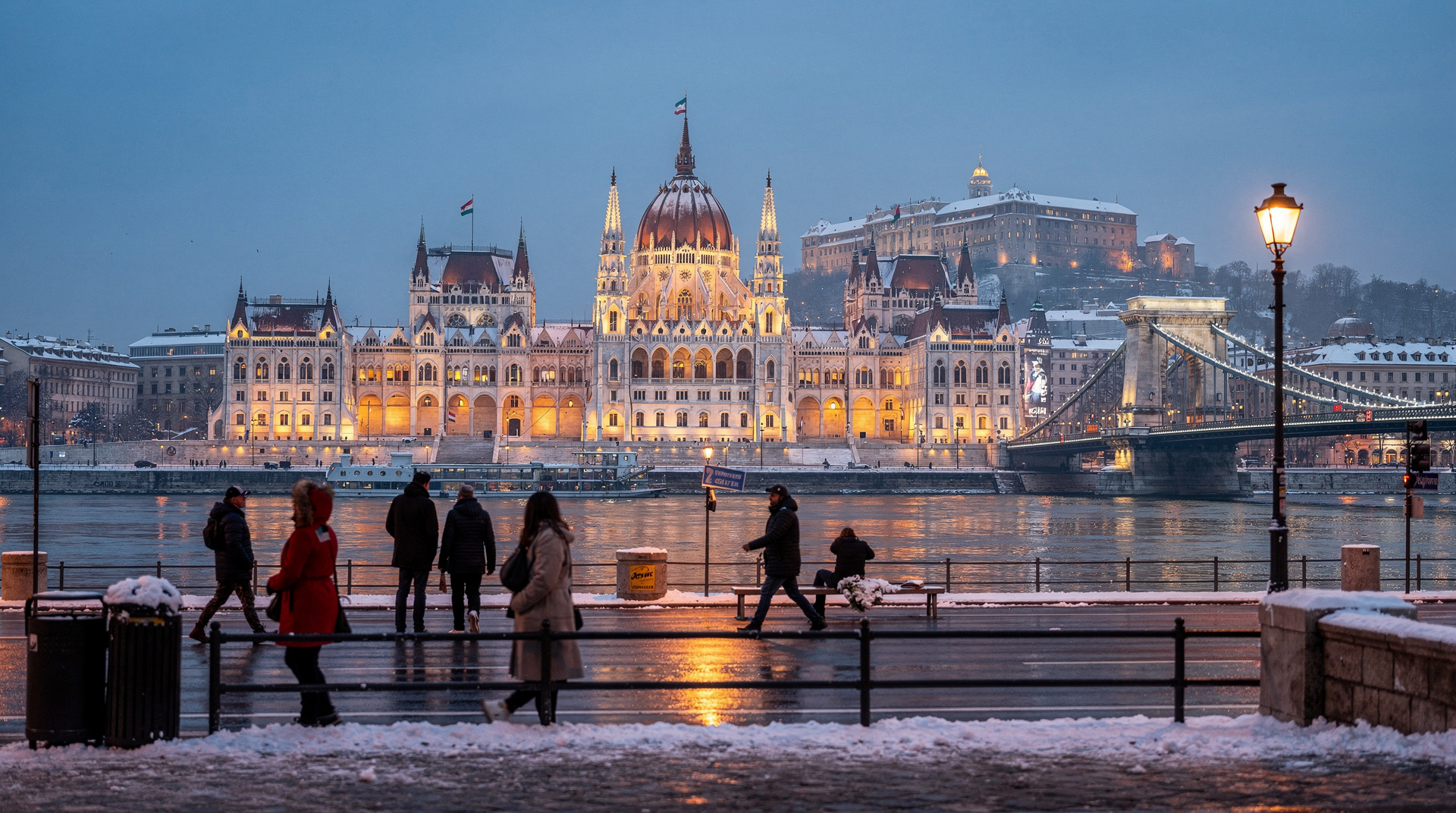
December 24–26 and December 31–January 1 command high prices. The rest of the month is moderate. The Christmas markets run until 1 January and are consistently well-regarded — the Basilica market in particular has excellent quality stalls. The city has decorated streets and a warm, festive atmosphere that suits couples and families.
New Year’s Eve is celebrated publicly along the Danube and around the ruin bars — the city’s party culture comes into its own. See /guides/budapest-new-years-eve/ for how to experience it without the tourist traps.
Season summary
| Season | Months | Weather | Crowds | Prices | Best for |
|---|---|---|---|---|---|
| Spring | Apr–May | Mild, 12–24°C | Moderate | Moderate | General visits, couples |
| Summer | Jun–Aug | Hot, 22–32°C | Peak | Peak | Outdoor pools, festivals |
| Autumn | Sep–Oct | Mild, 10–24°C | Low-mod | Moderate | Wine, best overall |
| Winter | Nov–Mar | Cold, 0–10°C | Low | Low | Thermal baths, Christmas |
Specific recommendations by type of visitor
First-time visitors: May or September. Best combination of weather, manageability, and variety.
Couples and honeymooners: September–October (romantic, lower crowds, harvest season) or December (Christmas markets, outdoor bath in the cold, intimate atmosphere). See /guides/romantic-budapest-for-couples/.
Families with children: May, June, or September. Warm enough for Széchenyi outdoor pools and the zoo without July–August peak heat and crowds. See /guides/budapest-with-kids/.
Budget travellers: January–February or November (pre-markets). Lowest prices of the year. See /guides/budapest-on-a-budget/.
Thermal bath enthusiasts: Any time — but January–February for the outdoor-in-cold experience, and May–September for the full outdoor pool season. See /guides/best-thermal-baths-in-budapest/.
Wine and food: September–October for the harvest season. The Danube dinner cruise with folk show is a year-round option that works particularly well in autumn evenings.
Music festival attendees: August for Sziget. Plan well ahead — see /guides/sziget-festival-guide/.
Christmas market visitors: Mid-November to 1 January. See /guides/budapest-christmas-markets/.
Thermal baths: year-round but best in cold weather
The thermal baths are open 365 days a year, but the experience changes significantly by season.
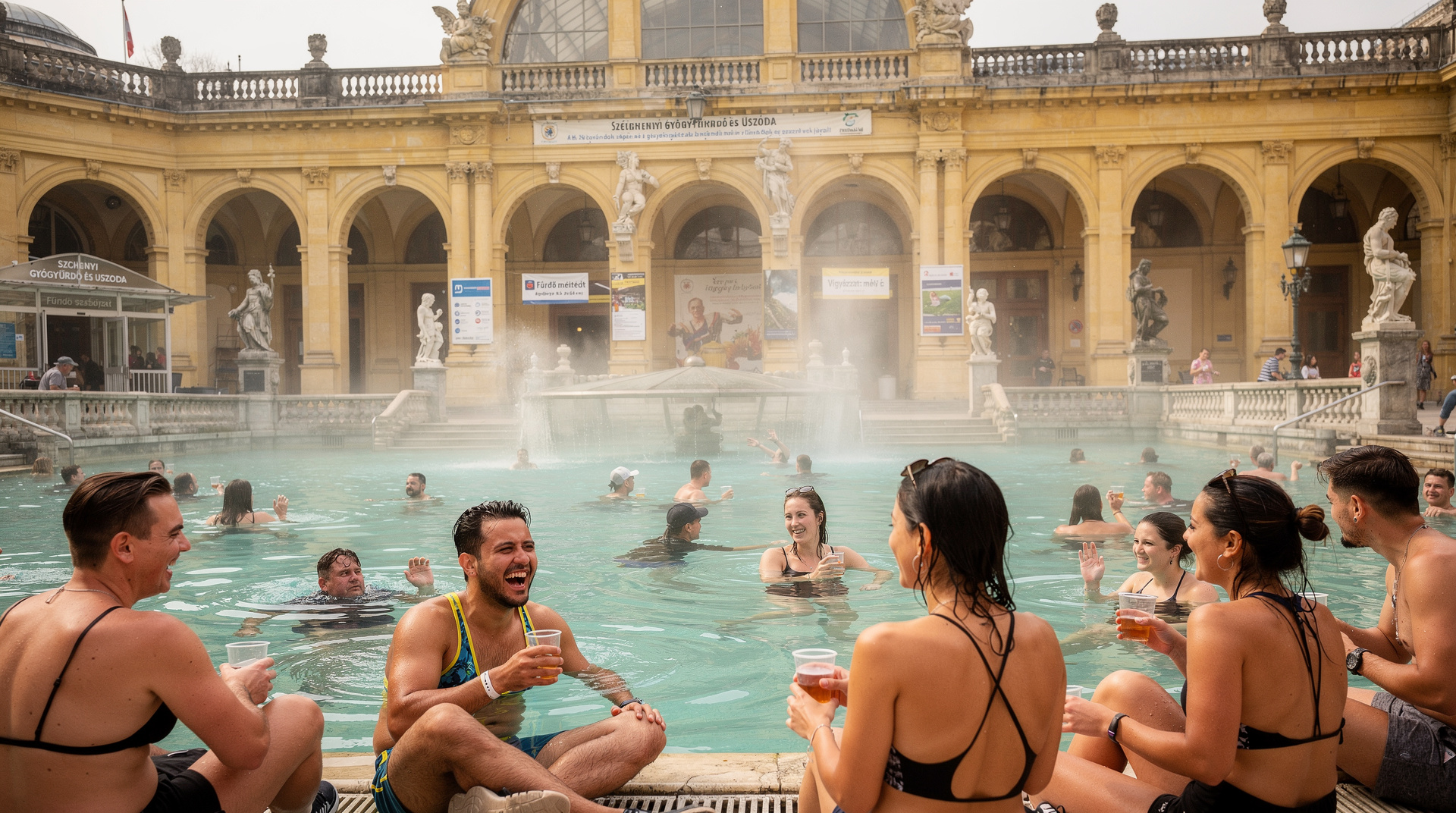
Winter: The outdoor pools at Széchenyi are steaming dramatically against cold air. It is one of Budapest’s most distinctive visual experiences and completely comfortable — you are in 38°C water regardless of air temperature. Less crowded than summer. Széchenyi day tickets are the same price year-round.
Summer: Outdoor pools are warm and social — the main Széchenyi pool in summer is a scene, with chess players, swimmers, and tourists. The Sparty (late-night spa party) runs monthly from spring through autumn.
Shoulder: The sweet spot — outdoor pools comfortable, visitor numbers manageable, no premium queues.
See /guides/outdoor-baths-in-winter/ for the full winter bath guide. Use the best time to visit tool for a month-by-month breakdown.
Events calendar (key dates 2026)
| Event | Date | Impact |
|---|---|---|
| Budapest Spring Festival | Late March–April | Cultural events, moderate crowds |
| National Day | March 15 | City-centre events |
| St Stephen’s Day + Fireworks | August 20 | Major fireworks, very crowded |
| Sziget Music Festival | Mid-August (7 days) | Huge crowds, hotel scarcity |
| Budapest Design Week | September | Moderate, art/design focus |
| Christmas Markets (Vörösmarty) | Mid-November–January 1 | Evening crowds, festive |
| Christmas Markets (Basilica) | Mid-November–January 1 | Intimate, high quality |
| New Year’s Eve | December 31 | Citywide celebrations |
Packing by season
What you’ll need changes more than most first-time visitors expect between Budapest’s seasons. Winter (December–February) calls for a proper warm coat, a hat and gloves — the cold is damp river-cold rather than dry, and it cuts through thin layers. Spring and autumn are classic layering seasons: mornings can start near 10°C and afternoons reach the high teens, so a jacket you can remove is more useful than one heavy layer. Summer needs almost nothing beyond sun protection and a swimsuit for the thermal baths, though evenings can cool down enough for a light layer near the Danube. Whatever the season, comfortable walking shoes matter more than anything else — Budapest’s centre rewards walking, and cobbled stretches around Castle Hill are unforgiving in the wrong footwear. The full breakdown by month is in the what to pack for Budapest guide.
For a broader first-time framework that ties the season you choose into how many days you need, see how many days in Budapest and first time in Budapest.
Choosing your season: what each one asks of you
Every season in Budapest asks something of you in return for what it gives. Spring and autumn ask for flexibility with layers and the odd rainy afternoon, and reward you with walkable streets and open terraces. Summer asks you to organise your day around the heat, and rewards you with long evenings by the river. Winter asks you to accept short days and cold air, and rewards you with steaming pools and a quieter city. Once you know which trade you prefer, the rest of the planning falls into place.
If you are still undecided, start with the dedicated seasonal guides: Budapest in spring, Budapest in summer, Budapest in autumn and Budapest in winter. Each one goes deeper on what to do, what to eat and how the city feels at that time of year.
Matching the season to the trip you want
A city break built around sightseeing works best when the weather lets you walk. The top attractions in Budapest are spread across both banks, and a comfortable day on foot between the Castle District and the Pest side is far easier in the shoulder months. If your priority is the Danube, the best Danube cruises run through most of the year, but the experience differs: summer evenings are about sitting on deck, while colder months suit a cabin with a view of the lit-up riverbanks. For something specifically after dark, the night cruise guide explains why the Parliament looks so striking from the water.
Food lovers should think about the harvest. Autumn is the natural moment for wine, and the Hungarian wine guide helps you decide which regions to explore. Winter food is heavier and more comforting, and the traditional Hungarian dishes guide will tell you what to order when the air turns cold.
Weather, rain and plan B
No month is immune from a wet or very hot day, so build a little slack into your schedule. Museums, coffee houses and the baths all work as shelter. The best museums in Budapest and the coffee houses guide are good places to look when the forecast turns, and families will find more ideas in rainy day Budapest with kids. When the heat is the problem rather than the rain, the thermal complexes double as a midday retreat, and the late-night spa party experience is one way to enjoy the water after the sun goes down.
Budget, booking and timing
Your dates affect your costs more than almost any other choice. If money is tight, read Budapest on a budget and the daily budget guide before you fix your dates, because moving a trip by a few weeks can change what you pay for a room. For a wider view of what to expect, is Budapest expensive puts the costs in context.
Booking order matters too. Lock in your accommodation first, since it is the item most affected by festivals and holidays, then add the activities you cannot do without. Popular experiences such as a cocktail cruise at sunset are easier to secure when you arrange them early in the busy months, while in the quiet months you can usually decide once you have seen the weather forecast.
Getting around in each season
Public transport works well all year, but how you use it changes. In summer you will want shade and water, and short hops by tram or metro can save your energy for the evening. In winter, a warm tram ride is often more pleasant than a long walk along the river. The getting around Budapest guide covers your options, and BKK travel passes explains the passes that suit a longer stay in any season.
From season to itinerary
Once you have picked your months, turn them into a plan. The Budapest weekend break itinerary suits a short trip, while the 3-day Budapest itinerary gives a fuller first visit. If winter is your choice, the winter and Christmas itinerary is built around the markets and the baths. Visitors who want a general overview before committing can read the main Budapest travel guide and the Budapest destination page.
Frequently asked questions about Best time to visit Budapest
What is Budapest like in spring?
April and May are among Budapest's best months. Temperatures rise from 12°C to 22°C, blossoms appear in City Park and on Gellért Hill, restaurant terraces open, and the city feels alive but not overwhelmed. Hotel prices are 20–30% below summer rates. May is particularly good — long days, warm evenings, manageable crowds. See /guides/budapest-in-spring/ for the full guide.Is Budapest worth visiting in winter?
Yes, particularly in December for the Christmas markets at Vörösmarty tér and St Stephen's Basilica (mid-November to 1 January). January and February are quiet and cold (0–5°C) but have the lowest hotel prices of the year. The thermal baths are outstanding in winter — the outdoor Széchenyi pool at 38°C on a cold morning is a genuinely memorable experience. See /guides/budapest-in-winter/.Should I avoid Budapest in July and August?
Not necessarily, but plan around the heat and crowds. July–August sees temperatures above 30°C, peak hotel prices, and significant tourist volumes. The Sziget Music Festival in mid-August adds tens of thousands of visitors. The outdoor baths are at their best, outdoor terraces are busy, and the river is beautiful. Book accommodation and activities well in advance. See /guides/budapest-in-summer/.Is the Budapest Christmas market good?
One of the best in Central Europe, by general consensus. The Vörösmarty tér market has high-quality craft stalls and food; the Basilica market is more intimate and beautifully lit. Both run from mid-November to 1 January. Mulled wine (forralt bor), Hungarian pastries, and seasonal crafts. Evenings are magical; midday is crowded. See /guides/budapest-christmas-markets/ for detail.What is the cheapest time to visit Budapest?
January and February are the cheapest months for hotels — central 3-star properties can drop to €40–60/night, less than half their summer rates. The thermal baths are still open and enjoyable; fewer sights are closed in winter than in northern European cities. The main trade-off is weather: overcast, cold (0–5°C), and short days.When is the Sziget Music Festival?
Sziget takes place in mid-August, typically running for 7 days around the second week of the month. It is one of Europe's largest music festivals, held on an island in the Danube (Óbudai-sziget) in Budapest's north. It draws 500,000+ visitors and significantly impacts accommodation prices and availability in the city. See /guides/sziget-festival-guide/ for planning advice.Is there a shoulder season in Budapest?
Yes — April–May and September–October are Budapest's shoulder seasons: between winter low and summer peak. Weather is excellent, crowds are manageable, and hotel prices are 20–40% below summer rates. These months are consistently recommended by locals and experienced travellers as the optimal time. May and September are particularly good.Are there any months to avoid in Budapest?
No months are genuinely bad. January–February are cold and quiet — fine if you want low prices and atmospheric baths, harder if you want outdoor terraces and warm evenings. The second week of August during Sziget can make accommodation scarce and expensive. Budapest handles all seasons reasonably well.What should I pack for Budapest by season?
Winter needs a proper warm coat, hat and gloves — the river cold is damp and cuts through thin layers. Spring and autumn are best handled with removable layers, since mornings and afternoons can differ by 8–10°C. Summer needs light clothing, sun protection and a swimsuit for the thermal baths. Comfortable walking shoes matter in every season, especially on the cobbled stretches around Castle Hill.
Top experiences
Bookable activities with verified prices and instant confirmation on GetYourGuide.