Budapest daily budget: what to expect in 2026

How much money do you need per day in Budapest?
Budget traveller: €30–45/day. Mid-range: €55–90/day. Comfortable: €100–160/day. Luxury: €200–400+/day. Hungary uses HUF (not EUR) — approximate conversion is 400 HUF per euro. These are all-in daily figures excluding flights. Use the /tools/budget-calculator/ to build a personalised estimate.
How much does Budapest actually cost per day?
Planning a budget for Budapest requires knowing one thing first: Hungary uses the forint (HUF), not the euro. All prices in shops, restaurants, hotels, and attractions are quoted in HUF. The approximate conversion rate in 2026 is 400 HUF per euro.
This guide gives specific, honest daily figures for each traveller profile — not optimistic minimums or pessimistic maximums, but realistic amounts that reflect what people actually spend.
| Budget traveller | Around €30–45/day |
| Mid-range | Around €55–90/day |
| Comfortable/couple | Around €100–160/day per person |
| Luxury | €200–400+/day |
| Currency | HUF only; pay in forint, not EUR |
Currency basics
| Currency pair | Rate (approx 2026) |
|---|---|
| 1 EUR | 400 HUF |
| 1 USD | 360 HUF |
| 1 GBP | 460 HUF |
Where to exchange / withdraw:
- Bank ATMs (OTP, K&H, CIB): best rates, standard bank fees
- Avoid Euronet ATMs: high fixed fees and poor rates
- Airport exchange desks: 15–20% below bank rate — avoid except in emergency
- Paying by card in HUF: correct — always select HUF, not EUR, when the terminal asks
Daily budget by profile
Budget / backpacker: €30–45/day (12,000–18,000 HUF)
| Category | Daily amount | HUF |
|---|---|---|
| Hostel dorm | €12–18 | 4,800–7,200 |
| Breakfast (bakery/market) | €2–4 | 800–1,600 |
| Lunch (lángos, market) | €3–6 | 1,200–2,400 |
| Dinner (local restaurant) | €6–10 | 2,400–4,000 |
| Transport (single tickets or daily pass) | €3–6 | 1,200–2,400 |
| Attraction or activity | €0–8 | 0–3,200 |
| Drinks (supermarket beer, local bar) | €3–6 | 1,200–2,400 |
| Total | €29–48 | 11,600–19,200 |
Reality check: This level requires discipline — eating at the market and local restaurants rather than tourist establishments, using public transport rather than taxis, focusing on free sights. It is entirely achievable and Budapest is genuinely good at this level: the free sights are excellent, the market food is good, and the hostel scene is well-developed.
Key cost-savers at this level:
- For a guided option in the Jewish district, the Past & present Jewish district walk is a paid guided walk
- Great Market Hall for lunch (lángos 800–1,200 HUF)
- Lukács Baths instead of Széchenyi (saves 5,000–7,000 HUF per visit)
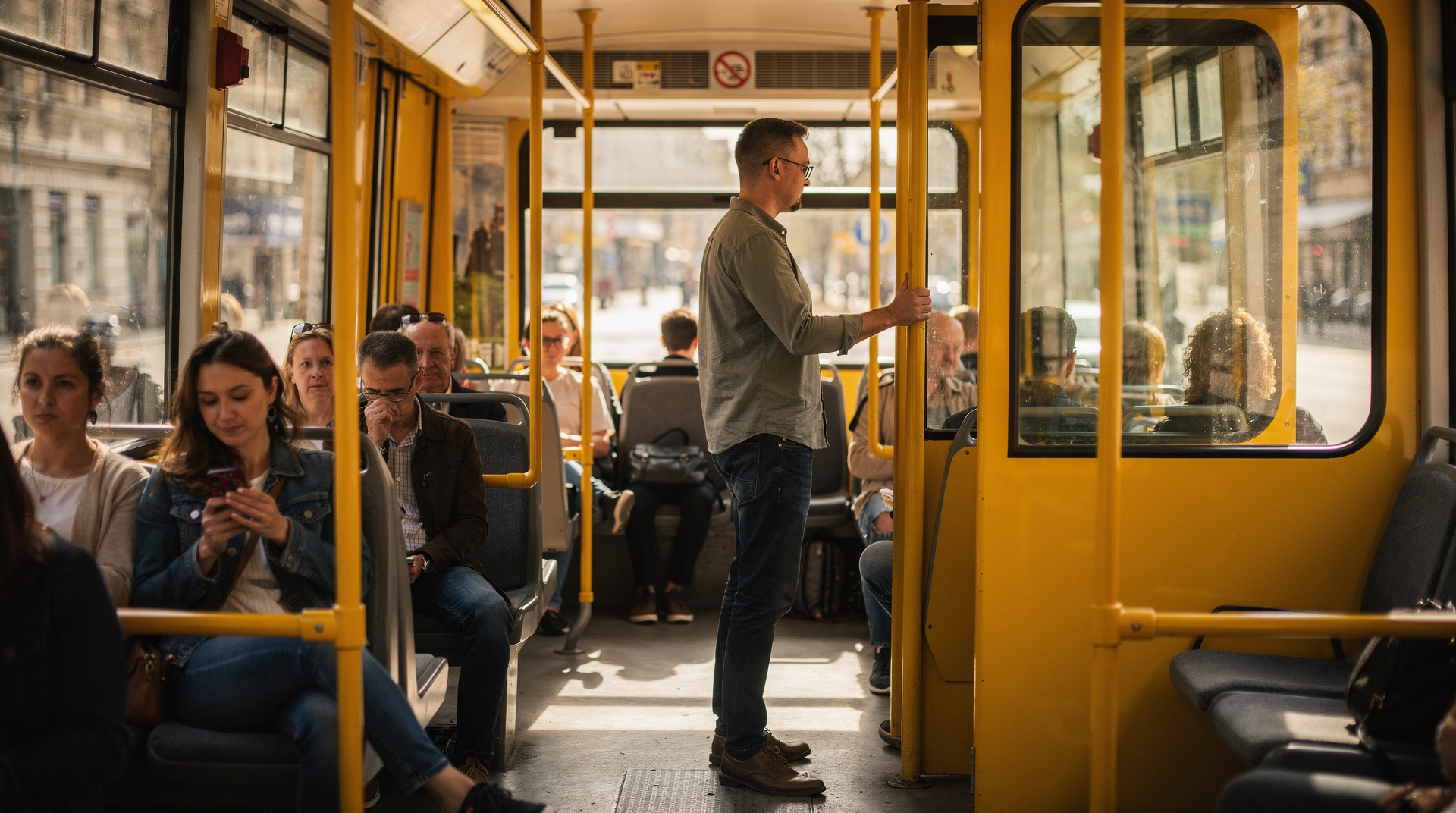
- 72-hour transport card (5,750 HUF for 3 days of unlimited travel)
Mid-range traveller: €55–90/day (22,000–36,000 HUF)
| Category | Daily amount | HUF |
|---|---|---|
| 3-star hotel (per person, twin room) | €35–55 | 14,000–22,000 |
| Breakfast (café or hotel) | €5–8 | 2,000–3,200 |
| Lunch (restaurant) | €9–14 | 3,600–5,600 |
| Dinner (mid-range restaurant, glass of wine) | €18–28 | 7,200–11,200 |
| Transport (24h or 72h pass) | €4–6 | 1,600–2,400 |
| 1–2 attractions | €12–25 | 4,800–10,000 |
| Coffee and drinks | €5–10 | 2,000–4,000 |
| Total | €58–96 | 23,200–38,400 |
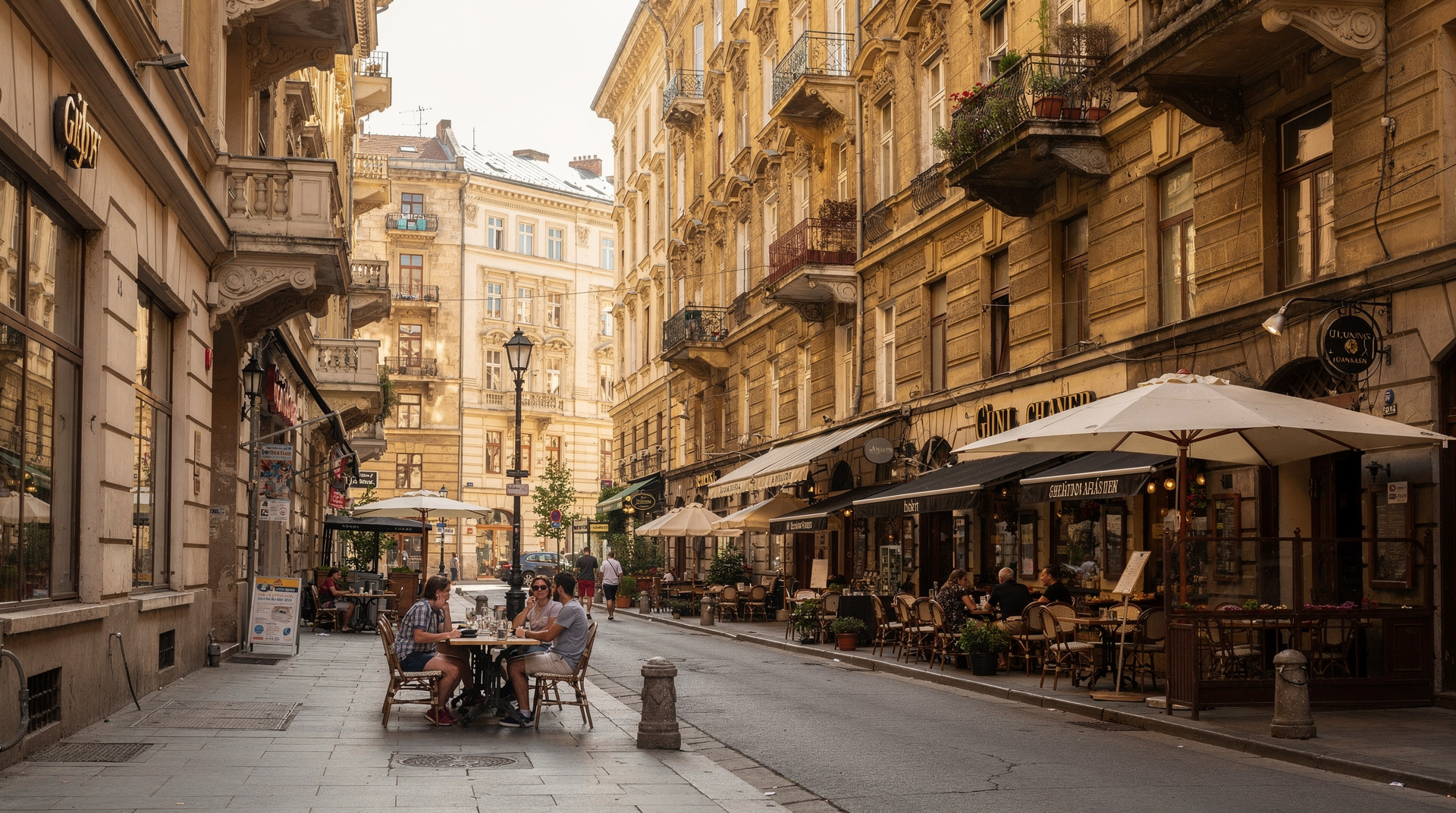
Reality check: This is the most common tourist profile. At this level, Budapest delivers genuine value — a comfortable hotel in District V or VI, proper sit-down meals with wine, and 1–2 paid activities per day. The quality-to-price ratio is better than Prague or Vienna at equivalent spend.
The 2-hour Budapest walking tour (4,000–6,000 HUF) is the best per-euro-spent activity at this level. Széchenyi Baths (10,000–14,000 HUF) is the main bath splurge.
Comfortable / couple: €100–160/day per person (40,000–64,000 HUF)
| Category | Daily amount per person | HUF |
|---|---|---|
| 4-star boutique hotel (per person) | €55–90 | 22,000–36,000 |
| Breakfast | €8–14 | 3,200–5,600 |
| Lunch (brasserie) | €15–22 | 6,000–8,800 |
| Dinner (quality restaurant, wine) | €25–45 | 10,000–18,000 |
| Transport | €5–8 | 2,000–3,200 |
| Activities (2 per day) | €20–35 | 8,000–14,000 |
| Coffee and drinks | €8–15 | 3,200–6,000 |
| Total | €101–164 | 40,400–65,600 |
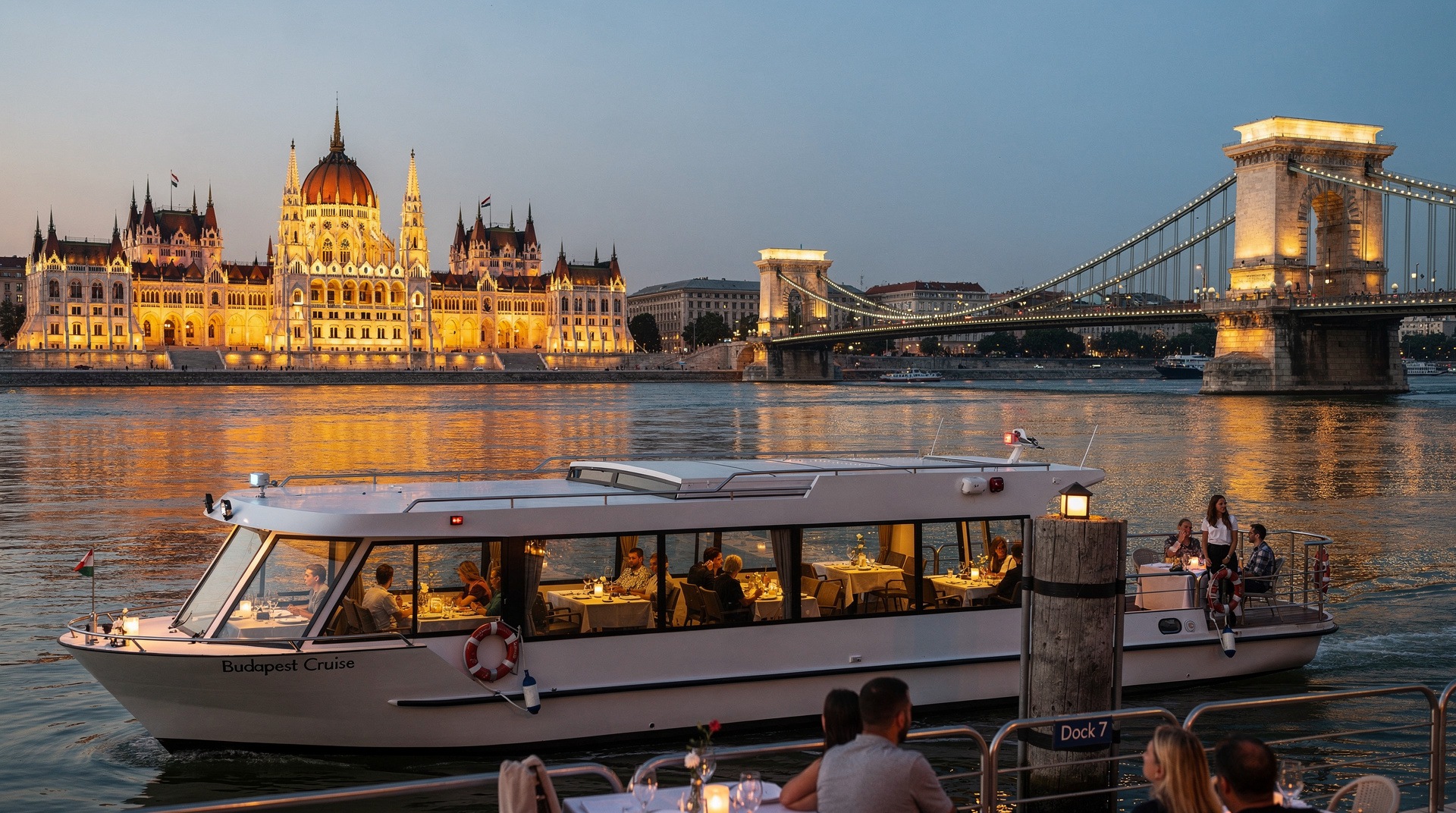
Reality check: At this level, you are accessing boutique hotels (Aria, Párisi Udvar), Michelin Bib restaurants, pre-booked activities, and a dinner cruise included as a natural evening option. The Danube cruise (3,500–5,500 HUF per person) fits naturally into this budget.
Luxury: €200–400+/day (80,000–160,000+ HUF)
Five-star hotels (Four Seasons, Matild Palace, Kempinski): €200–400/night per person in a double room. Michelin-starred dinner for two at Costes: 90,000–130,000 HUF+ (€225–325+). Private tours, suite upgrades, candlelit dinner cruises: add accordingly.
Budapest at this level is meaningfully cheaper than Paris, Venice, or Vienna for equivalent quality — the comparison to Western Europe consistently comes out in Budapest’s favour.
Daily transport costs
| Option | Cost | Best for |
|---|---|---|
| Single ticket (bought in advance) | 500 HUF | Occasional trips |
| 24-hour travelcard | 2,750 HUF | Active sightseeing day |
| 72-hour travelcard | 5,750 HUF | 3-day visit |
| Airport bus 100E (one way) | 2,500 HUF | Airport transfer |
| Bolt taxi (airport to centre) | 6,000–10,000 HUF (€15–25) | Convenience, luggage |
See /guides/getting-around-budapest/ for the full transport guide and /guides/bkk-travel-passes/ for which pass makes sense for your itinerary.
Daily attraction and activity costs
| Activity | Price per adult | Category |
|---|---|---|
| Széchenyi Baths | 10,000–14,000 HUF (€25–35) | Thermal baths |
| Lukács Baths | 5,300–7,000 HUF (€13–17.50) | Thermal baths |
| Dandar Thermal | 2,500–4,000 HUF (€6.25–10) | Thermal baths |
| City walking tour (2hr) | 4,000–6,000 HUF (€10–15) | Tours |
| Danube city cruise | 3,500–5,500 HUF (€8.75–13.75) | Cruises |
| Hop-on hop-off bus (24h) | 7,000–9,000 HUF (€17.50–22.50) | Transport/tour |
| Parliament guided tour | 6,000–8,000 HUF (€15–20) | Sightseeing |
| Budapest Zoo | 4,400 HUF (€11) | Family |
| House of Terror | 4,000 HUF (€10) | Culture |
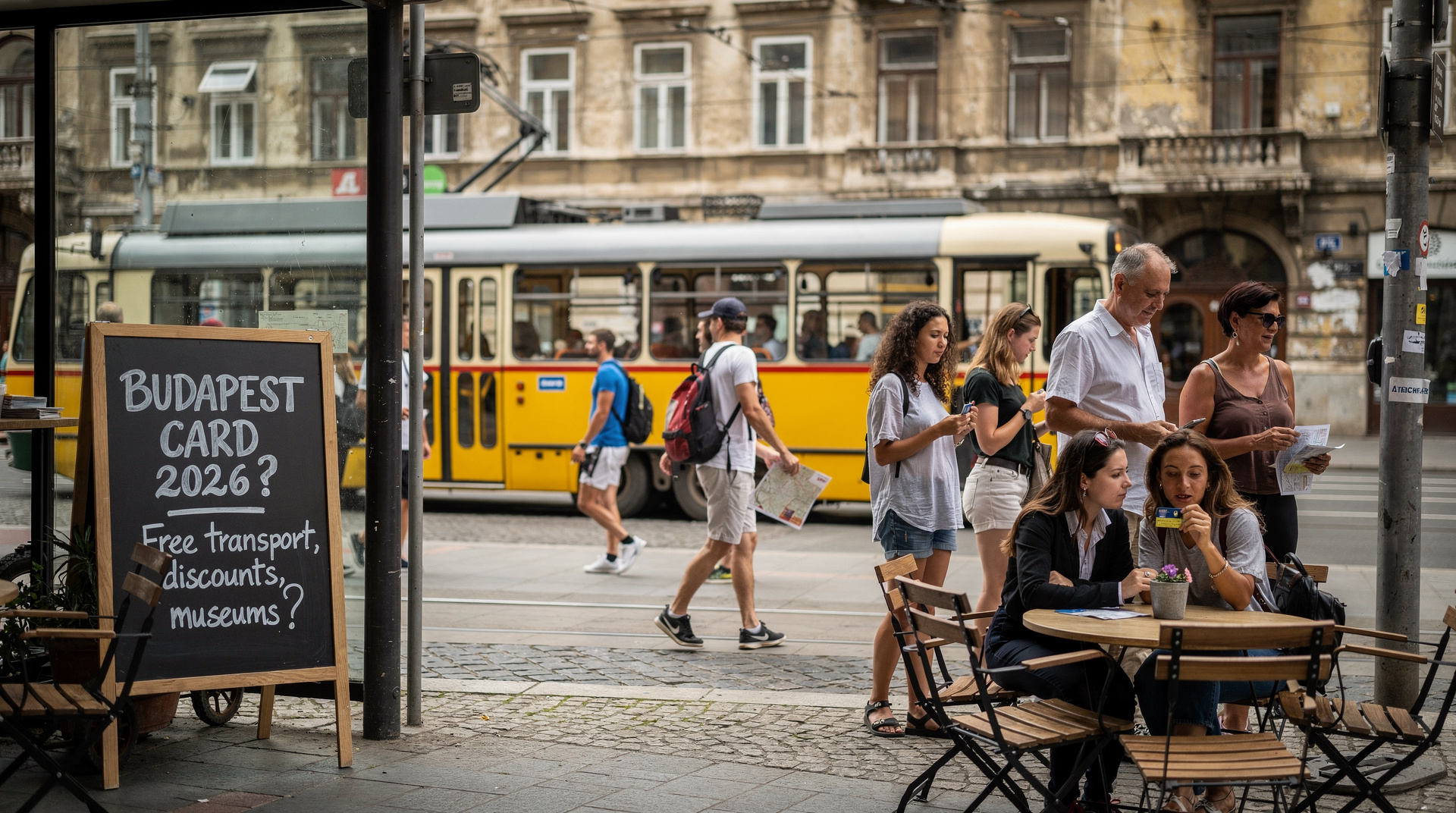
| Budapest Card (72h) | 29,990 HUF | Pass |
Use the Budapest Card calculator to see if the card saves money for your planned activities. See /guides/budapest-card-worth-it/ for the detailed analysis.
Daily food cost breakdown
Budget
| Meal | Cost | HUF |
|---|---|---|
| Bakery breakfast | €2–3 | 800–1,200 |
| Market lunch (lángos) | €2–4 | 800–1,600 |
| Local étkezde dinner | €5–9 | 2,000–3,600 |
| Drinks (2 beers) | €2–4 | 800–1,600 |
| Daily total | €11–20 | 4,400–8,000 |
Mid-range
| Meal | Cost | HUF |
|---|---|---|
| Café breakfast | €5–8 | 2,000–3,200 |
| Restaurant lunch | €9–14 | 3,600–5,600 |
| Restaurant dinner + wine | €18–28 | 7,200–11,200 |
| Coffee and drinks | €5–8 | 2,000–3,200 |
| Daily total | €37–58 | 14,800–23,200 |
Comfortable
| Meal | Cost | HUF |
|---|---|---|
| Hotel breakfast or café | €10–16 | 4,000–6,400 |
| Brasserie lunch | €14–22 | 5,600–8,800 |
| Quality dinner + wine | €30–55 | 12,000–22,000 |
| Cocktails and drinks | €10–18 | 4,000–7,200 |
| Daily total | €64–111 | 25,600–44,400 |
Family daily budget
Scaling the mid-range figures for a family of four with one shared hotel room typically lands around €160–260/day total, since children’s museum and bath tickets are usually discounted rather than full price. Attractions are the biggest variable — a day built around family-friendly attractions with mostly free or low-cost sights costs far less than a day anchored on Széchenyi Baths and a paid museum. See Budapest with kids for the wider family planning picture.
Building a realistic day, not an average
A daily figure is only useful if you treat it as an average across the whole trip. In practice, a Budapest itinerary alternates between expensive days and cheap ones. A bath morning, a sit-down lunch and an evening cruise will push you above your target, while a day of wandering the riverbank, eating at a market and walking the old streets will land well under it. Plan the expensive days first, then let the free days absorb the overspend.
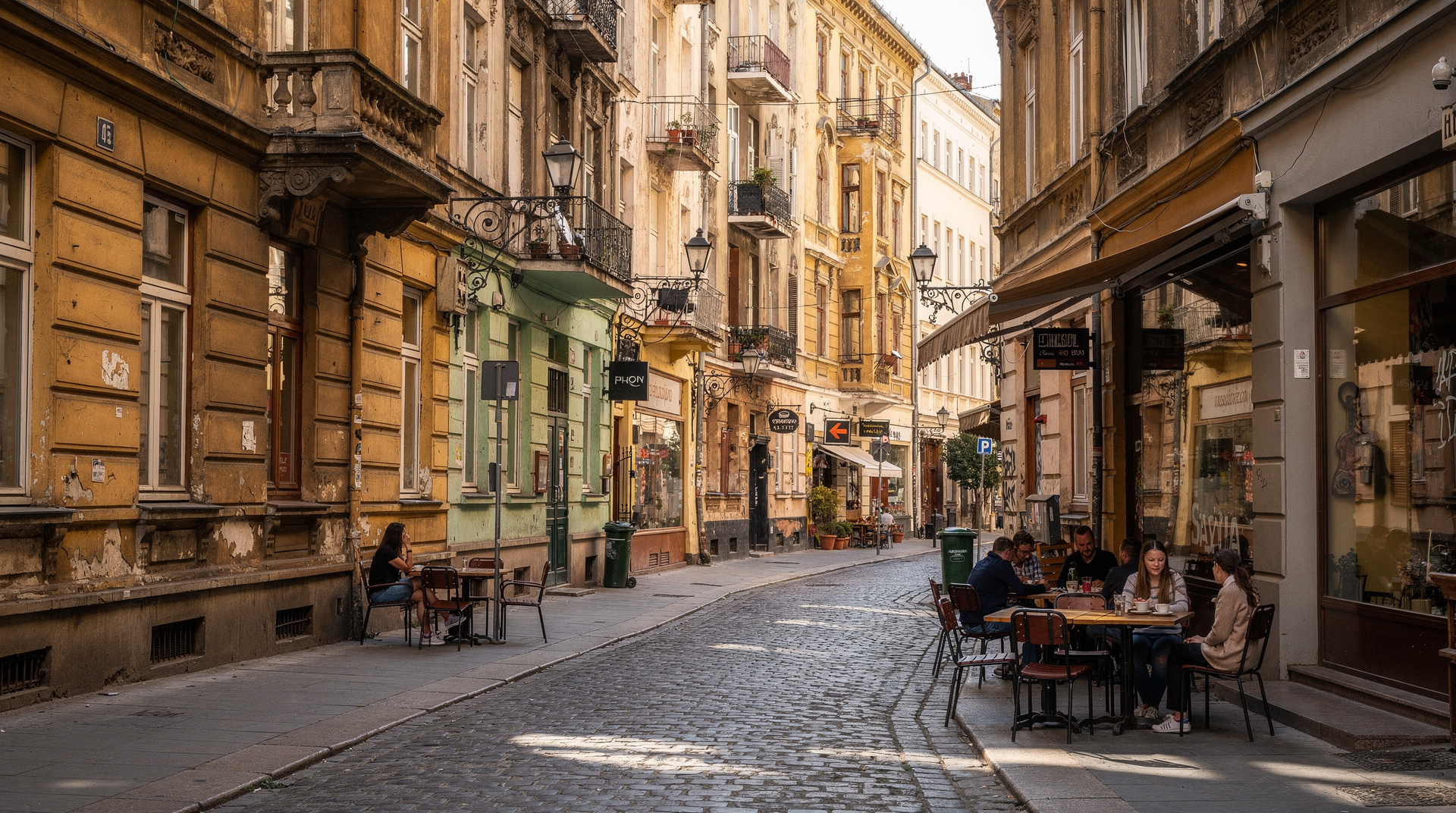
A simple method is to pick the one or two paid highlights you really care about, price them from the tables above, and then fill the remaining days with free or low-cost options. The free things to do in Budapest guide is a good source of filler days that still feel like a proper holiday, and the Budapest Jewish Quarter is a neighbourhood where wandering costs nothing and the food stops are easy to keep cheap.
If you want to see how the numbers play out across a full trip, the Budapest on a budget 3-day itinerary shows a worked day-by-day plan, while the 3-day Budapest overview helps you decide which highlights deserve a paid slot.
Where accommodation changes the maths
Because the hotel is the biggest single line in every profile, your choice of neighbourhood matters more than any other decision. Staying in the centre saves transport time and money, but you pay for the convenience. Staying a little further out on a good metro line often frees up budget for better meals and one extra paid activity. The where to stay in Budapest guide and the comparison of Buda versus Pest explain what each area offers, so you can trade location against price knowingly rather than by accident.
Season matters too. The same room can cost noticeably more in summer or around the Christmas markets than in the quieter months, so the daily totals above should be read as a middle-of-the-road guide. If your dates are flexible, the best time to visit Budapest guide shows when demand eases and your budget stretches further.
Smart ways to spend a little more
Spending less is not always the right goal. A few paid experiences repay their cost in memories far out of proportion to the price. A visit to the thermal baths is the obvious example, and the Széchenyi Baths guide and the Lukács Baths guide help you choose between the grand showpiece and the quieter local favourite. A river outing is another: the Budapest Card can be worth weighing up if you plan several paid sights, as it bundles transport and entries in one purchase, though it only pays off when your itinerary is busy enough to use it.
Eating is the other place where a small upgrade goes far. One memorable dinner at a good restaurant, balanced by simple market lunches on the other days, gives a better trip than spreading the same money evenly. Browse the best restaurants in Budapest and the street food guide to mix both ends of the scale in the same visit.
Getting around without wasting money
Transport is a small line in the budget, but it is also where small mistakes add up. Walking covers most of the central sights, so a pass only makes sense on days when you are crossing the river repeatedly or heading out to the hills and islands. The public transport tickets guide explains the ticket types and the common validation mistakes that lead to fines, and the Budapest metro guide covers the lines you will actually use. For rides you cannot walk, taxis and Bolt in Budapest explains how to avoid overpaying.
Where the budget quietly leaks
Three things consistently blow a carefully planned Budapest budget: restaurants on or near Váci utca charging tourist-area prices for average food (see Budapest tourist traps), unmetered taxis instead of Bolt or the official rank, and bath tickets bought from touts rather than the official counter. None of these buy you a better experience — avoiding them is pure saving with no trade-off.
Tipping in Budapest
Tipping is expected in restaurants (approximately 10%), cafés (rounding up or leaving small change), and taxis. The standard approach: tell the waiter the total you want to pay (including tip) when they bring the bill, rather than leaving cash on the table after card payment.
At thermal baths, tipping the locker attendant 200–500 HUF is customary. Free walking tour guides expect 1,000–4,000 HUF per person. Hotel housekeeping: 500–1,000 HUF per night if you wish.
How to use the budget calculator
The daily budget calculator at /tools/budget-calculator/ lets you input your accommodation choice, planned activities, eating style, and group size to generate a personalised daily budget in both HUF and EUR.
Useful particularly for:
- Families calculating costs per person versus total family
- Couples trying to decide between hotel profiles
- Budget travellers checking whether planned activities fit the daily spend target
- Multi-day trips where costs vary by day (e.g., a bath day costs more than a free-sights day)
For a summary of budget strategies, see /guides/budapest-on-a-budget/. For a full trip cost analysis including flights and accommodation, see /guides/budapest-trip-cost/.
Frequently asked questions about Budapest daily budget
How much cash should I bring to Budapest?
Bring enough for the first day or two (roughly 20,000–30,000 HUF / €50–75) and withdraw from a bank ATM (OTP, K&H, CIB) once in the city. Most restaurants, hotels, and shops accept card, but local markets, some tram ticket machines, and smaller cafes are cash-only. Avoid Euronet ATMs (high fees) and airport exchange desks (poor rates).Is it cheaper to use cash or card in Budapest?
Card is widely accepted at hotels, restaurants, and larger shops. Cash is needed for local markets, some public transport vending machines, and smaller establishments. When a card terminal offers to charge in EUR (dynamic currency conversion), always decline — pay in HUF. The EUR conversion rate applied by the terminal is typically 5–10% worse than the bank rate.How much should I budget for thermal baths per day?
Budget one bath visit at 5,300–14,000 HUF (€13–35) depending on which bath you choose. Lukács is the cheapest major option at 5,300–7,000 HUF; Széchenyi is the most expensive at 10,000–14,000 HUF. Most visitors visit one bath per day and spend 2–4 hours. Budget travellers use Lukács; mid-range visitors typically do Széchenyi once. See /guides/budapest-baths-prices-tickets/.What is the most expensive part of visiting Budapest?
Accommodation is typically the largest daily expense — a central 3-star hotel runs €65–100/night. Food and attractions are significantly cheaper than Western Europe. The gap between accommodation and other costs means budget travellers who use hostels (€10–20/night) can keep total daily spend very low, while those paying for 4-star hotels face much higher daily totals.How does Budapest compare in cost to other European cities?
Budapest is cheaper than Vienna, Amsterdam, Barcelona, and Paris for accommodation, food, and activities. It is broadly comparable to Prague and Krakow. It is more expensive than Belgrade or Bucharest. The thermal baths are unique to Budapest — there is no equivalent in Prague or Vienna — and are relatively affordable at €13–35/day.What is a realistic family daily budget in Budapest?
A family of four at the mid-range level typically spends €160–260/day total once you scale meals and one hotel room across the group, with attractions being the main variable — museums and baths often have reduced child pricing that softens the per-head cost. Building the family total from the mid-range adult figures above and discounting child rates gives a realistic working number.Where do visitors typically overspend in Budapest without realising it?
Restaurants on Váci utca and immediately around the main squares charge well above local prices for average food — a classic Budapest tourist trap. Taking unmetered taxis instead of Bolt is another common overspend. Buying bath tickets from touts rather than the official counter or online is a third. Avoiding these three keeps a budget on track without any real sacrifice.
Top experiences
Bookable activities with verified prices and instant confirmation on GetYourGuide.