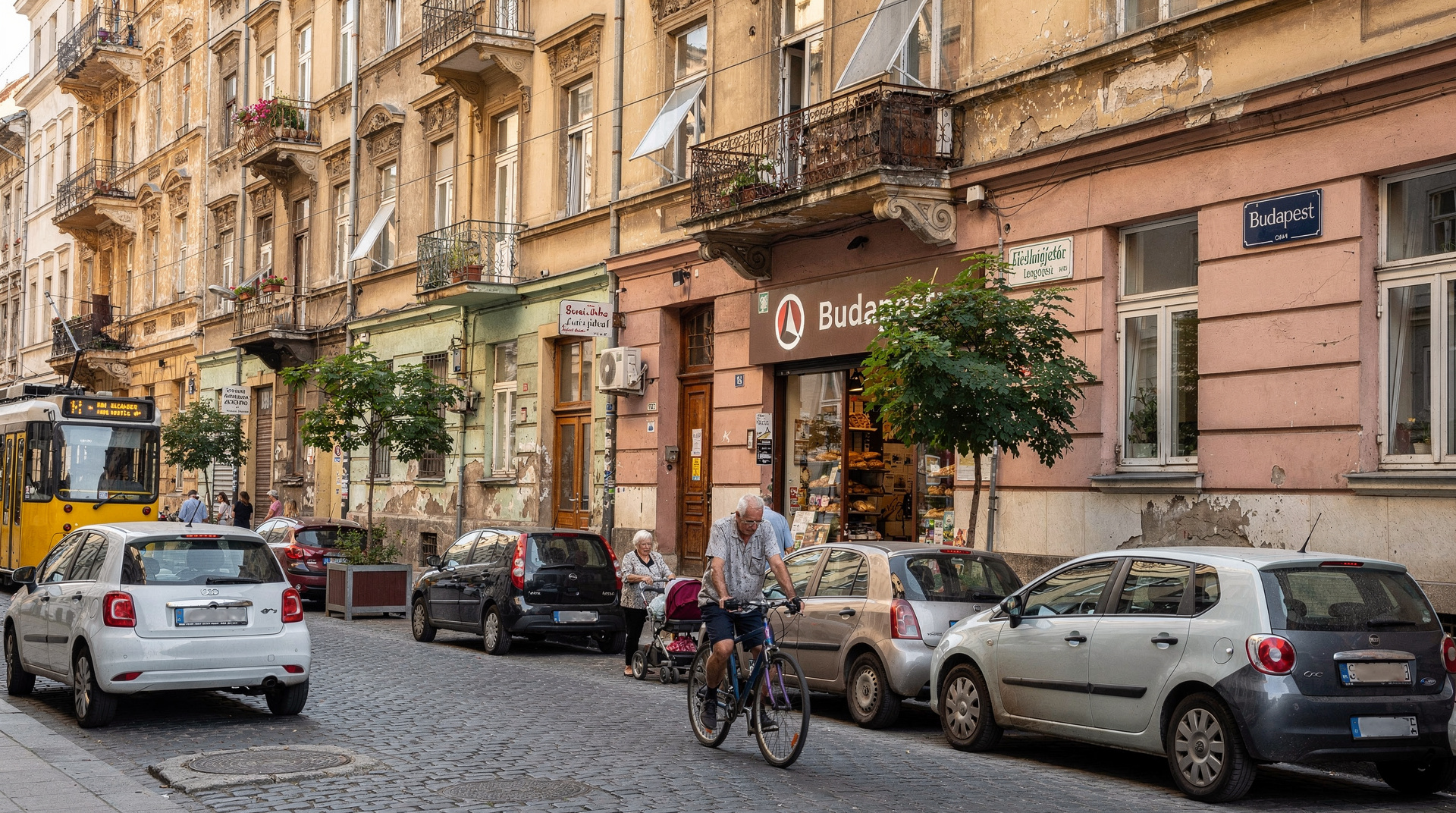
Downtown Pest — Parliament, St Stephen's Basilica and District V
Explore Downtown Pest: the Hungarian Parliament, St Stephen's Basilica, Váci utca and Vörösmarty tér — Budapest's historic civic core in half a day.

Quick facts
- Getting there
- Metro M2 to Kossuth Lajos tér (Parliament); metro M1 to Bajcsy-Zsilinszky út (Basilica); metro M3 to Ferenciek tere (Inner City).
- Parliament entry
- ~8 000 HUF (~€20) for non-EU visitors; must book a timed slot online in advance — sells out weeks ahead in peak season.
- Basilica entry
- Panorama terrace ~2 500 HUF (~€6). Main nave free, donations welcome. Tower lift included in panorama ticket.
- Váci utca warning
- Budapest's main tourist street. Restaurants charge 30–50% above neighbourhood prices for lower quality. Two streets back is dramatically cheaper.
- Christmas markets
- Vörösmarty tér hosts Budapest's largest Christmas market mid-November to 1 January — one of the finest in central Europe.
Budapest’s civic heart — grandeur and tourist traps side by side
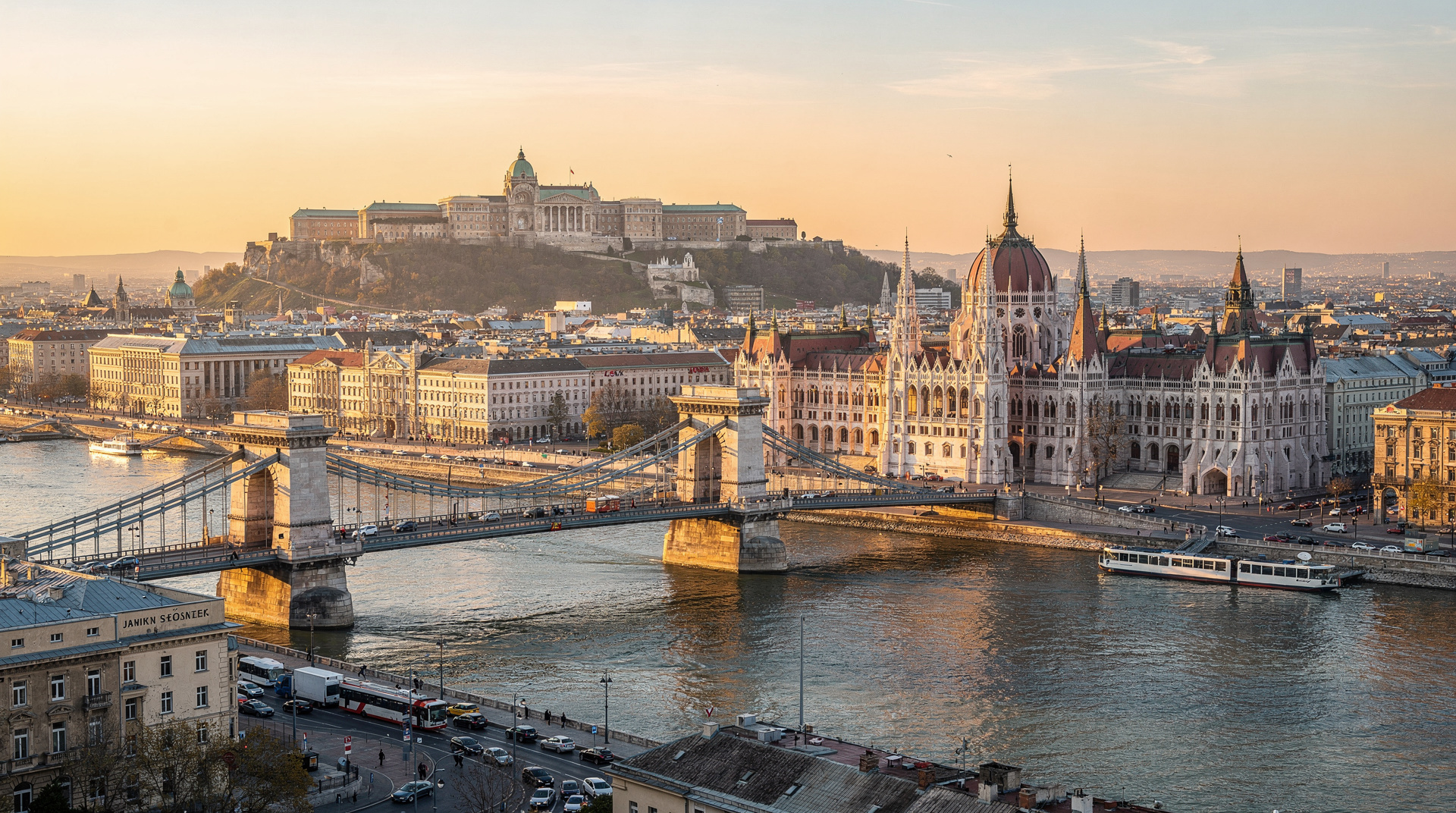
District V — Belváros-Lipótváros, the Inner City — is where Budapest performs its most official version of itself. The Hungarian Parliament dominates the northern stretch of the Pest riverfront; St Stephen’s Basilica anchors the commercial centre; the Chain Bridge connects to Buda at the south. Between these landmarks runs a grid of 19th-century streets that hold government ministries, luxury hotels, international brand shops, and an embarrassing density of overpriced tourist restaurants.
Downtown Pest is worth half a day of any Budapest visit — but the honest version of that visit requires knowing what to skip. The Parliament and Basilica are genuinely extraordinary. Váci utca is a useful orientation tool but a poor place to eat. Vörösmarty tér is pleasant outside Christmas market season (and essential during it). With a map and an appetite for context, the Inner City is one of Europe’s great civic landscapes.
| Where | District V, along the Pest riverbank and inland to Deák Ferenc tér |
| Cost | Parliament ~8 000 HUF; Basilica nave free, panorama ~2 500 HUF |
| Time needed | Half a day; add a full morning if Parliament is on the list |
| Getting there | Metro M1/M2/M3 all converge nearby |
| Best time | Mornings for Parliament; December evenings for the Christmas market |
The Hungarian Parliament — Europe’s most extraordinary neo-Gothic building
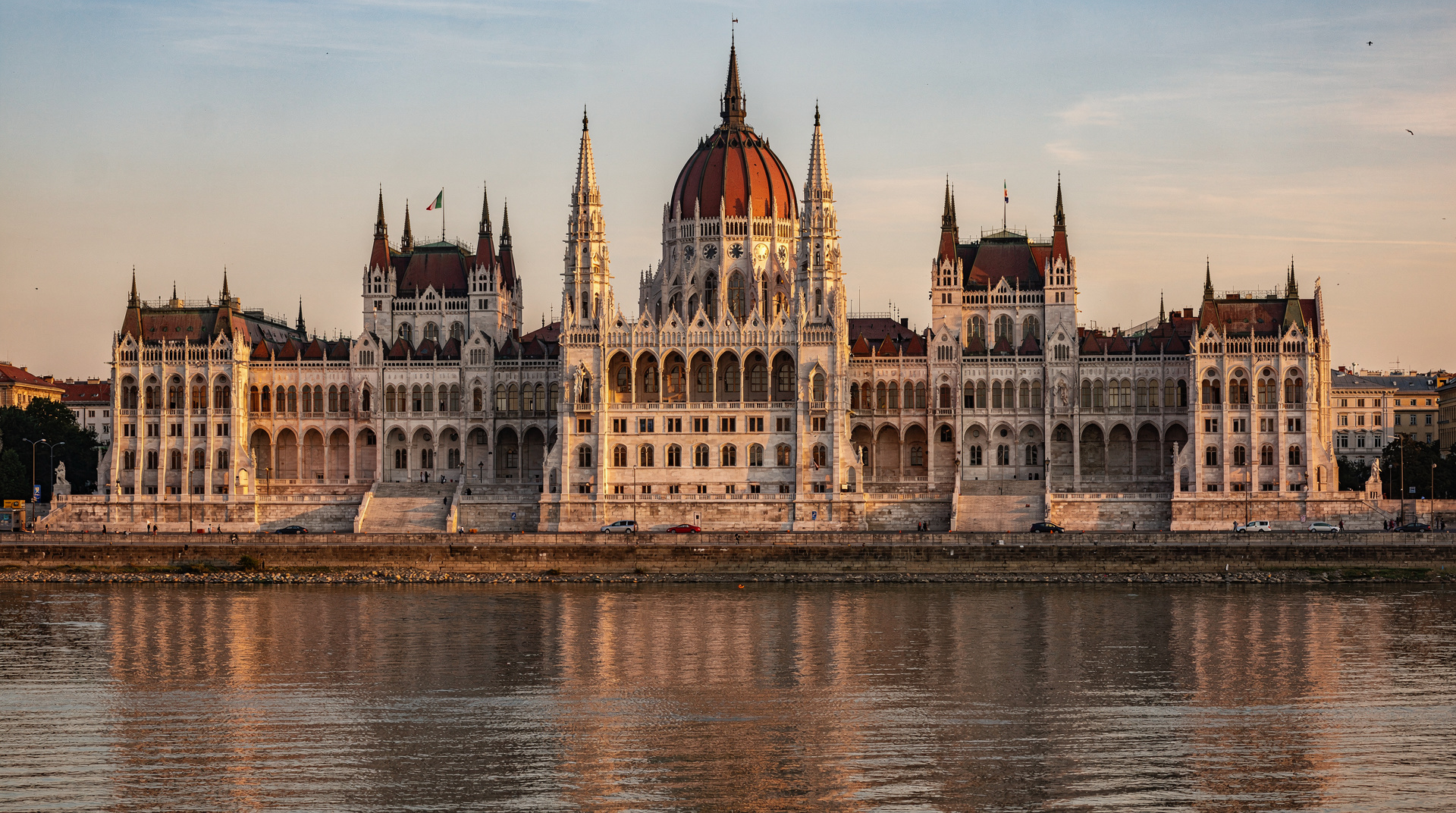
The building that defines Budapest’s silhouette from the Danube is also the third-largest parliament building in the world and the largest in Hungary at the time of its completion in 1902. Architect Imre Steindl drew on English Gothic (particularly Westminster) and French Gothic traditions, fused with Hungarian historical motifs and the neo-Renaissance planning of the era, to produce a structure that is simultaneously derivative and utterly singular.
The statistics make a kind of sense of the scale: 268 metres long, 96 metres high (the height matching both the dome of St Stephen’s Basilica and the date of Hungary’s founding in 896), 691 rooms, 29 staircases, 10 courtyards. Externally the roofline is an anthology of spires, turrets, pinnacles and decorative tracery. The Danube-facing facade, seen from the east bank at night when the building is floodlit, is one of the great photographic subjects in European travel.
The interior tour covers approximately half the building. The central feature is the dome hall, where Hungary’s royal insignia — the Holy Crown of Saint Stephen, the coronation sceptre, the orb and the sword — are displayed under constant guard. The crown is Hungary’s most sacred secular artefact, with a history that includes being buried by a fleeing queen, hidden from various invading armies, and a Cold War period of American custody at Fort Knox from 1945 until its return in 1978.
The Parliament audio guide tour allows more flexibility than a group tour — you move at your own pace through the accessible sections. Book a timed entry slot well ahead; walk-up availability is essentially zero in high season.
The building is best viewed from the Pest bank directly opposite (Kossuth tér) or — even better — from the Danube, where the full sweep of the riverfront is visible. A Danube cruise past the parliament at sunset is one of the defining Budapest experiences.
St Stephen’s Basilica — the dome that defines central Pest
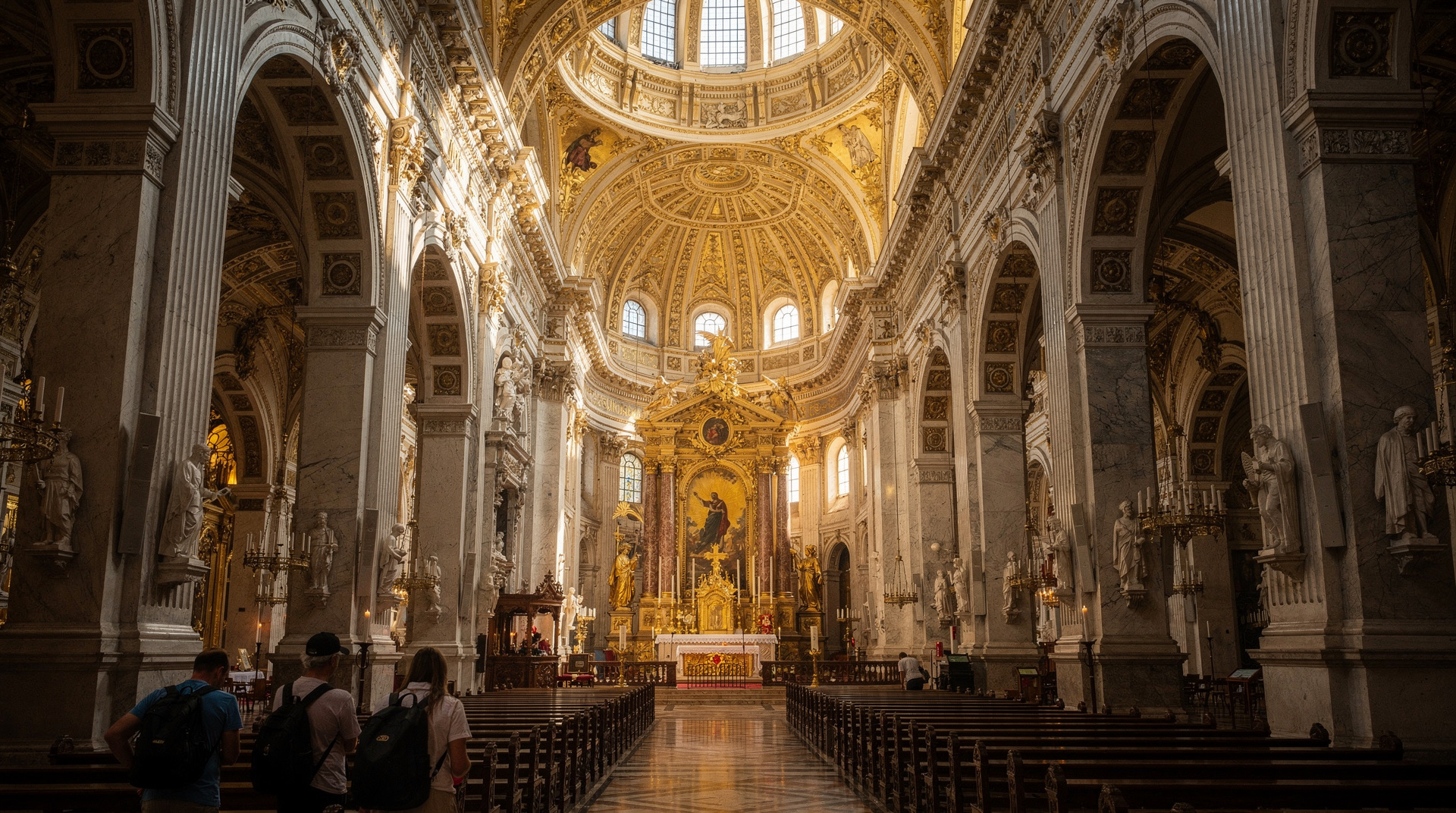
The Basilica of Saint Stephen sits at the junction of several of Pest’s major streets and can be seen from almost any elevated point in the Inner City. Its construction began in 1851 and was not completed until 1905 — partly because the original dome collapsed during construction in 1868, requiring the building to be largely demolished and restarted. The current structure by Miklós Ybl (who also designed the Opera House) and József Kauser is Hungary’s largest church, with a capacity of 8 500 people.
The interior is richest in the sanctuary: the dome fresco above the main altar, the marble baldachin over the altar itself, and the mosaics that line the dome’s interior. The most visited object in the church is the Holy Right Hand — the reportedly mummified right hand of Saint Stephen I, displayed in a reliquary chapel off the main nave. It processes through the streets annually on 20 August (Saint Stephen’s Day), Hungary’s most important public holiday.
The panorama terrace at the top of the dome provides the best 360-degree view in central Pest — higher than most of the surrounding buildings but not so high that the city loses its texture. Entry is around 2 500 HUF (~€6) including the lift. Basilica entry and panorama tickets can be booked in advance.
Classical music concerts are held frequently in the Basilica, making use of its acoustic properties and its grandeur. The grand organ concert is one of the best evening options in central Pest — a unique combination of an extraordinary interior and a live performance.
Vörösmarty tér — the city’s living room
The broad square at the northern end of Váci utca is named after the 19th-century poet Mihály Vörösmarty, whose statue occupies the centre. In normal times it is a pleasant open space ringed by cafes and the landmark Gerbeaud confectionery. From mid-November to 1 January it becomes something else entirely: Budapest’s main Christmas market, widely considered one of the finest in Central Europe alongside those in Vienna and Prague.
Gerbeaud at no. 7 is a 19th-century institution. The cakes, the coffee and the gilded interior are the experience; the prices reflect it (a slice of Dobos cake and a coffee will run around 5 000 HUF/~€12). Worth doing once.
The square connects south to Váci utca and north toward the Chain Bridge and the riverfront promenade (Széchenyi István tér), where the Four Seasons Hotel occupies the beautifully restored Gresham Palace — an Art Nouveau masterpiece worth entering the lobby of even if you are not a guest.
Váci utca — the honest assessment
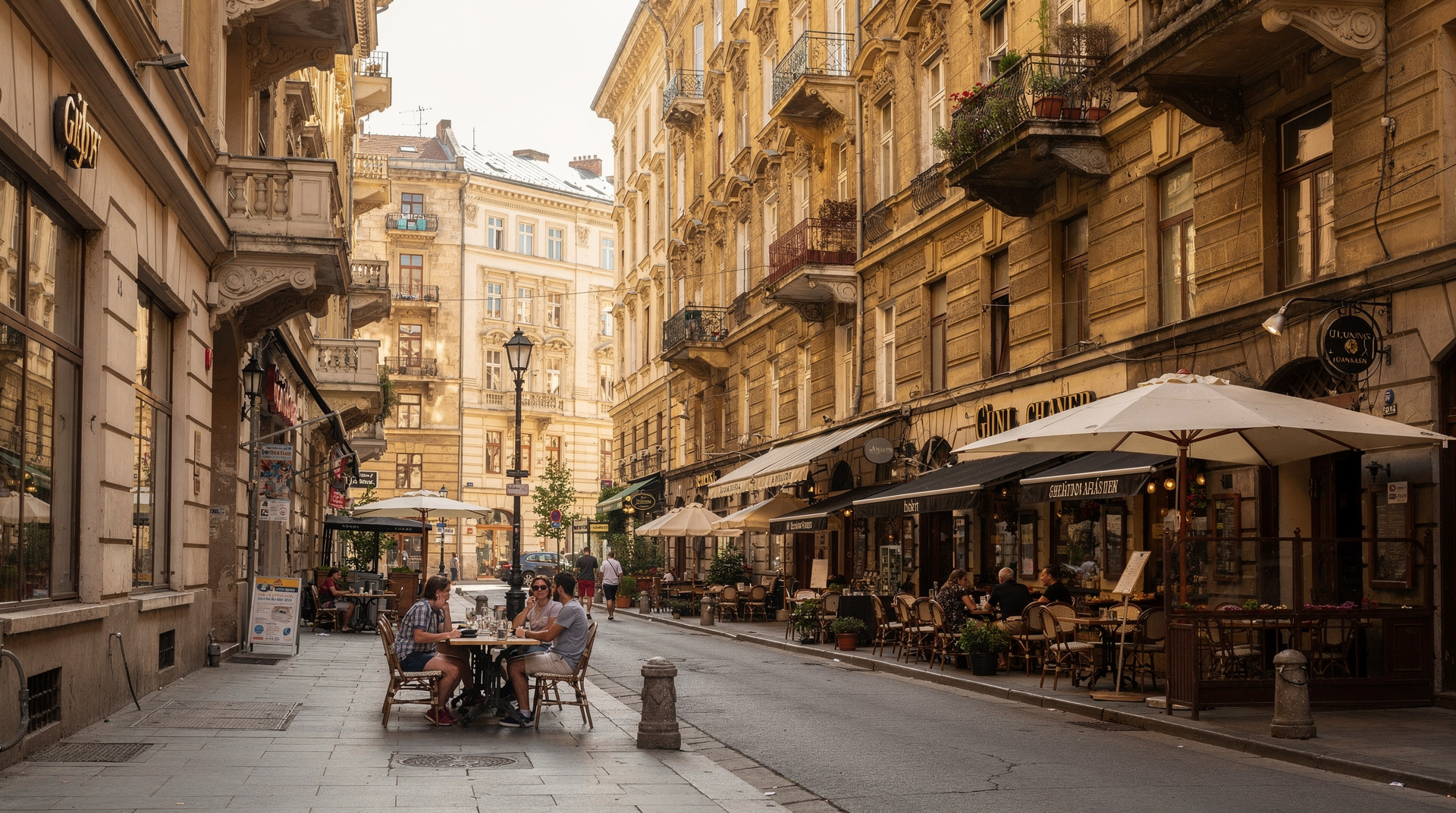
No guide to Downtown Pest can skip Váci utca, and no honest guide can recommend its restaurants without a caveat. The pedestrian street running from Vörösmarty tér to Fővám tér is the most obvious tourist corridor in the city, with prices to match: expect to pay 30–50% more than comparable establishments two streets east, for food that is often noticeably worse.
Use Váci utca to navigate and to buy postcards or a Hungarian paprika tin. To eat, head instead to:
Ráday utca (District IX, below Fővám tér): a pedestrian street with restaurants ranging from traditional Hungarian to Italian to Thai, at prices that feel normal. A good main course and beer rarely exceeds 4 000–5 000 HUF (~€10–12).
Kecskeméti utca and Veres Pálné utca: between Ferenciek tere and the Great Market Hall, these streets have a better-than-average density of decent lunch spots used by office workers rather than tourists.
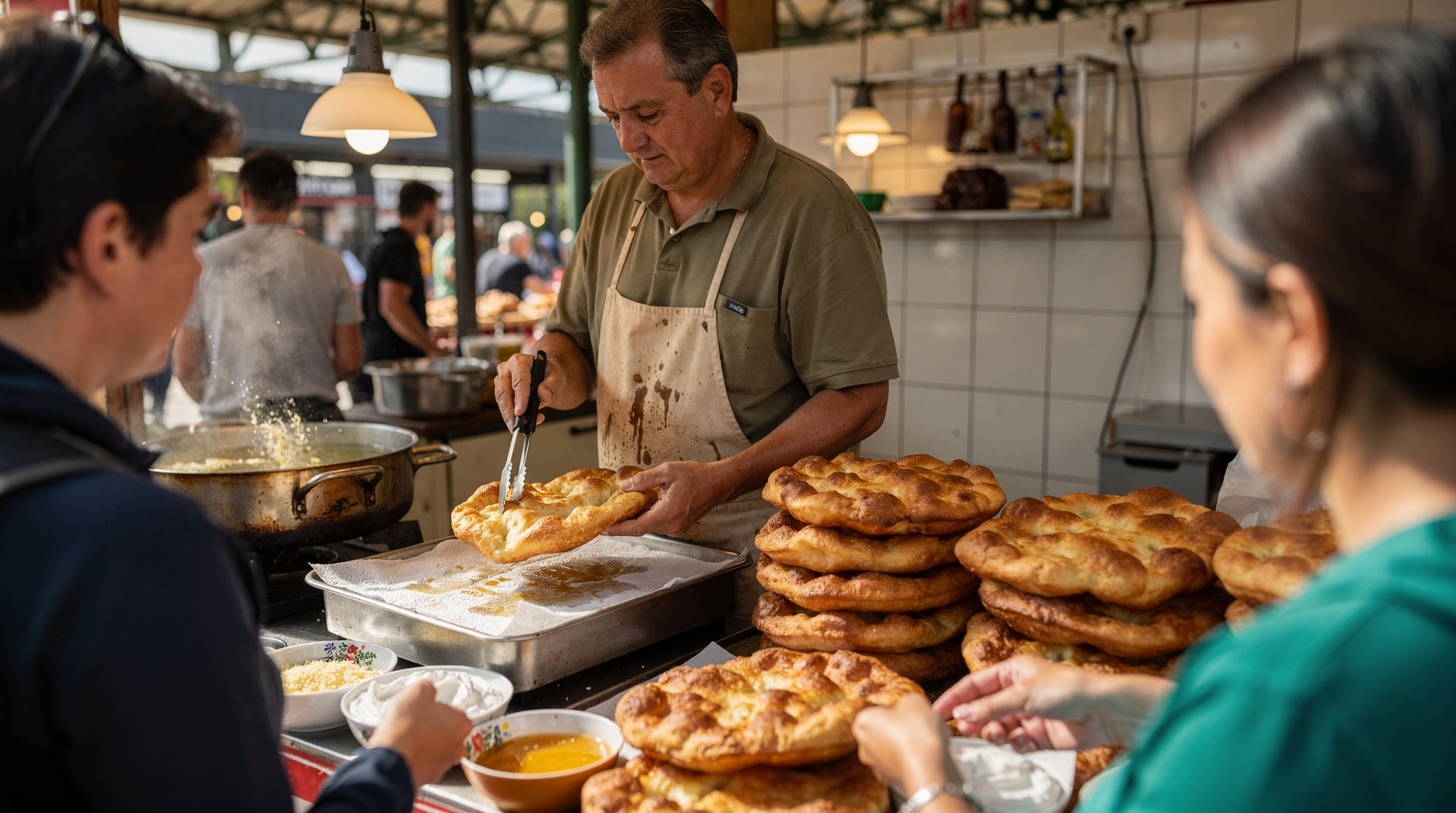
Fővám tér and the Great Market Hall: the 19th-century iron market hall at the southern end of Váci utca is well worth a visit — fresh produce on the ground floor, paprika and souvenirs on the upper floor, a lángos stand that is legitimately one of the best in the city. The food tour from market to tavern starts here and covers 14 tastings across the Inner City.
A walking route through the Inner City
A logical half-day walk from north to south:
- Start at Kossuth Lajos tér for the Parliament exterior and the statues. Early morning is best for photos.
- Walk south along the riverfront promenade (Széchenyi István tér, then Eötvös tér) with views to Buda.
- Cross the Chain Bridge to Buda side briefly for the view back toward Parliament (optional, adds 20–30 minutes).
- Return to Pest and walk east along Zrínyi utca to Október 6. utca toward St Stephen’s Basilica.
- Basilica visit including the panorama terrace — allow 45–60 minutes.
- South along Deák Ferenc utca to Vörösmarty tér and Gerbeaud.
- Along Váci utca for orientation only, then east on any side street to a less touristy lunch spot.
- Continue south to Fővám tér and the Great Market Hall.
The 2-hour city centre walking tour covers this route with a local guide who fills in the historical context — worthwhile on a first visit when everything needs naming. Doing it independently instead is entirely feasible with a map app and this route — the district is compact enough that getting slightly lost costs you minutes, not hours, and often leads to a quieter side street worth remembering.
Reading the district before you walk it
The Inner City rewards a little context. Much of what you see was built in the same era, when Pest was expanding fast and wanted its civic buildings to say so. That is why Parliament, the Basilica and the grand squares share a confident, slightly theatrical tone. If that period interests you, the Hungarian history primer gives the background, and the Art Nouveau Budapest guide points to the buildings, such as the Gresham Palace, that show the style at its best.
For a closer look at individual landmarks, the Hungarian Parliament guide and the St Stephen’s Basilica guide go deeper than this overview. The District V Belváros guide covers the streets in between, and the Chain Bridge guide is worth reading before you cross.
Practical tips for a smooth day
Start with the thing that needs a booking, then let the rest of the day flow around it. Parliament sets the schedule; the Basilica, the squares and lunch are flexible. If you are unsure how this half-day fits into a longer stay, the first-time in Budapest guide and the one-day itinerary show where Downtown Pest usually sits.
Getting around is simple because the district is compact and the three metro lines meet at Deák Ferenc tér. The Budapest metro guide and the public transport tickets guide explain how to ride without overpaying. Many visitors never need anything beyond their feet and a single metro hop.
Pay attention to how you spend, too. The centre is where the city’s worst habits cluster, and the Budapest tourist traps guide and the common scams guide are short, useful reads. If you take a taxi back to your hotel, the taxis and Bolt guide explains how to avoid the usual problems.
Where this fits in a longer trip
Downtown Pest works well as an opening or closing half-day. Many travellers pair it with the Buda side, so the Buda vs Pest guide helps you decide how to split your time, and the Castle District is the natural counterpart. If you are choosing where to sleep, the where to stay in Budapest guide compares areas, and the three-day first-timer itinerary builds this district into a wider plan.
Food is the other thread. Beyond the market hall, the Central Market Hall guide and the coffee houses guide suggest slower, more local ways to spend an hour, and the best restaurants guide helps you pick a dinner that is not on Váci utca.
Connecting onward
Downtown Pest sits at the centre of the Budapest transport network. From Deák Ferenc tér — where metro lines M1, M2 and M3 all meet — you can reach Castle District by bus 16 in 20 minutes, Jewish Quarter on foot in 10 minutes, and City Park on metro M1 in 15 minutes.
For the broader planning picture, see the Budapest travel guide and the how many days in Budapest guide. If your route continues into an evening in the Jewish Quarter, allow a 10-minute walk east from Deák Ferenc tér — the transition from grand civic architecture to the ruin bar scene happens abruptly and is part of what makes Budapest’s central districts feel so layered.
Evening options in Downtown Pest
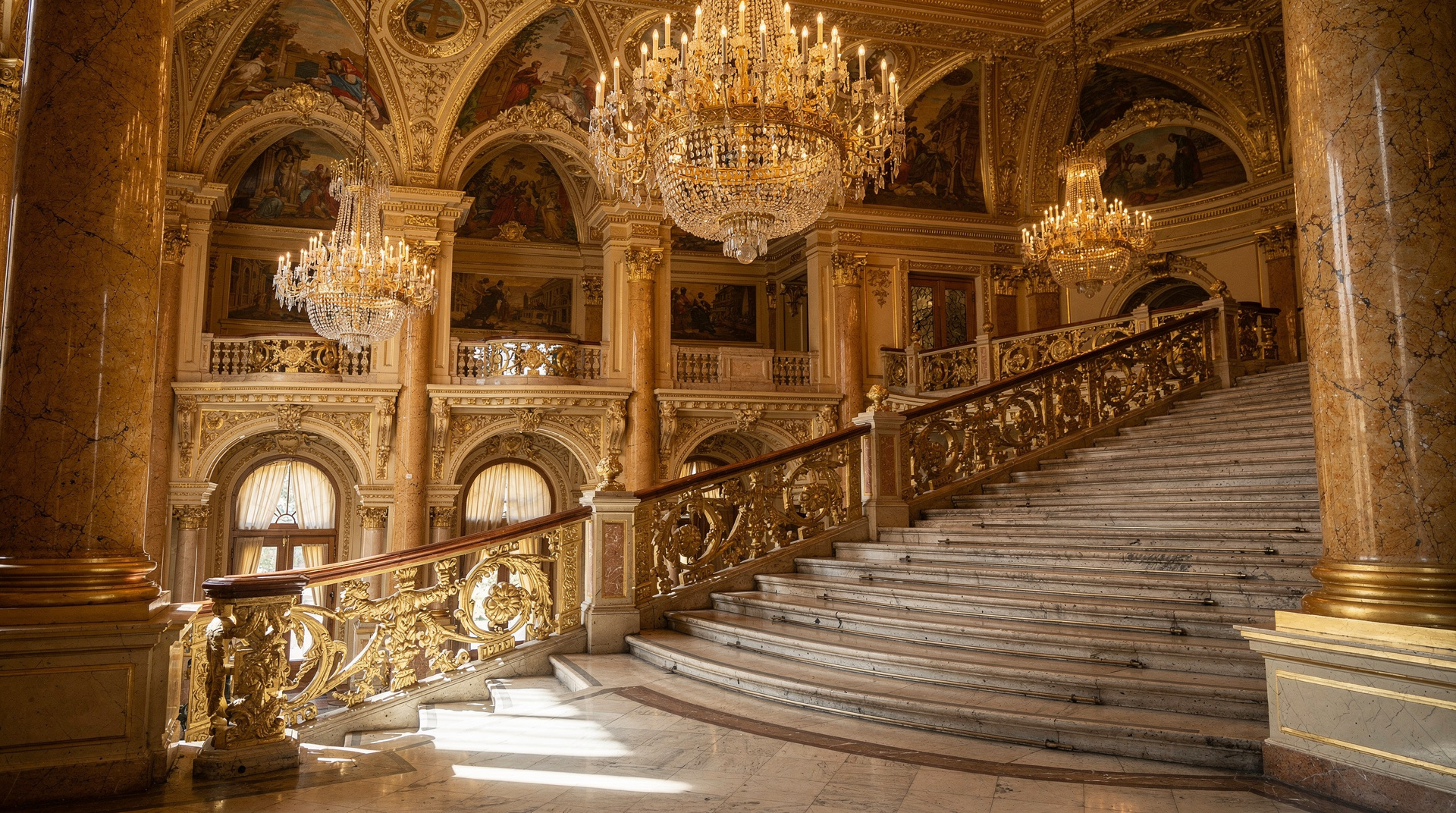
Once the day-trip crowds thin, District V shifts register. The floodlit Parliament facade, best seen from the Pest riverside promenade near Kossuth tér or from a Danube cruise, is one of the city’s great free evening sights. St Stephen’s Basilica hosts organ and classical concerts regularly — a good option if opera or ballet at the Hungarian State Opera doesn’t fit your schedule. For dinner, the streets around Ráday utca stay lively later than Váci utca and offer a calmer, less touristy evening than the Jewish Quarter’s ruin bars.
Top experiences
Bookable activities with verified prices and instant confirmation on GetYourGuide.