Budapest Card vs single tickets: is the card worth it in 2026?

Is the Budapest Card worth buying?
The Budapest Card pays off for active sightseers who use public transport daily and take up several of the free visits. A 72-hour card costs 29,990 HUF and includes unlimited transport and more than 30 free visits and activities. Light sightseers or those primarily interested in thermal baths and restaurants will not recover the cost.
The honest calculation nobody does for you
The Budapest Card is one of those travel products that sounds obviously useful and is actually quite variable in value — excellent for some visitors, a waste of money for others. This guide does the maths, compares it directly against buying single tickets, and tells you which type of traveller benefits most.
Use the Budapest Card calculator to run the numbers for your specific itinerary. This guide explains the logic behind it.
| Card breaks even at | Depends on how many free visits you use |
| 72h card price | 29,990 HUF |
| 72h transport-only pass | 5,750 HUF |
| Best for | Museum-heavy, transport-heavy itineraries |
| Skip if | Bath-, food- or nightlife-focused trip |
What you get with the Budapest Card
The card comes in four durations: 24h, 48h, 72h and 96h, plus the 72h PLUS and 72h FLEXI variants. The headline benefits are:
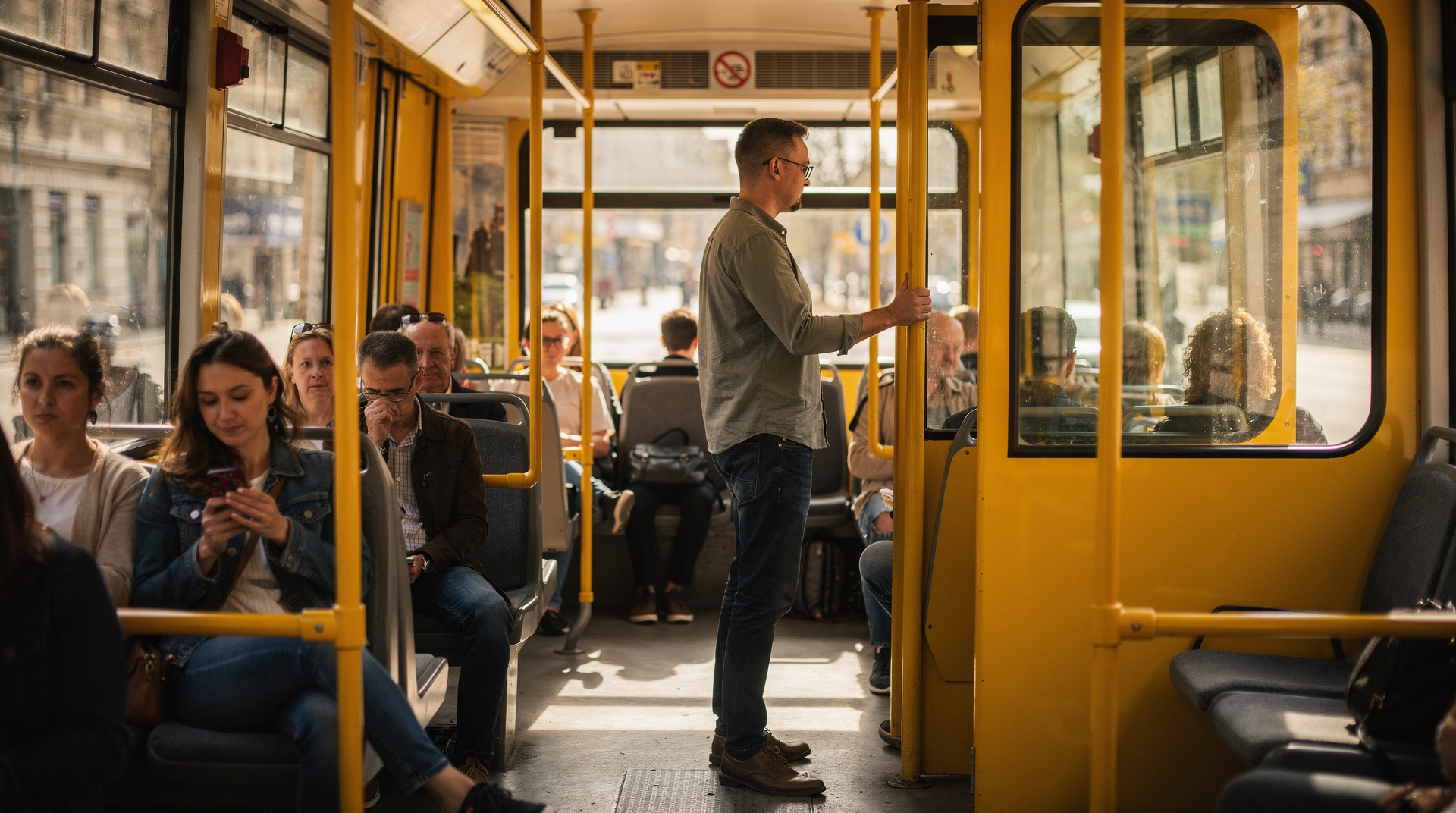
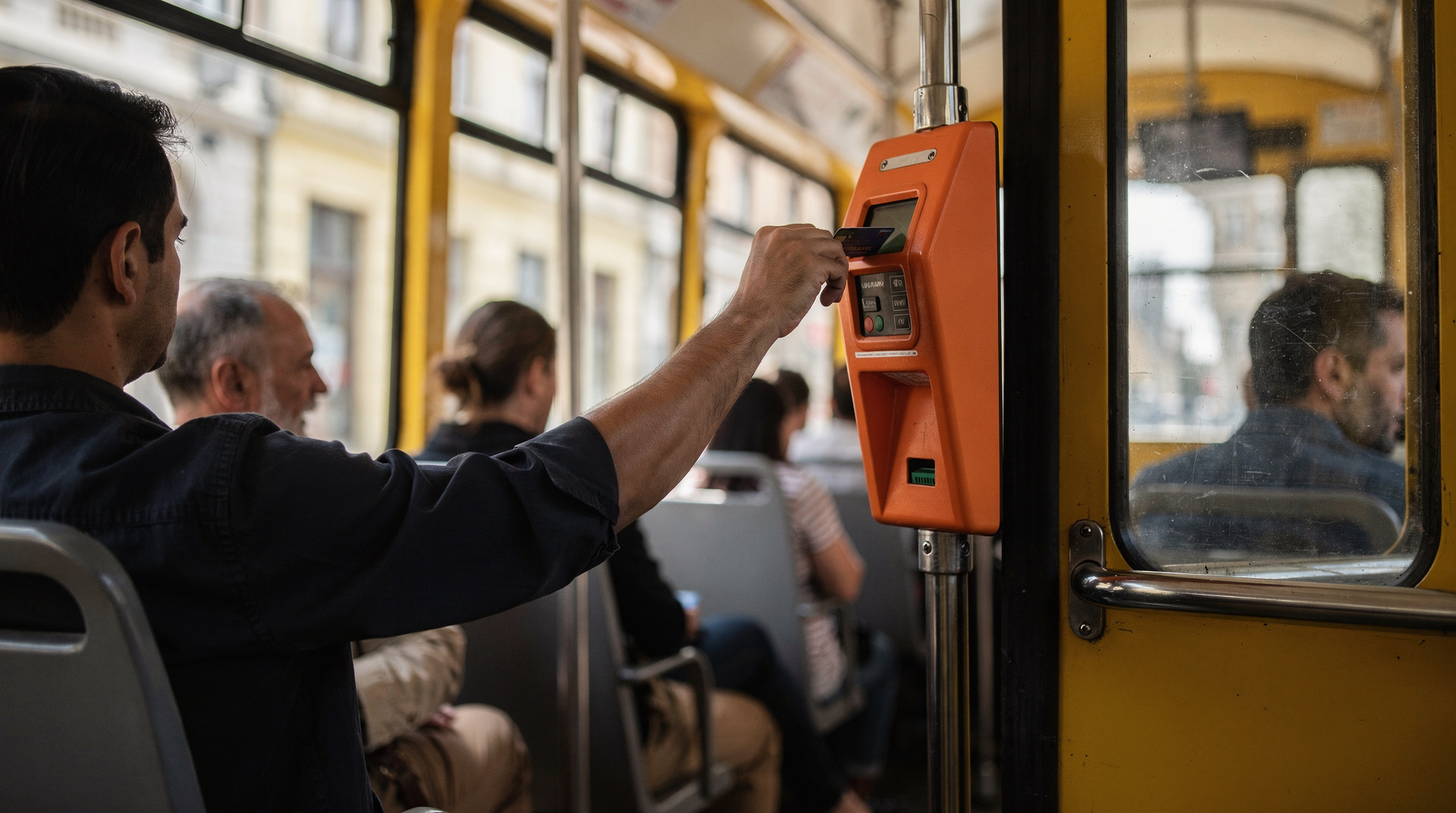
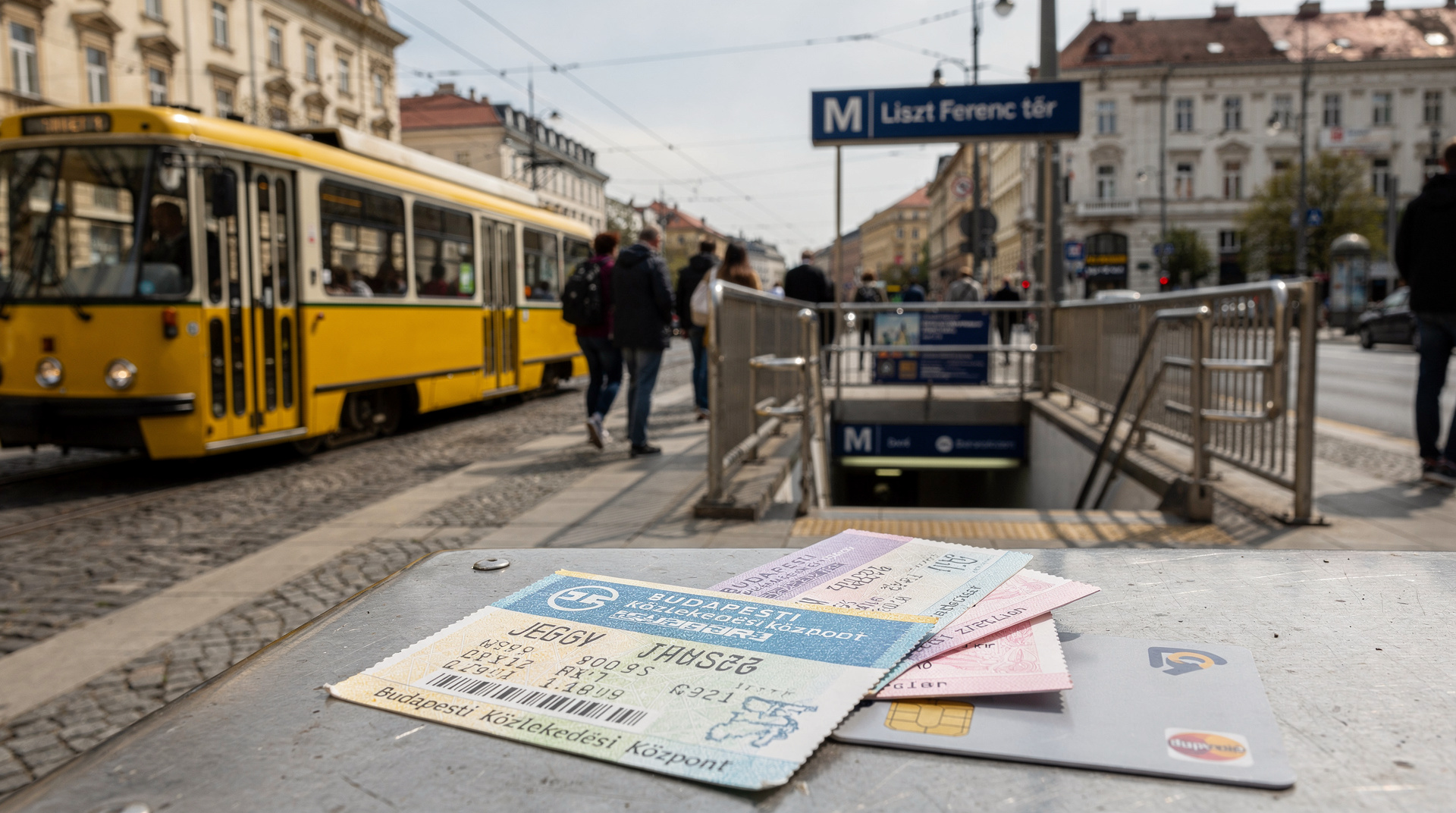
Unlimited public transport — no need to buy individual tickets or validate repeatedly. For a visitor making 6–8 transport journeys per day, this alone is worth roughly 3,000–4,000 HUF/day in saved single tickets (at 500 HUF each).
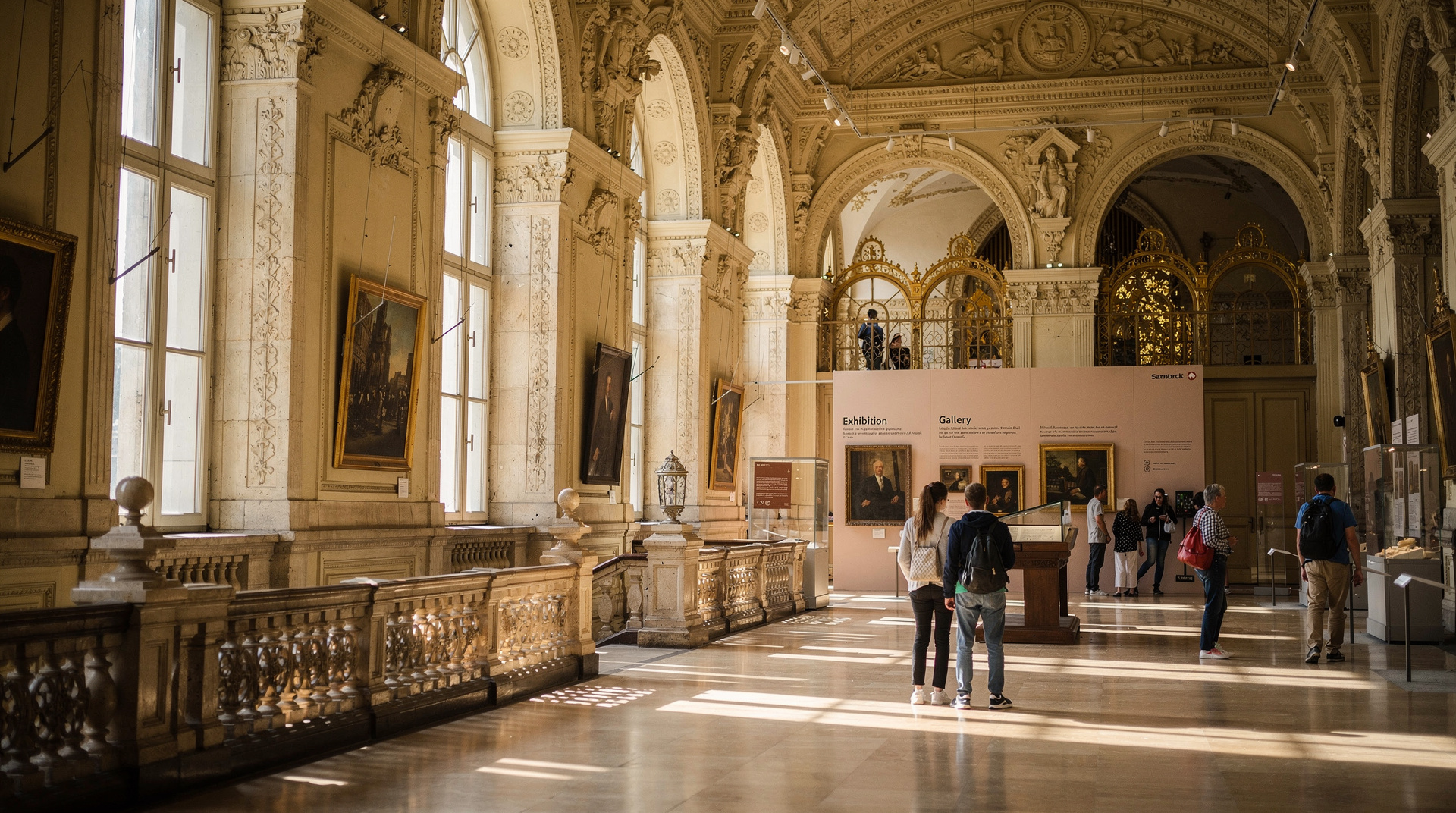
Free visits and activities — more than 30 on the current list, including the Lukács thermal bath, the Hungarian National Gallery, the Museum of Fine Arts, the Robert Capa Centre, the official Castle Bus, the Citadella and the Budavári Sikló funicular.
Discounts — 10 to 25% at restaurants, cafés, museums and baths.
The competing option: pay as you go
Budapest’s public transport is cheap. A single BKK ticket costs 500 HUF when bought in advance. Travel cards are available:
- 24h travelcard: 2,750 HUF
- 72h travelcard: 5,750 HUF
Museum entries are bought separately. Here is what a typical active sightseeing day costs without the Budapest Card:
| Item | HUF |
|---|---|
| 72h transport pass | 5,750 |
| House of Terror | 4,000 |
| Museum of Fine Arts | 4,000 |
| Hungarian National Museum | 2,600 |
| Danube sightseeing cruise | 6,500 |
| Memento Park entry + transport | 3,500 |
| Total (à la carte, 72h) | 26,350 |
The 72h Budapest Card costs 29,990 HUF, so compare it against your own list: it only pays off if you use enough of the free visits on top of transport.
Who benefits from the card
Active sightseers — if you plan to take up several of the free visits over 48–72 hours and use public transport daily, the card can pay off.
First-time visitors on a classic Budapest itinerary — Buda Castle area (Castle Bus, Budavári Sikló, Citadella), the Museum of Fine Arts, daily public transport. This profile extracts the most value.
Who should skip the card
Thermal bath specialists — if your primary goal is spending 4–6 hours at Széchenyi or Rudas and little else, the bath discount alone does not justify the card cost. Buy a thermal bath ticket separately.
Restaurant and bar-focused visitors — the card’s restaurant discounts (10 to 25%) apply only at partner venues. Foodies who spend most of their budget on meals gain little.
Visitors staying fewer than 48h — the 24h card (17,990 HUF) requires a very packed itinerary to recover. If you have one day, spend it wisely and buy individual tickets.
Budget backpackers doing mostly free activities — Fisherman’s Bastion is free. Walking both riverbanks is free. Szimpla Kert in the daytime costs nothing. The free walking tour of Pest is donation-based. If your sightseeing is low-cost by design, the card does not help.
The transport question unpacked
A 72h BKK travelcard costs 5,750 HUF. The Budapest Card costs 29,990 HUF for 72h. The difference is 24,240 HUF. To justify paying the extra for the Budapest Card over a basic transport pass, you need to extract at least that much value from the free visits and discounts.
If you take up several of the free visits and would otherwise have paid for them, you start to close the gap.
If you take up only one and mostly walk around, you are not.
The Budapest Card is available through GetYourGuide with flexible booking. Compare this against buying your 72h BKK travelcard + individual museum tickets separately to see which stack works for your itinerary.
Practical details worth knowing
Where to buy: online or at more than 300 points of sale, including the BKK customer centres at Deák Ferenc tér and at the airport.
Airport Express: the 72h PLUS formula adds the Airport Express (bus 100E).
How to plan your days around the card
The card rewards planning more than it rewards enthusiasm. Because it is a fixed-price product, the cheapest way to use it is to decide before you land which paid sights you actually want, then group them so the clock works for you rather than against you. A loose “we’ll see what we feel like” approach is exactly how people finish a 72-hour card with only one museum stamped.
A sensible way to start is to read the top attractions in Budapest and the best museums in Budapest, mark the paid ones you genuinely care about, and only then compare the total with the card. If the list is short, you already have your answer. If it is long, the card starts to look better, and a three-day overview shows how those sights can be spread across the days without rushing.
Cluster your museum days by area. The Pest side and the Buda side are separated by the river, and crossing back and forth wastes the time you are paying for. Our guide to Buda versus Pest explains how the two halves differ, and it helps you decide which side deserves a full morning. Pairing a museum with a nearby free sight, such as Fisherman’s Bastion or the Chain Bridge, keeps the day varied without adding anything to your bill.
If you prefer a ready-made structure, the first-timer highlights itinerary and the three-day Budapest itinerary both follow the classic route that the card is designed around. Treat them as a template, then swap in the museums that appeal to you.
Where the cruise fits in
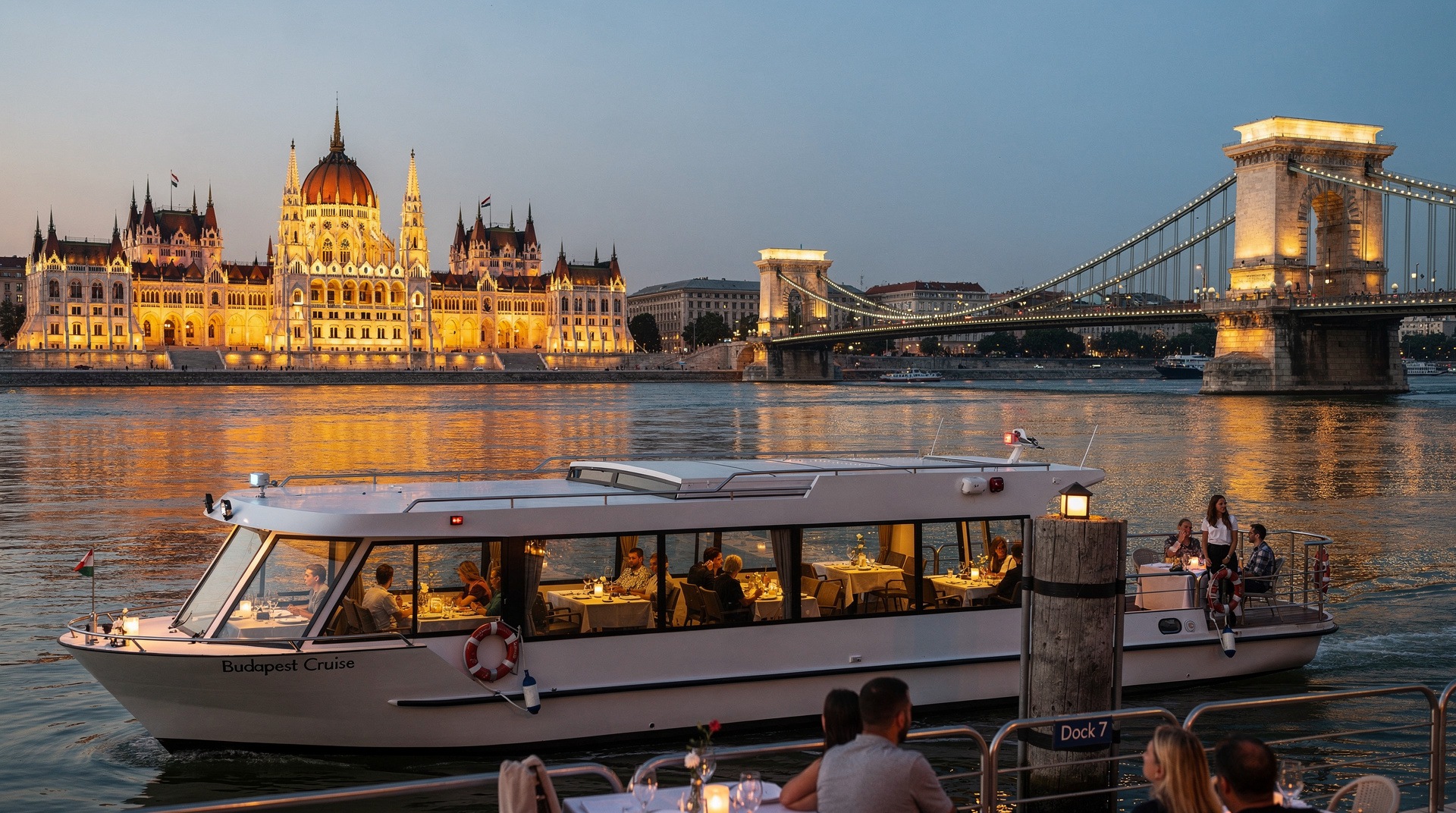
The official card information does not list a Danube cruise, so treat any river trip as a separate cost.
If you are unsure whether a river trip is for you, read is a Danube cruise worth it and the comparison of a cruise versus a walking tour. Those pages explain who enjoys the water and who would rather stay on land. For anyone who wants a river trip, a city-highlights cruise along the river is a reasonable option, and our best Danube cruises page lays out the other formats, from daytime sightseeing to evening departures.
The practical point is simple: only count in your calculation what you will really use.
Getting around without the card
Even if you decide against the card, you are not left without options. Budapest’s transport network is easy to use, and a standalone pass covers most of what visitors need. The Budapest metro guide walks through the lines, and taxis and Bolt in Budapest covers the occasional late-evening ride that no pass includes. For the wider picture of cost, the daily budget guide shows where ticketing sits next to food, drink and accommodation.
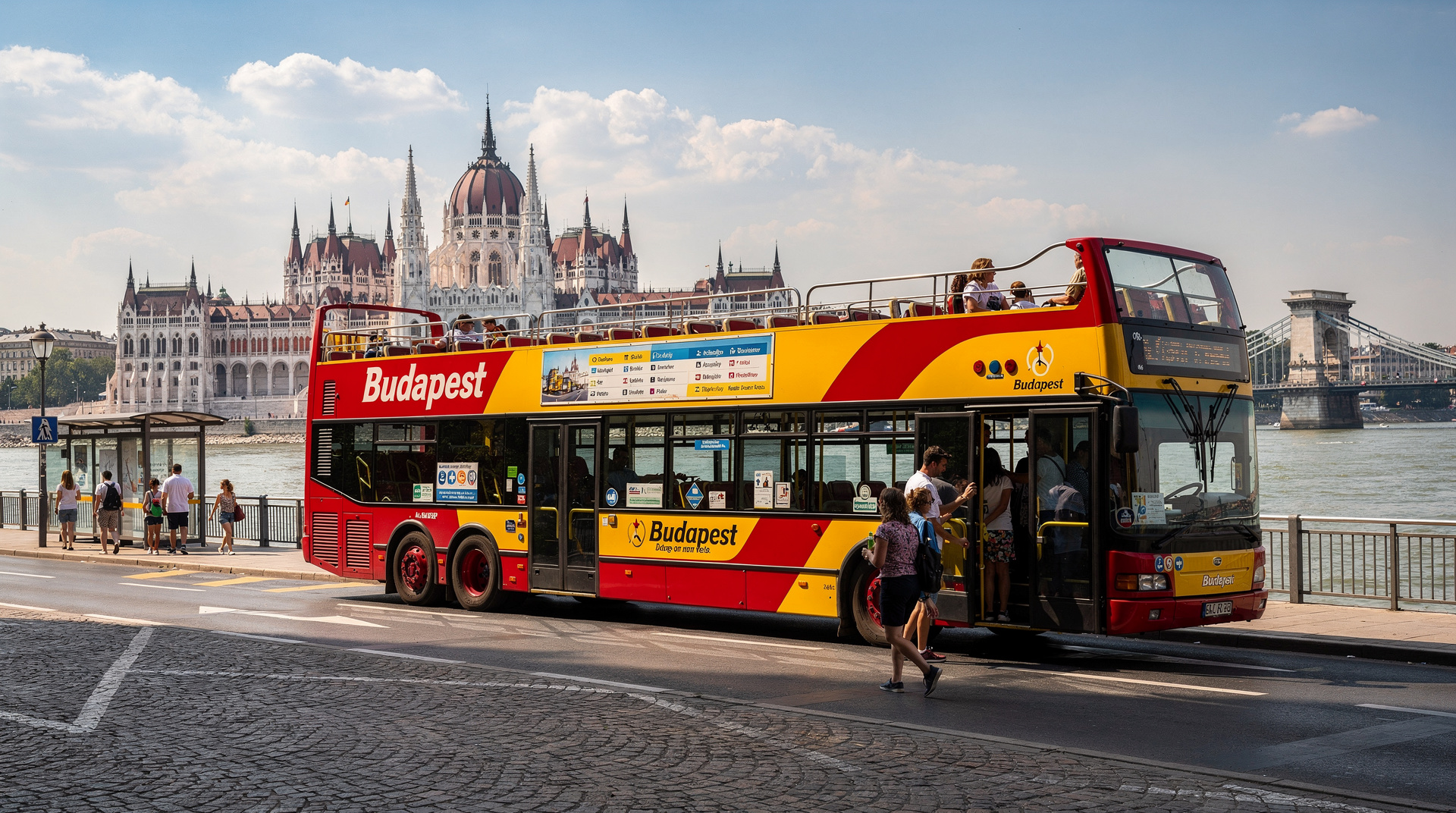
Some travellers also like a sightseeing loop as a way to see the main landmarks in one go. If that appeals, a hop-on hop-off bus ticket is one way to cover the main sights without planning a route, and the hop-on hop-off Budapest guide explains whether it suits your style. Compare it honestly against what the card already gives you before paying for both, since the overlap in transport can mean you are buying the same convenience twice.
Using both: the hybrid approach
Some visitors do well with a hybrid: buy a 72h BKK travelcard (~€14) for transport, then buy individual museum tickets for only the ones they actually visit. This works if you are selective — only the museums of your choosing.
For more detail on transport-only passes, see public transport tickets in Budapest and getting around Budapest.
A worked example: a family weekend
A family spending 72 hours in Budapest with heavy metro/tram use should add up the cost of the cards for everyone who needs one, and check the official site for any child pricing. Compare that against the same family buying separately using public transport tickets and individual museum entries, and only buy the cards if the free visits you will really use cover the difference. For the wider family-trip picture beyond ticketing, see budgeting a Budapest trip.
Common miscalculations to avoid
The most frequent error is counting free attractions toward the card’s “value” — Fisherman’s Bastion’s outer terrace, the Chain Bridge walk, and much of District VII cost nothing with or without a card. The second is assuming bath discounts close the gap on their own; a discount on one bath ticket rarely offsets the card price by itself, as covered in Budapest baths prices and tickets. Run the comparison only against things you would genuinely pay for anyway, and check is Budapest expensive for how ticketing fits the wider cost picture.
Before you decide
Two last habits make the decision easier. First, write down your realistic list of paid sights and add up their individual prices from the figures in this guide; do not guess. Second, be honest about your pace. Many visitors plan four museums and manage two, because Budapest’s baths, cafés and evenings fill the time. If that sounds like you, the first time in Budapest guide and the Budapest Card guide give a calmer view of what a typical trip really looks like. For a second opinion on the same question, see is the Budapest Card worth it, and for the transport side of the maths, BKK travel passes explains the standalone options in more depth.
Which version of the card suits which trip
Choosing the duration matters as much as choosing whether to buy at all. Because the card is priced per block of time, the sensible question is how many of those hours you will realistically fill with paid sights and transport.
24h (from 17,990 HUF) only makes sense for a single, tightly planned day, for example a Buda Castle morning followed by a museum in the afternoon. If your day is a bath and a long dinner, single tickets are the safer choice.
48h (from 23,990 HUF) suits a weekend city break where you want transport covered and plan to take up a few of the free visits. It is the version most likely to match a short, focused trip.
72h (from 29,990 HUF) fits a classic first visit, with the castle district, a major museum, a river-side evening and daily public transport. This is the format the rest of this guide uses for its comparisons.
96h (from 38,990 HUF) is for slower, longer stays, but only if your list of paid sights is genuinely long. A longer card does not create value by itself; it simply gives you more time to use the free visits you already wanted.
72h PLUS (39,990 HUF) adds the Airport Express (bus 100E). It is worth considering only if you will use that bus for your airport transfer and you also want the full card. Otherwise, the standard 72h version is the simpler comparison.
72h FLEXI (27,990 HUF) gives you five premium services of your choice. Look at the official list first and pick this version only if several of those services match things you would pay for anyway.
Buying and using the card
You can buy online or at more than 300 points of sale, including the BKK customer centres at Deák Ferenc tér and at the airport. If you arrive by air and want the card from the first hour, buying at the airport centre is straightforward, but buying online beforehand lets you compare the formulas calmly rather than at a counter.
Once you have it, keep your plan simple: start with the free visits that are furthest from each other, use the card for every public transport journey, and ask about discounts of 10 to 25% before paying in partner restaurants, cafés, museums and baths. Always confirm the current programme list on the official BKK page, since partners can change.
The bottom line
The Budapest Card is worth buying if you plan to take up several of the free visits and use public transport regularly over 48–72 hours.
If your Budapest trip is primarily baths, restaurants and nightlife, skip the card and buy tickets individually. Run your specific numbers in the Budapest Card calculator to get a personalised answer.
Frequently asked questions about Budapest Card vs single tickets
What does the Budapest Card include?
The Budapest Card covers unlimited public transport for its duration, more than 30 free visits and activities, and discounts of 10 to 25% at restaurants, cafés, museums and baths. The exact free programmes and discount partners change — check the official Budapest Card website before buying.How much does the Budapest Card cost?
In 2026 (adult, in HUF): 24h 17,990 HUF, 48h 23,990 HUF, 72h 29,990 HUF, 96h 38,990 HUF. Two 72h variants exist: 72h PLUS at 39,990 HUF (adds the Airport Express, bus 100E) and 72h FLEXI at 27,990 HUF (5 premium services of your choice). Always check current pricing on the official site.What is free with the Budapest Card?
The card includes more than 30 free visits and activities. Places named by the official site include the Lukács thermal bath, the Hungarian National Gallery, the Museum of Fine Arts, the Robert Capa Centre, the official Castle Bus, the Citadella and the Budavári Sikló funicular. Check the current list on the official site.Does the Budapest Card cover the thermal baths?
The Lukács thermal bath is among the free visits. Other baths are not free, but the card offers discounts of 10 to 25% at some baths. For a full thermal bath comparison, see /guides/szechenyi-vs-gellert-vs-rudas/.Should I buy the card before I arrive or at the airport?
The card is sold online or at more than 300 points of sale, including the BKK customer centres at Deák Ferenc tér and at the airport.Does a family with children come out ahead more often than a solo traveller?
It depends on how many of the free visits the whole family will actually use. Check the official site for any child pricing before buying, and compare the total against buying tickets separately.What is the most common mistake when comparing the card to single tickets?
Counting free sights as if the card were needed for them. Fisherman's Bastion's outer terrace, the Chain Bridge and most of District VII are free regardless of any pass — including them in a card 'value' calculation inflates the case for buying it. Only count paid visits on the official list and transport you would otherwise buy.
Top experiences
Bookable activities with verified prices and instant confirmation on GetYourGuide.