Budapest and day trips: the 7-day week itinerary

A full week in Budapest and its surroundings is a genuinely rewarding trip. The city itself fills three days without difficulty; the four day trips that follow take you through environments that are completely different from each other — the Baroque artists’ towns of the Danube Bend, the vast inland sea of Lake Balaton, the wine cellars and citadel of Eger, and the Central European capital of Bratislava just 2.5 hours west.
| Where | Budapest city days 1–3, then Danube Bend, Gödöllő, Balaton, Eger/Bratislava |
| Cost | around 343,000–538,000 HUF (€858–1,345) per person, mid-range, with or without a car |
| Time needed | seven full days; a car helps but is not required |
| Getting there | metro/HÉV in the city; trains, coaches or a rental car for the day trips |
| Best time | spring or autumn for the best balance across all five environments |
Day-by-day summary
| Day | Focus | Highlights |
|---|---|---|
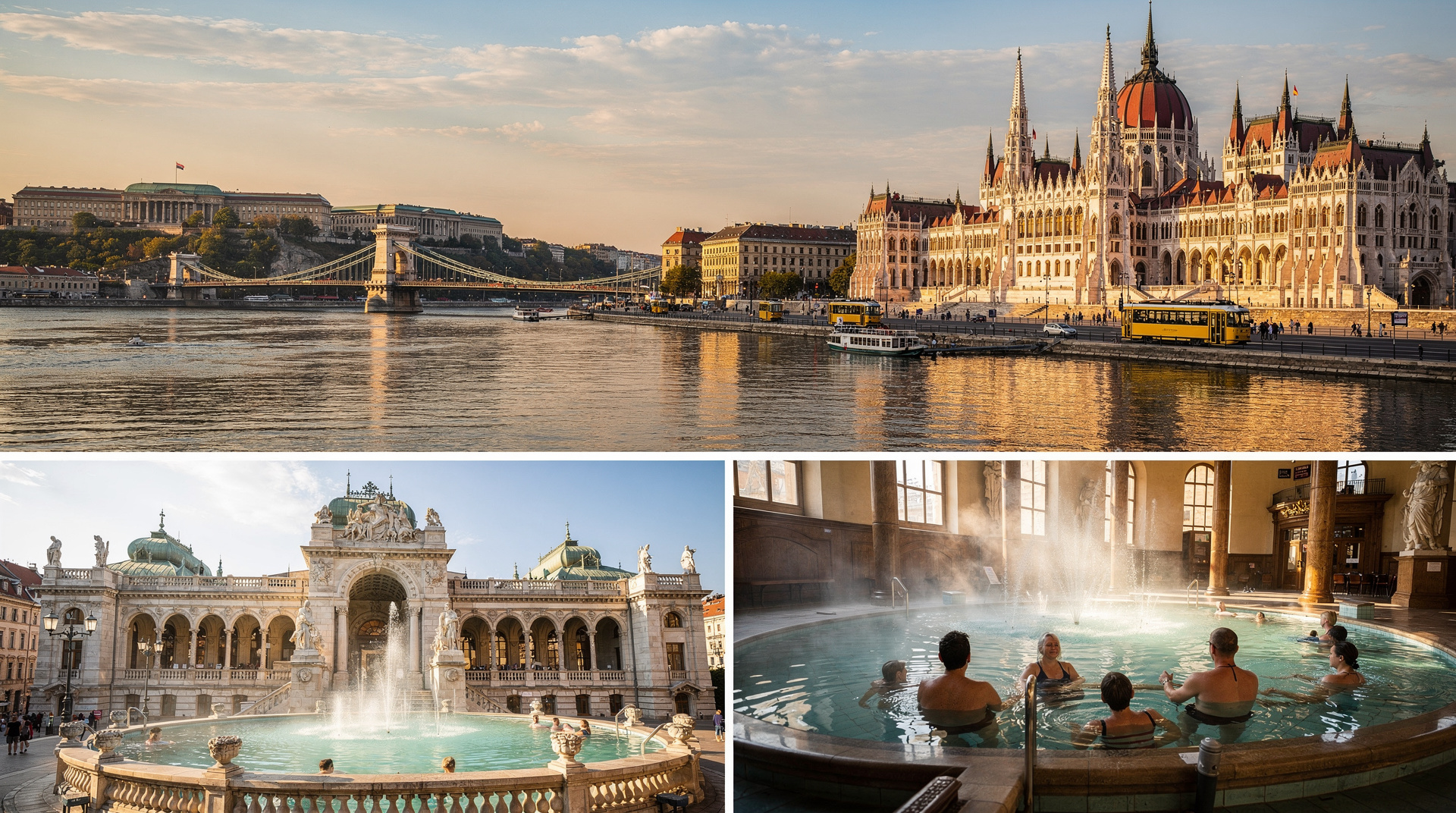
| Days 1–3 | Budapest city | Castle District, Parliament, Széchenyi, Jewish Quarter |
| Day 4 | Danube Bend | Szentendre, Visegrád, optionally Esztergom |
| Day 5 | Gödöllő | Royal Palace of Gödöllő, Sisi apartments |
| Day 6 | Lake Balaton | Tihany Peninsula, Balatonfüred, wine villages |
| Day 7 | Eger or Bratislava | Wine and castle, or a second capital city |
This itinerary is designed for independent travellers, with notes on where a car adds value versus where public transport works equally well. A car is optional — you can complete this entire week without one, though Balaton is more flexible with wheels. If a full week feels like more than you need, the 5-day itinerary keeps the city plus two day trips instead of four.
Days 1–3: Budapest city highlights
Days 1–3 follow the Budapest 3-day itinerary in full. Refer to that page for the detailed day-by-day breakdown. Summary:
- Day 1: Castle District, Fisherman’s Bastion, Matthias Church, Chain Bridge, evening on the embankment
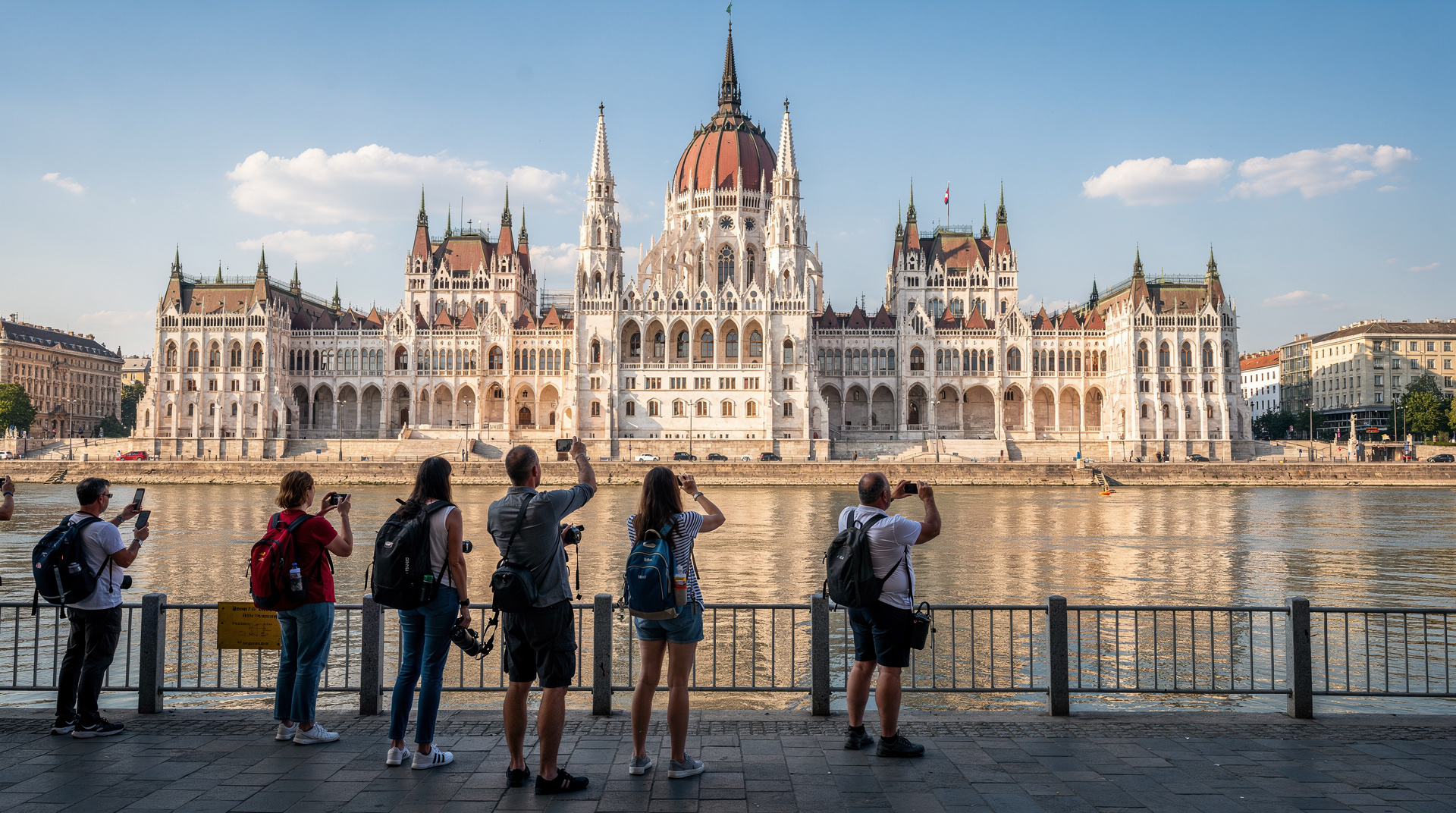
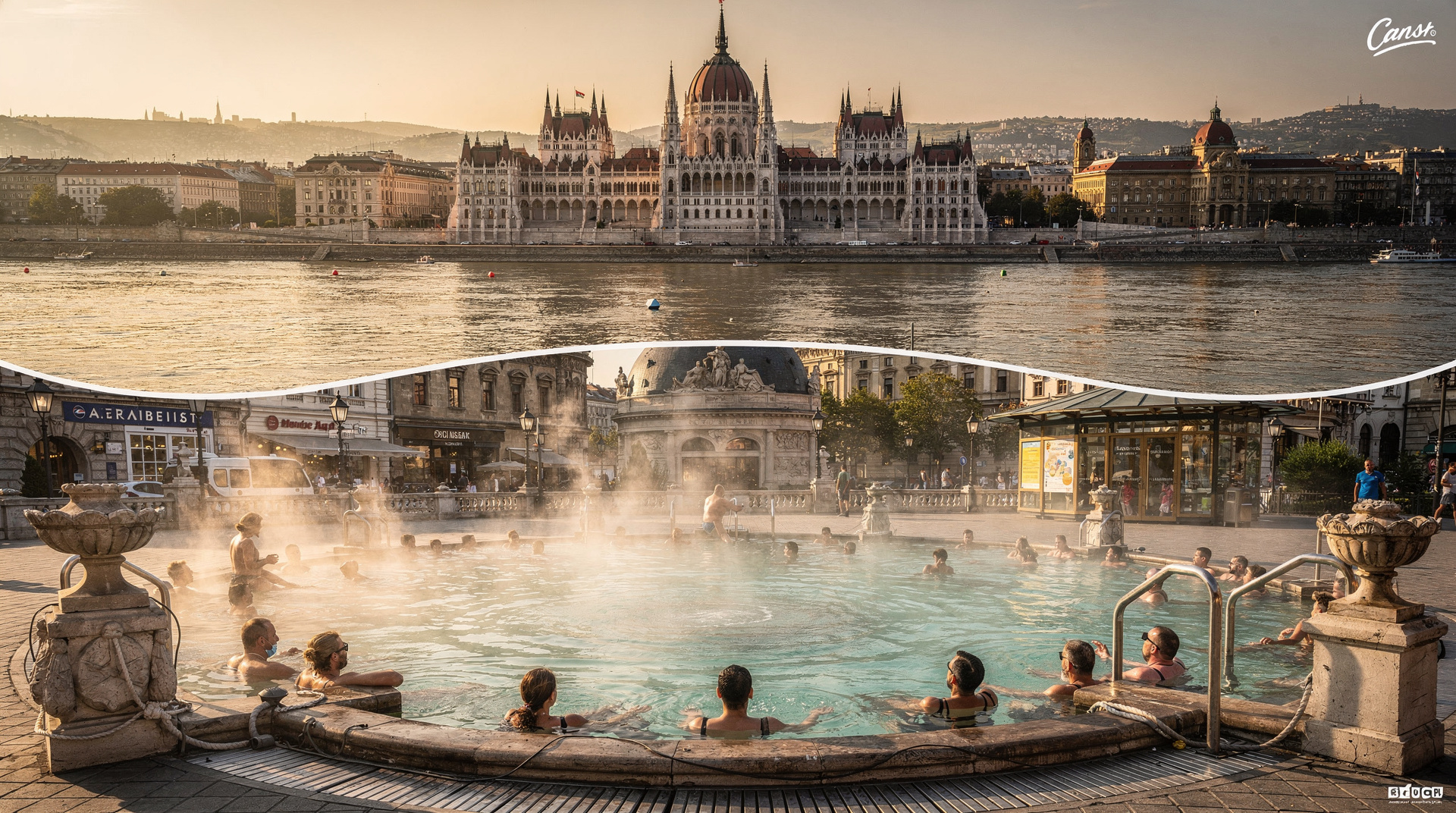
- Day 2: Parliament (pre-book), Great Market Hall, Széchenyi Baths. Book Széchenyi tickets in advance — queues without booking are punishing in summer. Evening on Andrássy út.
- Day 3: Jewish Quarter and Dohány Street Synagogue, House of Terror, evening Danube cruise and ruin bars. A Parliament audio guide tour on day 2 combines Parliament with optional extras and is one of the best standalone tour bookings.
For a city orientation covering both Buda and Pest with a local guide on day 1, see the best walking tours guide.
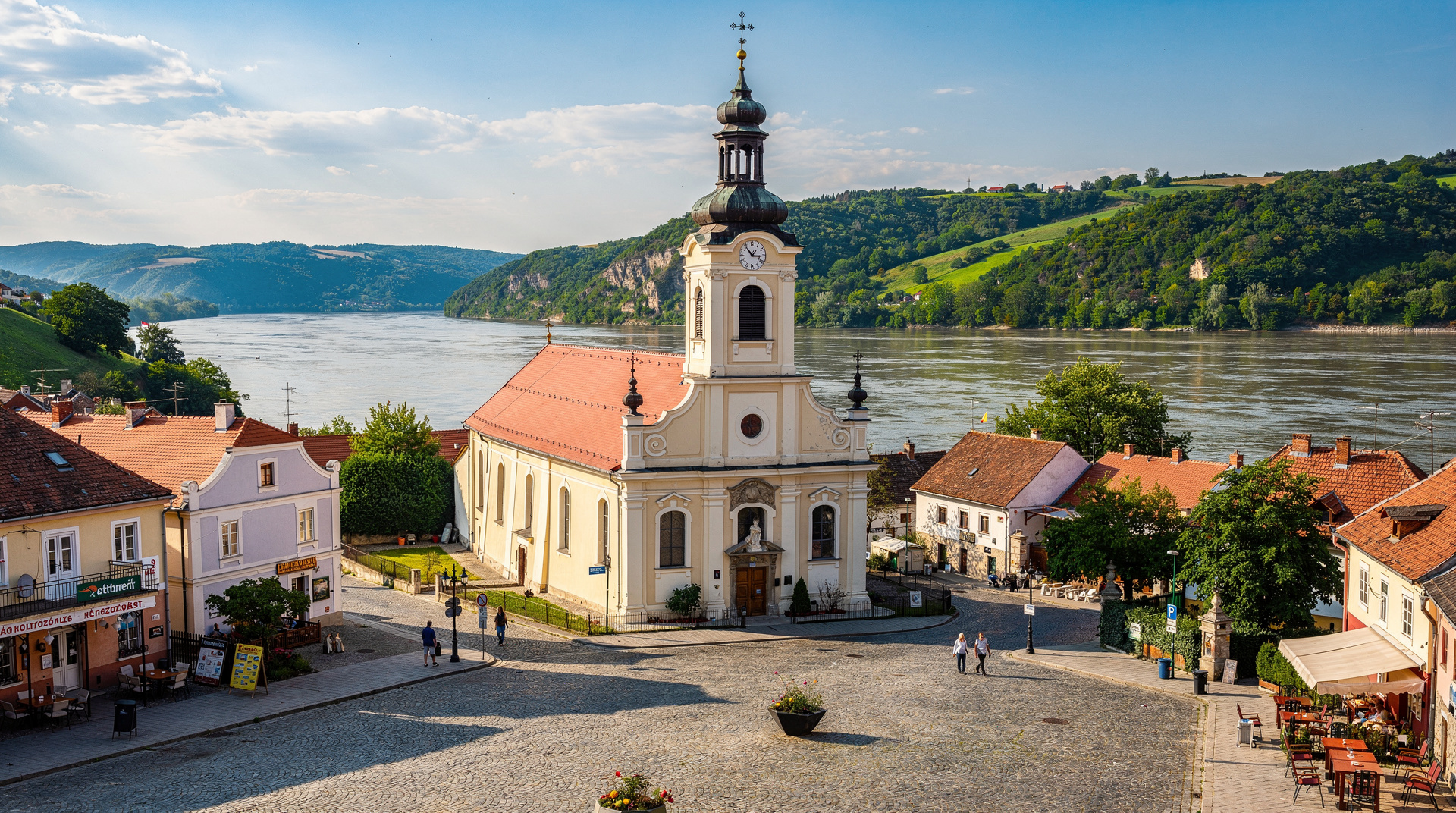
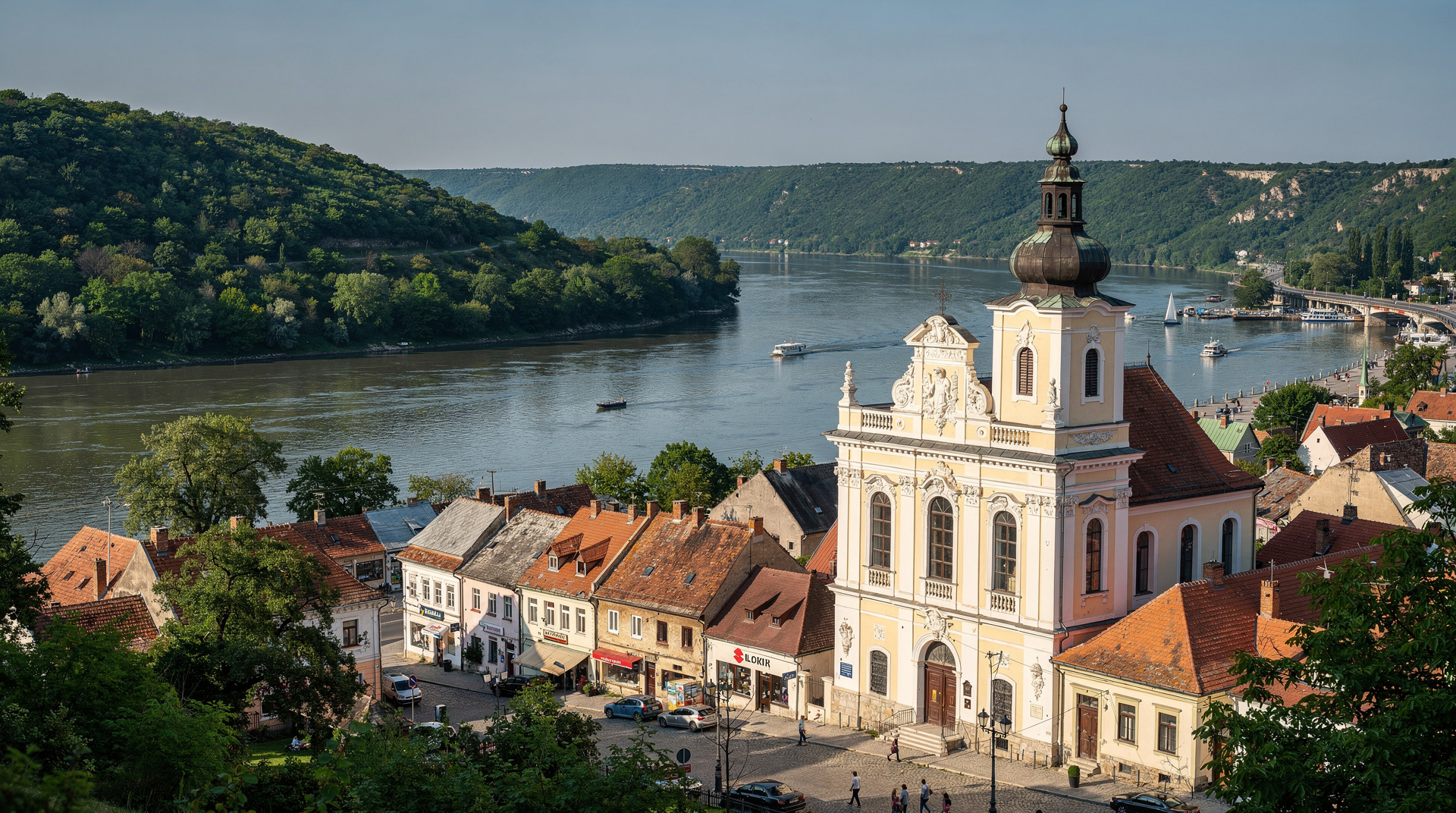
Day 4: Danube Bend — Szentendre, Visegrád and Esztergom
The Danube Bend (Dunakanyar) is Hungary’s most scenic river corridor. On day 4, leave Budapest early (8:00–9:00) to cover all three major towns in a long day.
How to get there
With a car: drive north on route 11 along the Danube’s west bank. This is genuinely beautiful, particularly the stretch between Visegrád and Esztergom where the Pilis hills descend directly to the water. Journey time: Szentendre ~30 minutes, Visegrád ~1 hour, Esztergom ~1.5 hours from Budapest.
Without a car: HÉV H5 from Batthyány tér to Szentendre (40 minutes, included in BKK passes); bus from Árpád híd to Visegrád (1.5 hours); coach to Esztergom from Stadionok. The logistics are workable but time-consuming, which is why day 4 by car covers three towns while day 4 by public transport is better limited to two (Szentendre + Visegrád).
Easiest option: a guided full-day Danube Bend tour covers Szentendre and additional stops with transport included — the simplest choice for those without a car. The Danube Bend day trip guide covers all the options.
Szentendre (9:30–12:00)
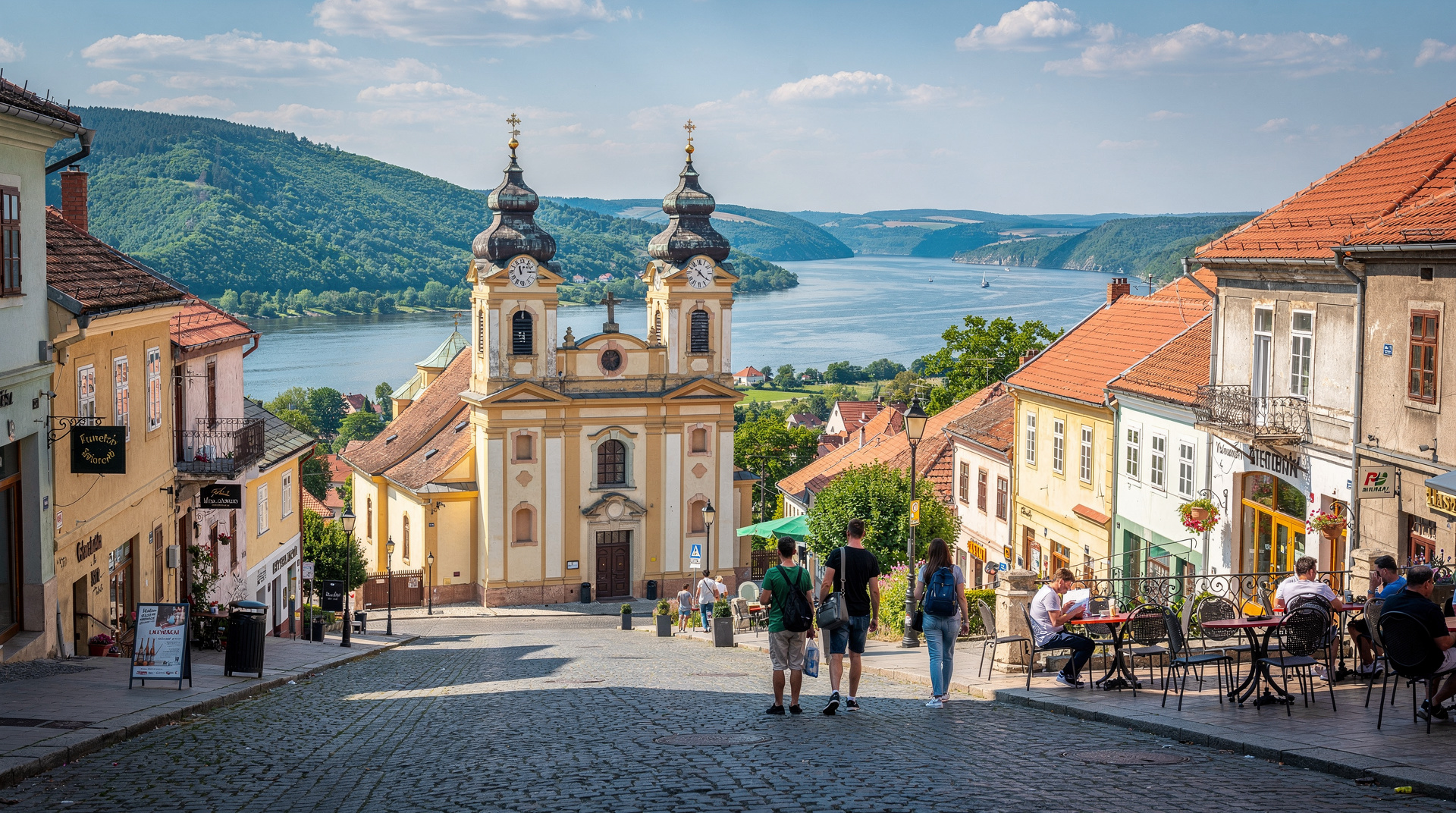
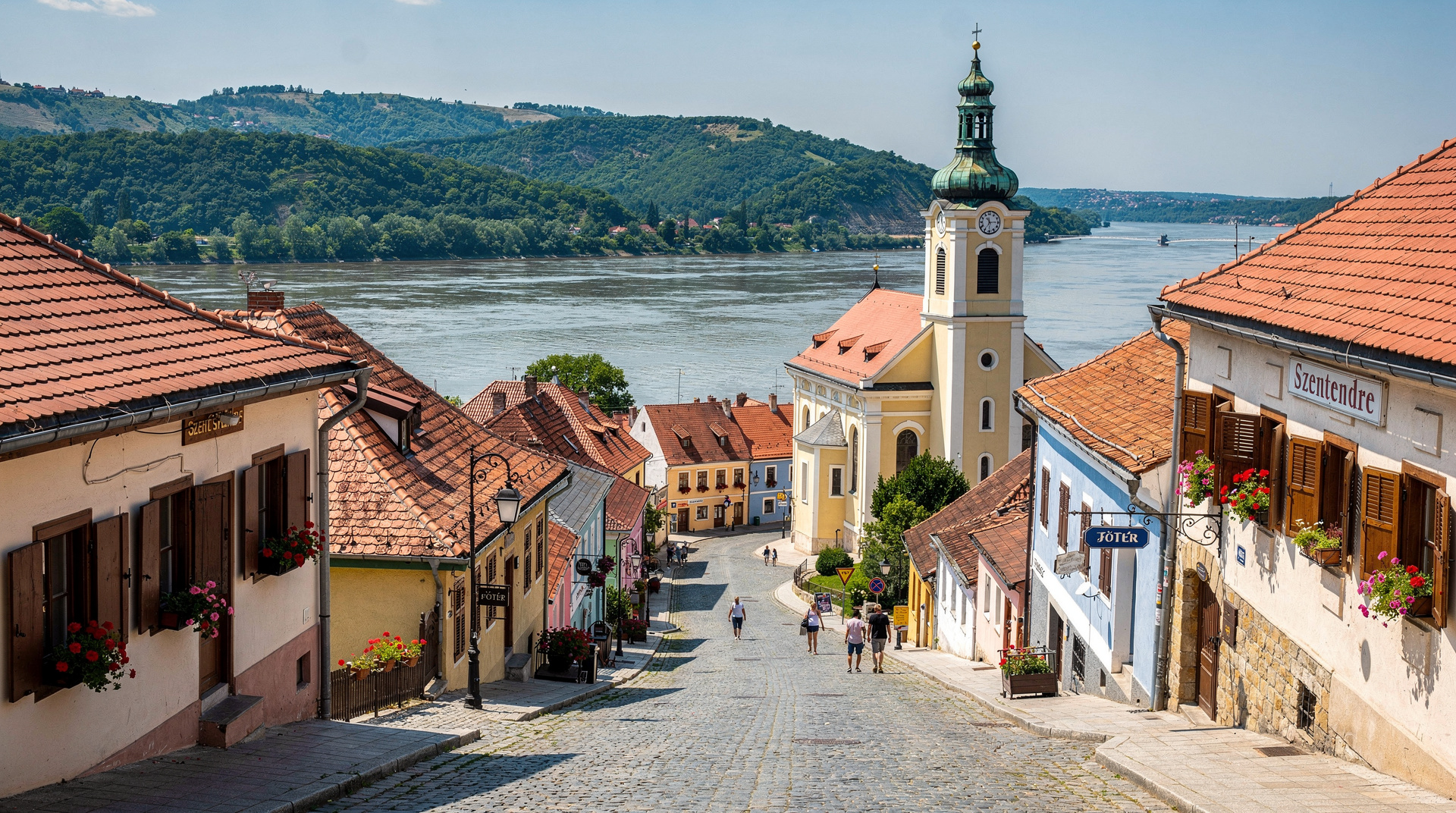
Szentendre is Hungary’s most photogenic small town: Baroque churches, Serbian Orthodox architecture, pastel merchant houses, a disproportionate concentration of galleries and craft shops. An artists’ colony since the early 20th century, it still has a creative community alongside its tourist appeal.
Spend the morning in the old town: Fő tér and its Serbian churches, the stepped lanes up to the Preobraženska Church for views, the Ferenczy Museum for Hungarian Impressionism. There are at least 20 galleries of varying quality; the better ones are signposted.
Visegrád (12:30–15:00)
Visegrád is 20 kilometres north of Szentendre. The medieval citadel on the hill above the town (Fellegvár) held Hungary’s northern border for centuries and offers one of the best viewpoints in the country. The minibus from the town centre (~800 HUF) saves a steep climb; the castle entry is around 2,000 HUF.
The Royal Palace ruins at the bottom of the hill are the remains of a once-remarkable Renaissance court that impressed European diplomats throughout the 15th century.
Esztergom (15:30–17:30)
Esztergom is the birthplace of Hungary and seat of the Archbishop — historically the most important city in the country before the Ottoman invasion. The Esztergom Basilica (Esztergomi Bazilika) is the largest church in Hungary and visible from Slovakia across the river. The Treasury inside contains one of the finest collections of medieval Hungarian sacred art in existence.
The town’s position on the Danube — the Slovak town of Párkány/Štúrovo visible across the water, the forested hills on both sides — is among the finest scenery in the country.
Return to Budapest via route 10 through the Pilis hills (about 1.5 hours by car; longer by coach).
Day 5: Gödöllő — the palace of Queen Elisabeth
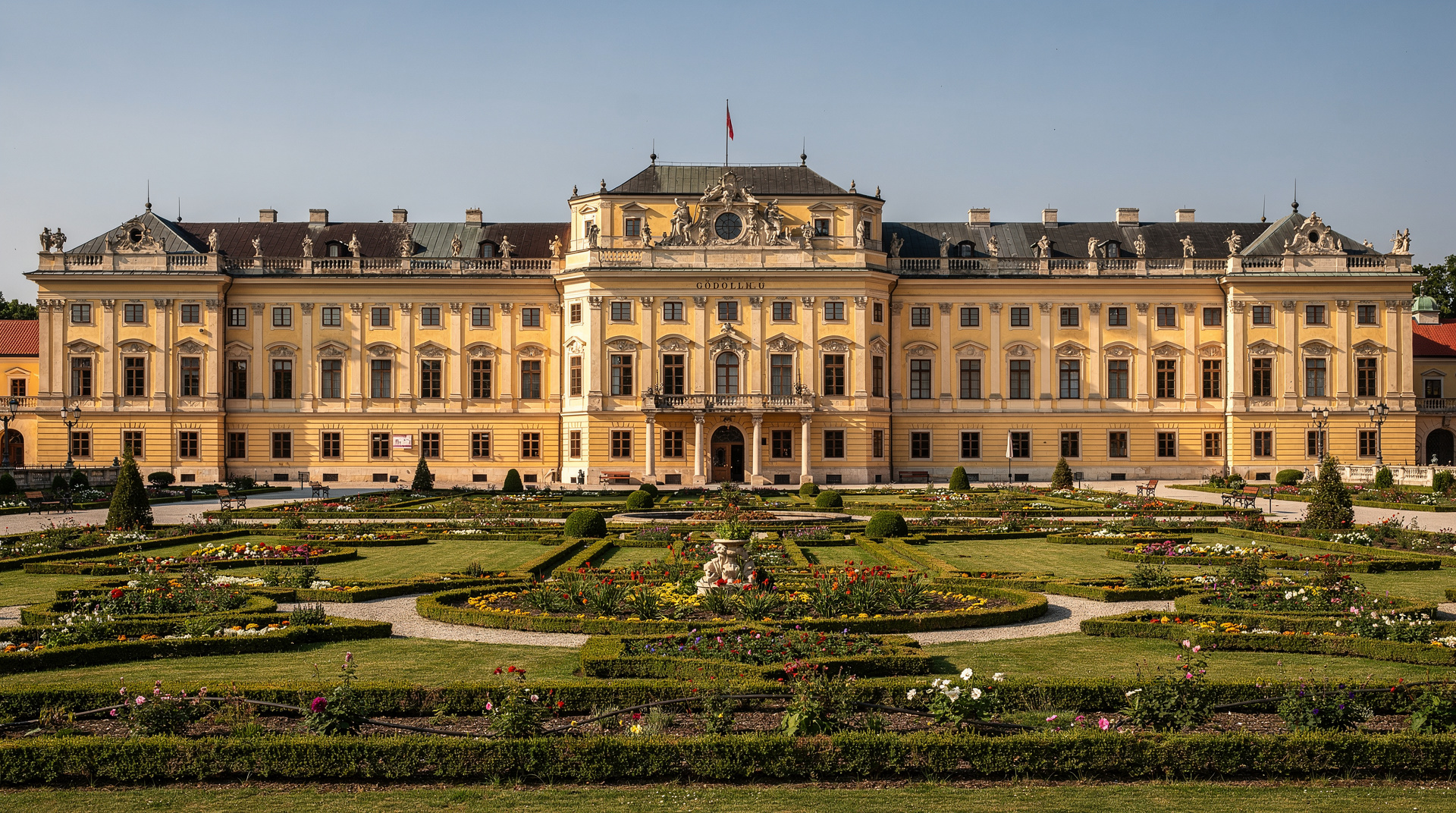
Gödöllő (pronounced roughly “GUH-duh-yuh”) is 28 kilometres east of Budapest and home to the Royal Palace of Gödöllő (Gödöllői Királyi Kastély) — the favourite summer residence of Emperor Franz Joseph and Empress Elisabeth (“Sisi”). The palace is the second largest Baroque palace in the world after Versailles, and the Sisi connection makes it one of the most visited sites outside Budapest.
Getting there
HÉV H8 from Örs vezér tere to Gödöllő (60 minutes, included in BKK passes); or MÁV train from Keleti (45 minutes, ~1,000 HUF). With a car, 40 minutes on the M3 motorway.
A guided day trip to Gödöllő Palace handles transport and includes a guide who provides context on the Habsburg court, Elisabeth’s relationship with Hungary (which was complex and politically significant), and the palace’s 20th-century uses (Soviet barracks, later hospital).
What to see (10:00–15:00)
The palace museum covers the royal apartments (Elisabeth’s apartments are particularly well preserved), the royal riding hall, the palace theatre and the baroque gardens. Allow 2.5–3 hours for the full visit. Entry approximately 4,500–6,000 HUF for adults.
The palace town of Gödöllő itself is pleasant for a walk: the main square, the Calvinist church and several good restaurants. Gödöllő Borbár is a good lunch option for Hungarian wine and food (mains 3,500–5,000 HUF).
Return to Budapest in the afternoon. Evening can be used for the Andrássy út or the Hungarian State Opera if you have not yet seen a performance.
Day 6: Lake Balaton — Hungary’s inland sea
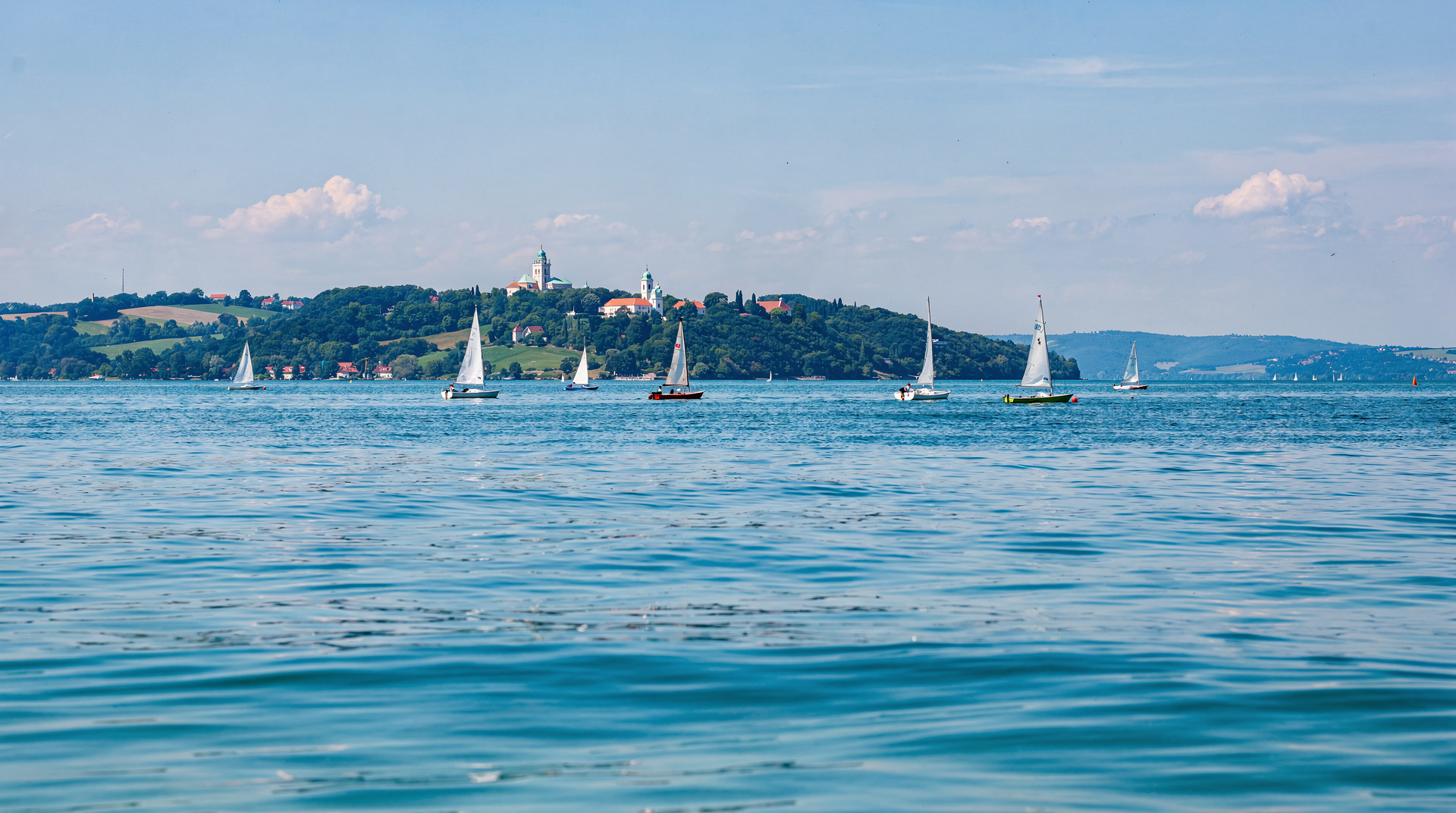
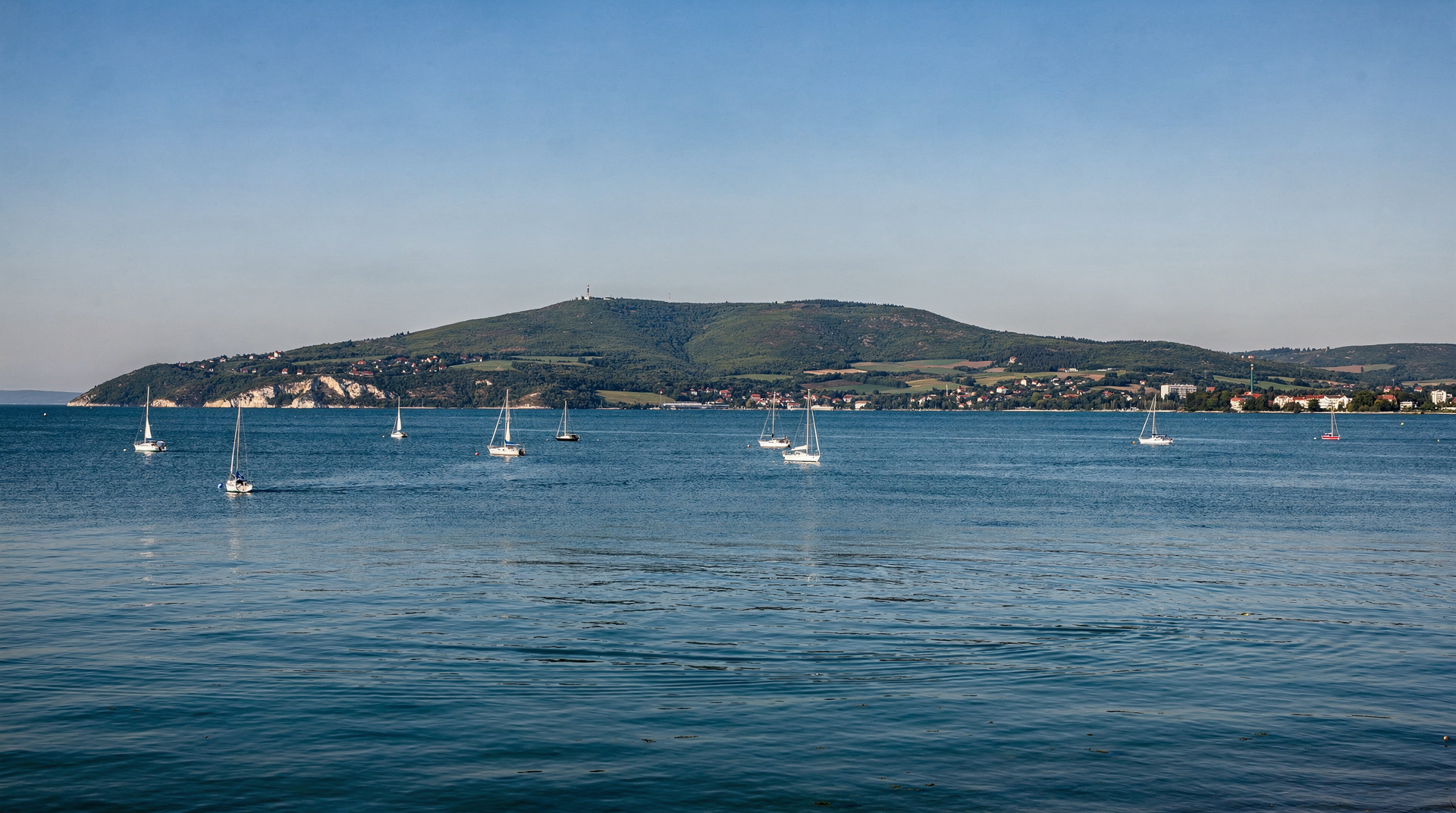
Lake Balaton — central Europe’s largest lake, 200 kilometres of shoreline — is 1.5 hours southwest of Budapest by train or 1 hour 20 minutes by car on the M7 motorway. This is Hungary’s summer resort capital: sandy beaches, wine villages on the northern shore, volcanic basalt hills, and the Tihany Peninsula jutting into the lake like a piece of Scotland dropped into the Great Plain.
Getting there
By train: departures from Keleti or Déli station to Balatonfüred (1h 45m), Siófok (1h 30m) or Badacsony (2h 30m) — the northern shore towns are quieter and better for wine. MÁV tickets from ~2,500 HUF each way.
By car: M7 motorway to the M70, then along the lake shore. Gives maximum flexibility for exploring multiple towns.
By tour: a full-day Lake Balaton tour from Budapest covers the lake highlights with transport — practical if you do not want to navigate train connections. See the Lake Balaton day trip guide for all the options.
Tihany Peninsula (10:00–13:00)
Tihany — the volcanic peninsula jutting into the lake — is the most distinctive landscape in the Balaton region. The Benedictine Abbey (founded 1055, one of Hungary’s oldest surviving churches) sits dramatically on the hill above the ferry port. The lavender fields behind the abbey bloom in June and July. The peninsula’s western side has cliffs and views over the entire lake.
From Tihany, take the ferry to Balatonfüred on the opposite shore (5 minutes, 700 HUF) — the most elegant resort town on the lake, with tree-lined promenades and a history of Hungarian literary gatherings.
Lake, wine and lunch (13:00–17:00)
The northern shore wine villages — Badacsony, Balatonboglár — are excellent for lunch combined with wine tasting. Badacsony’s basalt cliffs produce distinctive mineral whites (Olaszrizling, Szürkebarát). A cellar visit with tasting runs 3,000–6,000 HUF per person.
For an activity focus, the Tihany peninsula hike and abbey tour covers the peninsula on foot with a guide.
Return to Budapest by 19:00–20:00 for a final evening in the city.
Day 7: Eger or Bratislava — your choice
On the final day, choose between two very different excursions.
Option A: Eger — wine, history, thermal wellness
Eger is 1h 45m north-east of Budapest by intercity train (from Keleti, ~2,400 HUF one-way). The best day trip for wine enthusiasts, history lovers and anyone who wants to see Hungarian provincial life. The Baroque city centre is beautifully preserved; the 1552 castle siege against the Ottomans is the most celebrated event in Hungarian military history; and the wine — Egri Bikavér (Bull’s Blood), Egri Csillag — is excellent and inexpensive.
A combined Eger and Egerszalók wellness and history tour covers the town and the thermal terraces at Egerszalók (10 km away, geothermal limestone terraces resembling Pamukkale). For wine-focused travellers, a day in the Valley of the Beautiful Women wine cellars (Szépasszony-völgy) — drinking from 30 different cellars in a semicircular hillside — is unmatched anywhere in Hungary.
Option B: Bratislava — a different capital in a day
Bratislava is 2.5 hours west by direct bus or train (from Keleti, roughly 3,200 HUF one-way by FlixBus or RegioJet). Slovakia’s capital — a small, beautifully compact city of 500,000 on the Danube — offers a completely different urban atmosphere to Budapest.
The Old Town (Staré Mesto) is walkable in 2–3 hours; the Bratislava Castle above gives views over the Danube and the Austrian plains to the west; the restaurant and bar scene on Obchodná and the backstreets is excellent.
A guided day trip to Bratislava handles transport and includes a guide — useful since the city is small enough that you will see more with local context. The Bratislava day trip guide covers all transport options and what to see.
Car vs no car: the honest comparison
With a car:
- Danube Bend day 4: cover all three towns (Szentendre, Visegrád, Esztergom) comfortably
- Lake Balaton day 6: flexible shoreline exploration, multiple wine villages
- Gödöllő: faster and more direct than HÉV
Without a car:
- Danube Bend: HÉV to Szentendre + bus to Visegrád — doable but limits to two towns
- Lake Balaton: trains run frequently and cover Balatonfüred, Siófok and Badacsony — this works well
- Gödöllő: HÉV H8 is direct and easy
- Eger: train from Keleti is comfortable
- Bratislava: bus or train is the most practical option regardless
Car rental in Budapest runs approximately 10,000–20,000 HUF/day (€25–50) for a basic vehicle. Parking in the city is expensive and complicated — pick up the car on day 4 (first day trip) and return it after day 6 or 7. No point having a car for the Budapest city days.
Seven-day budget overview (per person, mid-range)
| Item | HUF | EUR approx. |
|---|---|---|
| 7 nights accommodation (mid hotel) | 140,000–220,000 | €350–550 |
| City transport (BKK weekly pass) | 7,500 | €19 |
| Parliament tour | 7,000 | €18 |
| Széchenyi Baths | 11,000 | €28 |
| Synagogue + Matthias Church | 8,500 | €21 |
| Day trips (transport, 4 trips) | 20,000–40,000 | €50–100 |
| Gödöllő Palace entry | 5,500 | €14 |
| Eger wine tasting | 3,500 | €9 |
| Dinner cruise (day 3) | 15,000 | €38 |
| Meals (7 days) | 100,000–150,000 | €250–375 |
| Car hire (3 days, optional) | 35,000–50,000 | €88–125 |
| Misc entries + drinks | 25,000 | €63 |
| Total (without car) | ~343,000–488,000 | €858–1220 |
| Total (with car) | ~378,000–538,000 | €945–1345 |
A week in Budapest and surroundings costs substantially less than an equivalent week in Vienna, Prague or Warsaw at similar hotel quality.
If a full week feels ambitious, which day trips to keep
Not every traveller wants five distinct environments in seven days, and this itinerary works fine trimmed down. If you have to lose one day trip, drop Gödöllő first — it’s the most single-purpose of the four (essentially one palace) and the easiest to visit on a future trip. If you have to lose two, drop Gödöllő and choose between Eger and Bratislava on day 7 rather than doing both as separate days — the “your choice” framing in that section works just as well collapsed into a single decision rather than sequential days. The Danube Bend and Lake Balaton are the two hardest to cut: they represent the two landscapes (river valley, inland lake) that contrast most sharply with the city itself, and together they justify the “and day trips” part of this itinerary’s name.
If you’d rather keep the week but reduce the transport load, base yourself in central Pest for the whole trip rather than trying to minimise return journeys — Budapest’s rail and coach stations (Keleti, Nyugati, Stadionok, Árpád híd) are spread around the city, and a central hotel keeps the walk or metro ride to whichever station you need roughly equal each morning.
Seasonal recommendations
Spring (April–May): ideal for the outdoor elements — Lake Balaton walks (the lake swimming season is June–September), Danube Bend without summer crowds, palace gardens in bloom. Summer (June–August): Balaton swimming is excellent; Eger wine at peak; Sziget Festival mid-August adds a crowd layer to Budapest. Book everything ahead in summer. Autumn (September–October): wine harvest season in Eger and Badacsony, pleasant temperatures, significantly fewer tourists than summer. Winter (November–March): Christmas markets in Budapest (mid-November to January 1), thermal baths at their most atmospheric, day trips reduced to Gödöllő/Bratislava (Balaton is quiet off-season). See the best time to visit Budapest guide for month-by-month detail.
Frequently asked questions about Budapest and day trips
Do I really need a car for this itinerary? No. Every day trip in this itinerary is reachable by train, HÉV or coach, and several (Eger, Bratislava, Gödöllő) are arguably easier without a car given Budapest’s expensive and complicated parking. A car mainly helps on day 4 (all three Danube Bend towns in one day) and day 6 (more flexibility around Lake Balaton’s shore).
Which single day trip would you keep if you could only do one? The Danube Bend (day 4) — it’s the closest, the easiest logistically, and Szentendre and Visegrád together give the clearest sense of Hungary outside Budapest in the shortest time. If landscape and water matter more to you than history, Lake Balaton (day 6) is the alternative pick.
Top experiences
Bookable activities with verified prices and instant confirmation on GetYourGuide.