Best walking tours in Budapest: honest guide to guided walks

What are the best walking tours in Budapest?
Budapest has excellent walking tours at every price point. Free tip-based tours cover the main sights in two hours; paid tours with specialist guides add historical depth. The Jewish Quarter, Castle District, Communist history, and general city centre tours are the strongest categories.
Walking is the best way to understand Budapest
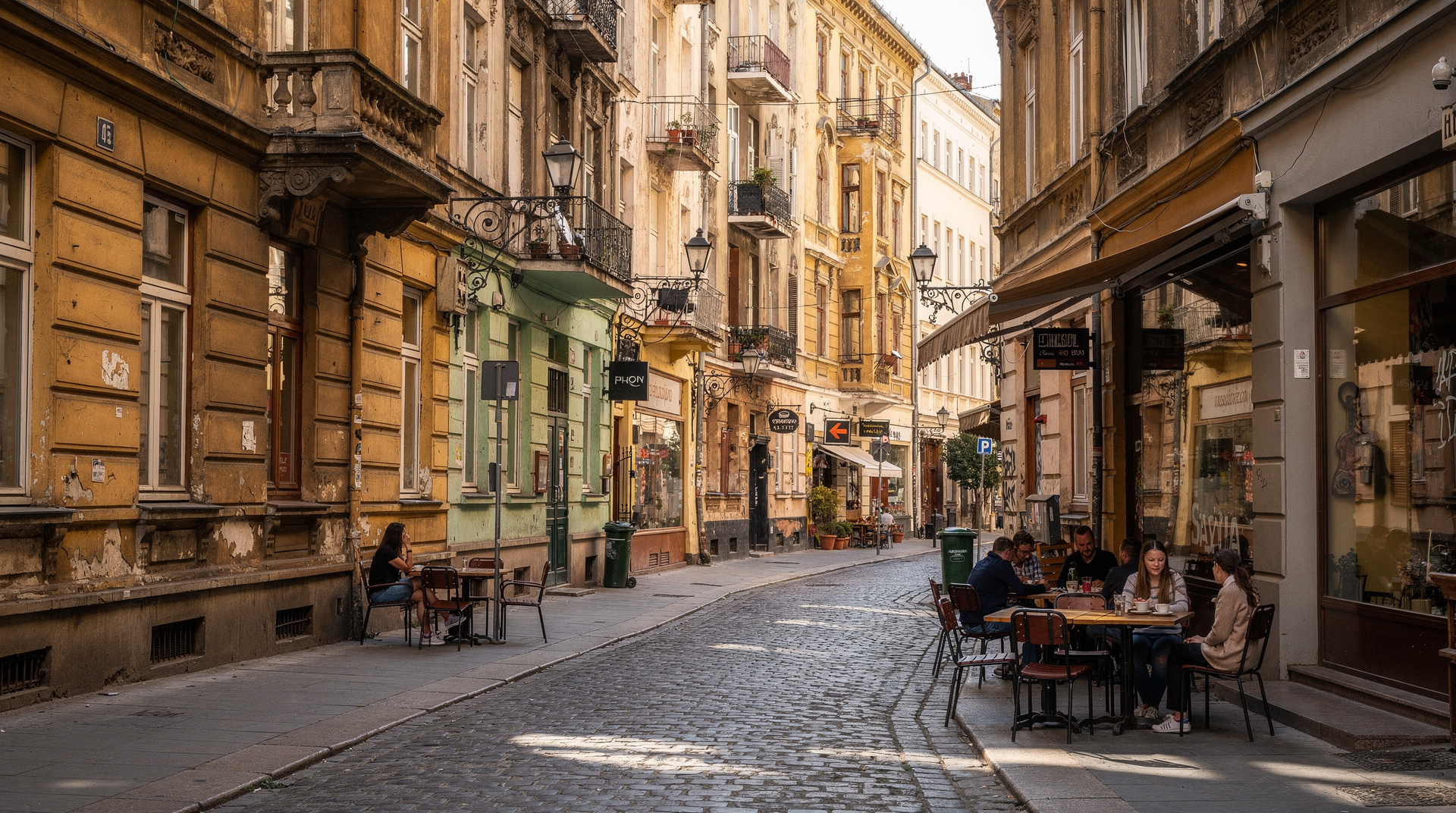
Budapest is a walkable city — not in the sense that all its attractions are within easy steps of each other (they are not), but in the sense that the architectural density of the inner districts rewards slow movement. The stories are in the buildings: the apartment blocks with bullet holes still visible from 1956, the synagogue next to the ruin bar, the operatic grandeur of Andrássy interrupted by the black blade of the House of Terror. These details require human-speed travel.
A guided walk — whether free or paid — provides the interpretive layer that turns a pleasant stroll into something that stays with you. This guide helps you choose the right option for your budget and interests.
| Length | Typically 2–3 hours |
| Cost | Free (tip-based) to around 60,000 HUF for a private group |
| Best for orientation | City centre overview tour, day one |
| Best for depth | Jewish Quarter or communist history, historian-led |
| Footwear | Comfortable shoes — cobblestones in the Castle District |
Category 1: City centre overview tours
These tours cover the main Pest attractions — Parliament exterior, St Stephen’s Basilica, the Chain Bridge, the Jewish Quarter — in a two-to-three-hour circuit. They are designed for first-time visitors who want orientation and context.
The Budapest 2-hour walking tour is a reliable standard option: a small-group professional walk covering the inner city highlights with a knowledgeable guide. Good for setting context before you explore independently.
The classic Budapest walking tour takes a similar route with slight variations in the stops covered. Both tours are appropriate starting points for a first Budapest day.
What these tours cover well: Architecture, city layout, orientation, basic historical context, practical tips. What they cover less deeply: Any single topic in depth. If you want more than an overview, a specialist tour will serve you better.
Category 2: Jewish Quarter specialist tours
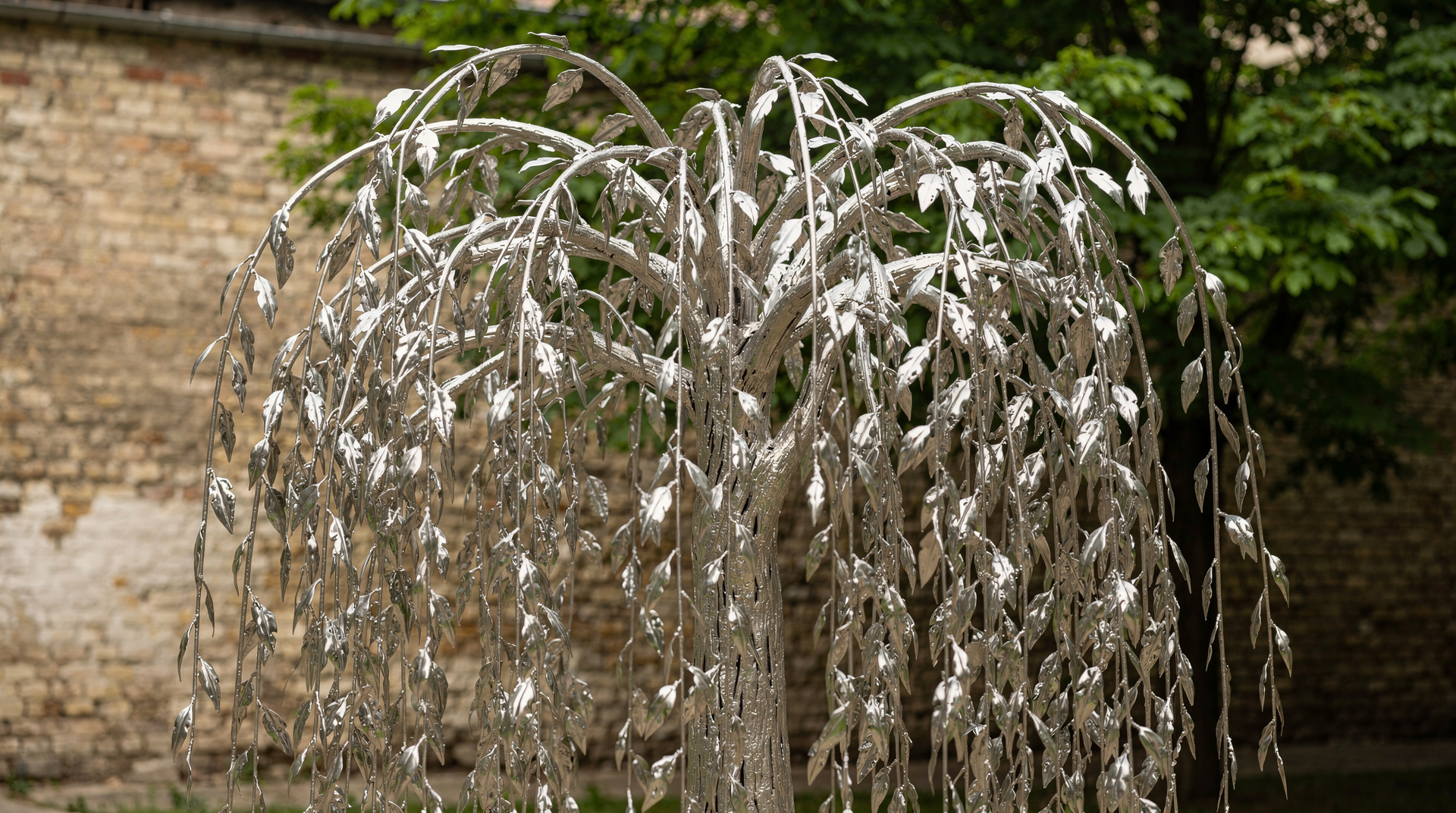
The Jewish Quarter is the most historically complex area in Budapest for a visitor to navigate independently. The physical streets give little indication of what happened here in 1944 without someone to point it out. Specialist tours are strongly recommended.
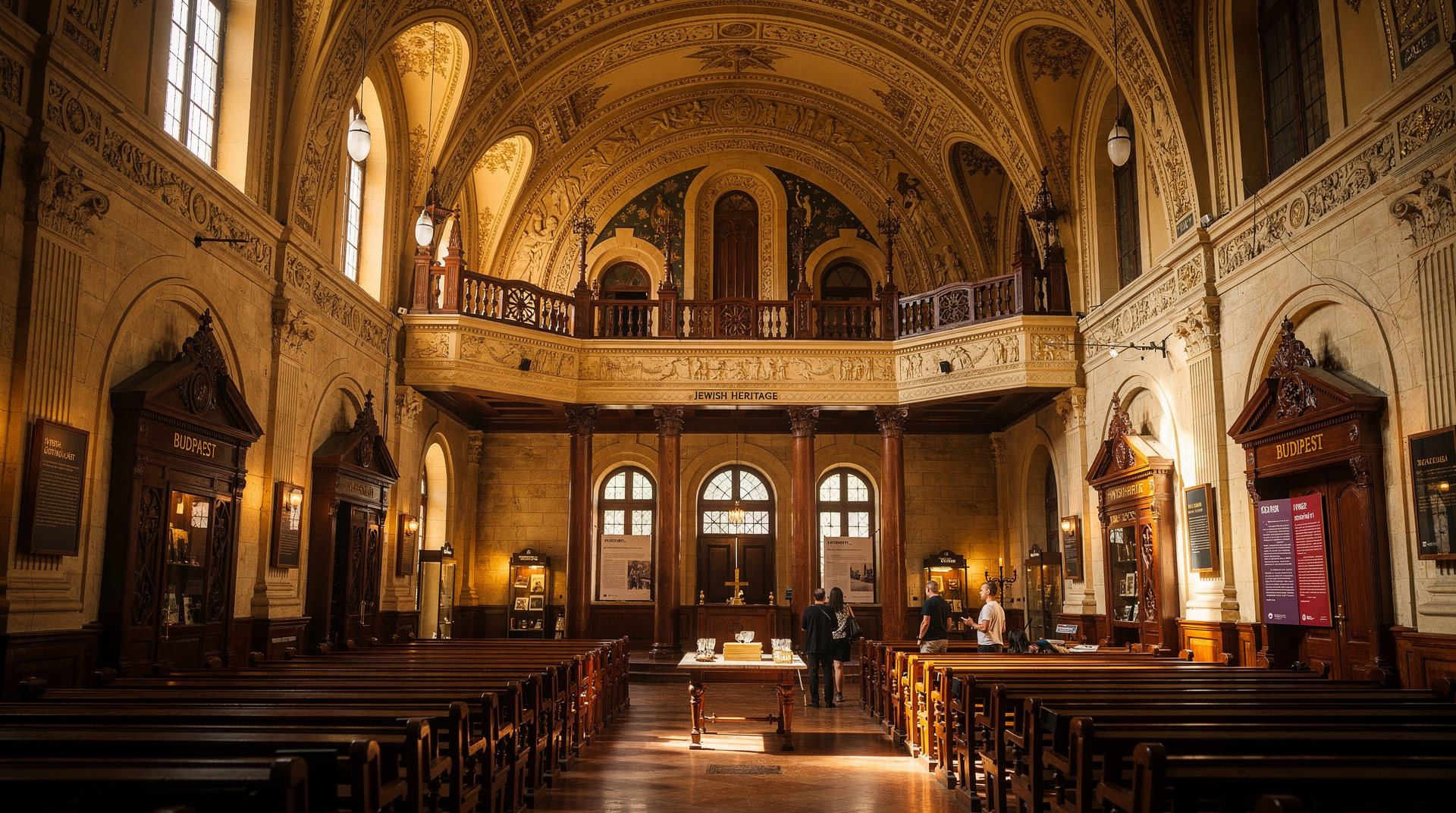
Free walking tours: Several operators run tip-based tours departing from the Dohány Street Synagogue entrance, typically once or twice daily. These cover the main sites — the synagogues, the ghetto boundary, the memorial garden — in about two hours. Quality varies significantly by guide. See the free walking tours guide for specifics.
Paid guided tours: The Jewish Quarter private walking tour allows you to control the pace and focus, with a guide who can engage directly with your questions rather than managing a group. Suitable for visitors who want to spend more time at specific sites.
Historian-led tours: For the deepest engagement, a tour led by a specialist historian provides archival-level content — documents, photographs, specific family stories — that general guides cannot offer. This is particularly valuable for visitors with Jewish family connections to Hungary. The Jewish Quarter tour with a historian guide is built specifically around this depth of content.
Category 3: Castle District tours
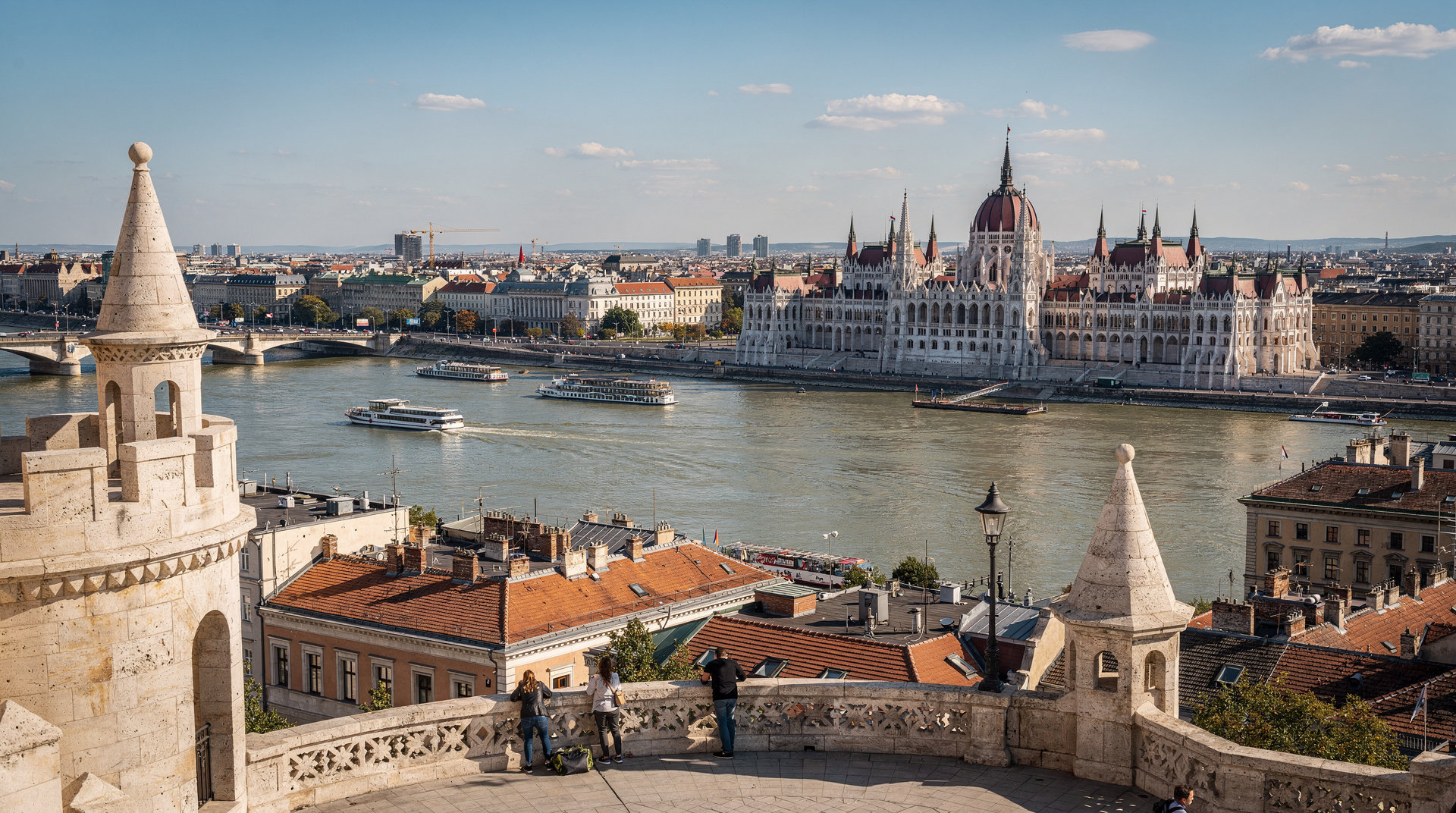
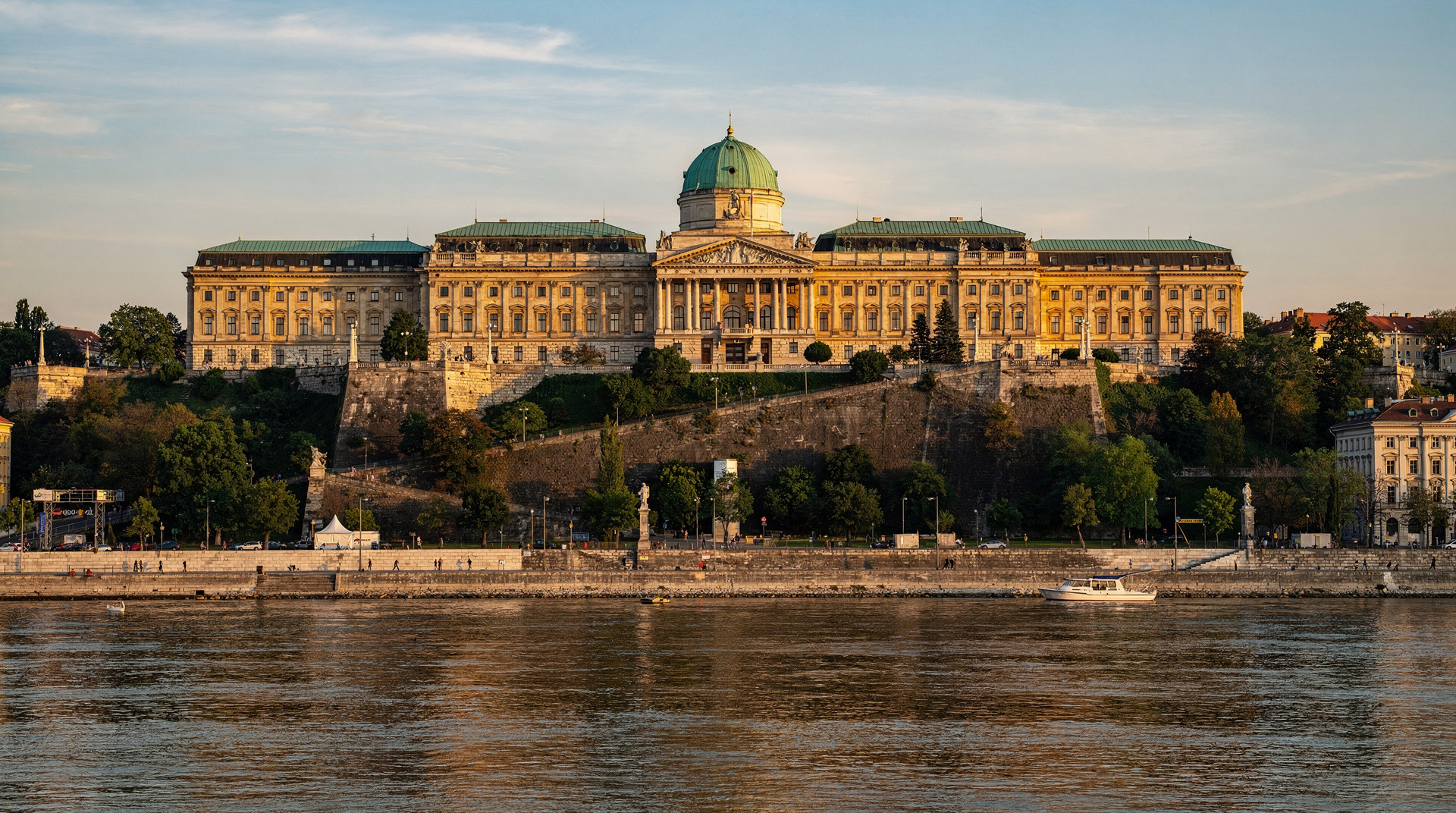
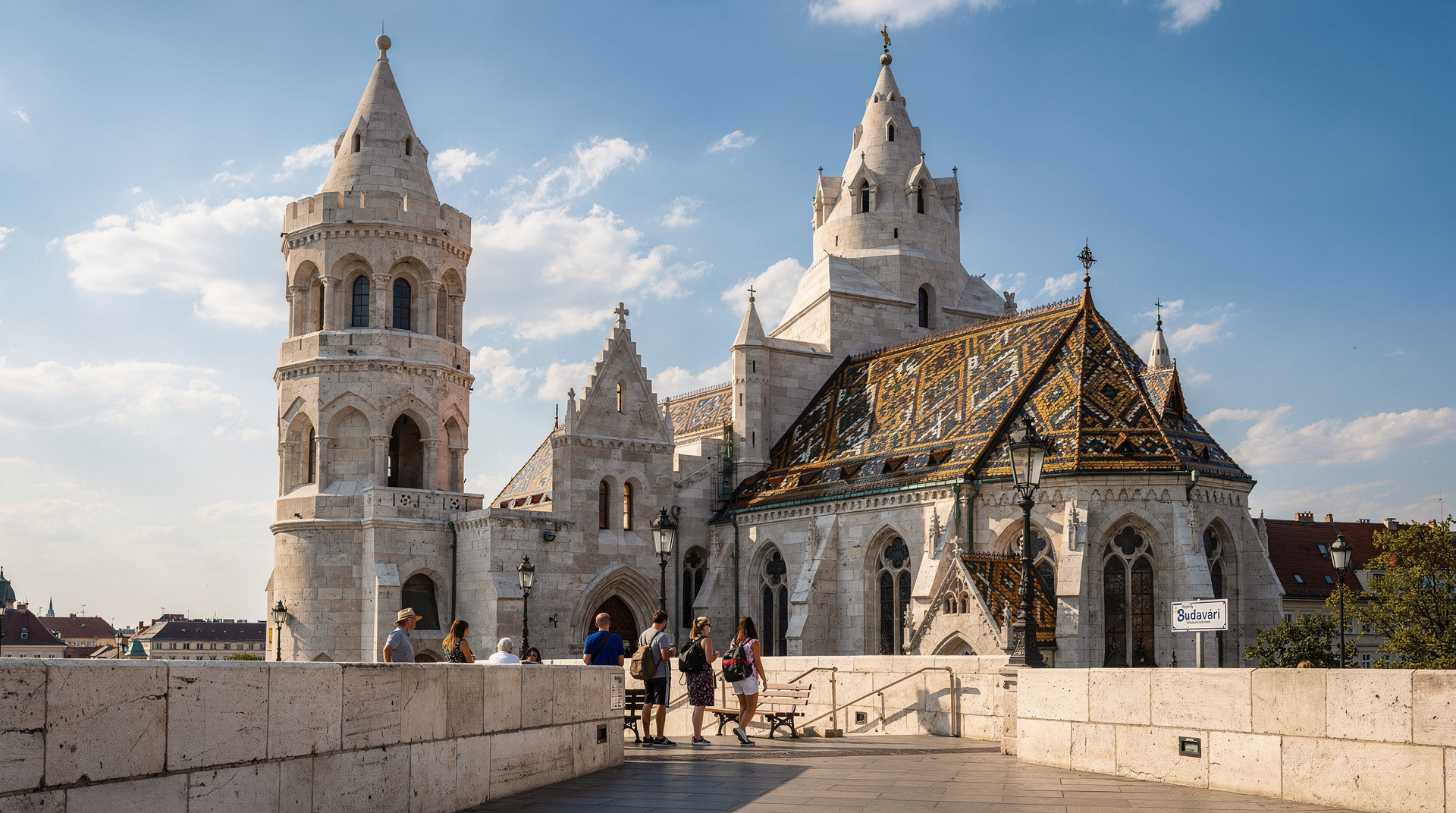
The Castle District (District I) on the Buda side contains the Fisherman’s Bastion, Matthias Church, the Buda Castle complex and a network of medieval streets. It reads well as architecture but the history is dense — Hungarian kings, Ottoman governors, Habsburg reconstruction, World War II siege damage.
A guided Castle District walk typically runs 2–2.5 hours and covers the main sights with historical narrative. Guides who specialise in the medieval period add the most value here. The Buda Castle classic walking tour is the standard version of this route, taking in the Fisherman’s Bastion and Matthias Church with a guide who ties the medieval, Ottoman and Habsburg layers together. Evening castle tours, combining the dramatic lighting of the hilltop with ghost stories and mythological accounts, are a different product — more entertainment than education, but legitimate fun.
Category 4: Communist history tours
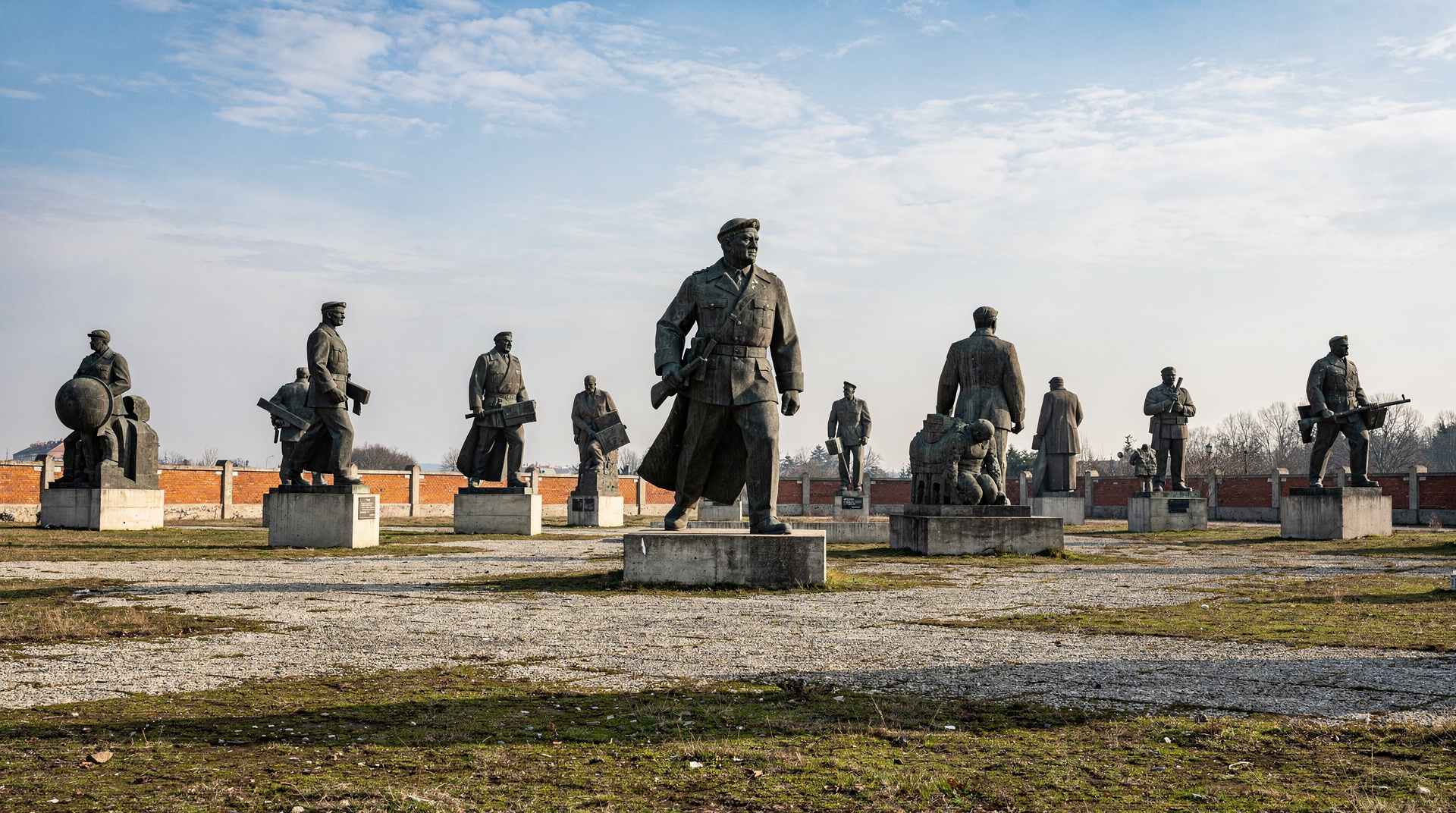
Walking tours focused on the communist period are a growing niche. These typically cover Andrássy Boulevard (including the House of Terror exterior), the Szabadság tér Soviet memorial, the Parliament area, and specific sites related to the 1956 revolution.
The best versions combine street walking with a pre-arranged House of Terror entry. The communist Budapest guide lists the key sites; a specialist tour connects them with the documented history.
How to choose between the categories
The four categories above are not rivals so much as layers. A sensible first-time plan uses a city-centre overview to learn where things are, then one specialist walk on the subject that matters most to you. If your trip is short, the one-day itinerary leaves little room for more than a single guided walk, and the overview is the better pick. If you have longer, the five-day itinerary gives space to add a specialist tour without crowding out the baths, the markets or a day trip.
Think about what you want to take home. Some visitors want a tidy sense of the layout, with the main landmarks placed in their heads. Others want to understand why a street looks the way it does, who lived there and what happened to them. The first group is well served by a standard city walk; the second will be happier with a historian or a themed route. Neither choice is wrong, but picking the wrong one is the most common source of disappointment.
Group dynamics matter too. A mixed group of friends with different interests tends to enjoy a broad overview, because nobody feels the pace is wrong for them. A pair who share a specific curiosity, such as Jewish heritage or twentieth-century politics, will usually get more from a smaller, focused tour where questions are welcome.
Getting the most from a guided walk
A few habits make any tour better, free or paid:
- Ask questions early. Guides in Budapest tend to enjoy tangents, and a question in the first twenty minutes often shapes the rest of the route.
- Carry water and a light layer. Walking tours rarely stop for long, and the weather on the Buda hills can differ from the weather in Pest.
- Charge your phone. You will want photos, and you may want a map to find your way back to a site you liked.
- Note what caught your attention. Use the tour as a menu: a place the guide spent time on is often worth a second, slower visit on your own.
- Arrive a little early. Meeting points can be busy, and several groups sometimes gather in the same spot, so check the guide’s sign or colour before joining.
If a guide mentions a museum, a café or a synagogue interior you want to see properly, treat that as your afternoon plan. The Dohány Street Synagogue guide and the House of Terror guide are good examples of sites that reward a longer, unhurried return visit after a walk has given you the background.
Matching a walk to your interests
Architecture lovers. The city-centre routes pass buildings from several eras sitting side by side, and a guide can explain the differences in a few sentences. Pair the walk with the Art Nouveau Budapest guide if you want to follow that thread on your own afterwards.
History readers. The Castle District and the communist-era routes give the most context, and the Hungarian history primer is a useful short read before you go, so the names and dates a guide mentions land more easily.
Families and groups with children. A private tour is often easier, because the guide can adjust the pace and the stories to the people actually standing there. For other ideas, see the Budapest with kids guide.
Food-minded travellers. A general walk is not a food tour, and it is better not to expect it to be. If eating is the point, the food tours guide covers walks built around tastings instead.
Visitors who prefer a different pace. Not everyone wants to walk for hours. The cruise versus walking tour comparison helps you decide whether to swap one of your tours for time on the water.
Choosing a neighbourhood to focus on
Because a walking tour only covers so much ground, it helps to know which district you want to spend your time in. The Jewish Quarter destination page and the Castle District destination page describe what each area offers beyond the sights a tour will point out. Reading one of them before you book makes it easier to judge whether a tour’s stops match your priorities. For a wider view of how the city divides, the Buda versus Pest guide explains why the two banks feel so different and why a walk on one side is a separate experience from a walk on the other.
Practical comparison: free vs paid vs private
| Type | Cost | Group size | Depth | Flexibility |
|---|---|---|---|---|
| Free/tip-based | 2 000–4 000 HUF tip | 10–30 | Overview | None |
| Paid group | 6 000–15 000 HUF | 8–20 | Good | Limited |
| Private | 25 000–60 000 HUF/group | 2–8 | Excellent | Full |
| Historian-led | 15 000–30 000 HUF | 6–12 | Deep specialist | Moderate |
For solo travellers on a budget, the free tours represent excellent value if you tip appropriately. For couples or small families, a private tour often costs less per person than multiple individual paid tickets. For visitors with specific historical interests, specialist tours are worth the premium.
Tour operators and booking
Most tours can be booked via GetYourGuide, which aggregates multiple operators and handles cancellations. You can also book directly with operators’ own websites (Free Budapest Tours, Sandemans, Absolute Walking Tours are established names). Direct booking sometimes avoids platform fees but loses the consumer protection of a centralised booking system.
Honest note: “Free” walking tours are not free — the guide’s entire income comes from tips. Tipping 2 000–4 000 HUF per person (€5–10) is appropriate for a 2-hour tour with a good guide. Tipping less is considered impolite and undervalues professional work.
What to combine with a walking tour
A morning walking tour pairs naturally with an afternoon at one of the thermal baths. The hop-on-hop-off bus covers the wider city efficiently if you want to visit outlying areas after the walking tour. The bike tours guide covers active alternatives to walking that cover more ground.
For itinerary planning, the Budapest 3-day itinerary suggests using a city-centre walking tour on day one to orient before exploring independently. The first time in Budapest guide recommends starting any visit with a guided walk — the investment in orientation pays off for the rest of the trip.
Reading the room on a free tour
A free tour is a good way to meet other travellers, and the end of the walk often turns into a conversation about where to eat or what to see next. Guides usually have strong opinions about local restaurants and neighbourhoods, and they are generally happy to share them if asked. Use that: a guide’s recommendation for lunch is usually more reliable than a random search result. For broader context on avoiding the common pitfalls, the Budapest tourist traps guide is a sensible companion read.
Be wary of anyone who approaches you in the street offering a tour with a hard sell. Established walks start from a clear meeting point with a recognisable guide, and you can read reviews before you commit. If a stranger is pushing, walk on.
Accessibility and comfort
Walking tours involve a lot of standing and some uneven ground, particularly in the Castle District. If anyone in your group has limited mobility, a private tour lets you agree the route and the pace in advance, and the accessible Budapest guide covers what to expect around the city more generally. Mention your needs when you book rather than on the day, so the operator can plan a sensible route.
Booking timing and cancellation policies
Most Budapest walking tours can be booked with 24–48 hours’ notice, and popular free tours simply require showing up at the departure point 10–15 minutes early — no reservation needed, though group sizes are occasionally capped in peak season. Paid group tours through GetYourGuide typically allow free cancellation up to 24 hours before the start time, which makes booking ahead low-risk even if your plans are still firming up. Private tours need more lead time, ideally a few days, since operators need to confirm a guide’s availability. Weather rarely cancels a tour outright — guides carry on in light rain — but genuinely severe weather (heavy storms, extreme heat warnings) can trigger rescheduling; check the specific operator’s policy before booking if the forecast looks uncertain.
Frequently asked questions about Best walking tours in Budapest
How long is a typical Budapest walking tour?
Most group walking tours run 2–3 hours. Private tours can be arranged for any duration. Free tours typically run 2–2.5 hours covering the main Pest sights. Specialist tours (Jewish Quarter historian, communist history) often run 2.5–3.5 hours to cover the content properly.What is the difference between a free walking tour and a paid guided tour?
Free walking tours (tip-based) are run by professional guides who rely on tips for income — typically 2 000–4 000 HUF per person is appropriate for a good tour. Quality varies by guide but is often surprisingly high. Paid tours offer guaranteed quality, smaller groups, and specialist knowledge. Private tours give you the most personalised experience.Which areas do Budapest walking tours cover?
The most common tour routes are: City centre Pest (Parliament, Basilica, Chain Bridge, Jewish Quarter); Castle District (Fisherman's Bastion, Matthias Church, Buda Castle); Jewish Quarter only (synagogues, ghetto, Holocaust memorial); and Communist history (House of Terror, Andrássy, Memento Park).Are there private walking tours in Budapest?
Yes. Private walking tours are available for most standard routes and can be customised. They typically cost 25 000–60 000 HUF for a group of 2–6 people for 2–3 hours, making them cost-effective for families or couples compared to individual paid group tour tickets multiplied by the group size.What should I wear for a Budapest walking tour?
Comfortable walking shoes are essential. Budapest's pavement is cobblestone in the Castle District — avoid heels. Layers for spring/autumn; sun protection in summer; warm layers in winter. Tours run in most weather conditions; check the operator's cancellation policy in advance.How far ahead should I book a Budapest walking tour?
Free tip-based tours need no booking — just arrive 10–15 minutes early at the departure point. Paid group tours can usually be booked 24–48 hours ahead and cancelled free of charge up to 24 hours before the start on most platforms. Private tours need more lead time, ideally a few days, so the operator can confirm a guide's availability for your preferred slot.
Top experiences
Bookable activities with verified prices and instant confirmation on GetYourGuide.