Hungarian State Opera House: concerts, tours and visiting Budapest's landmark theatre

How do you attend the Budapest Opera and how much do tickets cost?
Tickets for performances at the Hungarian State Opera range from 900 HUF (standing, rear balcony) to 25 000 HUF for premium seats. The season runs September–June. Book online through the Opera's website (opera.hu) at least 48 hours ahead; same-day tickets are sometimes available at the box office. The building is one of Europe's most beautiful — even mediocre seats have a remarkable view of the interior.
One of Europe’s most beautiful opera houses
| Where | Andrássy út 22, metro M1 Opera stop |
| Cost | Around 900–25,000 HUF for performances; around 3,000–5,000 HUF for the building tour |
| Time needed | 45 minutes (tour) or a full evening (performance) |
| Getting there | Metro M1 to Opera or Vörösmarty utca |
| Season | September–June for performances; tours run year-round |
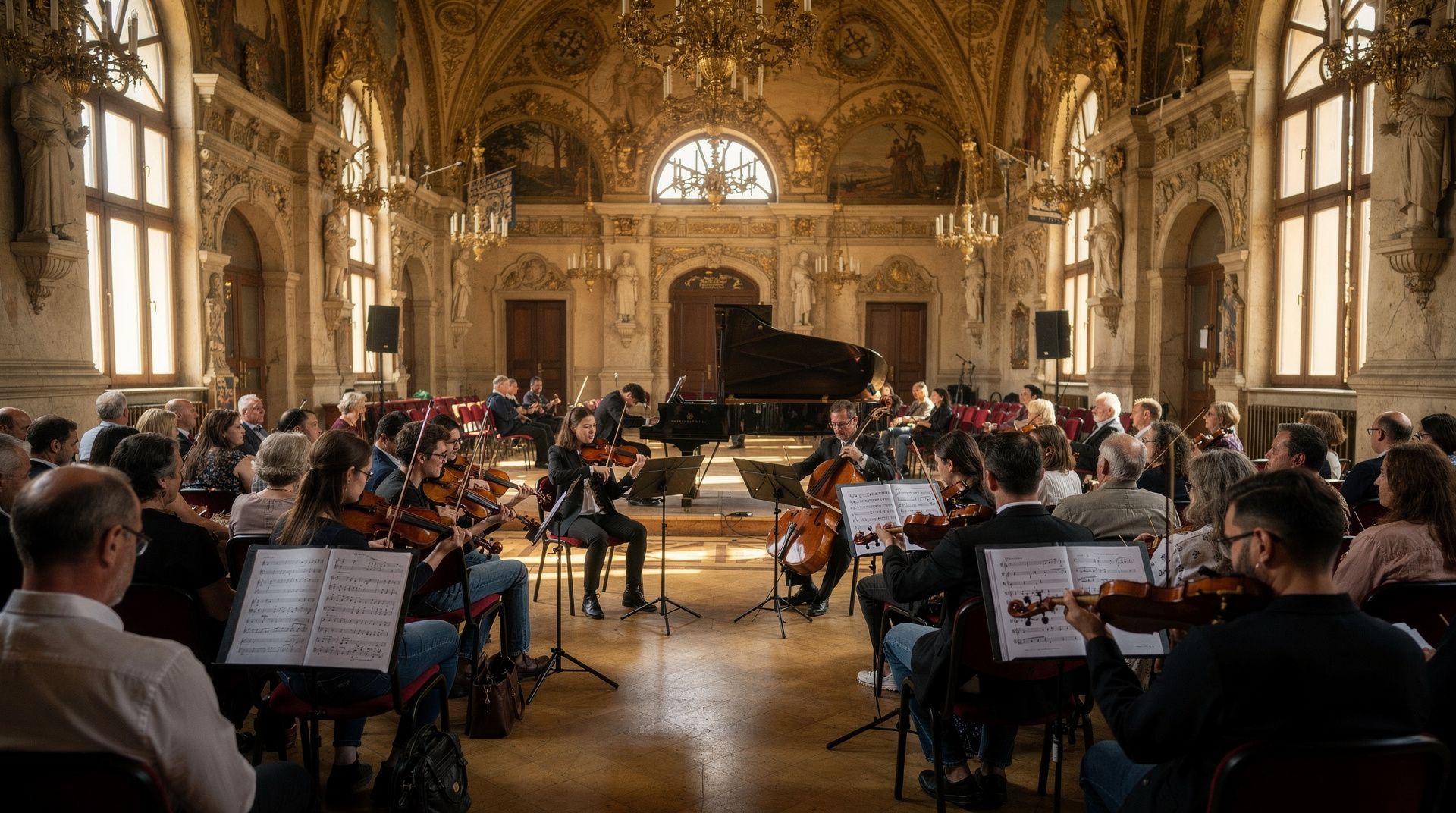
The Hungarian State Opera House (Magyar Állami Operaház) on Andrássy út is among the finest theatre buildings in Europe — full stop. Miklós Ybl’s neo-Renaissance design (1875–1884) combines an exterior of heroic grandeur with an interior of extraordinary refinement: gilded horseshoe auditorium, ceiling frescoes by Bertalan Székely, Mór Than and Karoly Lotz, a three-tonne crystal chandelier, marble staircase and carved stone foyer details that reward close inspection.
Gustav Mahler conducted here from 1888 to 1891 (he reportedly considered it one of the finest houses he worked in). Otto Klemperer, Ferenc Fricsay and other major 20th-century conductors have shaped its musical identity. The house has survived two world wars, communist cultural policy and a major restoration (completed 2022) that returned it to something approaching its original splendour.
For visitors, the Opera is accessible in two ways: attending a performance, or taking a guided building tour.
Attending a performance
The Hungarian State Opera season runs from September to June, with approximately 300 performances per year between the main Opera House and the adjacent Erkel Theatre. The repertoire is traditional rather than experimental — the strength is in the Italian and German canon (Verdi, Puccini, Mozart, Wagner) and in Hungarian composers (Bartók’s Bluebeard’s Castle and The Miraculous Mandarin; Kodály’s Háry János are performed regularly and worth prioritising).
Booking: The official website (opera.hu) offers English-language booking; tickets go on sale approximately 3–4 months before the performance. Same-day tickets are sometimes available at the box office (Andrássy út 22, open Tuesday–Sunday from 11 am).
Pricing (approximate):
- Standing (hátsó állóhely, rear stalls/upper gallery): 900–1 500 HUF — the cheapest classical music experience in Europe
- Upper gallery seats: 2 000–5 000 HUF
- Dress circle and stalls: 5 000–15 000 HUF
- Premium stalls: 15 000–25 000 HUF
A note on standing: The rear standing area is much larger than “standing room” implies in Western opera houses. The acoustics at the rear of the stalls are excellent; many frequent attendees prefer the standing area for the freedom to hear the full orchestral balance.
Dress code: Smart casual is the standard for ordinary performances. Gala evenings and premieres warrant more formal dress. There is no strict enforcement, but arriving in jeans and trainers at a Gala feels uncomfortable. For guided building tours, any clothing is appropriate.
The building tour
Guided tours of the Opera House run daily (except during technical rehearsals and performance days — check the schedule on the website) at approximately 3 pm and 4 pm. English-language tours are the most common; other languages (German, Hungarian) are also available.
The tour covers:
- The main auditorium: The horseshoe shape, the gilded boxes, the ceiling fresco by Bertalan Székely (depicting the Muses and allegorical figures), the chandelier (1 500 lights, 3 tonnes, capable of being lowered for maintenance) and the royal box (centre of the first tier, where Franz Joseph and Elisabeth attended performances)
- The royal foyer and entrance staircase: Marble floors, ceiling frescoes, sculpted decorations, the main hall that serves as a promenade and reception space between acts
- Backstage access: A glimpse of the fly tower (the vertical space above the stage where sets are stored and moved), stage machinery and some of the practical infrastructure
- Historical exhibits: Photographs and memorabilia from the Opera House’s history, including the Mahler period and the 20th-century political chapters
Tickets approximately 3 000–5 000 HUF; buy at the box office or book online.
Andrássy út: the boulevard context
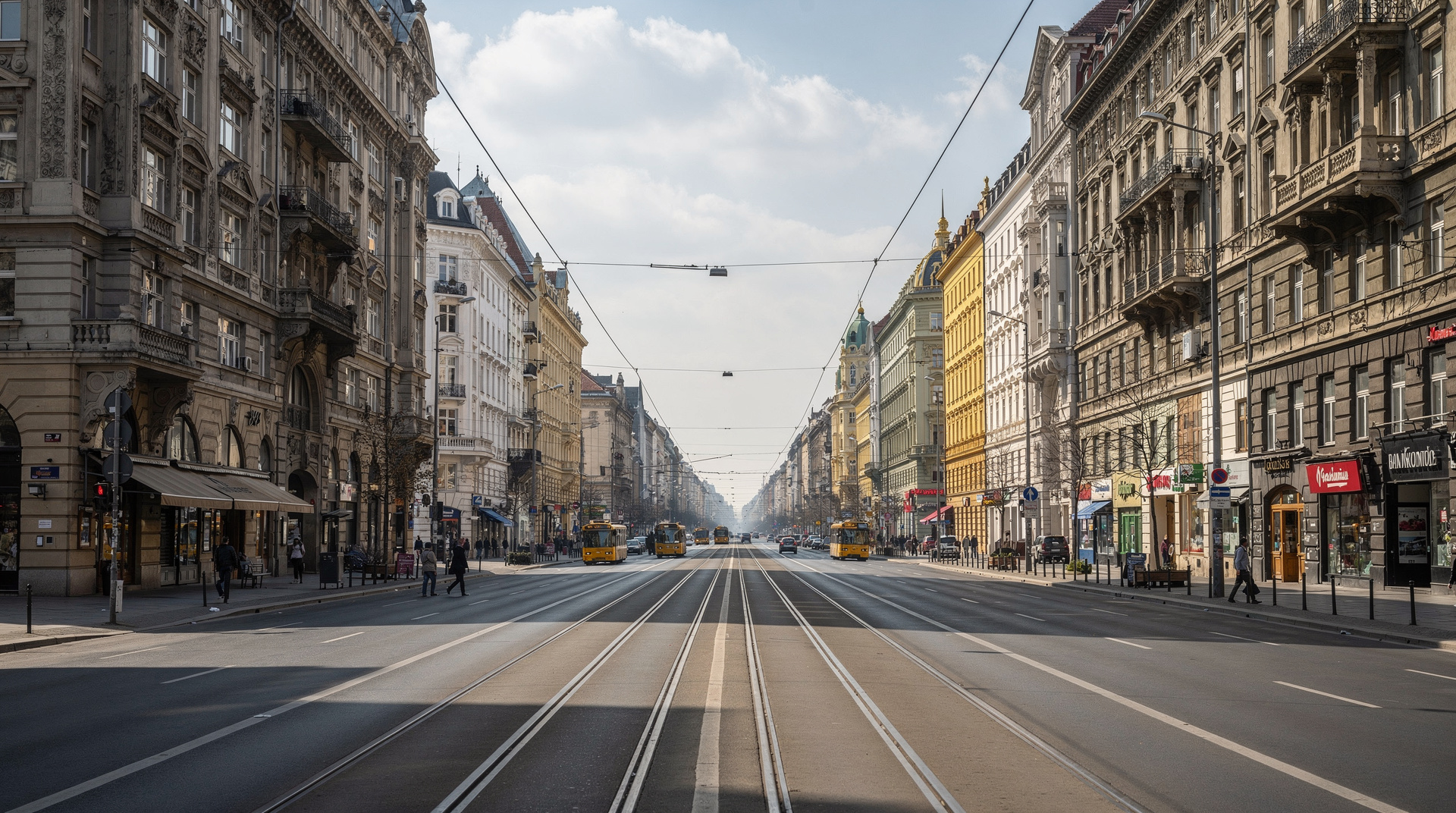
The Opera House sits midway along Andrássy út, one of Europe’s great 19th-century boulevards, built 1872–1876 simultaneously with the Opera House and the underground metro below it. Walking the full length of Andrássy út — from Deák tér to Heroes’ Square, 2.3 km — is one of Budapest’s finest urban experiences.
Between the Opera House and Heroes’ Square, the street passes:
- The Hungarian House of Photographs (Mai Manó Museum) in a spectacular 1894 building
- The Terror House (House of Terror) museum at number 60 — the former Arrow Cross and ÁVH headquarters
- Several embassies and consulates in historic mansions
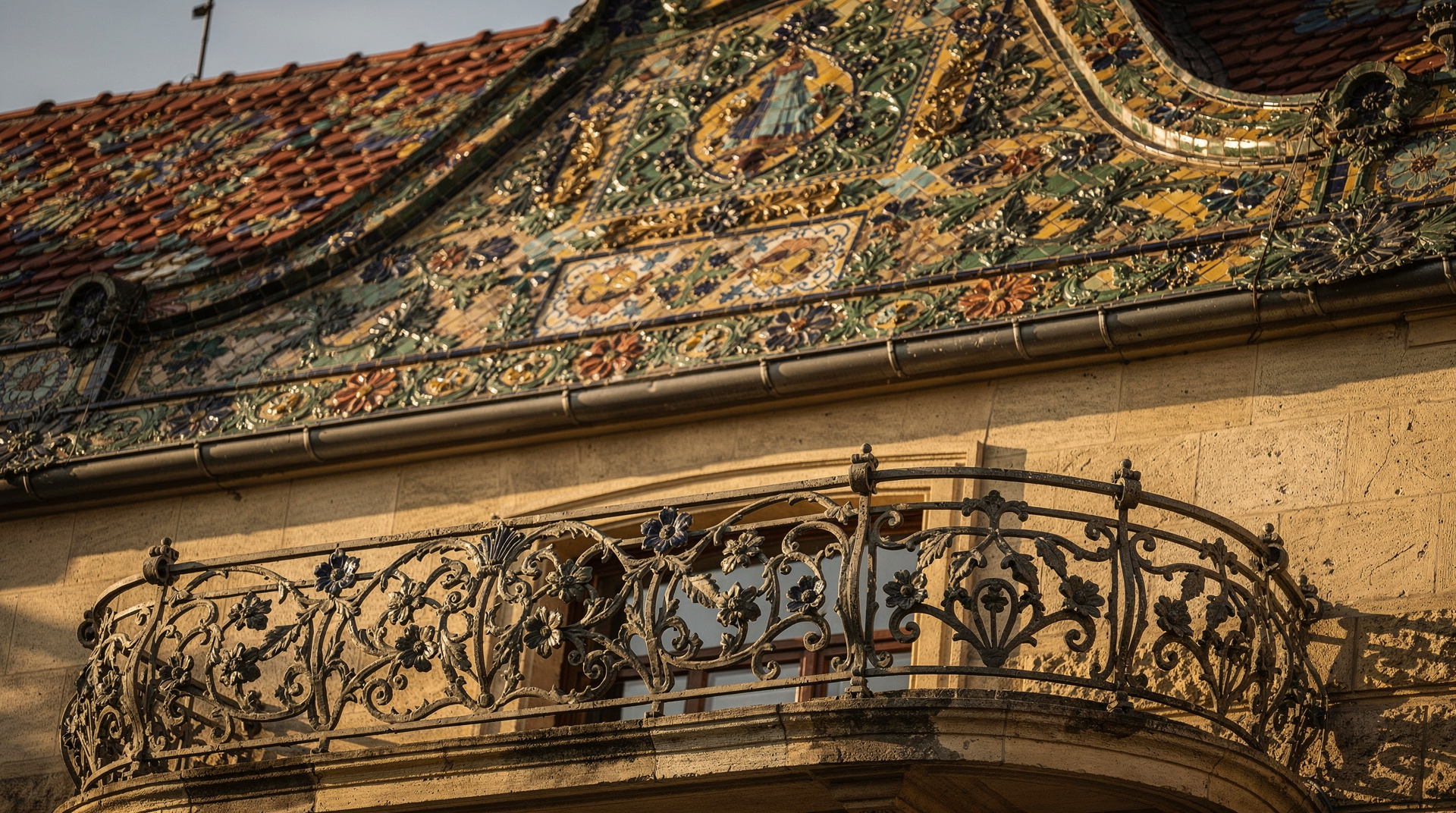
- The Franz Liszt Academy of Music (Zeneakadémia), a masterpiece of Hungarian Art Nouveau with a fine concert hall
The street is UNESCO World Heritage listed as part of the Budapest panorama.
Classical music beyond the Opera
Budapest’s classical music scene extends well beyond the Opera. The Liszt Academy of Music (Zeneakadémia, Liszt Ferenc tér 8) is Hungary’s premier conservatory and concert venue — its Art Nouveau main hall (Nagyelőadóterem) is one of the most beautiful concert halls in Europe. Tickets are typically less expensive than the Opera: 3 000–8 000 HUF.
St Stephen’s Basilica hosts regular evening concerts — organ recitals and chamber music in the nave. The acoustic is excellent and the setting is dramatic. The classical concerts guide covers all the main venues.
The Budapest Congress Centre and the Palace of Arts (MÜPA) host larger orchestral events including the Hungarian Radio Symphony Orchestra’s public season.
Practical tips
No photography during performances: standard international practice. Photography of the interior is permitted during building tours.
Programme books: available in Hungarian and sometimes English at the box office. Cast lists and synopses are the essential tool for following an unfamiliar opera.
Interval drinks: the Opera foyer bars serve wine, beer and soft drinks during intervals. Prices are Budapest-reasonable rather than tourist-inflated. The champagne (pezsgő) at intermission in the dress circle bar is a pleasingly Old European experience.
Getting there: Metro M1 (yellow line) to Vörösmarty utca or Opera stop; 3-minute walk from the exit. Tram 4/6 from the Great Boulevard to Andrássy út, then a short walk.
For the broader Andrássy út context, see the heroes’ square and City Park guide for what is at the northern end of the boulevard. The guided walking tour of central Budapest often includes Andrássy út and the Opera House exterior as part of its Pest route.
The romantic Budapest guide recommends an Opera evening as one of the most memorable date-night experiences in the city. The top attractions guide places the Opera within the full sightseeing framework.
Building an evening around the Opera
The Opera works best as the anchor of a slow Pest evening rather than a rushed stop between sights. Arrive early enough to walk through the foyer, find your seat or standing spot without hurrying, and take in the room before the lights dim. Most of the pleasure of this building is in the details, and they are easy to miss if you slip in just as the curtain rises.
Before the performance, a coffee in one of the city’s old cafés is a natural fit. The coffee houses guide lists the grand rooms worth lingering in, and several sit within an easy stroll of Andrássy út. After the final curtain, the streets around the Opera are lively, and you can follow the evening with dinner from the best restaurants guide or a quieter drink away from the busiest strips.
If you are building a wider itinerary, the Opera fits neatly into a day that starts on the Buda side and finishes in Pest. The two-day Budapest itinerary and the first-timer highlights plan both leave room for an evening like this, and the Budapest in 3 days overview helps you decide which night to protect for it.
Seeing the interior with a trained eye
The Opera rewards slow looking. A few things are worth deliberately searching out, whether you are on a tour or in your seat:
- The ceiling: look up from the stalls and again from the upper tiers. The fresco reads differently from each level, and the chandelier hangs at its centre like a second ceiling.
- The boxes: the gilded boxes curve around the horseshoe, and the sightlines from them are part of why the house feels so intimate despite its scale.
- The staircase and foyer: take a few minutes in the interval to walk the main staircase and look closely at the carved stone and painted decoration. Interval time passes quickly, so decide beforehand what you want to see.
- The exterior: stand across the boulevard before you go in. The façade’s sculpted figures and the overall proportions are best taken in from a distance.
If the style appeals to you, the Art Nouveau Budapest guide points to other buildings in the city worth seeking out, and the best museums guide suggests where to spend a daytime hour before your evening performance.
Combining the Opera with other Pest sights
Because the Opera sits in the middle of the boulevard, it pairs easily with neighbouring stops. The House of Terror guide covers the museum a short walk along Andrássy út, which makes a sobering but valuable daytime visit before a lighter evening at the Opera. The St Stephen’s Basilica guide covers another landmark nearby, and the basilica’s own concerts make a good alternative if the Opera is sold out for your dates.
If you would rather have someone connect these sights for you, a guided walk through the city centre is a relaxed way to see the Opera exterior in context, and a tour covering Heroes’ Square and the end of the boulevard picks up where Andrássy út finishes. The metro guide explains how to ride the M1 line that runs beneath the boulevard if you would rather save your legs for the evening.
Planning tips for first-time attendees
- Decide your priority first: if you want the building, choose the tour; if you want the music, choose a performance and pick the programme before the seat.
- Check the schedule before fixing dates: the Opera’s calendar shapes both performances and tours, so confirm what is on before you book flights or other activities around it.
- Keep an alternative in mind: if your preferred date is full, the classical concerts guide lists other venues where you can still enjoy music in a remarkable setting.
- Treat it as an occasion: even on a casual trip, a bit of effort with your outfit and an unhurried arrival make the evening feel special.
Performance vs building tour: which to choose
| Option | Time | Cost | Best for |
|---|---|---|---|
| Standing ticket, full performance | 2–3 hours | Around 900–1,500 HUF | Music lovers on a budget, evening flexibility |
| Seated ticket, full performance | 2–3 hours | Around 2,000–25,000 HUF | Anyone who wants a proper seat and view |
| Guided building tour | 45 minutes | Around 3,000–5,000 HUF | Daytime visitors, non-opera fans, tight schedules |
If your schedule doesn’t allow an evening performance, the guided tour is not a lesser substitute — it covers the auditorium, the royal staircase and backstage areas a normal ticket holder never sees. If you do have an evening free, even a standing ticket at the rear delivers the full acoustic and visual experience for a fraction of the seated price.
Is it worth it if you don’t know opera
Yes, and this is worth stating plainly: the building itself is the draw for most visitors, not necessarily the specific programme. A short ballet or a well-known operetta works just as well as grand opera for a first visit, and the interior — the fresco, the gilded boxes, the chandelier — is spectacular regardless of what’s on stage. Pair it with a walk down Andrássy út toward Heroes’ Square beforehand, or with dinner in downtown Pest afterwards, and it becomes one of the more memorable evenings of a Budapest trip without requiring any opera knowledge at all.
Frequently asked questions about Hungarian State Opera House
What is the Hungarian State Opera House famous for?
The Opera House (Magyar Állami Operaház) was built 1875–1884 to plans by Miklós Ybl in a neo-Renaissance style, considered the finest of his career. The interior — with its gilded horseshoe auditorium, frescoes by Bertalan Székely, Mór Than and Karoly Lotz, and the crystal chandelier — is one of the most beautiful opera interiors in the world. Composers who have conducted here include Gustav Mahler (director 1888–1891) and Otto Klemperer.Are there guided tours of the Opera House?
Yes. Guided building tours run daily in English at 3 pm and 4 pm (additional times in peak season). Tours cover the main auditorium, the royal staircase, the foyer and backstage areas including the fly tower. Duration approximately 45 minutes. Tickets: approximately 3 000–5 000 HUF; buy at the box office or online.What kinds of performances are at the Budapest Opera?
The Hungarian State Opera repertoire covers grand opera (Wagner, Verdi, Puccini, Bartók, Kodály — the Bartók emphasis is a point of national pride), ballet and operetta. The resident ensemble is the Hungarian State Opera Company; the ballet company is the Hungarian National Ballet. Programme varies by season; check opera.hu for the current schedule.Can you attend the Opera without a guide or tour?
Yes — book a ticket and attend a performance. For the building alone, the guided tour is the most structured way to see the interior. If you cannot attend a performance, the lobby and exterior are worth seeing even without entry.Is the Hungarian State Opera worth attending for non-opera fans?
The building itself is reason enough to attend, even for a short ballet programme or operetta. The interior decor — Lotz's ceiling fresco, the gilded boxes, the chandelier — is as spectacular as any opera house in Europe. Standing tickets at the rear of the house cost under 1 000 HUF and give you the full acoustic experience.
Top experiences
Bookable activities with verified prices and instant confirmation on GetYourGuide.