Tihany: the peninsula, Benedictine abbey, and Káli Basin wine
Visit Tihany's Benedictine abbey, lavender fields, and volcanic Káli Basin wine country on a half-day from Budapest or combined with Lake Balaton.

Quick facts
- Distance from Budapest
- ~130 km south-west; or 15 km from Balatonfüred
- Travel time
- ~2 hrs by train to Balatonfüred + 15-min bus or taxi to Tihany; or from Budapest by organized tour
- Abbey admission
- ~1 800 HUF (~€4.50); grounds free
- Tihany ferry
- Year-round Tihany–Szántód car and passenger ferry (~1 200 HUF/person one way); connects north and south shores
- Lavender season
- Late May to mid-July — the lavender terraces near the abbey are the most-photographed spot
- Honest note
- The village above the abbey fills with day-trippers and souvenir stalls in July–August — arrive early morning or visit in May/September for a quieter experience
Hungary’s most dramatic peninsula
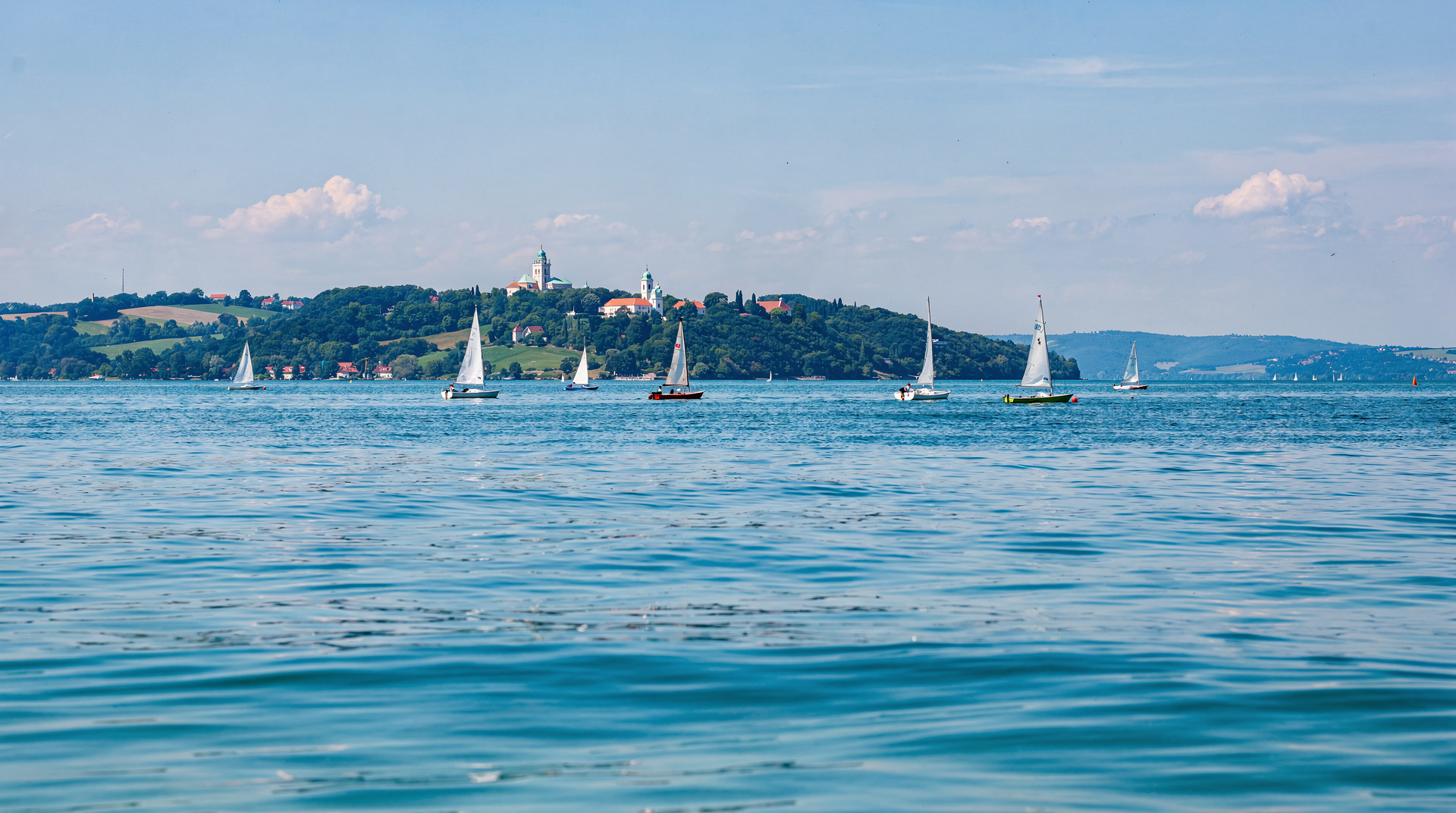
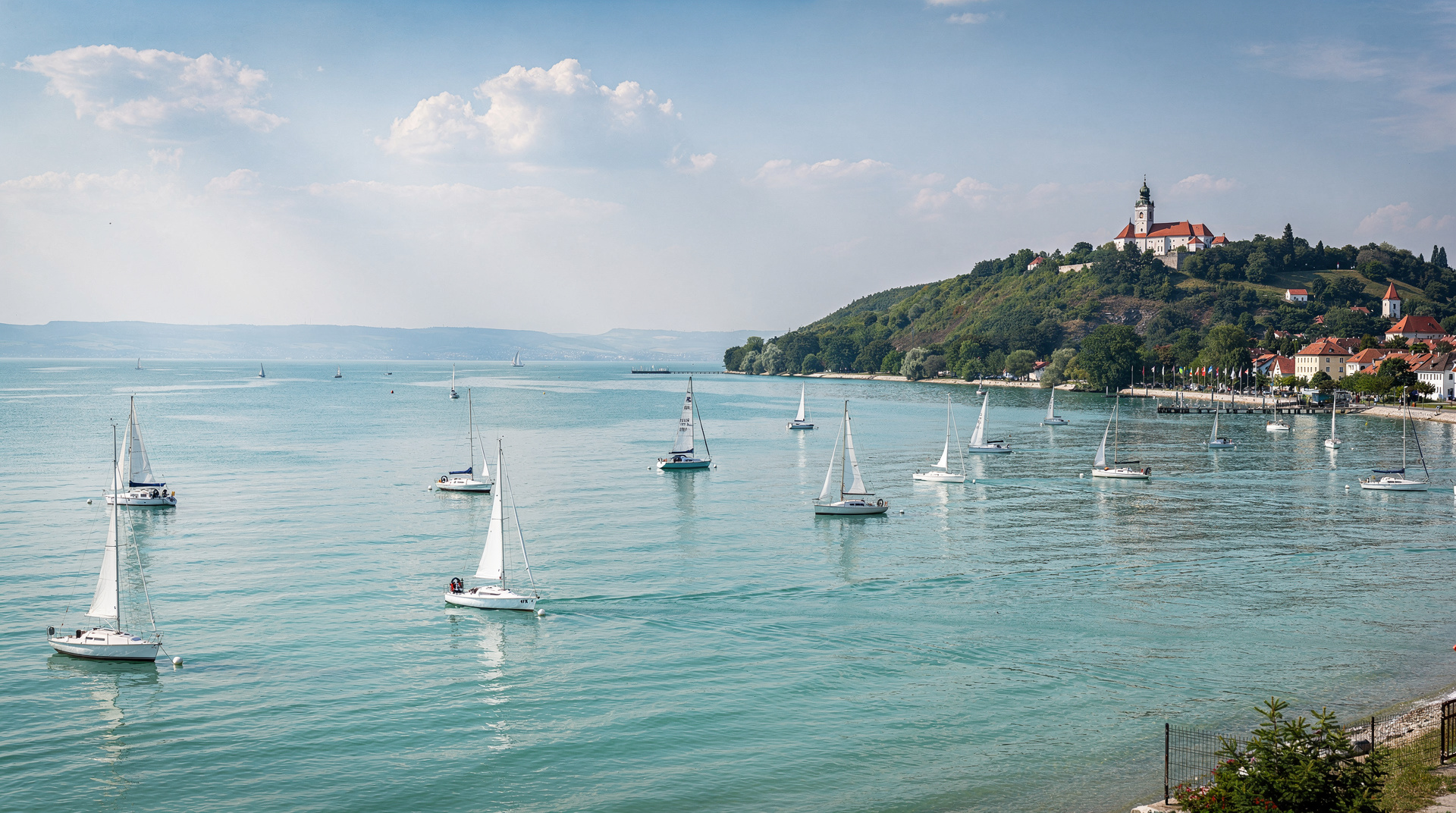
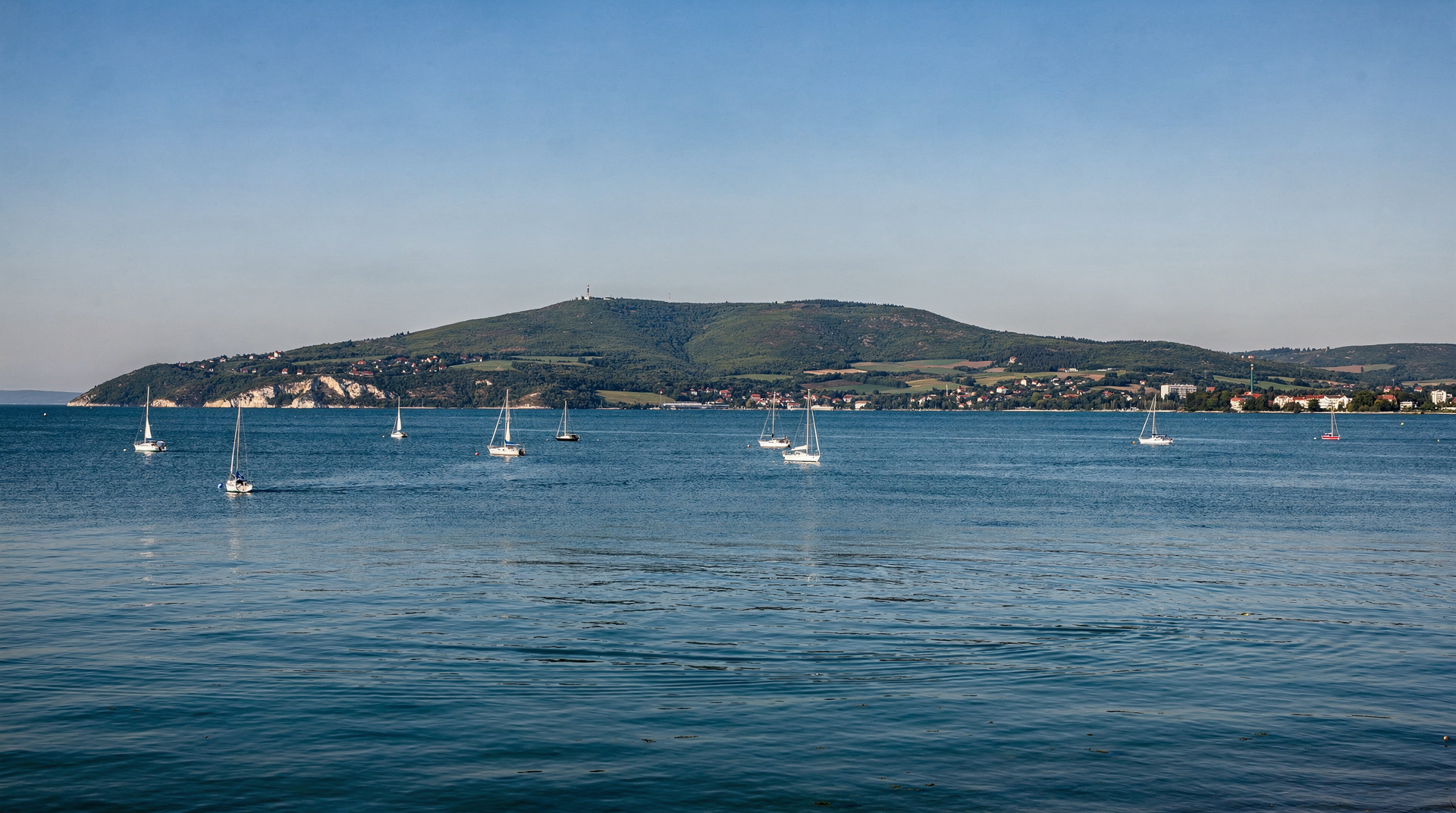
Tihany is a narrow finger of land that juts 4 km into Lake Balaton from the northern shore, narrowing the lake to a 1.5 km crossing — the reason the car ferry has operated here for centuries. From the bluff above the village, the views are extraordinary in both directions: the open expanse of the lake to the south, the volcanic hills of the northern shore receding to the west, and on clear days, the Badacsony basalt columns on the horizon.
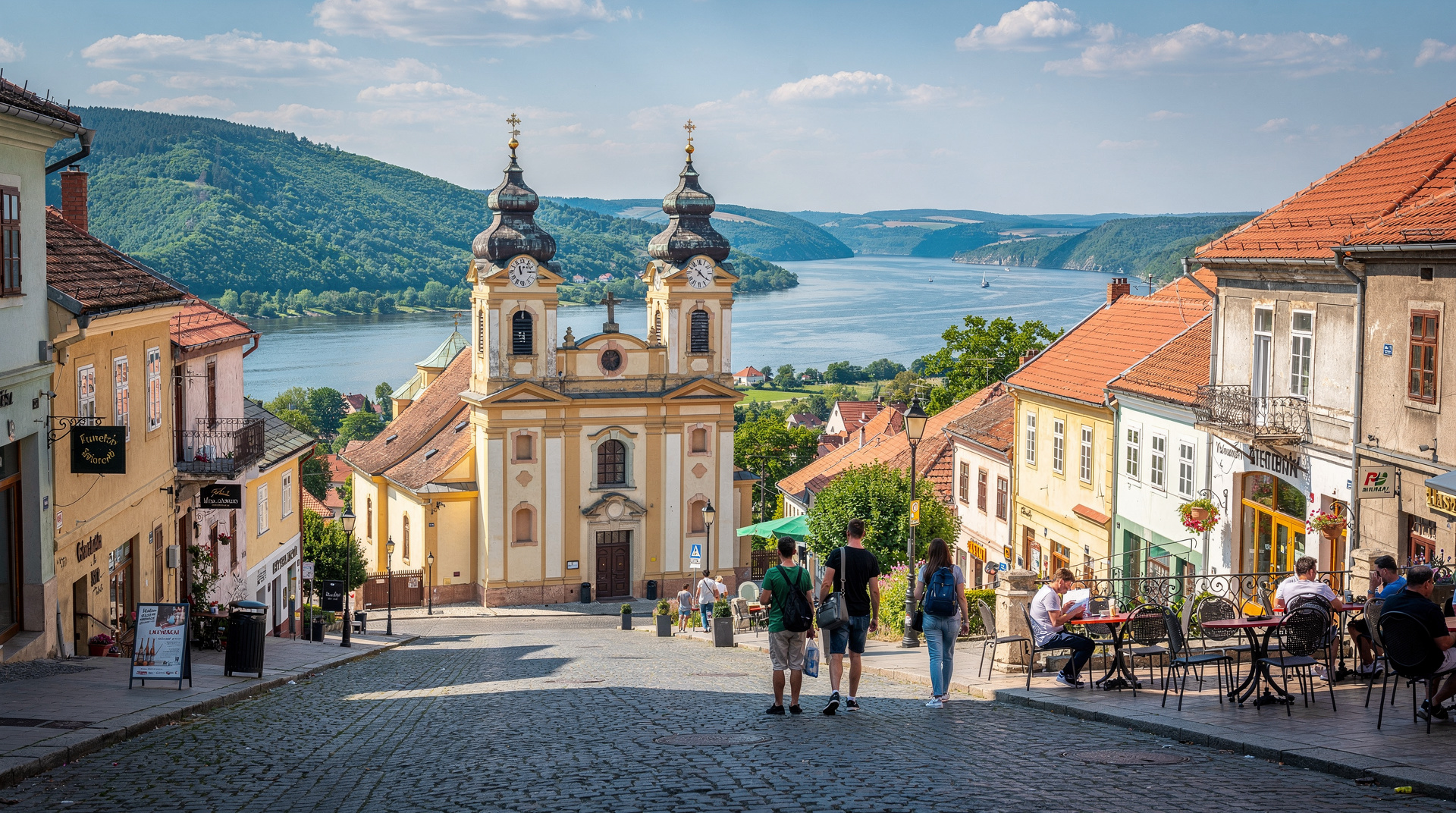
The peninsula’s central attraction is the Benedictine Abbey of Tihany, founded in 1055 and Hungary’s oldest continuously inhabited monastery. But Tihany offers more than a single monument: lavender terraces in late May and June, a serious wine district inland, and a hiking network that suits everything from casual strolls to a full-afternoon trail walk. Combined with Balatonfüred — just 15 km away — it makes one of the most rewarding half-days on the Balaton circuit.
| Where | Tihany peninsula, northern shore of Lake Balaton, ~130 km from Budapest |
| Cost | Abbey ~1 800 HUF; grounds and hiking trails free; ferry ~1 200 HUF |
| Time needed | Half a day |
| Getting there | Train to Balatonfüred (~2 hrs) + bus/taxi (~15 min); or organized tour |
| Best time | Late May–June for lavender; July–August for swimming; September for wine harvest |
The Benedictine Abbey and its crypt
The current Baroque church building (completed 1754) replaced an earlier Romanesque structure, but the crypt beneath it is the original foundation — King Andrew I ordered it built and is buried here, one of only two Hungarian monarchs whose burial place is known and can be visited (the other being Székesfehérvár). His simple stone sarcophagus, set into the crypt floor, is unexpectedly moving in its austerity.
The 1055 founding charter — the Tihany Deed, written in Latin with Hungarian-language words embedded in the text — is considered the oldest document containing written Hungarian. It is held in the Pannonhalma Archive, but facsimiles are displayed in the abbey museum, and the story of those first Hungarian words inserted into a Latin legal document is one worth knowing before you visit: it marks the beginning of the written Hungarian language record.
The Baroque twin-tower church is filled with remarkable carved woodwork: the pews, pulpit, and choir stalls were carved by a single craftsman, Sebestyén Stuhlhof, who spent decades creating the entire interior. The scale of the individual achievement is staggering. Abbey admission is roughly 1 800 HUF (~€4.50); the grounds are free and worth exploring for the views alone.
Lavender and the June season
Tihany is Hungary’s main lavender-growing area, and the terraced fields between the abbey and the peninsula’s southern slope turn purple from late May through mid-July. The lavender terraces have become one of the most photographed landscapes in Hungary — deservedly so, but that also means they are crowded on summer weekends. Arrive before 9:00 or come mid-week for the purple rows without the selfie sticks.
The village sells lavender in every form: sachets, soaps, essential oil, honey infused with lavender, and kürtőskalács (chimney cake) flavoured with lavender — a regional quirk that is actually pleasant. The quality varies between shops; the abbey gift shop tends to have the more reliable locally produced items.
Hiking the peninsula
The Tihany peninsula hike and abbey day trip from Budapest combines the guided hike with abbey visit in a single organized excursion — the best option if you want expert commentary on the geology and ecology of the peninsula alongside the history.
If you prefer to hike independently, the main trail loop runs from the abbey village down through the lavender terraces to the Inner Lake (Belső-tó) — a former volcanic crater now occupied by a reed-fringed freshwater lake distinct from Lake Balaton. The loop continues along the peninsula’s ridge with open views and returns to the village. Allow two to three hours at a relaxed pace. Trail markings are clear and use the standard Hungarian coloured-stripe system.
The Outer Lake (Külső-tó) on the opposite side of the peninsula is a bird reserve with herons, cormorants, and egrets — visible from the marked paths but not accessible in nesting season (spring).
The Káli Basin: Tihany’s wine hinterland
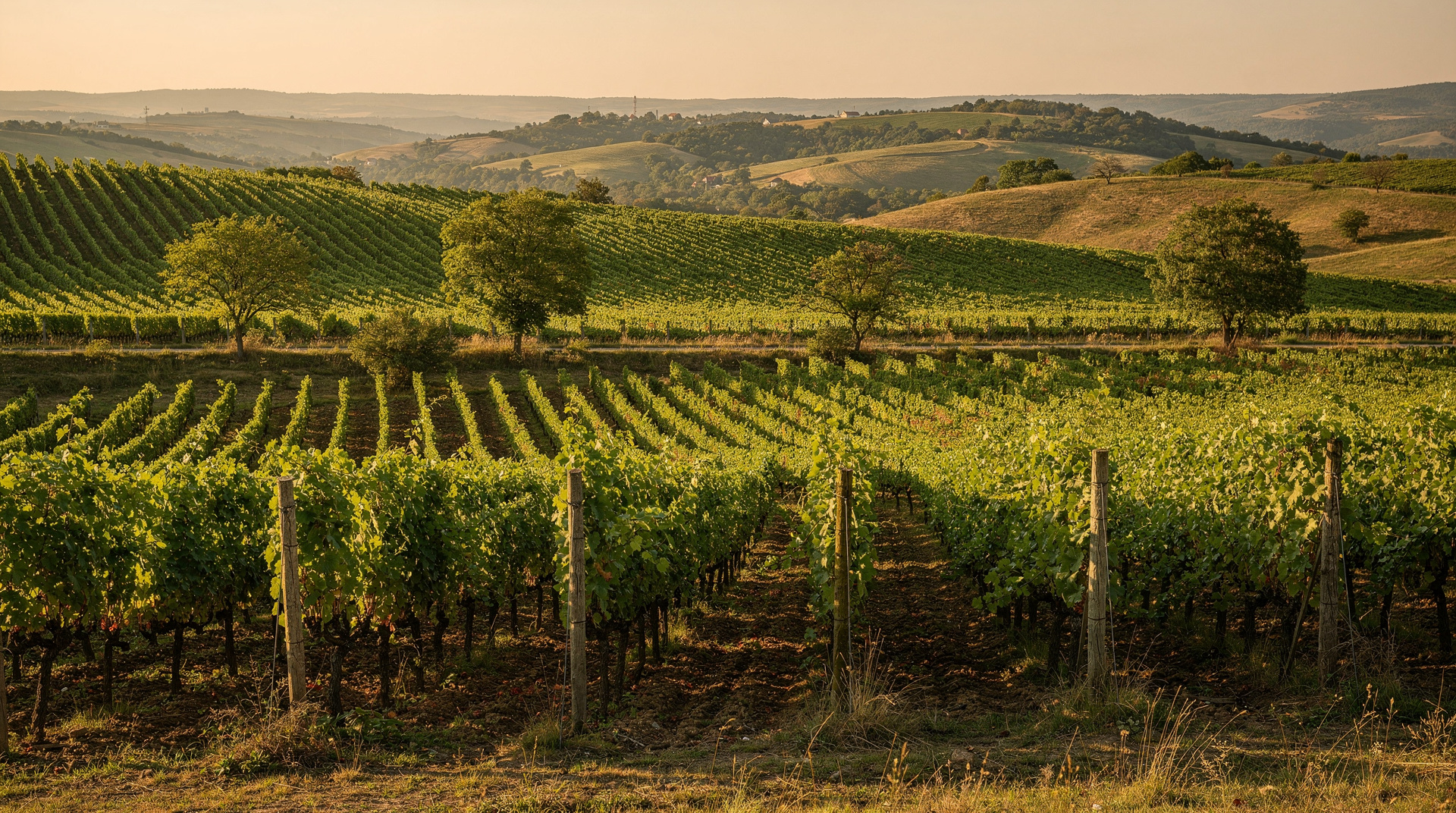
Six kilometres inland from Tihany, beyond the village of Aszófő, the Káli Basin opens up as one of Hungary’s most beautiful and least touristy landscapes: stone-walled villages, basalt outcrops, quiet country roads and vineyards producing some of the most interesting white wines in Central Europe.
The Káli Basin wine tour from Balaton takes you into this hidden valley with tastings in local cellars — a striking contrast to the resort atmosphere of the Balaton shore. The wines here are serious: mineral Olaszrizling from volcanic soils, structured Furmint and local grape varieties that almost never appear outside Hungary. Producers such as Kővágóörs, Fekete and Pöltenberg are small operations where you taste with the winemaker rather than in a commercial tasting room.
The Káli Basin is also lovely for cycling on quiet roads linking the small villages of Mindszentkálla, Kővágóörs and Szentbékkálla — rent a bike in Tihany or Balatonfüred and spend half a day exploring the valley.
What to bring and how to pace the walk
A peninsula walk is easy to under-prepare for. Shade is patchy on the open terraces, so a hat, sun protection and a refillable water bottle matter more than they look on a map, and sturdy shoes make the uneven stretches far more comfortable. The what to pack for Budapest guide covers the layers worth carrying if you are travelling outside high summer, when the wind on the bluff can feel cooler than the village below.
Pace yourself around the abbey rather than the other way round. Visit the church and crypt first while the interior is quiet, then take the trail while the light is soft, and keep the village for the end of the day when the stalls and cafés are most welcoming. If your whole Hungarian trip is built around the capital, Budapest in summer, Budapest in spring and Budapest in autumn help you decide which season suits a lake excursion best, and the Budapest without tourists story is a useful reminder that the quieter months often reward the patient traveller.
Why Tihany feels different from the rest of Balaton
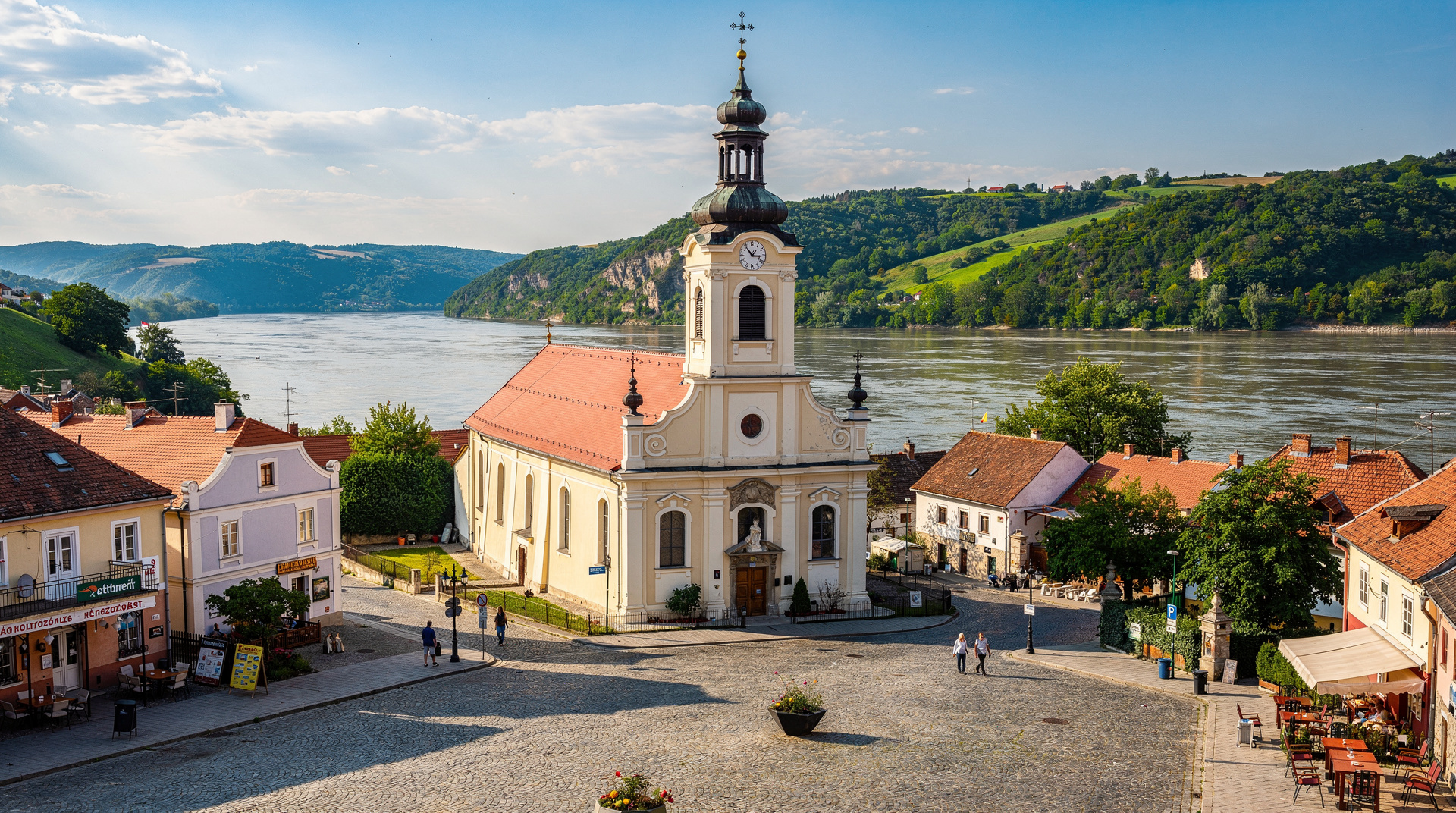
Much of the lake shore is built around beaches, promenades and holiday apartments. Tihany reads differently because the abbey, the protected landscape and the village’s stone-and-thatch streets set the tone. That character is the real reason to come: you are not just ticking off a viewpoint, you are stepping into a place where monastic history, volcanic geology and a farming tradition still sit side by side.
It also pairs naturally with other slow, landscape-led trips. Visitors who enjoyed the riverside villages on the Danube Bend day trip, with Szentendre and Visegrád as typical stops, will recognise the same appeal here: small places with a strong sense of identity, best enjoyed without rushing.
Planning Tihany into a longer Hungary trip
Because Tihany is a half-day stop rather than a full-day destination, it works best when you decide in advance what it is paired with. Some travellers fold it into the wider Lake Balaton day trip; others treat it as one chapter in a longer itinerary such as the Budapest and day trips week, where the capital’s sights are balanced against two or three excursions. If you are still shaping the base of your trip, the three days in Budapest itinerary and the how many days in Budapest guide show how much room there is for a lake day.
Getting to the region in the first place is covered in the getting to Budapest guide, and the best day trips from Budapest helps you compare the lake with alternatives before you commit a precious day.
Wine, spirits and regional flavours
The Káli Basin is only one chapter in Hungary’s wine story. If the tastings here spark your interest, the Hungarian wine guide explains the main regions and grape styles, while the wine tastings in Budapest guide shows how to continue exploring once you are back in the city. For a very different red-wine culture, the Eger day trip and the Tokaj wine region guide are the natural next steps, and the autumn in Tokaj story captures the harvest mood well.
Food and drink in the village tie in with the wider Hungarian table. The traditional Hungarian dishes guide will help you read a menu, the where to eat lángos guide is handy if you are tempted by the market stalls, and the chimney cake guide explains the sweet that shows up flavoured with lavender here. If a glass of fruit spirit appeals after a long walk, the pálinka guide offers some background before you taste.
A simple half-day shape
A comfortable rhythm for the peninsula looks like this: arrive early, walk the abbey grounds and enjoy the view, descend through the lavender terraces toward the Inner Lake, and finish with a slow lunch in the village. If energy remains, the ferry crossing or an afternoon in Balatonfüred rounds the day off without feeling rushed. Adjust the order if the weather turns; the abbey interior is a good shelter, while the trails are best kept for clear conditions.
Practical tips
Six kilometres inland from Tihany, beyond the village of Aszófő, the Káli Basin opens as one of Hungary’s most beautiful and least-touristed landscapes: stone-walled villages, basalt outcrops, slow country roads, and vineyards that produce some of the most interesting white wines in Central Europe.
The Balaton Káli Basin wine tour takes you through this hidden valley with tastings at local cellars — a sharp contrast to the beach resort atmosphere of the Balaton shore. The wines here are serious: mineral-driven Olaszrizling from volcanic soils, structured Furmint, and local varieties that rarely appear outside Hungary. Producers like Kővágóörs, Fekete, and Pöltenberg are small-scale operations where you taste with the winemaker rather than in a commercial tasting room.
The Káli Basin also has good cycling on quiet roads connecting the small villages of Mindszentkálla, Kővágóörs, and Szentbékkálla — rent a bike in Tihany or Balatonfüred and spend a half-day exploring the valley.
Tihany by season
| Months | Highlight | Crowds |
|---|---|---|
| Late May–June | Lavender terraces in full bloom | Moderate, heavier on weekends |
| July–August | Swimming at Balatonfüred, warm ferry crossings | High, arrive before 10am |
| September | Wine harvest events in the Káli Basin | Moderate |
| October–April | Quiet abbey visit, off-season stillness | Low, some businesses closed |
Combining Tihany with the wider Balaton circuit
Tihany rarely works well as a Budapest day trip on its own — the roughly two hours each way to Balatonfüred plus the local connection to the village eats most of a day if the peninsula is the only stop. It fits far better as part of a broader Lake Balaton visit: spend the morning at the abbey and on the hiking trails, then descend to Balatonfüred for the afternoon, or continue by ferry to the south shore. Travellers building a longer northern Hungary route sometimes pair a Balaton/Tihany day with Eger or Tokaj wine country on a separate day, since all three are reachable without backtracking through central Budapest.
Getting to Tihany from Budapest
By train + bus/taxi: Take the train from Budapest Déli to Balatonfüred (about 1.5 hours; book ahead in summer), then a local bus (line 8 or 47, about 15 minutes) or taxi to Tihany village. The bus stop nearest the abbey requires a short uphill walk. See the lake Balaton day trip guide for full train timetables and ticket-booking tips.
By organized tour: Most Balaton day trips from Budapest include Tihany as a stop. For a tour specifically focused on the hike and abbey, the guided Tihany peninsula hike and abbey day trip is the most structured option.
By car: Easy from Budapest via the M7 motorway to Balatonalmádi, then the lake road. Parking at the top of Tihany village is paid and fills quickly in peak season — arrive before 10:00 in July and August.
By ferry from south shore: The Tihany–Szántód ferry runs year-round and is a pleasant way to arrive if you are spending the day on the south shore.
What to eat in Tihany
The village has a handful of restaurants catering to day-trippers. Quality varies; the best option for a sit-down lunch is the Levendula Étterem (Lavender Restaurant) near the abbey, which serves regional fish dishes — Balaton fogasch (pike-perch), catfish paprikash, and fogas fillets are the specialties. Budget 3 500–5 500 HUF (~€8.75–€13.75) per main course. Simpler sandwiches and lángos (deep-fried dough) are available from market stalls near the abbey entrance for half the price.
The wine terraces on the slope below the abbey occasionally host pop-up wine tastings in summer evenings — worth checking local event listings if you are staying in Balatonfüred overnight.
Practical tips
Best months: Late May and June for lavender; July and August for swimming (combine the peninsula with Balatonfüred beach); September for wine harvest events in the Káli Basin.
Combine with Balatonfüred: Tihany and Balatonfüred are 15 km apart and make a natural pairing. Spend the morning at the abbey and on the peninsula trails, then descend to Balatonfüred for lakeside lunch and afternoon beach time. See the Lake Balaton destination guide for accommodation and orientation across the full lake region.
Ferry crossing: The Tihany–Szántód ferry (roughly 1 200 HUF one way for foot passengers) is worth taking even if you don’t plan to spend time on the south shore — the view back toward the abbey bluff from the water is excellent.
Beyond Balaton: For a complete Lake Balaton itinerary that fits into a Budapest-based trip, read the best day trips from Budapest guide. For other wine-focused day trips from Budapest, Eger and Tokaj offer very different wine styles in very different landscapes.
Top experiences
Bookable activities with verified prices and instant confirmation on GetYourGuide.