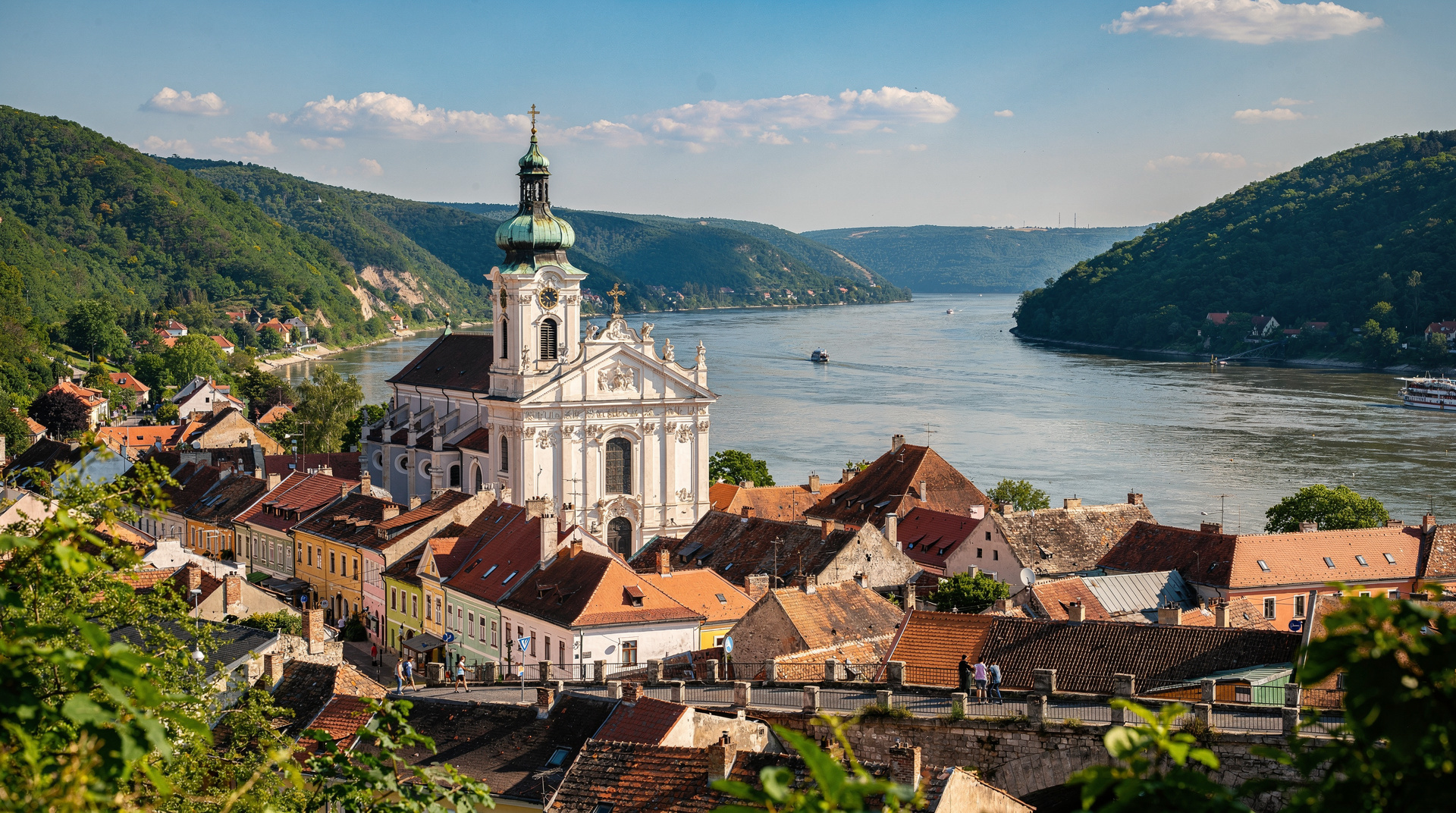
Bratislava day trip from Budapest: Slovak capital in a day
Visit Bratislava from Budapest in a day: medieval old town, Bratislava Castle, Devín Castle ruins, Danube riverfront, and communist-era architecture.

Quick facts
- Distance from Budapest
- ~200 km west (straight line ~160 km)
- Travel time
- ~2.5 hrs by bus; ~2 hrs by car; seasonal boat service on the Danube ~4–5 hrs
- Currency
- Euro (Slovakia is in the eurozone); credit cards widely accepted
- Language
- Slovak; German and English widely understood in tourist areas
- Visa
- Schengen — same zone as Hungary; no border control
- Honest note
- Bratislava is a small capital — the old town takes 2–3 hours to explore; combine with Devín Castle or a Danube cruise to fill a full day
Budapest’s Schengen neighbour on the Danube
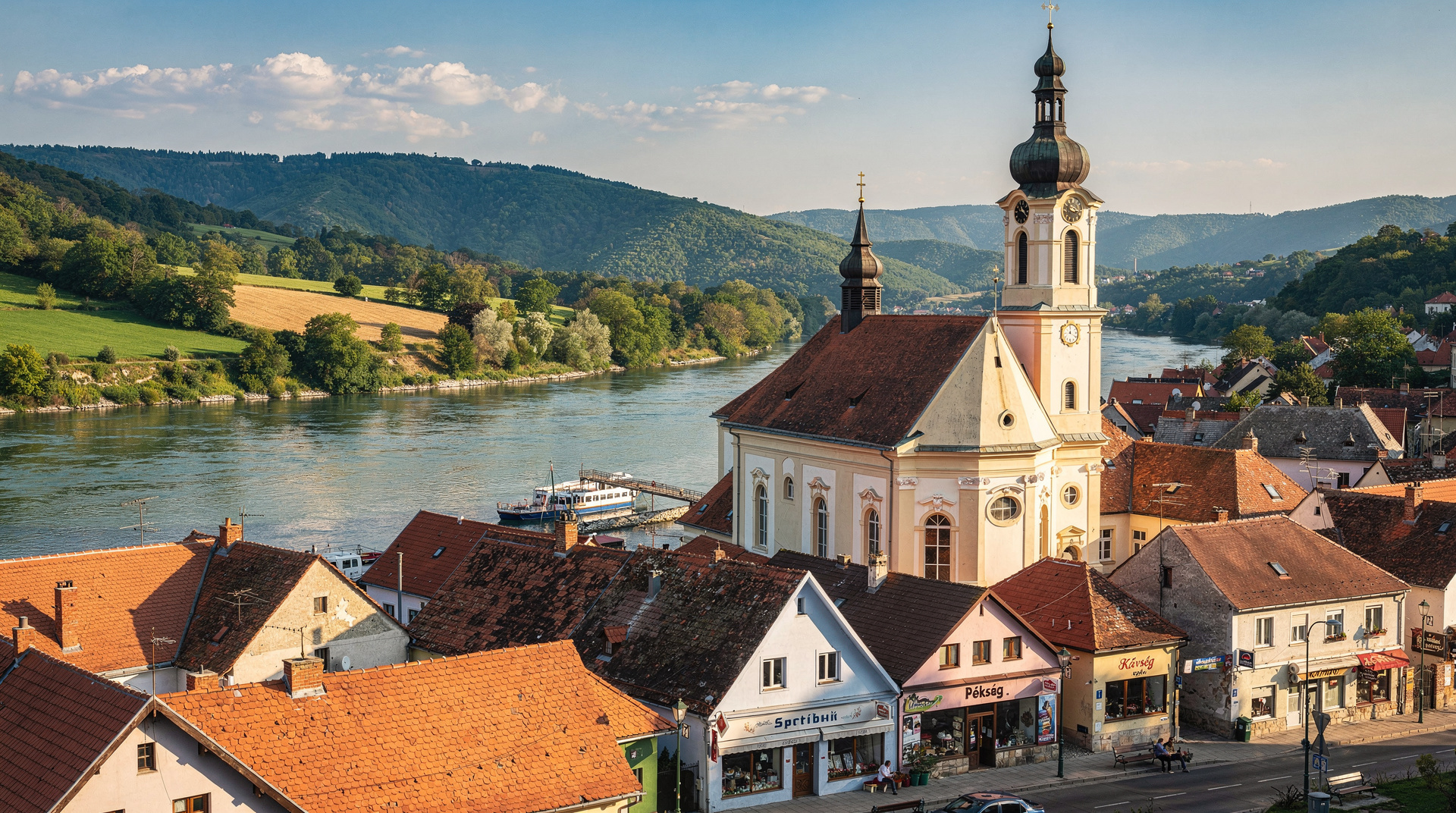
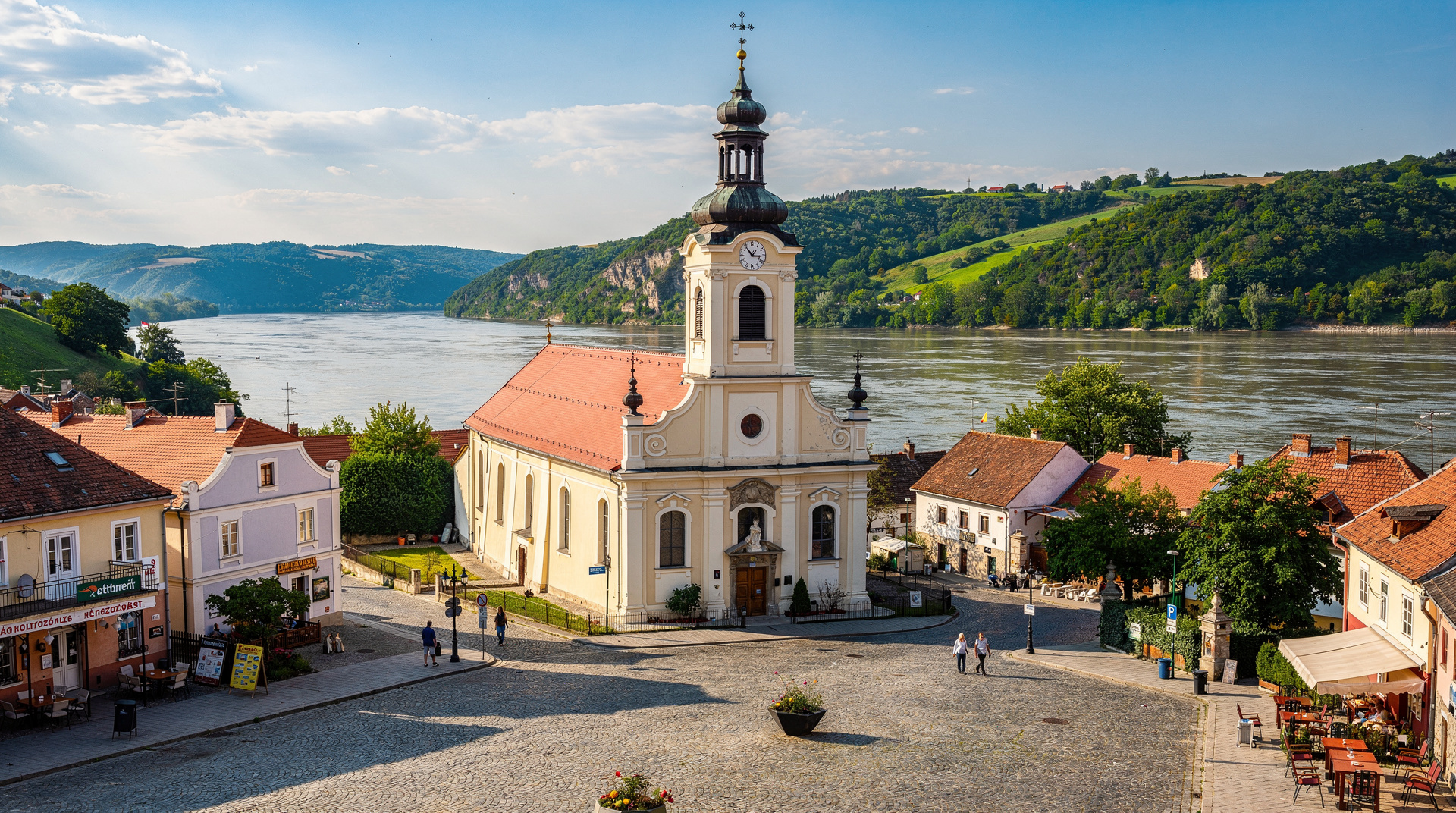
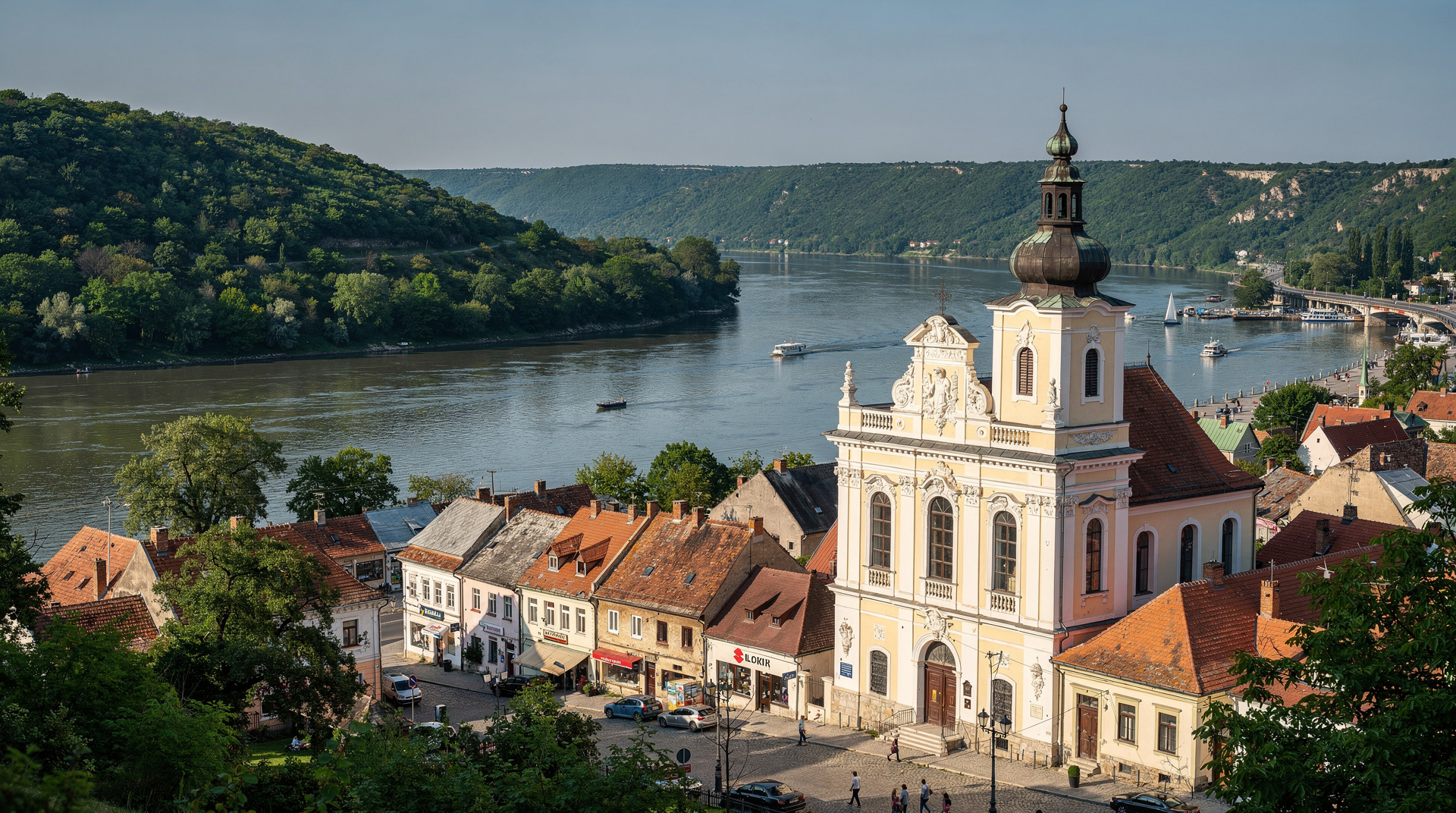
Bratislava is the closest foreign capital to Budapest — roughly 200 km by road, reachable in under 2.5 hours by bus — and one of the easiest international day trips in Europe. Slovakia joined the Schengen Area in 2007, so there is no border control to navigate. The Danube connects the two cities both literally (the river flows through both) and historically (both were capitals of the Hungarian Kingdom at different points, under different names — Bratislava was Pressburg to the Germans, Pozsony to the Hungarians).
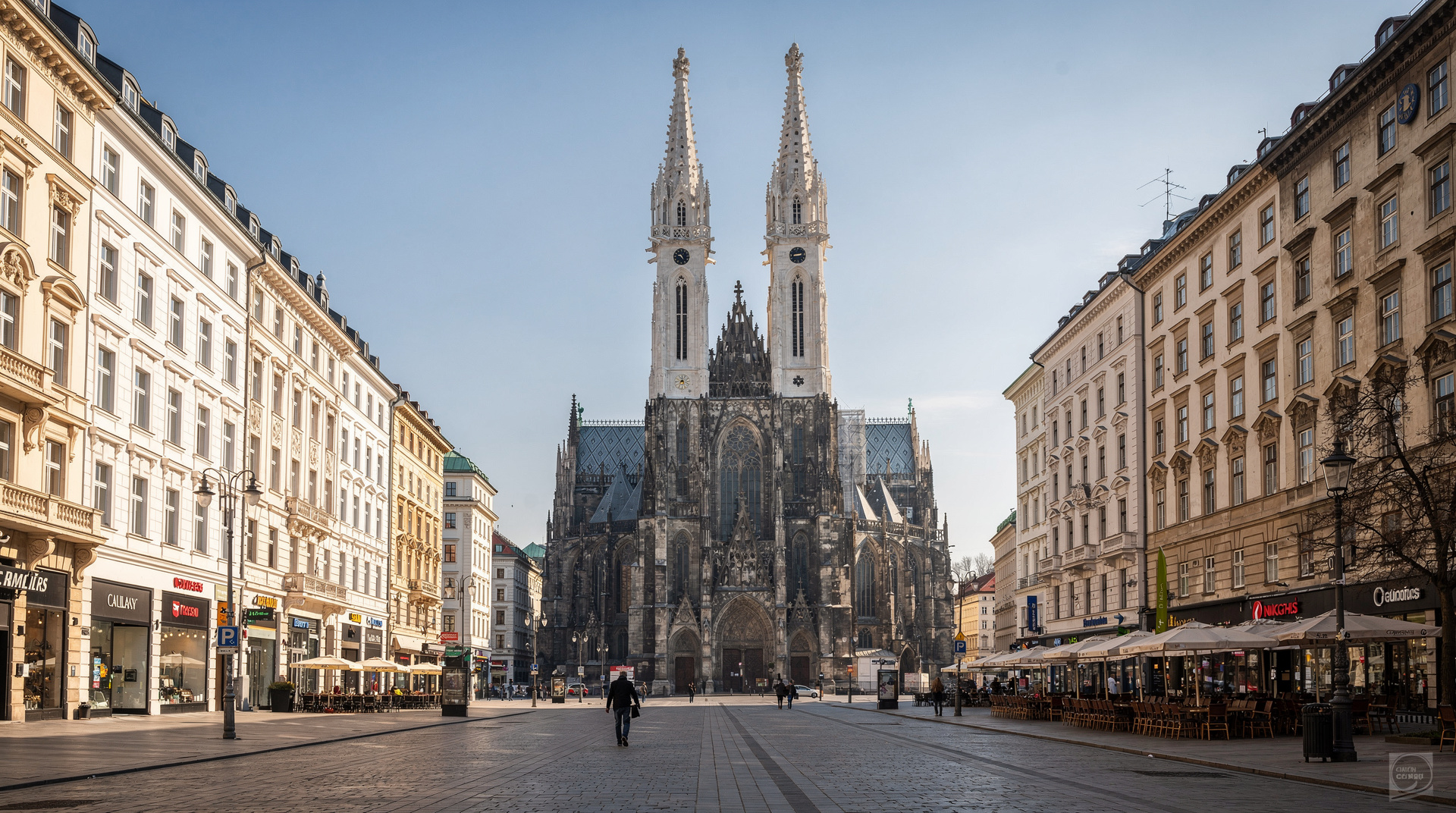
Despite the proximity, Bratislava feels genuinely different from Budapest: smaller and quieter, with a compact medieval old town that can be explored in a morning, Cold War-era socialist architecture on a scale that Budapest avoided, and a riverfront defined by the enormous SNP Bridge and its flying saucer observation deck. The contrast makes it an excellent counterpoint to Budapest rather than a competition.
| Where | Old town + Devín Castle, ~200 km / ~2.5 hrs by bus from Budapest |
| Cost | Around €10–18/main in the old town; day trip transport from ~€20–40 |
| Time needed | Half a day for the old town alone; a full day with Devín or the communist tour |
| Getting there | FlixBus/RegioJet from Népliget, an organized day tour, or the seasonal Danube boat |
| Best time | April to October, or the Christmas market in late November/December |
The old town: the compact core
Bratislava’s historic old town is genuinely walkable — the main attractions cluster within a 15-minute stroll of each other. The principal spaces are the Hlavné námestie (Main Square), with its Maximilian Fountain (1572), outdoor café terraces, and the Old Town Hall (one of Slovakia’s oldest surviving civic buildings, dating from the 14th century and containing an interesting city museum); the Primaciálne námestie (Primate’s Square) with the Neoclassical Primate’s Palace; and the narrow streets connecting them.
Bratislava Castle (Bratislavský hrad) sits on a hill directly above the old town — the white four-towered structure on a flat hilltop is the city’s defining silhouette. The climb from the old town takes about 10–15 minutes on foot. The castle houses the history museum of the Slovak National Museum and offers sweeping views over the old town rooftops, the Danube, and on clear days, Austria and Hungary in the distance.
The tourist zone is genuinely enjoyable rather than merely functional: café culture is well-developed, the prices are noticeably lower than Budapest for comparable quality, and the central streets feel calm rather than overwhelmed by tourist infrastructure.
The Danube crossing to Devín
Devín Castle, 9 km west of Bratislava on a cliff at the Danube-Morava river confluence, is the city’s most dramatic secondary attraction. The ruins date to medieval times, but the clifftop has been fortified continuously since Celtic and Roman periods — excavated Roman layers are still visible. The views from the cliff over the river confluence, with Austria visible on the far bank and Hungary implied beyond the southern horizon, are extraordinary.
During the Cold War, the Devín promontory was part of the Iron Curtain’s most fortified stretch — watchtowers, searchlights, and barbed wire ran along the river here, and the ruins were inaccessible. Visiting now, knowing that history, makes the openness of the view feel deliberately earned.
The Bratislava to Devín Castle boat cruise is the most scenic way to reach Devín: a short Danube cruise from Bratislava’s riverfront landing pier to the castle, with views of the cliff approach that the bus cannot replicate. Return by bus or cruise back.
Communist architecture and Cold War Bratislava
While Budapest largely escaped the most aggressive urban interventions of communist-era planning, Bratislava did not. The result is a city where socialist-modernist architecture exists at significant scale — not as individual buildings but as entire urban systems.
The SNP Bridge (1972), with its asymmetric pylon and flying saucer observation platform (the UFO restaurant, now a tourist attraction), eliminated an entire historic neighbourhood on the south bank to make way for the motorway approach. The Petržalka estate across the river is the largest prefabricated housing complex in Central Europe, housing 100,000 people in concrete panel apartment blocks that extend as far as the Austrian border. The New Bridge (Nový Most) adds to the portfolio of brutalist Danube crossings.
The Bratislava post-communist tour provides guided access to these sites with historical context about life under the Czechoslovak regime, the Velvet Revolution in 1989, and how the city has changed since. It is one of the most informative communist-history tours available in Central Europe outside Poland.
Organized tours from Budapest
The Bratislava day trip from Budapest is the most direct option: organized transport, a guided introduction to the old town and castle, and free time to explore independently. The Bratislava sightseeing bus tour is useful once you arrive if you want an overview of the wider city including the areas beyond the old town pedestrian zone.
For the most complete day, combine the morning old town walk with an afternoon Devín cruise and the post-communist tour — this fills a full day comfortably and covers all three distinct aspects of the city.
Planning the day: how to pace Bratislava
The best way to use Bratislava is to treat it as a slow day after a fast one. If your Budapest days have been packed with baths, museums and late nights, this is the day to walk without a checklist, sit on a terrace and let the old town come to you. Our Bratislava day trip guide lays out the practical sequence in more detail, and the best day trips from Budapest page shows how it stacks up against the alternatives.
A sensible rhythm is to arrive in the morning, walk the old town and climb to the castle before the middle of the day, eat lunch at the market hall or on a quiet side street, and then spend the afternoon on the river side of the city. That is where Devín or the communist-era sites come in, depending on whether you prefer ruins and views or concrete and history. Whichever you choose, leave a buffer for the return journey: buses fill up on summer weekends and you do not want to be racing the clock on your last walk along the Danube.
If you are building a longer stay, Bratislava slots neatly into a week that mixes city days and excursions. The Budapest and day trips week itinerary shows one way to space them out, while the three-day overview of Budapest helps you decide whether you can spare a day away at all on a shorter visit.
Bratislava through a Hungarian lens
One reason the city is so rewarding from Budapest is the shared history. Pozsony, as Hungarians called it, hosted a good part of the Hungarian Kingdom’s political life when other parts of the country were under foreign rule, and that layered past is easy to feel once you start looking for it in street names, façades and museum labels. If the story interests you, the Hungarian history primer gives the background that makes the old town far more than a pretty backdrop.
The Cold War chapter also connects directly back to Budapest. Both cities lived behind the same Iron Curtain, but they remember it differently, and seeing the two side by side is a quiet education. Back in Hungary, the communist Budapest guide, the House of Terror guide and the Memento Park guide are natural companions to a day in Bratislava’s concrete suburbs and Devín’s watchtower-era landscape.
Other ways to spend the Danube day
If the river is what draws you, remember that Bratislava is only one of several Danube excursions. Closer to home, the Danube Bend day trip takes in Szentendre, Visegrád and Esztergom, and it is a gentler option if you would rather not cross a border. For a cruise without leaving the capital, the best Danube cruises in Budapest compares the main formats. Many travellers who enjoy the Devín boat later book one of these as a way to see Budapest from the water.
Eating and drinking in Bratislava
Slovak cuisine shares its base with Hungarian — pork, potato, and dairy-heavy dishes with paprika-adjacent flavourings — but the Slovak variations are distinct. Bryndzové halušky (potato dumplings with sheep’s bryndza cheese and fried bacon) is the national dish and available in most traditional restaurants. Sviečková (beef sirloin in creamy root vegetable sauce) is the formal occasion dish. Lokša (potato pancakes, sweet or savoury) appears at street food stalls.
The Stará tržnica (Old Market Hall, renovated 2014) on Námestie SNP has food stalls, craft beers, and a lunch crowd of city workers — an authentic eating experience and a contrast to the tourist-facing restaurants on the main square. Main courses in the old town range from €10–€18; cheaper options exist at the market hall (€5–€9).
Slovak craft beer has developed rapidly in the last decade: the old town has several craft beer bars. Pivovar Jur (a small brew-pub near the castle hill) and the various Múza bar locations are reliable choices.
If you enjoy comparing, the traditional Hungarian dishes guide is a good primer before you taste the Slovak versions, and the craft beer in Budapest guide makes it easy to judge which capital pours the better pint. Eating at the market hall rather than on the main square also keeps the day relaxed and the bill modest, which matters if you are watching spending; the Budapest daily budget guide will help you see how a day abroad fits your overall plan.
Practical tips
Getting there from Budapest:
- Bus: FlixBus or RegioJet from Budapest Népliget bus terminal — most reliable, most frequent, about 2.5 hours. No advance booking essential but recommended for summer weekends.
- Organized tour: Most convenient, particularly for first-time visitors who want structure.
- Seasonal Danube boat: Twin City Liner connects Budapest and Bratislava April to October (check current schedule — not all seasons are active); journey is 4–5 hours upstream, about 3 hours downstream. Scenic but occupies most of the day for transport alone.
Before you leave Budapest: getting to the bus terminal is part of the day, so check the getting around Budapest guide and the Budapest metro guide to plan an early, unhurried start.
Currency: Slovakia uses the euro. Credit cards are widely accepted in hotels, restaurants, and most shops. ATMs are plentiful in the old town. You can spend any leftover HUF before crossing and switch to euros on arrival.
Language: Slovak, but English is widely spoken in the tourist zone and many hospitality workers speak German as well. Hungarian is understood in some areas given the proximity and historical connection.
Combining with Vienna: Budapest–Bratislava–Vienna forms a classic Central European triangle. Vienna is only 80 km from Bratislava by train (under an hour). If you plan to visit both on the same trip, a Budapest → Bratislava → Vienna → Budapest loop (or the reverse) is highly efficient — see the best day trips from Budapest for logistics.
How Bratislava compares to a Vienna day trip
Travellers deciding between Hungary’s two closest foreign capitals often ask which is the better single day trip. Both are Schengen crossings with no border control, but the character and the pacing differ:
| Bratislava | Vienna | |
|---|---|---|
| Travel time from Budapest | ~2.5 hrs by bus | ~2.5–3 hrs by train |
| Character | Compact, low-key, communist-era contrasts | Grand, imperial, museum-heavy |
| A day feels | Relaxed, easily covered by early afternoon | Busy — you will not see everything |
| Price level | Noticeably cheaper than Vienna | Western European prices |
| Best for | A gentle half-day plus Devín or communist history | Culture-dense full-day sightseeing |
For a wider comparison of the two capitals themselves, the Budapest vs Vienna guide and the Vienna day trip guide are worth reading before you commit a day. Neither choice is wrong — Bratislava suits travellers who want an easy, unhurried change of pace, while Vienna rewards those willing to move fast through a much bigger city. Some visitors do both on the same multi-day loop rather than choosing.
Top experiences
Bookable activities with verified prices and instant confirmation on GetYourGuide.