What to pack for Budapest: seasonal packing list for every trip

What should I pack for a trip to Budapest?
Comfortable walking shoes (the Castle District cobbles are brutal on flat soles), a swimsuit and flip-flops for the thermal baths, a smart-casual outfit for restaurants, and a versatile mid-layer for spring and autumn. In summer add sunscreen and a hat; in winter add thermals and a proper coat for the outdoor baths.
Start with the non-negotiables
| Non-negotiables | Walking shoes, bath kit (swimsuit + flip-flops), power adapter |
| Cost to buy locally if forgotten | Around 3,000–8,000 HUF for basics (swimsuit, flip-flops, adapter) |
| Best time to check weather | A week before departure — Budapest’s shoulder seasons swing widely |
| Documents | Passport/ID, travel insurance, ETIAS status (check before travel) |
| Currency to pack | None — withdraw HUF on arrival rather than pre-buying |
Before sorting by season, three items are universal regardless of when you visit Budapest:
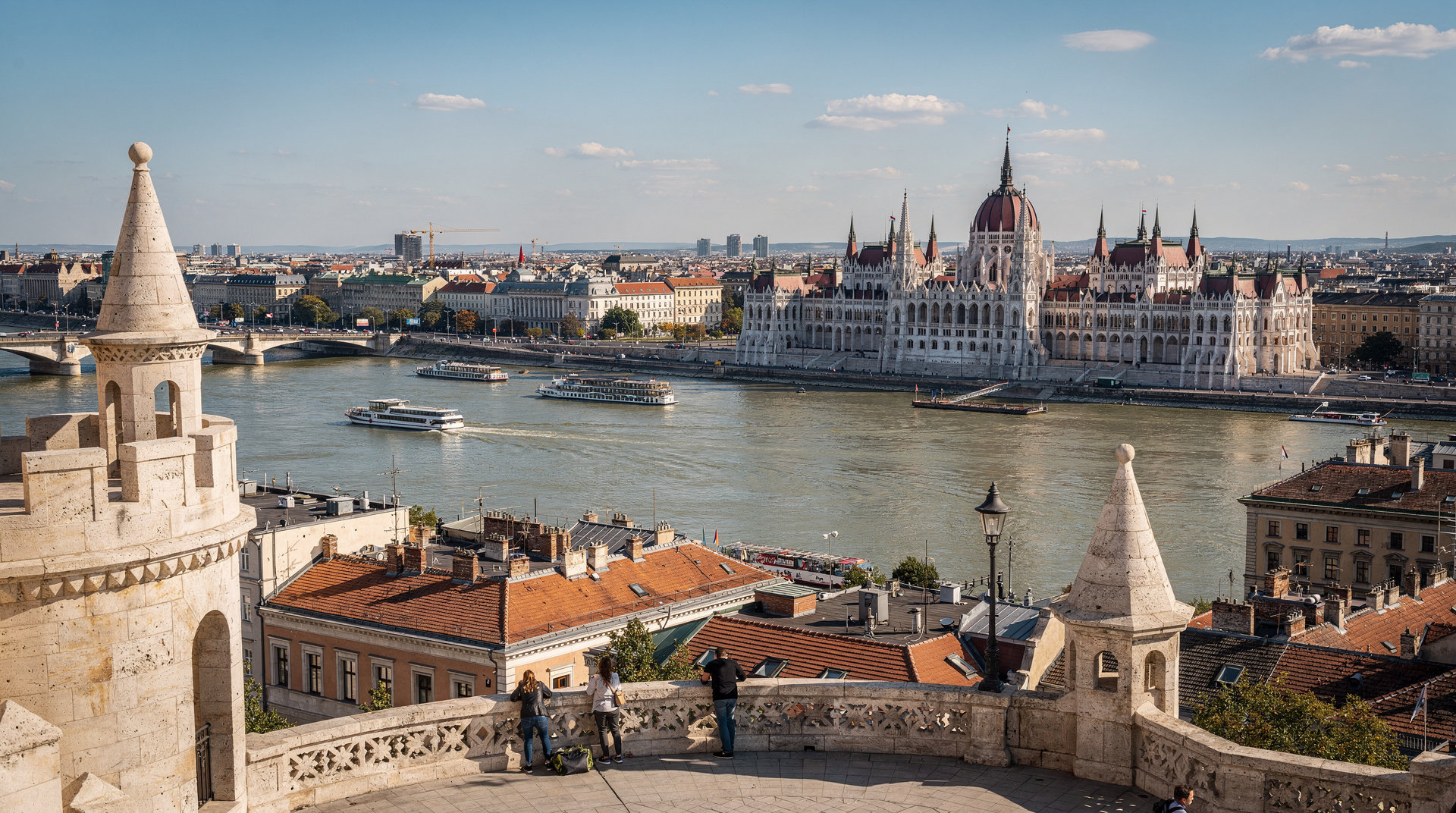
Comfortable walking shoes: The Castle District is cobblestone on a steep hill. The Jewish Quarter has uneven pavements. A day of normal Budapest sightseeing can easily cover 12–18 km on foot. Walking shoes or well-broken-in trainers with cushioned soles are not optional — flat ballet flats and minimal trainers leave your feet hurting by lunchtime on day one.
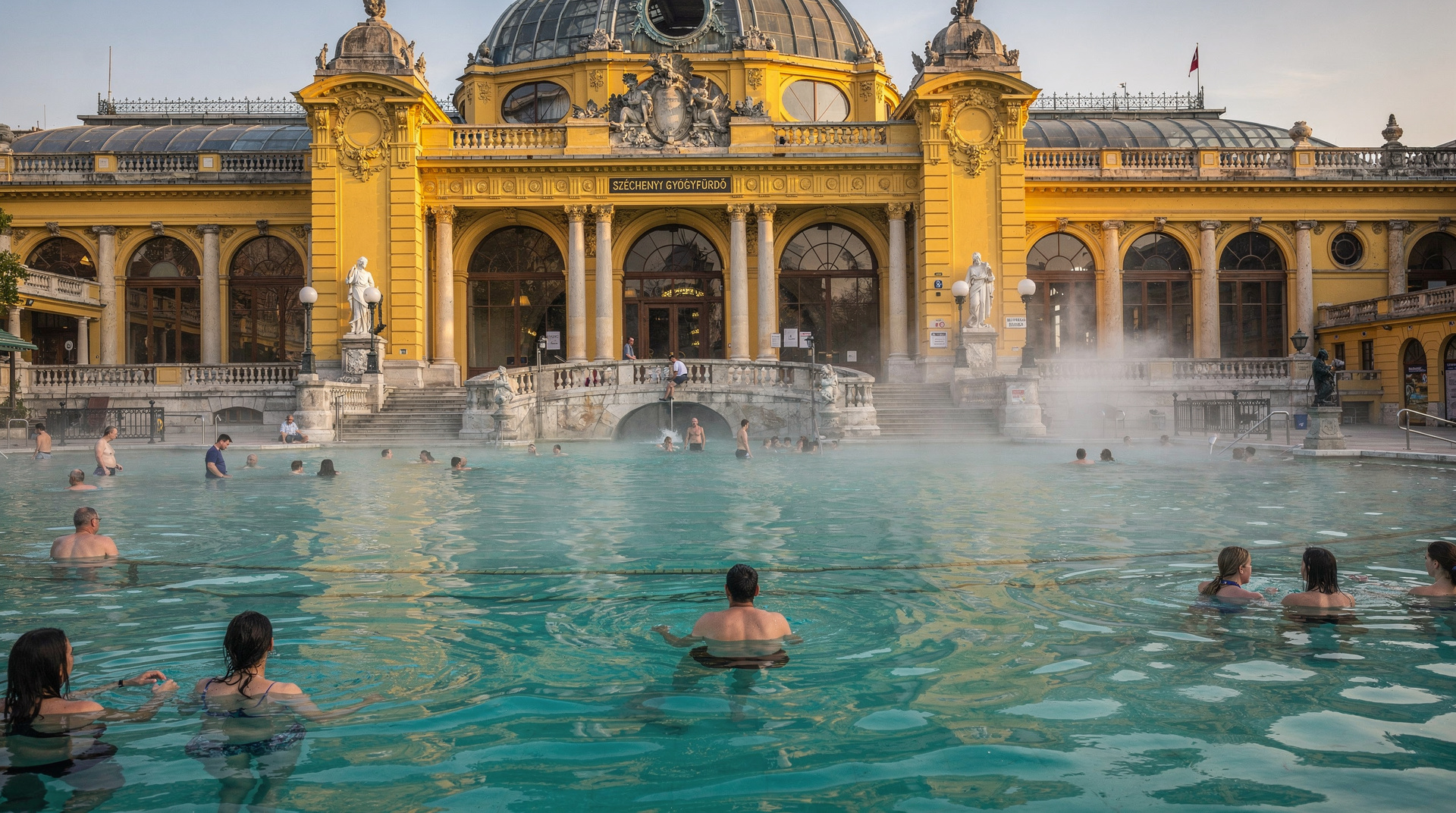
Bath kit: A swimsuit and flip-flops. If you are visiting any of the thermal baths — and you should — a swimsuit is mandatory. Flip-flops protect you on the wet pool surrounds and are appreciated everywhere. Pack a small microfibre towel or be prepared to rent one at the baths (1,000–2,000 HUF). See the thermal bath etiquette guide for what each bath requires.
Power adapter: Hungary uses standard European two-pin plugs (Type C/E/F, 230V). UK and US visitors need an adapter. Smart plug adapters that handle multiple formats are widely available at UK and US travel shops.
For the season-specific packing list tool, use the Budapest packing list which adjusts for your travel dates and trip type.
Packing at a glance, by season
| Season | Typical temps | Key extra items | Bath kit note |
|---|---|---|---|
| Spring (Apr–May) | 10–22°C | Rain layer, light scarf | Standard kit; comfortable outdoor soaking weather |
| Summer (Jun–Aug) | 25–35°C+ | High-SPF sunscreen, hat, second swimsuit | Essential — pack for multiple bath sessions |
| Autumn (Sep–Oct) | 12–25°C | Warmer mid-layer, gloves for October | Still excellent; crisp air, warm water |
| Winter (Nov–Mar) | -2–6°C | Thermal base layers, proper coat, warm robe | The most iconic season for it — outdoor pools in snow |
If you’re still deciding when to go rather than just how to pack, the best time to visit Budapest guide compares the seasons on crowds, price and weather rather than packing alone.
Spring packing list (April–May)
Spring in Budapest ranges from 10°C in early April to 22°C by late May. Weather is variable — sunny mornings can give way to afternoon showers. Layers are essential.
Clothing:
- 3–4 t-shirts or lightweight tops
- 1–2 long-sleeve shirts or blouses
- 1 lightweight knitted mid-layer (cardigan or fleece)
- 1 windproof and waterproof outer layer (a packable rain jacket is ideal)
- Comfortable walking trousers or jeans (2–3 pairs)
- One smart-casual outfit for a nicer dinner or the opera
- Comfortable walking shoes (primary pair)
- One evening pair (smart trainers or loafers)
- Underwear and socks (5–7 days; laundry facilities widely available)
Accessories:
- Small umbrella or packable rain poncho
- Light scarf (useful at 10°C evenings and in air-conditioned spaces)
- Sunglasses (April can be bright)
Bath kit:
- Swimsuit
- Flip-flops
- Microfibre towel or beach towel
Documents and tech:
- Passport or national ID
- Travel insurance documents
- European plug adapter
- Phone charger and portable power bank
- Headphones (useful on transport)
Summer packing list (June–August)
Budapest in summer is hot — regularly 30–35°C, sometimes 38°C during heat waves. Humidity adds to the discomfort. Pack for heat and bright sun.
Clothing:
- Lightweight t-shirts, loose cotton tops, linen shirts: 5–7 items
- 1–2 pairs of shorts or lightweight trousers
- 1 light dress or summer trousers for evenings
- Walking shoes (broken-in and breathable)
- Sandals or lighter footwear for evenings (Castle District still requires gripping soles on the cobbles)
- One smart-casual layer for restaurants (air conditioning inside can be aggressive)
Sun protection:
- High-SPF sunscreen (SPF 50 recommended for outdoor bath days)
- Sunglasses with UV protection
- A lightweight hat or cap for the outdoor pools and the Gellért Hill hike
Bath kit (essential in summer):
- Swimsuit (two if you plan multiple bath days)
- Flip-flops
- Waterproof bag for wet items
- Swim cap (required at some pools)
Hydration:
- A reusable water bottle (tap water in Budapest is safe to drink)
Tech and documents: Same as spring.
Autumn packing list (September–October)
Autumn is similar to spring but with a bias toward cooler days and spectacular light. September can still hit 25°C; October averages 12–16°C. The same layered approach as spring applies.
What to add:
- A warmer mid-layer (light wool sweater rather than a thin cardigan)
- Rain jacket with a little more weather protection than the spring version
- Scarf and light gloves for October evenings
The bath kit remains essential — autumn is a wonderful time to soak outdoors as the air turns crisp.
Winter packing list (November–March)
Winter in Budapest is cold (average -2°C to 6°C in December-January; some days colder). The Christmas markets run in light frost; the outdoor thermal pools are the quintessential winter-Budapest experience. Pack properly for the cold.
Clothing:
- Thermal base layers (top and bottom) — critical for outdoor activities
- Wool or fleece mid-layers: 2–3
- A proper winter coat (not a fashion jacket — Budapest wind cuts through light coats)
- Warm trousers or waterproof walking trousers
- Thermal socks
- Waterproof walking boots or warm boots with grip (cobblestones get slippery with frost)
- Hat, scarf, gloves — these are daily necessities, not optional accessories
Bath kit for winter: This is where the packing requirement intensifies. Soaking in a 38°C outdoor thermal pool while the air temperature is -5°C is the iconic Budapest winter experience at Széchenyi. You need:
- Swimsuit
- Flip-flops (you will run across cold tiles to reach the pool)
- A warm robe or a large towel to wrap in between pools
- A waterproof bag for all wet items
- Hair dryer access: most baths have them available, but in winter hair must be dry before you leave
If queuing for tickets in the cold sounds unappealing, booking ahead skips the ticket line entirely: Széchenyi Baths day ticket, book in advance.
Smart casual for evenings: The Christmas market atmosphere is festive; restaurants and the Opera fill with visitors. Pack one dinner-appropriate outfit for a concert or upscale meal.
Packing for a bath day
A bath day deserves its own mini-kit, because you will be moving between changing rooms, pools and lockers with wet skin. Keep everything in one waterproof bag so nothing damp touches your dry clothes. Wear the swimsuit under your outfit if the changing arrangements look crowded, and bring a hair tie or clip if your hair is long. If you are comparing venues, the best thermal baths in Budapest and the Széchenyi vs Gellért vs Rudas comparison help you decide how much kit each one calls for, and the Széchenyi baths guide is the place to start if the big outdoor complex is your first choice.
Many first-timers forget the small things: a spare plastic bag for the wet swimsuit, a lip balm for cold-air soaks, and a pair of sandals that are easy to slip on and off. If you are planning several soaks, the Budapest thermal baths itinerary shows how to space them out so you are not carrying a damp bag all day. For a quieter, more local-feeling soak, a cave-style thermal bath session is an alternative worth considering, and it needs exactly the same basic kit.
Evenings out: what to wear
Budapest evenings are relaxed. Ruin bars and street-food spots reward comfortable shoes and layers more than polish, while a concert or a nice dinner calls for one tidy outfit. The best ruin bars in Budapest and the nightlife guide give a sense of the atmosphere, and the Hungarian State Opera guide is worth a look if you plan to dress up. Pack evening pieces that roll small and do not crease, and keep a light extra layer in your bag, because evenings by the Danube feel cooler than the afternoon suggested.
If you will spend time on the river, a Danube cruise is a good reason to pack a windproof layer even in warmer months, since the deck is open to the breeze.
Day trips and extra days
If your plans stretch beyond the city, think about what each excursion asks of your bag. A countryside outing means sturdier shoes and a weatherproof layer, while a city visit abroad is mostly about comfortable walking gear. The best day trips from Budapest lists the options, and the Danube Bend day trip and Lake Balaton day trip are the two where the weather matters most. For a lakeside day, a guided day out to Lake Balaton pairs well with a swimsuit and sun protection already in your day bag.
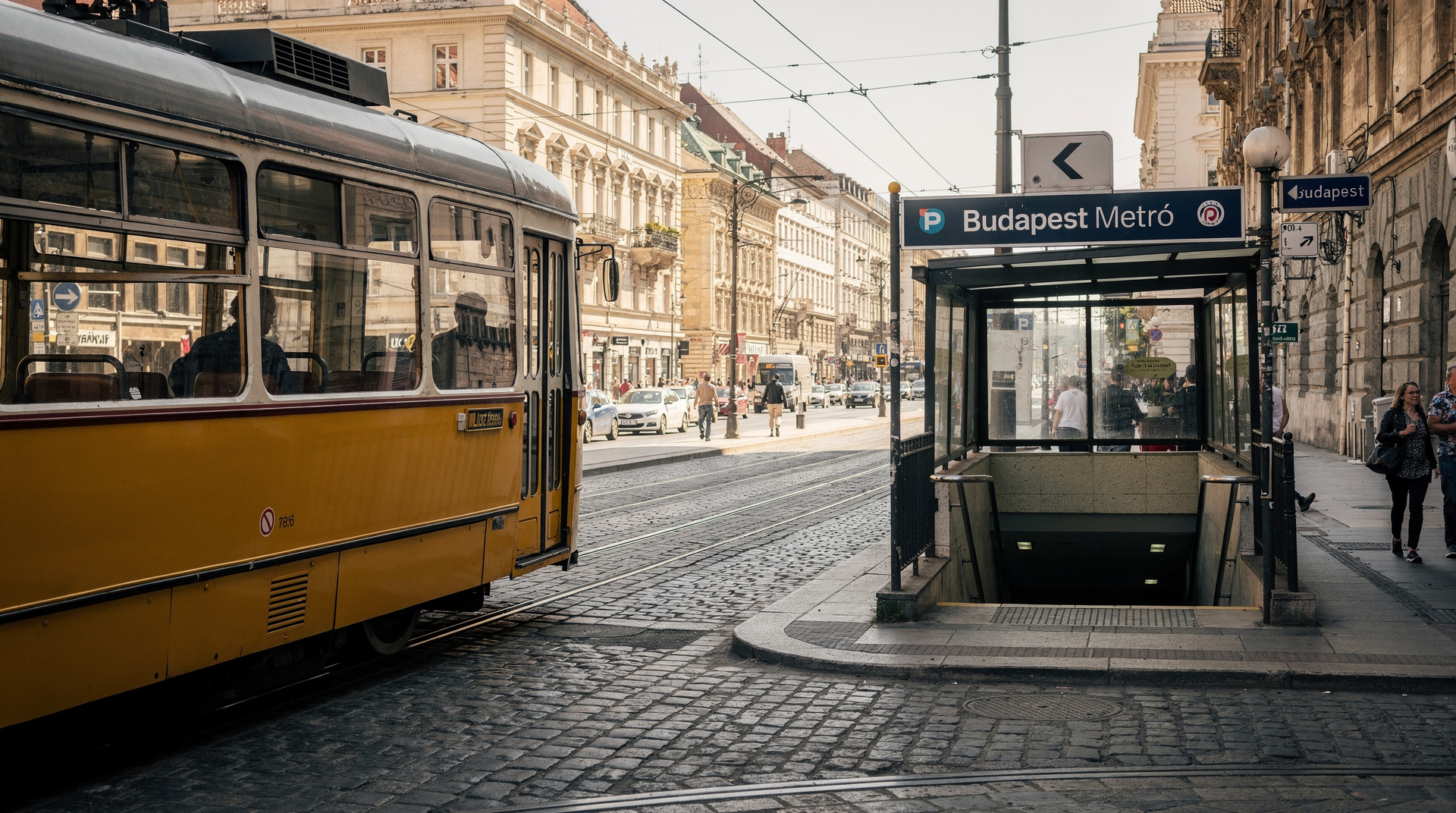
Carry a small daypack rather than a large bag on these days. A compact bag keeps your hands free on public transport and in crowded sights, and it makes security checks quicker. Check the Budapest metro guide and the public transport tickets guide before you go, so that you know how to move around without fumbling for paperwork.
Smart packing habits
A few habits make any packing list work better. Lay everything out before you pack and remove a third of it. Choose colours that mix and match so each piece works with several others. Roll soft items and keep shoes in separate bags. Leave a little room for souvenirs, since food, wine and pálinka are popular takeaways; the Hungarian wine guide and the pálinka guide explain what to look for. If you travel carry-on only, check your airline’s liquid and size rules, and remember that laundry is easy to do mid-trip.
Finally, keep your valuables and documents in an easy-to-reach but secure place. Pickpockets target crowded trams and tourist hotspots, so a zipped bag worn in front of you is a sensible precaution. The common scams in Budapest guide covers what to watch for.
What to leave at home
A heavy DSLR if you are mostly a tourist: A modern smartphone camera handles Budapest’s photographic moments (the Parliament at dusk, the Chain Bridge, the baths) exceptionally well. A large camera and multiple lenses are a burden on the cobblestones.
Multiple towels: Hotels and Airbnbs provide them. One quick-dry travel towel for the baths is enough.
Formal wear unless specifically needed: Budapest restaurants are smart-casual at their most formal. A sports jacket and dark jeans cover the most demanding evening out.
Lots of cash: ATMs are everywhere; major credit cards are accepted at most restaurants, hotels and tourist attractions. Keep 20,000–30,000 HUF (€50–75) as a cash float for trams, market stalls and smaller vendors.
A note on mobility and accessibility
Budapest’s cobblestones, cathedral-style stairs and older metro stations are genuinely tough on anyone with mobility limitations, wheeled luggage or a pushchair. If this applies to your trip, pack accordingly — sturdier wheeled bags rather than soft duffels, and consider footwear with more support than you’d otherwise choose. The accessible Budapest guide covers which sights, transport lines and baths are genuinely step-free versus which require workarounds, and is worth reading before you finalise your packing list, since it affects footwear and bag choices as much as the itinerary.
If you’d rather not plan ticket logistics at all
For visitors who prefer bundling transport and museum entries into one purchase rather than tracking individual tickets, the Budapest Card (public transport + attractions) is worth checking before you pack — it changes what paperwork or printed tickets you need to carry day to day. The Budapest Card worth it guide has the honest breakdown of whether it pays off for your specific itinerary.
Useful apps and digital kit
Load your phone before arriving with:
- BudapestGO: Real-time BKK public transport
- Bolt: Ride-hailing for taxis and late-night journeys
- Google Maps with offline Budapest map downloaded
- Google Translate with Hungarian offline pack
For the broader trip preparation, see first time in Budapest and use the best time to visit tool to calibrate your season-specific packing. Budget planning using the currency converter helps calibrate how much cash to bring in HUF. For getting from the airport and around the city once you’ve landed, see getting around Budapest.
Frequently asked questions about What to pack for Budapest
What shoes are best for Budapest?
Comfortable walking shoes with ankle support and a thick sole. The Castle District is entirely cobblestone and on a significant slope; the Jewish Quarter has uneven pavement. Ballet flats, thin-soled trainers and heels are uncomfortable within an hour. A second pair of smart shoes or clean trainers for evenings is worth the bag space.What do I need for the thermal baths?
A swimsuit (mandatory at all baths — rented swimwear is possible but unhygienic). Flip-flops (the floors are wet; many baths recommend them). A microfibre towel or a small beach towel — most baths charge 1,000–2,000 HUF for towel rental. A waterproof bag for wet items. Some baths require swimming caps in certain pools (Széchenyi provides them; Rudas requires them on some days).Is there a dress code at Budapest restaurants and bars?
No formal dress code at ruin bars or most restaurants. Smart casual (clean jeans, a neat top or blouse) is appropriate for mid-range and upscale restaurants. The ruin bars have no dress code — trainers and casual clothes are the norm. At the Opera House or classical concert venues, smart casual minimum; some visitors dress up more.Should I bring euros or forints to Budapest?
Bring neither — withdraw HUF from an ATM on arrival (OTP Bank machines are reliable). Do not exchange large amounts at the airport or at Euronet machines; rates are poor. A small amount of euros as emergency backup is useful, but pay everything in HUF to avoid unfavourable dynamic currency conversion.What documents do I need for Budapest?
Valid passport (or national ID for EU citizens). UK, US, Australian, Canadian and New Zealand citizens do not need a visa for stays under 90 days. ETIAS is expected but not yet operational as of mid-2026 — verify the current status at the official ETIAS website before travelling. Travel insurance (including health cover) is strongly recommended.