Best museums in Budapest: ranked and reviewed

Which museums in Budapest are worth visiting?
The House of Terror (communism and Nazi history), the Hungarian National Museum (history), the Museum of Fine Arts (European art), the Hungarian Jewish Museum, and Memento Park are Budapest's standout cultural institutions. Entry costs 3 000–6 000 HUF each. EU citizens under 26 enter many for free.
An underrated museum city
Budapest’s museums occupy an odd position in visitor itineraries. The city’s primary attractions — thermal baths, the Danube promenade, ruin bars, the Parliament — are experiential rather than collection-based. Most first-time visitors spend more time soaking in Széchenyi than standing in front of paintings.
This is understandable, but it means that Budapest’s museums are generally uncrowded and genuinely good. The House of Terror is one of the most powerful historical museums in Europe. The Museum of Fine Arts holds a Spanish painting collection to rival many national galleries. The Hungarian Jewish Museum sits inside the largest synagogue on the continent.
This guide ranks the major institutions honestly.
| Best for history | House of Terror, Hungarian National Museum |
| Best for art | Museum of Fine Arts, Hungarian National Gallery |
| Typical entry | 2,000–6,000 HUF per museum |
| Free entry | EU citizens under 26; many collections on the first Sunday |
| Time needed | Half a day for two or three museums, unrushed |
1. House of Terror — essential
Address: Andrássy út 60, District VI. Metro: M1 to Vörösmarty utca.
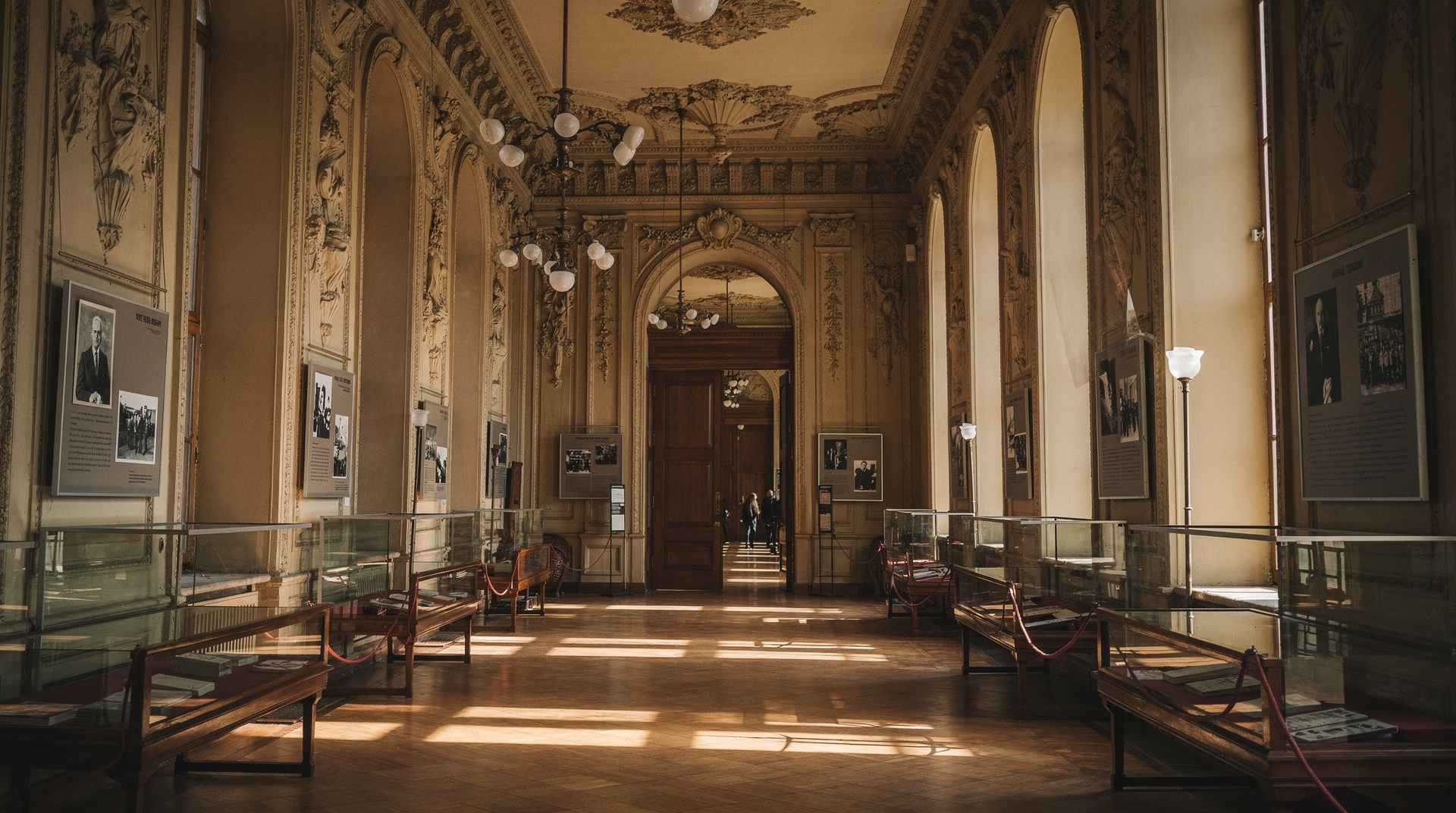
The House of Terror occupies the former headquarters of the Arrow Cross and then the communist ÁVH secret police. The museum covers both periods — 1944–45 under Nazi-allied fascism, and 1945–1956 under Stalinist communism — through original artefacts, survivor testimony and the preserved basement cells where interrogations and executions took place.
It is more directorial than purely academic (the museum’s political context, established by the Orbán government, shapes some presentations), but the core historical content is accurate and the emotional impact is genuine. The basement alone justifies the visit.
Duration: 2–3 hours. Entry: ~4 000–5 000 HUF. EU under 26: free.
A guided tour through the museum and the surrounding Andrássy Boulevard adds substantially more context. The House of Terror guided tour covers both Nazi and Soviet periods with a specialist guide.
2. Hungarian National Museum — for history
Address: Múzeum körút 14–16, District VIII. Metro: M3 to Kálvin tér.
The Hungarian National Museum (Magyar Nemzeti Múzeum) covers Hungarian history from prehistoric settlement to the communist era across two floors of a neo-classical palace dating from 1847. It is the country’s founding national institution — the speech that triggered the 1848 revolution was read on its steps.
The permanent collection is strongest in the medieval and early modern periods: the Crown of St Stephen (the holiest relic in Hungarian political culture) was displayed here for decades, though it is now in Parliament. The archaeological and ethnographic collections are substantial. The 20th-century galleries covering the wars and communism are useful context for visitors exploring those periods elsewhere in the city.
Duration: 1.5–2.5 hours. Entry: ~2 000–3 000 HUF. Permanent collection free on certain days — check their website.
3. Museum of Fine Arts — for European art
Address: Dózsa György út 41, Heroes’ Square, District XIV. Metro: M1 to Hősök tere.
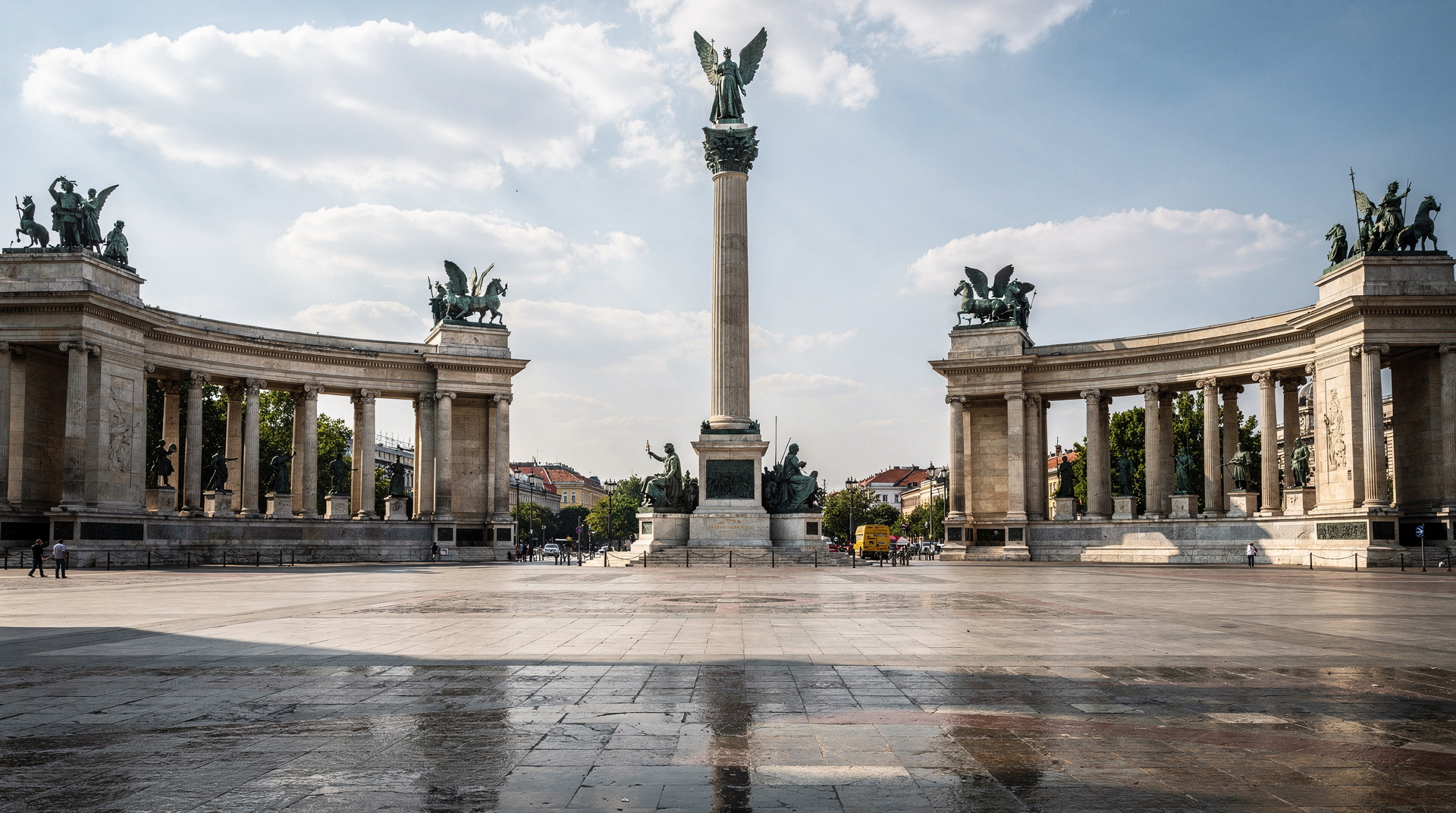
The Museum of Fine Arts (Szépművészeti Múzeum) on Heroes’ Square holds one of Central Europe’s most significant collections of European art. The Spanish collection is particularly strong — seven El Grecos, works by Goya, Ribera, Velázquez. The Flemish and Dutch Old Masters collection includes several Rembrandts and a strong Rubens holdings. The Italian Renaissance rooms are creditable.
The museum reopened after extensive renovation in 2018. The building itself — a neo-classical pile from 1906 — is architecturally distinguished. The sculpture collection spans ancient Egypt, Greece and Rome.
If you are on Heroes’ Square for the city park and Heroes’ Square visit, the museum is directly adjacent and worth at least a selective hour focused on the Spanish and Flemish rooms.
Duration: 1–3 hours depending on interest level. Entry: ~3 000–4 500 HUF. Free first Sunday of the month.
4. Hungarian National Gallery — for Hungarian art
Address: Buda Castle, Building B, C, D. Bus: 16, 16A, 116 to Budavári Palota.
The Hungarian National Gallery (Magyar Nemzeti Galéria) in the Buda Castle complex focuses exclusively on Hungarian art from the medieval period to the 20th century. The strongest sections are the 19th-century historical painting galleries — enormous canvases depicting Hungarian history in a heroic academic style that parallels French and German academic painting of the same period — and the early 20th-century modern section, which shows how Hungarian artists responded to Symbolism, Art Nouveau, and the avant-garde movements of the interwar years.
The art nouveau Budapest guide covers the urban manifestations of this style; the National Gallery shows its fine art counterpart.
Duration: 1.5–2 hours. Entry: ~2 000–3 500 HUF. Free on certain national holidays.
5. Memento Park — for communist history
Location: Balatoni út, District XXII. ~10 km southwest of centre.
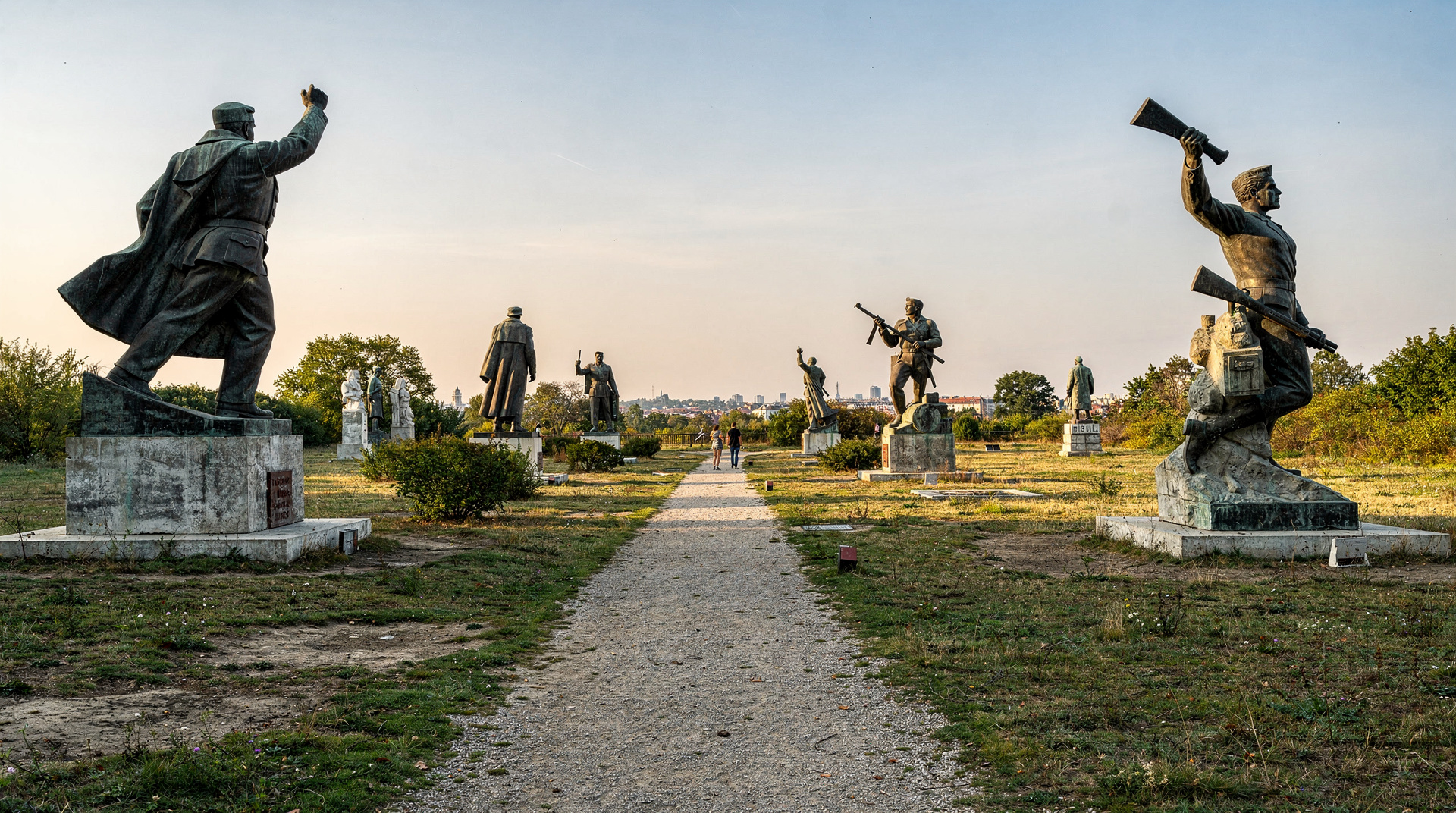
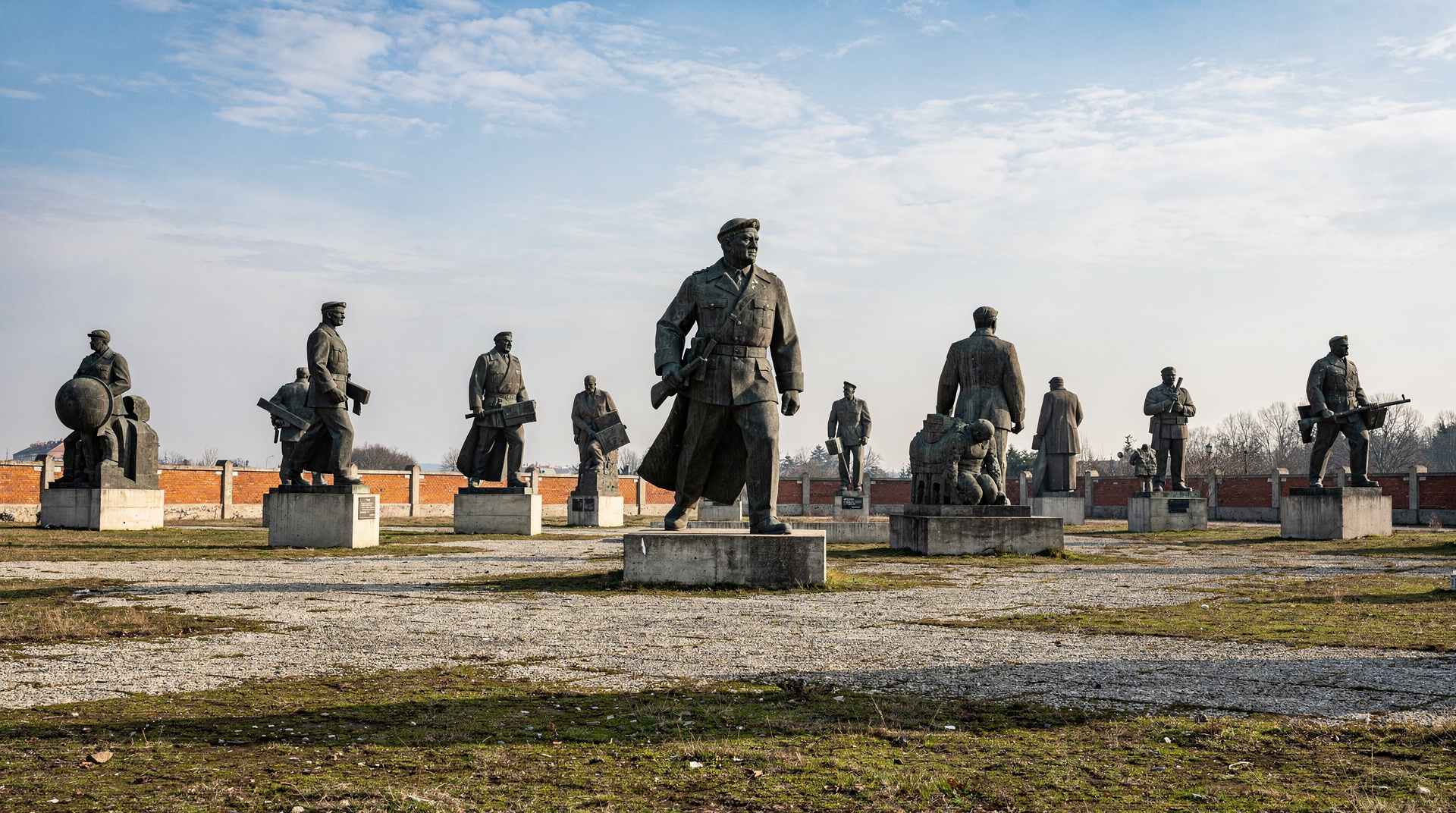
Memento Park is technically an open-air museum. Its 42 monumental Soviet-era statues — removed from Budapest’s public spaces after 1989 — are arranged on a theatrical oval designed to emphasise their political function. The Stalin boots replica (commemorating the 1956 toppling of his statue), the giant Lenin, the Red Army liberation monument — each has a story that a guide can unlock.
Getting there takes effort (direct shuttle bus or Bolt taxi), and the visit is best with a guide. The Memento Park and icons of communism guided tour handles logistics and provides historical context. The gift shop sells books on Hungarian communism in English.
Duration: 1–2 hours at the park. Entry: ~3 000–4 500 HUF. Guided tours extra.
6. Hungarian Jewish Museum — essential in the district
Address: Dohány utca 2 (attached to the Dohány Street Synagogue), District VII. Metro: M2 to Astoria.
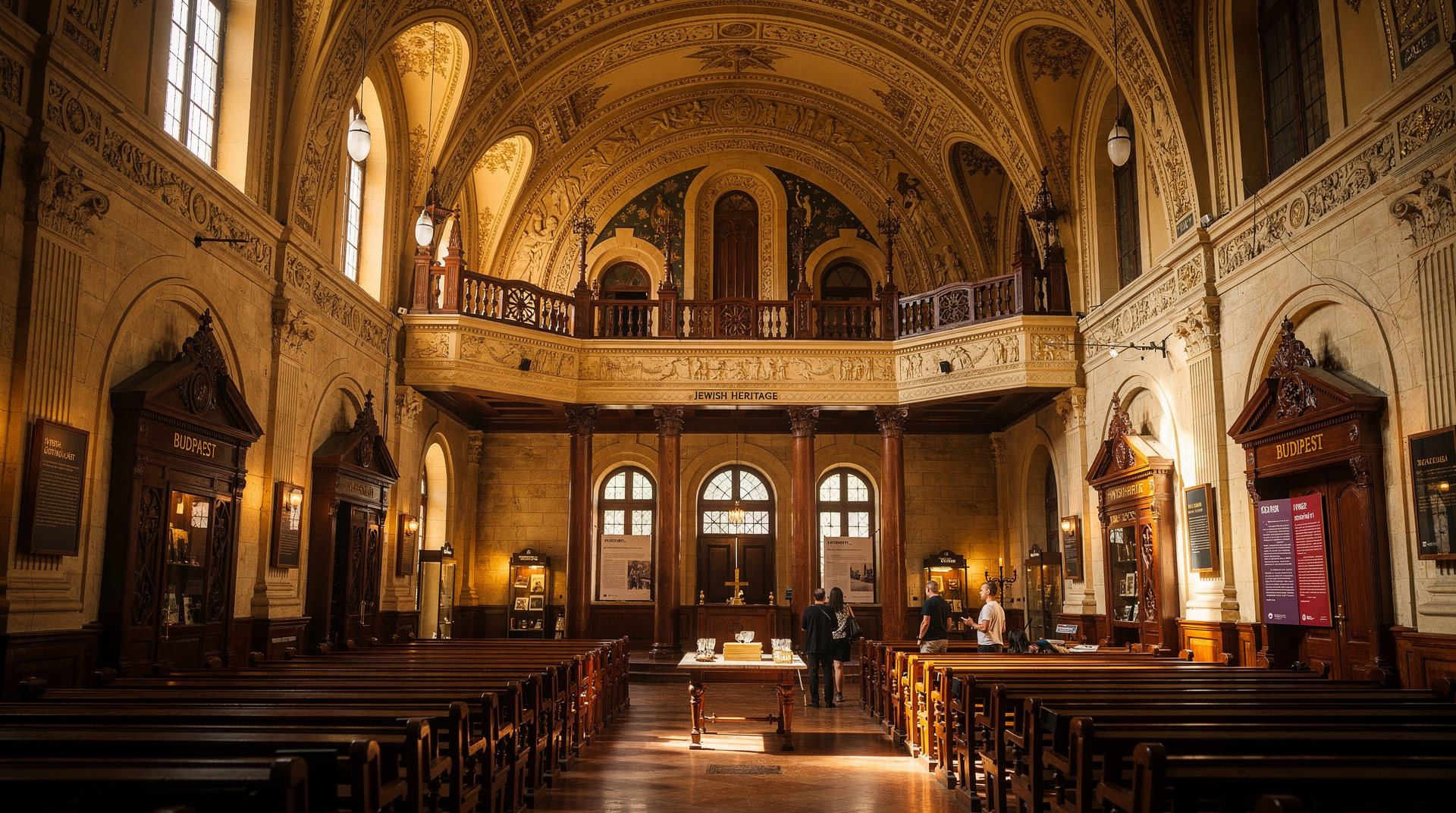
The Hungarian Jewish Museum is included in the Dohány Street Synagogue complex ticket. Its collection — 2 000 years of Jewish life in Hungary, Holocaust documentation, medieval gravestones — is modest in scale but important in context. The Holocaust room and the Raoul Wallenberg memorial materials are the most significant sections.
Most visitors come for the synagogue and encounter the museum as part of the same ticket. Spending proper time in the museum (45–60 minutes) rather than rushing through makes the garden memorial more meaningful.
Duration: 45–60 minutes (museum only). Entry: included in synagogue complex ticket ~5 000–7 000 HUF.
A guided visit ties the museum’s collection to the wider Jewish Quarter heritage more usefully than reading labels alone. The Jewish heritage half-day tour covers the synagogue, the museum and the surrounding district with a historian guide.
7. Budapest History Museum — for the castle’s archaeology
Address: Buda Castle, Building E. Bus: 16A to Budavári Palota.
The Budapest History Museum (Budapesti Történeti Múzeum) occupies the medieval Gothic wing of the Buda Castle complex. Its archaeological collections document the Roman city of Aquincum (in today’s Óbuda), the medieval Hungarian court, and the Ottoman period. The restored Gothic Hall in the basement — a surviving section of the medieval castle — is architecturally remarkable.
Most visitors to the castle complex skip this museum in favour of the National Gallery; that is defensible, but the castle’s medieval history visible in this building is not available anywhere else in the city.
Duration: 1–1.5 hours. Entry: ~2 000–3 000 HUF.
Choosing between museums when time is short
Most visitors cannot, and should not try to, see everything here. A useful way to decide is to ask what kind of traveller you are rather than what the guidebooks rank highest. If you want to understand why Hungary feels the way it does today, start with the House of Terror and the Hungarian history primer, then add the National Museum for the longer arc. If you travel for paintings, the Museum of Fine Arts is the obvious anchor and the National Gallery is the second choice, especially if you are already up on the hill.
Visitors with a strong interest in the twentieth century get the most out of linking three sites: the House of Terror for the political police story, Memento Park for what happened to the monuments afterwards, and the Jewish Quarter for the wartime and Holocaust history. The communist Budapest guide shows how these fit together, and the communist history tour is one way to cover the period with a guide if you prefer not to piece it together yourself.
Travellers who dislike heavy subject matter should be honest with themselves. The House of Terror and the Holocaust room in the Jewish Museum are not light viewing, and stacking them on the same afternoon is tiring. Spread them across different days and balance them with something gentler, such as the art galleries or a coffee house stop (see the coffee houses of Budapest).
Pairing museums with the rest of your day
Budapest’s best museums sit close to other things worth seeing, so it pays to build them into a route rather than treating each as a separate errand.
- Heroes’ Square morning: the Museum of Fine Arts shares the square with the park, so combine it with the Heroes’ Square and City Park walk and, if the weather is good, an outdoor bath afterwards. The Széchenyi baths guide explains how to handle the neighbouring spa.
- Andrássy afternoon: the House of Terror sits on the grand boulevard, which suits a slow walk past the Hungarian State Opera and the cafés nearby. Leave some breathing room after the basement.
- Castle hill day: the National Gallery and the History Museum share the castle complex, so pair them with the Buda Castle guide and the Fisherman’s Bastion rather than making two separate trips up the hill.
- Jewish Quarter day: the synagogue and museum work best followed by lunch in the district, then a slow wander. The Jewish Quarter page covers the surrounding streets and the Dohány Street synagogue guide covers the complex itself.
If you have a private guide in mind for this district, the private Jewish Quarter walk lets you set the pace and focus on the sites that matter most to you.
Making a museum visit more rewarding
A few habits make the difference between a blur of rooms and a memorable visit. Pick one or two themes before you arrive, for example the Spanish rooms at the Museum of Fine Arts or the basement at the House of Terror, and give those your full attention. Museum fatigue sets in quickly, and the second half of a long visit is usually wasted.
Take the audio guide where one is offered, particularly at the National Museum and the History Museum where English labels are thinner. Go early on weekdays when the rooms are quieter, and avoid the free days if you want space to look properly. Carry a light layer, since some galleries are cool even in summer, and keep your ID with you in case you qualify for a reduced or free ticket.
Finally, leave a gap between museums for a proper meal. The traditional Hungarian dishes guide and the best restaurants in Budapest list are good starting points, and the Budapest weekend break itinerary shows how culture and food can share a day without either feeling squeezed.
Smaller museums worth a detour
Beyond the ranked seven, a handful of smaller institutions reward specific interests. The Hungarian Railway History Park, out in District XIV, is a hit with train-mad children and has working steam locomotives you can climb aboard. The Palace of Wonders (Csodák Palotája) is a hands-on science museum aimed squarely at families, useful on a rainy day with kids. The Natural History Museum near Nehru Park covers Hungarian wildlife and geology and rarely has a queue. None of these are essential for a first-time visitor focused on the ranked list above, but they fill gaps if your itinerary has spare afternoons or younger travellers who need a break from history and painting.
Combo tickets and money-saving passes
Whether the Budapest Card pays off depends entirely on how many museums you plan to see and how much of your trip is spent on public transport as well.
| Option | Best for | Roughly covers |
|---|---|---|
| Single tickets | 1–2 museums, no transport needs | Pay-as-you-go, no discount |
| Budapest Card (72h) | 4+ museums plus BKK transport | 30+ free visits and activities, unlimited public transport |
| Dohány Synagogue complex ticket | Jewish Quarter focus | Synagogue, Jewish Museum, cemetery, memorial garden |
If your plan is mostly House of Terror, Museum of Fine Arts and one more, buying single tickets is usually cheaper than the card once you account for how the Budapest Card is (or isn’t) worth it for your specific itinerary. The card earns its price back fastest for visitors combining several museums with heavy metro and tram use over two or three days — see the getting around Budapest guide for how the transport side factors in.
Practical considerations across all museums
Budapest Card: The card covers entry or discounts at ~17 institutions. Check the current list before purchasing — coverage changes between editions.
EU citizens under 26: Free entry to Hungarian state museums by law. Bring EU ID or passport.
Free Sundays: Many state museums offer free permanent collection entry on the first Sunday of the month. Crowds increase accordingly.
English-language content: Generally good at the House of Terror, Museum of Fine Arts and the Jewish Museum. Thinner at the Hungarian National Museum and the History Museum — audio guides help.
For itinerary planning, the Budapest 3-day itinerary allocates museum time efficiently. The communist Budapest guide covers how to combine the House of Terror, Memento Park and related sites into a coherent day. The free things to do in Budapest guide covers museum free days and other no-cost cultural experiences. If you’d rather see the city’s headline sights first and treat museums as a rainy-afternoon backup, the top attractions in Budapest guide sets priorities.
Frequently asked questions about Best museums in Budapest
Are museums free in Budapest?
Not generally, but EU citizens under 26 enter most state museums free of charge. Hungarian permanent collections are free on certain days. The Budapest Card includes more than 30 free visits and activities. Always check current prices before visiting, as fees change annually.Is the Budapest Card worth it for museums?
If you plan to visit four or more museums in 72 hours alongside using public transport, the Budapest Card (72h: 29 990 HUF) can pay for itself. The standalone museum tickets are not expensive by Western European standards.What is the best art museum in Budapest?
The Museum of Fine Arts (Szépművészeti Múzeum) on Heroes' Square holds the broadest European art collection, including El Greco, Raphael, Rembrandt and Rubens. The Hungarian National Gallery in the Buda Castle focuses on Hungarian art from the medieval period to the 20th century. Both are worth visiting; the Museum of Fine Arts tends to draw more international visitors.Which museums are good for children?
The Natural History Museum, the Hungarian Railway History Park, and the Palace of Wonders (Csodák Palotája) science museum are all child-friendly. The Great Market Hall, while not a museum, has educational value and child appeal. The House of Terror is not recommended for young children.How much time should I set aside for museums in Budapest?
Budget half a day for two museums done properly, or a full day for three including travel time between the castle district and downtown. The House of Terror needs 2 to 3 hours, the Museum of Fine Arts 1 to 3 hours depending on interest, and Memento Park 1 to 2 hours plus roughly an hour of travel each way. Trying to fit more than three museums into one day usually means rushing at least one of them.Is Memento Park worth the trip outside the city centre?
Yes for anyone interested in 20th-century history, though it requires more effort than the other museums on this list. The statues themselves need context to be meaningful, so a guided tour or the audio guide adds real value. Pair it with the House of Terror or the communist Budapest guide for a coherent day rather than visiting it as an isolated trip.
Top experiences
Bookable activities with verified prices and instant confirmation on GetYourGuide.