Hungarian history primer: 1,000 years in 20 minutes

What do I need to know about Hungarian history before visiting Budapest?
Hungary was founded in 896, became a Christian kingdom in 1000 under Stephen I, suffered Mongol and Ottoman invasions, joined the Habsburg Empire, and emerged as a major European power before two world wars, Soviet occupation (1944–1989), and eventual EU membership in 2004. Budapest's architecture, museums and memorials are all shaped by these events.
Why history matters in Budapest
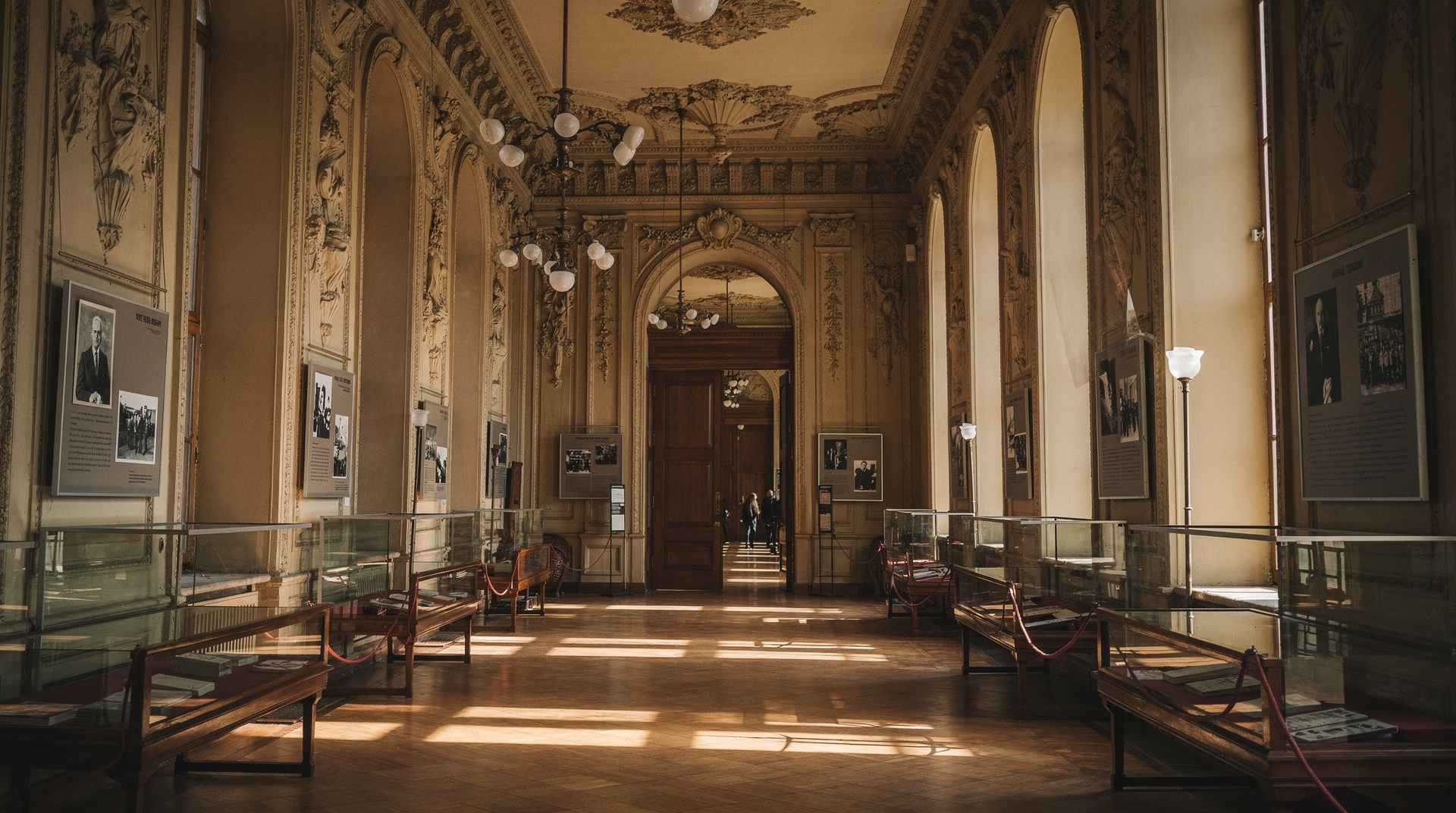
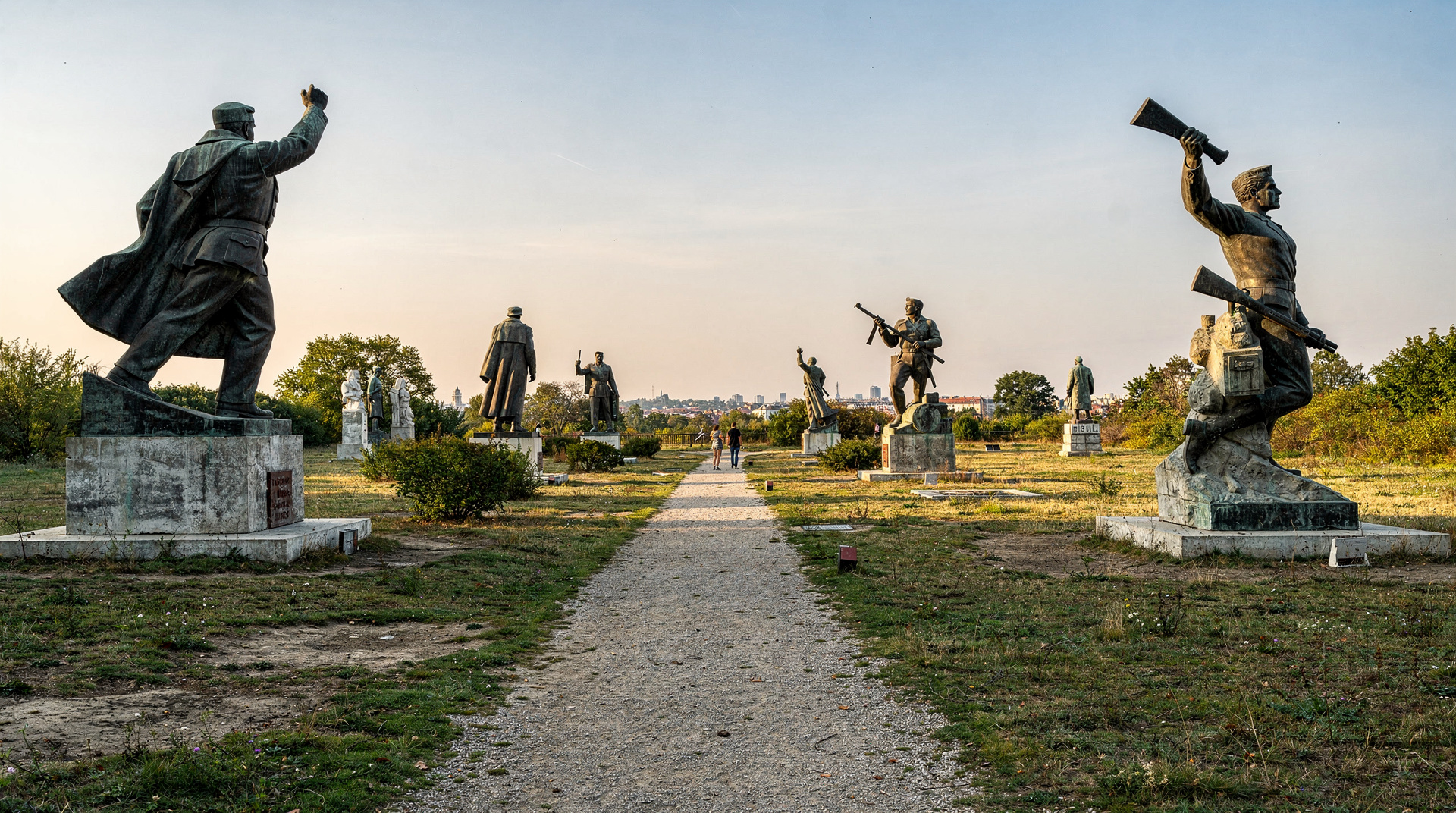
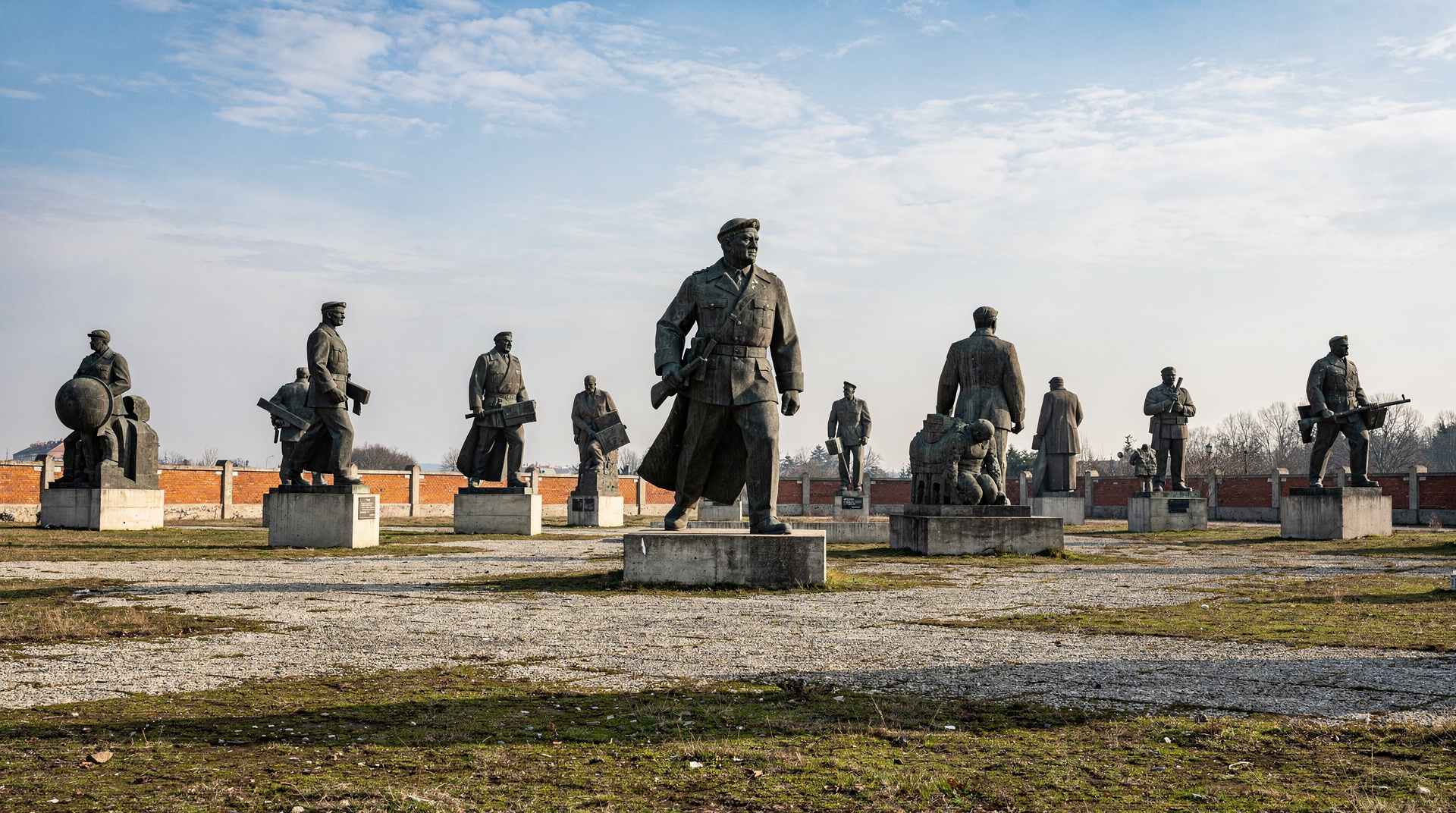
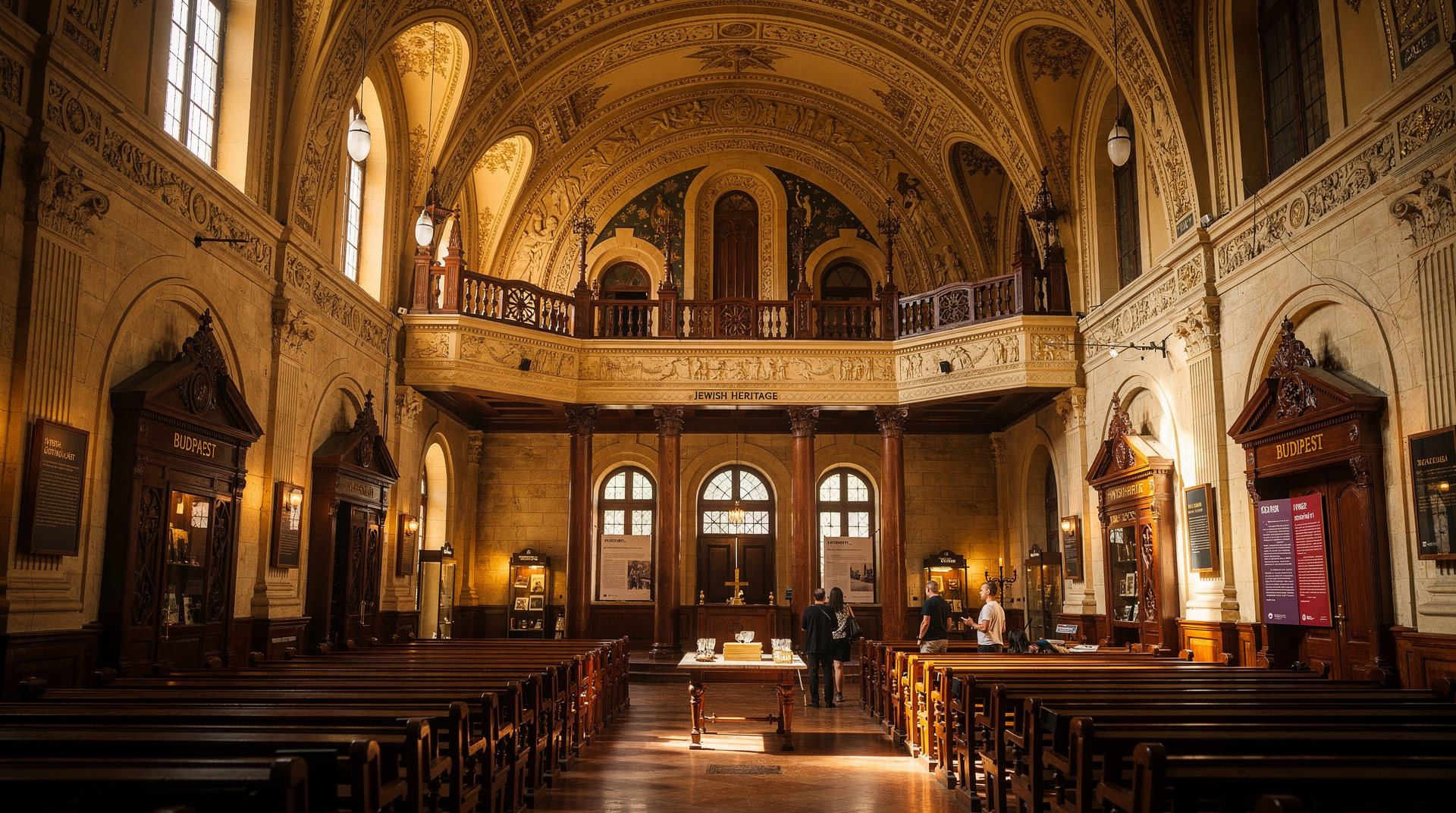
In most tourist cities, history is background. In Budapest, it is texture and argument. The Parliament building, opened in 1902, reflects a moment of imperial confidence that would last sixteen years. The Jewish Quarter memorials document the destruction of one of Europe’s great urban Jewish communities in twelve weeks. The House of Terror on Andrássy Boulevard occupies a building that was used for torture by two successive totalitarian regimes. Memento Park is a field of statues removed from public squares after 1989.
You do not need a degree to engage with Budapest’s cultural sites. But some orientation helps. This guide covers Hungarian history from the Magyar arrival to today in enough depth to make the museums and monuments legible.
| Time span covered | 896 CE to the present |
| Reading time | About 12–15 minutes |
| Best paired with | House of Terror, Memento Park, Jewish Quarter, Parliament tour |
| Essential dates | 1000, 1526, 1867, 1920, 1944–45, 1956, 1989 |
| Best time to read | Before your first museum visit, not during |
Eras at a glance: what survives in Budapest today
| Era | Dates | What you can still see |
|---|---|---|
| Foundation & medieval kingdom | 896–1526 | Buda Castle Hill foundations, Matthias Church core |
| Ottoman occupation | 1526–1686 | Rudas and Veli Bej thermal baths, remnants near Castle Hill |
| Habsburg golden age | 1867–1914 | Parliament, Opera House, Andrássy Boulevard, Heroes’ Square |
| WWII & Holocaust | 1938–1945 | Shoes on the Danube, Dohány Street Synagogue, Jewish Quarter |
| Communism | 1945–1989 | House of Terror, Memento Park statues, panel-block districts |
| Post-1989 Hungary | 1990–present | EU-era renovations, City Park museum quarter, modern Budapest |
The Magyars and the foundation of Hungary (896–1000)
Hungarian prehistory begins far east of the Carpathian Basin. The ancestors of the Magyars lived in the Ural region — probably near the area where Finland and Russia meet — before beginning a centuries-long westward migration across the steppe. By the 9th century, they were settled in the region north of the Black Sea, in contact with Turkic and Slavic peoples.
Under Prince Árpád, the Magyar confederation crossed the Carpathian Mountains in 895–896 and occupied the Pannonian basin — a fertile plain bordered by mountains. They displaced or absorbed earlier Slavic and Avar populations. Over the following decades, Magyar raiders penetrated as far west as northern France and southern Italy, terrifying settled populations across Europe.
The raids stopped after the decisive Battle of Lechfeld in 955, where the German king Otto I crushed the Magyar cavalry. The defeat accelerated internal transformation: Árpád’s descendant Géza consolidated power and chose a path of Christian conversion and political legitimation through the Catholic Church.
Géza’s son István (Stephen) was crowned King of Hungary on Christmas Day 1000, with a crown sent by Pope Sylvester II. Stephen I — later canonised as St Stephen — systematically Christianised the Hungarian population, established a diocesan church structure, and created the administrative framework of the Hungarian state. He is the founding figure of the Hungarian nation, and his holy right hand (kept as a relic in St Stephen’s Basilica in Budapest) remains one of the most venerated objects in Hungarian culture.
Medieval Hungary and the Mongol invasion (1000–1300)
The Árpád dynasty ruled Hungary until 1301. For much of this period, Hungary was a significant European power — the Kingdom of Hungary controlled Croatia (from 1102), had borders with Byzantium, and was regularly involved in the dynastic marriages and crusades that structured medieval European politics.
The Mongol invasion of 1241–42 was catastrophic. The Golden Horde under Batu Khan and his general Subutai destroyed much of Hungary’s population and built infrastructure. King Béla IV fled to an island in the Adriatic. Contemporary chronicles describe depopulation, famine and devastation across the whole country. After the Mongols withdrew (drawn back by political events in Central Asia), Béla IV rebuilt Hungary around a system of stone fortifications — including the first castle on the Buda hill that would eventually become the Buda Castle complex.
The medieval kingdom expanded again under the Anjou dynasty (which succeeded the Árpáds in 1301) and reached its greatest territorial extent under Matthias Corvinus (1458–1490), who created one of the most sophisticated Renaissance courts in Europe. The Royal Palace in Buda held one of the greatest libraries north of the Alps. Then Matthias died without an heir, the court dispersed, and the nobility reasserted power over an increasingly weakened royal state.
Ottoman conquest and Habsburg rule (1526–1867)
The Battle of Mohács in 1526 destroyed the medieval Hungarian kingdom. The Ottoman Sultan Suleiman the Magnificent defeated and killed King Louis II, and within years the Ottomans occupied central Hungary including Buda (taken in 1541). The kingdom fractured into three parts: Ottoman-controlled central Hungary; the western “Royal Hungary” under Habsburg rule; and the semi-independent Transylvania, a tributary of the Ottoman Empire.
Ottoman rule lasted 150 years in the Hungarian heartland. It was not uniformly destructive — Ottoman architecture survived in the form of thermal baths (the Rudas and Veli Bej baths in Budapest are genuine Ottoman constructions, not reproductions) and in the minarets that briefly graced Buda’s skyline. But the population was substantially reduced, and the towns and cities of central Hungary shrank dramatically.
Habsburg forces recaptured Buda in 1686. The reconquest was brutal and the subsequent repopulation brought large numbers of Germans and Serbs to the depopulated plains. The Habsburg period that followed was one of gradual centralisation under Vienna, punctuated by Hungarian resistance.
The 1848 Revolution — part of the wider European revolutionary wave — briefly produced an independent Hungarian government under Lajos Kossuth. Austrian military force, aided by Russian intervention, crushed it by 1849. But the political settlement could not hold indefinitely.
The Compromise of 1867 and the golden age
The Compromise (Ausgleich) of 1867 was a negotiated solution to the Habsburg Empire’s structural problems. Hungary received equal status with Austria within a dual monarchy; Franz Joseph I was simultaneously Emperor of Austria and Apostolic King of Hungary. The arrangement gave Hungary control over its internal affairs while sharing a common foreign policy, military and currency.
The result was Budapest’s golden age. The twin towns of Buda and Pest (formally merged into Budapest in 1873) were rebuilt on an imperial scale in the following 40 years. The Parliament — the largest in Europe at its completion in 1902 — the Hungarian State Opera, Andrássy Boulevard, the Heroes’ Square complex, the thermal bath resorts, the Keleti railway station, the chain bridge — most of what tourists admire in Budapest today was built between 1867 and 1914.
The art nouveau Budapest guide covers the aesthetic movement that characterised the era’s most distinctive buildings. The Hungarian Parliament guide tells the story of its construction and current function.
World War I and the trauma of Trianon (1914–1920)
Hungary entered World War I as part of the Austro-Hungarian Empire, and lost. The empire’s dissolution left Hungary as a small rump state. The Treaty of Trianon (1920) stripped it of approximately 70% of its former territory: Transylvania to Romania, Slovakia to Czechoslovakia, Croatia-Slavonia to Yugoslavia. Around 3.3 million ethnic Hungarians found themselves outside the new borders.
The trauma of Trianon — still marked annually as a national day of mourning — shaped every subsequent decade of Hungarian politics. The interwar governments were authoritarian and irredentist. The alliance with Nazi Germany in World War II was partly driven by the prospect of recovering lost territories (Hungary did recover parts of Transylvania and Slovakia through the Vienna Awards of 1938 and 1940, only to lose them again in 1945).
World War II and the Holocaust (1938–1945)
The Hungarian government adopted antisemitic legislation beginning in 1938, modelled on the Nuremberg Laws. Jews were progressively excluded from professions, property ownership and civil rights. But until March 1944, the Hungarian government resisted German pressure to deport its Jewish population.
German occupation of Hungary (Operation Margarethe, March 19, 1944) changed everything. With SS officer Adolf Eichmann directing the operation, Hungarian gendarmerie and administration cooperated in the deportation of the provincial Jewish population to Auschwitz between May and July 1944. Approximately 437 000 Hungarian Jews were deported; most were murdered within days of arrival.
Budapest’s approximately 200 000 Jews were not deported in this first wave — partly due to international pressure, partly due to Hungarian administrative complications. But the Arrow Cross coup of October 1944 brought the most radical Hungarian fascists to power. Thousands of Budapest Jews were shot at the Danube bank (the Shoes on the Danube memorial marks one site) or died in the ghetto established in November 1944.
Soviet forces laid siege to Budapest from October 1944 to February 1945. The siege destroyed large parts of the city — all the Danube bridges were blown up — and killed tens of thousands of civilians. Budapest was liberated but devastated.
Communism and 1956 (1945–1989)
Soviet occupation transformed Hungary. The communist Hungarian Working People’s Party, backed by Soviet military presence, gradually consolidated power. By 1948, Hungary was a full Stalinist state under Mátyás Rákosi. The communist Budapest guide details the period’s physical and institutional legacy.
The 1956 revolution — 12 days in October and November when Hungary seemed briefly free — was crushed by Soviet tanks. The aftermath included executions, mass imprisonment and 200 000 refugees. János Kádár’s subsequent “soft” communism was more liveable than Stalinism but remained a dictatorship.
The transition to democracy came in 1989 through negotiated roundtable discussions — the most peaceful of the Eastern European transitions. Hungary held its first free elections in April 1990.
From democracy to the present (1990–2026)
Hungary joined NATO in 1999 and the European Union in 2004. The first decade of democracy was economically turbulent; the 2008 financial crisis hit Hungary hard. In 2010, Viktor Orbán’s Fidesz party won a supermajority in parliament and began systematically rewriting the constitutional and media landscape.
Orbán’s government has been in continuous power since 2010, increasingly in tension with EU institutions over rule of law. Hungary remains an EU member but an increasingly contentious one. The Forint has depreciated significantly against the euro over the past decade.
For most visitors, this political context is background rather than foreground — Budapest remains open, culturally vibrant and hospitable. But understanding Hungarian politics helps decode the monuments, the museums and sometimes the conversations with locals.
Visually, the post-1989 decades show up across the city in layered ways: EU-funded restoration of historic facades along the Danube and in the Castle District, the gradual gentrification of the Jewish Quarter into the ruin-bar district, and ongoing redevelopment of City Park into a larger museum quarter. None of this erases the older layers — a single street can show medieval foundations, Habsburg-era grandeur, communist-period neglect and post-1989 renovation stacked on top of one another, which is part of what makes walking Budapest with even a little historical grounding so rewarding.
Using this history in Budapest
The House of Terror covers the 1944–1956 period in forensic detail. Memento Park handles the physical residue of communism. The Jewish Quarter and Dohány Street Synagogue document the Holocaust. The Buda Castle guide and Hungarian Parliament guide cover the Habsburg era. The best museums in Budapest guide ranks where to go for different historical periods.
A guided tour of communist-era sites — such as the communist history guided tour — connects the physical spaces to the documented events. For Jewish history, the Jewish history walk with a historian goes deepest.
The Budapest 3-day itinerary suggests how to build history into a practical visit without letting it overwhelm the other pleasures of the city.
Why the language itself is part of the story
One detail surprises most first-time visitors: Hungarian is not related to any neighbouring language. Surrounded by Slavic, Germanic and Romance-speaking countries, Hungarian belongs to the Finno-Ugric family, distantly related to Finnish and Estonian and to nothing else nearby. This linguistic isolation is a direct legacy of the Magyar migration from the Ural region — it is also why Hungarian place names, street signs and menus can feel unusually opaque even to visitors who read several other European languages. It is a small, tangible reminder of the deep history covered above, present on every street corner rather than only in a museum.
Frequently asked questions about Hungarian history primer
Who were the Magyars and where did they come from?
The Magyars were a Finno-Ugric tribal confederation who migrated from the Ural region westward across the Pontic steppe. Under Prince Árpád, they crossed the Carpathian Mountains in 896 and settled the Pannonian basin — roughly today's Hungary. Their origins make modern Hungarian uniquely distinct from all surrounding languages (which are all Indo-European); Hungarian is most closely related to Finnish and Estonian.What was the Austro-Hungarian Empire and why did it matter?
The Austro-Hungarian Empire (1867–1918) was created by the Compromise (Ausgleich) of 1867, which gave Hungary equal status with Austria within a dual monarchy under the Habsburg Emperor/King. The arrangement triggered Hungary's golden age: Budapest was essentially rebuilt during this period (the Parliament, the Opera, Andrássy Boulevard, the thermal bath complexes). The Empire collapsed after World War I, and Hungary lost two-thirds of its territory under the Treaty of Trianon (1920) — a trauma that still resonates in Hungarian politics.What happened to Hungary in World War II?
Hungary allied itself with Nazi Germany, hoping to recover territories lost at Trianon. Hungarian forces participated in the invasion of the Soviet Union and in the deportation of Jews from occupied territories. In March 1944, Germany occupied its own ally to prevent Hungary from switching sides. Between May and July 1944, over 400 000 Hungarian Jews were deported to Auschwitz — mostly murdered on arrival. Soviet forces liberated Budapest in February 1945 after a brutal 50-day siege.What is the Treaty of Trianon?
The Treaty of Trianon (June 4, 1920) was the post-World War I settlement that stripped Hungary of approximately 70% of its pre-war territory and 60% of its population. Transylvania went to Romania; Slovakia to Czechoslovakia; Croatia to Yugoslavia. Around 3.3 million ethnic Hungarians found themselves outside the new state borders. The date is still marked as a day of national mourning in Hungary, and the territorial losses shape Hungarian political culture and foreign policy a century later.When did Hungary join the European Union?
Hungary joined the European Union on May 1, 2004, alongside nine other countries in the largest single enlargement in EU history. Hungary remains in the EU but has not adopted the euro — the currency remains the Hungarian Forint (HUF). The country's relationship with EU institutions has become increasingly contentious under Viktor Orbán's government, which has been in power since 2010.
Top experiences
Bookable activities with verified prices and instant confirmation on GetYourGuide.