District V Belváros guide: Budapest's historic Inner City
What is District V Belváros in Budapest?
District V is Budapest's historic Inner City — the densest concentration of major landmarks (Parliament, St Stephen's Basilica, Chain Bridge), the luxury hotel strip, and the tourist-facing Váci utca pedestrian street. It's the grandest and most central part of Pest, but also one of the most expensive for food and accommodation.
The heart of Pest
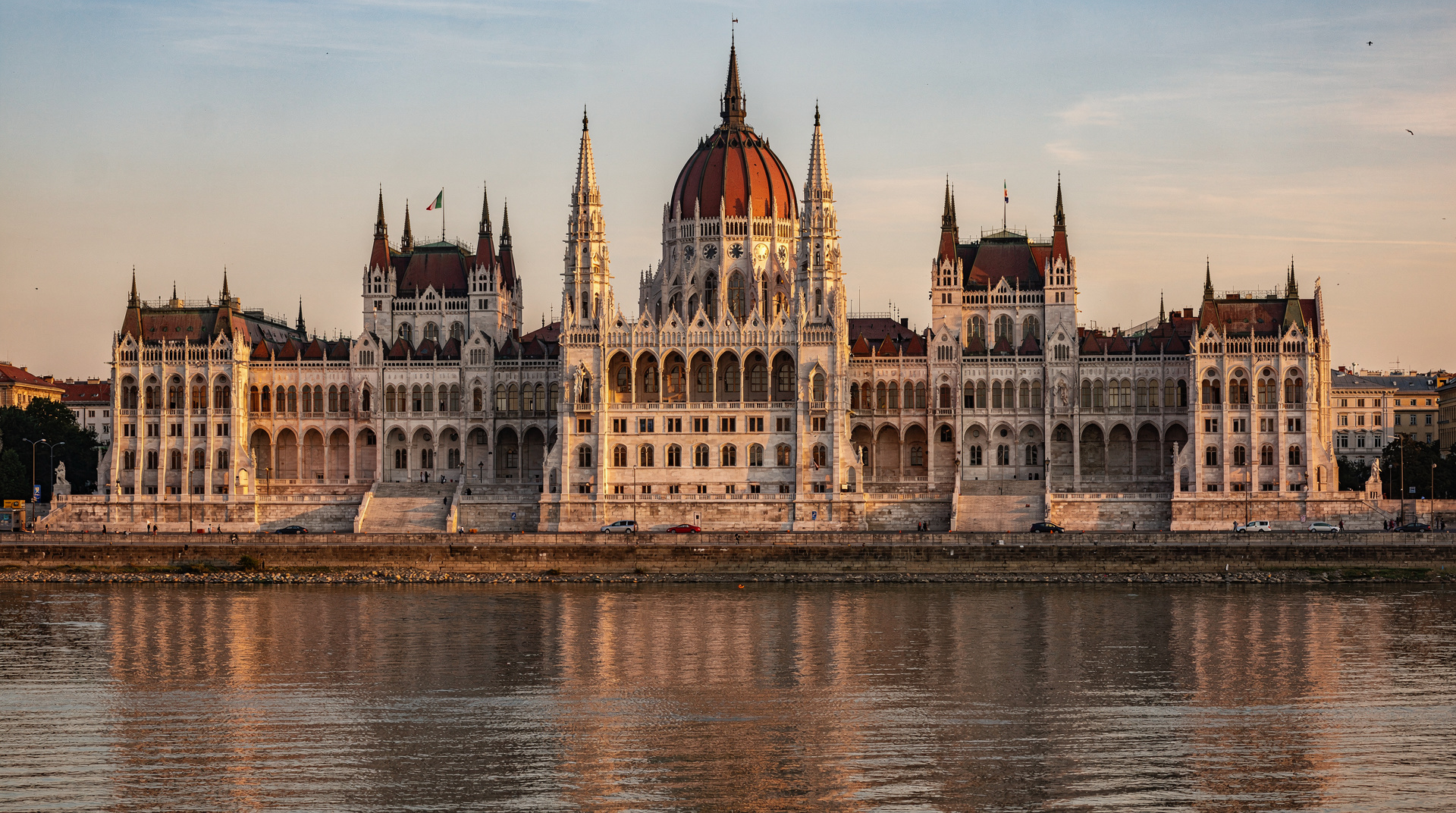
District V — officially Belváros-Lipótváros (Inner City–Leopold Town), or just Belváros — is where Budapest most resembles a grand European capital. The Hungarian Parliament dominates the northern waterfront, one of the largest parliament buildings in the world. St Stephen’s Basilica anchors the southern part of the district. Between them, a grid of 19th-century streets built on the ambitions of a confident empire.
For most first-time visitors, District V is where Budapest begins. It’s where the airport bus, the hotel concierge, and every guidebook point first. This is appropriate — the density of significant architecture here is extraordinary. What’s less often said: the tourist infrastructure built on top of this architecture is often poor value, and navigating around it is part of using the district well.
| Where | Central Pest, between the Danube and the Small Boulevard (Kiskörút) |
| Time needed | 2–3 hours walking; a half day with the Parliament tour and Basilica |
| Getting there | M1/M2/M3 metro converge at Deák Ferenc tér; tram 2 runs the riverfront |
| Best time | Early morning for the Parliament and Basilica, before tour groups |
| Cost | Free to walk; Parliament tour and Basilica terrace charge separately |
Main attractions
Hungarian Parliament
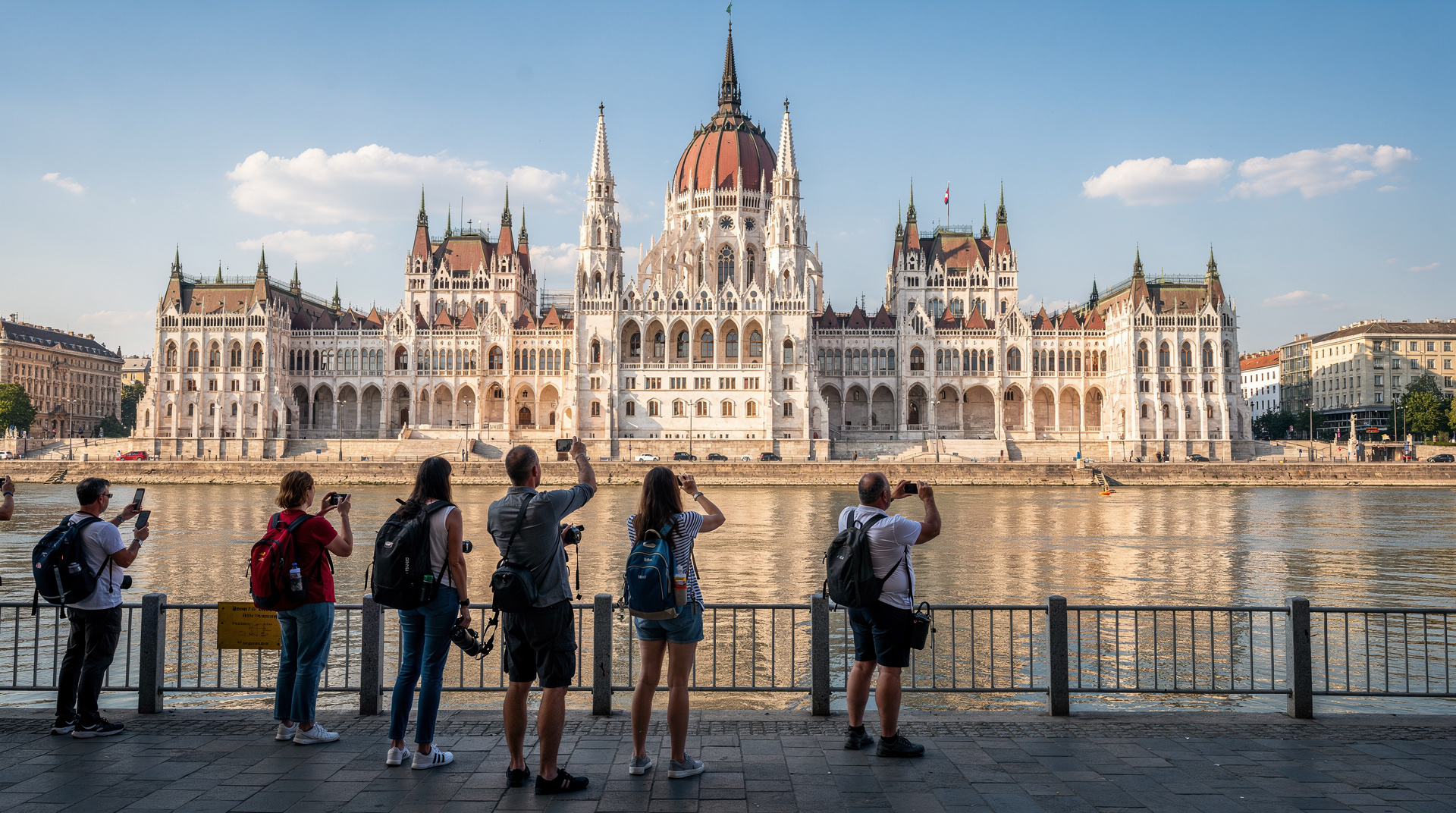
The Parliament building (Országház) is one of the largest in the world by floor space — 268 metres long, 96 metres tall (96 is a symbolic number in Hungarian history — the year of the Magyar conquest’s millennial anniversary in 1896). The Neo-Gothic exterior facing the Danube is the definitive Budapest postcard image. Inside: the main staircase, the Congress Hall, the House of Assembly, and the Crown Jewels chamber.
Entry is by guided tour only — independent visits are not permitted. Tours in English run several times daily and take about 45–50 minutes. Book in advance, especially in summer.
Budapest Parliament tour with audio guideThe square in front (Kossuth Lajos tér) is the place for long views of the Parliament from the waterside; the Ethnographic Museum across the square is worth a visit.
More at the Hungarian Parliament guide.
St Stephen’s Basilica
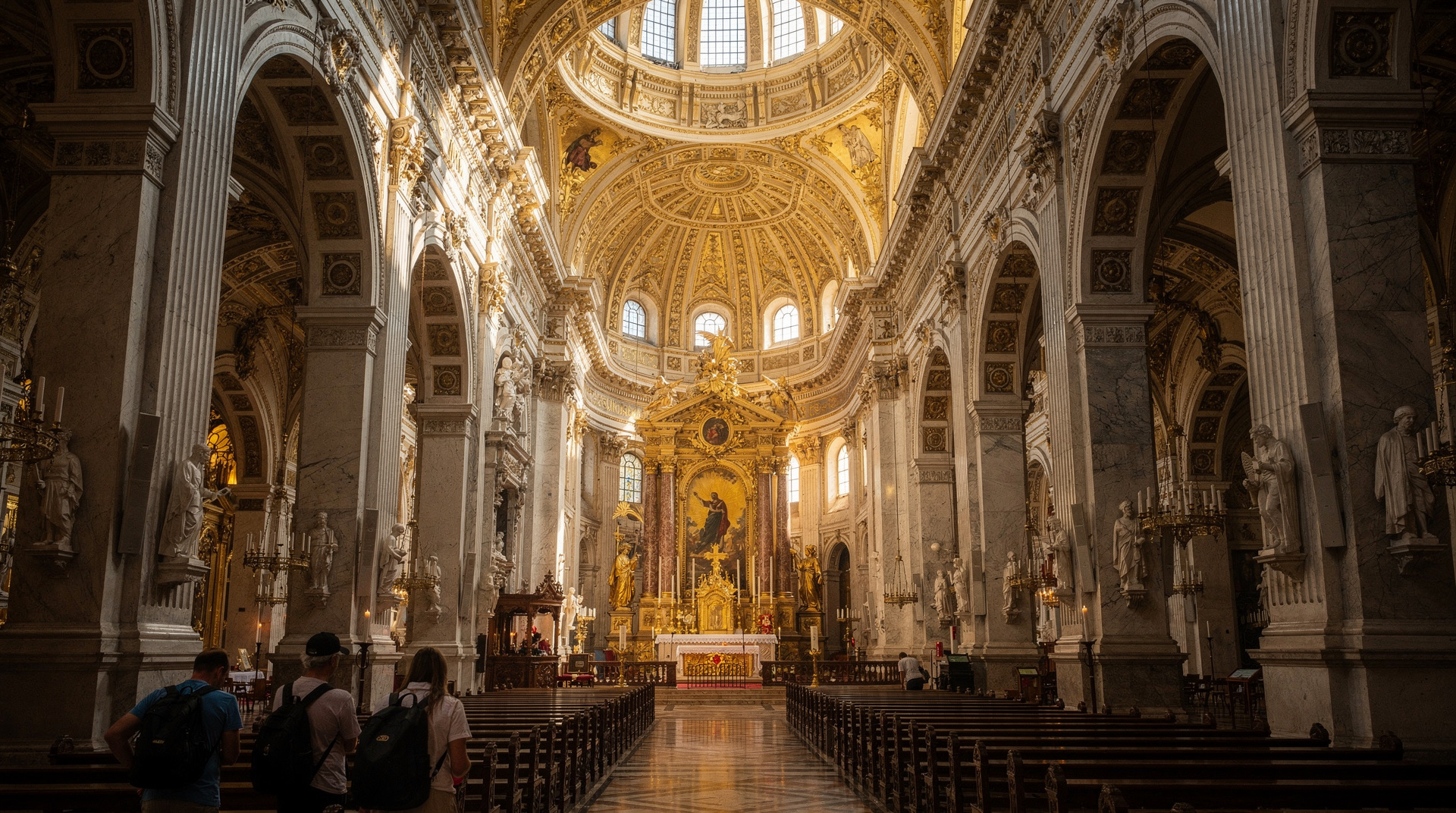
The Basilica (Bazilika) is the largest church in Budapest — the twin domes visible from miles around. Inside: a neo-Renaissance interior, the mummified right hand of St Stephen (Hungary’s first king, displayed in a glass case behind the altar), and the panoramic terrace at 360° accessible by elevator (charged entry). Organ concerts are held regularly.
Entry to the nave is free; panorama terrace and treasury have separate small fees. The Basilica square (Szt. István tér) outside has a pleasant outdoor café scene.
More at the St Stephen’s Basilica guide.
The Danube riverfront and Chain Bridge
The Pest embankment (Duna-korzó) between Chain Bridge and Elizabeth Bridge is Budapest’s most dramatic promenade — the Danube, Buda Castle on the opposite bank, Gellért Hill rising behind it. At dawn or dusk, with the bridges lit, it’s one of the finest urban views in Europe.
The Chain Bridge itself (Széchenyi Lánchíd) — designed by William Tierney Clark and opened in 1849 — is the most famous of Budapest’s eight Danube bridges. Pedestrians can walk across it, and the lion-guarded arches on each side are a reliable photo stop. See also the Chain Bridge guide.
Vörösmarty tér
The main square of Belváros — a pedestrian plaza with the famous Gerbeaud café (touristy but genuine, open since 1858), street performers, and in December, the city’s most prestigious Christmas market. The underground M1 metro (the “Millennium Underground,” Europe’s second-oldest after London’s) starts here and runs up Andrássy út to Heroes’ Square.
Walking District V
The entire district is walkable in 2–3 hours at a leisurely pace. A suggested route:
- Start at Vörösmarty tér (M1/M3 metro, or Tram 2 along the river).
- Walk north along the Duna-korzó riverfront to the Chain Bridge — views of Buda Castle.
- Continue north along the embankment to the Parliament (20-minute walk from Vörösmarty).
- Walk south on Alkotmány utca past Liberty Square (Szabadság tér) with its American Embassy and Soviet monument.
- East to St Stephen’s Basilica.
- South through the inner streets (Erzsébet tér, Károly körút) back to starting point.
Eating and drinking honestly
Avoid
- Restaurants on or immediately adjacent to Váci utca — prices inflated 30–50%, quality mediocre.
- The “tourist menus” with colour photos at Vörösmarty tér — convenient for reference, not for eating.
Choose instead
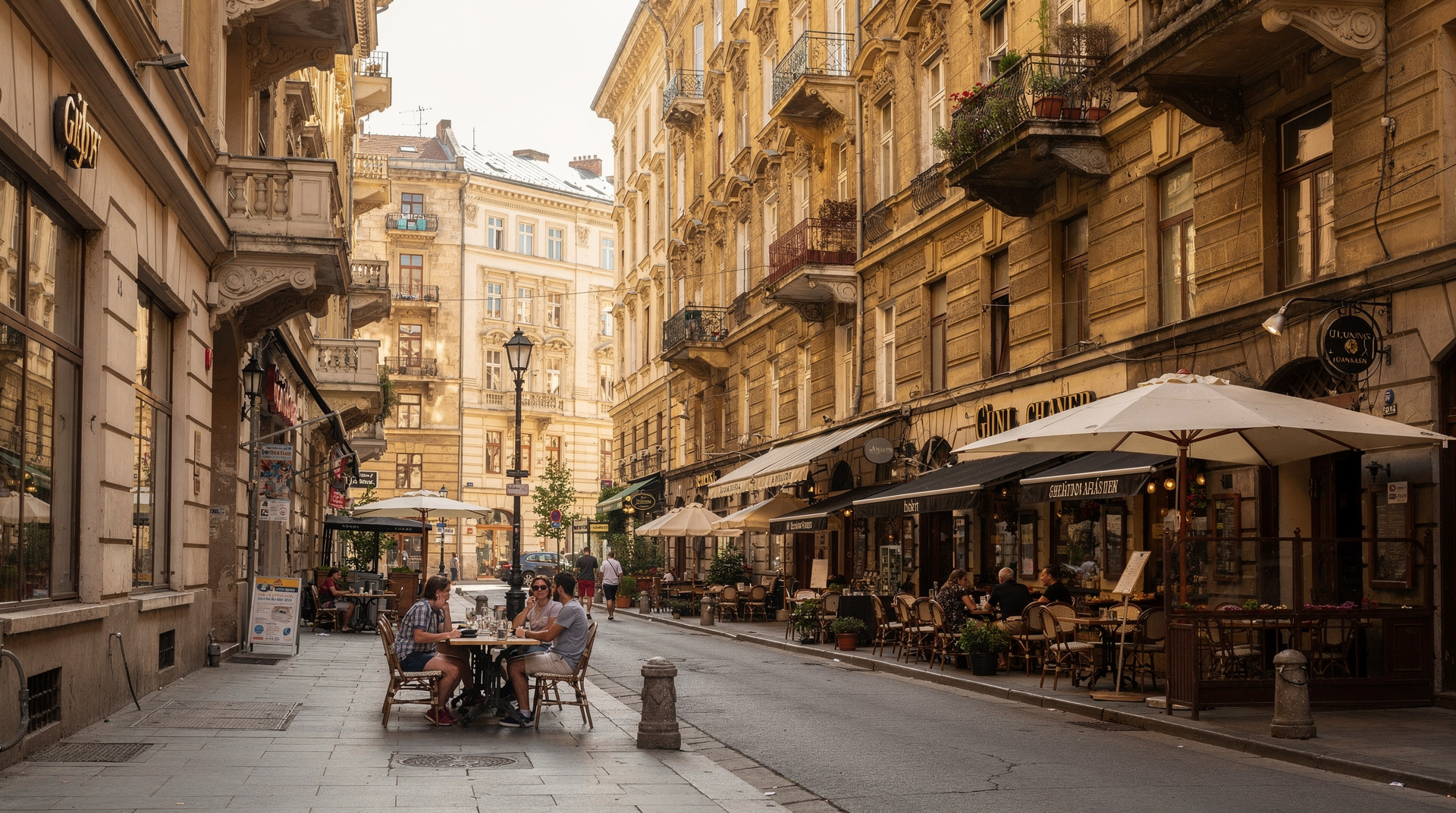
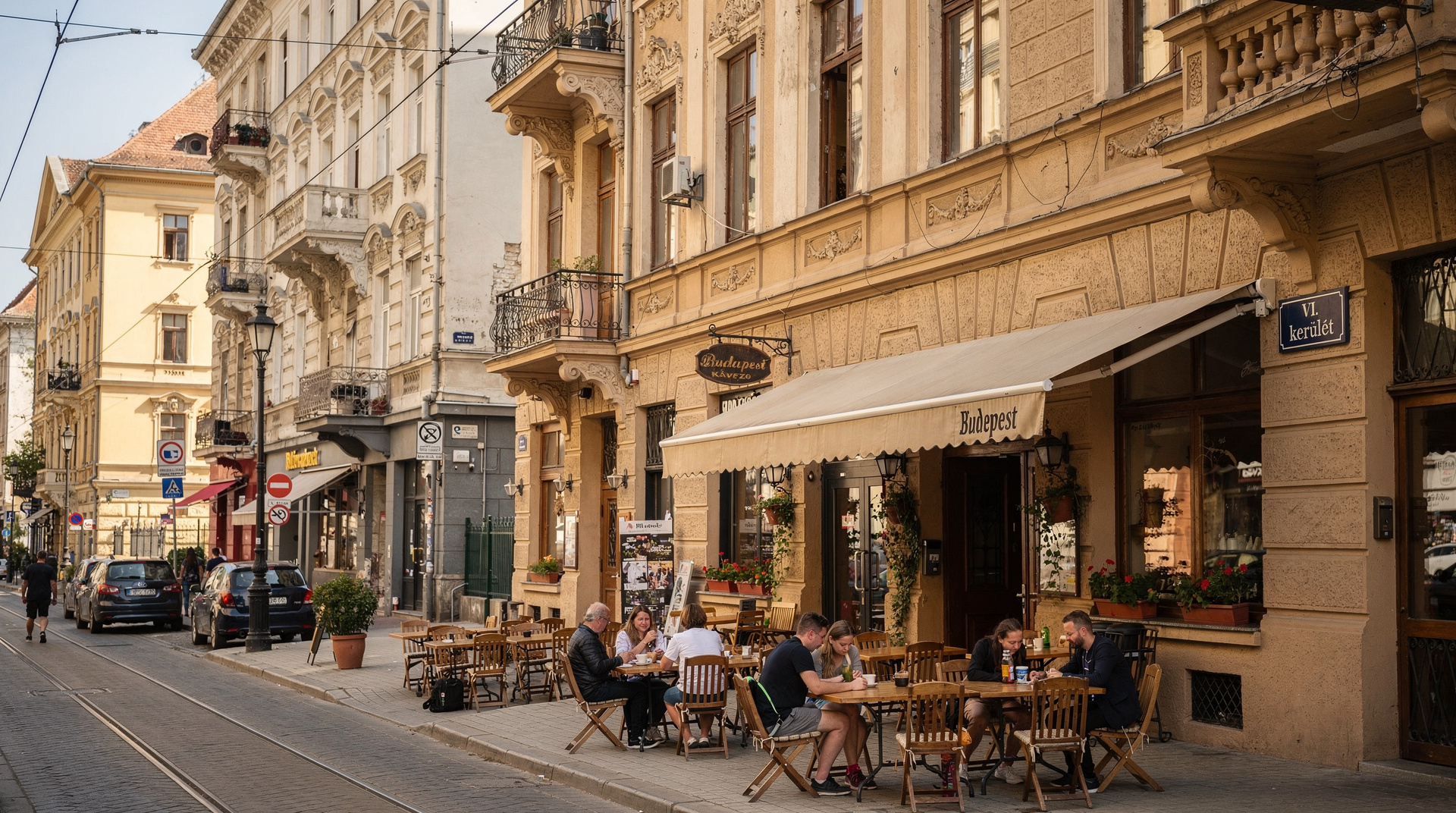
- Gerloczy Kavehaz (Gerloczy utca 1): Excellent bistro-café in a narrow side street. Hungarian and international food, proper coffee, good wine list. Lunch from 2,500–4,500 HUF.
- Central Kavehaz (Károlyi Mihály utca 9): Historic coffee house in a beautiful fin-de-siècle room. Coffee and cake; full meals also served. Worth the slightly inflated prices for the setting.
- Pintér Antikvárium area (Múzeum körút): The stretch south of the National Museum has unpretentious local lunch spots, bookshops, and cafés.
- Ráday utca (D VII/IX border): Restaurant row with more variation and better prices than Váci utca — 10 minutes from Belváros centre.
Practical details
Getting there: M2 (red) to Deák Ferenc tér; M3 (blue) to Deák or Ferenciek tere; Tram 2 along the Danube; M1 (yellow) to Vörösmarty tér.
Transport: Belváros has Budapest’s main metro interchange (Deák Ferenc tér, where M1/M2/M3 all meet) — the entire city is accessible from here.
Best time to visit: Morning for the Parliament and Basilica (before tour groups); sunset for the riverfront. Avoid Váci utca on weekend afternoons in summer — it’s extremely crowded.
For more on the surrounding neighbourhoods: Budapest neighborhoods guide and where to stay in Budapest. The downtown Pest destination page has additional practical details.
How District V compares to its neighbours
District V borders the Jewish Quarter (District VII) to the east — a five-minute walk from Deák Ferenc tér gets you from grand imperial boulevards to ruin bars and street art. It’s worth treating the two as a single walkable zone rather than separate trips. For a wider sense of how Belváros fits into the Buda vs Pest picture, District V is squarely Pest at its most formal — Buda across the river is greener, hillier, and quieter by comparison.
Just south of Belváros, the Great Market Hall is a five-minute walk from Váci utca’s southern end and is a far better place to actually buy food, paprika, or souvenirs than the pedestrian street itself. If your itinerary has you avoiding common pitfalls citywide, the Budapest tourist traps guide and the dedicated Váci utca tourist trap breakdown go into more detail on exactly which storefronts to skip.
Coffee house culture in District V
Budapest’s grand coffee house tradition is concentrated here. Beyond Gerloczy and Central Kávéház mentioned above, the district has several other historic rooms worth a slower visit if you have the time — ornate ceilings, marble tables, and a pace of service that assumes you’re staying an hour, not ten minutes. See the coffee houses of Budapest guide for the fuller list and what makes each one distinct. For orientation on the metro lines mentioned above, the Budapest metro guide explains ticketing and how the three lines through Deák Ferenc tér connect to the rest of the city.
How to pace a day in the Inner City
The mistake most visitors make in District V is trying to see everything in a straight line. The sights are close together, which makes it tempting to rush from the Parliament to the Basilica to the riverfront without stopping. A better rhythm is to treat the district as three or four short blocks of time, each with a pause built in. Start with whichever landmark needs a booking, since that is the one fixed point in the day. Everything else can bend around it.
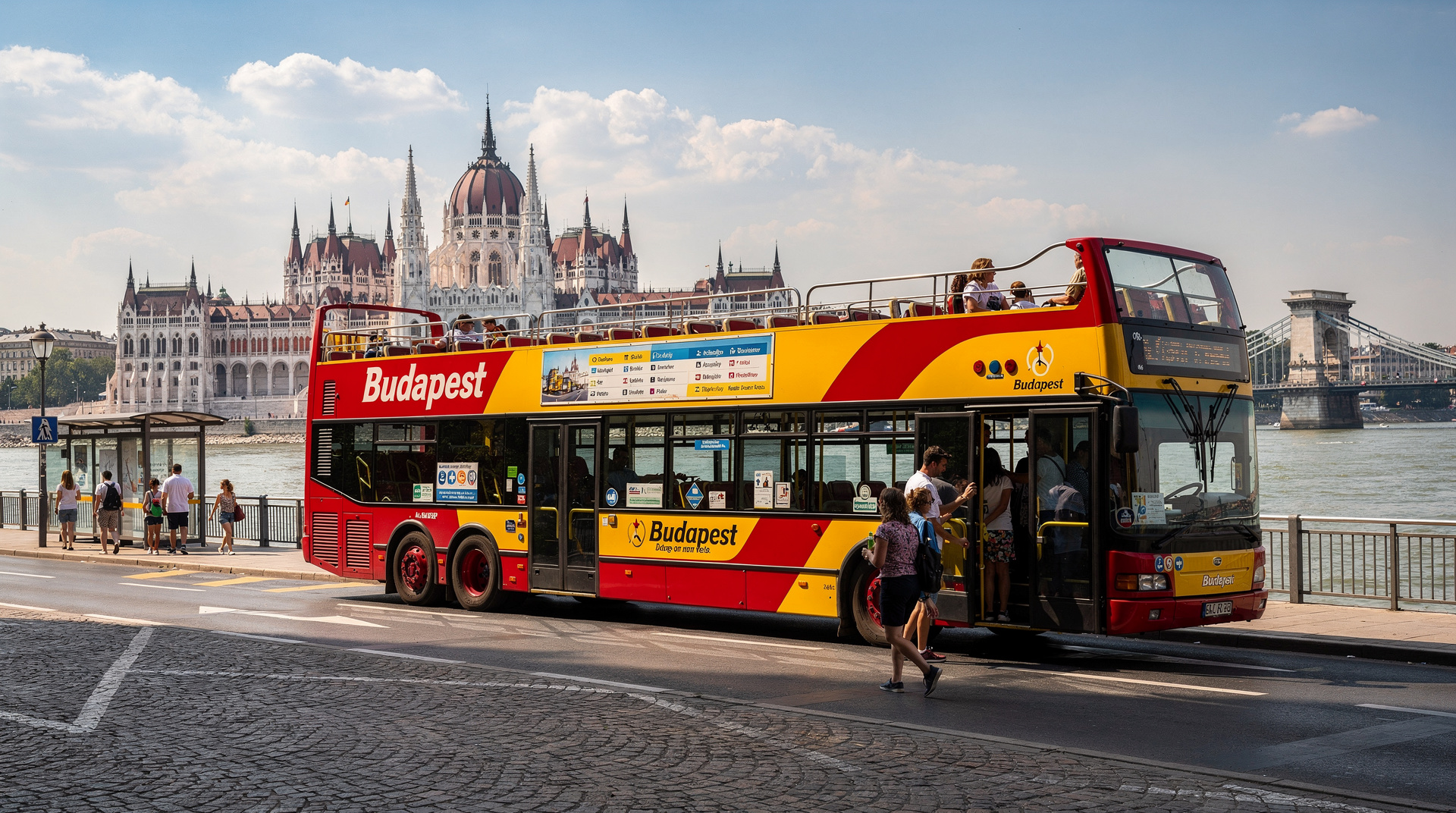
If the Parliament tour is your anchor, plan the rest of the morning on the northern side of the district and leave the southern streets for later. Walking back toward the centre afterwards, you pass the riverfront and the Chain Bridge without any detour. Our Hungarian Parliament guide explains what the tour covers, so you can decide whether you want the audio-guide format or a guided group. Travellers who prefer someone else to handle the route can book a hop-on hop-off bus ride that passes the main landmarks and use it to get oriented before walking the details on foot.
If the Basilica is your anchor, start in the south of the district and work north. Having a coffee on the square beforehand is a good way to wait for opening time without feeling you are wasting it. The St Stephen’s Basilica guide covers the terrace and the concerts in more depth.
What to do when it rains
District V is better in bad weather than most of Budapest. The coffee houses are made for it, the Basilica and the Parliament are indoors, and the metro interchange at Deák Ferenc tér means you can reach other parts of the city without getting soaked. A rainy morning in the Inner City is a good moment to commit to a long coffee house stop and let the weather pass. Our rainy day guide for families and the best museums in Budapest list indoor alternatives if you want to extend the plan beyond the district.
Architecture worth looking up for
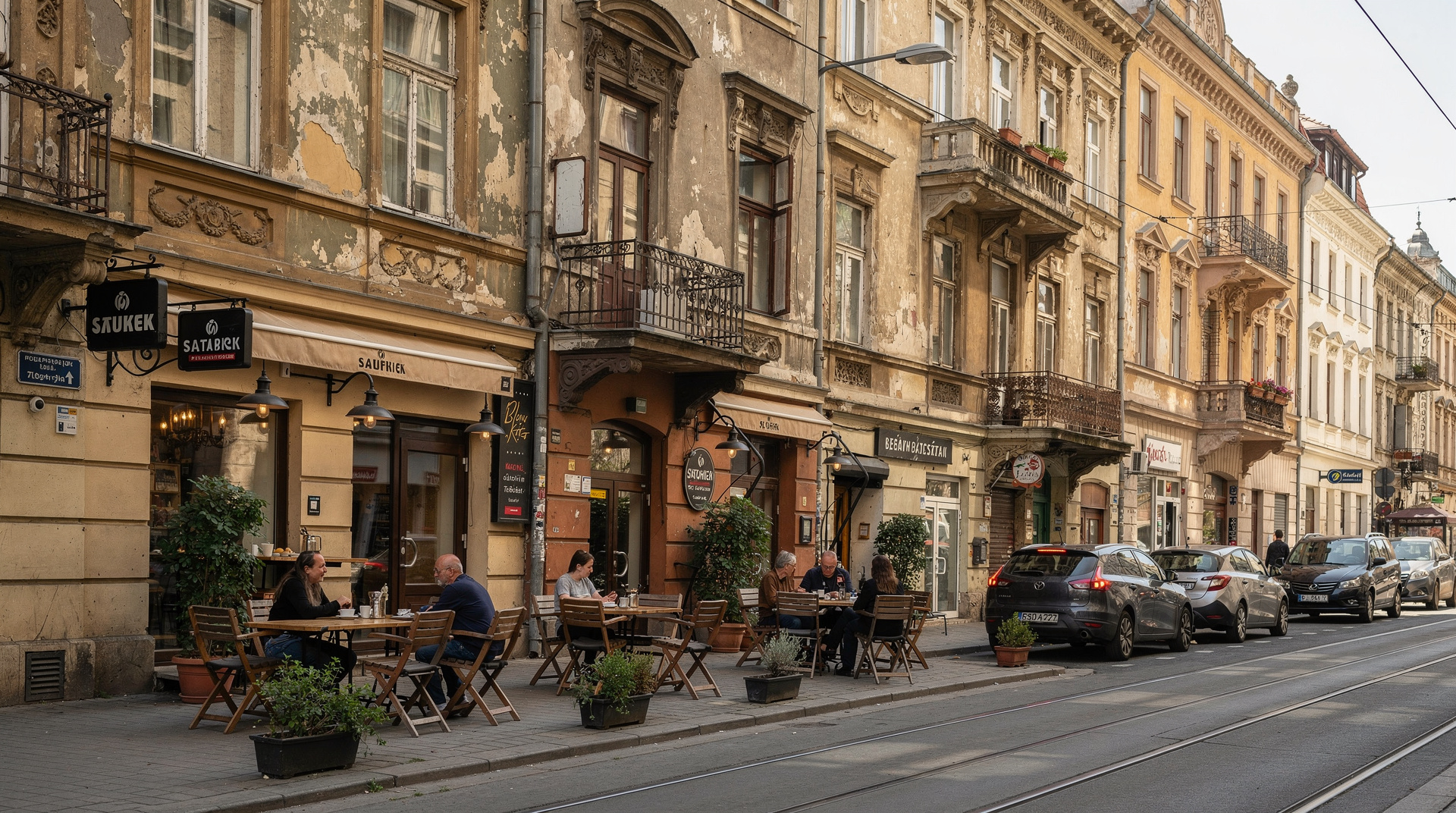
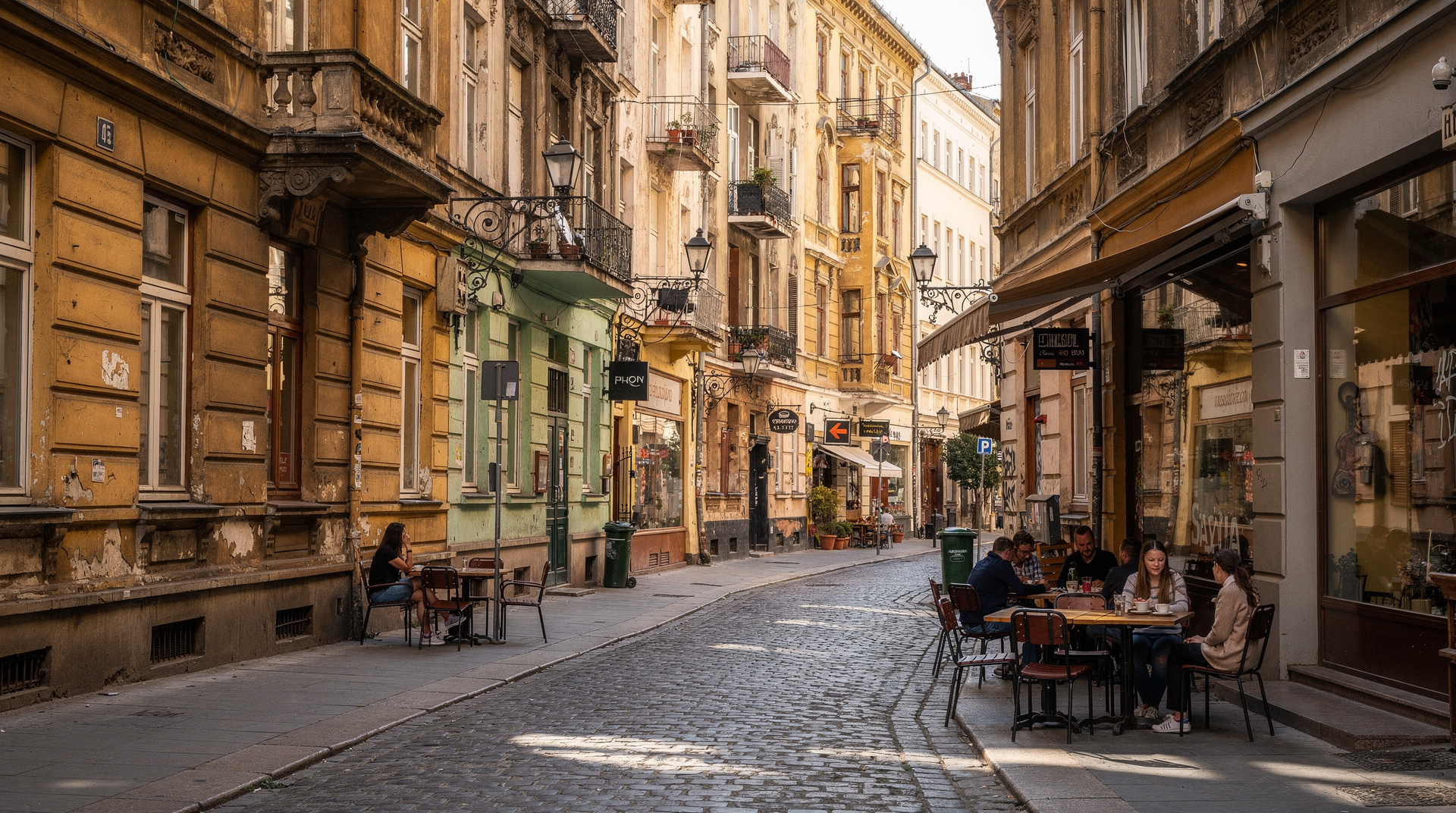
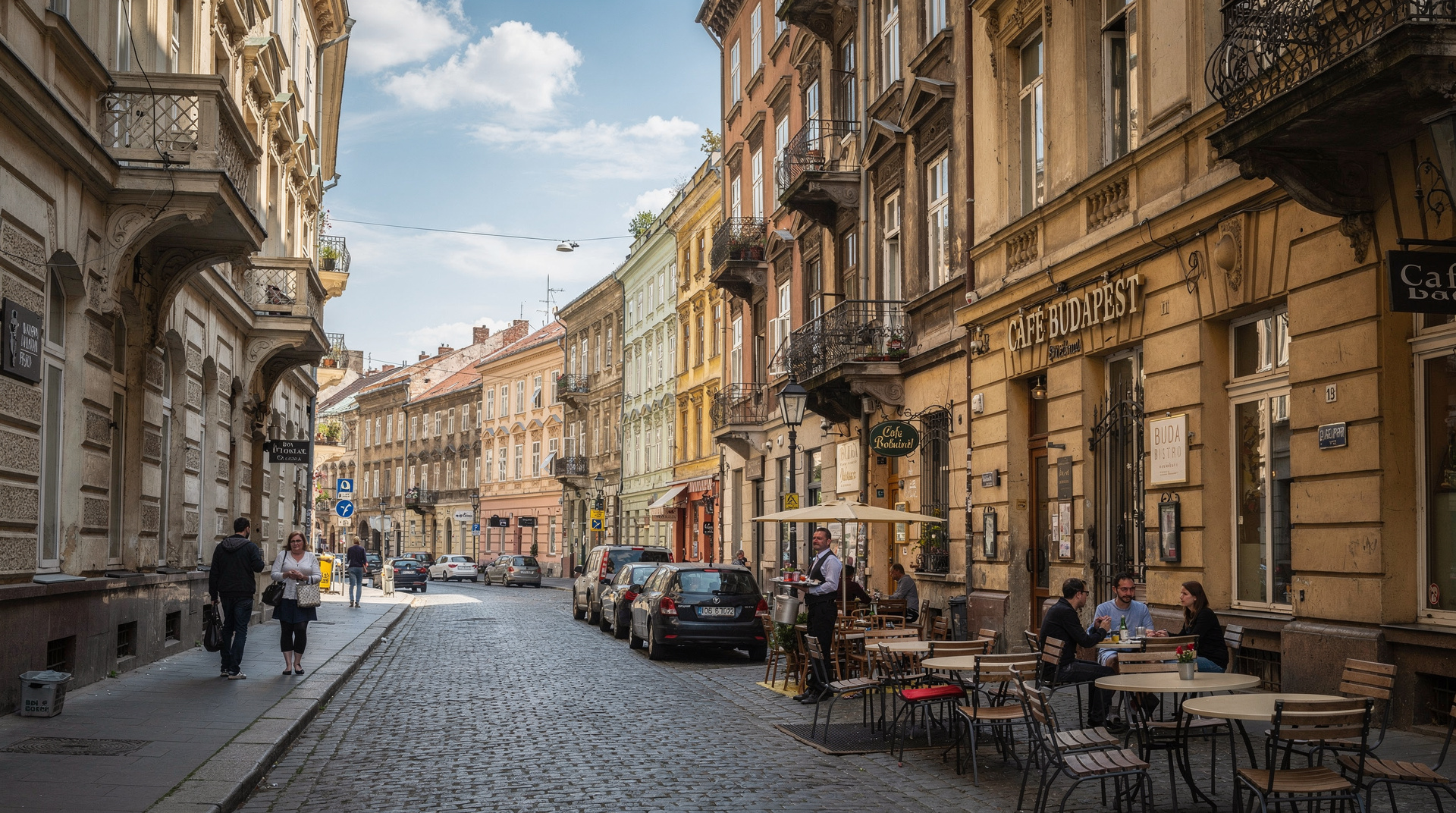
Much of what makes District V memorable sits above eye level, and it is easy to miss when you are watching the pavement or your phone. The facades along the inner streets were built in a period of confidence and money, and many carry carved detail, wrought-iron balconies, and ornate doorways. Step into an open courtyard gate where one is available; the stairwells and inner courtyards often show a quieter side of the building than the street front.
The district also gives a clear picture of how Budapest was planned. The grid of streets, the riverfront promenade, and the large squares were laid out deliberately, which is why walking here feels orderly compared with the more improvised streets elsewhere in the city. If this style interests you, the Art Nouveau Budapest guide shows where to find more of it, and the Hungarian history primer gives the background to the era that built the Parliament and the boulevards.
Evenings in District V
By day the district is busy with tour groups and office workers; by evening its character changes. The riverfront is at its best once the bridges and the Buda side are lit, and a slow walk along the promenade costs nothing. This is also when a river view from the water becomes appealing, and our night cruise guide to the Parliament lights explains the options. If you would rather stay on land, a guided bar-hopping evening is a way into the nightlife without having to choose venues yourself.
For a quieter night, the Basilica hosts concerts, and the classical concerts in Budapest guide will help you decide whether an organ recital or a larger performance suits you. Anyone planning a bigger night out should look at the Budapest nightlife guide, since the liveliest streets are mostly in the neighbouring district rather than in Belváros itself. Dinner is best chosen away from the main pedestrian streets, following the advice earlier on this page.
Combining District V with the rest of your trip
District V rarely works as a standalone destination; it is the hinge of the city. Because the main metro lines meet here, it is the easiest base for reaching the baths, the Castle District, and the Jewish Quarter. Our Budapest 3 days overview and the first-timer highlights itinerary show where a Belváros morning fits into a wider plan, and the one-day Budapest itinerary is a good model if you are short of time.
Across the river, the Castle District is the natural counterpart, and the contrast between the two banks is one of the pleasures of the city. If you are deciding where to sleep, the Buda vs Pest where to stay guide weighs the central location of District V against its higher prices. Visitors planning several attractions in a short stay may also want to compare the Budapest Card with paying for single tickets, and the Budapest Card itself is covered in a separate guide.
A note on first impressions
Arriving here first, as most people do, can colour how you see the whole city. Belváros is polished, central, and busy, and it can feel a little staged compared with the neighbourhoods further out. That is not a reason to skip it; it is a reason to treat it as one chapter rather than the whole story. Pair it with a quieter district, a bath, or a day trip and the city becomes much more balanced. The Budapest travel guide pulls these threads together if you are still shaping the trip.
Frequently asked questions about District V Belváros guide
Is Váci utca worth visiting?
Worth walking, not worth shopping or eating. Váci utca is a pedestrian street with international chain stores, souvenir shops selling mass-produced goods, and restaurants with English picture menus charging 30–50% more than equivalent places one street away. Walk it once for the atmosphere, then explore Ráday utca, Veres Pálné utca, and Múzeum körút for better value.What are the must-see sights in District V?
The Hungarian Parliament Building (tour required to enter), St Stephen's Basilica (free to enter the nave; fee for tower), the Chain Bridge and riverfront promenade (Duna-korzó), and the Great Synagogue on Dohány utca (technically just on the District VII border). The whole district is walkable.Where should I eat in District V?
Avoid the tourist restaurants on Váci utca. Good options: Gerloczy Kavehaz (Gerloczy utca 1) for Hungarian-international bistro food with excellent coffee; Central Kavehaz (Károlyi Mihály utca 9) for a grand coffee house experience; Százéves (Piarista köz 2) for traditional Hungarian cooking in a baroque cellar.How does District V compare to the Jewish Quarter for a short visit?
District V is the place for grand architecture — the Parliament, the Basilica, the riverfront — while the Jewish Quarter (District VII), a short walk east, has the ruin bars, street art, and a grittier, more atmospheric evening scene. Most visitors do both in a single day: sights and coffee houses in District V by day, ruin bars in the Jewish Quarter by night.
Top experiences
Bookable activities with verified prices and instant confirmation on GetYourGuide.