St Stephen's Basilica guide: tickets, tours and what to see inside
What does it cost to visit St Stephen's Basilica and what is inside?
Church entry is free (or a small voluntary donation). The panorama terrace on the dome costs approximately 1 500–2 500 HUF by lift plus stairs. Inside, highlights include the mummified right hand of King Stephen I (Hungary's most venerated relic), the neo-Renaissance interior by Miklós Ybl, and elaborate mosaics by Bertalan Székely and Lotz Károly.
The centrepiece of downtown Pest
The Basilica of Saint Stephen (Szent István Bazilika) on Erzsébet tér in District V is the focal point of central Budapest’s pedestrian streets. Its 96-metre dome is visible from most of the city, and the square in front — flanked by cafés, DiVino Wine Bar, and the Zara flagship — is one of Budapest’s most lively public spaces year-round.
The building took 54 years to complete (1851–1905), outlasting its original architect Hild József and requiring a near-total rebuild after the dome collapsed in 1868. The final form — designed primarily by Miklós Ybl in a neo-Renaissance style — is deliberately monumental: a statement that Budapest’s Christian heritage was equal to Vienna’s and to the secular grandeur of the Parliament built across town.
| Where | Erzsébet tér, District V (downtown Pest) |
| Church entry | Free / 500–1,000 HUF voluntary donation |
| Dome terrace | Around 1,500–2,500 HUF |
| Time needed | 45–60 min church; 1.5–2 hrs with dome |
| Getting there | Metro M1/M2/M3 to Deák Ferenc tér, 5 min walk |
What’s inside
The nave and dome: The interior is vast, richly decorated with marble, gilt mosaics and 88 statues of Hungarian saints. The dome’s frescoes, by Bertalan Székely and Lotz Károly, depict scenes from Hungarian Christian history. The lighting in the afternoon (when sunlight enters from the south windows) is the most atmospheric.
The Holy Right chapel: In the apse on the north side, the mummified hand of King Stephen I is displayed in a golden reliquary. Stephen (István) was Hungary’s first Christian king, canonised in 1083, and his right hand (the hand that signed laws and gave alms) is the most sacred relic in Hungary. A small coin slot illuminates the display — a Hungarian tradition rather than a commercial gimmick.
The altarpiece: The main altar’s mosaic by Alessandro Morgari (Carrara) depicts the Assumption of the Virgin. The surrounding paintings, most by Lotz Károly, are of uniformly high quality.
The treasury: The Basilica treasury (separate area, small additional fee) contains historic vestments, chalices and ecclesiastical objects from Hungarian church history.
Entry and hours
Church entry is officially free, though a voluntary donation of 500–1 000 HUF is prominently encouraged and appropriate. The suggested donation box is at the entrance.
Panorama terrace (dome): approximately 1 500–2 500 HUF; pay at a desk near the south entrance. Lifts run to the drum level; a short stairway brings you to the outer gallery. Open approximately 9 am–7 pm in summer; shorter hours October–March.
Treasury: separate entry, approximately 500–1 000 HUF; a small, quiet room adjacent to the apse.
Basilica entry with options covers the dome access and simplifies the ticket purchase. The guided Basilica tour adds an English-speaking guide who contextualises the architecture, the relic and Hungary’s Christian history — worthwhile if you want explanation rather than photos.
The panorama terrace
The views from the Basilica dome encompass central Pest’s grid of streets, the Danube (visible between buildings), Buda hills, and — on clear days — the hills of the Danube Bend to the north. This is not the highest viewpoint in Budapest (Gellért Hill is higher, and gives better river views), but it is the most central and pairs conveniently with the church visit.
The lifts are narrow and the queue can build in summer. Aim for early morning or late afternoon. The views in the hour before sunset (5–7 pm depending on season) are warm and photogenic.
Concerts at the Basilica
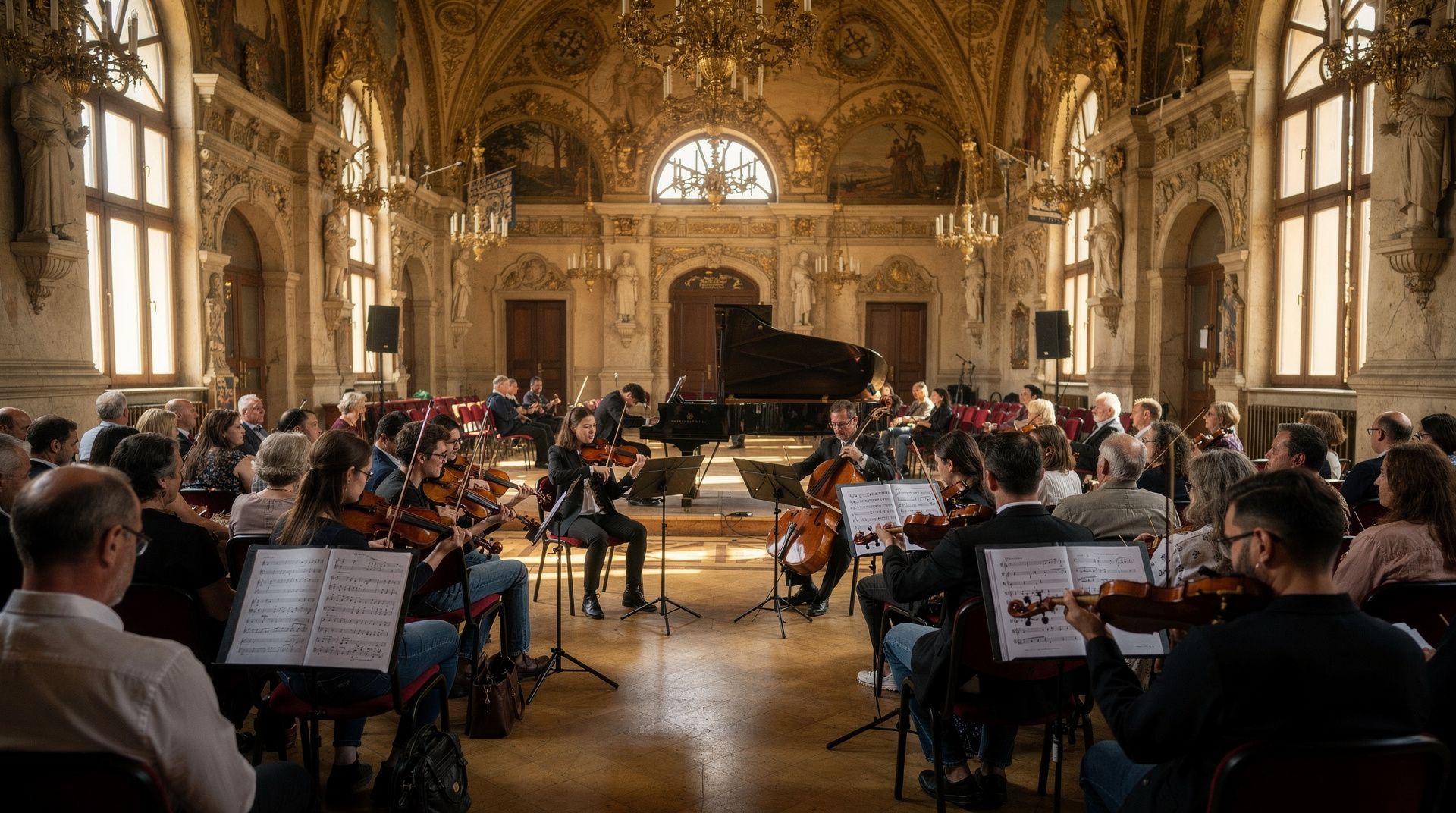
The Basilica’s concert programme is one of the best reasons to spend an evening here. The acoustic is excellent — the dome’s elliptical geometry concentrates sound beautifully — and the visual backdrop of the illuminated interior is dramatically lovely.
Regular organ concerts: Tuesday, Thursday, Saturday evenings approximately (check the Basilica website for current schedule). The organ has 5,538 pipes; the full instrument at volume is a physical experience.
Classical orchestra concerts: Various ensembles perform in the nave throughout the year. These range from chamber music to full orchestral programmes; summer sees the most frequent scheduling.
Tickets: 3 500–8 000 HUF for most concerts; book ahead during July–August. The Basilica website and GYG both sell tickets. The Basilica organ concert ticket is the simplest way to secure a seat for the regular evening programme without navigating the Hungarian-language box office.
For broader context on Budapest’s classical music scene, the classical concerts guide covers the Opera House, the Liszt Academy and other venues.
The Basilica Square and surroundings
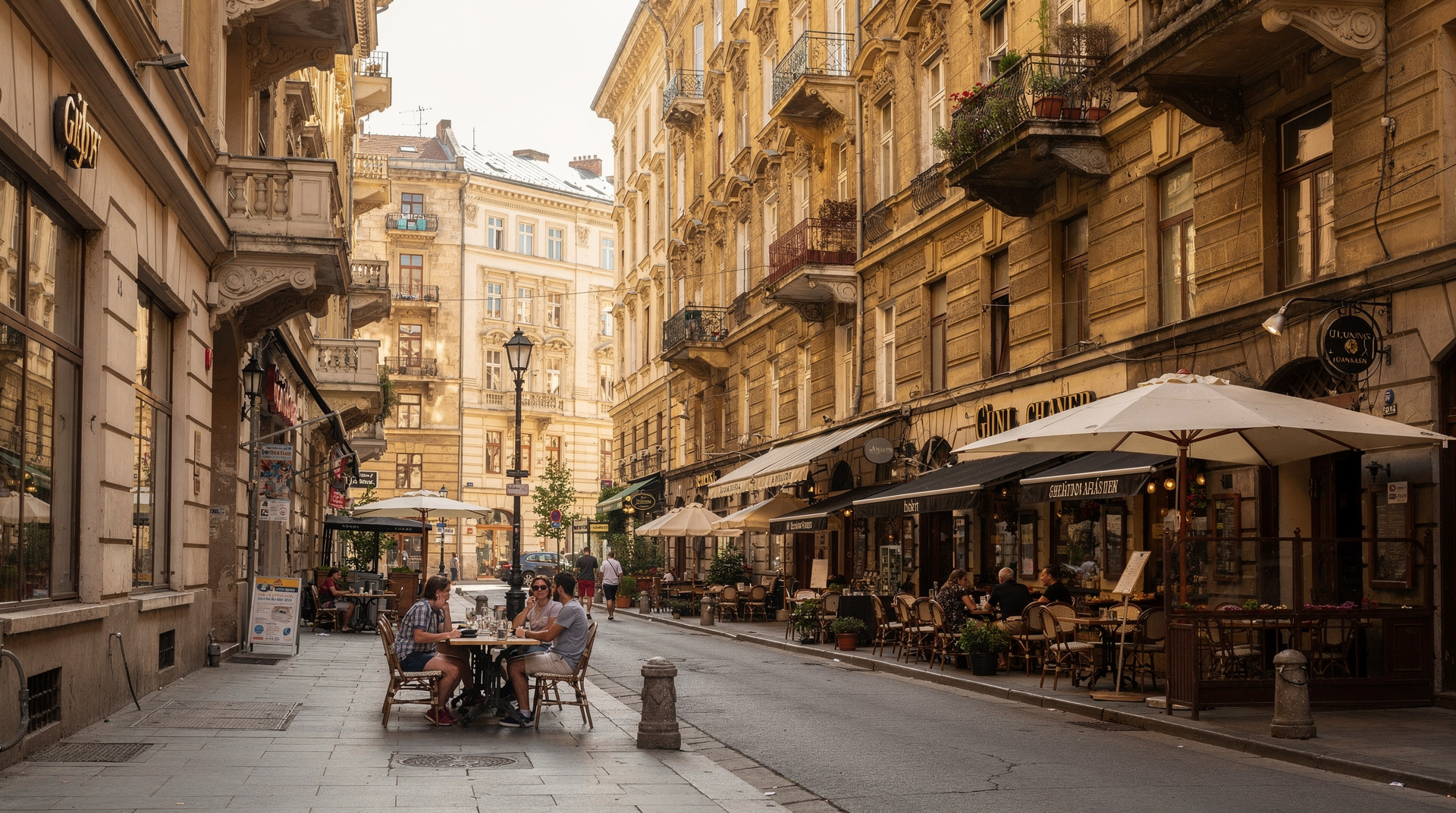
Erzsébet tér (the square name for this section) is lined with cafés, wine bars and restaurants. DiVino Wine Bar directly facing the Basilica is the best wine bar in central Budapest — ideal for a glass of Hungarian white on the terrace after visiting the church. See wine tastings in Budapest for more.
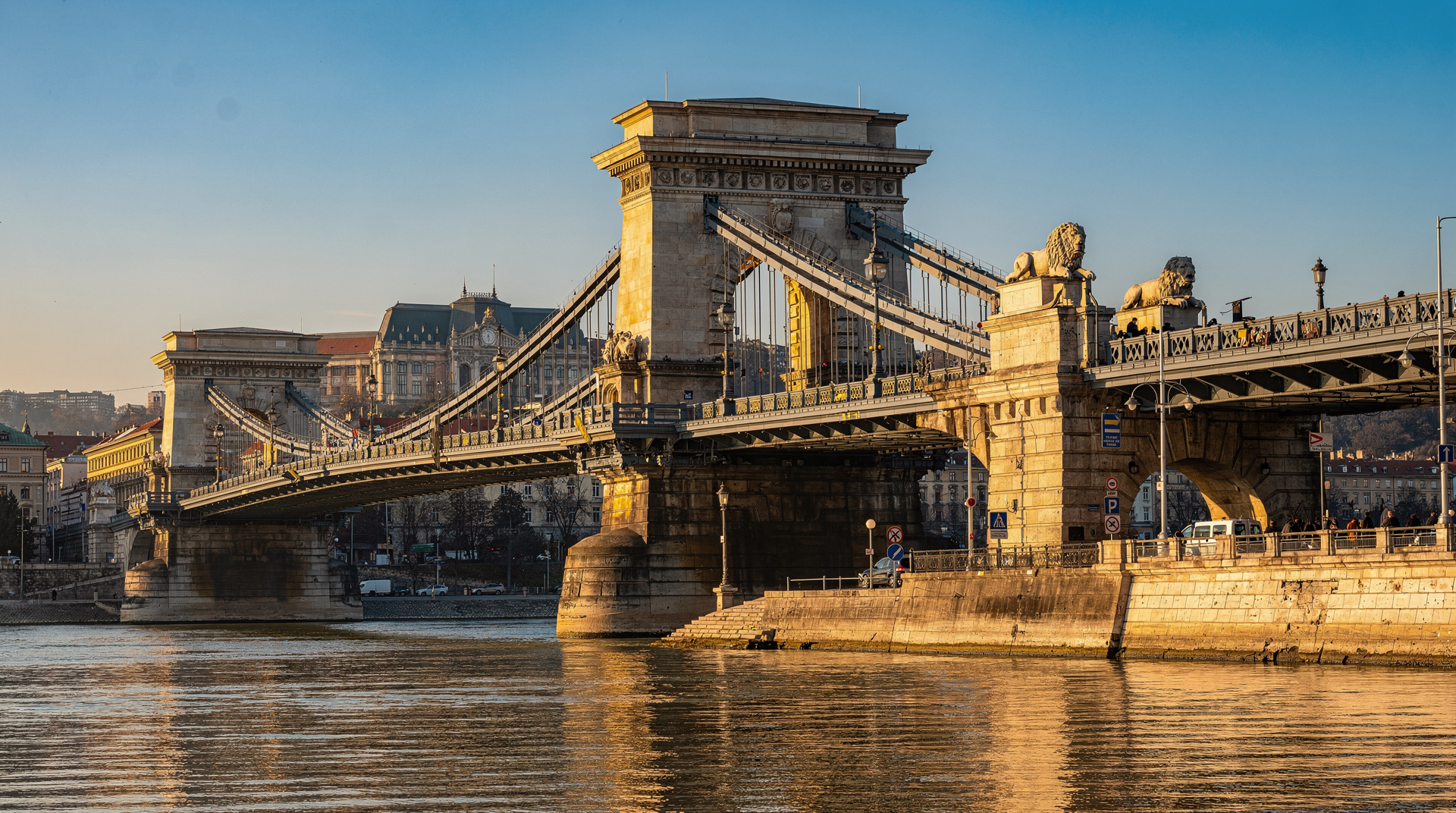
The pedestrian zone north of the Basilica connects to Andrássy út and the nearby Opera House. The south-facing streets lead to the river promenade and Chain Bridge.
The Christmas market held on Erzsébet tér from late November to 1 January is one of Budapest’s most charming seasonal events — the tree, the Basilica backdrop and the food stalls make it genuinely picturesque.
Combining with other sights
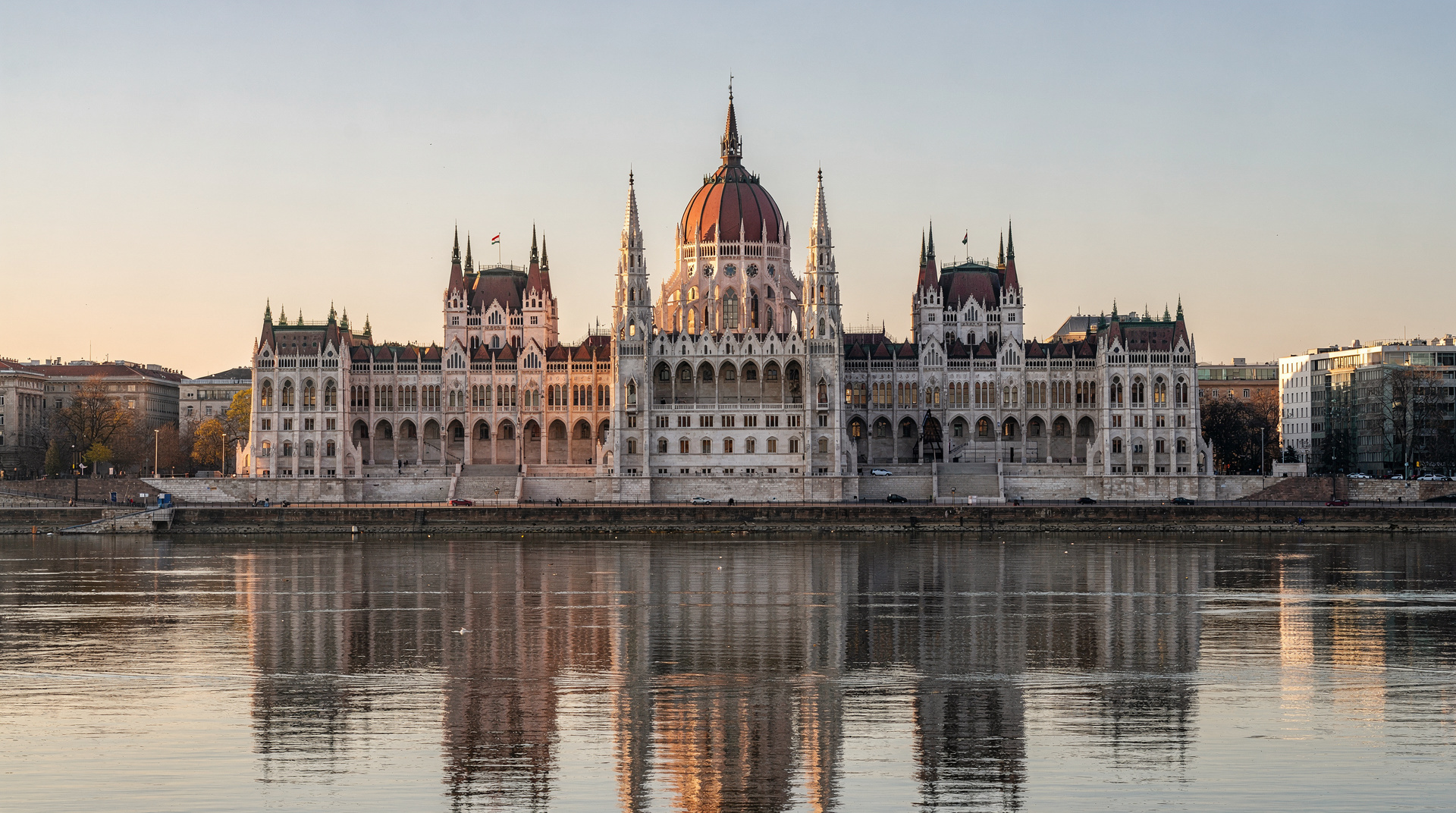
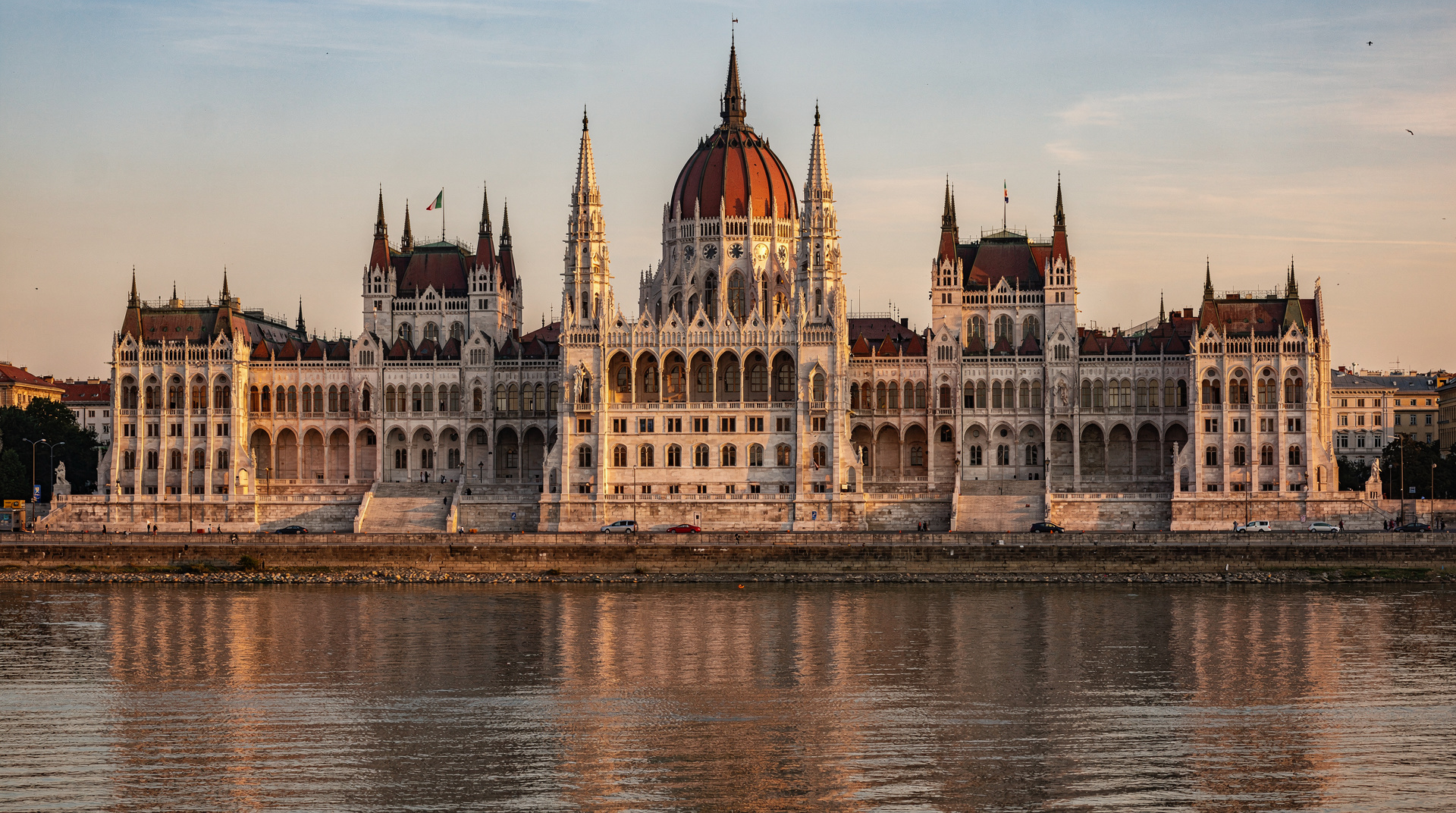
The Basilica pairs naturally with a Parliament visit — a 20-minute riverside walk north along the Danube embankment connects the two, passing the Gresham Palace and various Pest embankment landmarks.
A very manageable half-day covers: Basilica (1 hour including dome) → riverside walk north → Parliament interior tour (1.5 hours) → coffee on Kossuth tér → metro or tram back to your hotel.
For the full central Pest picture, the downtown Pest guide covers the neighbourhood’s streets, restaurants and practical logistics. The top attractions guide places the Basilica within the broader multi-day planning framework.
Basilica vs other Budapest viewpoints
| Viewpoint | Height/access | Cost | Best for |
|---|---|---|---|
| Basilica dome | Lift + short stairs | ~1,500–2,500 HUF | Central location, church combo |
| Gellért Hill | Free hillside walk | Free | Best all-round river view |
| Fisherman’s Bastion | Terraces, some stairs | Partly free | Castle Hill panorama |
| Hungarian Parliament | Ground-level tour only | Guided tour ticket | Interior grandeur, not a viewpoint |
Of the four, the Basilica dome is the most central and the easiest to combine with a short city walk, but Gellért Hill remains free and gives the widest river panorama if you don’t mind the climb.
If accessibility or mobility is a concern
The nave itself, the Holy Right chapel and most of the ground floor are step-free from the main west entrance — a genuine advantage over Matthias Church, whose Castle Hill setting involves more walking and stairs regardless of which church you enter through. The dome terrace is only partly accessible: lifts cover most of the ascent, but a short staircase remains between the lift landing and the open-air gallery. If the dome climb isn’t feasible, the Fisherman’s Bastion terraces on Castle Hill offer a partly step-free alternative panorama, though getting up to Castle Hill itself involves its own logistics — see the Buda Castle guide for funicular and lift options there.
How to pace your visit
The Basilica rewards a slow approach. Most visitors walk in, take a photograph of the nave and leave within ten minutes, and that is a pity: the church is built to be absorbed gradually. Start by standing just inside the main entrance and letting your eyes adjust to the light, then walk the length of the nave without a phone in your hand. Look up at the dome first, then at the side chapels, then at the mosaics. Only after that move towards the apse and the Holy Right chapel, where the mood changes from grand to hushed.
If you are building a wider plan, the first time in Budapest guide shows where a church visit fits among the other essentials, and the Budapest 3 days overview places the Basilica on a day with other central Pest sights. Short on time? The one day itinerary treats it as a quick, high-value stop rather than a long visit.
Etiquette inside a working church
St Stephen’s is not a museum. It is an active place of worship, and services take place here. That has a few practical consequences worth knowing before you go:
- Dress respectfully. Covered shoulders and knees are the safe choice, and a light scarf in your bag solves the problem on a hot day.
- Keep your voice low, especially near the Holy Right chapel, where people often stop to pray.
- Take photographs without flash, and avoid pointing a camera at people who are praying.
- If a service or ceremony is under way, part of the nave may be roped off. Treat that as part of the experience, not an inconvenience.
- Remove hats and keep large backpacks to a minimum; staff may ask you to carry a bag in front of you in a crowded space.
The same quiet courtesy applies to the dome gallery, where narrow spaces mean you will often share a corner with strangers.
Why the history matters
The story of the building makes more sense when you know a little about the country that built it. Stephen I is the figure who ties the church, the relic and the national holiday together, and the whole interior is a retelling of Hungarian Christian identity. If you want the background before you step inside, the Hungarian history primer gives a clear overview, and it makes the saints and scenes in the mosaics far easier to read.
For contrast, Matthias Church on Castle Hill shows a very different Hungarian religious style, with painted patterns and a medieval character, while the Dohány Street Synagogue tells another essential part of the city’s story. Seeing the three on one trip gives a fuller picture than any single building can. The Jewish Quarter heritage guide is a good companion if that second visit appeals to you.
Choosing between a self-guided visit and a tour
Going alone is perfectly reasonable. The church is easy to navigate, signage is clear, and the entry is simple. A guide becomes valuable when you want the layers: why the dome had to be rebuilt, what the statues represent, how the relic is treated in national life. The guided option is a good fit for curious travellers, while a general city walk may suit you better if you want the Basilica as one stop among many. The best walking tours guide compares options, and the free walking tours guide is useful if you want a pay-what-you-like introduction to the centre before you decide how much more to book.
Travellers who like to cover ground quickly might look at the hop-on hop-off guide, though the Basilica sits in a pedestrian area where walking is almost always faster.
Evening on Erzsébet tér
After the church doors close, the square keeps going. Terraces fill up, the dome is lit, and the light on the stone gives the Basilica a very different character from the daytime. A concert followed by a quiet dinner makes a memorable evening, and the best restaurants guide and romantic restaurants guide both offer sensible options nearby. For a drink afterwards, the coffee houses guide covers traditional rooms for a slower hour, while the Budapest nightlife guide is there if the night is only beginning.
Couples will find the combination of an evening concert and a stroll to the river particularly appealing; the romantic Budapest guide builds a whole itinerary around that mood.
Getting there and moving on
The Basilica sits in the middle of the pedestrian centre, so it is easy to reach from nearly anywhere. The Budapest metro guide explains the lines that stop closest, and the getting around Budapest guide covers the wider network. If you arrive with a pass, the BKK travel passes guide helps you choose the right one. Many visitors simply stroll from the river, and the district V guide describes the streets you will pass on the way.
Moving on is just as simple. If you are continuing to the Parliament, a Parliament visit combined with a city tour is one way to link the two without planning each ticket separately. Those who prefer a more relaxed finish can head for the river and read the daytime sightseeing cruises guide to see how the Danube looks from the water instead.
Rainy days and quiet seasons
A church is a dependable choice when the weather turns. The interior is a good shelter, and the visit does not depend on clear skies, although the dome views obviously do. On a grey day, spend longer in the nave and save the terrace for a brighter morning. The rainy day guide lists other indoor ideas for families, and the Budapest in winter guide explains how the city feels in the colder months, when the square becomes especially atmospheric. The Christmas markets guide is worth a look if your trip falls near the festive season.
With children or older relatives
Families usually find the Basilica easy: the interior is impressive enough to hold attention, and it does not demand a long commitment. Children often enjoy spotting the statues and the golden details, and the dome gallery gives them something concrete to look forward to. The Budapest with kids guide and the family friendly attractions guide help you place the visit within a wider day. For travellers who need step-free access, the accessible Budapest guide pulls the practical information together across the city.
Frequently asked questions about St Stephen's Basilica guide
When are the organ concerts at St Stephen's Basilica?
Classical organ and orchestral concerts are held regularly at the Basilica — usually Tuesday, Thursday and Saturday evenings at 7:30 pm, with additional concerts in summer. Tickets range from 3 500–8 000 HUF depending on seat category. The acoustic is remarkable — the dome amplifies the organ magnificently. Book in advance during peak season.What is the Holy Right (Szent Jobb) relic?
The Holy Right is the mummified right hand of King Stephen I (ruled 997–1038), Hungary's first Christian king and patron saint. It is displayed in an ornate golden reliquary in the Basilica's apse chapel. On 20 August (Saint Stephen's Day, Hungary's national holiday) it is carried in a procession through the city. Free to view inside the church.How do I get to the top of the Basilica dome?
Lifts take you most of the way to the panorama terrace; a short stair section connects to the viewing gallery at the drum level (below the outer dome). The view covers central Pest, the Danube, Buda hills and — on clear days — as far as the Danube Bend. Open daily approximately 9 am–7 pm (shorter in winter). Cost: ~1 500–2 500 HUF.Is St Stephen's Basilica better than Budapest's other churches?
It is the largest (96 metres high, designed to equal Parliament's height), the most central and the most visited. Matthias Church on Castle Hill is architecturally more interesting and has finer interior murals. The Dohány Street Synagogue is the largest religious building in Budapest. For sheer scale and a climb-the-dome experience, the Basilica wins.Is the Basilica dome accessible for visitors with mobility issues?
The nave and Holy Right chapel are step-free and wheelchair accessible from the main entrance. The panorama terrace is partly accessible by lift, but a short flight of stairs connects the lift landing to the outer viewing gallery, so the very top is not fully step-free. Staff at the dome desk can advise on the current situation before you pay for a ticket.How long does a Basilica visit take?
Budget 45–60 minutes for the church interior and Holy Right chapel alone, or 1.5–2 hours including the dome climb and photo stops. Add 30–45 minutes if you want to sit through part of an organ concert. It comfortably pairs with a Parliament visit in a single half-day.
Top experiences
Bookable activities with verified prices and instant confirmation on GetYourGuide.