Margaret Island — Budapest's green retreat in the Danube
Escape the city on Margaret Island: a car-free park in the middle of the Danube with thermal spas, the musical fountain, rose gardens and a running track.

Quick facts
- Getting there
- Tram 4/6 to Margit híd (Margaret Bridge), then walk onto the island. Bus 26 runs through the island from Nyugati station. No cars permitted.
- Entry
- The island park itself is free. Day spa entry from ~9 000 HUF (~€22); individual treatments booked separately.
- Musical fountain
- Free to watch. Performances with music and illuminated water run from May through October, evenings and some daytime slots.
- Running track
- 5.3 km loop around the island perimeter — one of the most popular running routes in Budapest.
- Rentals
- Bicycles, pedal cars and electric carts available for rent at the island entrance — ideal for families.
A traffic-free island in the middle of the Danube
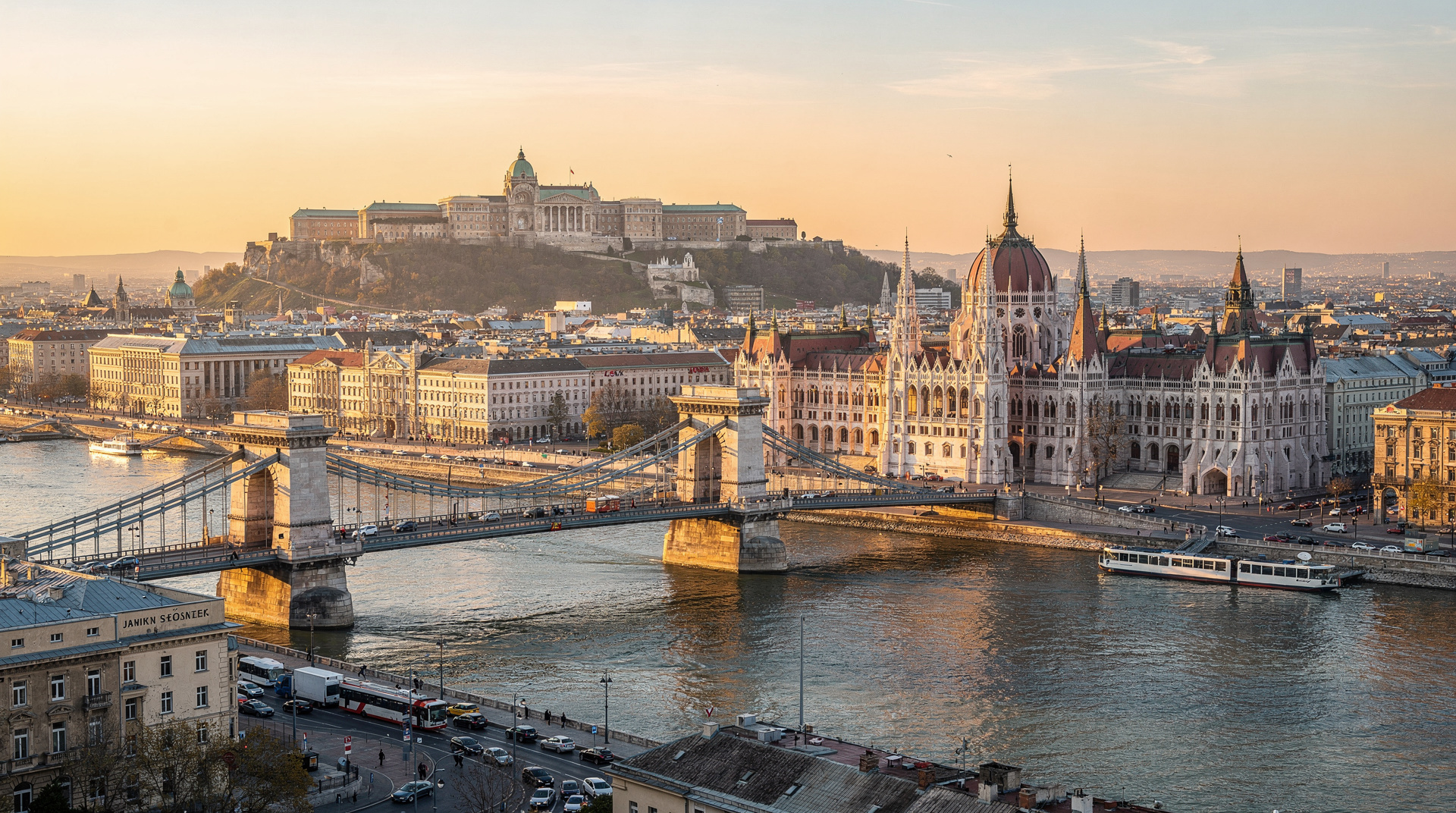
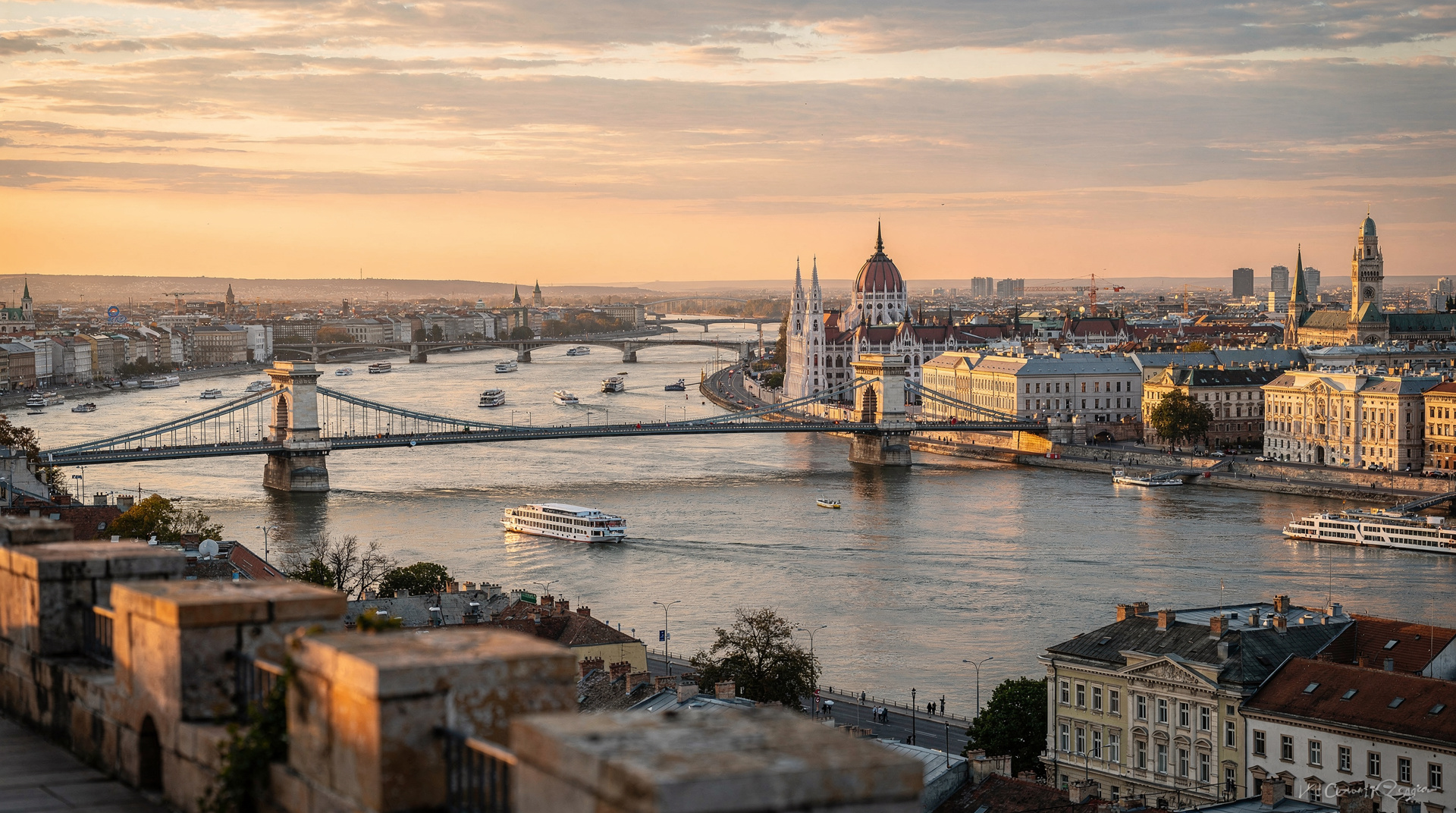
Margit-sziget sits in the middle of the Danube approximately two kilometres north of the Chain Bridge, connected to the Buda and Pest banks by Margaret Bridge to the south and Árpád Bridge to the north. The island is 2.5 kilometres long and about 500 metres across at its widest point — just large enough to feel like a genuine escape from the city, small enough to walk from end to end in about 40 minutes.
Cars are not permitted on the island beyond a short access road to the hotel complex, which means the visitor experience is dominated by pedestrians, cyclists, joggers and the sounds of the park itself rather than traffic. In a city where the main sights tend to be embedded in dense urban fabric, Margaret Island is a useful pressure valve — somewhere to decompress between the intensity of the Castle District and the Jewish Quarter.
The island is not a major attraction in the conventional sense: there is no single spectacular building or landmark that justifies the visit. What it offers instead is a concentrated version of what makes Budapest pleasant to live in — green space, thermal water, an unhurried pace and the particular quality of light you get when you are surrounded by a wide river.
| Where | Danube island between Buda and Pest, north of Chain Bridge |
| Cost | Park free; day spa entry from ~9 000 HUF |
| Time needed | Half a day (2–4 hours) |
| Getting there | Tram 4/6 to Margit híd, then walk; bus 26 crosses the island |
| Best time | May–September for fountain and pools; year-round for the spa and park |
The park — what to find and where
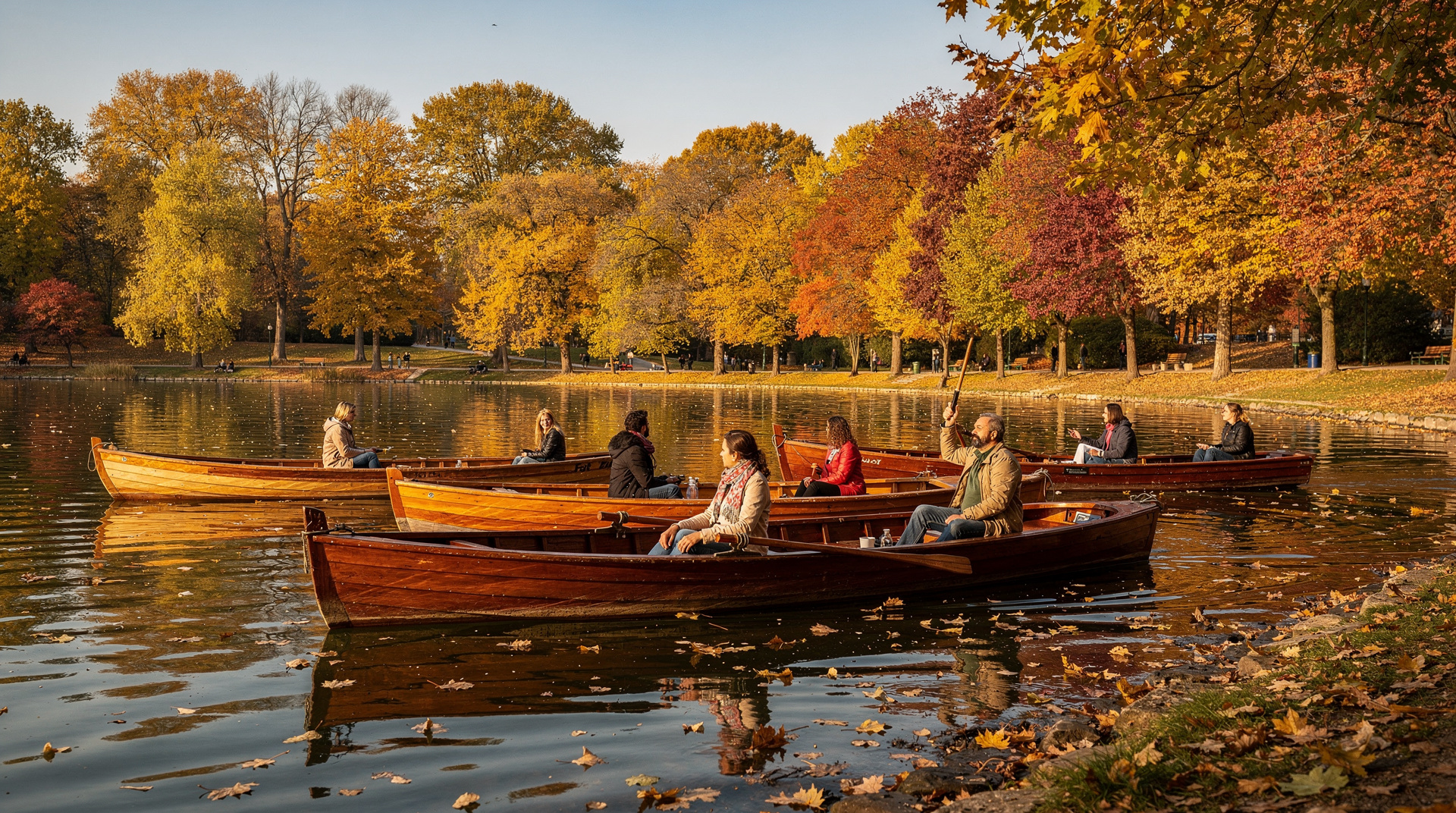
The island’s southern entrance from Margaret Bridge is the most used access point. A broad central promenade runs the length of the island, flanked by lawns, rose gardens, chestnut trees and the kinds of benches that invite sitting.
Moving northward from the entrance:
Musical fountain (Zenélő Szökőkút): about 400 metres from the southern entrance, the fountain is the island’s most popular feature. During performance hours (May through October, multiple shows daily with evening illuminated performances being the most impressive) the fountain synchronises water jets to recorded music — ranging from Brahms to Hungarian folk to film scores. The surrounding lawn fills with families on summer evenings. Entry to the area around the fountain is free.
Water tower: the neo-Romanesque water tower from 1911 is the island’s most visible landmark, visible from both bridge approaches. It now houses a small art gallery (Víztorony Galéria) with rotating exhibitions of contemporary Hungarian art. The observation platform at the top gives excellent views; open in summer.
Ruins of the Dominican convent: the 13th-century convent where Princess Margaret of Hungary lived — the island is named after her — was demolished after the Ottoman conquest and left as rubble for centuries. Excavated ruins of the convent church are preserved in the park, along with the traces of the chapter house where Margaret’s tomb was located before it was destroyed.
Premonstratensian Chapel: a small Romanesque chapel reconstructed in 1931 from original medieval stones discovered during renovations. The bell in the tower dates from the 15th century and survived the Ottoman period buried underground.
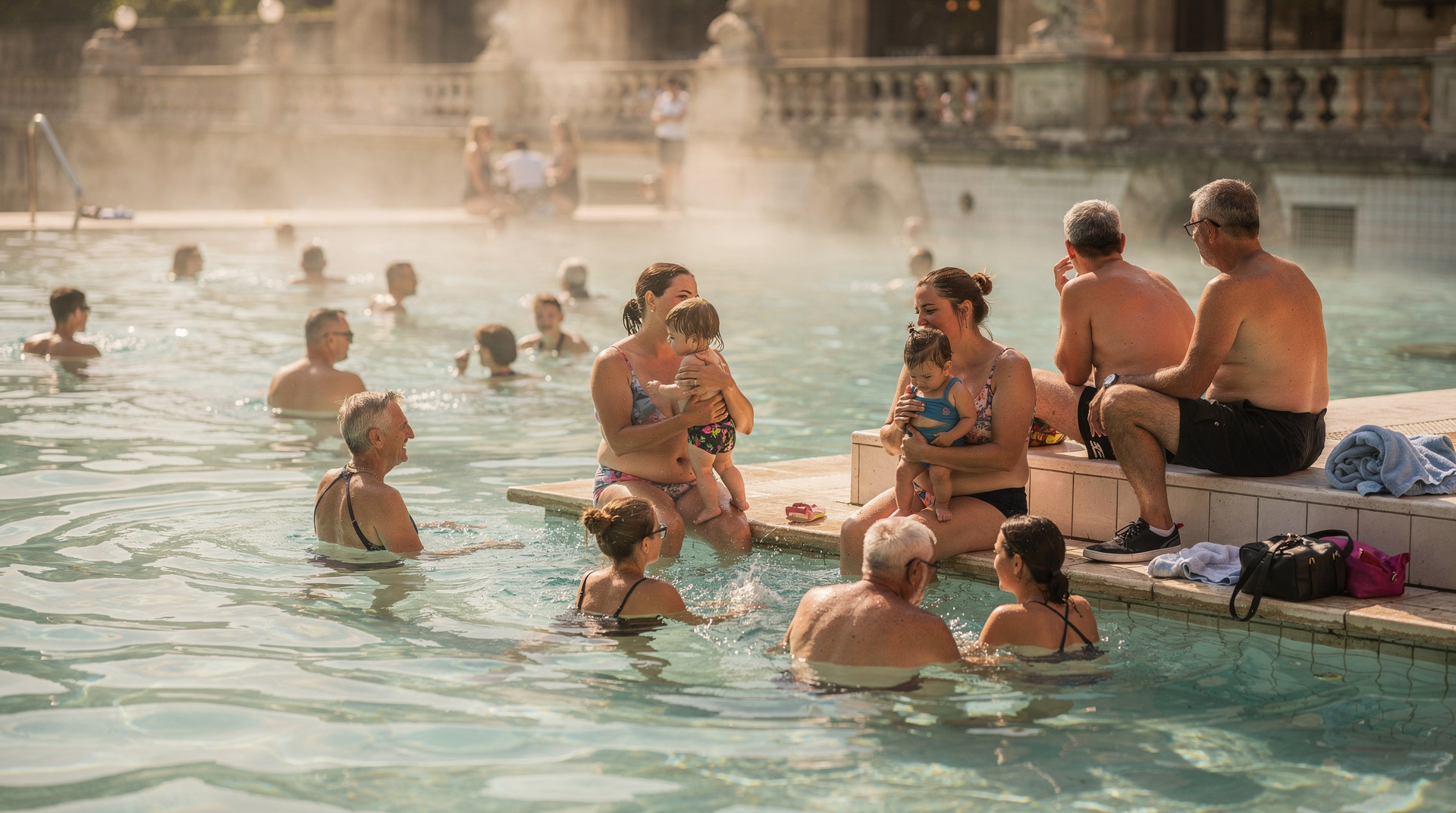
Palatinus Outdoor Pools: at the northern end of the island, the Palatinus complex is one of Budapest’s largest outdoor bathing facilities — wave pools, water slides and thermal pools across a park-like setting. Open May through September; wildly popular with families on hot summer days. Entry around 5 000–7 000 HUF (~€12–17).
The spa and wellness facilities
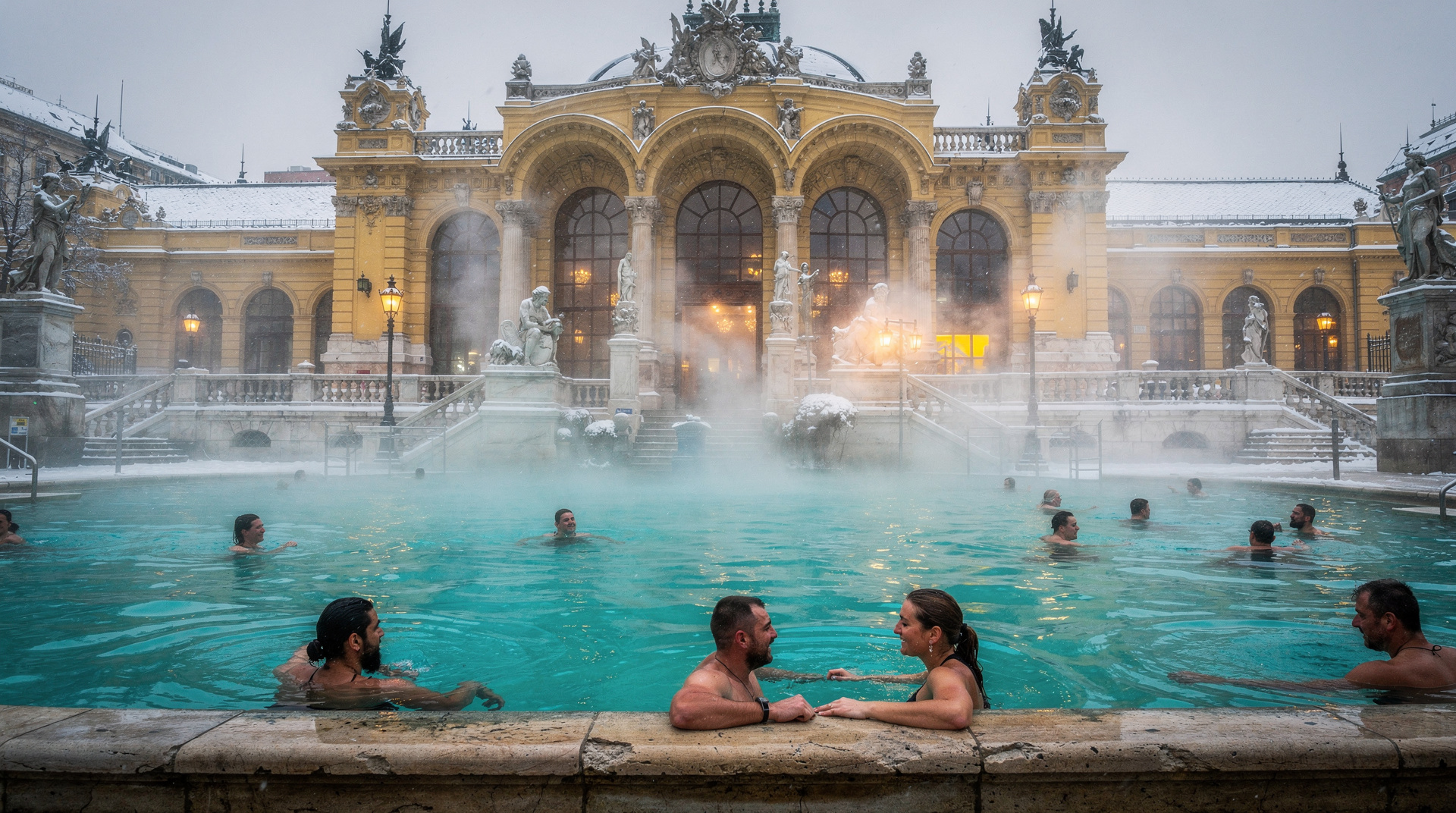
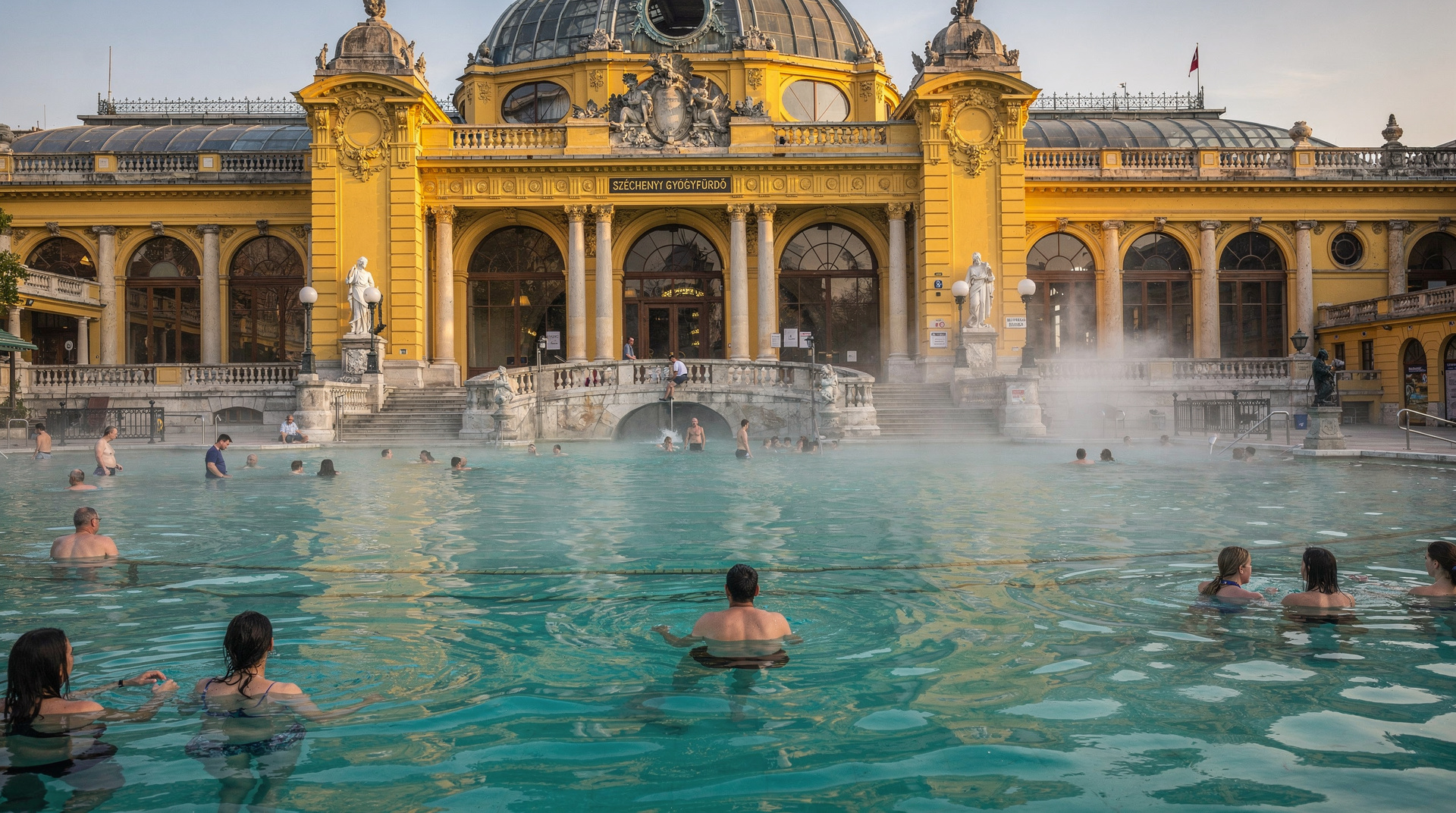
For quieter thermal wellness, the island’s spa facilities offer an alternative to the main city baths. The Margaret Island day spa entry gives access to indoor thermal pools, sauna and steam facilities in the hotel spa complex — the setting is less historically impressive than Széchenyi or Gellért but more peaceful, with a garden terrace and outdoor pool area.
The day spa with Swedish massage adds a 50-minute treatment to the pool access — a good combination for a recovery day mid-trip or a treat for a couple. The salt cave treatment (halotherapy) is a 45-minute session in a purpose-built salt chamber, used primarily for respiratory and skin benefits — less well-known but consistently well-reviewed.
For a comparison of the island spa with the main Budapest thermal baths, see the best thermal baths in Budapest guide.
Running and cycling
The path around the island’s perimeter is 5.3 kilometres of flat, car-free running — which makes it one of the best urban running routes in central Europe. The surface is mostly tarmac and good-quality gravel path; there are water fountains in several places and the views over the Danube on both sides are pleasant.
Bicycles and unusual pedal vehicles (four-wheeled pedal buggies, primarily a family attraction) are available to rent near the southern entrance at around 2 000–3 000 HUF (~€5–7) per hour. Electric carts can be booked for those who prefer to explore without walking.
Making the most of a run or ride
If you are staying in the centre, the island is an easy early start: leave the hotel before the day’s crowds build, run the loop, and be back for breakfast. Runners who like variety can alternate between the riverside edge, where the views open up across the water, and the inner paths under the trees, where the shade is welcome in warm weather. Cyclists should remember that this is a shared space. Pedestrians, families with small children and joggers all use the same paths, so a relaxed pace suits the place far better than a fast training ride.
A ride is also a good way to see the ruins and the water tower without committing to a long walk. Park the bike, spend a few minutes at each site, and carry on. Anyone travelling with children will find the pedal vehicles near the entrance turn a simple outing into the highlight of the afternoon, and the Budapest with kids guide and family-friendly attractions show how to pair the island with other child-friendly stops.
How to plan a half-day on the island
The simplest plan is to arrive from the southern entrance, walk north along the central promenade, and let the day shape itself around the things that interest you. A slow loop might look like this:
- Arrival and first walk: cross Margaret Bridge on foot, take in the river views, and drift towards the fountain. This is the most scenic way in, and it gives you a sense of how the island sits between the two banks.
- Ruins and chapel: stop at the convent ruins and the small chapel. They are quiet, and a few minutes reading the setting adds real context to the island’s name and past.
- Spa or pools: spend the middle of the day in the water, whether at the day spa or, in summer, at the outdoor pools. Book treatments ahead if you want a specific time slot.
- Late lunch: eat at the southern end, then return along the promenade for the evening fountain show in season.
If you would rather combine the island with a proper bathing day elsewhere, the Budapest thermal baths itinerary shows how to sequence several baths, and the Széchenyi baths guide is a useful comparison if you are deciding between the park setting here and a grand historic bath. The Margaret Island day spa entry already mentioned above remains the simplest way to secure a spa visit without queuing.
Who the island suits best
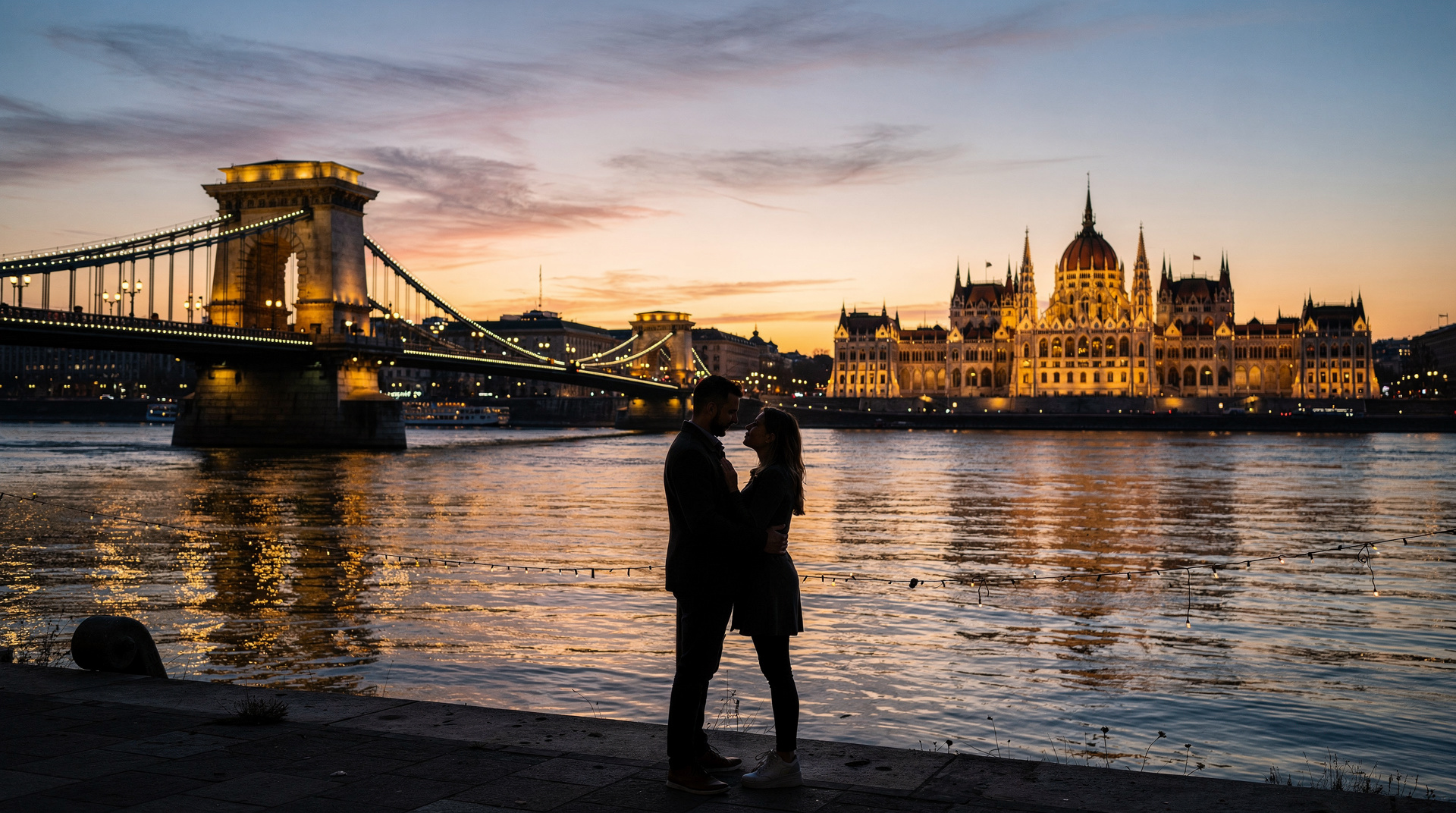
Couples will find the island a calm contrast to the busier evening scene elsewhere. A slow walk, a spa session and a dinner on a terrace make a gentle afternoon, and the best baths for couples guide lays out how the island spa compares with the more famous city options.
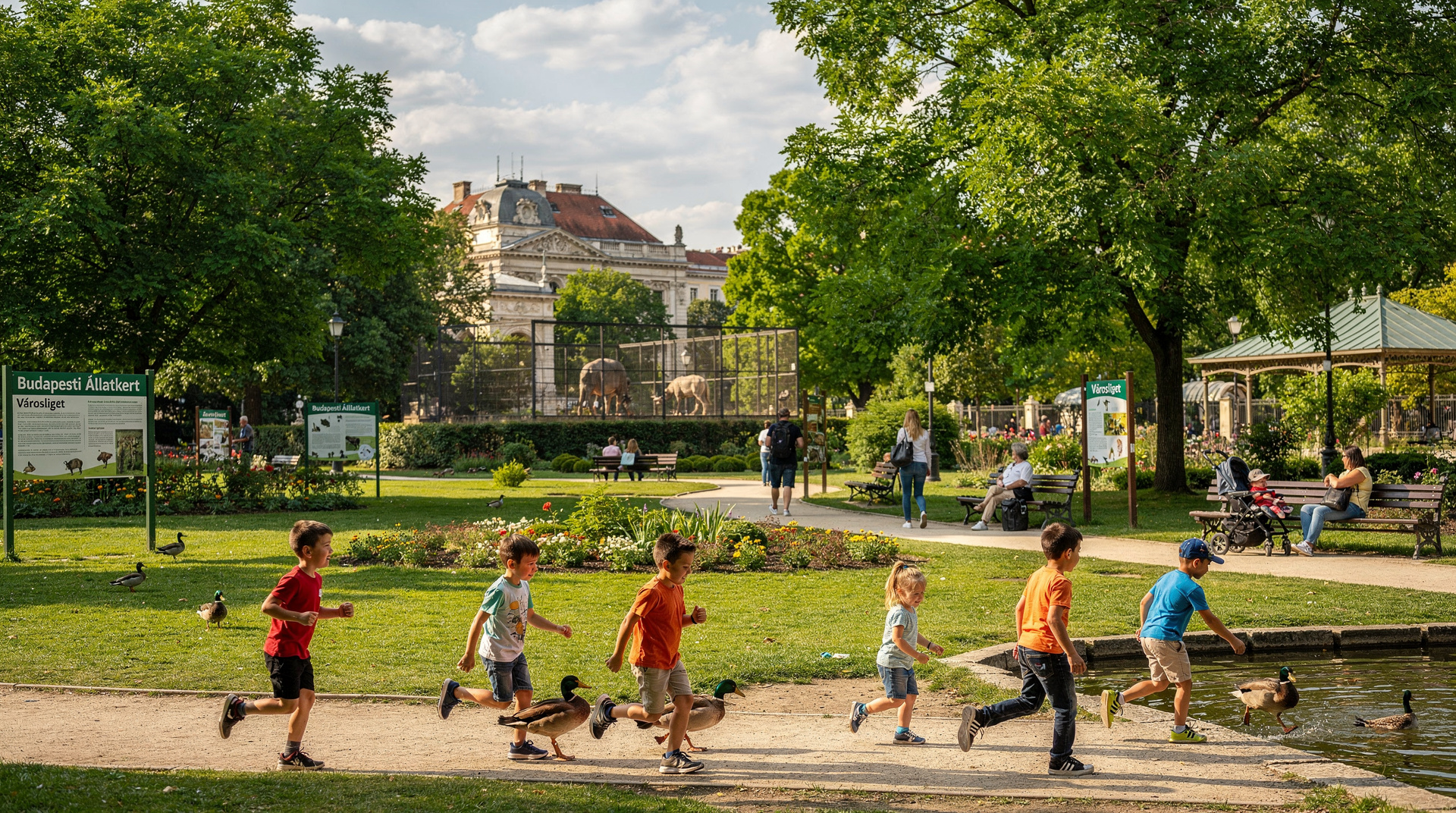
Families get the most from the open lawns, the rentals and the fountain. Children can run without the constant worry of traffic, and parents can rest on a bench while still keeping everyone in sight.
Solo travellers often use the island as a reset day. There is no schedule to keep and no entry queue to join, so it is easy to read, walk, swim and simply sit by the water. The solo travel in Budapest guide has more ideas for unhurried days like this.
Runners and walkers treat the loop as a local would. Early mornings and weekday afternoons are generally the calmest times, while weekends in good weather bring many more people onto the paths.
What to bring and how to dress
Comfortable shoes matter more than anything else, because even a relaxed visit involves more walking than people expect. In summer, bring sun protection, a hat and water, as shade is patchy on the open stretches. In cooler months, a warm layer is sensible, especially if you plan to go from a hot indoor pool back out into the park air. For the spa, pack swimwear and a towel unless the facility supplies them, and check the rules on caps and slippers before you go; the thermal bath etiquette guide explains the usual customs so that nothing catches you off guard. Our what to pack for Budapest guide covers the wider packing list for the season you are travelling in.
Combining the island with other sights
The island pairs naturally with the sights nearby. Many visitors arrive after a morning on the Pest side and finish with an evening on the river. If you are building a longer stay, the Budapest in 3 days itinerary shows where a restful island afternoon can fit between busier days, and the Budapest in summer guide explains why the fountain evenings and outdoor pools are at their best in the warm months. For a broader view of the area, the Budapest destination page puts the island in the context of the whole city.
Getting there without a car
Tram 4 and 6 run from the Pest side to the Margit híd tram stop on the bridge — a short walk across to the island entrance. These trams run from dawn until around midnight and are the easiest connection from the Jewish Quarter, downtown Pest and the inner ring.
Bus 26 is the only vehicle permitted through the island, running from Nyugati pályaudvar (metro M3) northward through the island to Árpád Bridge. Useful if you want to travel the length of the island without walking.
On foot from the Pest bank, the walk across Margaret Bridge from Margit körút is pleasant and takes about 10 minutes from the end of tram 4/6.
Slowing down: how to enjoy the island properly
The most common regret among visitors is rushing. Margaret Island does not reward a checklist approach, because its appeal lies in the pauses: a bench under the chestnut trees, a long look at the river from the edge path, a coffee with nothing else on the schedule. Build in time with no plan at all and let the park work on you. That is the real reason locals come here, and it is why a half-day feels more restorative than a hurried hour.
It also helps to think of the island as the opposite of the city’s busier districts. After a morning among the crowds of the Jewish Quarter or the queues at the main landmarks, the quiet here feels like a different place entirely. Photographers will enjoy the soft light on the water towards evening, and anyone who likes people-watching will find plenty of it along the central promenade, from joggers and cyclists to families and older couples out for a stroll.
Seasons on Margaret Island
| Season | What’s open | Atmosphere |
|---|---|---|
| Spring (Mar–May) | Park, indoor spa, chapel/ruins | Quiet, blossoms, mild |
| Summer (Jun–Aug) | Everything: musical fountain, Palatinus pools, spa, park | Busy, especially weekends and evenings |
| Autumn (Sep–Oct) | Musical fountain until October; park, indoor spa | Moderate, good running weather |
| Winter (Nov–Feb) | Park, indoor spa only; fountain and outdoor pools closed | Very quiet |
Where to eat on the island
Hemingway Restaurant (Kosztolányi Dezső tér 2): the consistently best restaurant on the island, with a large terrace overlooking the Danube and a menu that mixes Hungarian classics with Mediterranean influences. Main courses run 4 500–9 000 HUF (~€11–22). Reservations recommended for dinner and weekend lunch.
Café Kiosk and park snack bars: scattered across the island, these are fine for coffee, lángos and ice cream but not worth planning around.
Margaret Island in context
Margaret Island works best as part of a broader Buda-side half-day: take tram 2 or 19 along the Pest or Buda riverside, stop at Gellért Hill for the panorama, continue north to the island for the afternoon spa, and return to the city centre for dinner.
For families, the combination of free park, fountain shows, Palatinus outdoor pools and the compact scale of the island makes it one of the more manageable family days in Budapest — see the Budapest with kids guide for a full family itinerary. For couples, a late-afternoon arrival at the fountain followed by dinner at Hemingway is one of the quieter romantic options in a city that tends to perform its romance loudly — the romantic Budapest guide covers it alongside the Danube cruise options. If wellness is the main draw, the best thermal baths in Budapest guide helps you decide whether the island spa or a city-centre bath like Széchenyi suits your trip better, and the getting around Budapest guide covers trams and buses to reach the island from anywhere in the city.
Top experiences
Bookable activities with verified prices and instant confirmation on GetYourGuide.