Biggest Budapest mistakes first-time visitors make

What are the biggest mistakes first-time visitors make in Budapest?
The top five: taking a street taxi instead of Bolt; eating on Váci utca; paying in euros at a card machine instead of HUF; not booking Széchenyi online and losing an hour in the queue; and changing money at airport bureaux instead of using a bank ATM. Each one is entirely avoidable and each one costs real money or time.
The mistakes that are entirely preventable
Most Budapest tourist mistakes are not made out of carelessness — they happen because the right information is not presented clearly before you land. Guidebooks focus on what to see; nobody covers what not to do. This guide fixes that.
These are the genuine, frequently-recurring mistakes that cost Budapest visitors money, time or the experience they came for — and the simple fixes for each one.
| Costs the most money | Street taxis, Váci utca restaurants, euro card payments |
| Costs the most time | Not pre-booking Széchenyi |
| Easiest fix | Install Bolt, always pay in HUF |
| Biggest planning mistake | Trying to see too much in too little time |
| Read first | Common scams in Budapest |
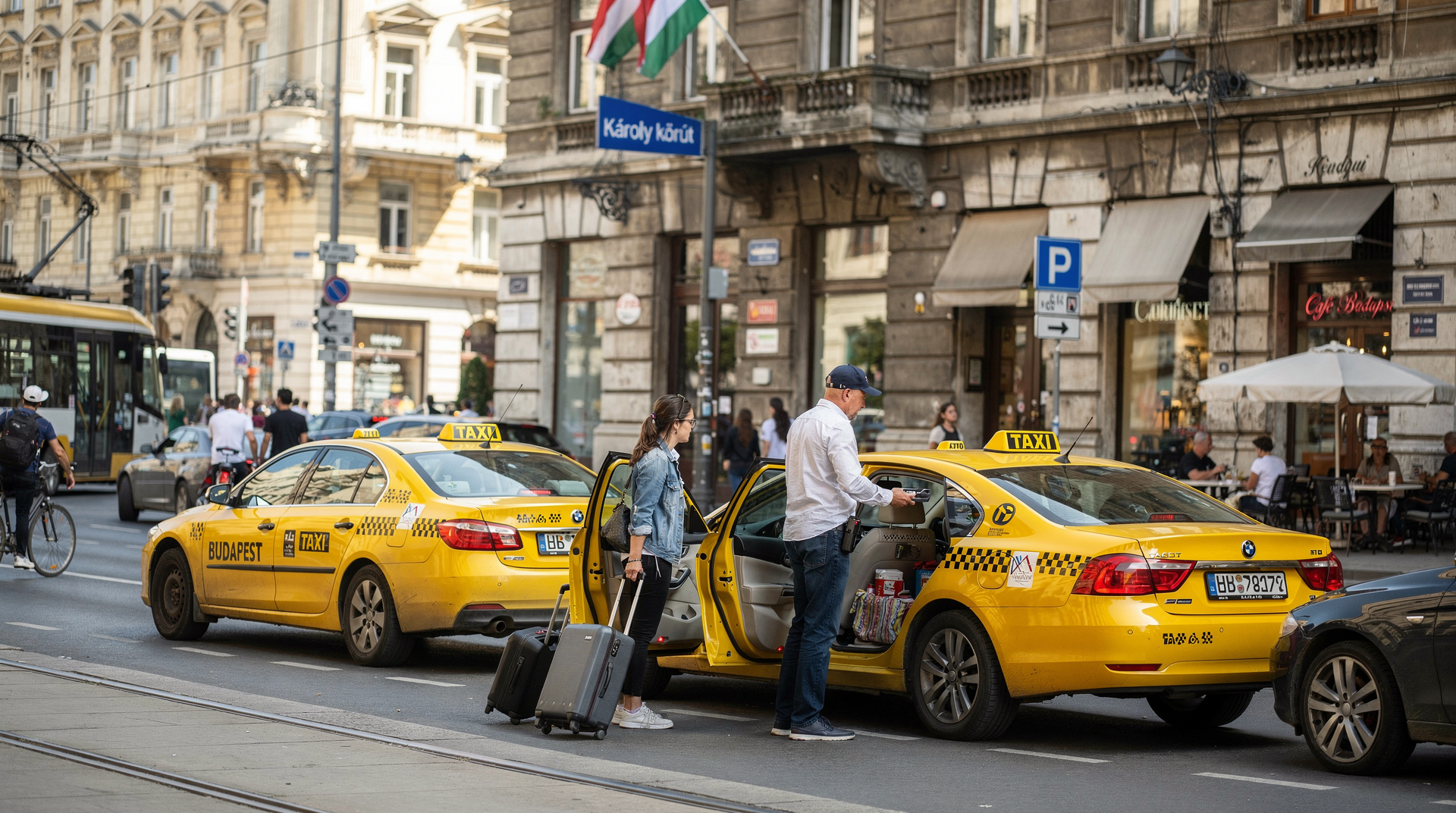
Mistake 1: Taking a street taxi
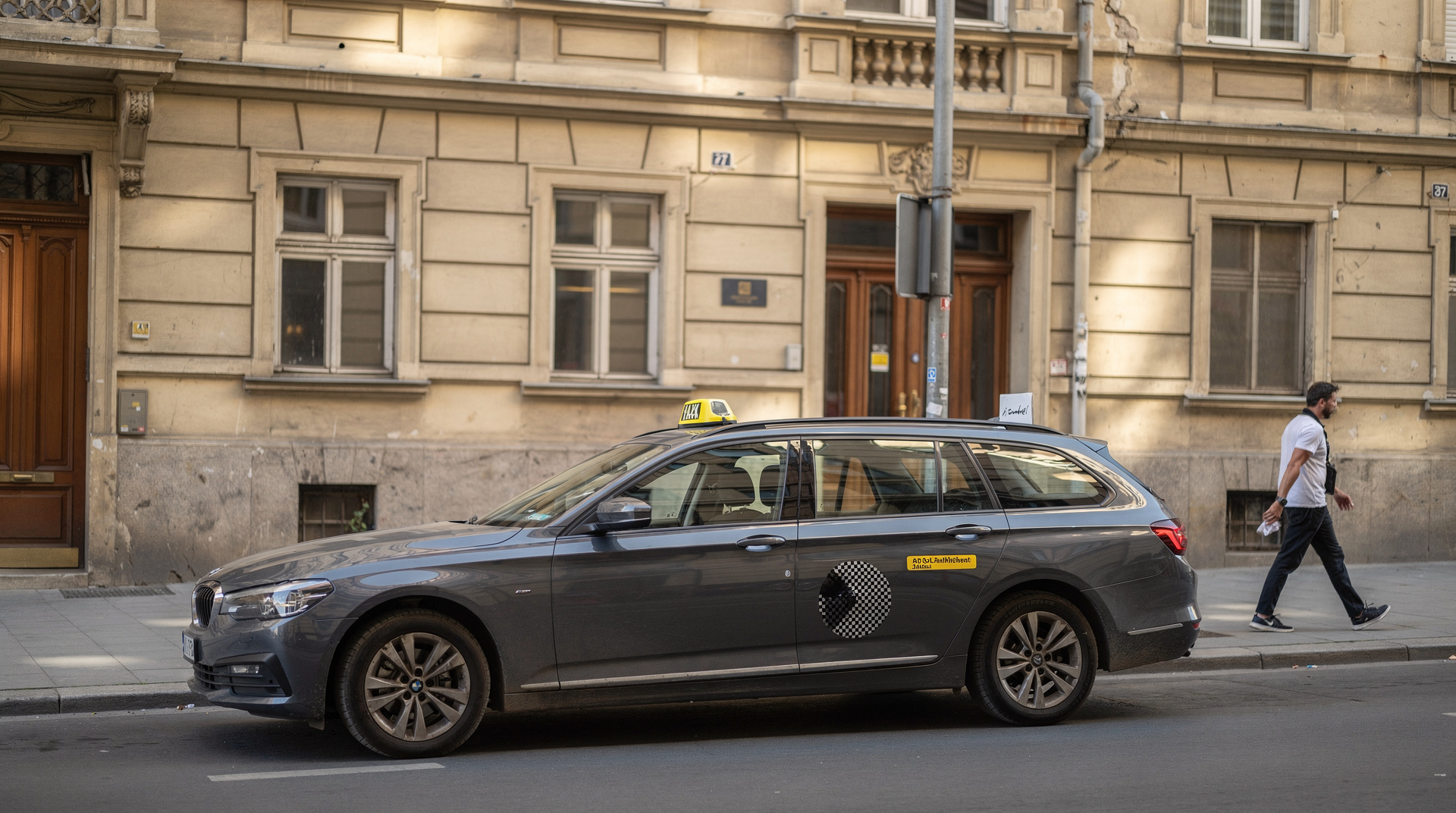
What happens: you land at Liszt Ferenc Airport or arrive at Keleti station and someone offers you a taxi. You accept. The journey that should cost 4,500–6,500 HUF (€11–16) costs 20,000–40,000 HUF instead.
The fix: install Bolt (ride-hailing app) before you leave home. Use it every time. The price is shown before you confirm; the route is tracked; there is no dispute possible. From the airport, bus 100E + metro M3 (about 45 minutes, ~3,000 HUF total: 2,500 HUF for the 100E plus 500 HUF for the metro ticket) is even cheaper if you have no excessive luggage.
Full details: Budapest taxi scams guide and airport to city centre guide.
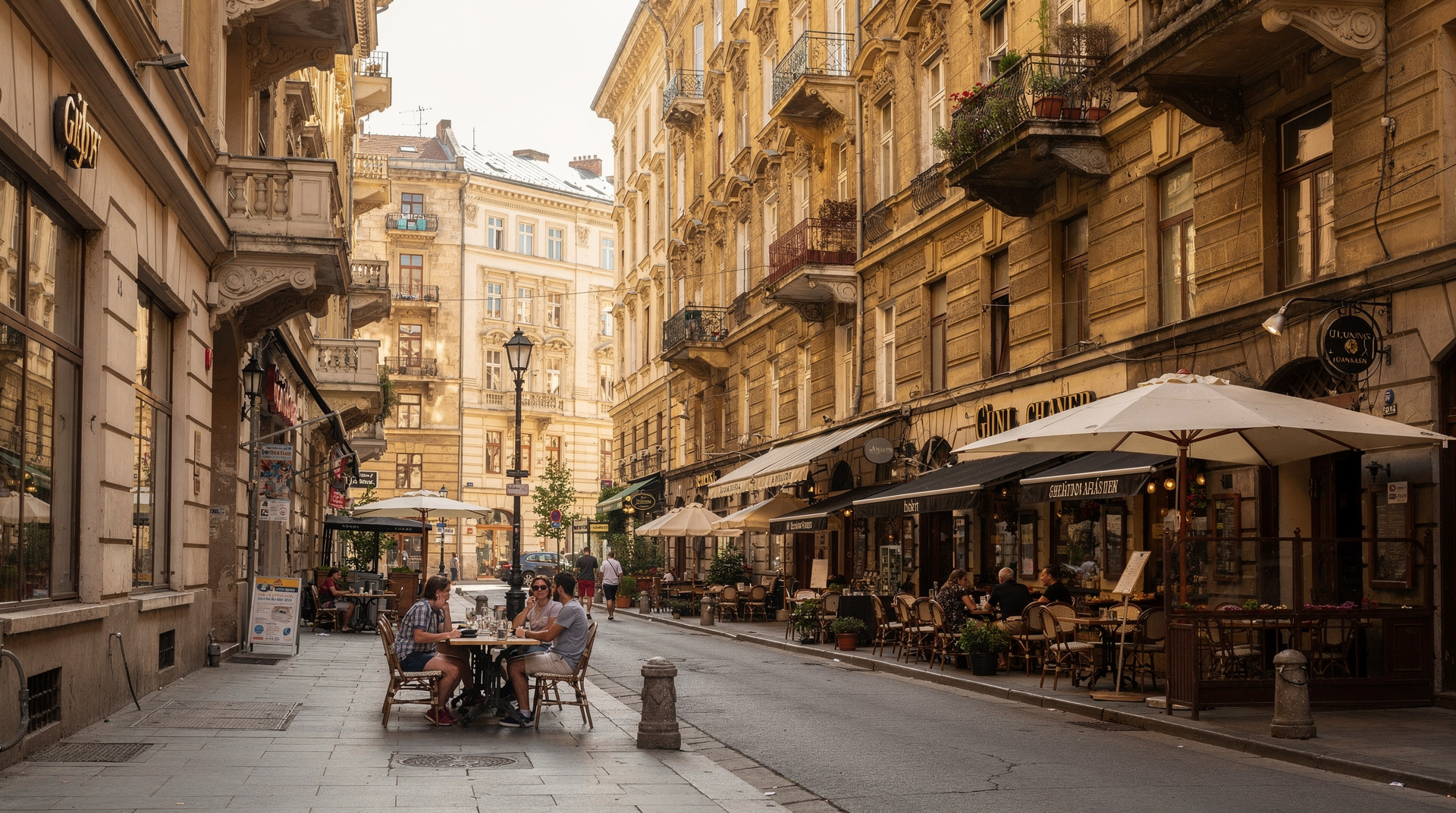
Mistake 2: Eating on Váci Street
What happens: you arrive in central Pest, you are hungry, Váci utca is right there. You sit at a restaurant. Cover charge for bread (1,500 HUF), two main courses, two beers, service charge added at the end — the bill is 35,000 HUF (€87) for what you expected to cost half that.
The fix: walk one block off Váci utca. Petőfi Sándor utca, Irányi utca or any street one block east or west — similar food, 30–50% lower prices. Or walk five minutes south to the Central Market Hall (Nagy Vásárcsarnok) on Fővám tér for excellent authentic food at real prices.
Full details: Váci Street tourist trap guide.
Mistake 3: Paying in euros (dynamic currency conversion)
What happens: at a card machine, the reader asks “Do you want to pay in HUF or EUR?” You choose EUR because it feels cleaner. The exchange rate applied is 5–10% worse than your bank’s rate. Multiply this by every card payment over a week and you have donated significant money to the merchant’s currency conversion partner.
The fix: always select HUF when paying by card anywhere in Hungary. Always. No exceptions. The same applies at ATMs — choose HUF, not your home currency. Your bank’s exchange rate is always better than the machine’s dynamic rate.
Mistake 4: Not booking Széchenyi in advance
What happens: you arrive at Széchenyi Baths on a summer Saturday at 11am without a pre-booked ticket. The queue for the ticket desk is 60–75 minutes. By the time you enter, the outdoor pools are crowded and your soak time is compressed.
The fix: book online before you go. The official website (budapestgyogyfurdoi.hu) or a verified platform lets you select date, time slot and ticket type. You scan a QR code at the entrance and skip the ticket queue entirely. The price is identical to the desk price.
Book your Széchenyi day ticket in advance — it takes three minutes online and saves an hour of queuing.
Full context: bath ticket mistakes guide.
Mistake 5: Changing money at the airport
What happens: you land with no HUF, the exchange bureau is right there in the arrivals hall, you change €200 and receive significantly fewer HUF than you should.
The fix: the airport has a Raiffeisen Bank ATM in the arrivals hall. Withdraw HUF directly. Raiffeisen gives bank-standard rates; the exchange bureaux exist only because they are convenient for passengers who do not know the rate differential. Withdraw 20,000–30,000 HUF for immediate needs and use bank ATMs (OTP, K&H, Raiffeisen, UniCredit) throughout your stay.
Mistake 6: Following a stranger to a bar
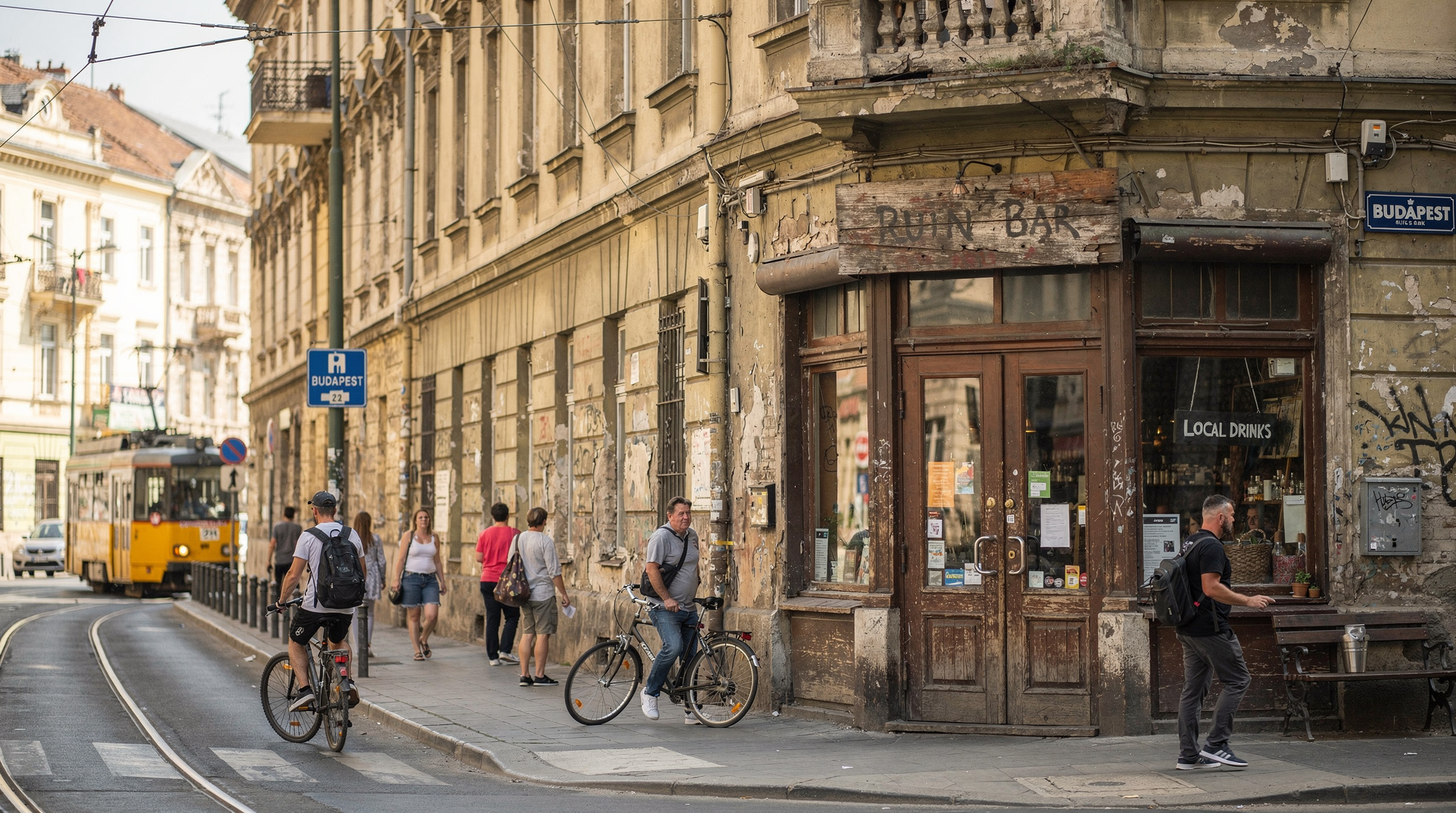
What happens: an attractive local approaches your group near the ruin bars, is very friendly, knows English, suggests a great bar nearby. You go. The bill is enormous.
The fix: choose your own bars. The legitimate ruin bars — Szimpla Kert, Ellátó Kert, Fogasház, Anker’t — are well-known and easily found. No one needs to introduce you to them. Any stranger who specifically suggests a bar is either genuinely trying to help (in which case you can find the bar yourself on Google Maps) or running a scam.
Full details: common scams in Budapest and ruin bar rip-offs.
Mistake 7: Not understanding the Budapest Card value equation
What happens: you buy a 72h Budapest Card because a hotel leaflet says it is “essential.” You then spend most of your time in thermal baths and restaurants, and use few of the card’s free visits and activities. You end up having paid for a card (72h costs 29 990 HUF) that saves you very little.
The fix: calculate before buying. The card pays off for active museum visitors who plan to use several of the card’s 30+ free visits and activities and use public transport daily. It does not pay off for bath specialists or restaurant-and-bar focused visitors. Use the Budapest Card calculator to run your specific itinerary, or read Budapest Card vs single tickets.
Mistake 8: Trying to see too much in too little time
What happens: Budapest has dozens of impressive sights and the temptation to pack the itinerary is real. Visitors who try to do Buda Castle, Parliament, Great Synagogue, two thermal baths, a Danube cruise and three ruin bars in 48 hours arrive home exhausted having experienced nothing properly.
The fix: accept that Budapest rewards depth over breadth. One bath, experienced properly (3–4 hours), is better than two rushed. The Castle District and the Jewish Quarter are each worth half a day. The how many days in Budapest guide helps calibrate what is realistic.
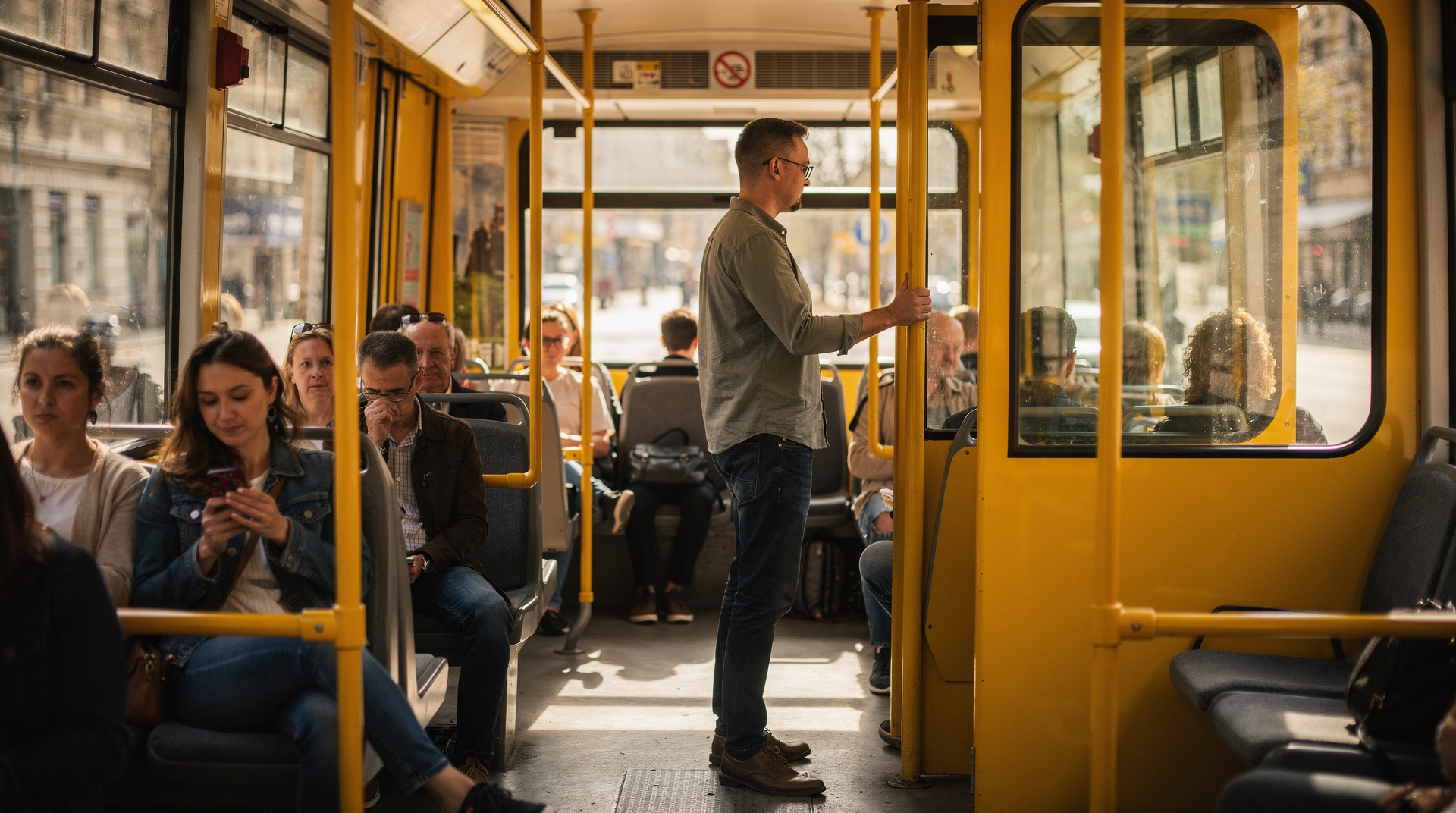
Mistake 9: Skipping the public transport system
What happens: visitors default to taxis for every journey, either out of habit or unfamiliarity with the BKK network. At Budapest prices, this seems affordable — until they realise they could have paid 500 HUF for a metro journey instead of 2,000 HUF for a Bolt.
The fix: learn the three most useful lines in your first hour. Metro M2 (red) east-west across Pest and into Buda. Metro M1 (yellow) along Andrássy Avenue to City Park. Tram 2 along the Pest riverbank. With these three you can reach almost every major sight. A 72h travel card at 5,750 HUF covers unlimited trips for three days.
See getting around Budapest guide and public transport tickets.
Mistake 10: Not checking entry requirements before travel
What happens: visitors assume the old visa-free rules still apply unchanged and don’t check whether anything has shifted for 2026 travel. Hungary is a Schengen member, and most Western nationalities remain visa-exempt for up to 90 days, but the EU’s ETIAS travel authorisation system has been rolling out and visa-exempt visitors may need to apply online before travel.
The fix: check your government’s current travel advisory a few weeks before departure, not the night before. The ETIAS changes guide covers what’s shifting and what it means practically for a Budapest trip.
Mistake 11: Dismissing the honest-planner context
What happens: visitors read the tourist-facing content (official sites, glossy guides), arrive in Budapest confident, and then encounter a restaurant cover charge or a taxi tout because nobody told them what to watch for.
The fix: spend 20 minutes reading the honest Budapest hub before your trip. It costs nothing, takes little time, and converts every one of the financial risks in this guide from potential problems to non-events. The city is wonderful; knowing what to watch for makes it more so.
How to get your bearings in the first hours
Many of the mistakes above come from arriving tired, disoriented and in a hurry. The easiest way to avoid that is to give your first morning a gentle shape instead of a checklist. Drop your bags, find a coffee, and spend a little time simply walking the centre before you commit to anything expensive.
A guided stroll is a good way to do this. Joining a guided walk through the city centre gives you a feel for the layout of Pest and the river, and a local guide can point out which streets are worth eating on and which are not. If you prefer to go alone, our free things to do guide and best walking tours both work as a starting point, and the Pest district guide explains where you are standing.
Understanding the geography early also removes the temptation to hop into a taxi out of confusion. The Buda vs Pest guide is a short read that makes the whole city click, and where to stay in Budapest helps you pick a base from which most things are reachable on foot or by public transport.
Smaller mistakes that quietly add up
Not every error is dramatic. A handful of small habits tend to spoil a trip slowly rather than all at once.
- Booking nothing at all. Popular experiences, bath slots and evening cruises can fill up, particularly in high season. You do not need a rigid schedule, but deciding in advance on the two or three things you truly care about protects them.
- Ignoring the season. What suits a July trip does not suit January. The best time to visit Budapest guide explains what each period offers, and the winter bath experience in particular is a highlight many visitors skip because they assume it is too cold.
- Skipping the evening on the water. Many first-timers see the river only from a bridge. Seeing the city from a boat is a different experience, and a Danube cruise past the main landmarks is an easy way to take in a lot at once without walking further. If you are unsure, is a Danube cruise worth it weighs the pros and cons honestly.
- Packing for the wrong weather. Cobblestones, long days on your feet and indoor-outdoor bath visits all call for sensible choices. See what to pack for Budapest.
- Treating every neighbourhood the same. The Jewish Quarter, the Castle District and the area around the main boulevard each have a different pace and a different price level. The neighbourhoods guide helps you match each area to the kind of evening you want.
A calmer way to plan the whole trip
If a long list of mistakes makes Budapest sound stressful, step back. The common thread is simple: decide before you are hungry, tired or surrounded by touts. Choose where you will eat, how you will get around and which bath you want before you leave the hotel in the morning.
For a realistic shape to your days, the three-day itinerary and the first-timer highlights itinerary show how to pace sights, food and a soak without rushing. Those on a tight budget will find the Budapest on a budget guide a helpful companion, and anyone worried about overspending can check the daily budget breakdown.
Finally, remember that a mistake or two is not a disaster. The point of knowing the patterns is not to travel anxiously but to travel lightly, with the confidence that comes from having seen the traps in advance. Most visitors who slip up once simply laugh about it later, and the rest of the trip goes on to be just as good.
The positive flip side
Every mistake above has a simple countermeasure. Budapest is not a difficult city to navigate once you know the specific patterns. Most visitors — the majority who read basic preparation guides, install Bolt and pay in HUF — have excellent trips without any of these problems.
The city genuinely rewards preparation: knowing that Lukács Baths is quieter than Széchenyi, knowing that a Danube cruise looks best at night with the Parliament illuminated, knowing that the Central Market Hall serves better lángos than any restaurant on Váci utca — these small things make the difference between a good Budapest trip and a great one.
For the full planning picture, see first time in Budapest guide and is Budapest safe.
This guide is part of our honest Budapest hub.
Frequently asked questions about Biggest Budapest mistakes first-time visitors make
Should I convert money before leaving for Budapest?
You can bring euros as backup, but the most efficient approach is to withdraw HUF from a Hungarian bank ATM on arrival (OTP, K&H, Raiffeisen — not Euronet). Converting at home usually gives worse rates than an in-country ATM withdrawal. Do not convert at the airport bureau — rates are consistently poor. Bring a card with no foreign ATM fees if you have one (Wise, Revolut, Starling).Is Budapest better than Prague for a first European trip?
Both are excellent first European destinations. Budapest has thermal baths, a stronger nightlife scene and lower prices. Prague has a more compact, walkable medieval centre. See /guides/budapest-vs-prague/ for the full comparison. For thermal baths specifically, Budapest wins decisively.Do I need a visa for Hungary in 2026?
Hungary is a Schengen member. Most Western nationalities (US, UK, Canada, Australia, New Zealand, Japan, South Korea) are visa-exempt for up to 90 days. ETIAS — a new EU travel authorisation system — is expected to launch later in 2026; visa-exempt visitors may need to apply online before travel, at an expected cost of €7. Check your government's travel advisory for the current status.How much cash should I carry in Budapest?
Budapest is increasingly card-friendly — most restaurants, shops and baths accept cards. But carry some cash (10,000–20,000 HUF / €25–50) for smaller market vendors, some thermal bath expenses and situations where card payment is awkward. Do not carry large amounts; withdraw what you need from a bank ATM as you go.Is Budapest expensive?
Compared to Western Europe, no. A mid-range budget of €50–100/day covers accommodation, meals, transport and one major activity. Budget travellers can manage on €30–50 with hostel beds, market food and free attractions. Luxury is also cheaper than equivalent experiences in Vienna or Paris. See /guides/is-budapest-expensive/ for a full budget breakdown.What is the single most costly mistake to avoid in Budapest?
Paying in euros instead of HUF at a card machine, because it silently taxes nearly every payment of the trip at 5–10% below your bank's real rate. Street taxis and Váci utca restaurants cost more per single incident, but the euro-conversion trap repeats every time you tap a card, so it typically adds up to the largest total loss over a week's visit.
Top experiences
Bookable activities with verified prices and instant confirmation on GetYourGuide.