Free walking tours in Budapest: what to expect and which ones to take

Are free walking tours in Budapest actually free?
Free walking tours in Budapest operate on a tip-based model — the guide receives no base salary and relies entirely on tips. The tour itself costs nothing to join, but tipping 2 000–4 000 HUF (€5–10) per person at the end is expected for a good guide. Budget for the tip before you go.
The economics of “free” touring
The free walking tour business model is straightforward: guides receive no salary from the company. They work on tips only. The company trains them, provides the brand, and sends customers their way. The guide earns whatever the group tips at the end.
This creates a specific dynamic: good guides can earn more than they would in a salaried position; guides who provide mediocre experiences earn very little. The tipping incentive generally produces quality, because guides who do not deliver value do not survive in the profession.
For visitors, the economics are important to understand before joining a tour. “Free” means you owe nothing contractually at the end — but joining a tour with no intention of tipping is taking the guide’s labour without payment, which is both unfair and widely understood as such. Budget 2 000–4 000 HUF (€5–10) per person as your tipping amount before you go.
| Cost | Free to join; tip 2,000–4,000 HUF per person expected |
| Time needed | 2–2.5 hours for most routes |
| Meeting point | Usually Deák Ferenc tér or the Dohány Street Synagogue entrance |
| Booking | Rarely required; just show up 10 minutes early |
| Best for | Orientation on day one of a trip |
The main free tour routes
City centre Pest
The standard city centre tour starts at Deák Ferenc tér and follows a circuit through the inner Pest sights: Parliament exterior, St Stephen’s Basilica, the Váci utca area (with the honest warning about tourist-trap restaurants), Vörösmarty tér, the Great Market Hall exterior, the Chain Bridge approach, and usually a ruin bar or two in District VII.
This tour is ideal for first-time visitors on day one. It covers the layout of Pest, provides basic historical context, and gives you orientation for independent exploring. The quality of historical content varies by guide — some are genuinely knowledgeable about the Ottoman, Habsburg and communist periods; others stay at surface level.
If you would rather have a set group and a guaranteed place than turn up and hope, a booked guided walk through the city centre covers much of the same ground with a fixed start. It is a reasonable fallback when you arrive late in the season or travel with people who dislike uncertainty. The route logic is the same: Pest first, then the river, then the lanes of the inner districts. For a wider view of how the inner city fits together, the Downtown Pest destination page and the District V Belváros guide are useful companions.
Jewish Quarter tours
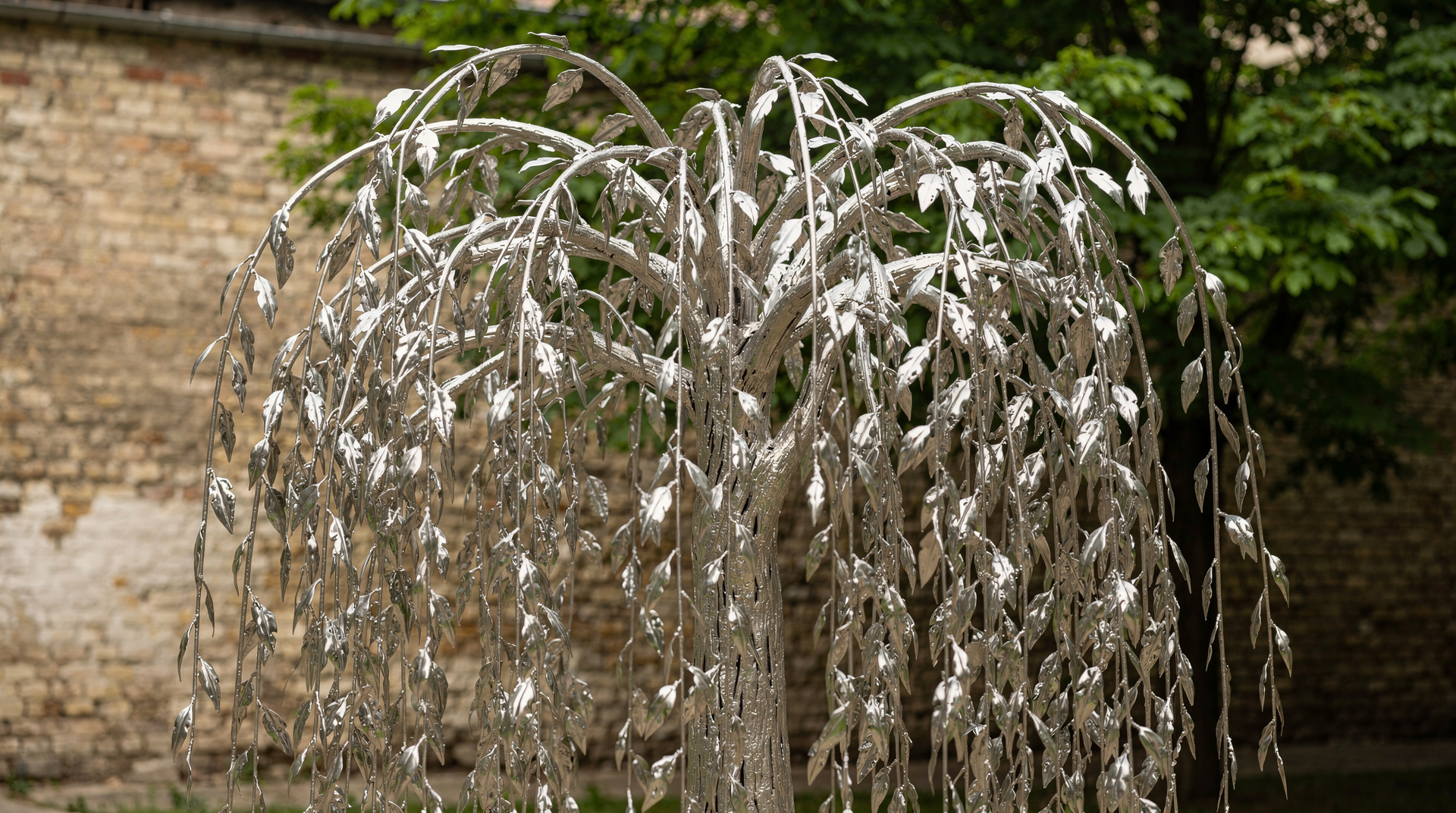
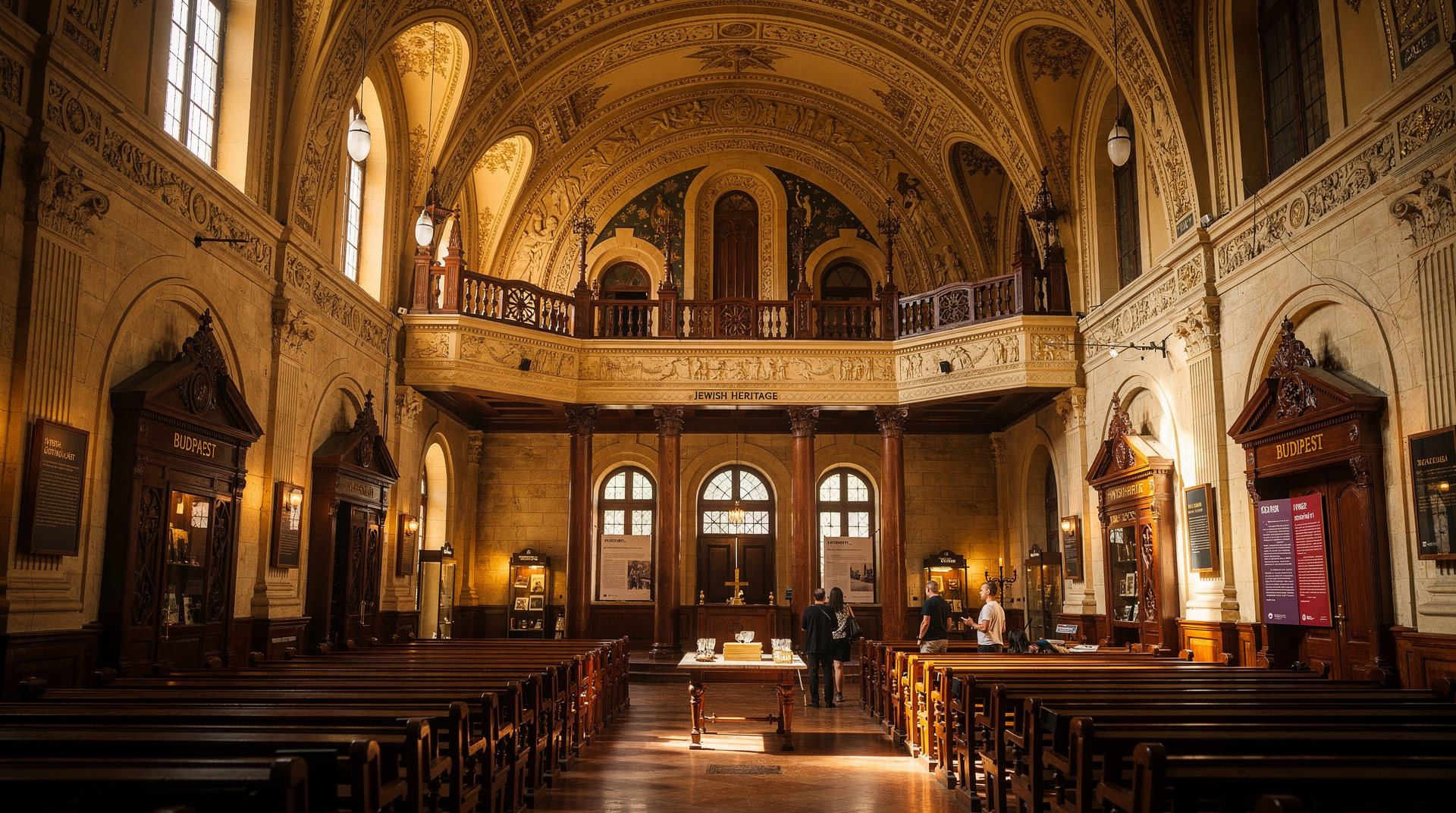
Jewish Quarter walks are among the most consistently strong guided routes in Budapest, and for a booked, paid alternative to the free tours, a past and present Jewish district walk is a close option. The subject matter rewards depth, and the guides who specialise in this route tend to have prepared carefully. A two-hour Jewish Quarter free tour typically covers: Dohány Street Synagogue exterior, the Kazinczy Street Orthodox Synagogue, the Rumbach Sebestyén Street Synagogue, the ghetto boundary walk, and Raoul Wallenberg Memorial Garden.
For the interior of the Dohány Synagogue, you will need to buy a separate ticket — free tours do not include entry fees. Several operators offer the free tour as a preview with an optional upgrade to a paid tour including synagogue entry.
The district itself is worth understanding before you go. The Jewish Quarter destination page and the District VII guide set out the neighbourhood’s layout, and the Dohány Street Synagogue guide explains what you will see from the pavement and what lies behind the walls. Read one of them the evening before and the guide’s stories land harder, because you already hold the outline and can concentrate on the detail.
Castle District tours
Less common as free tours because the Castle Hill location requires transport from the city centre (funicular or bus). Some operators run Castle District walks that start at the bottom of Castle Hill. The route typically covers Fisherman’s Bastion, Matthias Church exterior, the main castle courtyard and the Buda panorama from the hill.
If a Castle Hill walk is what you want and no free operator is running one on your dates, the Buda Castle guide, the Fisherman’s Bastion guide and the Matthias Church guide let you build the same circuit yourself. You lose the commentary but keep the route, and the Castle District destination page shows how the sights sit relative to one another.
What a skilled guide adds
The difference between a skilled free tour guide and an average one is not primarily about the facts — it is about narrative. Facts about the Dohány Street Synagogue are available on plaques and Wikipedia. What a skilled guide provides is:
Connection: linking the building in front of you to an event, a person, a consequence you would not have made yourself.
Tone: knowing when to be serious (the ghetto memorial) and when to be irreverent (the tourist traps on Váci utca). The guide who keeps the same register throughout has not understood the city.
Honest editorialising: telling you which thermal baths are worth their price, warning you about the taxi scams at Keleti station, pointing out that the “romantic” restaurants on the Váci utca are systematically overpriced. Budapest’s best guides see part of their job as protecting visitors from the city’s specific tourist traps.
When to upgrade to a paid tour
Free tours are excellent orientation tools. They are less suited to:
Specific deep interests: If you want to understand the Holocaust in Budapest at archival depth, or the mechanics of Stalinist terror, or the Ottoman architectural legacy of the thermal baths, a specialist paid tour will provide substantially more.
Small groups: Free tours average 15–30 people. If you have 2–4 people and want a personalised experience, a private tour often costs less per person than the free tour tip multiplied up, while providing exactly the experience you want.
Children: Large free tour groups move at a pace set by adult interest. For families with younger children, a private tour where the pace and content can be adjusted is more practical.
The best walking tours guide compares the full range of options including specialist and private tours. For a comprehensive comparison of what different formats provide, that guide lays out the practical details.
Two upgrades suit the Jewish Quarter in particular. A private walk through the Jewish Quarter lets you set the pace, linger where a topic matters to you and skip what you already know. A half-day Jewish heritage tour gives the subject more room than a two-hour circuit allows, which matters when the history is heavy and the questions are many. Neither replaces a free tour as a first look, but both reward travellers who arrive with a specific interest.
Free tours vs paid alternatives
| Free tour | Small-group paid tour | Private tour | |
|---|---|---|---|
| Group size | 15–30 | 6–12 | 1–8 (your group) |
| Cost | Tip only (~2,000–4,000 HUF) | 8,000–15,000 HUF pp | 20,000+ HUF total |
| Best for | First-day orientation | Specific interests, smaller group | Families, tailored pace |
| Booking | Rarely needed | Recommended in advance | Always in advance |
For families, the best walking tours guide also compares options aimed specifically at children’s attention spans, and the bike tours guide offers an alternative format for older kids and active groups who prefer covering more ground than a walking pace allows.
Weather and seasonal notes
Free tours run rain or shine — guides are paid by tips regardless of weather, so cancellation is rare. In winter, tours are shorter on daylight and colder, but the Castle District and Jewish Quarter routes are equally atmospheric with fewer crowds. Summer tours can be genuinely hot by midday; morning departures (typically 10:00 or 10:30) are more comfortable than afternoon ones. See Budapest in winter and Budapest in summer for what else changes seasonally.
Practical tips for free tours
Arrive early: Groups fill up fast in summer. Some operators cap groups at 20–25 and turn people away when full. 10 minutes early is usually sufficient.
Wear comfortable shoes: Cobblestones in the Castle District are hard work in anything but flat shoes. City centre Pest is pavement but uneven in places.
Ask at the start: Ask the guide their background and experience. Not intrusive — guides expect it. A guide who has been running tours for two or more years in the same city will typically provide a better experience than someone new to the route.
Tip at the end, in cash: Tip in Hungarian Forint — not in euros or dollars, which are harder for guides to use. 2 000–4 000 HUF for a two-hour tour is the appropriate range for a good guide; 5 000+ HUF for an exceptional one.
Before you join: what to prepare
A little preparation changes what you get out of two hours on foot. None of it is complicated, and none of it needs a guidebook.
Decide what you want from the tour. If the aim is orientation, the city centre route does the job. If the aim is a single subject, choose the matching route and accept that the rest of the city will wait. A tour that tries to be everything tends to be a list of facades.
Carry the basics. Water, a charged phone for photos and for finding the meeting point, and some small Forint notes for the tip. Guides cannot always make change, so having the right notes saves an awkward moment. The what to pack guide covers the wider kit list by season.
Know how you will get there. The meeting points sit on the central metro lines, so the Budapest metro guide and the public transport tickets guide cover the ride in. If you are still working out what to buy, the BKK travel passes guide explains the options, and the getting around Budapest guide puts walking, trams and rides side by side.
Eat something first. Tours rarely stop for a meal, and a hungry group loses focus quickly. A coffee beforehand is easy to arrange; the coffee houses guide has places worth choosing if you want to start the day properly.
Making the most of the walk itself
Stay near the front. In a group of thirty, the people at the back hear a fraction of what is said, and the guide cannot repeat everything. If you cannot hear, say so; guides generally adjust, and the rest of the group is usually grateful.
Ask questions that open the guide up rather than shut them down. “What would you do with a free afternoon?” produces better recommendations than “Is this restaurant good?”, because it invites a personal answer rather than a verdict. Guides who live in the city often know which streets are worth a second visit and which are only worth the photo.
Use the tour as a map for the rest of your stay. Note the places that caught your attention and return to them on your own time. The top attractions guide and the first time in Budapest guide help you decide where to spend the following days, and the Budapest 3 days itinerary shows one way to fit a morning walk into a longer plan.
Finally, treat the tip as part of the price of the morning, not as an afterthought. The guide has spent the time researching, rehearsing and walking so that you can have a good first day. A fair tip keeps the model working for everyone who joins after you.
Free tours in the broader Budapest itinerary
A free walking tour on day one provides the orientation that makes the rest of the trip more rewarding. Combine it with the Budapest tourist traps guide for an honest picture of where to avoid being overcharged. The is Budapest expensive guide covers daily budgets, and free tours fit naturally into the budget traveller strategy — the Budapest on a budget guide lists them as one of the genuinely free (with appropriate tip) cultural experiences.
Pair the walk with a sit-down afterwards: the best restaurants guide and the street food guide suit different budgets, and the free things to do guide fills the rest of the day without spending more. If your trip is short, the Budapest 1 day itinerary shows where a morning tour fits.
For the Jewish Quarter specifically, see whether a free tour makes sense for your level of prior knowledge. If you have already read about the Holocaust in Hungary before arriving, a paid historian-led tour will get you further. If you are coming to the topic fresh, the free tour is an excellent first encounter.
Frequently asked questions about Free walking tours in Budapest
Where do Budapest free walking tours depart from?
Most free tours depart from Deák Ferenc tér (near the main metro interchange) or from the Dohány Street Synagogue entrance for Jewish Quarter tours. Check the specific operator's meeting point — it varies. Arrive 10 minutes early as groups fill up and guides sometimes split large groups.How long are free walking tours in Budapest?
Standard city centre free tours run 2–2.5 hours. Jewish Quarter free tours run about 2 hours. Some operators offer extended tours up to 3 hours for a nominal charge. Tours run regardless of weather (the guide gets paid by tips either way), so dress appropriately.Which free walking tour operators are most reliable in Budapest?
Free Budapest Tours, Sandemans New Europe Budapest, and Absolute Walking Tours are the longest-established operators with consistent quality. All use trained guides who are tested before leading tours independently. Individual guide quality varies within any operator, but these three have the strongest track records.What does a free walking tour cover in Budapest?
The standard city centre tour covers Parliament exterior, St Stephen's Basilica, Vörösmarty tér, Váci utca (with a warning about the tourist-trap restaurants there), Dohány Street Synagogue exterior, and often a ruin bar or Great Market Hall. Jewish Quarter free tours go deeper into the ghetto history, synagogues and memorial garden.Can I book a free walking tour in advance?
Most tip-based free tours do not require booking — you simply show up at the meeting point. Some operators offer a registration form (which helps them manage group size) but rarely require it. GetYourGuide and similar platforms list free tours with a nominal booking fee that goes to the platform; you can usually avoid this by registering directly with the operator.Is a free tour better than a paid walking tour?
Neither is objectively better — they suit different needs. A free tour is a strong general orientation for a first day. A paid tour, especially a small-group or private one, suits visitors with specific interests (Jewish heritage in depth, communist history, food) or those wanting a personalised pace. Many first-time visitors do a free tour on day one and a specialist paid tour later in the trip.How big are free walking tour groups in Budapest?
Groups typically range from 15 to 30 people in peak season, sometimes split into two guides if demand is very high. Off-season groups can be as small as 5–10, which noticeably improves the experience since you can hear the guide more easily and ask questions.
Top experiences
Bookable activities with verified prices and instant confirmation on GetYourGuide.