Budapest thermal baths itinerary: 2 days of wellness

Budapest’s thermal bath culture is not simply a tourist attraction — it is a genuine civic institution. The city sits above a network of thermal springs that have been channelled into bathing facilities since the Roman era, and the 19th-century Austro-Hungarian baths that most visitors know are the third or fourth generation of buildings on the same sites. A two-day wellness itinerary allows you to experience three different baths, each with a completely different character, and understand why Budapestians genuinely use these as part of ordinary life.
| Where | City Park (Széchenyi), Gellért Hill (Rudas), District II (Lukács) |
| Cost | Around 22,000 HUF total for all three baths |
| Time needed | 2 full days, 2–3 hours per bath |
| Getting there | Metro M1 to Széchenyi; tram/bus to Rudas and Lukács |
| Best time | Weekday mornings for shorter queues, any season |
This itinerary is built around bathing, but it is not passive. You will walk, eat well, and see some of the city’s most atmospheric spaces. The best thermal baths in Budapest guide covers all baths in the city; this plan focuses on the three most distinctive for a two-day visit.
How to approach Budapest thermal baths
Before the itinerary, the basics. The thermal bath etiquette guide covers all of this in detail; here is the abbreviated version:
What to bring: swimsuit (mandatory at all baths), towel (or rent at the facility for 1,000–2,000 HUF), flip-flops (strongly recommended — tile floors and locker rooms). Széchenyi provides a swimming cap for the pools; Rudas requires one in certain pools on certain days.
Locker types: most baths offer a choice of cabin (private changing cubicle with your own space) and locker only. Cabins cost more but allow you to leave your bag securely and use it as a base. For a long visit, a cabin is worth the premium.
Duration: two to three hours is the standard local visit; tourist visits often run longer. Move between pools of different temperatures rather than staying in one — the contrast between hot and cooler water is part of the therapeutic experience.
Booking: always book online. Walk-up queues at Széchenyi can run 45–60 minutes in summer. The bath ticket mistakes guide explains what not to do (including buying from resellers outside the entrance).
Gellért Baths note: there are reports of a possible renovation closure (date unconfirmed). Check current status before including it in your plans. The baths are listed in the Budapest baths prices and tickets guide with current status.
Bath etiquette basics that surprise first-timers: swimming caps are compulsory in the lap-swimming pools at some baths (rentable on-site if you forget one), shouting and running poolside are discouraged, and the coed vs single-sex schedule varies by bath and by day — always double-check before you plan a couples visit around a specific pool. The full thermal bath etiquette guide covers sauna customs, towel use in steam rooms and the unwritten rules that locals take for granted but visitors often get wrong.
How this itinerary compares to a single-bath day
If two full days feels like too much bathing, it is worth being honest about the trade-off: a single day at Széchenyi alone gives you the postcard experience but none of the contrast that makes Budapest’s bath culture interesting. Rudas and Lukács are not lesser versions of Széchenyi — they are different institutions serving different parts of the city’s life, and seeing all three is closer to how a resident would actually use the baths over a normal week.
| Approach | Baths seen | Best for |
|---|---|---|
| One day, Széchenyi only | 1 | First-timers with limited time, photo-focused visits |
| This two-day itinerary | 3 (Széchenyi, Rudas, Lukács) | Genuine wellness travellers, repeat visitors |
| Add a third day, Gellért | 4 | Architecture enthusiasts, longer stays |
Day 1: Széchenyi Baths — the iconic experience
Morning: arrive at Széchenyi early (9:00–12:30)
Book your Széchenyi day ticket in advance and arrive when the baths open at 9:00 on weekdays (8:00 on some days — check the current schedule). The first hour is noticeably quieter than the midday and afternoon rush; the outdoor pools are particularly pleasant in morning light.
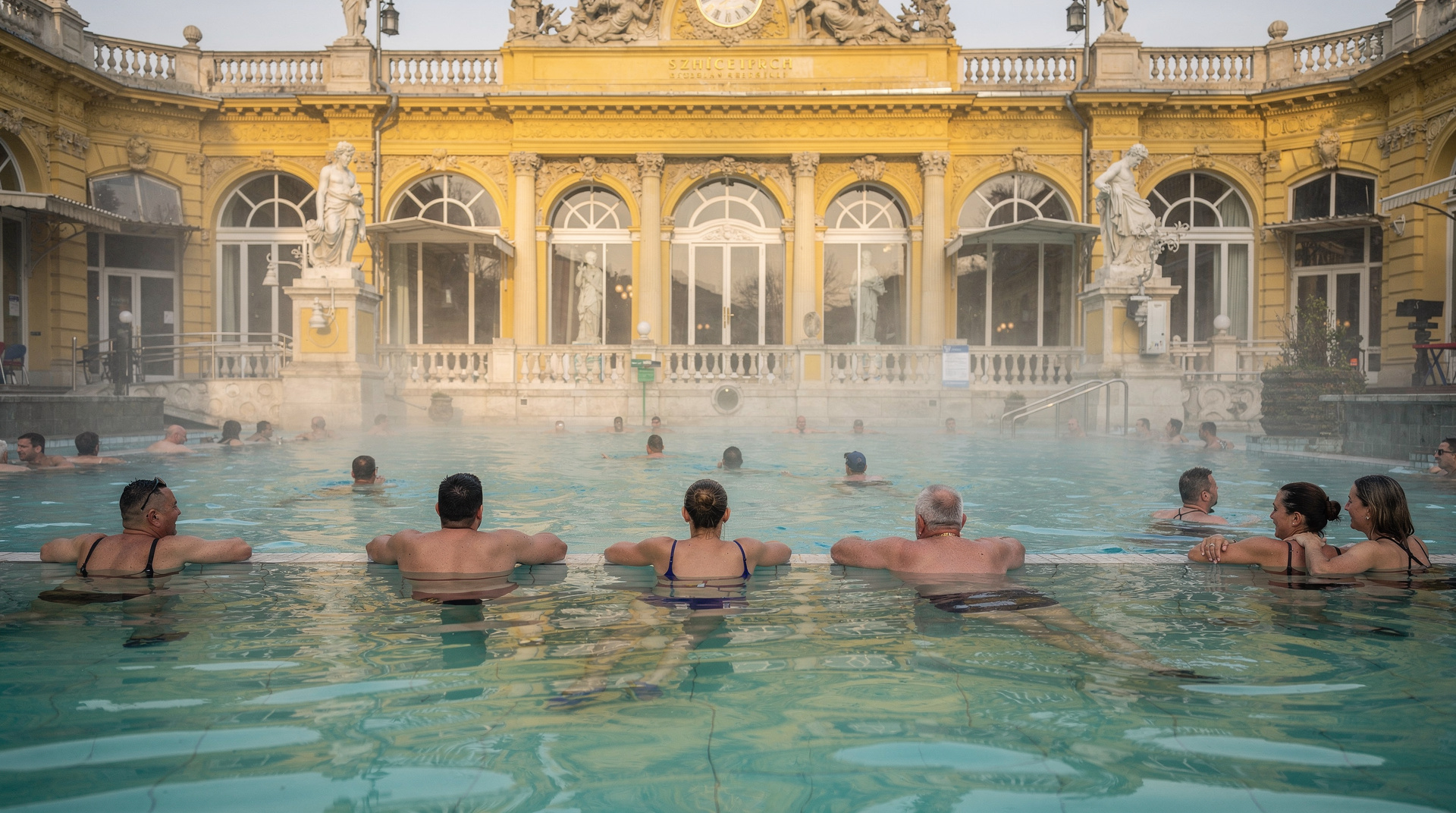
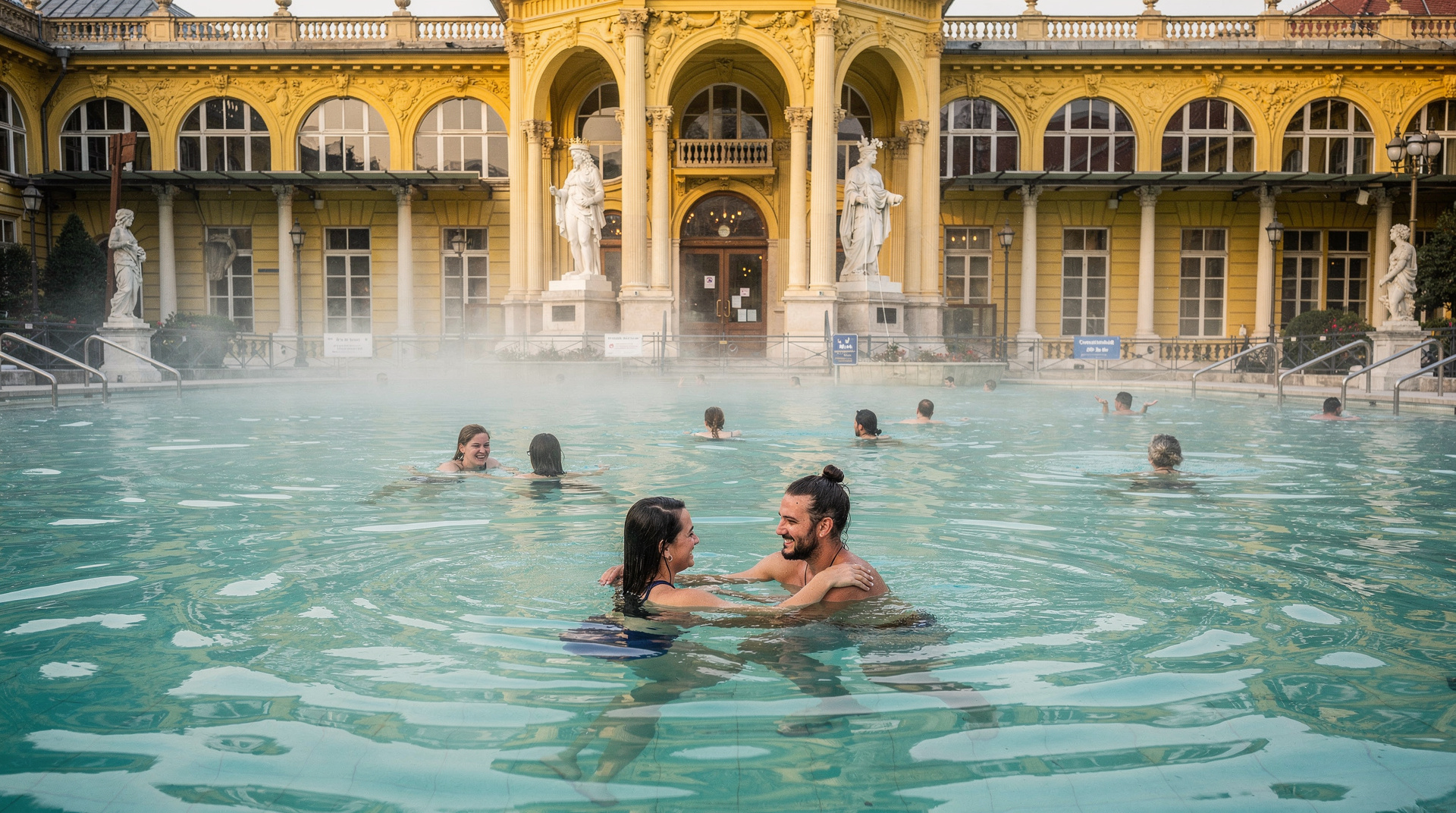
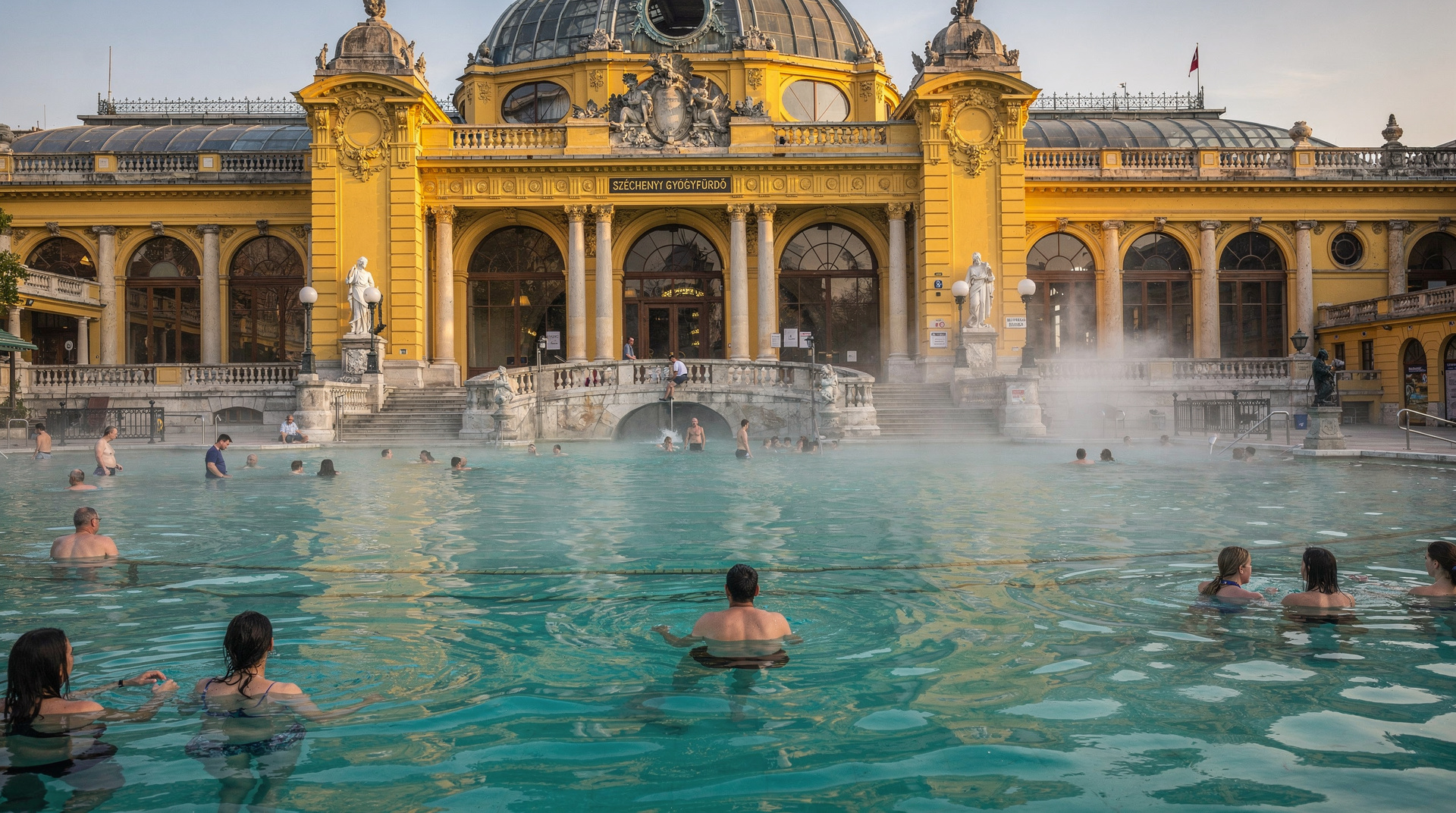
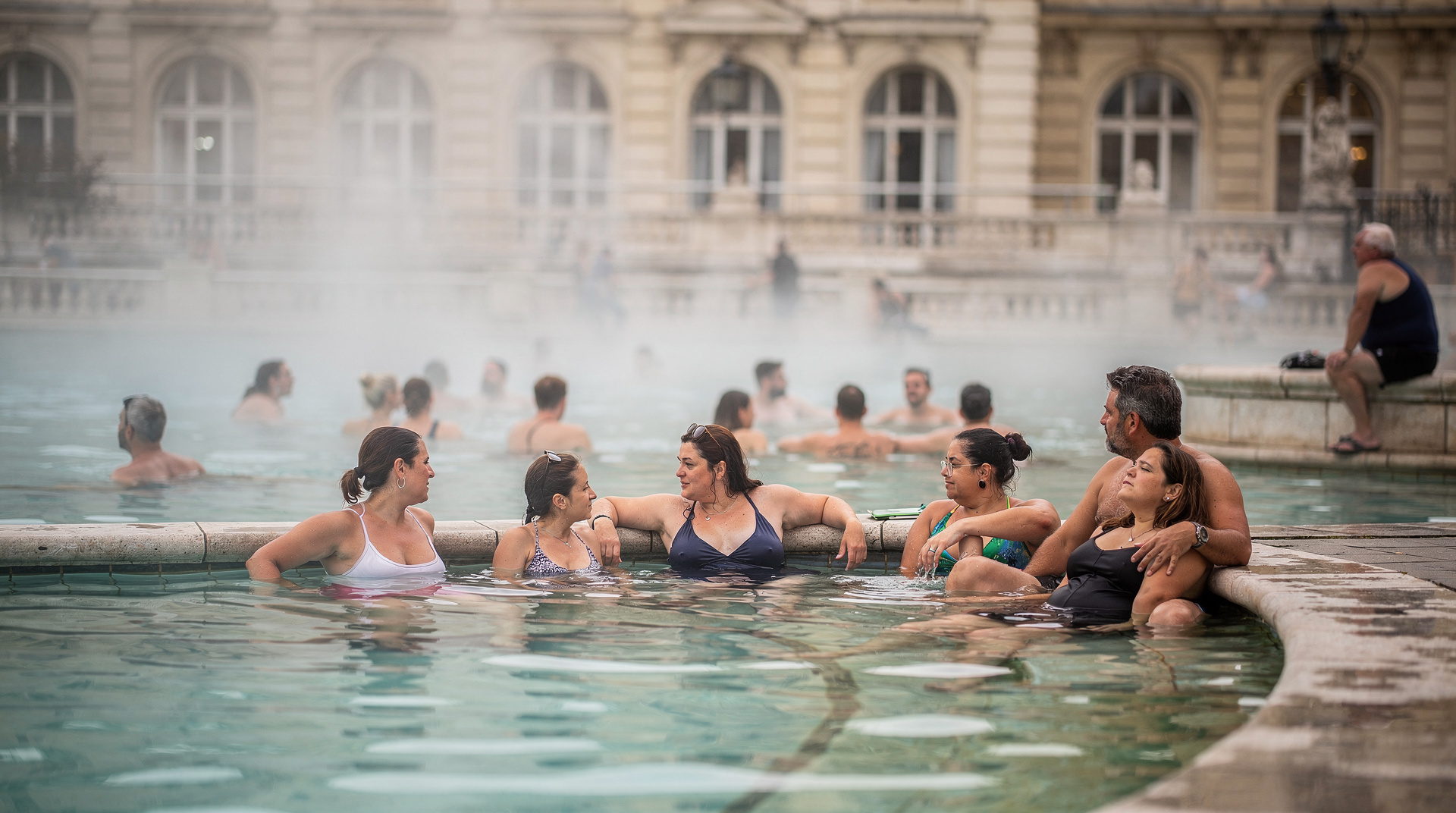
Széchenyi Baths (Széchenyi Gyógyfürdő) is the grandest of Budapest’s thermal baths: a vast 1913 neo-baroque yellow building in City Park, with three outdoor pools and 18 indoor pools across multiple halls. The outdoor round pool (36°C) is the social hub — chess players on floating boards, groups talking across the lane markers, the steam rising off the water. The large rectangular pool (34°C) is better for actual swimming. The smallest outdoor pool (38°C) is the hottest and most therapeutic.
The indoor halls include steam rooms, saunas and several thermal pools at different temperatures — move through them systematically. The contrast between the 42°C steam room and the 26°C plunge pool is invigorating if you can manage it.
Budget: Day ticket 9,900–13,900 HUF (€25–35) depending on day and locker/cabin choice.
Afternoon: City Park and Heroes’ Square (13:00–16:00)
After three hours at Széchenyi, lunch and a gentle afternoon of walking is the right pace. The City Park (Városliget) surrounding the baths is excellent for this: Vajdahunyad Castle and its moat-island, the paths through the park, the café terraces along Kós Károly sétány.
Heroes’ Square (Hősök tere) at the park entrance is one of Budapest’s grandest spaces — the 36-metre Millennium Monument, the Museum of Fine Arts and the Hall of Art facing each other across a broad plaza. It is free to walk around and easy to appreciate even with bath-relaxed muscles.
If you have energy, the szechenyi-vs-gellert-vs-rudas comparison guide is excellent context for tomorrow’s choices.
Evening: dinner near City Park or Andrássy út (18:30–21:00)
The area around Andrássy út has excellent mid-range restaurants: Mák Bistro, Stand25, and the wine bars around Liszt Ferenc tér all serve good Hungarian food in pleasant surroundings. Budget 7,000–12,000 HUF per person with wine.
A thermal bath evening often leaves people wanting something low-key — an early dinner and an early night, or a quiet glass of wine rather than a full evening out. The pace is appropriate. If you would rather compare notes with couples-specific bath advice, the best baths for couples guide covers which pools and which hours suit a quieter, more intimate visit.
Day 2: Rudas in the morning, Lukács in the afternoon
Day 2 is deliberately different from day 1. Rudas and Lukács represent the two contrasting poles of Budapest bath culture: Rudas is Ottoman, moody and atmospheric; Lukács is neighbourhood, quiet and genuinely local.
Morning: Rudas Baths (9:00–13:00)
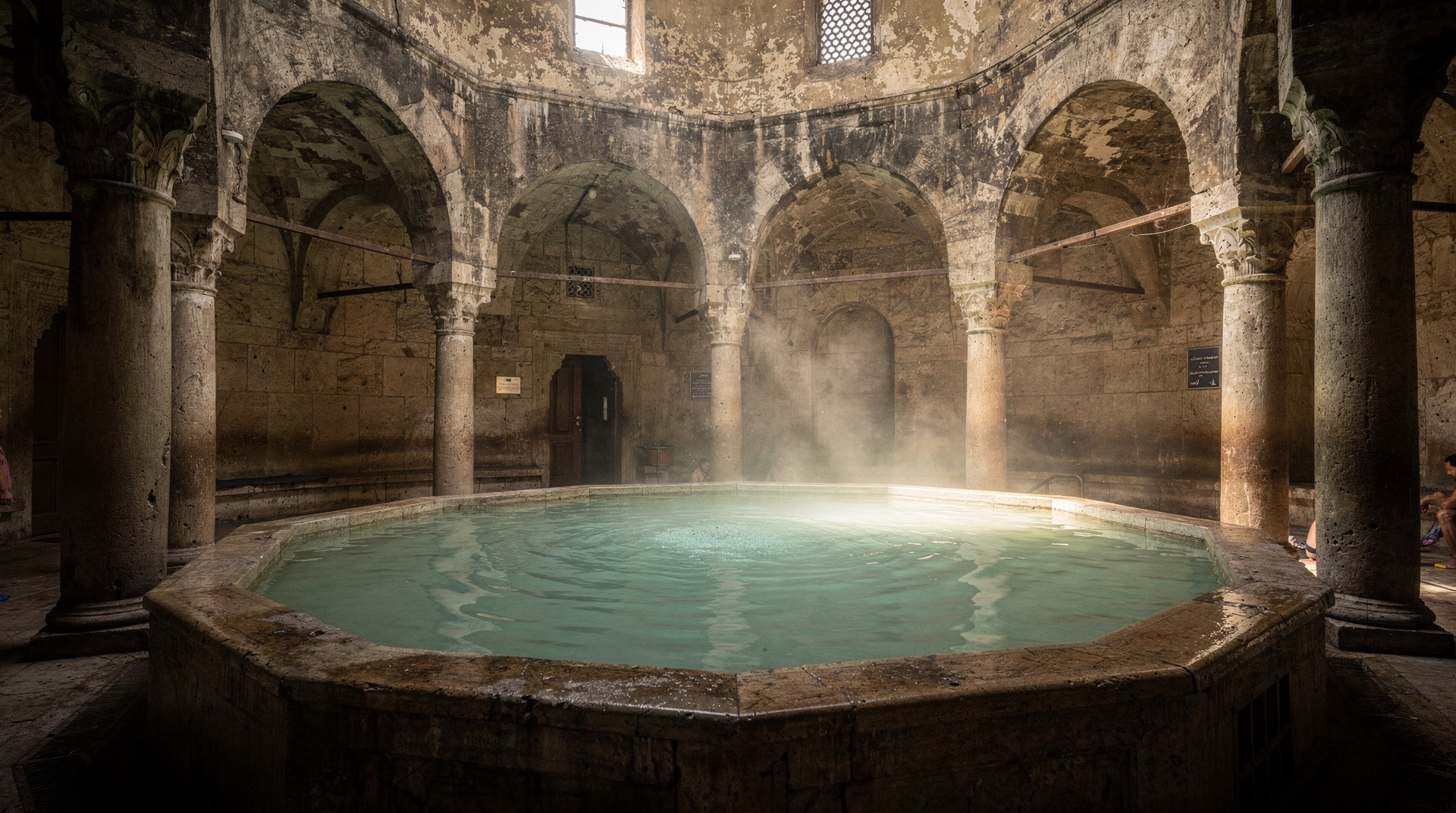
Rudas Baths (Rudas Gyógyfürdő) is the most atmospheric thermal bath in Budapest. Built in the 1560s under Sokollu Mustafa Pasha, the central octagonal pool under a star-pierced Ottoman dome has been in continuous use for 460 years. Four corner pools of varying temperature surround the central basin; steam fills the space; the only light comes through the small glass circles in the dome.
There is nothing else in Budapest quite like this. Where Széchenyi is spectacular, Rudas is profound.
The original Ottoman section is male-only on Monday, Wednesday and Thursday (with coed mixed swimming on other days and all day at weekends — check current schedule). The modern extension includes a rooftop pool with panoramic views over the Danube and Gellért Hill — extraordinary in winter when the contrast between hot water and cold air is at its most extreme.
A Rudas spa day pass with a 3-course meal is an excellent way to make this a full morning experience — the spa meal package combines the bathing with lunch in the Rudas restaurant. Standard entry runs around 5,500 HUF on weekdays for the basic spa ticket.
Note: Rudas has an age restriction — under 14 not admitted on most days. The coed section has a minimum swimsuit requirement. See the Rudas guide for the current rules on each section.
Budget: Standard weekday spa entry from ~5,500 HUF (€14); weekend rates and special events cost more.
Lunch: Gellért Hill area (13:00–15:00)
After Rudas, walk five minutes to the base of Gellért Hill and either take a taxi to the Citadella or walk up (30–40 minutes on a wooded path). The views from the summit in either direction — the whole city laid out below, the Danube bridges, the Buda hills to the west — justify the effort even after a morning bath.
Lunch at the bottom of the hill: Marcello on Bartók Béla út (reliable neighbourhood Italian, 2,800–4,500 HUF for a main) or one of the terrace restaurants along the waterfront near the Rudas exit.
Afternoon: Lukács Baths (15:00–18:30)
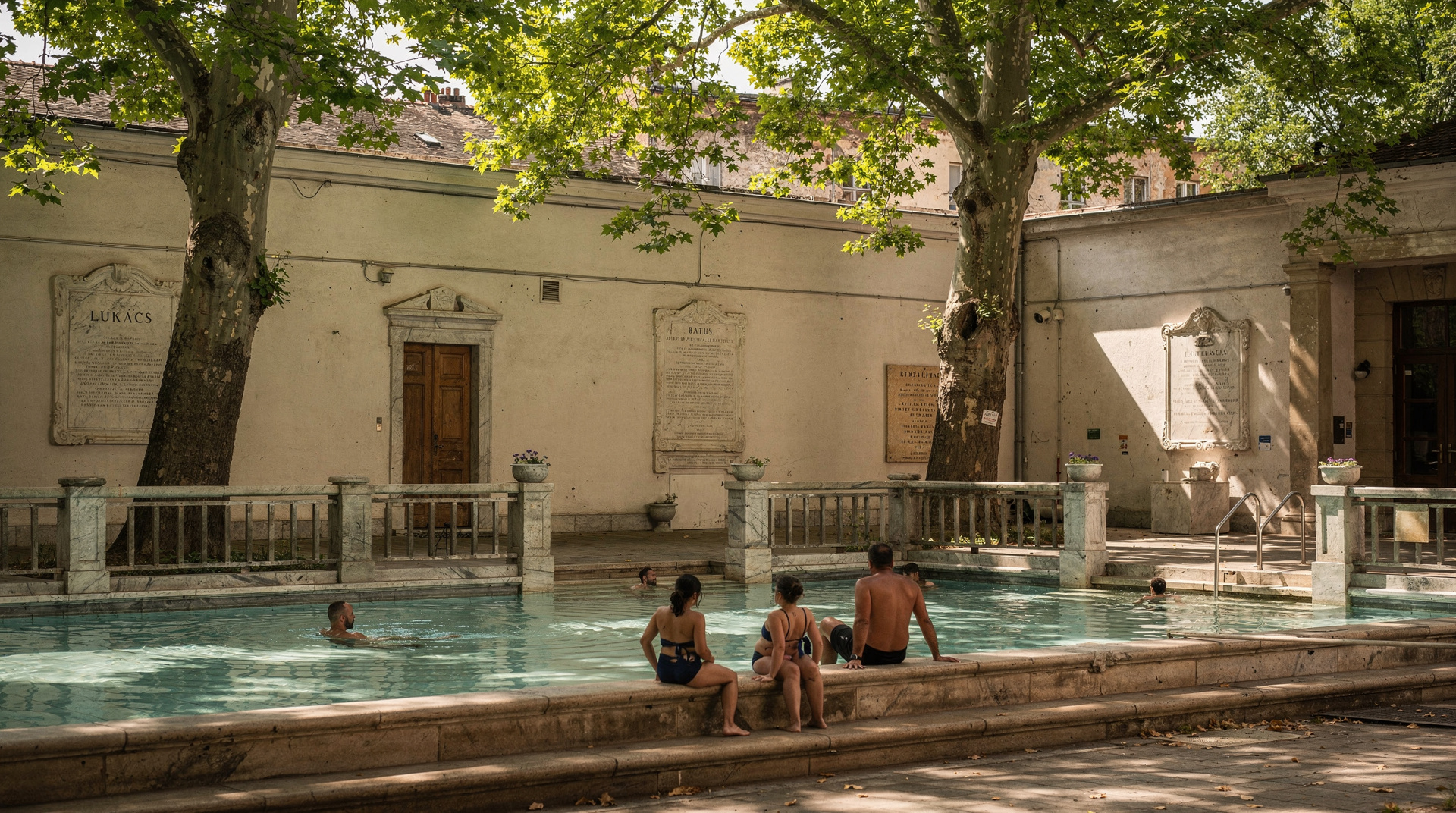
Lukács Baths (Lukács Gyógyfürdő) in District II is the local bath — genuinely used by the neighbourhood, smaller than Széchenyi, less famous than Rudas, and arguably the most pleasant for a second visit within two days. The vibe is completely different: the outdoor thermal pool surrounded by mature plane trees, older residents doing their regular therapeutic swim, minimal tourist presence.
The baths include two outdoor pools (28°C and 36°C), several indoor therapeutic pools, a swimming pool, saunas and steam rooms. A full-day ticket runs approximately 5,300 HUF (€13) — excellent value. A Lukács full-day ticket is the cheapest way to end a wellness-focused day in Budapest properly.
The outdoor section has a tradition of leaving testimonial plaques from people cured (or claiming to be cured) of various ailments — a charming local custom that gives the bath an entirely different character to the tourist palaces.
Budget: ~5,300 HUF (€13) for a full-day ticket — the most affordable major bath in the city.
Evening: Margaret Island and dinner (19:00–21:30)
After two baths, the natural end to day 2 is something completely calm. Margaret Island (Margitsziget) — car-free, 2.5 kilometres of park island in the Danube — is a 10-minute tram ride from Lukács. Walk the island as the day cools, watching the city lights come on over the water.
For dinner, the Buda side around Frankel Leó út near Lukács has several neighbourhood restaurants without tourist pricing: HáLó Restaurant, Babka, and the cafés around Mechwart tér are all within walking distance.
If you have energy left, an outdoor sightseeing cruise before dinner is a gentle way to see the Danube from a different angle to the bath-heavy day you have just had — the best Danube cruises guide lists the shortest options that will not eat into your evening.
Planning notes for the wellness itinerary
What about Gellért Baths?
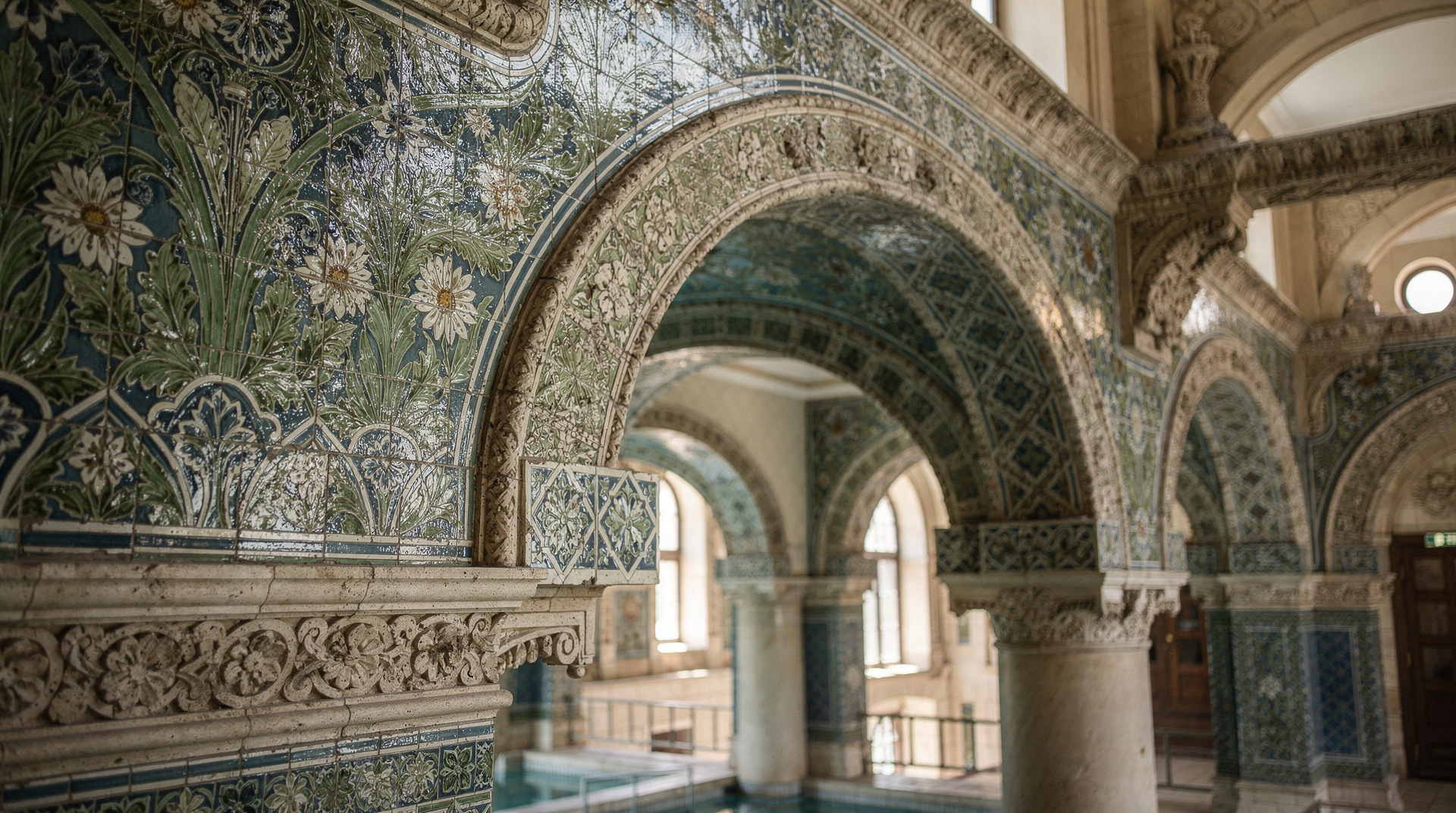
The Gellért Baths (in the Art Nouveau Gellért Hotel) are technically the most beautiful thermal bath complex in Budapest — the mosaic columns, the Roman-style pool, the ornate tile work. They are also the subject of rumoured renovation works (no confirmed date). Check current status before planning your visit, and if they are open, they could replace Lukács on day 2 for a different aesthetic. The GYG ticket for Gellért (key: gellert-day-ticket) remains available — buy through official channels rather than resellers.
What about the Sparty?
The Sparty (spa + party) runs monthly at Széchenyi on Saturday nights (22:00–04:00). It is technically a thermal bath event, but in practice it is a pool party — DJs, unlimited drinks, a crowd of thousands. It is the opposite of a wellness experience. If that is what you want, add it to Saturday night of this itinerary after dinner. See the Sparty guide for full details. Book Sparty tickets well in advance — they sell out.
Margaret Island Spa
For a more structured wellness afternoon instead of Lukács, Margaret Island has the Danubius Thermal Spa offering massage treatments and thermal pools in a hotel spa setting. The Margaret Island spa day entry is a quieter, more curated experience — worth comparing with the independent Lukács option.
Winter vs summer baths
The outdoor pools at Széchenyi are more dramatic in winter (steam rising from 38°C water in freezing air, snow on the cornices) than in summer (crowded, swimsuit-and-sunscreen conditions). Rudas is equally good in both seasons. Lukács is perhaps best in spring and autumn when the garden setting is at its most pleasant. The outdoor baths in winter guide covers the winter experience in detail.
Full budget (two days, per person)
| Item | HUF | EUR approx. |
|---|---|---|
| Széchenyi day ticket | 11,900 | €30 |
| Rudas spa entry | 6,000 | €15 |
| Lukács full-day ticket | 5,300 | €13 |
| Meals (2 days) | 25,000–40,000 | €63–100 |
| Transport (48h pass) | 4,000 | €10 |
| Misc (towels, lockers, coffee) | 5,000 | €13 |
| Total | 57,200–72,200 | €143–181 |
This is a relaxed two-day budget with a quality focus. The bath costs themselves are modest — Budapest’s thermal baths are underpriced relative to equivalent spa experiences in Western Europe.
Frequently asked questions about Budapest thermal baths itinerary
Do I need to book Budapest thermal baths in advance? For Széchenyi, yes — book online at least a day or two ahead, especially in summer, when walk-up queues can run 45–60 minutes. Rudas and Lukács are quieter and rarely require advance booking outside weekends, though booking is still the safer choice in peak season.
Can I visit all three baths as a day trip if I only have 24 hours? It is possible but not recommended — each bath rewards 2–3 unhurried hours, and rushing between three in one day turns a wellness experience into a checklist. If time is genuinely tight, choose Széchenyi for the iconic experience or Rudas for the most atmospheric one, and save the rest for a return visit.
Top experiences
Bookable activities with verified prices and instant confirmation on GetYourGuide.