Wine tastings in Budapest: how to choose the right experience

What are the best wine tasting options in Budapest?
Budapest's top wine tasting choices are: the Essentials of Hungarian Wine class (most educational, ~2 hrs, 8 000–12 000 HUF), the 8-wine tasting with tapas at a downtown wine bar (best value for variety), and the DiVino Wine Bar on Basilica Square (best drop-in option with 220+ labels by the glass).
Finding the right wine experience for your visit
Budapest has more ways to taste Hungarian wine than most visitors realise. The city’s wine bar scene has matured since the early 2010s into something genuinely impressive — small producers from all 22 Hungarian wine regions are represented, and the staff at serious establishments speak fluent English about the wines they pour.
The challenge is calibrating your choice to the time you have, your existing wine knowledge and your appetite for structure. This guide compares the main options honestly.
| Where | Districts V and VI, near St Stephen’s Basilica and the Jewish Quarter |
| Cost | Around 8,000–18,000 HUF/person for guided tastings; 1,200–4,000 HUF/glass at bars |
| Time needed | 1.5–2 hours for a class; open-ended at a wine bar |
| Booking | Guided classes 48hrs ahead in peak season; wine bars mostly walk-in |
| Best for beginners | Essentials of Hungarian Wine class |
Which format suits you
| Format | Structure | Best for | Typical cost |
|---|---|---|---|
| Guided class | High — sommelier-led, regions explained | Beginners, wanting to learn | 8,000–12,000 HUF |
| Wine bar drop-in | Low — self-paced, order by the glass | Flexible evenings, some wine knowledge | 1,200–4,000 HUF/glass |
| Food-and-wine combo | Medium — structured flight plus food | Wanting a full evening activity | 10,000–18,000 HUF |
| Countryside day tour | Full day, winery-based | Serious wine interest, time to spare | Varies, half-day commitment |
Guided wine tasting classes
Structured tastings run by a guide or sommelier are the best entry point for anyone who wants to understand Hungarian wine rather than simply drink it. Classes typically cover:
- A brief introduction to Hungary’s wine regions and climate
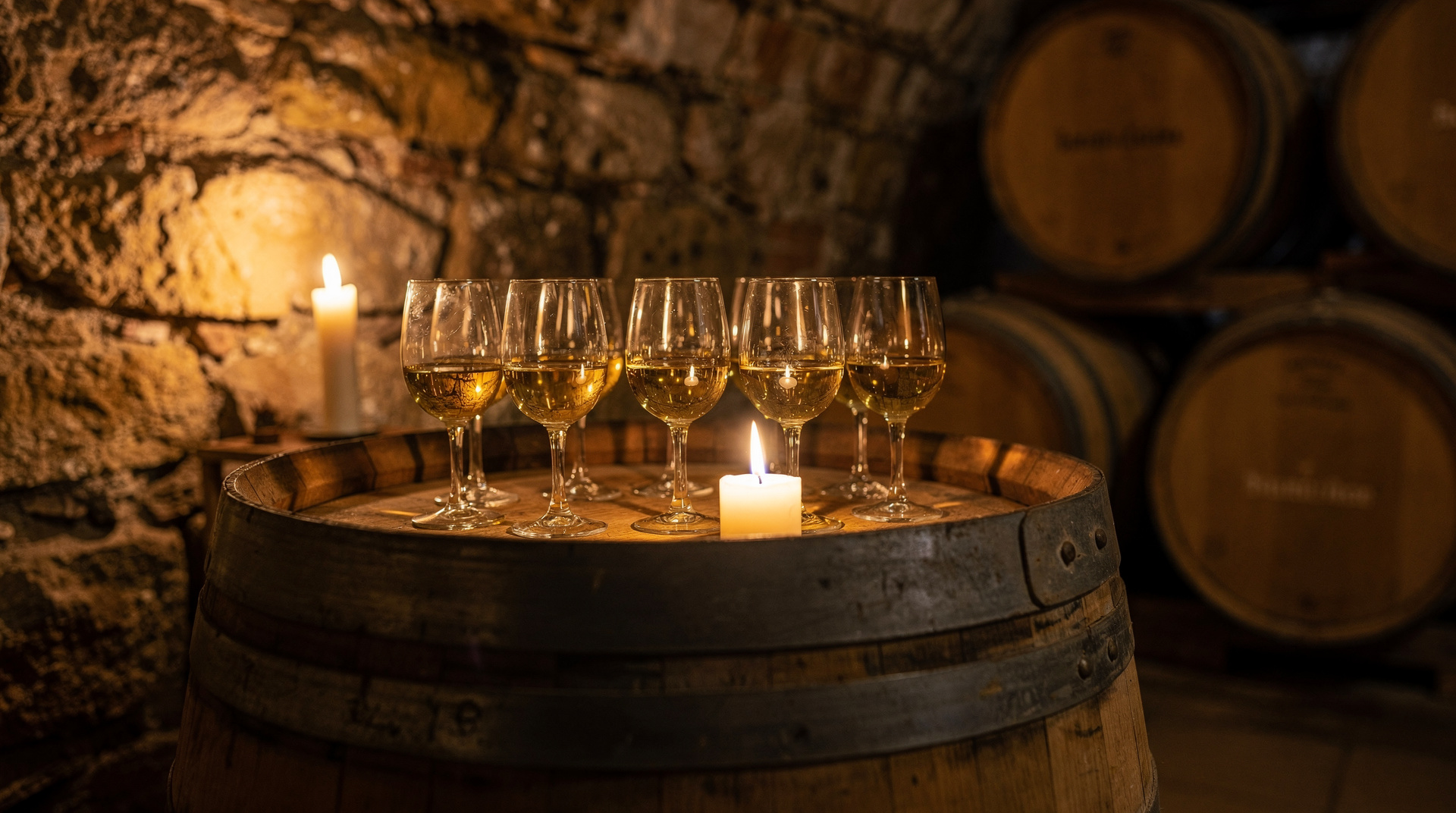
- 5–8 wines poured and explained in sequence (usually dry to sweet, or white to red)
- Food pairings — bread, charcuterie, local cheeses or tapas
- Time to ask questions
The Essentials of Hungarian Wine class is the most consistently praised option. Sessions run approximately two hours and cover the major regions — Tokaj, Eger, Villány, Badacsony — with wines chosen to illustrate the diversity of Hungarian production. Groups are typically small (6–12 people), which keeps the experience personal. Expect to pay around 8 000–12 000 HUF (€20–30) per person.
The 8-wine tasting with tapas offers more wines but slightly less explanation per bottle. It works well for travellers who have some wine knowledge and want to explore breadth. The tapas element (Hungarian charcuterie, cheeses, olives) makes it a satisfying early evening activity rather than a pure educational exercise.
Wine bar drop-ins
For flexible, self-paced wine exploration, Budapest’s wine bars are excellent. The best are concentrated in the V and VI districts, within walking distance of most tourist accommodation.
DiVino Wine Bar (Október 6. utca 11, near St Stephen’s Basilica) is the most visited and deservedly so. Over 220 Hungarian wines are available by the glass, with a focus on small producers. Staff explain the wines enthusiastically and speak English. Prices: 1 200–4 000 HUF per glass. The outdoor terrace overlooks the Basilica — one of the best bar locations in Budapest.
The DiVino wine tasting with tapas packages the bar experience into a structured flight with a guide, which removes the menu overwhelm and ensures you taste across the major regions rather than defaulting to familiar varietals.
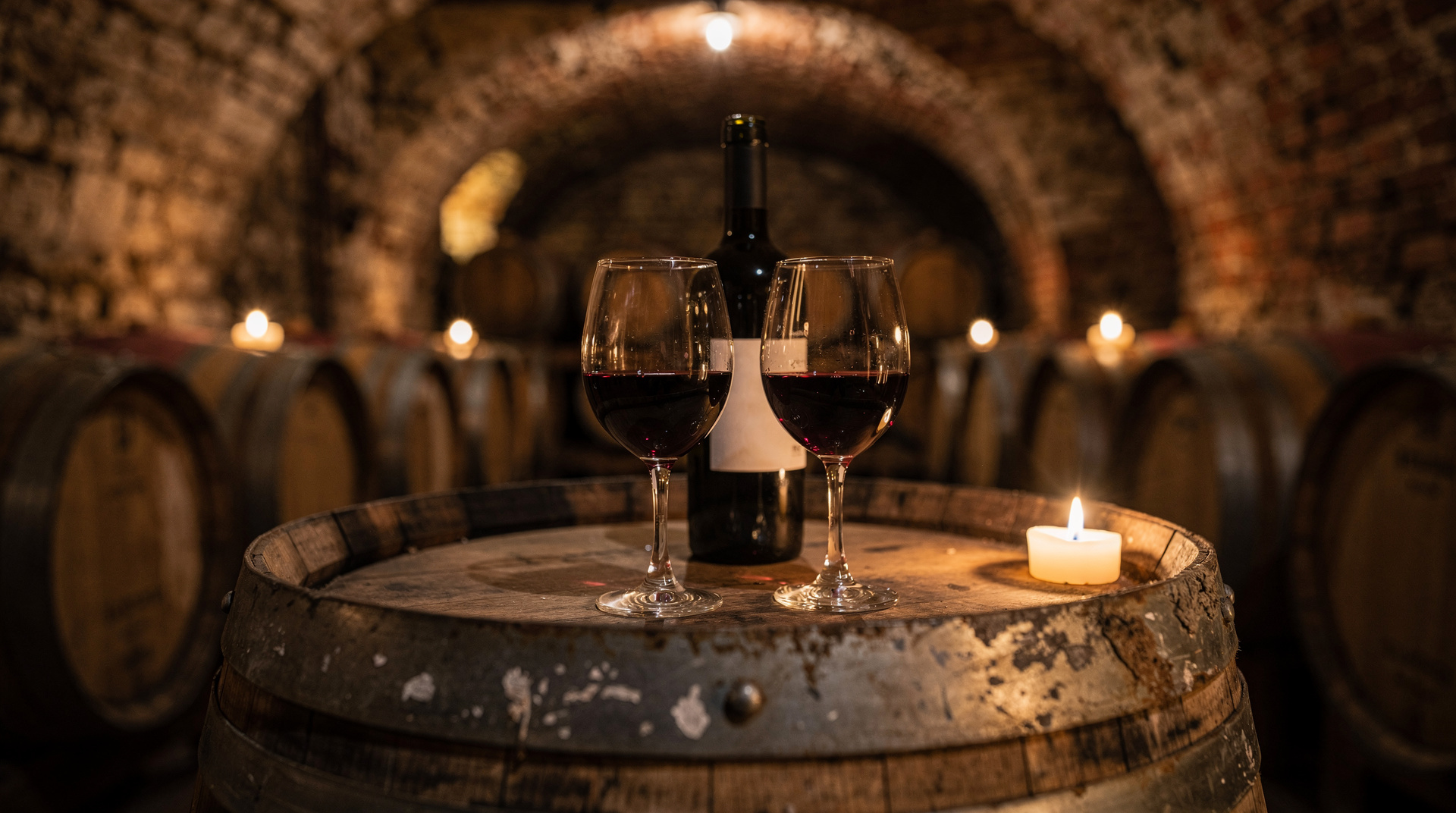
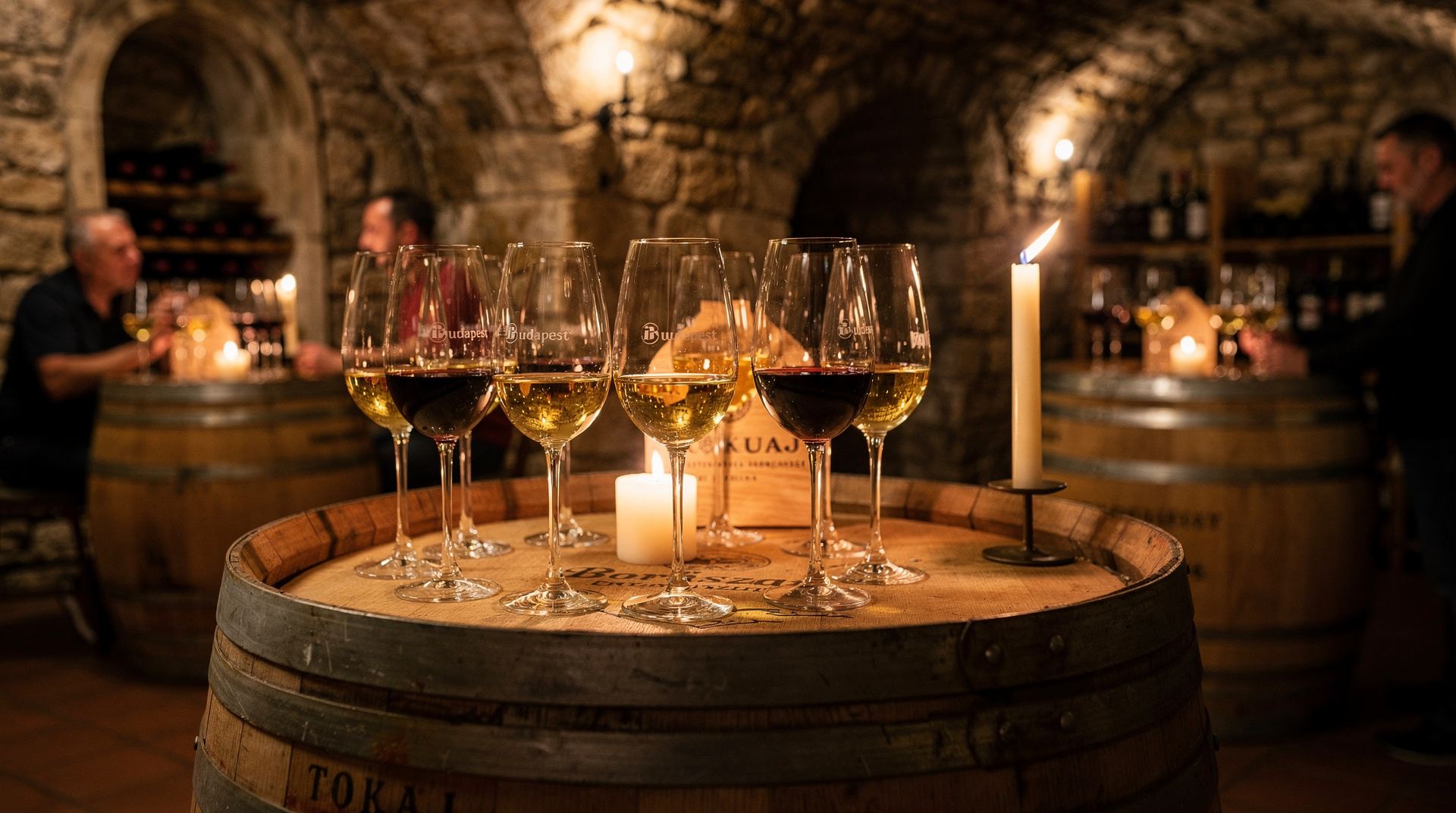
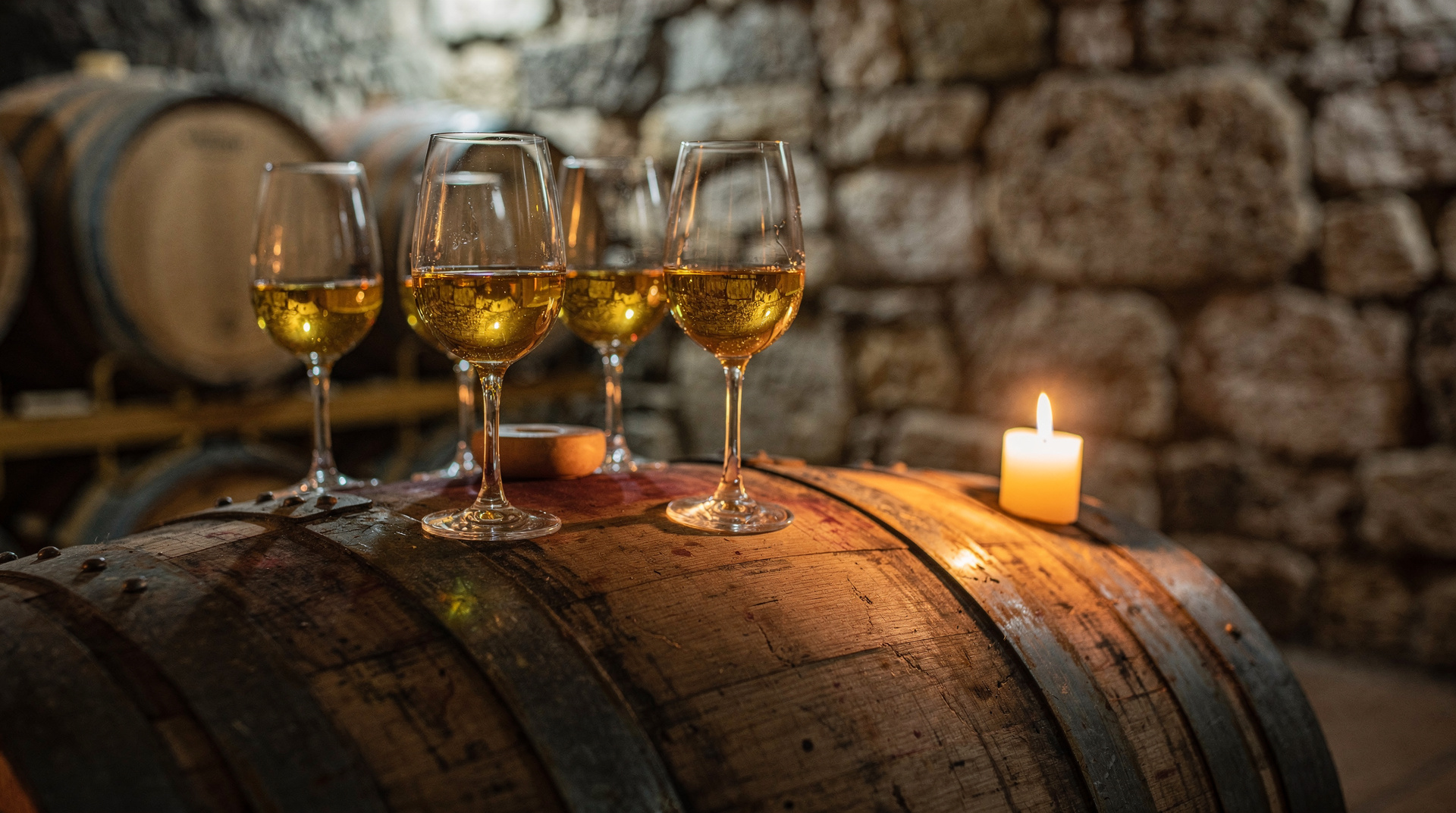
Doblo Wine Bar (Dob utca 20, Jewish Quarter) is DiVino’s more atmospheric alternative. The cellar setting, brick arches and candlelight are genuinely lovely. The list is shorter but carefully curated, leaning toward natural and biodynamic producers. Slightly more local crowd, slightly less tourist-oriented service.
Bortársaság (Wine Society) has shops and tasting bars at several Budapest locations. Their selection of aged Tokaj Aszú — bottles going back 10–15 vintages — is the best in the city. You can buy bottles to take away, which makes it useful for souvenirs as well as tasting.
Food-and-wine combined experiences
Hungarian cuisine and wine were made for each other, and several experiences take advantage of this.
The Taste Hungary wine and pálinka experience covers both wine and Hungary’s signature fruit brandy in a single session, with local food. This is genuinely useful for understanding Hungarian drinking culture as a whole — pálinka (slivovitz-style fruit brandy, 40–52% ABV) plays as important a cultural role as wine, especially outside Budapest.
The countryside wine tour with meal is the most immersive option: a half-day excursion to a winery in the hills around Budapest, with a proper Hungarian lunch included. This suits visitors who want a break from the city as much as a wine education.
Tokaj and Eger day trips for serious wine lovers
If wine is your primary interest in Hungary, Budapest’s city tastings are an excellent preview — but the real experience is in the wine country.
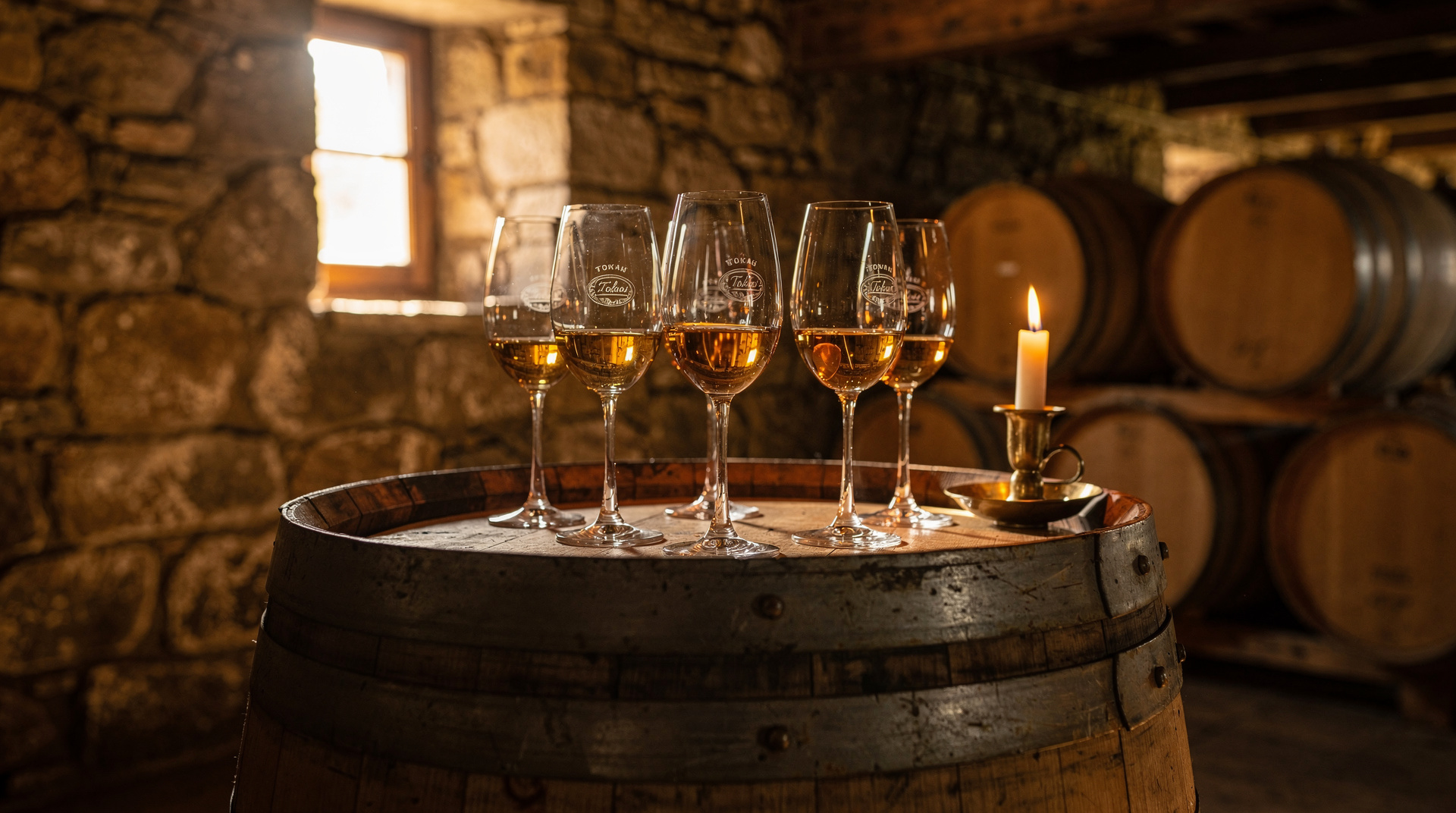
Tokaj is 2.5–3 hours northeast of Budapest. The UNESCO-listed region produces Tokaj Aszú, one of the world’s great sweet wines, and increasingly impressive dry furmint. Winery visits at Oremus, Disznókő and Royal Tokaji include cellar tours, vineyard walks and properly guided tastings.
Eger is 1.5 hours northeast and combines medieval architecture and thermal baths with a serious wine scene. The Valley of Beautiful Women (Szépasszonyvölgy) on the edge of town is a street of wine cellars where you can taste directly from producers — informal, characterful and very good value.
Practical tips for wine tasting in Budapest
Timing: afternoon tastings (3–6 pm) at wine bars avoid the lunch crush and the evening queue for terrace tables. Guided classes often run at 11 am, 2 pm and 6 pm — the 6 pm slot flows naturally into dinner.
Language: all the major wine bars and most guided tastings operate in English. Wine labels are in Hungarian, but staff always explain.
Pacing: Hungarian whites can be deceptively easy to drink. The dry furmints and hárslevelűs have lively acidity that masks the alcohol. Eat something substantial before a multi-wine session.
Buying to take home: a bottle of 5 or 6 puttonyos Tokaj Aszú from a reputable producer (Szepsy, Oremus, Bott Frigyes) costs 12 000–25 000 HUF in a Budapest wine shop — far below export prices. The Great Market Hall on the ground floor has a decent wine section; Bortársaság has the deepest selection.
Avoiding tourist-trap wine: Váci utca shops sell wine at heavily inflated tourist prices. Stick to Bortársaság, Monastery Wines (Párizsi utca) or the Michelin-recognised restaurant wine lists for fair pricing. The Váci Street tourist trap guide explains the same overpricing pattern that applies to restaurants there.
What to drink first: a quick grape and style primer
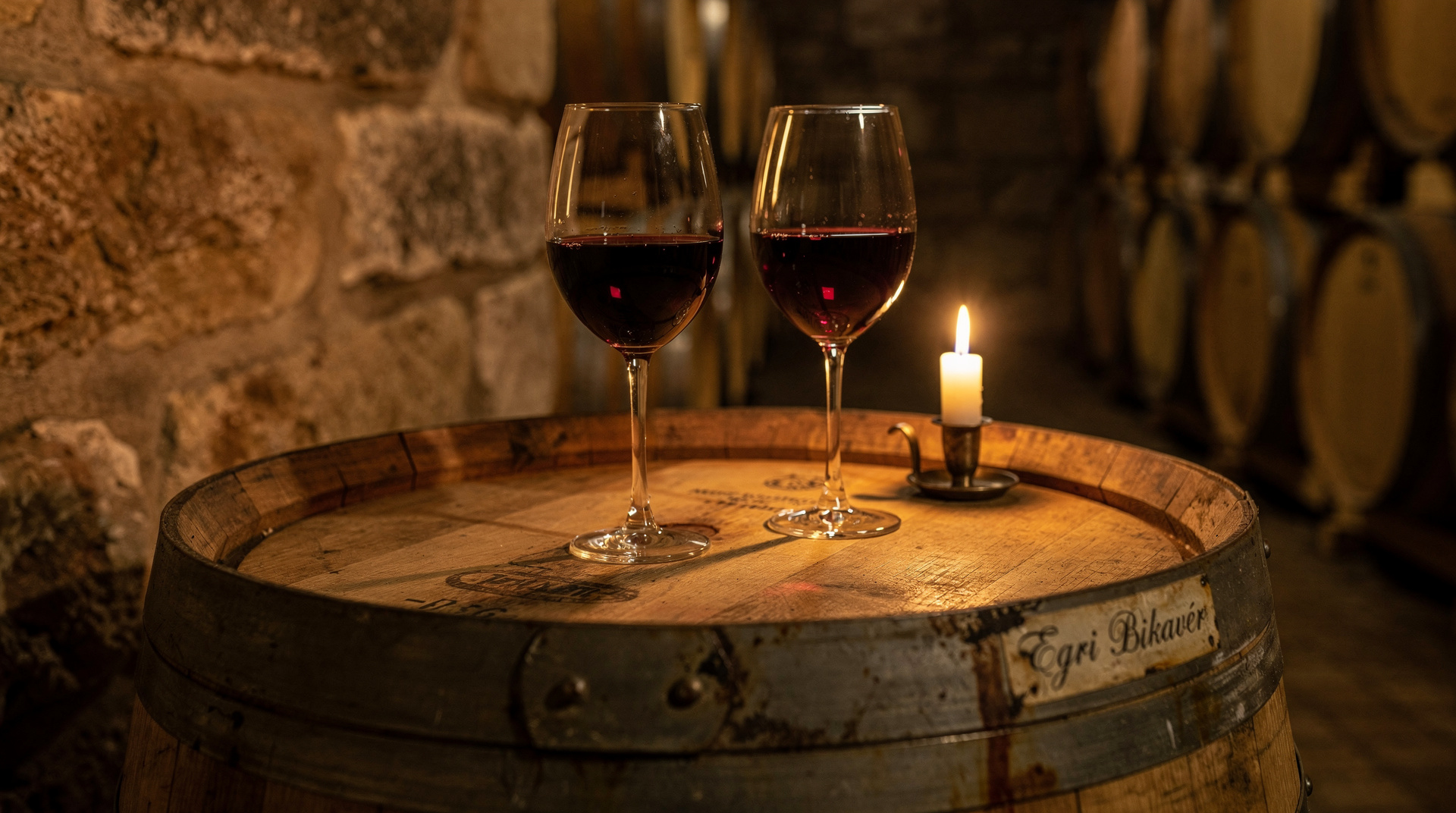
If you’re new to Hungarian wine and want a mental map before your first tasting, a handful of names come up repeatedly. Furmint is the workhorse white grape — high acidity, mineral, made both dry (increasingly excellent) and as the base for sweet Tokaj Aszú. Hárslevelű is Furmint’s softer, more aromatic sibling, often blended into Aszú. Kékfrankos is Hungary’s most-planted red grape — medium-bodied, peppery, food-friendly. Egri Bikavér (“Bull’s Blood”) is not a grape but a red blend from Eger, built around Kékfrankos with other varieties added for structure. Knowing these four names lets you navigate almost any Budapest wine list or tasting menu with confidence, even before the guide starts explaining.
Combining a tasting with the wine regions themselves
A city tasting works well as either a substitute for or a preview of a trip out to the wine country. If your schedule doesn’t allow a day trip, a good class or the countryside half-day tour gives a genuine sense of Hungarian wine without leaving the Budapest area. If you do have a spare day, Tokaj and Eger reward the extra travel time with cellar visits and vineyard landscapes that no city tasting can replicate — see the Tokaj vs Eger comparison for which suits your remaining time better.
The Hungarian wine guide has the full breakdown of regions, grapes and producers. For context on the broader food scene, traditional Hungarian dishes and the best food tours in Budapest round out the picture. Wine tasting is best placed within a broader evening: start at DiVino, move to dinner at a neighbourhood étterem, then end at a ruin bar for the full Budapest evening arc.
How to taste like you mean it
Whatever format you pick, a few habits make the glass in front of you more rewarding. Look at the colour first, then swirl gently and smell before you sip. Hungarian whites often reveal more on the nose than you expect, and a minute of attention turns a casual drink into something you will remember. Take small sips, let the wine move around your mouth, and notice whether the acidity, sweetness or spice arrives first. Guides in a class will prompt you, but at a bar you are on your own, so it helps to have a simple routine.
Ask questions without embarrassment. The people pouring wine in Budapest are usually delighted when a visitor wants to know why a particular bottle is on the list, which village the grapes came from or what to eat with it. If something does not appeal, say so; a good host will simply steer you toward a different style. Drink water between wines, and use the bread or cheese on the table as a palate reset rather than an afterthought.
Pairing wine with what you eat
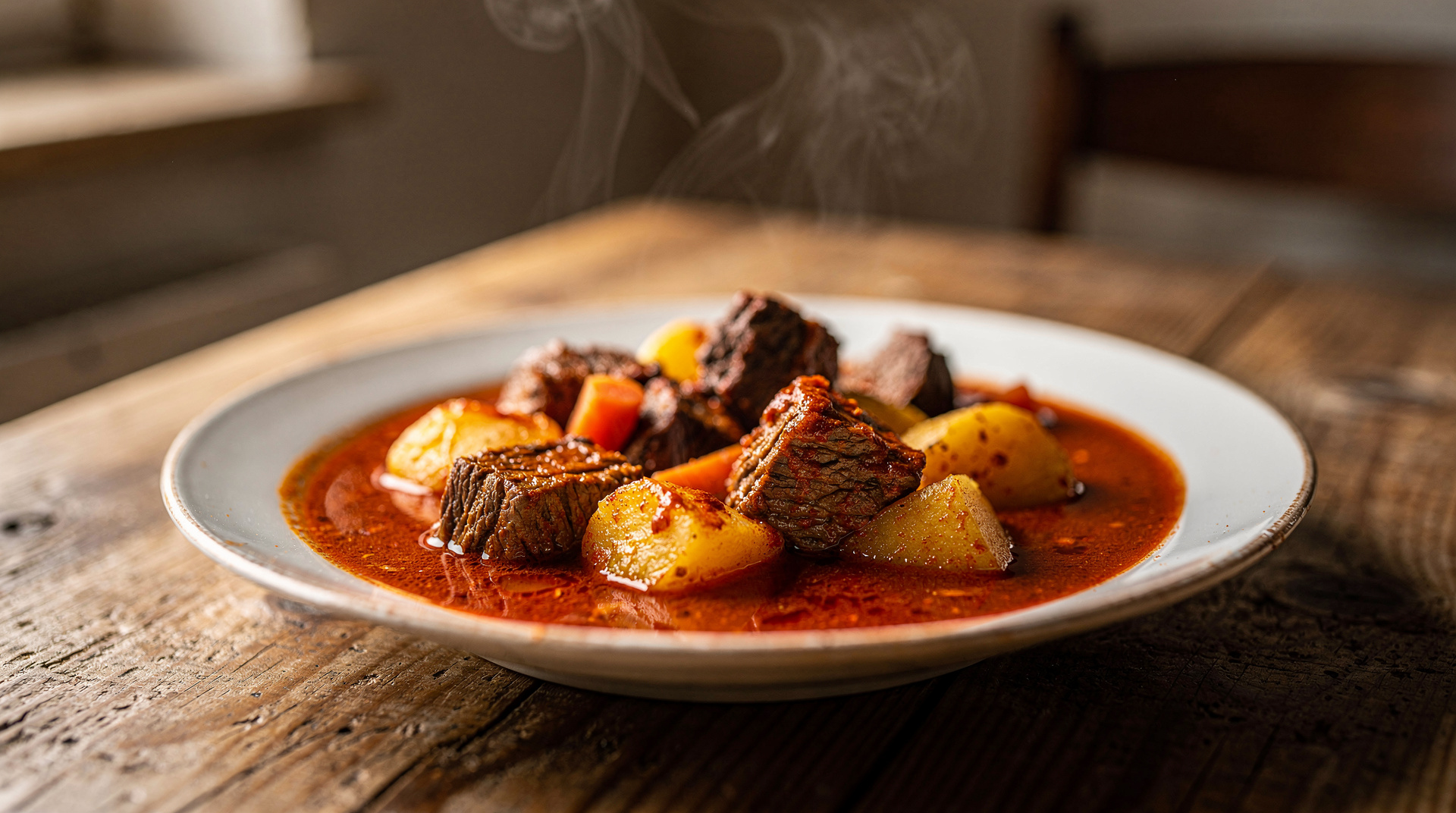
Hungarian wine was shaped by Hungarian food, so the easiest way to understand a bottle is to taste it beside a local dish. Crisp dry whites suit rich, paprika-warmed cooking, while sweeter styles love salty cheese and the end of a meal. If you have not yet explored the national menu, the traditional Hungarian dishes guide explains what you will meet on a restaurant table, and the street food guide is useful for casual bites between tastings. A fried lángos and a glass of dry white is a very Budapest combination, and a sweet chimney cake can be a fun partner for a dessert wine if you want to experiment.
For a more complete eating plan around your tasting, browse the best restaurants in Budapest or, for something special, the romantic restaurants guide. Vegetarian visitors can find wine-friendly options in the vegetarian and vegan guide, and anyone who prefers to learn by cooking might enjoy pairing a tasting with one of the cooking classes in Budapest.
Choosing by travel style
Couples tend to enjoy the candlelit cellar atmosphere of the smaller bars, and a tasting fits neatly into a longer romantic plan. The romantic Budapest guide and the three-day romantic itinerary show where an evening of wine sits naturally among the other highlights.
Solo travellers often find a guided class the easiest way to meet people, because the format gives everyone something to talk about from the first glass. The solo travel guide has more on making a trip on your own feel sociable.
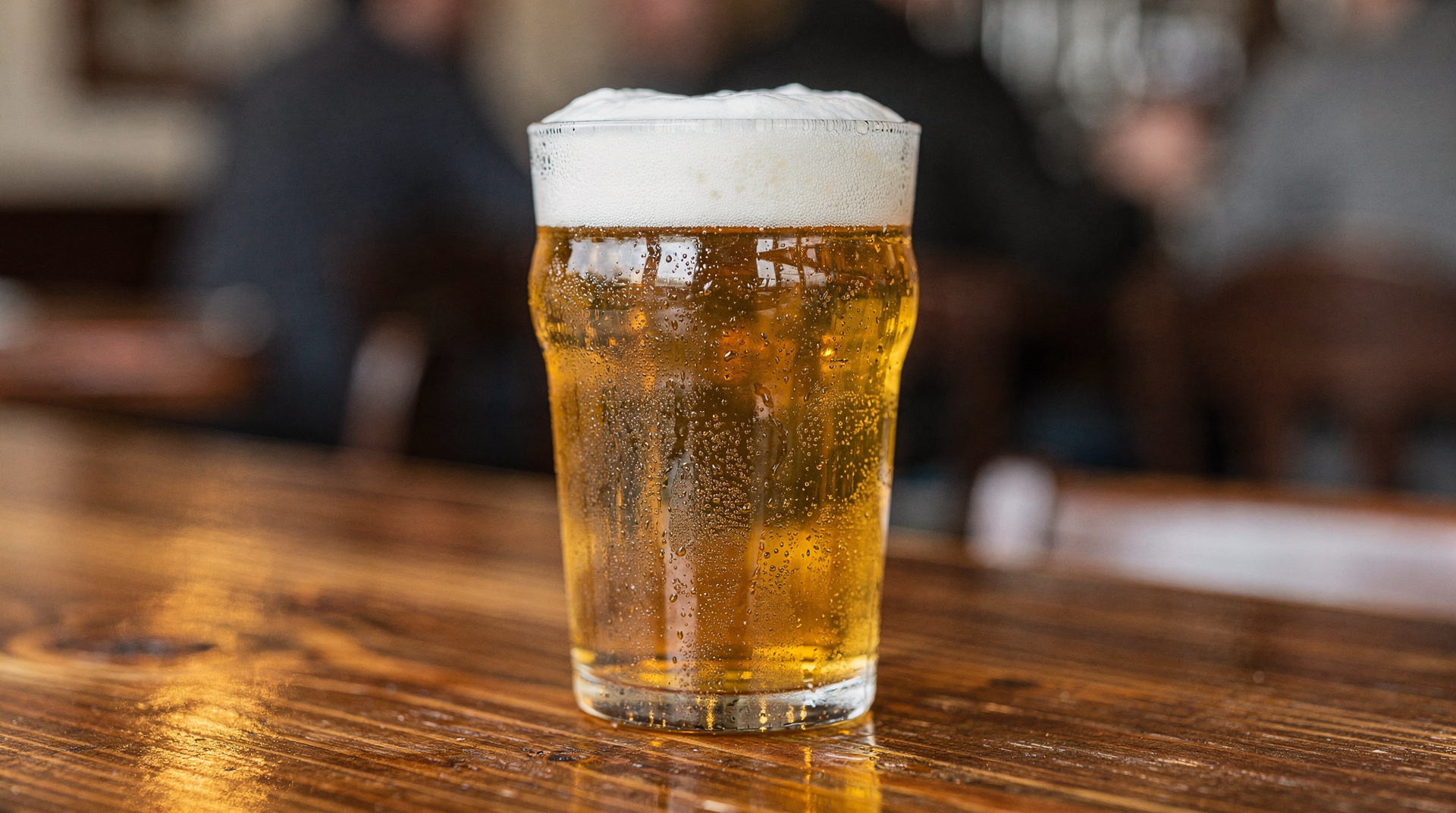
Friends and groups can mix a class with a wider evening out. If your group wants to keep going after the last pour, the Budapest nightlife guide and the craft beer guide offer alternatives for anyone who would rather switch drinks, and the pálinka guide covers the stronger option.
Families should know that a tasting is an adult activity, so plan it for an evening when someone else can look after younger travellers, or use the Budapest with kids guide to find daytime activities that keep everyone busy.
Fitting a tasting into your itinerary
A tasting is best treated as a relaxed anchor for an afternoon or evening rather than something squeezed between sights. Because the main wine bars sit close to the Basilica, it pairs naturally with a visit to St Stephen’s Basilica and a wander around District V. If your base is elsewhere, the neighbourhoods guide helps you pick a sensible route.
After a bath day the body is relaxed and ready for something slow, so a gentle tasting is a good follow-up to a session in the thermal baths. On the other hand, try not to schedule a tasting before a long walk up Gellért Hill or a morning start, since the combination of wine and heat is tiring. For ideas on how to place a tasting inside a full trip, the three-day Budapest overview and the weekend break itinerary both leave room for an unhurried evening.
Getting there and getting home
Most tasting venues are within easy walking distance of each other, so you rarely need a vehicle between them. For the trip back to your accommodation, the guide to taxis and Bolt explains how to get a fair ride, and the Budapest taxi scams guide is worth a quick read before a late evening. If you would rather use public transport, the metro guide and public transport tickets guide cover the basics. Planning your way home before the first glass is the simplest way to keep the evening stress-free.
Frequently asked questions about Wine tastings in Budapest
How much does a wine tasting in Budapest cost?
Guided tastings with a tutor cost 8 000–18 000 HUF (€20–45) per person, depending on the number of wines and whether food is included. At wine bars like DiVino or Doblo, you pay by the glass: 1 200–3 500 HUF per glass. Self-guided tastings from a wine bar list are the most flexible and usually the most affordable option.Do I need to book Budapest wine tastings in advance?
Guided classes and GYG-listed experiences should be booked at least 48 hours ahead, especially in peak season (June–September). Wine bar drop-ins at DiVino and Doblo rarely require reservations midweek, but the terrace tables at DiVino fill quickly on summer evenings.Which Budapest wine tasting is best for beginners?
The Essentials of Hungarian Wine class is ideal for beginners — structured, led by an English-speaking guide and designed to explain the regions and grapes before you taste them. The 8-wine-and-tapas format is better if you already know wine basics and want breadth over depth.Are there wine tours that also cover pálinka?
Yes. The wine-and-pálinka combined experience (on GYG as 'Taste Hungary') covers Hungarian wine alongside the country's signature fruit brandy. This is a good option if you want to understand both pillars of Hungarian drinks culture in one session.
Top experiences
Bookable activities with verified prices and instant confirmation on GetYourGuide.