Eger and Egri Bikavér: visiting Hungary's Bull's Blood wine country

What is Egri Bikavér and where do you taste it in Eger?
Egri Bikavér (Bull's Blood of Eger) is a robust red wine blend centred on kékfrankos, made in the Eger wine region in northern Hungary. The best place to taste it is the Valley of Beautiful Women (Szépasszonyvölgy) on the edge of Eger town — a street of wine cellars open for informal, direct-from-producer tastings at 500–1 500 HUF per glass.
| Where | Eger, 130km northeast of Budapest, Valley of Beautiful Women on the town’s edge |
| Cost | Around 500–2,500 HUF/glass at cellars; 20,000–35,000 HUF for a guided tour |
| Time needed | Full day trip, 9–10am to 6–7pm |
| Getting there | InterCity train from Keleti (1.5–2hrs) or guided tour with transport |
| Best time | Weekday mornings for a quieter Valley of Beautiful Women |
Eger: wine, history and Hungary in miniature
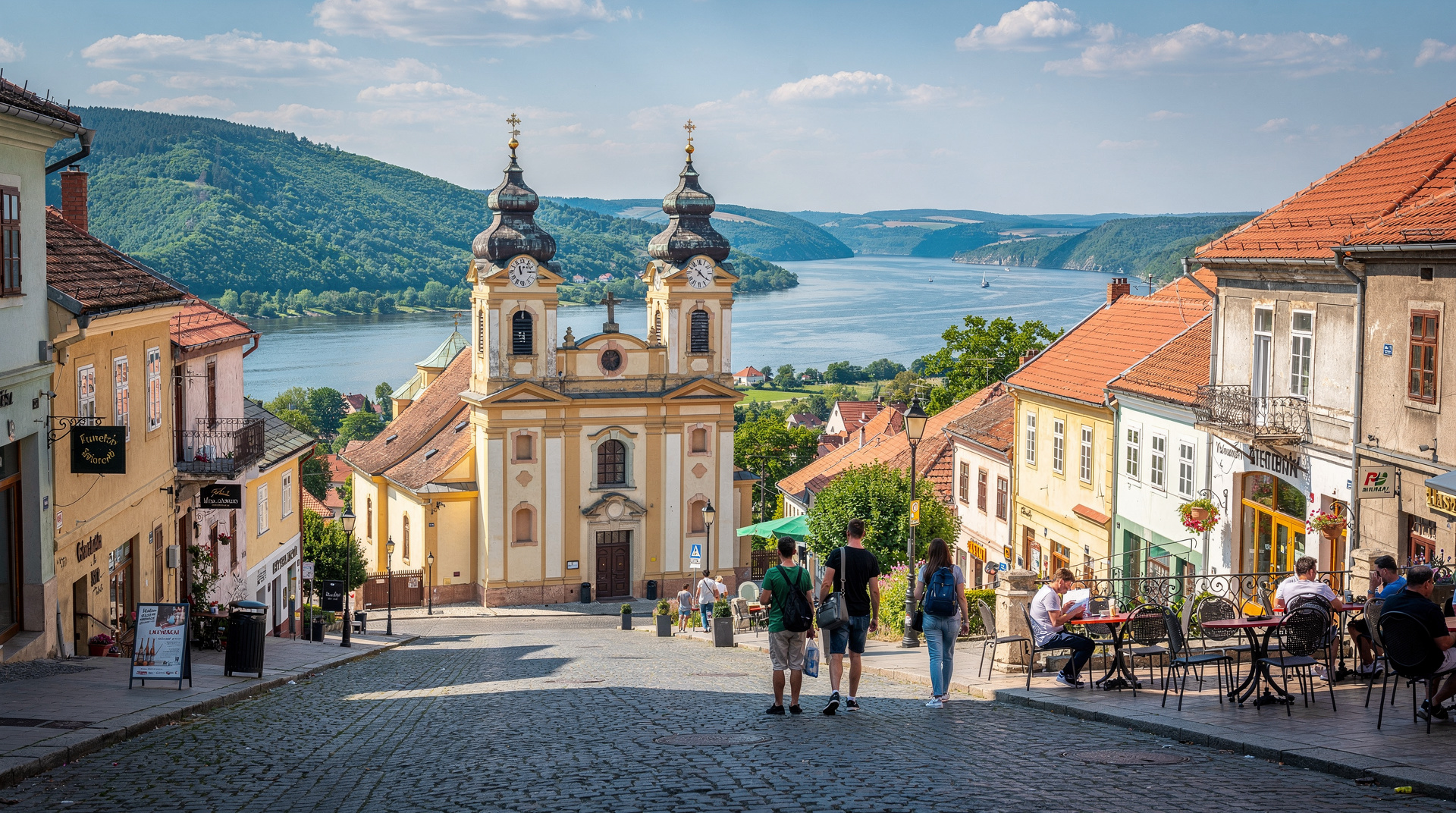
Eger is one of the best day trips from Budapest — 130 km northeast, 1.5 hours by train, and dense with things worth seeing and tasting. The Baroque old town is among Hungary’s finest, the castle tells 500 years of turbulent history, and the wine valley on the edge of town provides one of the most unpretentious, enjoyable wine experiences anywhere in Central Europe.
The wine is the main draw for many visitors, but Eger rewards travellers who spend a full day — long enough to walk the castle, explore the thermal baths at Egerszalók and still have time for a proper cellar session before the last train back to Budapest.
Egri Bikavér: the wine behind the legend
Egri Bikavér (Bull’s Blood of Eger) was one of Hungary’s most exported wines in the communist era — typically a reliable if unexciting blend sold cheaply across the Eastern Bloc and into Western Europe. The reputation suffered accordingly.
The modern wine is significantly better. Since 2008, the Bikavér Superior designation has required stricter production standards: lower yields, longer aging, a minimum of three grape varieties, with kékfrankos as the backbone. The result is a wine with real structure — dark fruit, earthy tannins, a characteristic spice from the kadarka content — that pairs beautifully with Hungarian red meat dishes.
The Bikavér blend typically includes:
- Kékfrankos (Blaufränkisch) — the dominant variety, providing the wine’s cherry-and-spice character
- Kadarka — the historic Hungarian red, adding pepper and elegance when present
- Zweigelt and Blauburger — rounding out the blend
- Occasionally cabernet franc, merlot or syrah in small proportions
Producers making consistently good Bikavér Superior include Gál Tibor, Tűzkő, St. Andrea and Pók-Polonyi. A bottle of Superior costs 3 000–8 000 HUF in shops; the same wine at a cellar door in the Valley of Beautiful Women might be 1 000–2 500 HUF for a glass.
The Valley of Beautiful Women (Szépasszonyvölgy)
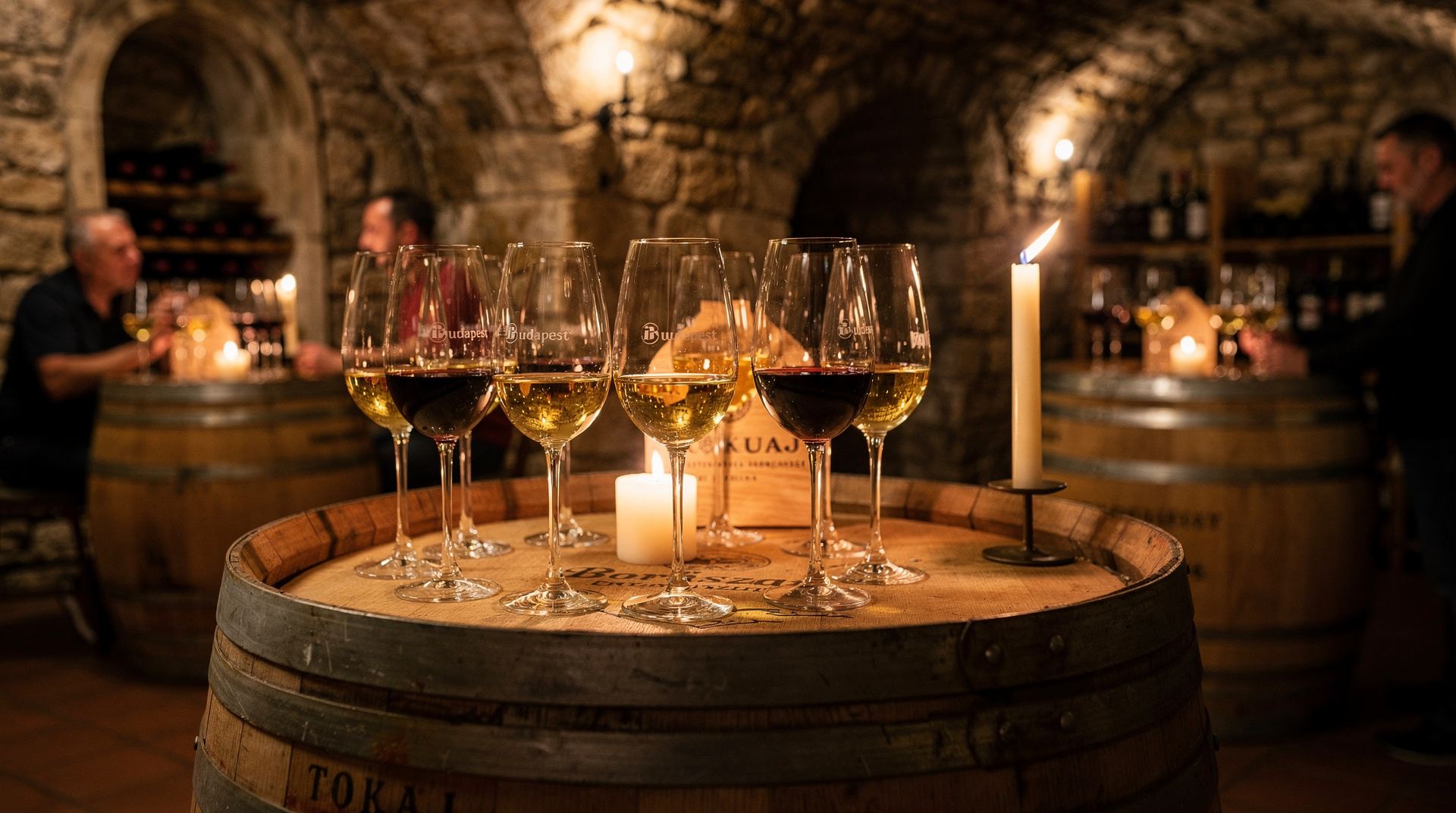
This is the heart of the Eger wine experience. Szépasszonyvölgy is a U-shaped valley on the western edge of Eger town, lined with approximately 50–60 wine cellars carved into the volcanic tuff hillside. Each cellar is run by a different producer, winemaker or merchant, and most are open for informal drop-in tastings.
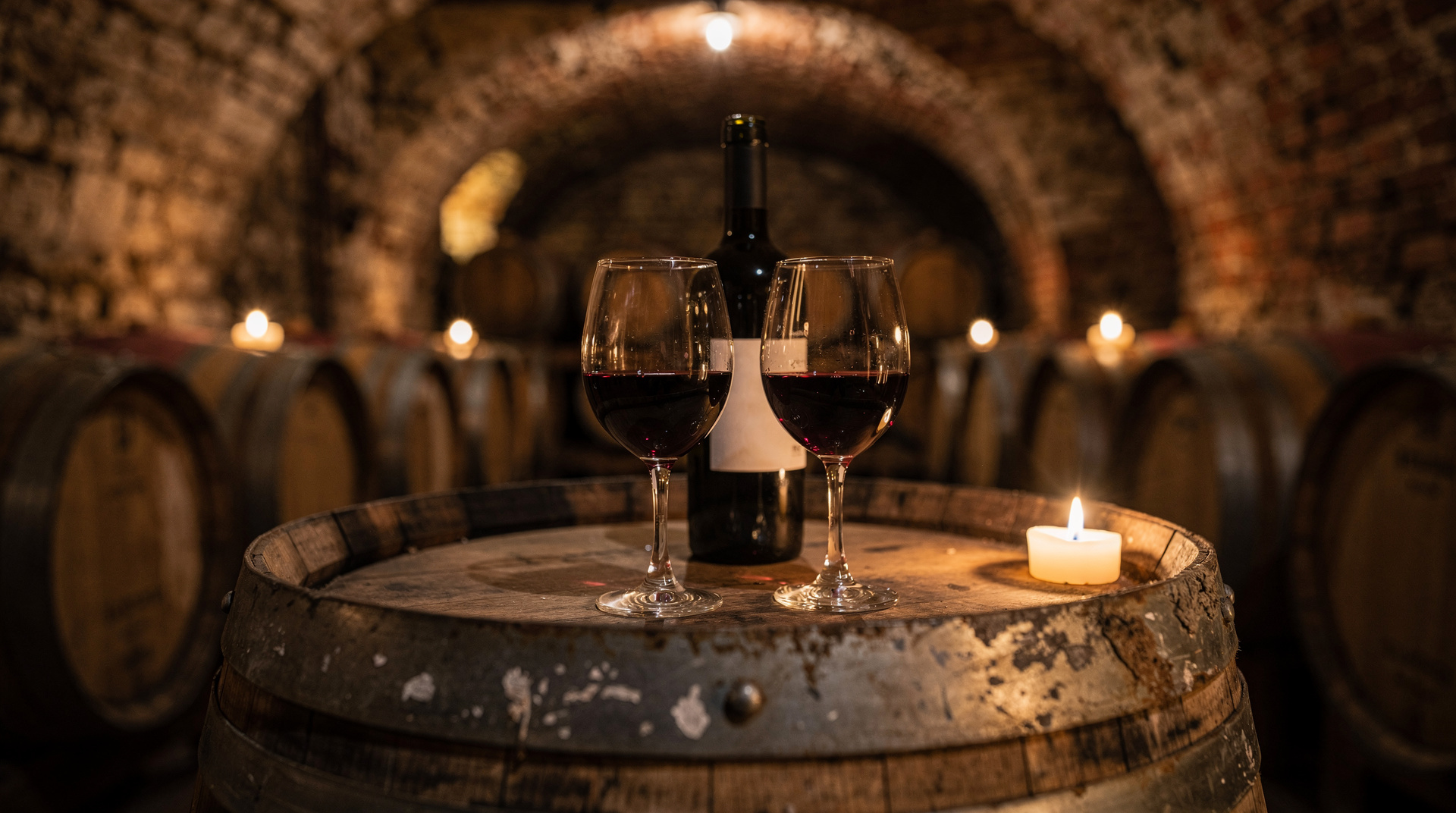
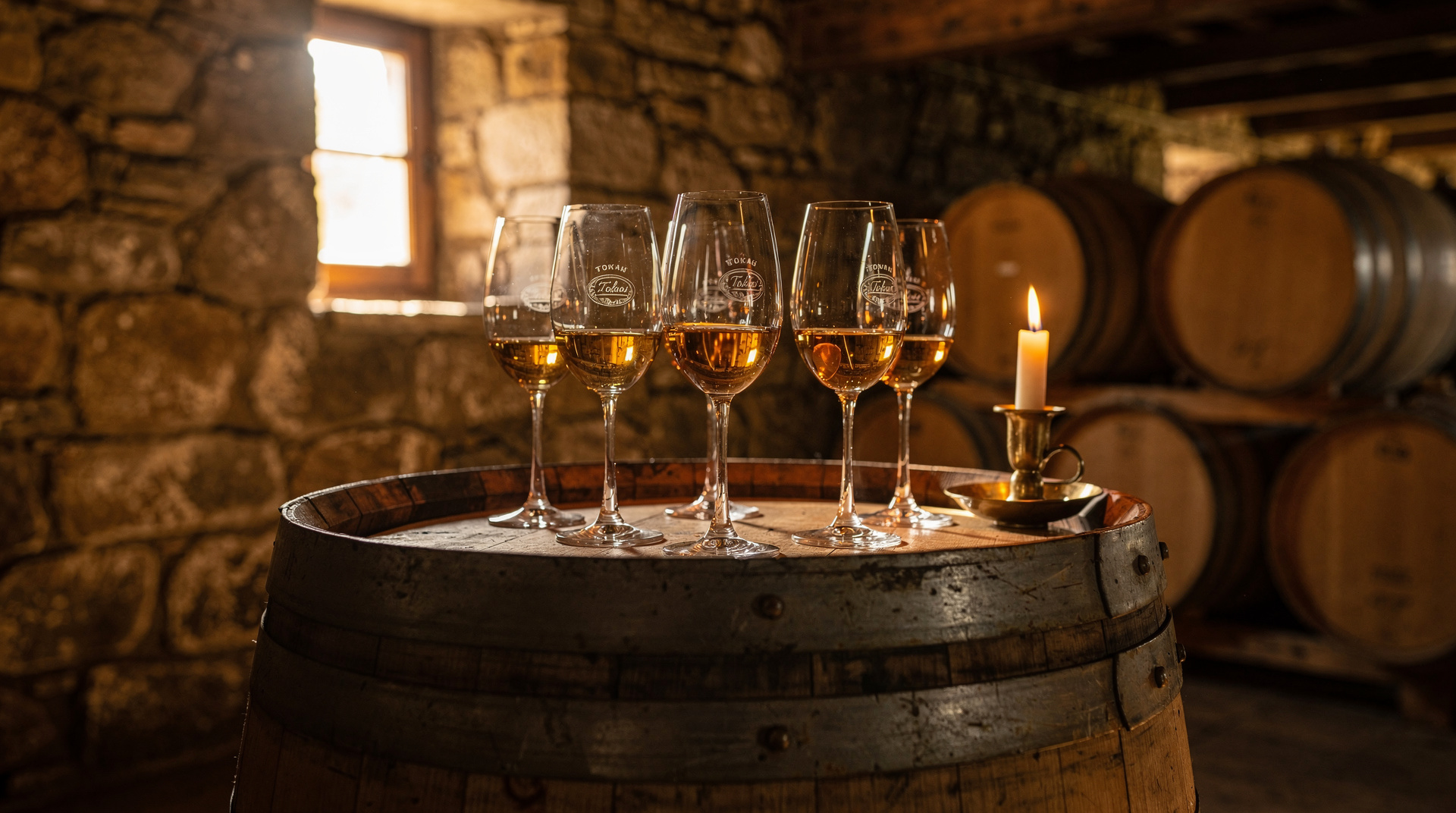
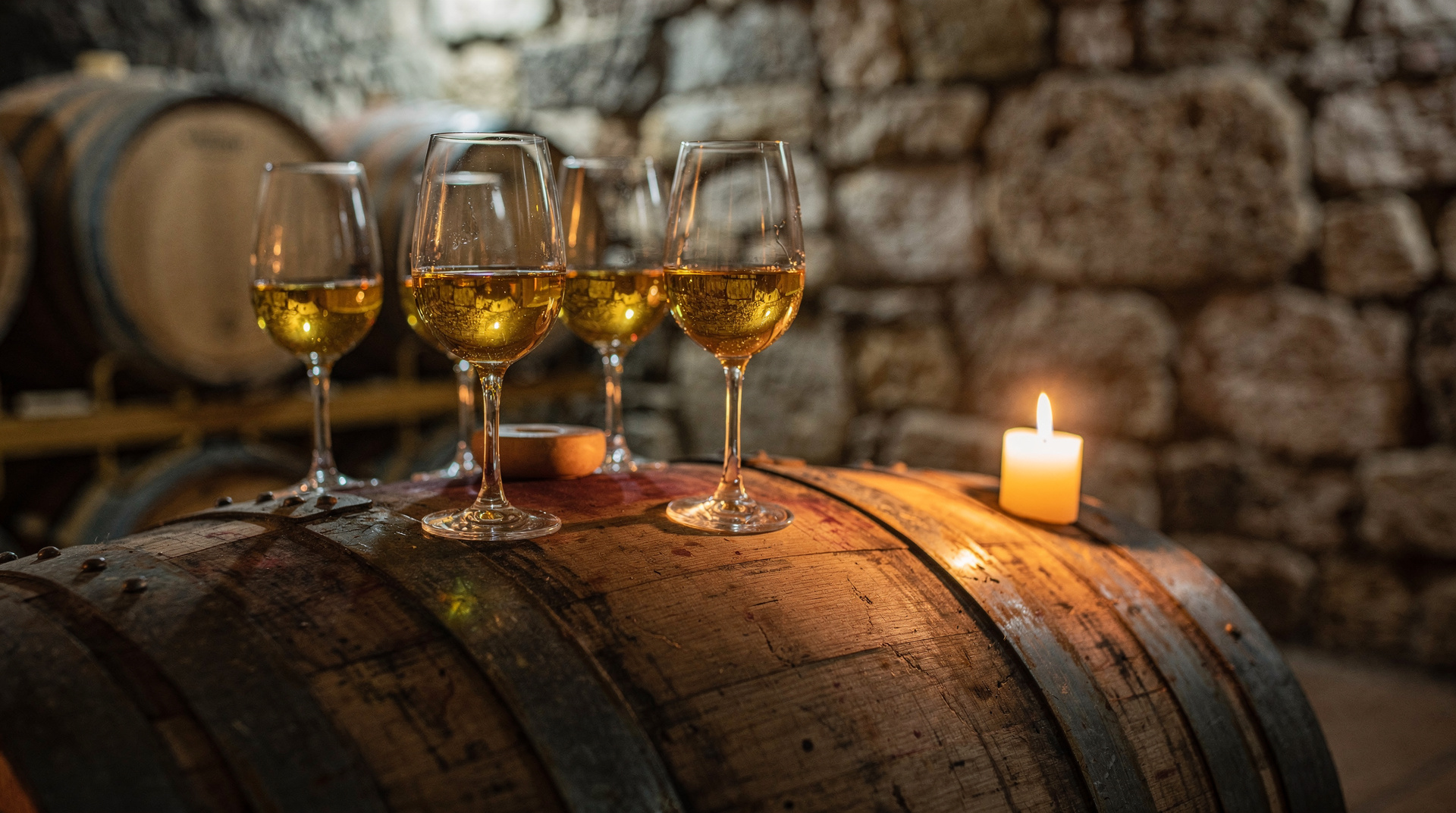
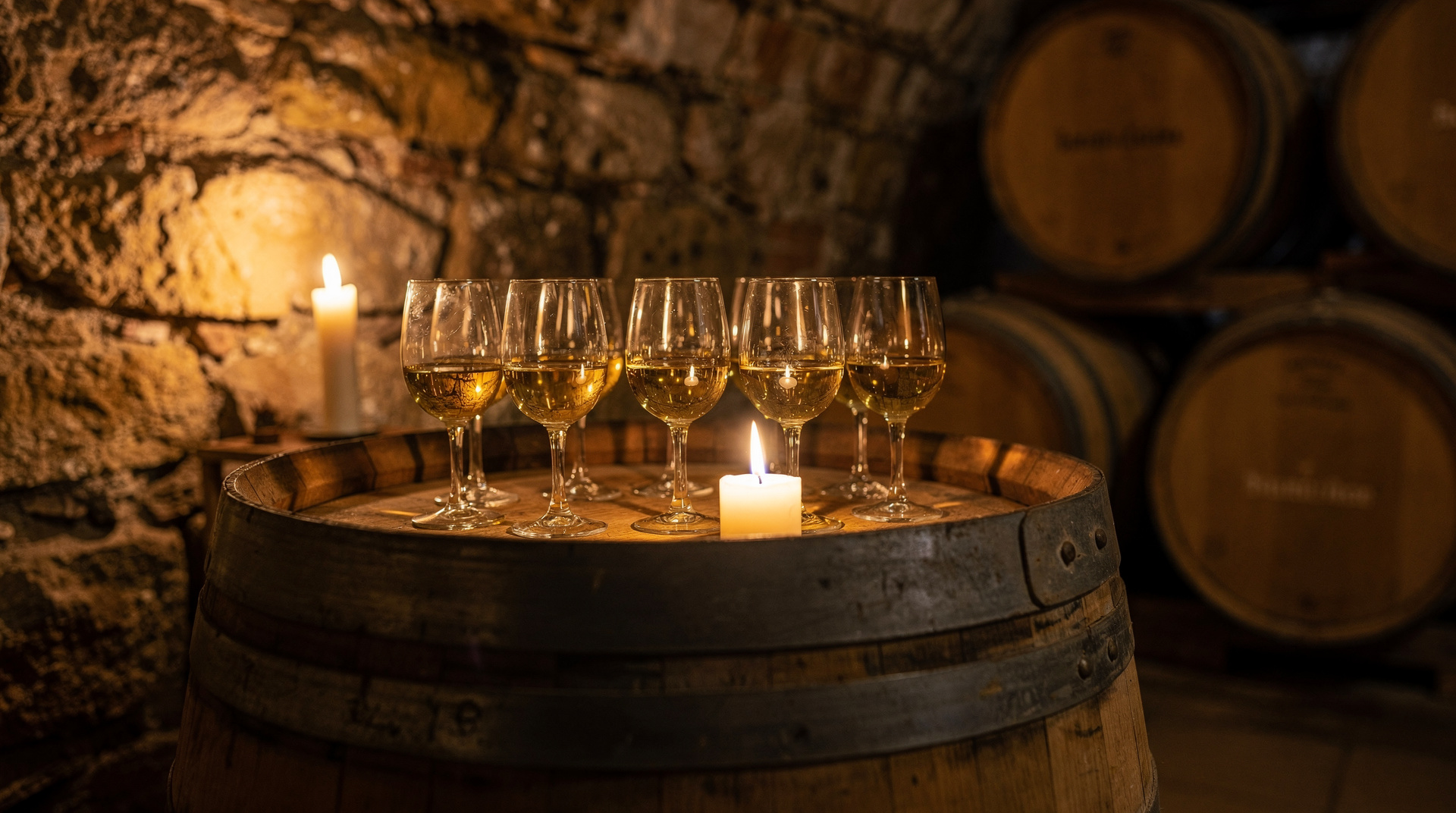
The atmosphere is entirely unlike a formal tasting room: barrels, wooden benches, handwritten signs on the walls, and the cellar keeper pouring whatever is open. You can taste Bikavér, white egri csillag, leányka, olaszrizling and pálinka — sometimes all from the same producer. Prices are genuinely low: 500–1 500 HUF per glass, often with bread and lard (zsír) included.
The valley is busiest in summer afternoons and weekends. It is at its most local and relaxed on weekday mornings or in early autumn. Several cellars also sell bottles to take away at prices well below Budapest wine shops.
Getting there from Eger town: 20-minute walk from Dobó tér, or a short taxi (600–800 HUF). Some cellars open at 10 am; most stay open until 6–8 pm.
Getting to Eger from Budapest
By train: InterCity trains from Keleti station run to Eger with one change at Füzesabony in most cases; some services are direct. Journey time: 1.5–2 hours. Return ticket: around 4 000–6 000 HUF. Trains run approximately every 2 hours.
By car: 130 km via M3 motorway (direction Miskolc), then south on route 25 to Eger. Allow 1.5–2 hours. Driving makes it easier to visit Egerszalók thermal baths and the surrounding villages.
By guided tour: A combined Eger and Egerszalók wellness day tour from Budapest is the most popular option — it covers both the wine and thermal elements without logistics stress. The private Eger day trip with wine tasting is the best choice for serious wine enthusiasts who want personal attention and access to specific producers.
Egerszalók: the thermal baths nearby
Ten kilometres from Eger town, Egerszalók has one of Hungary’s most unusual thermal bath attractions: a white calcium carbonate terraced formation (similar to Pamukkale in Turkey) built up over decades by warm mineral water spilling down a hillside. The Saliris Resort has developed a full spa complex around the springs.
The water temperature is 65°C at the source, cooled to 36–38°C in the pools. The outdoor terraced formation is the visual highlight; the spa facilities include indoor pools, saunas and a hotel.
Entry to the Egerszalók outdoor terrace area costs approximately 4 500–6 000 HUF; the full spa day pass runs 8 000–12 000 HUF. Combining a thermal bath visit at Egerszalók with wine tasting in Eger is a very satisfying day trip structure.
Eger Castle (Egri Vár)
The castle dominates the city from a hilltop above the old town. Its historical significance is real: in 1552, a garrison of 2 100 Hungarian and Slovak soldiers held the castle against an Ottoman army of 40 000 for 38 days — a victory that became one of Hungary’s defining national stories (and the source of the Bull’s Blood legend).
The castle museum covers the siege in detail, with weapons, armour and models. The underground tunnel system (accessible with a guide) is the most atmospheric part of the visit. Entry: approximately 2 000–3 500 HUF; add 1 000–1 500 HUF for the dungeon tour.
The old town and what to eat
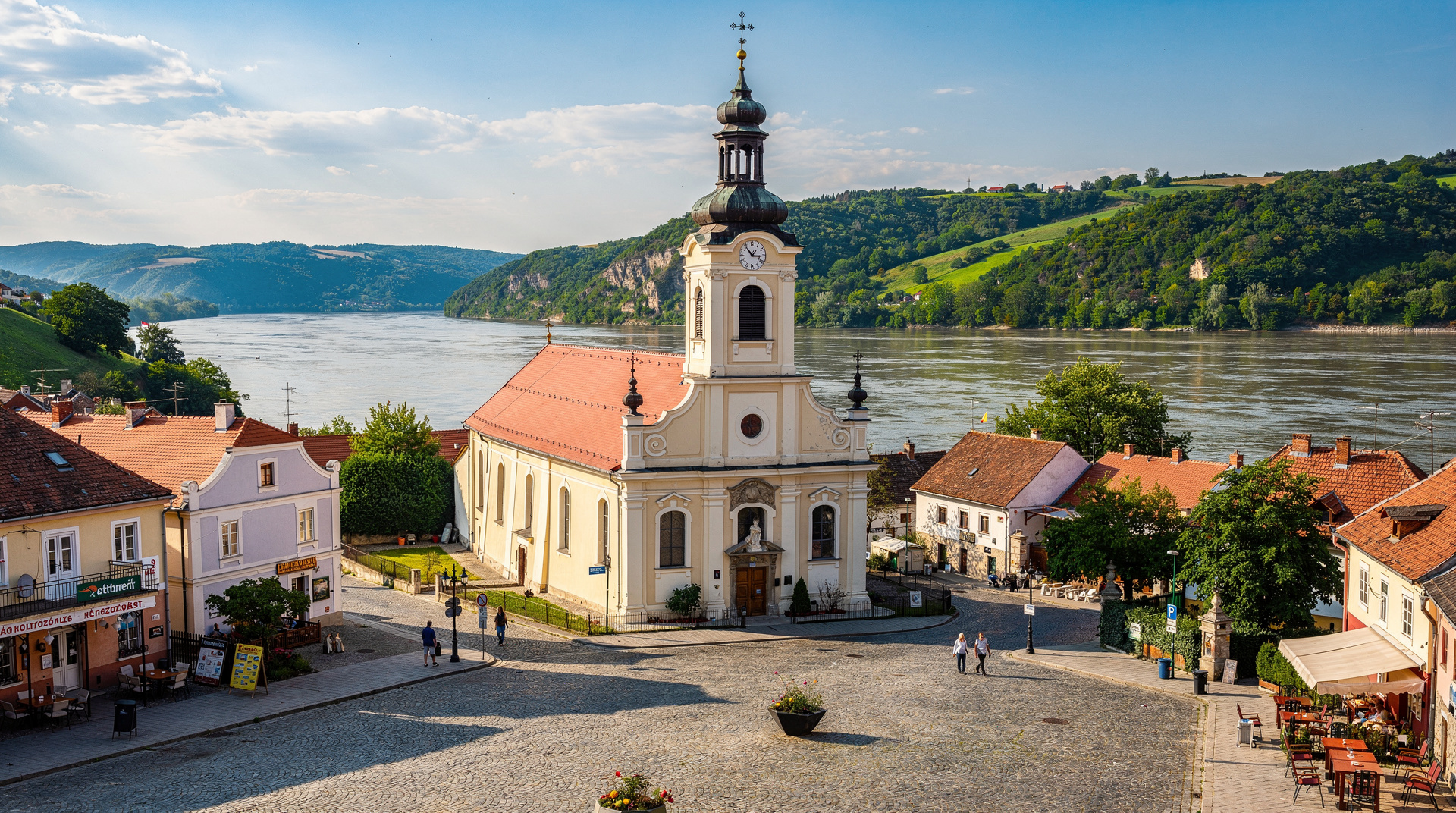
Dobó István tér, named for the castle’s heroic commander, is one of Hungary’s most handsome squares — Baroque church, Baroque town hall, outdoor café terraces in summer. The surrounding streets have excellent traditional restaurants.
Palánk (Fazola Henrik utca) is the best-regarded traditional Hungarian restaurant in Eger — hearty portions, good Bikavér list. Macok Bistro is more modern, with creative takes on Hungarian ingredients. Expect 3 000–6 000 HUF for a main course.
Eger is also excellent for lángos, chimney cake (kürtőskalács) and market-stall snacks near the castle entrance.
Planning your day trip
A practical Eger day trip from Budapest, arriving at 9–10 am and departing at 6–7 pm, allows:
- Morning: Eger Castle, underground catacombs, views over the city
- Lunch: Dobó tér restaurants or market stalls
- Early afternoon: Old town walk (Minaret, Lyceum, Baroque churches)
- Late afternoon: Valley of Beautiful Women — 2–3 hours of cellar hopping
- Evening train: Back to Budapest Keleti by 8–9 pm
If combining with Egerszalók thermal baths, add 1–1.5 hours and consider arriving by car or taking a taxi between the two (1 500–2 000 HUF).
The best day trips from Budapest page compares Eger with Tokaj, the Danube Bend and other options. For Budapest-based wine context, wine tastings in Budapest and the Hungarian wine guide provide the background.
How to taste in the cellars without wasting the day
The cellar-hopping format works best if you treat it like a slow walk rather than a checklist. Start with a lighter white or a rosé at the first cellar, move on to a Bikavér once your palate is warmed up, and keep the heaviest reds and any pálinka for the end. Ask the cellar keeper what they would pour next; in a valley where every producer has strong opinions about their own barrels, that question usually gets a better answer than any menu.
Eat as you go. The bread and lard that often arrives with a glass is not decoration — it keeps a long afternoon enjoyable. If a cellar has no food, a stop at a market stall or a lángos before you head up the valley makes a real difference. Our guides to where to eat lángos and chimney cake are useful for deciding what to snack on, and the traditional Hungarian dishes guide explains what the red meat dishes on a Bikavér menu actually are.
Pace yourself on the way back, too. The walk or short taxi ride down to town is easy, but the valley is the kind of place where a second glass becomes a fourth. Decide in advance which train you are taking, set a reminder, and leave a buffer. The Budapest metro guide helps with the last leg from Keleti once you are back in the capital.
Buying bottles and bringing wine home
Part of the pleasure of the valley is that you can taste a wine, like it and buy it on the spot. Cellars tend to be happy to let you try before you commit, and many sell directly from the barrel or from a shelf behind the bench. Choose one or two bottles you genuinely enjoyed rather than buying across the board, and ask the cellar keeper how long a wine is meant to rest before opening — a Bikavér Superior often rewards patience.
Think about luggage before you buy. Bottles are heavy and fragile, so a padded bag or a sturdy carrier is worth bringing, especially if you are returning by train with a day of sightseeing already behind you. For a wider look at what to buy and what to skip, the Hungarian wine guide gives the national picture, while the Tokaj wine day trip page is the natural companion if you want to compare a second region.
If you prefer a guided or classroom approach
Not everyone wants to wander into cellars alone. If you like having someone explain what is in the glass, a guided tasting is a good fit, and Budapest has a few options for the days when you cannot reach Eger. A beginner-friendly wine class in Budapest is a calm way to learn the basics of Hungarian grapes before you go, and a tasting of several Hungarian wines served with tapas gives you a feel for the range without leaving the city. Neither replaces the cellar doorway in Eger, but both make the trip more meaningful when you do go. For more choices, see wine tastings in Budapest and the roundup of best food tours in Budapest.
When to go and what to pair with the trip
Eger is a year-round destination, but the experience changes with the seasons. Summer brings terraces and crowds; early autumn is the time many people love for its slower pace and the feeling that the wine year is at work around you. If you are planning around the harvest season, read our Budapest in autumn guide and the blog’s autumn in Tokaj piece for a sense of the mood in Hungary’s wine regions.
If your wider trip is thermal-bath focused, Eger fits neatly alongside what you do in the capital. The best thermal baths in Budapest guide helps you decide how to split bathing and wine between city days and the day out. History fans will also appreciate the background in the Hungarian history primer, which makes the 1552 siege and the castle visit easier to place in context. And if you are still shaping the trip as a whole, the Budapest 5-day itinerary shows where a day in Eger can sit without squeezing the rest.
Who Eger suits best
Eger suits curious, relaxed travellers who enjoy a slow day with good company and a glass in hand. It is less suited to anyone who wants a polished, scheduled winery tour with set times and formal tastings; for that style, Tokaj is the better match. Couples, small groups of friends and solo travellers all do well here because the cellar benches encourage conversation with strangers. Families with children can still enjoy the castle and the old town, while the cellars are naturally an adult part of the day.
Whichever way you travel, the best advice is to keep the plan loose. Eger rewards people who arrive with a rough shape for the day and then let the town, the castle and the valley set the rhythm. Return to Budapest tired and satisfied, with a bottle or two in your bag and a clear idea of why the Bull’s Blood legend has lasted for so long.
Eger vs Tokaj: which wine day trip to choose
| Eger | Tokaj | |
|---|---|---|
| Distance from Budapest | 130km, ~1.5–2hrs | ~230km, ~2.5–3hrs |
| Wine style | Bold reds (Bikavér), some whites | Sweet whites (Aszú), dry furmint |
| Atmosphere | Casual cellar-door tastings | More structured winery visits |
| Best paired with | Castle, thermal baths at Egerszalók | Historic town, riverside scenery |
If you’re deciding between the two, the Tokaj wine region guide covers the sweet-wine alternative in full, and both compare against pálinka tasting back in Budapest via the pálinka guide. For the practical logistics of the town itself beyond wine — the castle, old town, and Egerszalók — see the dedicated Eger day trip guide and the Eger destination page. Travellers building a longer regional trip should also look at the week of Budapest and day trips itinerary, which has room for both Eger and a second day trip.
Frequently asked questions about Eger and Egri Bikavér
Why is Egri Bikavér called Bull's Blood?
The name comes from a 1552 legend. When Ottoman soldiers besieging Eger Castle saw the defenders drinking a deep red liquid (wine), they reportedly believed they were drinking bull's blood for strength. The story is almost certainly apocryphal, but it stuck. The wine's dark colour comes from the skin-contact maceration of red grape varieties including kékfrankos, kadarka and zweigelt.How do you get from Budapest to Eger by public transport?
Direct trains from Keleti station run approximately every 2 hours; journey time is 1.5–2 hours. A return InterCity ticket costs around 4 000–6 000 HUF. Eger station is a 15-minute walk from the castle and wine valley. Alternatively, guided day tours include return transport and wine tasting.What else is there to do in Eger besides wine?
Eger Castle (Egri Vár) has a good museum and underground catacombs. The beautifully preserved Baroque old town around Dobó István tér is among the finest in Hungary. The Minaret — Hungary's northernmost Ottoman monument — is climbable. And Egerszalók, 10 km from town, has a remarkable natural calcium carbonate waterfall and thermal bath complex.Is Eger wine better tasted on a day trip or in Budapest?
On a day trip. The Valley of Beautiful Women experience — sitting in a cellar doorway, tasting straight from the barrel, watching locals and visitors mingle — is something Budapest wine bars cannot replicate. If budget or time is the issue, the Budapest wine bars (DiVino, Doblo) stock good Eger reds. But the real experience is in Eger.Should I choose Eger or Tokaj for a wine day trip from Budapest?
Choose Eger for bold reds, a casual cellar-door atmosphere and the shortest travel time. Choose Tokaj for sweet Aszú whites, a more structured winery-visit format and a longer, more immersive day. Neither is objectively better — they represent genuinely different wine styles and trip paces, and both pair well with historical old towns.
Top experiences
Bookable activities with verified prices and instant confirmation on GetYourGuide.