Pálinka guide: Hungary's fruit brandy explained
What is pálinka and how should I drink it?
Pálinka is a traditional Hungarian fruit brandy, 40–52% ABV, distilled from fermented fruit — most commonly plums (szilvapálinka), apricots (barackpálinka), pears, cherries or quince. It is sipped neat at room temperature, in small glasses, before or after a meal. Quality pálinka smells intensely of its fruit; poor pálinka smells like acetone. Never add ice or mix it.
Hungary’s national drink: more than a tourist novelty
Pálinka occupies a unique place in Hungarian culture. It is drunk at celebrations and funerals, offered to guests as a greeting, produced on family farms across the country, and regarded with the kind of serious pride that the French bring to Cognac or the Scots to whisky. Understanding pálinka means understanding something genuine about Hungary.
It is also, frankly, an acquired taste. At 40–52% ABV and served at room temperature in a small glass, it is not a casual drink. But quality pálinka from a serious producer — a plum from the Szatmár region, an apricot from Kecskemét, a quince from the Tisza valley — is genuinely remarkable: a pure, intense distillation of fruit that leaves a clean warmth rather than a burning rawness.
| What | Traditional Hungarian fruit brandy, 40–52% ABV |
| Where to taste | Pálinka Museum, Great Market Hall, restaurants |
| Cost | 3,000–20,000 HUF per 0.5L depending on quality |
| How served | Neat, room temperature, small tulip glass |
| Best beginner variety | Barackpálinka (apricot) |
The legal definition and what it means
Under EU regulations (Regulation 110/2008), true pálinka can only be produced in Hungary (and in Romania from the Transylvanian region). It must be:
- Made exclusively from fruit grown in the Carpathian Basin
- Distilled to no higher than 86% ABV, then diluted to minimum 37.5% ABV
- Free of added colourings, artificial flavours or neutral grain spirit
- A product of the whole fruit — including skin and pulp — not just juice
This is important because it means you cannot make “pálinka” from apple juice concentrate imported from Poland. The entire production chain — growing, fermenting, distilling — must happen in Hungary. This distinguishes it from generic fruit spirits sold across Central Europe.
The Protected Designation of Origin (PDO) system also recognises several regional pálinka styles: Szatmár szilvapálinka (from the northeastern Szatmár region, using a specific plum variety), Kecskeméti barackpálinka (apricot from the sandy soils of the Great Plain), Göcseji almapálinka (apple from the Göcsej hills in western Hungary).
The main varieties
Szilvapálinka (plum) is the most traditional and widely produced. Hungarian orchards contain dozens of plum varieties, but the best pálinka comes from the Besztercei szilva (a small blue-black plum with high sugar content) grown in the Szatmár region near the Romanian border. Szatmár szilvapálinka PDO is Hungary’s most prestigious pálinka designation. The flavour is dry, earthy, deeply fruity — more in the style of a dry Slivovitz than a sweet plum liqueur.
Barackpálinka (apricot) is the most internationally accessible variety and the one most often encountered in tourist contexts. Apricots from the sandy Great Plain (Kecskemét region) are intensely perfumed; the pálinka made from them has a vivid, recognisable apricot aroma. Kecskeméti barackpálinka is the PDO designation. This is the easiest starting point for newcomers.
Vilmoskörte (William’s pear) is fragrant and delicate — less rustic than plum, more approachable than quince. Good pear pálinka has a distinct Williams pear aroma (similar to Poire Williams from Alsace) without the sweetness.
Meggypálinka (sour cherry) is produced primarily in the Pálya and Eger regions. Sour cherry pálinka is one of the more complex varieties — tart, deep, with a bitter almond edge from the cherry pits.
Birsalmapálinka (quince) is a relative newcomer to fashionable circles but increasingly serious. Quince pálinka is aromatic, slightly waxy and very Hungarian in character — quince paste is a traditional Hungarian preserve, and the pálinka shares something of that concentrated, sunny quality.
How pálinka is made
The production process is distinctly hands-on. Ripe fruit (slightly overripe for maximum sugar) is mashed or crushed with the skins and fermented in open vats for 5–15 days, depending on sugar content and temperature. The fermented mash is then distilled twice in copper pot stills — the first distillation produces a rough spirit (alszesz) of around 30–35% ABV; the second refines this to 60–86% ABV. The distillate is then diluted with pure water to drinking strength.
Ageing is optional but increasingly common for premium pálinka. Short periods in small oak barrels (2–6 months) round the spirit and add complexity; longer ageing is unusual because fruit pálinka’s virtue is its fresh, aromatic character, which oak can mask.
Home distilling (házi pálinka) was legalised in Hungary in 2010, which means that across the country there are thousands of family stills producing pálinka from their own orchards. The legal allowance is 50 litres per household per year. This has made gifting home pálinka a normal part of Hungarian hospitality — and a great honour, since the maker is sharing something genuinely personal.
Where to taste pálinka in Budapest
The Pálinka Museum (Múzeum utca 1, District VIII) is the most comprehensive introduction. The museum covers the history of distilling in Hungary, the production process, regional varieties and the cultural role of pálinka. The museum experience with tasting includes a guided visit plus a flight of 3–5 pálinka varieties.
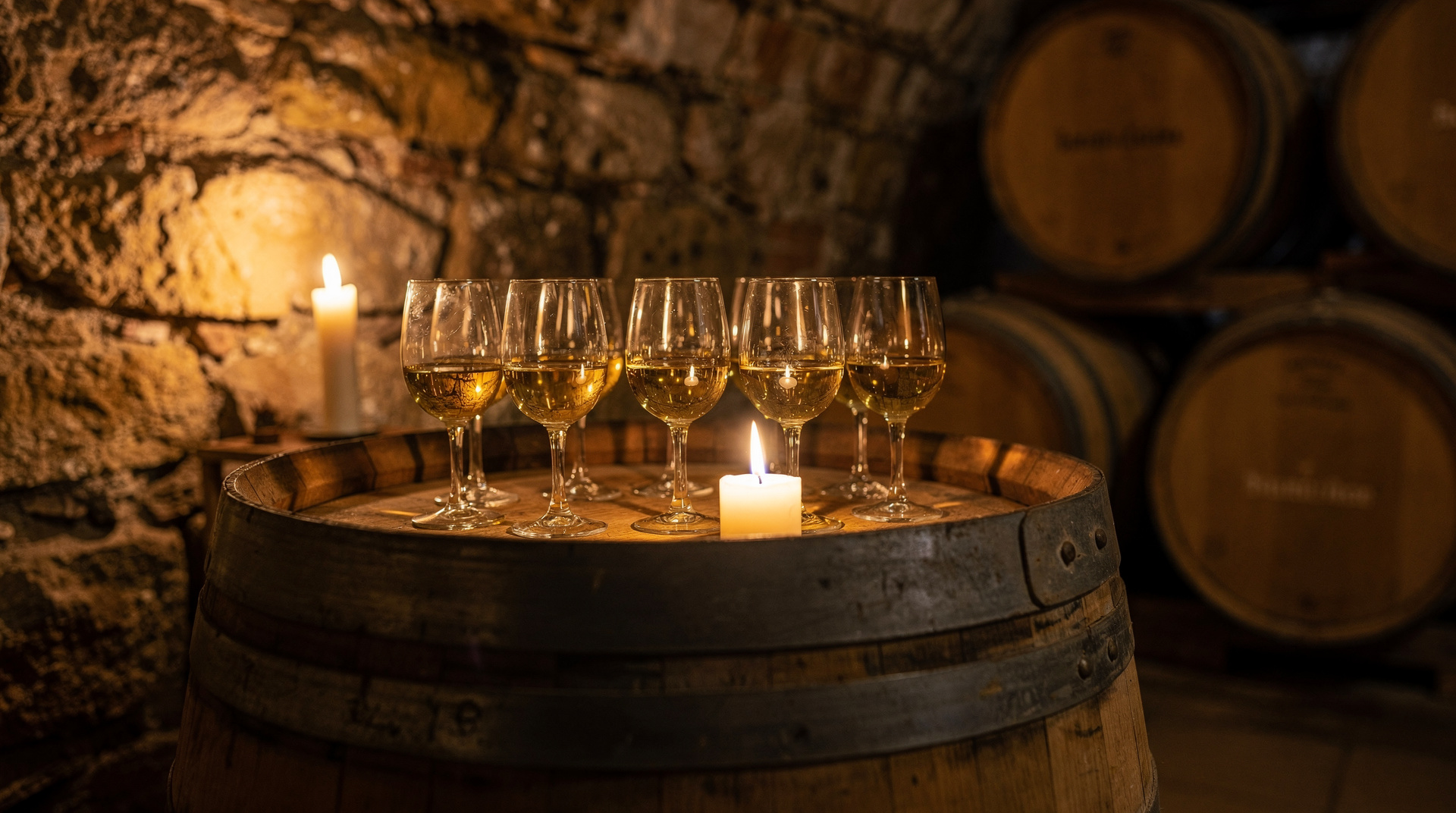
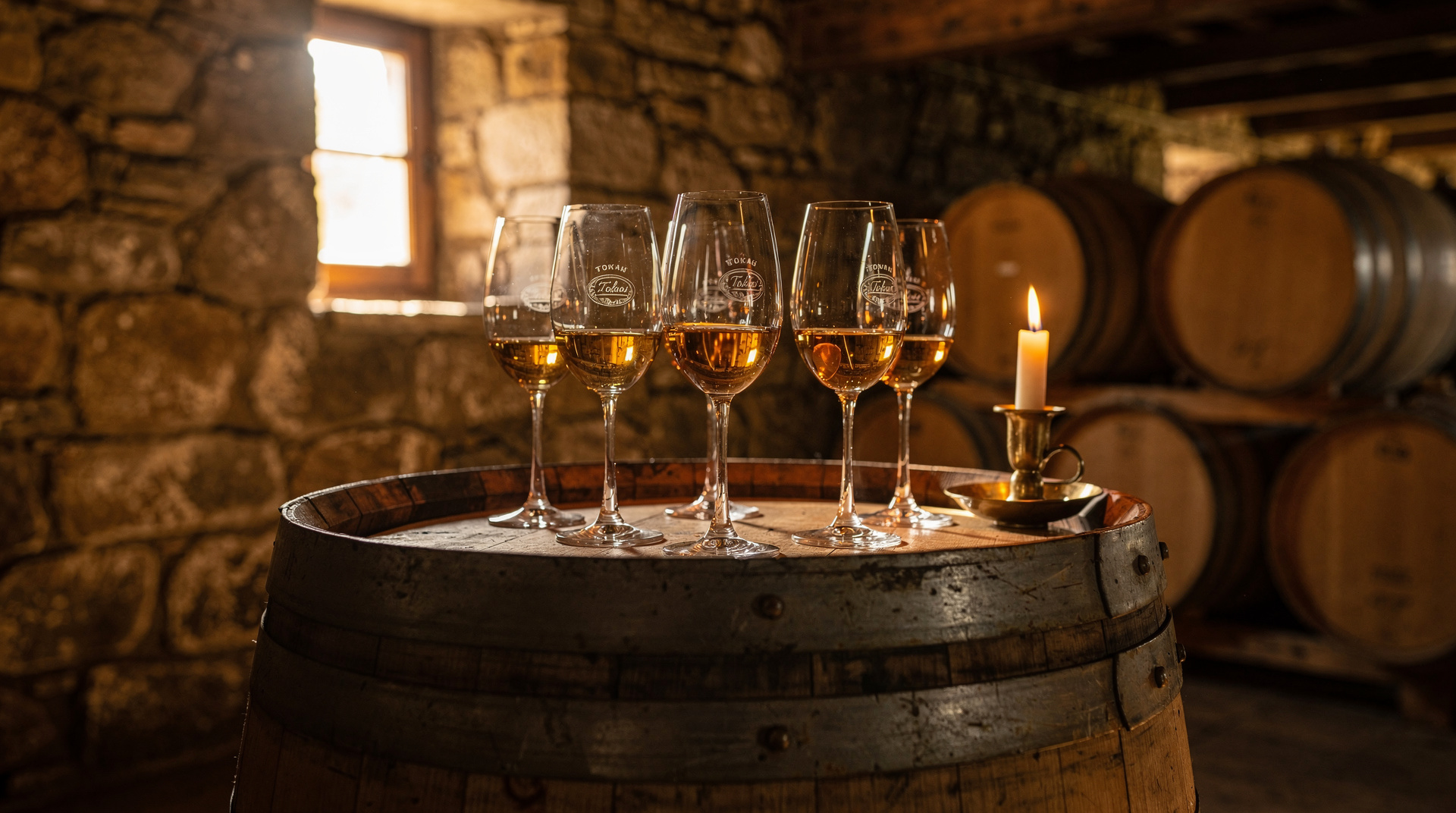
A dedicated Hungarian pálinka tasting led by an English-speaking guide is available through GYG — the most structured way to compare varieties and understand what distinguishes quality from mediocrity.
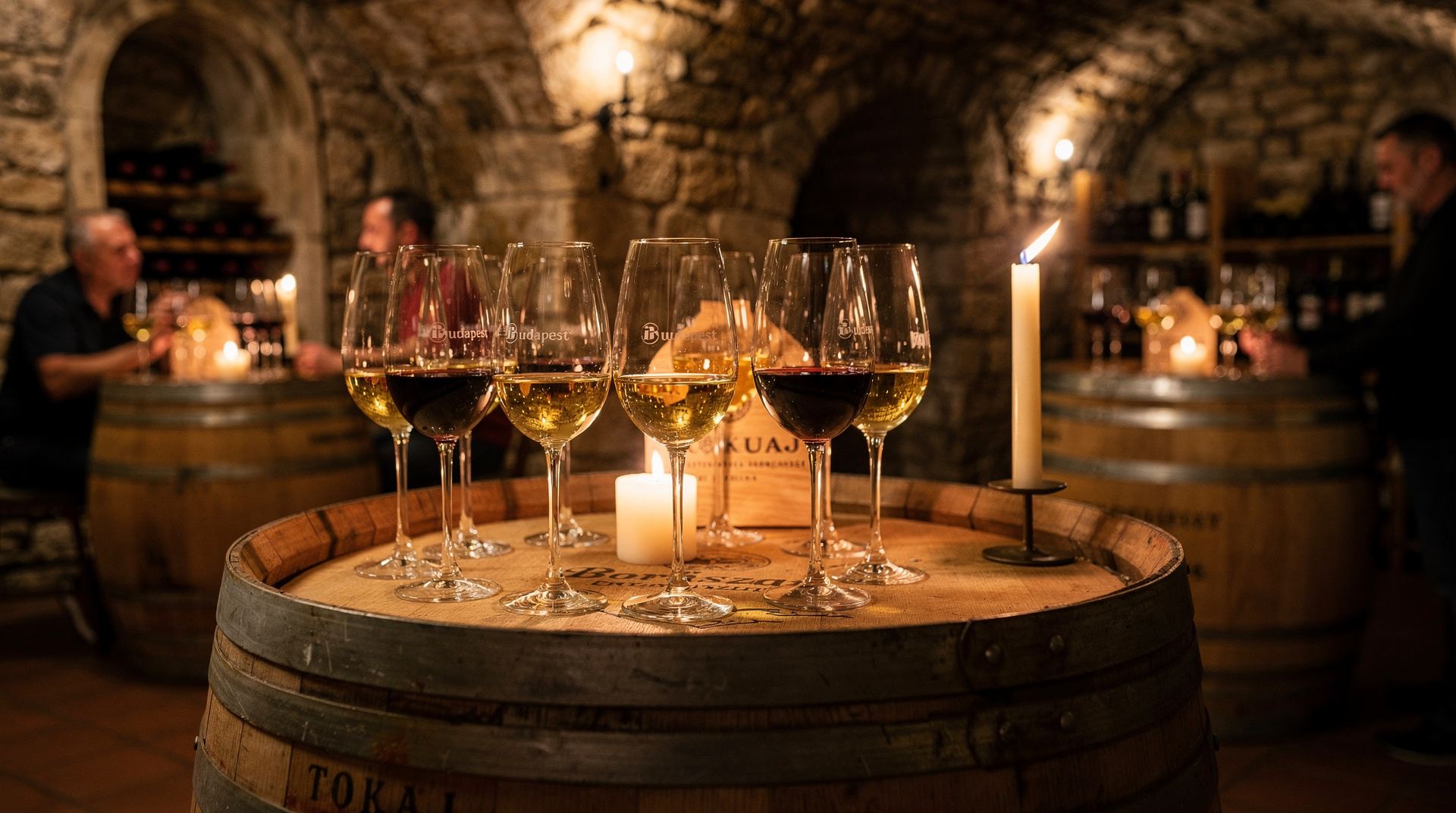
For a combined approach, the Taste Hungary wine and pálinka experience pairs Hungarian wines with a pálinka flight, giving you both sides of Hungary’s drinks culture in one session.
Hungarian restaurants throughout Budapest almost always have a pálinka selection — look for “házi pálinka” on the menu, which indicates home-produced or artisan pálinka. The server can usually tell you which fruit and region it comes from.
The Great Market Hall (Fővám tér) has multiple vendors selling pálinka, but quality varies dramatically. The decorated tourist bottles are rarely the best — ask to smell before buying, and favour recognisable producer names (Zwack, Agárdi, Panyolai, Árpád) or region-specific PDO products.
Buying pálinka as a souvenir
Pálinka makes an excellent souvenir — compact, legally exportable (EU rules: no personal limit; non-EU: check your customs allowance), and genuinely representative of Hungarian culture.
Where to buy:
- Bortársaság (Wine Society shops) carries a curated selection of artisan pálinka alongside wines
- Spar and Tesco supermarkets stock commercial brands at fair prices — Panyolai, Agárdi and Árpád are all reliable
- The Pálinka Museum shop has a wider artisan selection than most retail outlets
- Specialty spirits shops in Districts V and VI have the deepest artisan selection
Price guide: commercial brands (Zwack, Árpád) 3 000–6 000 HUF per 0.5L; artisan producers 5 000–15 000 HUF; aged or PDO products 8 000–20 000 HUF.
Pálinka etiquette
A few genuine rules:
- Serve at room temperature, never chilled or iced
- Use a tulip-shaped glass (or a small shot glass — the round-bottomed tulip is ideal for nosing)
- Nose it before drinking — this is where the pleasure lives
- Sip, don’t shoot (despite what you see in some bars catering to stag parties)
- “Egészségedre!” is the toast — pronounced approximately “egg-ay-sheg-ed-reh”
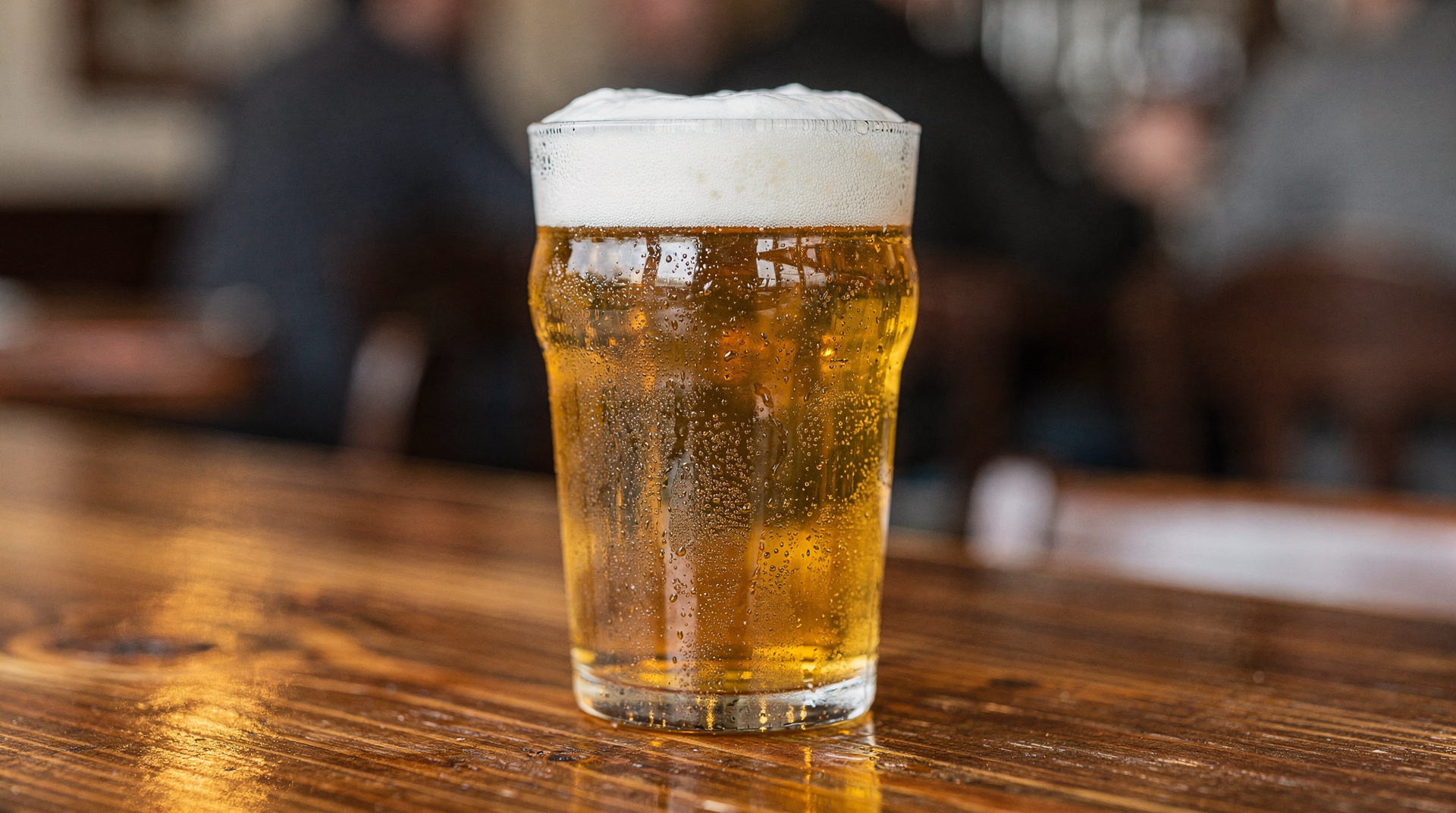
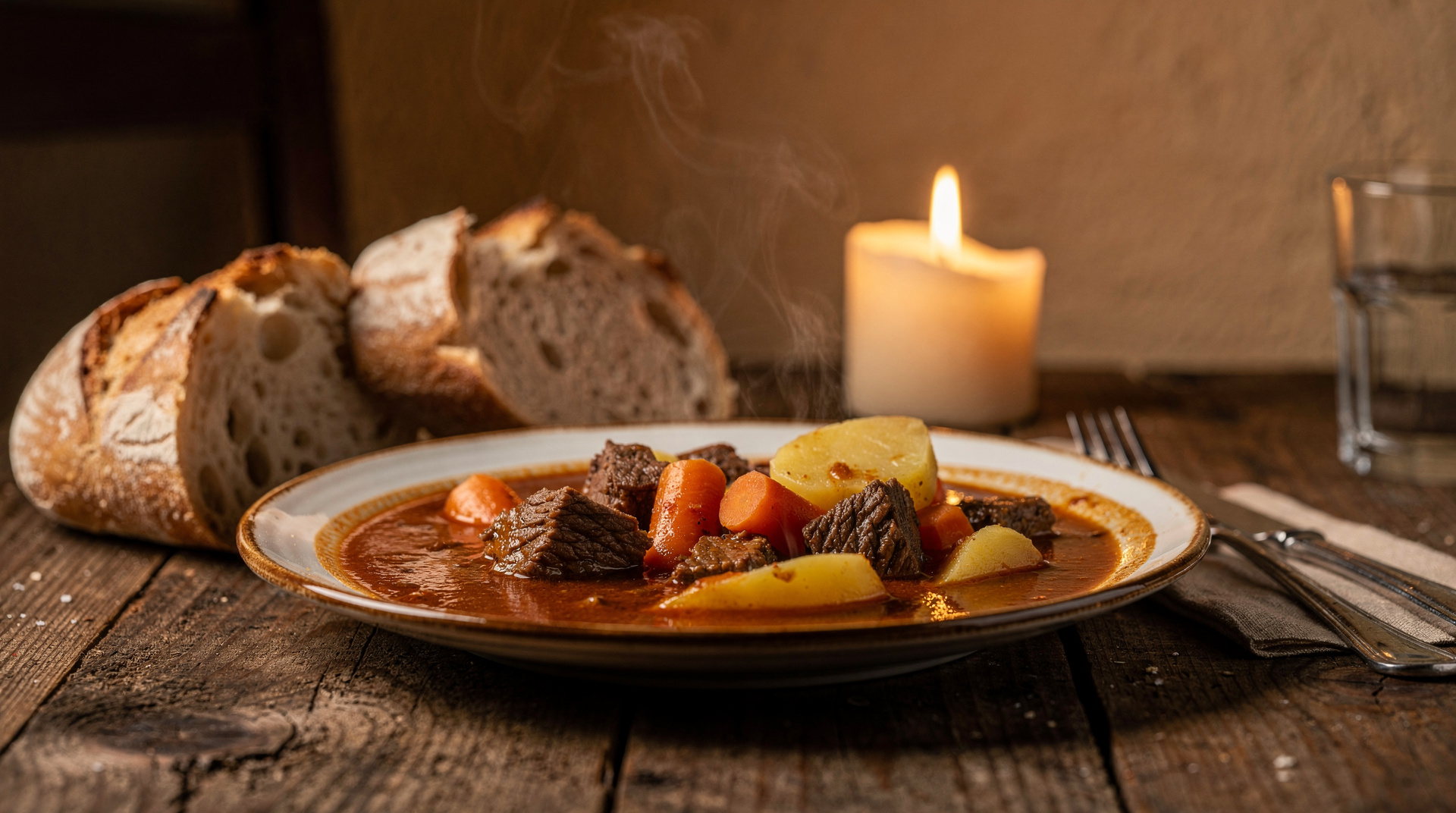
For broader context on Hungarian drinks culture, the Hungarian wine guide explains the wine landscape that coexists with pálinka. The craft beer scene in Budapest is a useful companion for visitors who want the full picture. The traditional Hungarian dishes guide explains the food context that makes pálinka make sense — the rich stews and roasted meats that a shot of good plum brandy was made to follow.
The Great Market Hall is the most convenient place to buy both pálinka and Hungarian food products to take home.
Pálinka at the table: when Hungarians actually drink it
Visitors often assume pálinka is a late-night shot. In practice it is most at home around food. Many Hungarians take a small glass before a meal as an aperitif, and others prefer one afterwards to settle a heavy dinner. Either way, it arrives in a modest glass and is meant to be taken slowly, in conversation. If you are working through the dishes in our guide to street food in Budapest, a small pálinka is a good way to end an afternoon of grease and paprika, though you should keep it separate from the food rather than gulping it between bites.
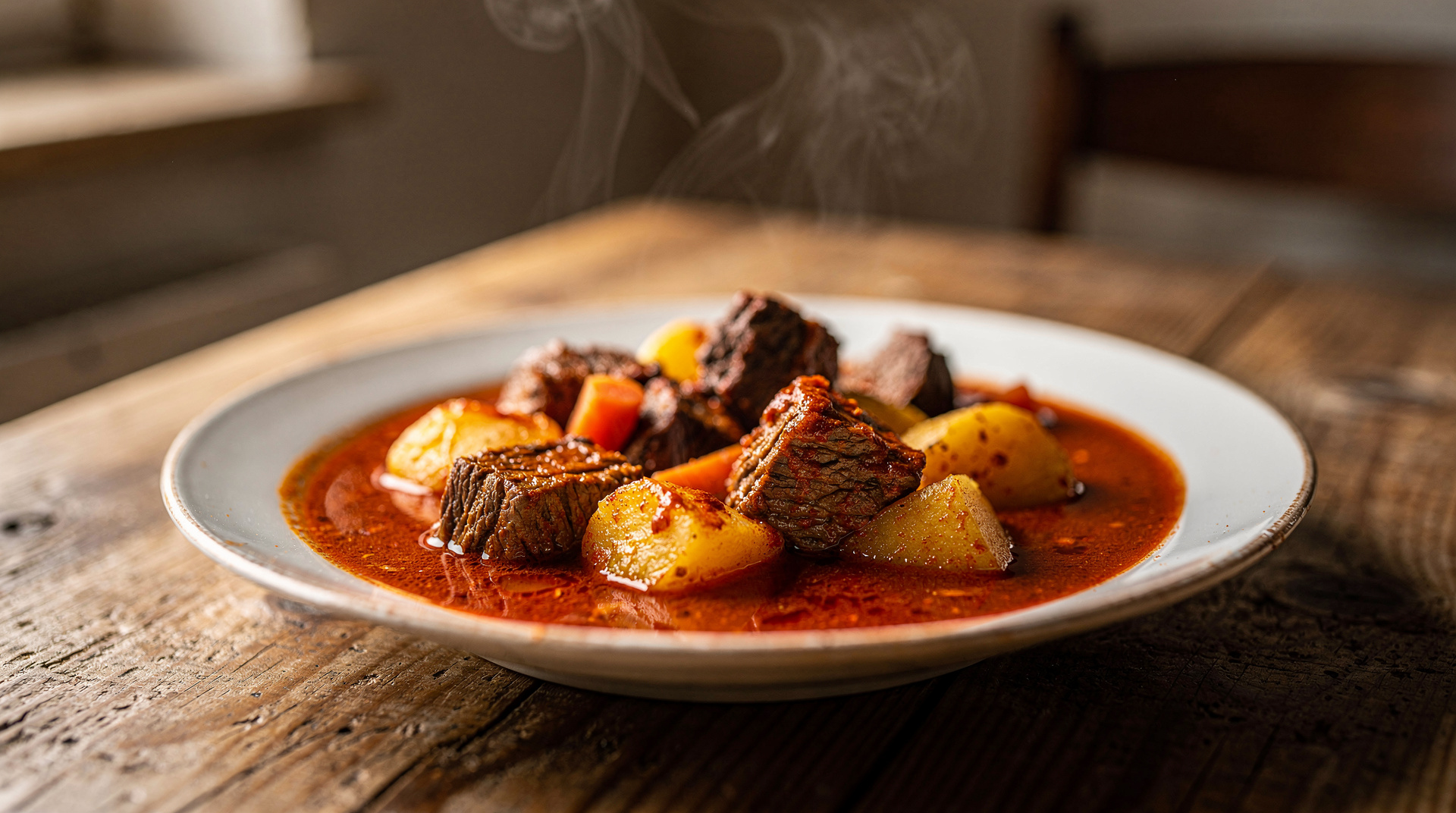
The richer the meal, the better the fit. Stews, roasted meats and anything with smoked sausage make sense next to a dry plum pálinka, while lighter fruit styles such as pear or apricot suit the end of a meal, when you want something fragrant rather than earthy. Our guide to Hungarian restaurants is a good place to find kitchens that take their drinks list seriously, and the guide to Michelin-listed dining is worth a look if you want to see how serious restaurants treat Hungarian spirits.
Pairing pálinka with wine, beer and coffee
Pálinka rarely travels alone through a Hungarian evening. A typical session might begin with a glass of wine, move to pálinka at the end of the main course and finish with coffee. If you are curious about the wine side of that arc, the guide to Tokaj wine and the guide to Eger and Bull’s Blood explain the two regions most visitors hear about, and both are also places where good pálinka is made and poured. Our guide to Budapest’s coffee houses covers the grand cafés where a small glass alongside a coffee is perfectly normal.
If you would rather learn the wine basics before committing to spirits, a relaxed class on the essentials of Hungarian wine is a gentler entry point, and it pairs naturally with a pálinka session on another evening.
Planning a tasting around the rest of your trip
Pálinka tastings fit easily into a city itinerary because they take little time and sit well in the late afternoon or early evening. A visit to the museum works as a break between heavier sightseeing, and a tasting in the evening is a sensible way to close a day of walking. If you are building a longer plan, the three-day first-timer itinerary and the guide to the best food tours both leave space for a drinks stop, and the city’s nightlife guide shows where a quiet glass fits before the louder part of the night begins.
Because pálinka is strong, pace yourself. A flight of several varieties adds up quickly, and tasting is more enjoyable on a full stomach. Drink water between glasses, and do not plan anything demanding straight afterwards. For the wider picture of how to get around safely after a tasting, our guides to getting around Budapest and to taxis and Bolt explain how to get home without falling for the street-taxi traps.
Choosing between tasting formats
Each way of tasting pálinka suits a different traveller. The museum visit is best if you like context: you see how the spirit is made and then taste it with that background in mind. A dedicated guided tasting is the better choice if your main interest is comparing varieties side by side with someone who can explain what you are smelling. A combined wine-and-pálinka session suits people who want a broad introduction to Hungarian drinks without spending an entire evening on spirits. For other structured options in the city, the guide to wine tastings in Budapest lays out what is on offer, and the guide to ruin bars is useful if you would rather meet pálinka in a more casual setting, though you should expect less care about serving than in a dedicated tasting room.
Whichever format you choose, remember the basics from the etiquette section: room temperature, a small tulip glass, nose first, sip slowly. Those habits matter more than the setting, and they are what separate a memorable tasting from a rough shot.
Pálinka varieties compared
| Variety | Flavour profile | Best for |
|---|---|---|
| Szilvapálinka (plum) | Dry, earthy, traditional | Serious pálinka fans |
| Barackpálinka (apricot) | Vivid, aromatic, approachable | First-time tasters |
| Vilmoskörte (pear) | Fragrant, delicate | Those who find plum too rustic |
| Meggypálinka (sour cherry) | Tart, complex, bitter-almond edge | Adventurous palates |
| Birsalmapálinka (quince) | Aromatic, slightly waxy | Fans of unusual, fashionable spirits |
Frequently asked questions about Pálinka guide
What are the most popular types of pálinka?
Szilvapálinka (plum) is the most traditional and widely produced — plum orchards cover much of eastern Hungary and Transylvania. Barackpálinka (apricot) from the Great Plain around Kecskemét is the most aromatic and tourist-friendly. Vilmoskörte (pear) and cseresznye (cherry) pálinka are also excellent. Quince (birsalmapálinka) is increasingly fashionable among serious producers.What is the difference between pálinka and fruit wine?
Pálinka is a distilled spirit (40–52% ABV), not a fermented wine. The process involves fermenting ripe fruit, then double-distilling the fermented mash (or wine) in copper pot stills. The result concentrates the fruit's aromatics dramatically. By EU law, pálinka must be 100% fruit from the Carpathian Basin and may not contain artificial additives, colourings or neutral spirit.Where can I taste pálinka in Budapest?
The Pálinka Museum (Múzeum utca) offers tastings and an exhibition on the distilling tradition. Most Hungarian restaurants serve a selection. The Great Market Hall has many vendors — quality varies enormously, so smell before buying. Serious bars like Doblo and Rézkakas include pálinka on their spirits lists. Combined wine-and-pálinka tastings on GYG are the most structured option.How do I avoid bad pálinka?
Nose it before drinking. Good pálinka smells vividly of its fruit — plums, apricots, pears — with a clean spirit base. Bad pálinka (usually cheap mass-market or home-distilled) smells harsh, acetone-like or vaguely fruity but thin. In shops, avoid anything at suspiciously low prices or in decorative tourist bottles. Pálinka Ragyogás, Zwack, Agárdi and Panyolai are reliable commercial producers.Can I bring pálinka home from Budapest?
Yes, within normal spirits allowances. Within the EU there is no fixed personal limit, though customs can question unusually large quantities. Travelling outside the EU, check your destination country's duty-free spirits allowance, typically 1 litre. Pack bottles in checked luggage, well wrapped, since airport security restricts liquids over 100ml in carry-on.
Top experiences
Bookable activities with verified prices and instant confirmation on GetYourGuide.