Shoes on the Danube Bank: Budapest's most moving memorial

What are the Shoes on the Danube Bank?
The Shoes on the Danube Bank is a memorial on the Pest bank of the Danube, consisting of 60 pairs of cast-iron shoes affixed to the embankment stones. It commemorates the approximately 3 500–8 000 Jews murdered by Arrow Cross militiamen in 1944–1945, who forced victims to remove their shoes before shooting them into the Danube. Created by sculptor Can Togay and filmmaker János Rajz in 2005.
A memorial at the water’s edge
The Shoes on the Danube Bank sits quietly on the Pest embankment, easily missed by visitors hurrying between Parliament and Chain Bridge. There are no gatekeepers, no admission charge, no formal entrance — just 60 pairs of cast-iron shoes fixed to the embankment wall at the river’s edge, with a small explanatory plaque in Hungarian, English and Hebrew.
| Where | Pest embankment, about 300m south of Parliament’s north wing |
| Cost | free, no admission |
| Time needed | 15–30 minutes |
| Getting there | metro M2 to Kossuth Lajos tér, then a short walk to the riverside |
| Best time | quieter early morning or early evening for a calmer visit |
The memorial commemorates one of the most brutal episodes of the Holocaust in Hungary: the systematic murder of Budapest Jews by Arrow Cross militiamen in the final months before the city’s liberation in February 1945. Between October 1944 and January 1945, thousands of people — estimates range widely, from 3 500 to over 8 000 — were brought to the Danube bank, ordered to remove their shoes (shoes had street value and were collected), then shot or pushed into the river.
The iron shoes — representing men, women and children — are at once utterly simple and utterly devastating. The work of sculptor Can Togay and filmmaker János Rajz, unveiled in 2005, has become one of the most visited and most affecting Holocaust memorials in the world.
The history it commemorates
To understand the memorial, a brief context on the final months of Budapest under Arrow Cross rule is essential.
Hungary’s Regent, Miklós Horthy, had maintained a degree of independence from Nazi Germany despite being a Axis partner. In March 1944, Germany occupied Hungary directly and deported 437 000 Hungarian Jews to Auschwitz in 56 days — the fastest mass deportation in Holocaust history. The deportations halted in July 1944 under international pressure, and the Budapest Jews (approximately 200 000 people) remained alive.
On 15 October 1944, with the Soviet army approaching from the east, Hungarian Nazis staged a coup with German support. The Arrow Cross (Nyilaskeresztes Párt), led by Ferenc Szálasi, took power. For the next three and a half months, until liberation on 13 February 1945, the Arrow Cross carried out a campaign of terror against the city’s remaining Jewish population.
Raoul Wallenberg, the Swedish diplomat who issued protective passports (Schutzpässe) to thousands of Hungarian Jews, was operating at maximum intensity during these months. His protected houses and the International Ghetto sheltered tens of thousands. The Great Ghetto in District VII, sealed by the Arrow Cross, held 70 000 people in desperate conditions. When the Soviet Army liberated it on 18 January 1945, approximately 7 000 bodies were found in the ghetto streets.
The Danube killings occurred primarily in the evenings, when the perpetrators believed they would be less visible. Victims were often bound together in groups of three — one would be shot, and as the body fell into the river it would pull the others in. The shoes were removed because leather had practical value in a city under siege.
Finding the memorial
The Shoes on the Danube Bank is on the Pest embankment (Duna-korzó), approximately 300 metres south of the Parliament building’s northern wing. There is no dedicated signage from Kossuth Lajos tér; approach via the riverside walkway.
From Kossuth Lajos tér (metro M2): walk toward the river, descend to the embankment promenade, and walk south (right when facing the river) for approximately 200 metres. The memorial is at the water level, marked by a small stone plaque. GPS coordinates: approximately 47.5045° N, 19.0446° E.
From the Parliament building: exit from the south wing, cross the small park, and descend to the embankment. The memorial is immediately south.
Visiting respectfully
The memorial is intimate and unstructured — there are no guards, no barriers, no gift shop. This simplicity is part of its power.
A few conventions have developed among respectful visitors:
- Flowers, candles and small stones are welcome; remove or extinguish candles before leaving
- Speak quietly; the embankment is a working riverside promenade, but the memorial area warrants calm
- Photography is appropriate; treat it as you would any memorial — with composure
- Allow 15–30 minutes for a proper visit, including reading the plaque and reflecting on the location
On International Holocaust Remembrance Day (27 January) and other significant dates, organised commemorations take place. Attending one is a meaningful way to understand how Budapest’s Jewish community continues to mark this history.
Preparing for the visit
Because the memorial has no formal entrance or staff, it’s easy to arrive unprepared and walk past without registering its significance — a small plaque and a row of shoes can look, from a distance, like an unremarkable piece of embankment. Reading a little of the history beforehand (the section above, or the plaque itself on arrival) makes a real difference to how the visit lands. If you’re building it into a longer day of Jewish heritage sites, sequencing it with the Dohány Street Synagogue and the wider Jewish Quarter gives a fuller, more coherent picture than visiting the memorial in isolation between other sightseeing.
Jewish Quarter and Dohány Street Synagogue guided tourWhy the shoes work as a memorial
Most memorials ask you to look up at something: a column, a statue, a wall of names. This one asks you to look down, at eye level with an ordinary object. The shoes are worn, scuffed and varied, and each pair seems to have been left a moment ago by someone who is about to come back for it. That ordinariness is the point. A pair of shoes says more about a person than an abstract shape could: a working man’s boots, a woman’s heeled shoes, a child’s small pair.
Because the shoes are cast in iron and fixed to the stone, they also stay. They do not move with the weather and they do not need guarding. The river keeps flowing beside them, and the contrast between the moving water and the fixed metal is what many visitors remember afterwards. If you have only a few minutes, stand still at the water’s edge and look at the river for a while before you look at the shoes. It helps you understand why this spot was chosen.
Setting the memorial in a wider walk
The memorial is short, so it fits naturally into a riverside walk. A gentle way to structure the stretch is to treat it as a quiet pause between two very different sights.
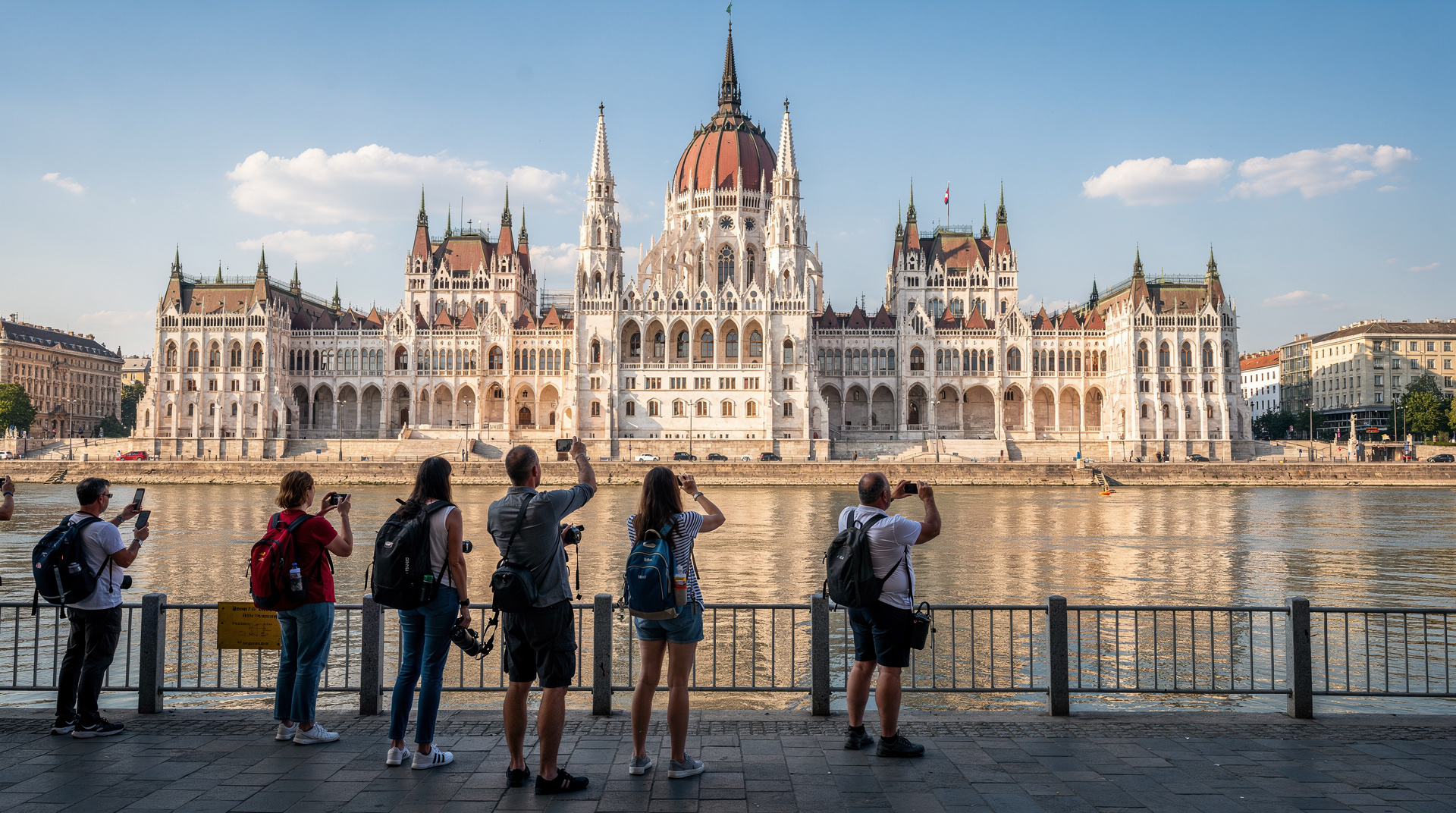
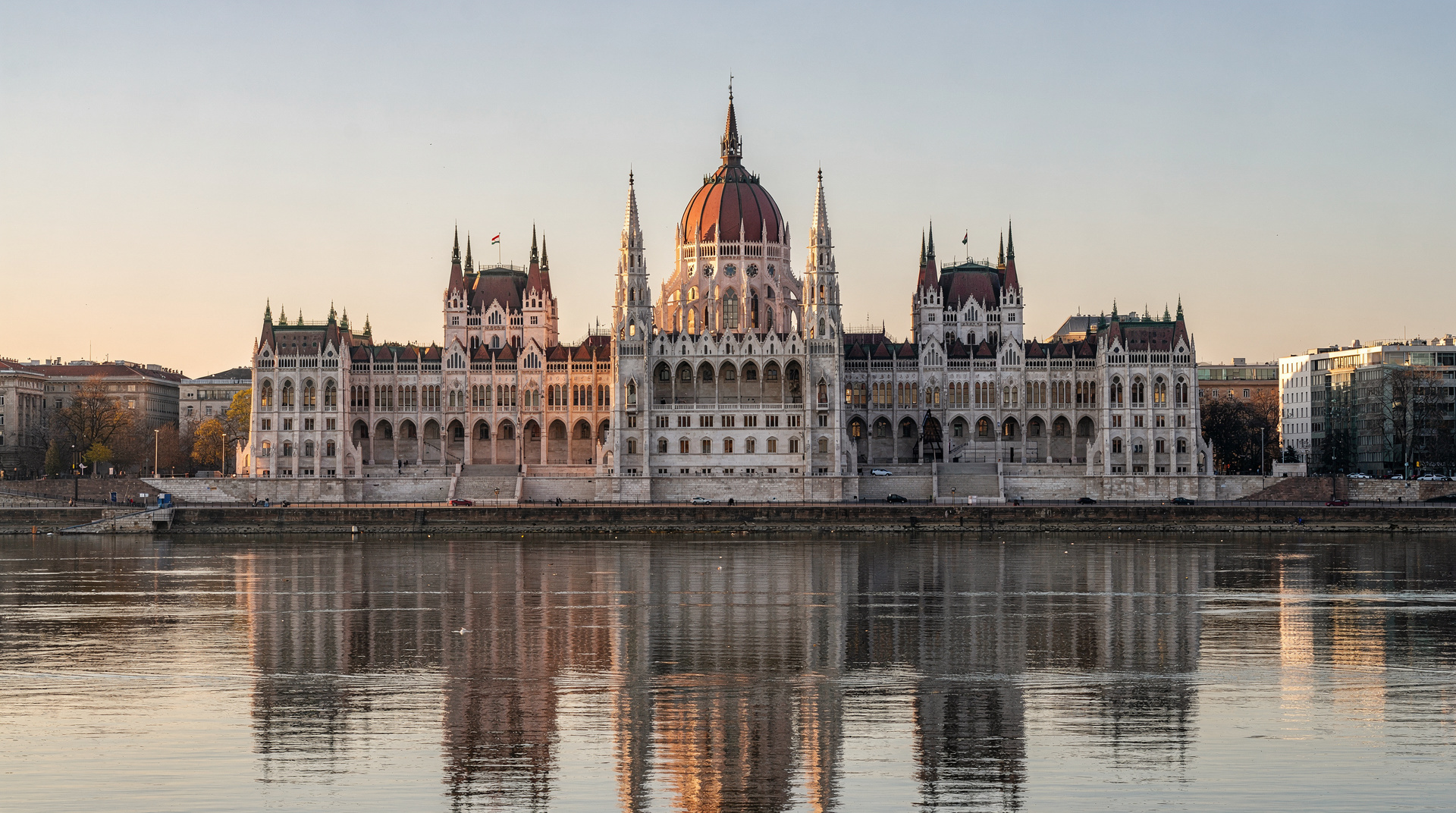
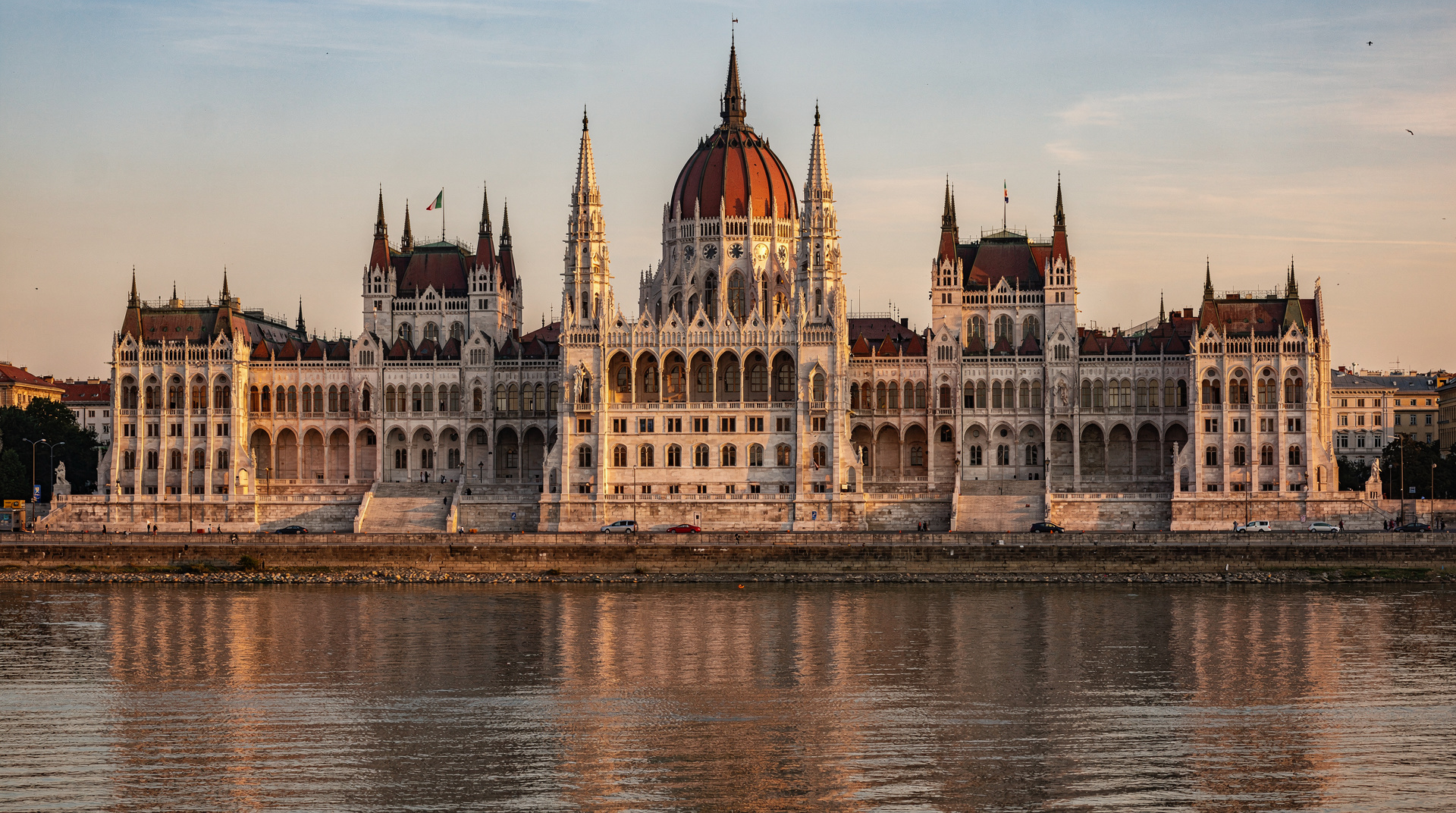
- Start at the Hungarian Parliament, one of the most photographed buildings in the city, and take in the scale of it before you walk to the water.
- Pause at the shoes, and give them the time they need without checking your watch.
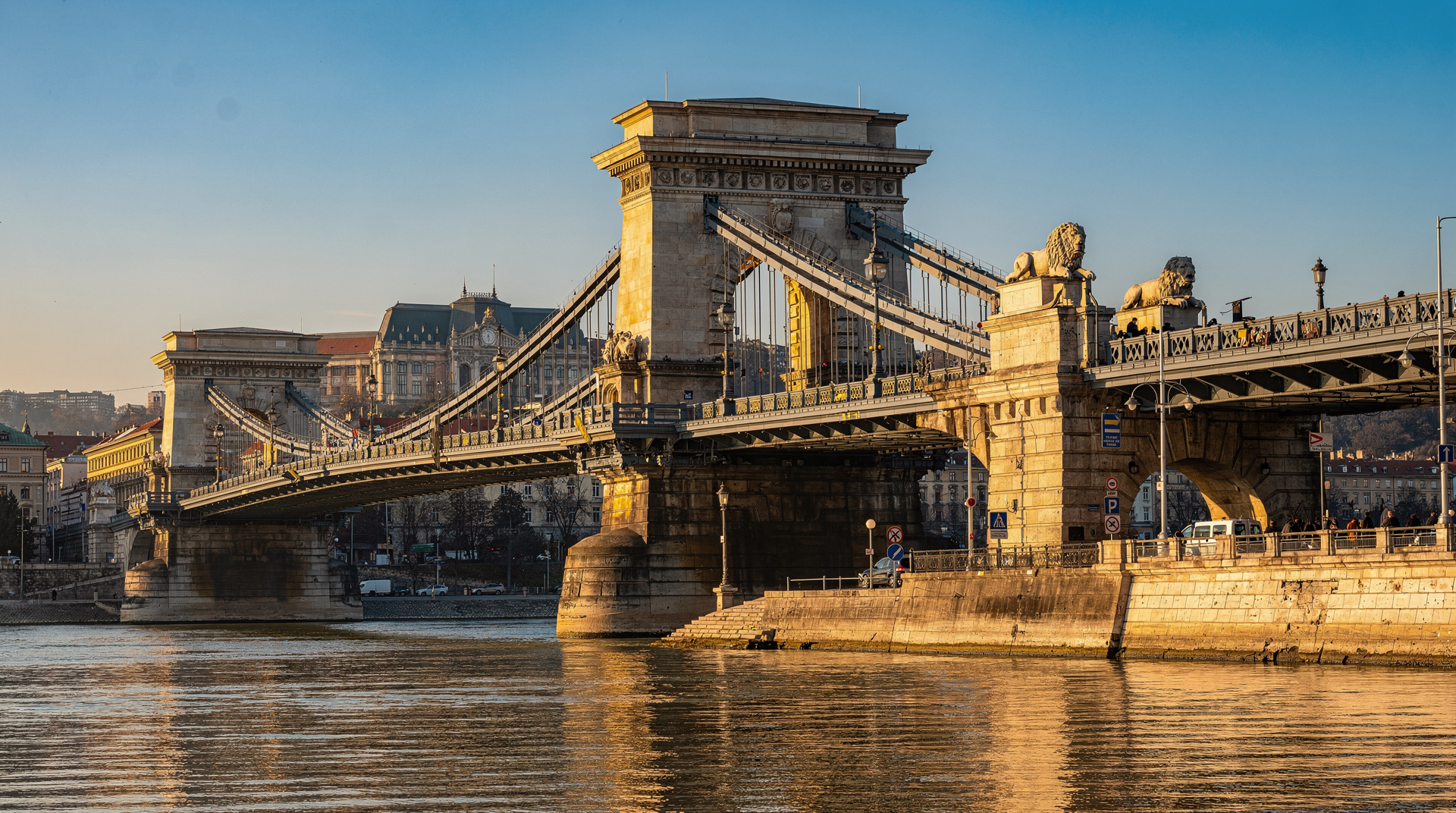
- Continue along the embankment toward the Chain Bridge, where the mood lifts again and the views across to Buda open up.
If you walk the other way, the emotional arc changes. Arriving from the bridge, you move from a lively, scenic stretch into the stillness of the memorial, and that can feel abrupt. Neither direction is wrong, but it is worth deciding in advance, so that you are not rushing from a selfie spot into a moment of reflection. Our first-time visitor guide and three-day overview both show where a stop like this fits among the bigger sights.
Choosing a time of day
Because the memorial sits on a public promenade, the atmosphere depends heavily on when you go. Early in the morning the embankment tends to be calm, and you can stand at the shoes without other visitors around you. In the evening the light on the river is softer and the mood is often reflective, though the promenade is busier with people strolling.
The season changes the experience too. In cold months the embankment is emptier and the river looks grey and heavy, which suits the subject. In warm months you will share the space with more walkers and with groups pausing for a few minutes. If you are planning around the calendar, our guides to Budapest in winter and Budapest in summer explain what each season feels like across the city, and the best time to visit page helps you choose.
Visiting with a group or a guide
Many visitors come here as part of a guided walk, and a good guide can add real depth: names, dates and human stories that a plaque cannot carry. If you prefer to go alone, you lose nothing important. The memorial speaks for itself, and some people find the quiet, unguided version more personal.
If you are travelling with others, agree beforehand how you will handle the stop. Some groups prefer to walk down together and pause in silence; others split up and meet a few minutes later. Either approach works as long as nobody feels pressure to react in a particular way. Visitors on their own may find our solo travel guide useful for planning a day that mixes lighter and heavier sights, and families can read the notes in Budapest with kids before deciding how to approach the memorial with younger travellers.
After the memorial: what to do next
Many people want a little time to themselves after the visit, and that is perfectly normal. Rather than rushing straight to the next attraction, consider a slower follow-up:
- Walk on along the embankment and let the visit settle before you decide what comes next.
- Sit in a quiet café. Budapest’s coffee houses are a good place to rest and talk over what you have seen.
- If you want to understand the period in more depth, the Hungarian history primer and the Jewish heritage guide give the wider context.
- If you would rather return to something lighter, a Danube cruise shows the same river from the water, and many travellers find the view different after visiting the shoes.
For a longer plan that links heritage sites with the rest of the city, the Budapest in three days itinerary and the first-timer highlights itinerary both leave room for a stop like this. Readers who want to get around the embankment easily can also check how getting around Budapest works before they set out.
Jewish Quarter and related sites
The Shoes on the Danube is one of several significant Holocaust memorial sites in Budapest.
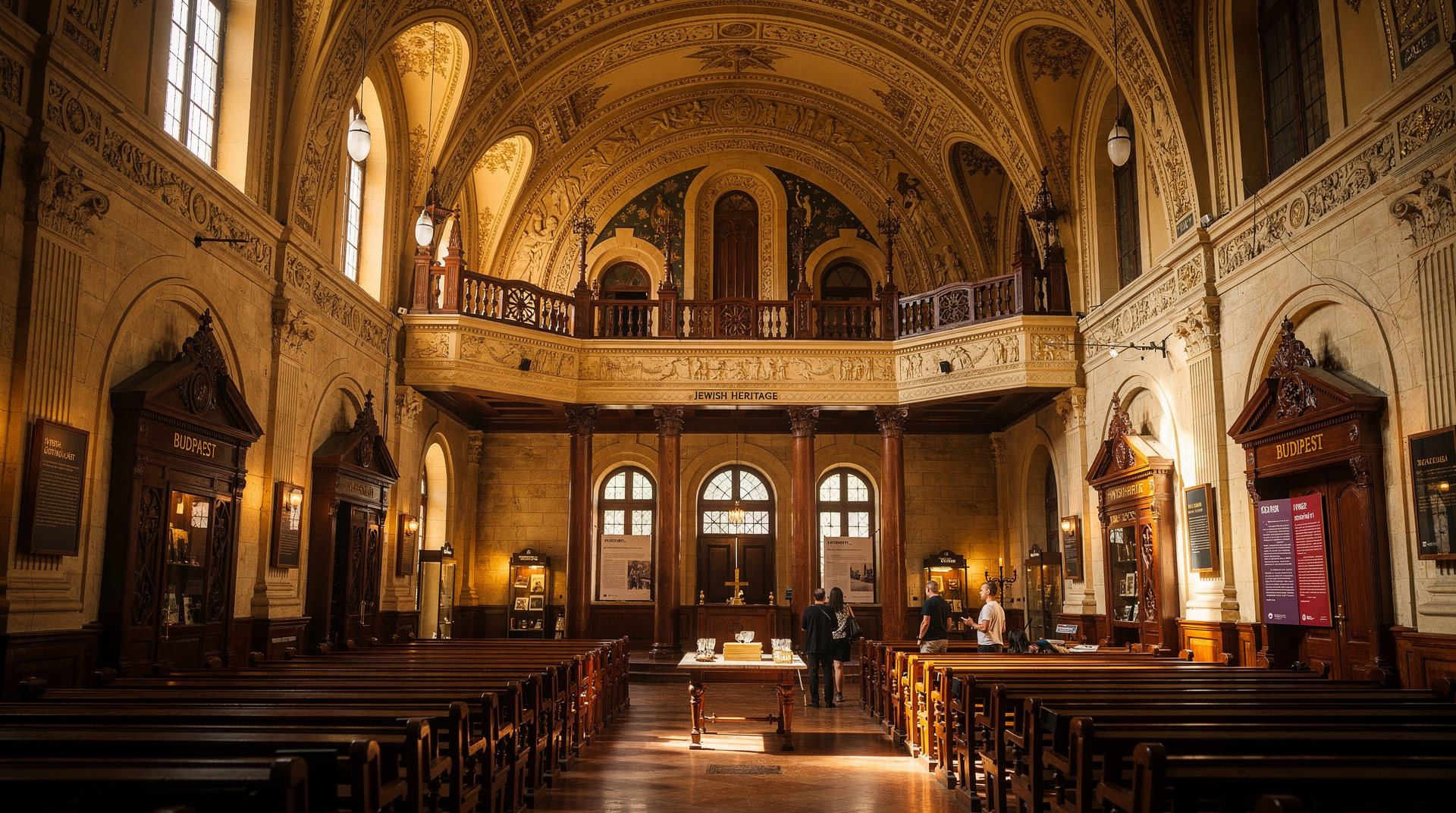
The Dohány Street Synagogue — 10 minutes east on foot — is the largest synagogue in Europe and contains the Hungarian Jewish Museum and a memorial garden where victims of the 1944–1945 period are buried.
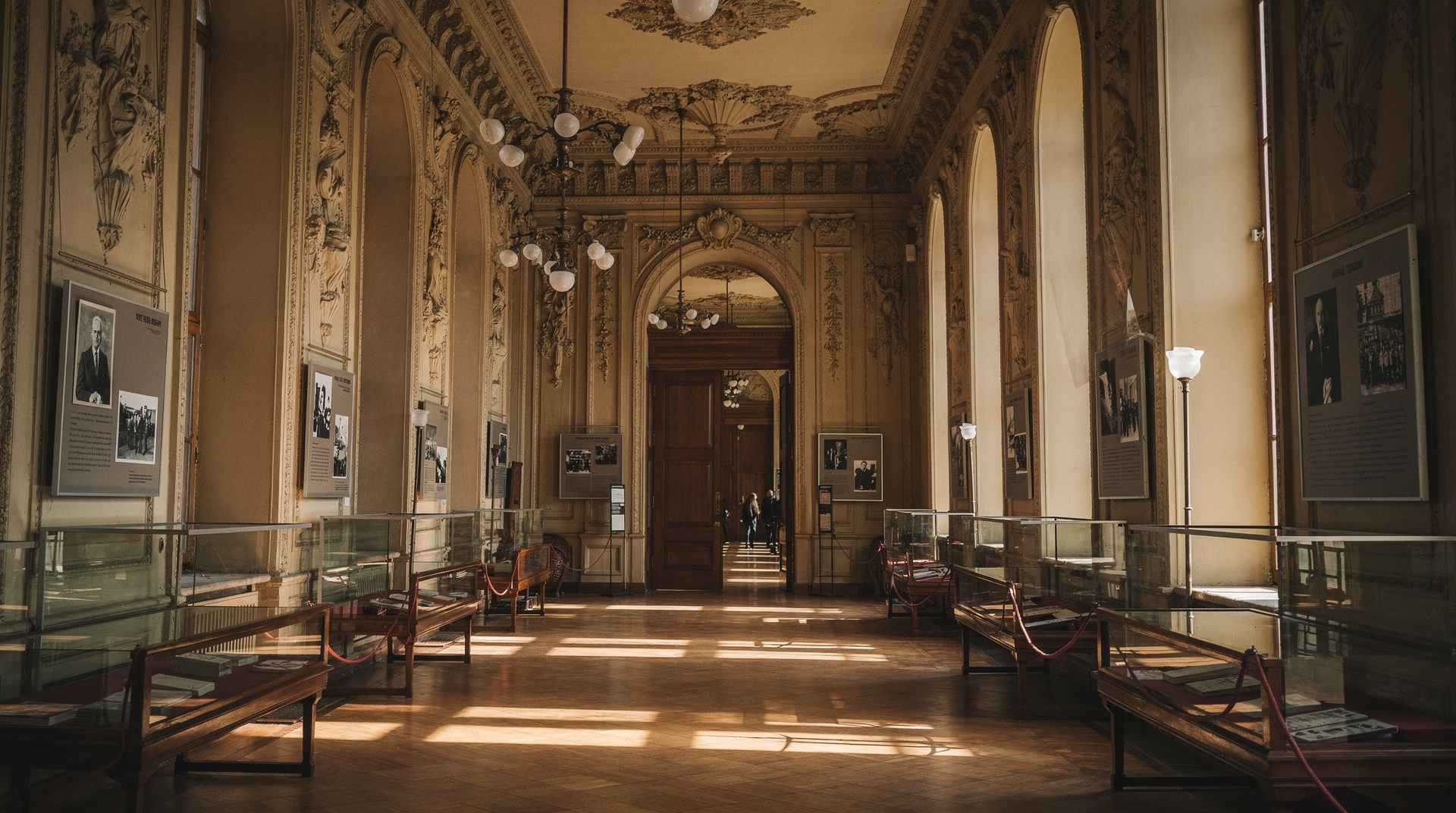
The House of Terror on Andrássy út is the former headquarters of both the Arrow Cross and the subsequent communist secret police (ÁVH) — now a museum covering both periods of 20th-century totalitarianism in Hungary.
The Jewish Quarter neighbourhood guide covers the District VII heritage trail. For context on Budapest’s broader history through the 20th century, the communist Budapest guide and the Hungarian history primer provide essential background.
A guided walking tour of central Budapest often mentions the Shoes on the Danube in the context of the riverfront walk. For visitors who want a dedicated Jewish history tour, guided Jewish heritage tours of the Quarter are available, covering the Synagogue, the ghetto, the memorial garden and the Arrow Cross history in depth.
The top attractions guide places this memorial within Budapest’s broader sightseeing framework. The Danube embankment walk between Chain Bridge and Parliament is one of Budapest’s finest riverside strolls — the Shoes on the Danube is its most important pause.
Frequently asked questions about Shoes on the Danube Bank
Where exactly is the Shoes on the Danube memorial?
The memorial is on the Pest embankment (Duna-korzó), approximately midway between Chain Bridge and Parliament, near the Kossuth Lajos tér riverside access. GPS: 47.5045° N, 19.0446° E. Access is from the riverfront walkway; look for a small plaque and the iron shoes set into the embankment wall at the river's edge. There is no dedicated signposting from the main roads.When was the Shoes on the Danube memorial created and why?
The memorial was unveiled on 16 April 2005, on the 60th anniversary of the liberation of the Budapest ghetto. It was created by filmmaker János Rajz and sculptor Can Togay, who wanted a memorial that was immediate and visceral — the empty shoes represent the people who were forced to remove them moments before death. The shoes represent different people: men's shoes, women's shoes, children's shoes.What is the Arrow Cross and what happened in 1944–1945?
The Arrow Cross (Nyilaskeresztes Párt) was Hungary's fascist party, which took power in a Nazi-backed coup on 15 October 1944 as the Soviet army approached Budapest. In the final months before liberation, Arrow Cross militiamen carried out mass killings of Budapest's Jewish population — along the Danube embankment, in the streets, and in the Great Ghetto of District VII. The killings at the Danube were particularly notorious: victims were bound in groups (so that shooting one pulled others into the water), shot, and their bodies swept away.Are there flowers or candles at the memorial?
Yes. Visitors regularly leave flowers, candles, small stones and photographs at the memorial. On significant dates — International Holocaust Remembrance Day (27 January), the anniversary of the ghetto liberation, and Yom HaShoah — larger commemorations are organised, and the memorial is surrounded with candles and flowers. The practice of leaving stones (a Jewish mourning tradition) is particularly poignant.Is the memorial suitable to visit with children?
It can be, with preparation — older children and teenagers who have some context on the Holocaust often find it a powerful, accessible way to engage with the history, more concrete than a museum display. For younger children, a brief, calm explanation beforehand is more appropriate than an unplanned encounter; use your judgement based on the child's age and sensitivity.How much time should I allow to visit the Shoes on the Danube?
15–30 minutes is enough for the memorial itself — reading the plaque, taking it in, and reflecting. Most visitors combine it with the wider riverfront walk between Chain Bridge and Parliament, which adds another 20–30 minutes depending on pace.
Top experiences
Bookable activities with verified prices and instant confirmation on GetYourGuide.