Danube cruise vs walking tour: which Budapest tour is worth it?

Should I do a Danube cruise or a walking tour in Budapest?
Do both if you have time — they show you different things. A Danube cruise reveals the riverfront architecture at its best (Parliament, Chain Bridge, Buda Castle all at once). A walking tour gives you context: the stories behind the facades, the neighbourhood texture, the things you would walk past without knowing. If forced to choose one, pick the cruise on your first evening and a walking tour on day two.
Two views of the same city
Budapest offers two fundamentally different touring experiences, and the debate between them is one of the most common questions first-time visitors ask. A Danube cruise shows you Budapest as a panorama — the skyline, the bridges, the illuminated Parliament reflected in the water. A walking tour puts you inside the city — the courtyards, the plaques, the stories behind the buildings.
Both are worth doing. But if you only have time for one, or want to know which to prioritise, this guide gives you the honest breakdown.
| Cruise cost | Around 5,000–14,000 HUF, from basic to dinner cruise |
| Walking tour cost | Free (donation) to around 8,000 HUF for specialist tours |
| Time needed | 60–75 min (cruise) or 2–3 hours (walking tour) |
| Best time | Cruise: evening for illuminations; walking tour: morning |
| Booking | Cruises benefit from advance booking; walking tours often walk-up |
What a Danube cruise actually delivers
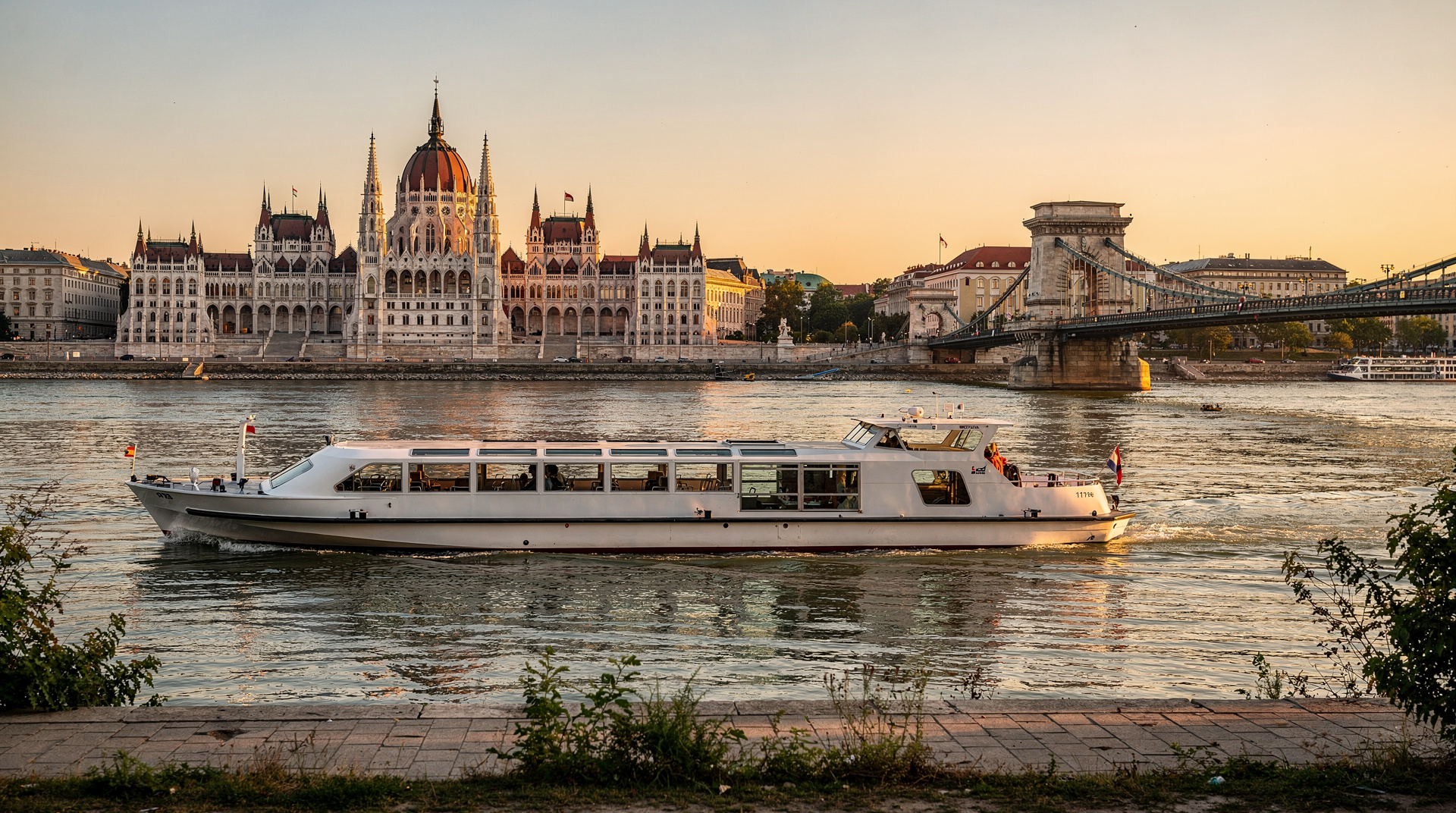
The Danube view of Budapest is genuinely extraordinary. The city’s most iconic sights — the Parliament, Chain Bridge, Buda Castle, the Gellért Hotel, the Elizabeth Bridge, the Matthias Church tower — all face the river and look spectacular from the water in a way they do not from any land vantage point.
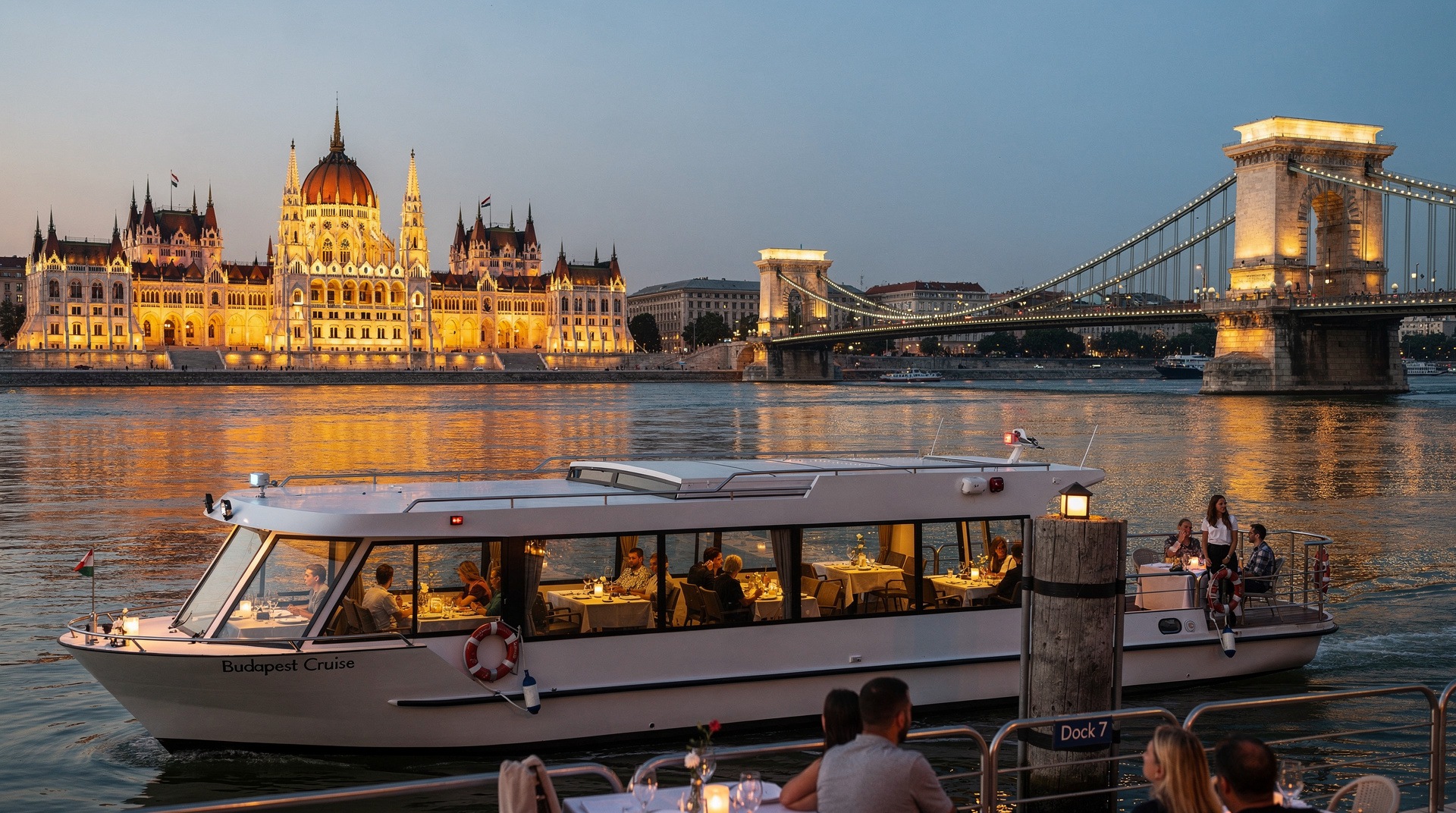
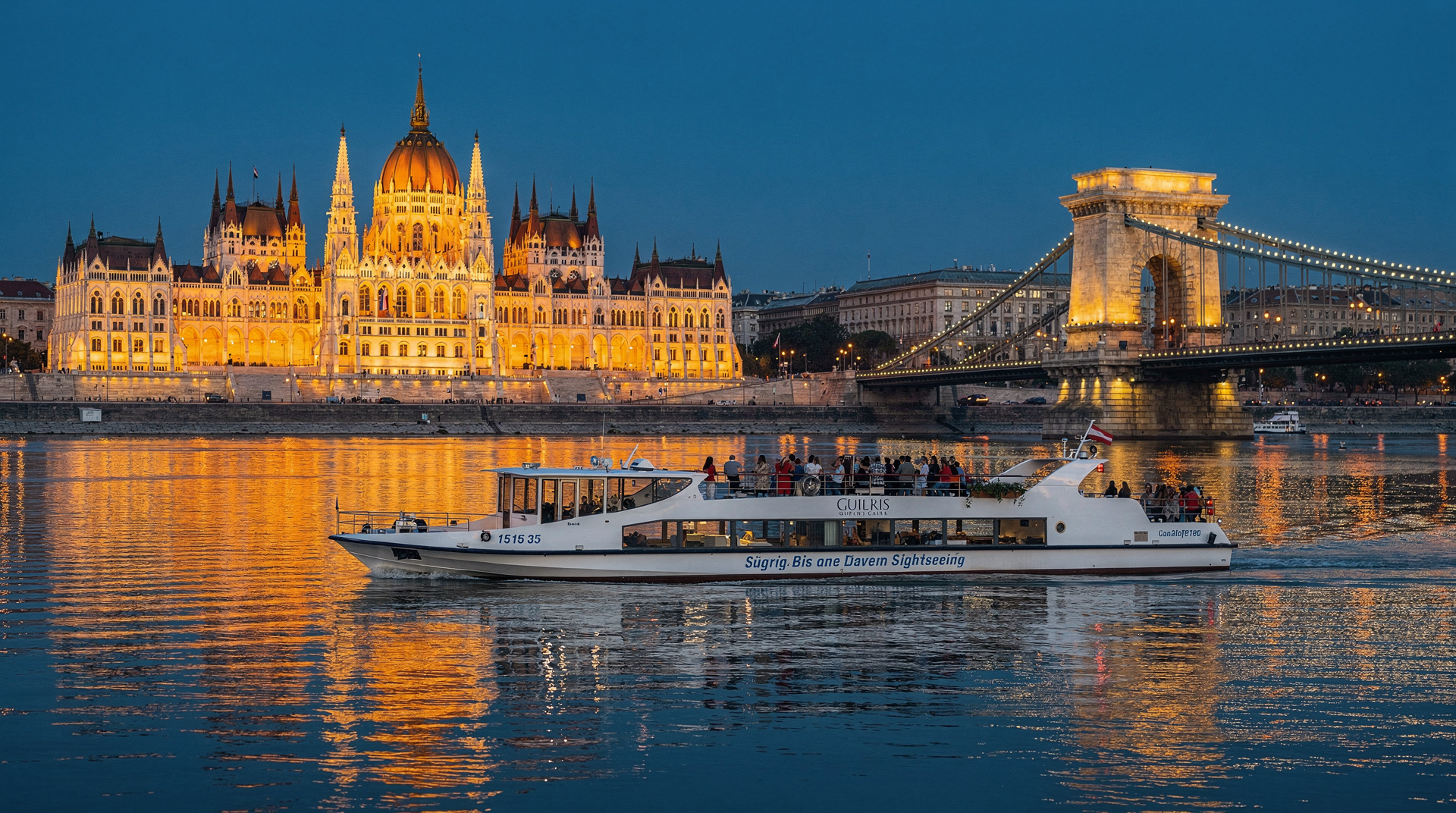
This panoramic view is what makes evening cruises so popular. The Parliament building (illuminated after sunset) is one of the most architecturally dramatic sights in Europe — white Neo-Gothic stone against a dark sky, reflected in the river, flanked by bridges strung with lights.
What you get from a cruise:
- The full Budapest riverfront in 60–75 minutes
- The bridges seen up close (there are eight in the city centre)
- Buda Castle from the east bank
- The Parliament from the river
- Audio commentary on most cruises (English and other languages)
- A cold drink or dinner depending on cruise type
The city highlights sightseeing cruise is the standard daytime option — good value for a 70-minute overview. For evenings, the drinks-included options are more atmospheric and tend to be more fun.
What you do not get from a cruise:
- Any sense of the neighbourhoods
- Ground-level context — the Jewish quarter, the ruin bars, the market halls
- Stories about specific buildings beyond the facades
- Interaction with locals
- The Castle District up close
What a walking tour delivers
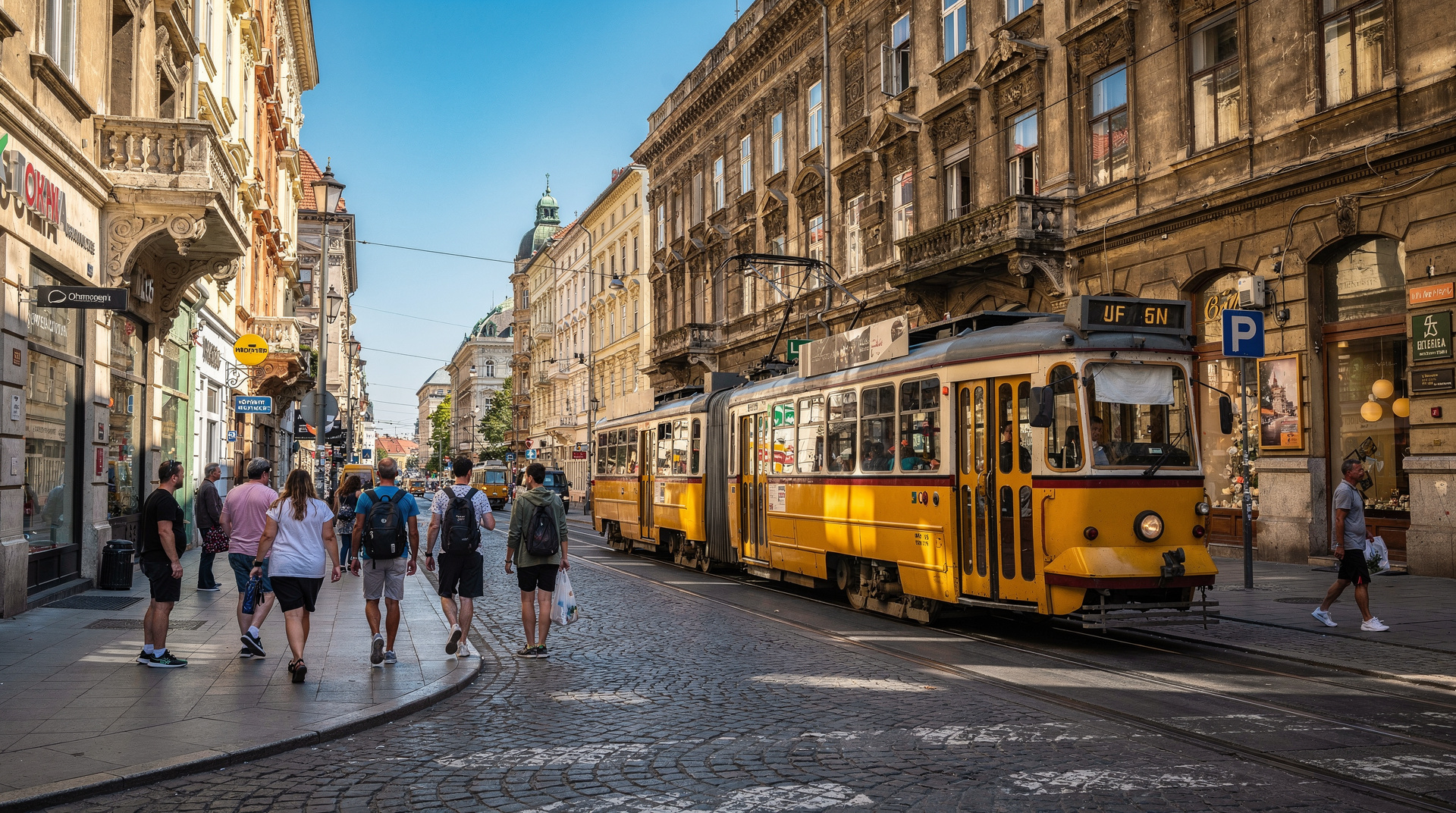
A good walking guide turns Budapest from a collection of attractive facades into a place with meaning. The best walking tour guides in Budapest — and there are genuinely excellent ones — know their material deeply and can hold a group’s attention for three hours.
The free walking tours (donation-based, meeting near St Stephen’s Basilica or Deák tér) have been operating for years and maintain high standards. The better-known operators (Free Budapest Tours, Sandemans) run multiple departures daily and compete hard on guide quality because tips are the business model.
What you get from a walking tour:
- Historical context on the Austro-Hungarian Empire, Communist rule, World War II occupation
- The Jewish quarter explained: the Great Synagogue, the Emmanuel Tree, Shoes on the Danube (usually walked to the bank)
- Ruin-bar history and the story of the Jewish ghetto’s postwar decay
- The Castle District on foot, including Matthias Church and Fisherman’s Bastion
- Real Hungarian names for things, including streets and buildings tourist content mangles
- Practical tips from a local (where to eat, what to avoid)
What you do not get from a walking tour:
- The riverfront panorama
- The bridges experienced
- The view of the Parliament from the river
The 2-hour walking tour of the city centre is the most efficient paid option for first-timers who want a structured introduction to both Buda and Pest.
Comparing the formats
| Danube cruise (basic) | Walking tour | |
|---|---|---|
| Duration | 60–75 min | 2–3 hours |
| Price range | 5,000–14,000 HUF | Free (donation) to 8,000 HUF |
| Covers | Riverfront architecture | Neighbourhoods, history, context |
| Good in rain? | Yes | Uncomfortable |
| Best time | Evening | Morning or afternoon |
| Physical effort | None | Moderate walking |
| Group size | Large (60–200 on big boats) | 8–25 typically |
| Nighttime version? | Yes, and spectacular | Some night tours available |
The evening premium for cruises
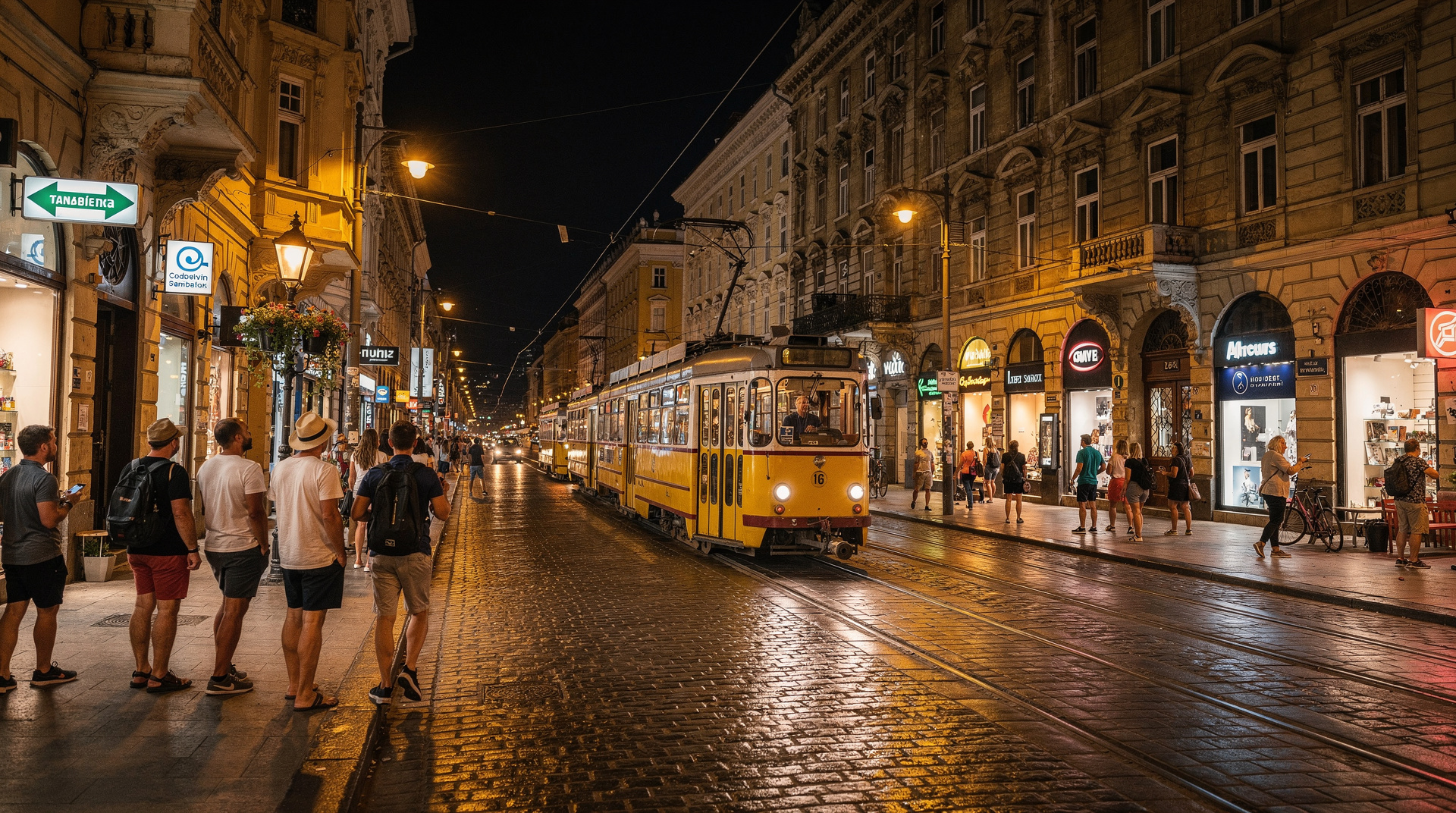
Evening cruises deserve special mention. Budapest looks entirely different after dark — the Parliament illuminations, the bridge lights, the reflection on the water. A basic evening cruise with a welcome drink costs around 5,000–8,000 HUF (€12–20) and delivers a genuinely special experience.
This is also when the cruise-versus-walking comparison is most asymmetric: you cannot replicate the illuminated Parliament view from any pedestrian viewpoint. Fisherman’s Bastion comes close for the Pest-side panorama, but the river perspective is unique.
Day cruises offer nice views but are less special. Unless you are specifically combining a day cruise with a stop at the Parliament or Margaret Island, the evening cruise is the better product.
Specialist walking tours worth knowing
Beyond the standard city-centre walk, several specialised walking tours are worth looking at:
Jewish quarter tours — the most historically rich walking tour in Budapest covers the Great Synagogue, the ghetto perimeter, the Raoul Wallenberg memorial and the neighbourhood’s ruin-bar revival. See Jewish quarter heritage guide.
Ruin bar and street food walks — evening-focused, takes you inside the courtyards of the ruin bars rather than walking past them.
Communist Budapest — House of Terror, Memento Park (by transfer), the physical remnants of the Soviet era on the streets of Pest.
Buda Castle walking tours — specific to the Castle District, usually 2 hours, covering Matthias Church and Fisherman’s Bastion with historical depth. See Buda Castle guide.
Who should prioritise the cruise
- First-time visitors who want the iconic panorama on their first evening
- Anyone who struggles with sustained walking
- Visitors in Budapest for just 1–2 nights who want maximum visual impact
- People combining a cruise with dinner (dinner cruises solve the “what to do on the first evening” question)
Who should prioritise the walking tour
- History enthusiasts — Budapest’s 20th-century history is dense and the walking tour context is invaluable
- People staying 3+ nights who have time for both
- Visitors specifically interested in the Jewish quarter, Communist history or neighbourhood-level culture
- Solo travellers who want to meet other visitors (free walking tours are a great social starting point)
The honest recommendation
Evening 1: take a Danube cruise. The illuminated riverfront is the visual payoff that makes Budapest’s reputation. Do not leave without seeing it.
Day 2 morning: join a free walking tour (Pest side) or book a Jewish quarter tour. The context transforms what you see for the rest of your trip.
Day 3 (if you have it): Buda Castle walking tour, then cross to Pest for a ruin-bar walk in the evening.
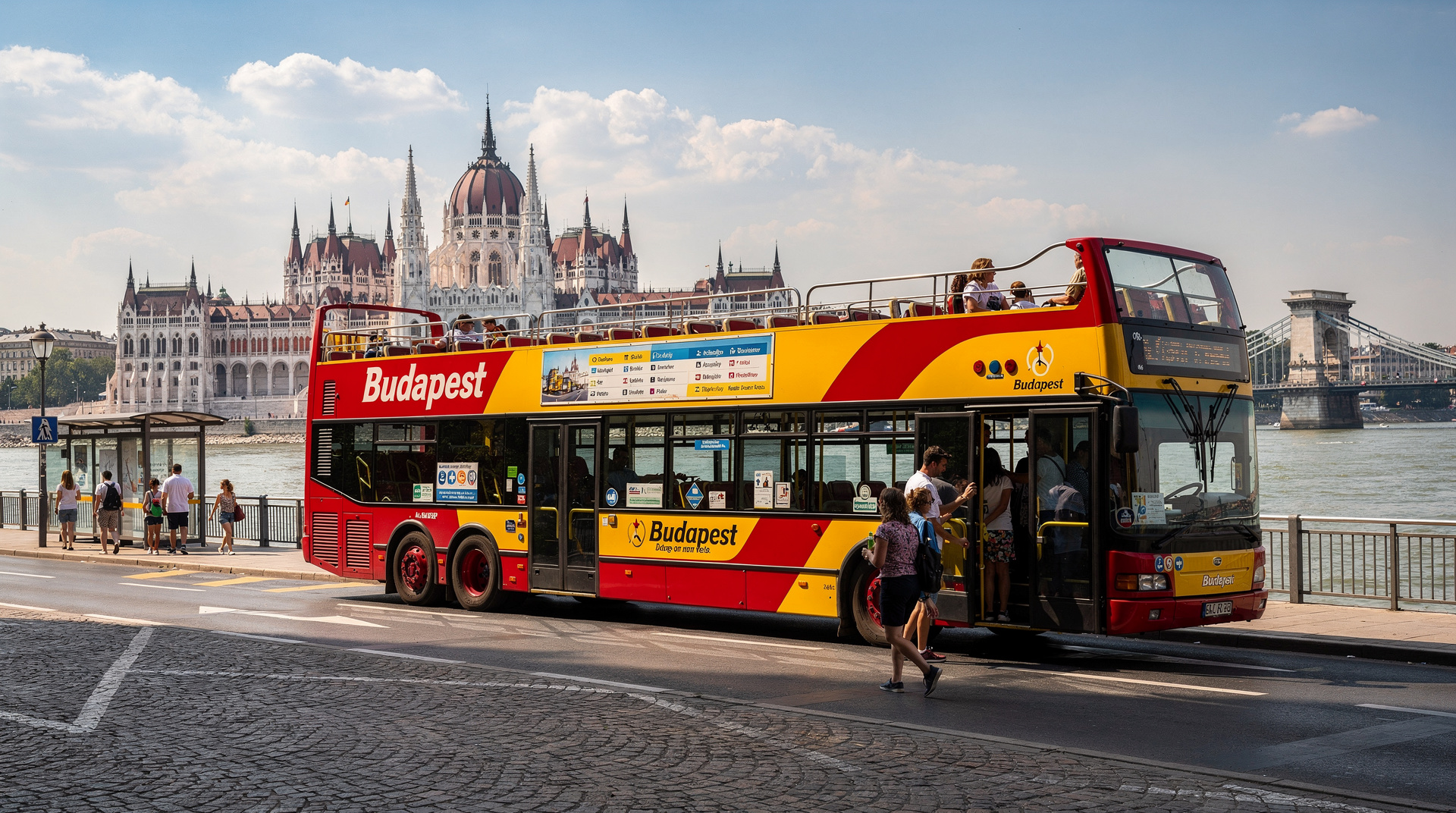
The hop-on hop-off bus is a reasonable supplement to both — it crosses both banks and lets you identify neighbourhoods before you explore on foot — but it does not replace either a walking tour or a cruise.
For more help planning your Budapest days, see how many days in Budapest and the Budapest 3-day itinerary.
How the two formats feel on the day
A cruise is passive in the best sense. You board, find a seat on the open deck or by a window, and the city slides past while a recorded commentary names what you are looking at. Nothing is asked of you beyond choosing where to sit. That makes it a gentle first activity after a flight, or a way to end a day that has already involved a lot of walking. If you want a drink in hand while the lights come on, an evening cruise with a drink included fits that mood well, and the sunset cocktail cruises guide compares the options in more detail.
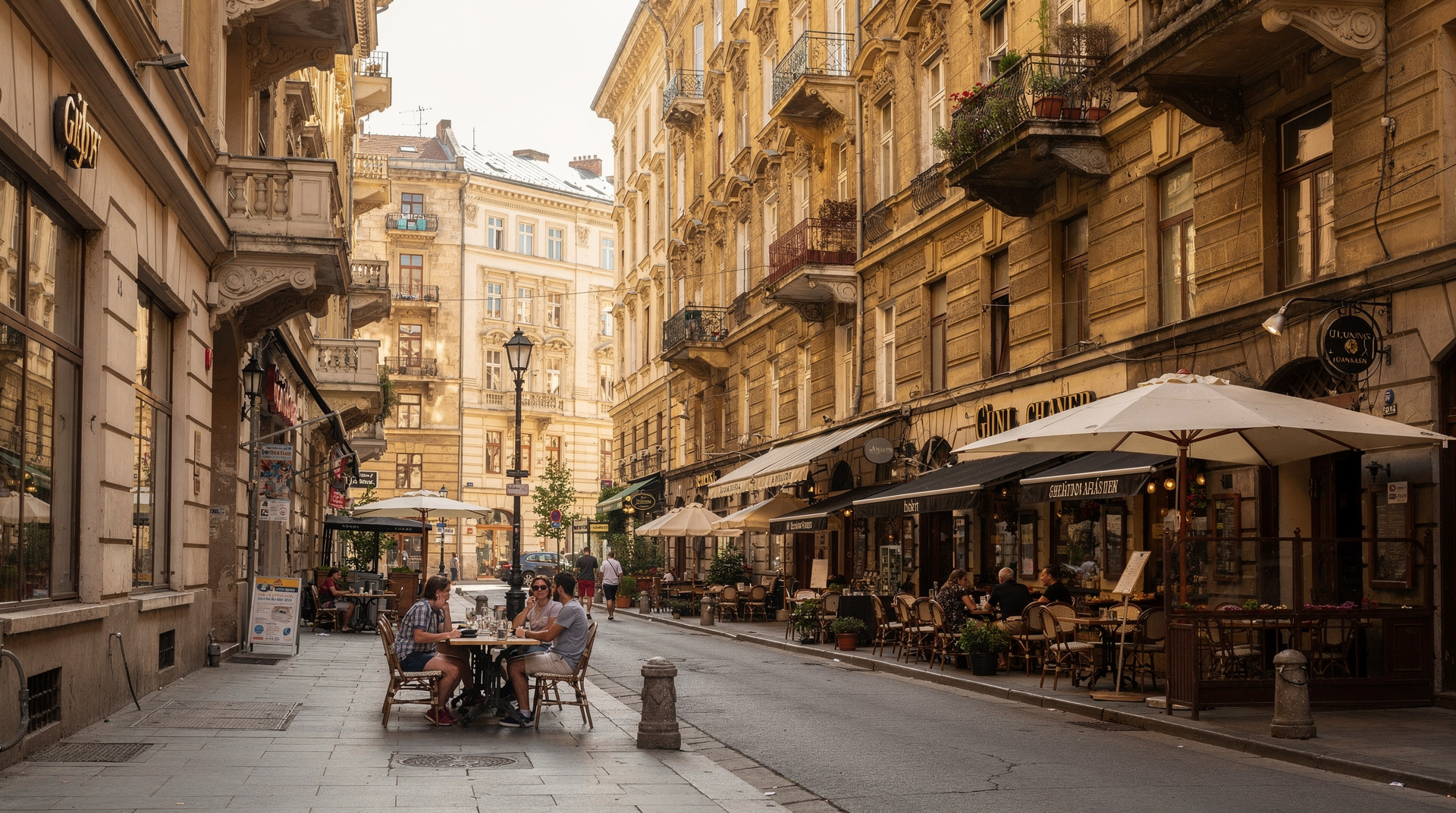
A walking tour is the opposite: active, social and a little unpredictable. The route depends on the guide, the weather and the group, and the best moments are often unplanned: a courtyard the guide knows is open, a story told in front of a bullet-scarred wall, a recommendation for lunch that you would never have found alone. You finish tired but better oriented, and usually with a short list of places to return to.
Weather, seasons and what changes
Rain is the clearest dividing line. Cruise boats are covered or have indoor seating, so a grey day costs you some photo quality but not the experience. A walking tour in persistent rain is far less pleasant, and groups thin out. If the forecast is poor, move the walking tour to another day and keep the cruise. See Budapest in winter and Budapest in summer for how the seasons shape a day outdoors, and what to pack for Budapest for sensible layers, since the river is cooler than the streets once the sun drops.
In the shoulder seasons, both formats are at their most comfortable: fewer crowds on the boats, smaller groups on foot and long enough daylight to fit a walk before an evening cruise. Check the best time to visit Budapest if your dates are still flexible.
Travelling with others
Families with children often find the cruise easier because nobody has to keep pace or stay quiet, though a long guided walk can lose younger visitors quickly. Our Budapest with kids guide covers what tends to work. Couples tend to prefer the cruise for its atmosphere, and the romantic Budapest guide places it alongside other evenings worth planning. Solo travellers get the most from a walking tour, where conversation happens naturally; the solo travel guide explains why. For anyone with limited mobility, the cruise is the better pick, and the accessible Budapest guide goes through what to check before booking either.
Adding a third option
Some visitors want a bit of both in a single outing. A hop-on hop-off bus is one route, and a hop-on hop-off bus ticket lets you ride past the sights and step off where something catches your eye. Others look at bike tours or night tours, which sit between the cruise and the walk in pace and storytelling. None of them removes the case for an evening on the water, but they can fill the gaps in a longer stay.
Making the most of each experience
For the cruise, arrive early enough to choose a good seat, and decide beforehand whether you want to photograph from the open deck or stay warm inside. Bring a layer even in summer. For the walk, wear comfortable shoes, carry water, and keep your hands free for photos; a guide’s best stories are often told while you are standing still, so be ready to listen rather than rush ahead. On either, stay alert to the usual tourist-trap pitfalls described in the Budapest tourist traps guide, and book through a source you trust.
Booking logistics for both
Neither format requires much lead time outside peak summer, but a little planning avoids disappointment. Free walking tours don’t take reservations — just show up 10–15 minutes early at the meeting point. Evening cruises, especially dinner cruises and anything billed as a night cruise past the illuminated Parliament, sell out on summer weekends, so book those a few days ahead. If you’re deciding purely on value, our deeper is a Danube cruise worth it breakdown and the best walking tours in Budapest roundup both go further than this comparison alone. Getting between the cruise dock and a walking tour meeting point is straightforward on foot in the centre; if you’re staying further out, check the getting around Budapest guide for tram and metro options.
If you’re short on time
With only one full day, most visitors do better spending the daylight hours on a walking tour — the context pays off across the rest of the trip — and saving the cruise for after dinner, when the Parliament illuminations make it worth the detour. This sequencing also avoids the common mistake of booking a daytime cruise and then discovering the evening version is the genuinely special one. Compare this against how many days in Budapest if you’re still deciding on trip length overall.
Frequently asked questions about Danube cruise vs walking tour
How long does a typical Danube cruise take?
Standard sightseeing cruises run 60–75 minutes. Dinner cruises are typically 2.5–3 hours. Cocktail and prosecco cruises run 75–90 minutes. Some longer day cruises (Parliament stop, Danube Bend) last 3–4 hours. The 70-minute evening sightseeing cruise is the most popular format and gives you the full illuminated riverfront.How long does a Budapest walking tour take?
Free walking tours (donation-based, meeting near St Stephen's Basilica or Deák tér) run 2.5–3 hours. Paid walking tours typically run 2–3 hours and cover more ground or niche topics (Jewish quarter, Communist history, food and bar walks). Private tours can be adjusted to your pace.Is a Danube cruise worth the money?
Yes, for most visitors — especially at night. The view of the illuminated Parliament building from the river is one of Budapest's genuinely great experiences and cannot be replicated from land. Prices range from ~3,500 HUF (€8–9) for a basic daytime cruise to 15,000+ HUF (€37+) for dinner with live music. The evening drink cruise in the 5,000–8,000 HUF range is the sweet spot for value.Are free walking tours actually good?
Yes — Budapest's free walking tours (donation-based, 2000–3000 HUF tip is the norm) are genuinely excellent. They compete with paid tours on content and guide quality. The main limitation is group size (sometimes 20–30 people). For a more intimate experience or specialist topic, paid tours deliver better.Which is better for learning about Budapest's history?
Walking tours win this category. A good guide in the Jewish quarter explains the meaning of the Shoes on the Danube, the history of the ghetto, the layers of Communist and Habsburg history — context that you miss completely from the river. The cruise shows you what Budapest looks like; a walking tour tells you what it means.
Top experiences
Bookable activities with verified prices and instant confirmation on GetYourGuide.