Michelin restaurants in Budapest: starred dining and what to expect

How many Michelin-starred restaurants does Budapest have?
Budapest has five Michelin-starred restaurants as of 2026: Costes (1 star), Costes Downtown (1 star), Stand (1 star), Onyx (1 star), and Babel (1 star). Budapest first received Michelin recognition in 2010 and has grown steadily. Several Bib Gourmand designations (good value, quality cooking) have also been awarded.
Budapest’s emergence as a serious food destination
Budapest received its first Michelin stars in 2010, when Costes became the first restaurant in Hungary to be starred. The city has since grown into one of Central Europe’s most interesting culinary destinations — not because it has dozens of starred restaurants (it doesn’t), but because the starred restaurants that exist use genuinely Hungarian ingredients with serious technique, producing food that is distinctly Hungarian rather than a generic European fine-dining style.
This guide covers the current starred establishments, the Bib Gourmand options for better value, and the practical information you need to book and prepare for a Hungarian fine-dining experience.
| Starred restaurants | 5 (Costes, Costes Downtown, Stand, Onyx, Babel) |
| Typical dinner tasting menu | 28,000–52,000 HUF per person |
| Booking window | 3–6 weeks for weekend dinner |
| Dress code | Smart-casual (none at Stand) |
| Best value entry | Costes lunch menu or Stand25 bistro |
The starred restaurants (2026)
Costes — Ráday utca 4, District IX
One Michelin star. Opened in 2008 by Hungarian restaurateur Zsolt Kovács and initially led by Portuguese chef Miguel Rocha Vieira, Costes has been a consistent star-holder and the restaurant that established Budapest’s fine-dining credibility.
The kitchen changes with the seasons. Core themes: refined treatments of Hungarian ingredients (Mangalica pork, foie gras, pike-perch, Tokaji reduction), French-influenced technique, and presentations that are elegant without being theatrical.
Format: Lunch tasting menu (5 courses, ~18,000 HUF / €45 + wine), dinner tasting menu (7 courses, 38,000–52,000 HUF / €95–130 + wine pairing from 16,000 HUF). A la carte available at lunch. Reservations essential.
Costes Downtown — Vigyázó Ferenc utca 5, District V
One Michelin star. The younger sibling of Costes, set in the inner Pest boutique-hotel district. More contemporary feel — lighter interior, slightly more modern aesthetic — with cooking that is equally serious. Similar pricing to Costes; sometimes easier to get a reservation.
Stand — Széll Kálmán tér 4, District II (Buda)
One Michelin star. Chef Tamás Széll (who represented Hungary in the prestigious Bocuse d’Or international chef competition) runs the most overtly “Hungarian” of the starred kitchens — the cooking draws more explicitly on traditional Hungarian flavours and ingredients than the French-influenced Costes. The atmosphere is deliberately unstuffy for the food level: no dress code, a visible open kitchen, a wine list focused on Hungarian bottles.
Format: Tasting menu only at dinner (6–8 courses, 38,000–48,000 HUF / €95–120 + wine pairing from 16,000 HUF). Stand25 bistro next door serves à la carte at roughly half the price — this is the best accessible version of Stand cooking.
Onyx — Vörösmarty tér 7, District V
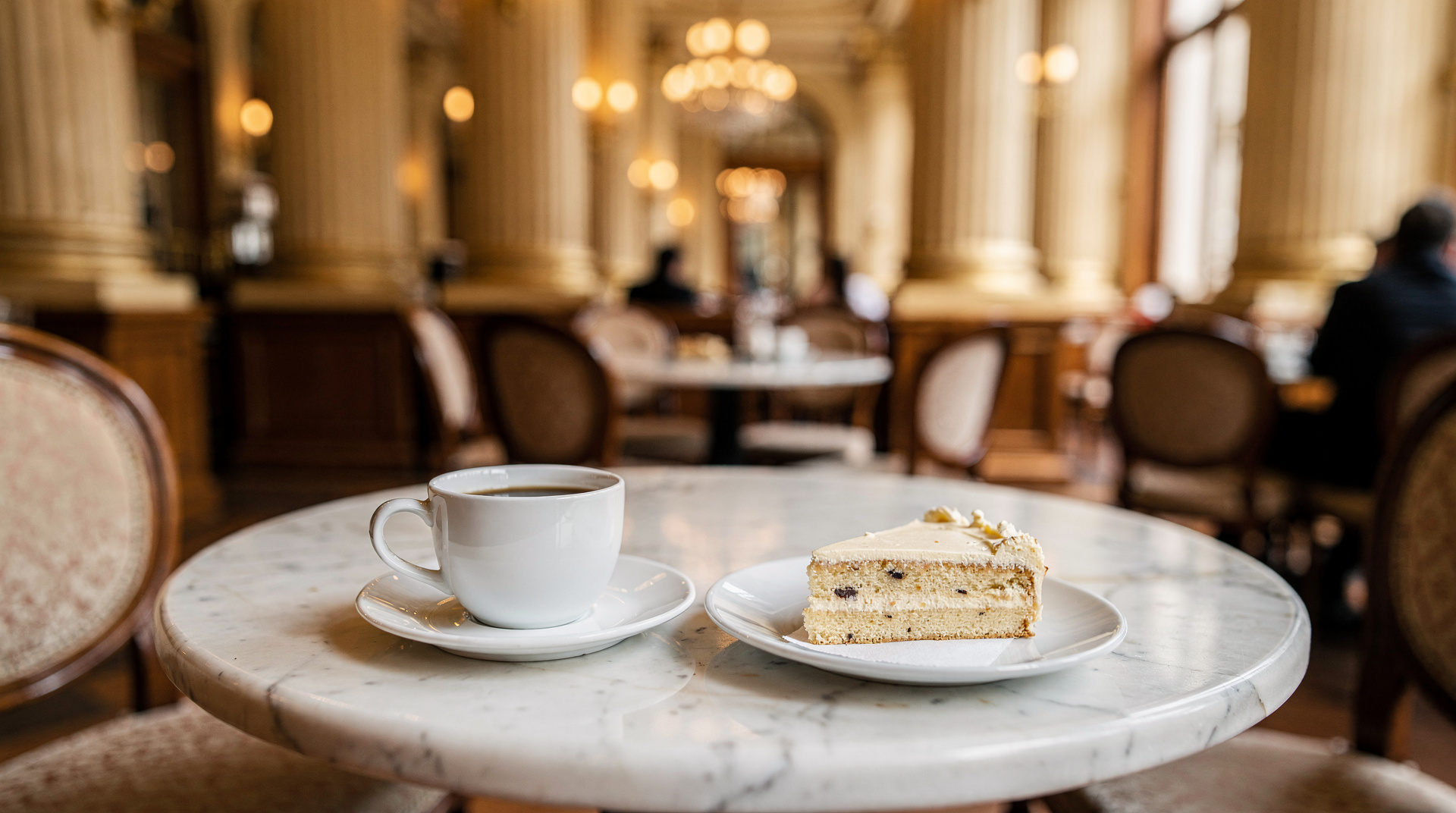
One Michelin star. Located above Gerbeaud café on Vörösmarty tér. A more formal environment than Stand, with a classical approach to Hungarian fine dining. The kitchen leans toward luxury ingredients — truffles, foie gras, aged beef — alongside more modest-ingredient Hungarian dishes. Tasting menus from 32,000 HUF (€80).
Babel — Piarista köz 2, District V
One Michelin star. A newer addition to the starred roster, Babel focuses on vegetable-forward cooking with a contemporary sensibility — unusual in the Hungarian fine-dining context where meat is typically central. Worth knowing for vegetarians looking for the highest-level cooking experience in the city. Tasting menus from 28,000 HUF (€70).
The five starred restaurants at a glance
| Restaurant | District | Style | Dinner tasting menu |
|---|---|---|---|
| Costes | IX, Ráday utca | French-Hungarian, refined | 38,000–52,000 HUF |
| Costes Downtown | V, Vigyázó Ferenc utca | Modern, contemporary | Similar to Costes |
| Stand | II, Széll Kálmán tér | Explicitly Hungarian, unstuffy | 38,000–48,000 HUF |
| Onyx | V, Vörösmarty tér | Classical, luxury ingredients | From 32,000 HUF |
| Babel | V, Piarista köz | Vegetable-forward | From 28,000 HUF |
Michelin dining by season
Booking difficulty and the dining experience itself shift across the year. Summer (June–August) is the hardest season to secure Friday and Saturday dinner slots, with international visitors booking Costes and Stand 4–6 weeks ahead; menus lean toward Hungary’s summer produce — soft fruit, young vegetables, lighter fish preparations. Autumn (September–November) brings game, mushrooms and truffle-forward tasting menus, and booking pressure eases slightly outside peak weekends. Winter (December–February) is the easiest season for last-minute reservations except around Christmas and New Year, when demand spikes for celebratory dinners; menus turn toward root vegetables, preserved fruit and richer, warming dishes. Spring (March–May) sees the kitchens transition with the season’s first asparagus and young lamb, and booking availability sits between the winter ease and summer scramble.
Bib Gourmand: quality at lower prices
The Michelin Bib Gourmand designation recognises restaurants offering quality cooking at moderate prices (typically mains under €30). Budapest Bib Gourmand-recognised restaurants include Borkonyha Winekitchen (Sas utca 3) — a wine-bar restaurant pairing natural wine with creative Hungarian dishes at mid-range prices (3,500–7,000 HUF per main) — and Stand25 (mentioned above).
Stand25: the bistro alternative to Stand
Stand25 (Fillér utca 25, District II — the same street as Stand) is run by the same team with the same sourcing but in a bistro format. À la carte, main courses from 4,500–8,500 HUF (€11.25–21.25), with the same quality of ingredient and care in preparation. This is the most direct way to eat Stand-quality food at accessible prices. Book at least a week ahead.
Practical information for booking
Best time to book: All starred restaurants require advance reservations. For Friday and Saturday dinner, book 3–6 weeks ahead. Lunch slots open 1–2 weeks before the date at all venues. Weekday dinners are more accessible.
How to book: Restaurant websites have online booking systems; email or phone are also accepted. GetYourGuide does not handle fine-dining reservations — contact restaurants directly.
What to wear: Costes and Onyx have a smart-casual expectation for dinner. Stand deliberately does not — chef Széll has specifically said he doesn’t want guests to feel they need to dress up. Jackets are fine; jeans are also fine.
Dietary restrictions: All starred restaurants accommodate vegetarian and vegan menus with advance notice. State your requirements when booking; the kitchen will prepare an alternative sequence.
Tipping: 10–12% is appropriate and appreciated; some restaurants add an optional service charge. Pay in HUF; some accept EUR but at a disadvantageous rate.
Wine pairing and Hungarian wine
One distinctive feature of Budapest fine dining is the quality and relevance of the Hungarian wine pairing. Hungarian wines — Tokaji Aszú and Furmint whites, Egri Bikavér and Villányi Franc reds, Badacsonyi Szürkebarát — are genuinely excellent and particularly well-suited to the Hungarian ingredients on the plate. A wine pairing at Costes or Stand is a better introduction to Hungarian wine than any dedicated tasting, because the context (the food) makes the wine comprehensible.
For standalone Hungarian wine exploration, see Hungarian wine guide and the food-and-wine pairing available through a culinary wine walk.
Is a Budapest Michelin dinner worth it?
The honest answer: the price-to-quality comparison with Western European fine dining is strongly in Budapest’s favour. A 7-course dinner at Costes costs what a 2-course meal costs at a comparable Parisian restaurant.
The caveat: Hungarian Michelin cooking uses local ingredients that some visitors find unfamiliar (Mangalica fat, freshwater fish, paprika preparations in refined contexts). If you’re uncertain about your appetite for this kind of food, the Stand25 bistro or a Bib Gourmand restaurant gives you a risk-managed introduction to the same cooking philosophy at lower stakes.
For a romantic dinner context, see romantic Budapest for couples. For the full budget-to-luxury spectrum of Budapest eating, see best restaurants in Budapest and is Budapest expensive?.
The Hungarian ingredients that define Budapest fine dining
Understanding what makes Budapest’s Michelin cuisine distinctive requires knowing the ingredients it’s built on:
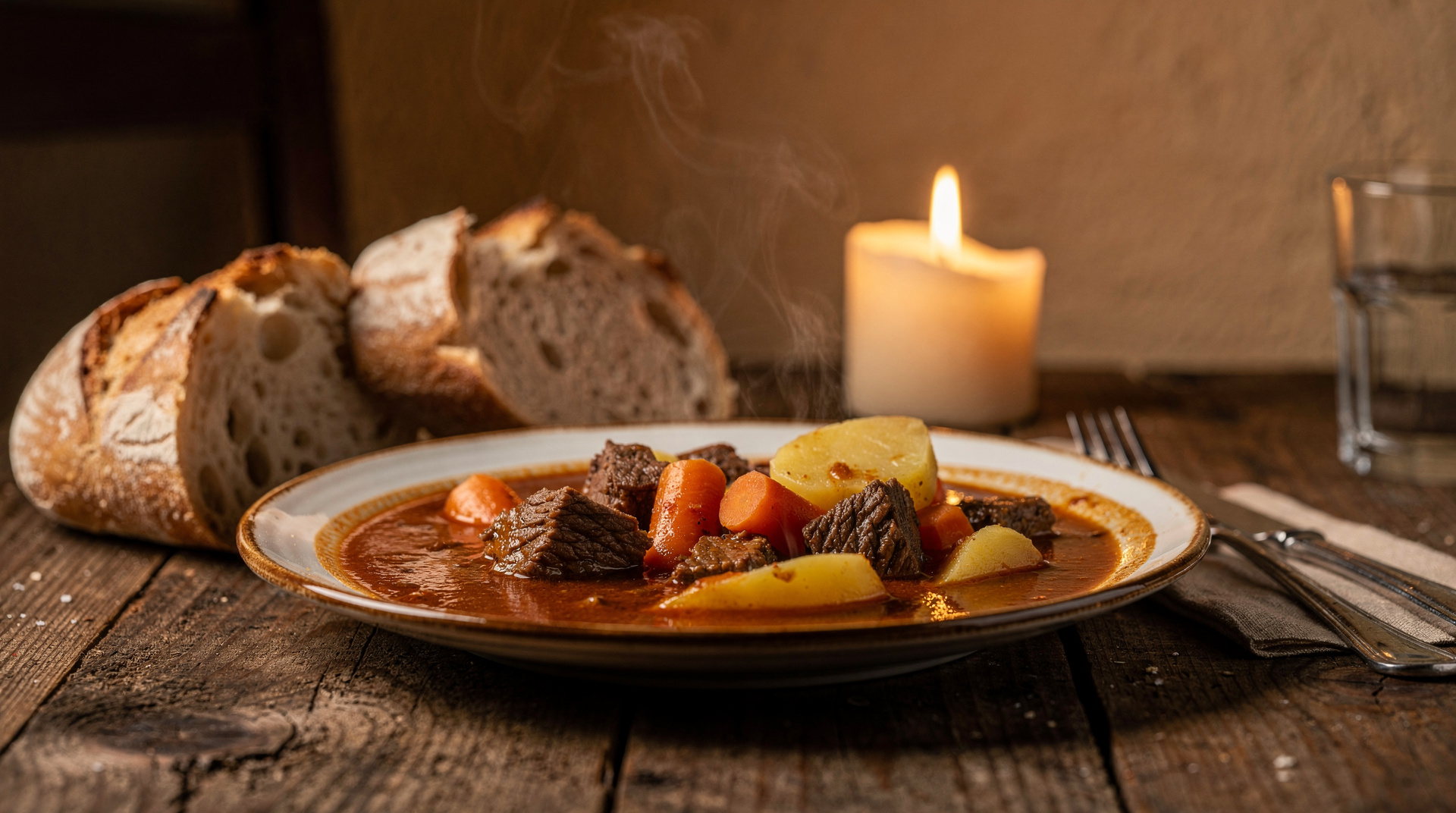
Mangalica: Hungary’s traditional woolly-haired pig breed, nearly extinct by the 1990s and revived through conservation efforts. Mangalica produces exceptionally marbled, flavourful meat with a fat composition closer to olive oil than standard pork — high in oleic acid, which gives it a mild, sweet flavour profile. In fine dining, every part of the pig is used; the fat itself is a featured ingredient, not a byproduct.
Freshwater fish: The Danube, Tisza, and Lake Balaton supply Hungary’s kitchen with carp (ponty), pike-perch (fogas or süllő), catfish (harcsa), and wels. Pike-perch in particular is the premier Hungarian freshwater fish — firm white flesh, delicate flavour, excellent with paprika-based sauces. In fine dining, it appears as a centerpiece ingredient rather than a secondary protein.
Hungarian grey cattle (szürkemarha): Another heritage breed, similar in profile to Scottish Highland cattle — slow-growing, excellent marbling, deep flavour. Used for aged beef dishes at Michelin restaurants; the quality is comparable to premium heritage breeds from France or Japan.
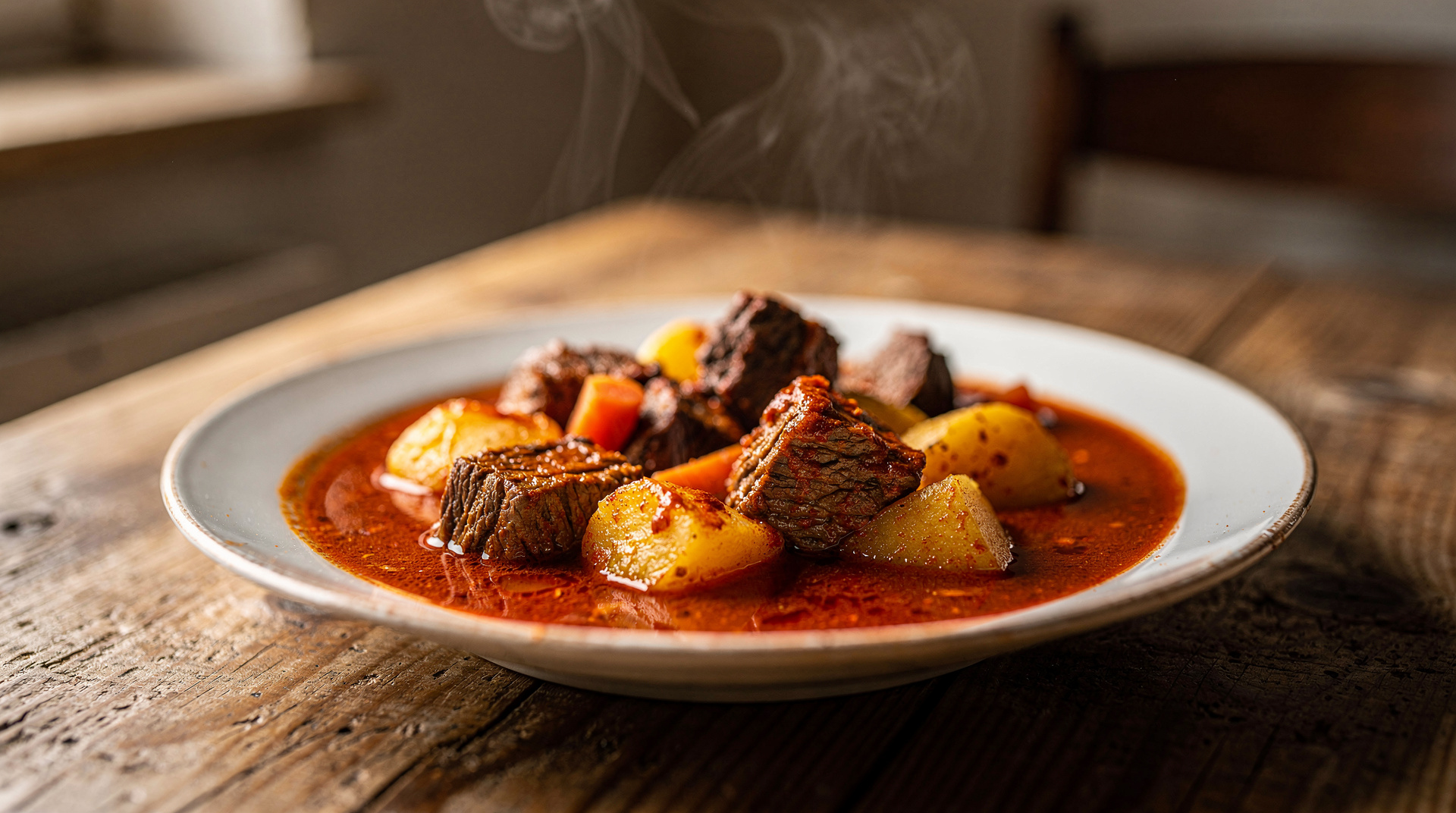
Paprika in refined contexts: The assumption that paprika only appears in stews and soups is incorrect at Budapest’s finest restaurants. Chefs use paprika as: a crust for aged cheese; a smoking element; a flavouring in butter; an oil for drizzling. The distinction between sweet (édesnemes), smoked (füstölt), and hot (erős) paprika is used precisely.
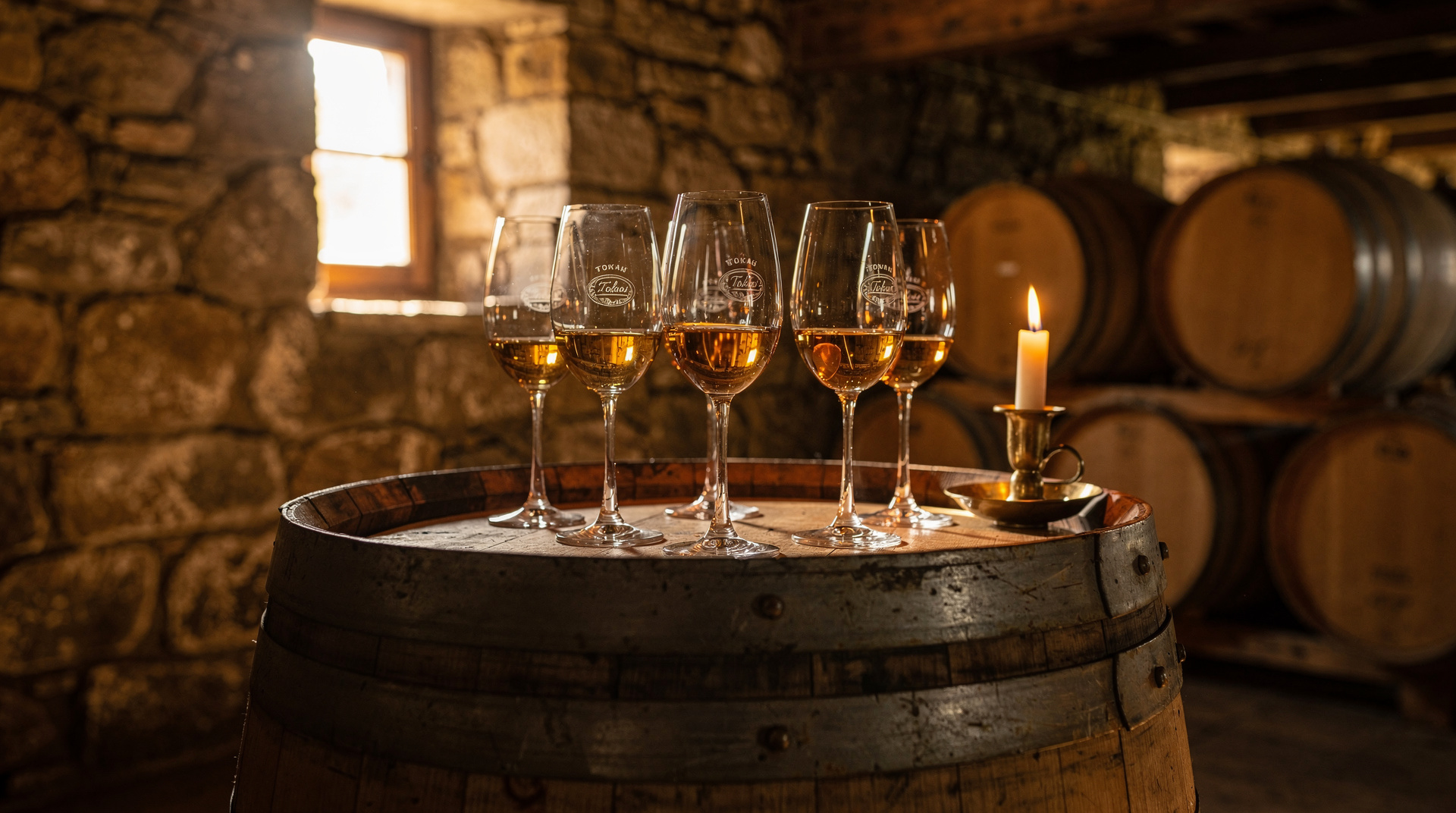
Tokaji wine in cooking: Tokaj produces Hungary’s most famous wine — the sweet Aszú varieties, made from botrytis-affected grapes, have been used in Hungarian cooking for centuries. In fine dining, Tokaji Aszú reduction appears as a sauce for foie gras; Furmint forms the base for a fish velouté; the acidic character of Furmint works as a vinegar substitute in dressings.
What a meal at Costes or Stand actually looks like
For visitors who want to understand what they’re booking, a typical 7-course dinner at Costes or Stand in 2026:
Amuse-bouche (2–3 bites): The kitchen’s current obsession — might be a single brined cherry on a Mangalica fat crisp, or a tiny cup of chilled foie gras parfait with Tokaji gel.
First course: Usually a cold preparation — raw fish (fogas ceviche with cucumber and elderflower), or a composed salad of seasonal vegetables from a named farm.
Second course: A warm soup or more elaborate cold preparation — cream of szarvasgomba (truffle) with lard croutons, or a chilled consommé of grey cattle with bone marrow gremolata.
Fish course: Pike-perch with its own roe, or carp treated with technique it’s never received in traditional Hungarian cooking — confit at low temperature, skinned and reshaped, served with a paprika butter sauce.
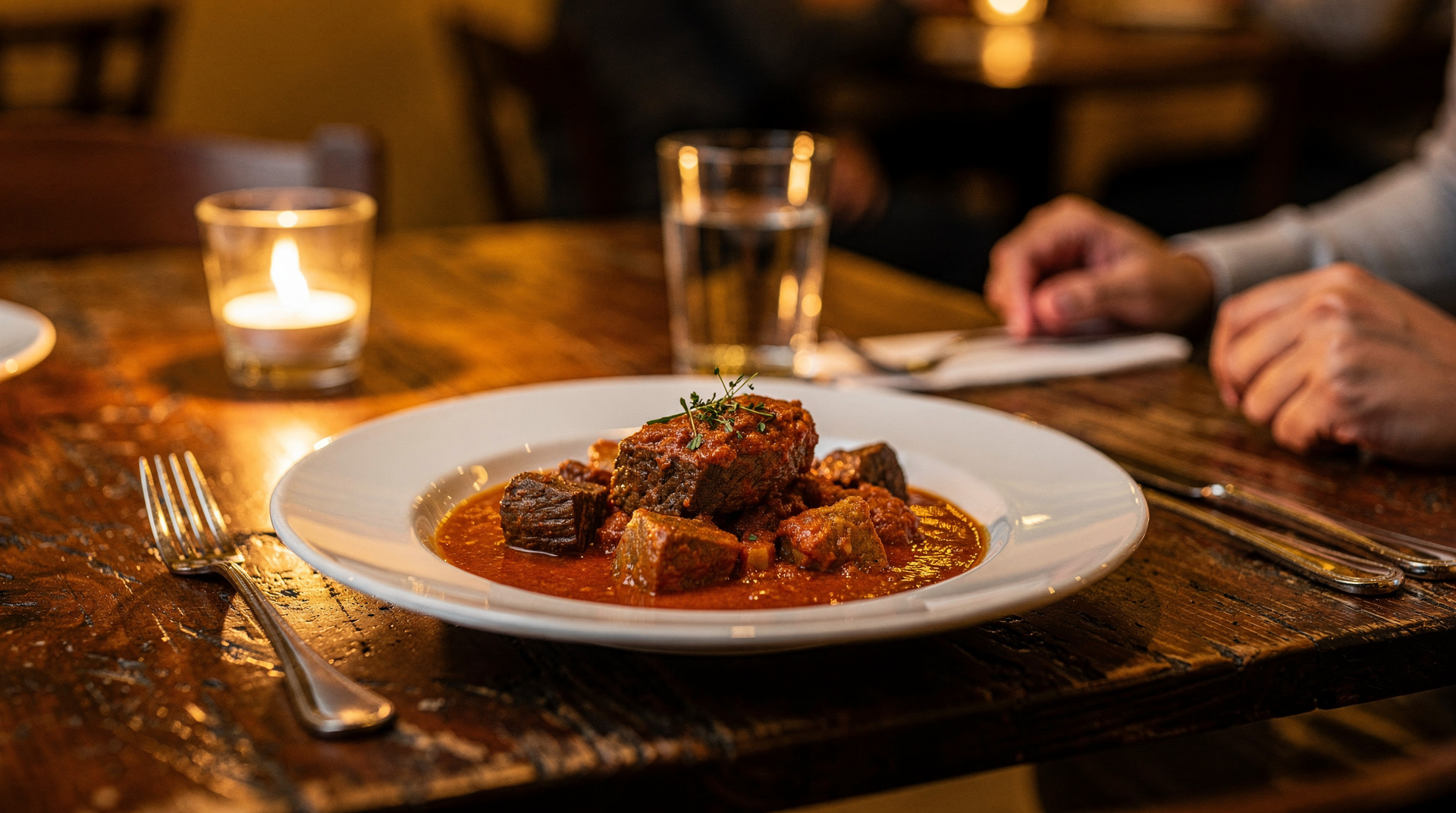
Main course: Mangalica pork in multiple preparations — perhaps a terrine of the shoulder, a roasted loin, and a rendered fat chip, each telling a different story about the same animal.
Pre-dessert: A palate cleanser — often involving pálinka (fruit brandy) in gel form, or a sorbet made with Hungarian fruit.
Dessert: The most creative course — Hungarian pastry reimagined, or a combination of ingredients (Tokaji Aszú caramel, cream, walnut sponge) that references dobos torta without replicating it.
This sequence is representative; menus change seasonally and course orders vary. The point is that the cooking is definitively Hungarian in ingredient selection while being classical European in technique.
Michelin for special occasions
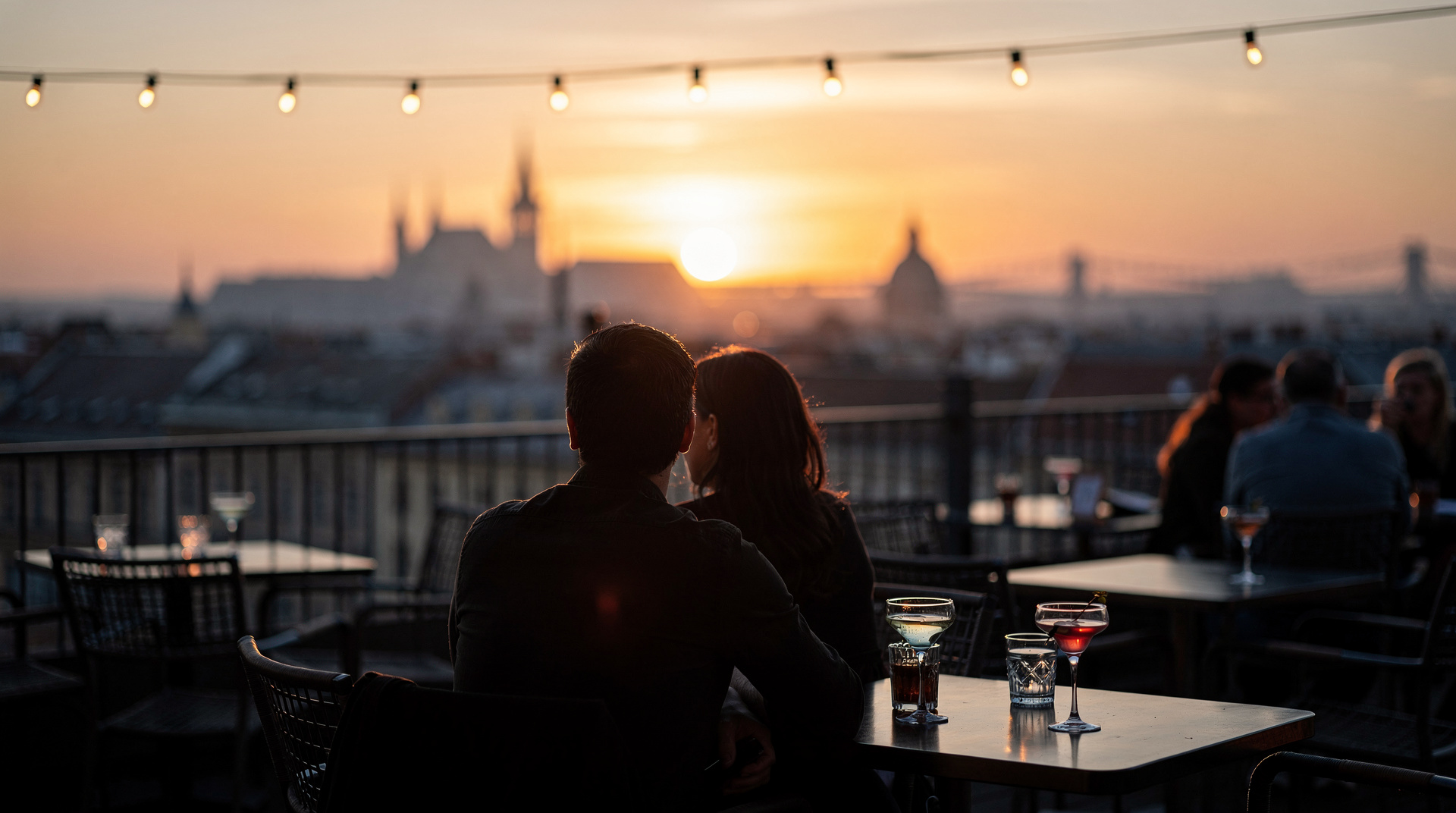
Budapest’s Michelin restaurants are disproportionately used for anniversaries, honeymoons, and milestone celebrations. The combination of high quality and lower-than-Western-European prices makes them attractive for couples who might hesitate at comparable spending in Paris or London.
For special occasion planning: book at least three weeks ahead (more for summer Saturday dinners), inform the restaurant of the occasion when booking (extra attention is typically given), and consider whether the wine pairing is worth including — the Hungarian wine pairing at Costes and Stand is genuinely excellent and represents the best possible introduction to serious Hungarian wine in a single evening.
For the romantic dinner context, see romantic Budapest for couples. For the wine the pairing draws on, see Hungarian wine guide.
The broader Budapest fine-dining scene: not just Michelin
Beyond the starred restaurants, Budapest has a tier of serious restaurants that haven’t sought Michelin recognition or fall just below the starred level:
Borkonyha Winekitchen (Sas utca 3): Bib Gourmand. Hungarian natural wine paired with serious food in an informal setting. The wine list is exceptional — perhaps the most interesting collection of Hungarian natural wine in any Budapest restaurant.
Menza (Liszt Ferenc tér 2): Mid-range but with serious cooking. The design references Hungarian communist-era canteens ironically; the food is modern Hungarian. Main courses 4,000–7,000 HUF (€10–17.50); consistently one of the best-value serious restaurants in the city.
Kőleves (Kazinczy utca 41): Jewish Quarter restaurant with better-than-average food. Not fine dining, but at the upper end of the mid-range and reliably well executed.
For the full restaurant picture, see best restaurants in Budapest. For vegetarian options at fine-dining level, see vegetarian and vegan Budapest — Babel (the fifth Michelin star) has a specifically vegetable-forward approach.
A culinary wine walk gives a preview of the same quality ingredients — Hungarian wine, charcuterie, artisan cheeses — in an accessible format before or instead of a Michelin reservation.
Planning a Michelin meal: practical checklist
Step 1: Choose the restaurant For first-time Michelin dining in Budapest: Costes (most consistent, longest track record). For a specifically Hungarian experience: Stand. For the most accessible entry point financially: Stand25 bistro (same kitchen, lower prices, à la carte).
Step 2: Book well in advance Friday and Saturday dinner at Costes and Stand book 4–6 weeks ahead in summer. For other nights, 2–3 weeks is usually sufficient. Online booking via the restaurant website is the fastest method.
Step 3: Communicate dietary requirements Email the restaurant directly after booking to flag any dietary restrictions, allergies, or special occasions. A birthday or anniversary note will typically result in a small amuse-bouche or dessert acknowledgment from the kitchen.
Step 4: Decide on wine pairing The wine pairing at Budapest’s Michelin restaurants is genuinely excellent and a strong recommendation — Hungarian wines are the highlight. Wine pairings add 15,000–25,000 HUF (€37.50–62.50) per person, which is significant but considerably less than equivalent pairings in Paris or London.
If the pairing price is beyond your budget, consider ordering a single bottle of Hungarian wine to share rather than the pairing — the sommelier will recommend something appropriate for the menu.
Step 5: Arrive on time Tasting menus begin at a fixed time; late arrivals disrupt the kitchen timing. Hungarian restaurants are genuinely upset by tardiness — call ahead if you’re going to be more than 10 minutes late.
Step 6: Ask about the menu Most Michelin tasting menus are set, but the kitchen will often accommodate course substitutions for dietary reasons or simply because a diner doesn’t enjoy a particular ingredient. Asking is not rude — it’s expected at this level.
The Michelin Guide Hungary: context and trajectory
Michelin first awarded stars in Hungary in 2010, fifteen years after many Central European countries. The initial recognition (Costes only) was followed by slow expansion — by 2015, three restaurants held stars; by 2026, five.
This trajectory is slower than some food commentators predicted given the quality of Hungarian ingredients. The reasons are structural: Hungary’s restaurant market had to develop a sufficient base of fine-dining expertise before the Michelin inspector circuit extended meaningfully. The country also went through significant economic disruption in the 2010s, which affected both restaurant investment and customer spending.
The Michelin Guide now covers Hungary with regular annual inspection, and the Budapest restaurant community is aware that additional stars are achievable. Several restaurants below the current starred level are actively working toward recognition — Borkonyha Winekitchen (already Bib Gourmand), Mosselen, and a few newer openings are frequently discussed in the Budapest food media as candidates.
For visitors, this trajectory means: Budapest’s fine-dining scene is improving faster than most European cities at a comparable stage of Michelin recognition. A visit in 2026 catches it at a strong but still-ascending moment.
After dinner: combining Michelin with broader Budapest culture
Costes is on Ráday utca in District IX — a short taxi or tram to the ruin-bar district for an after-dinner drink at Szimpla Kert. The contrast (refined Hungarian tasting menu followed by mismatched furniture and cheap pálinka) is a very Budapest experience.
Stand is on the Buda side (Széll Kálmán tér) — convenient for an after-dinner walk through Buda or a return to the city centre via tram 4/6. The Bartók Béla út bar scene (District XI) is 10 minutes away on foot.
Onyx is above Gerbeaud, directly on Vörösmarty tér — the most central location, walking distance to the Chain Bridge, the Basilica, and the inner Pest bar scene.
For the romantic evening planning context that fine dining often serves, see romantic Budapest for couples. For the full Budapest food journey from market to Michelin, see traditional Hungarian dishes and best food tours in Budapest.
Frequently asked questions about Michelin restaurants in Budapest
Which Budapest Michelin restaurant is best value?
Costes offers a lunch tasting menu from approximately 18,000 HUF (€45) per person — the best value entry into Budapest's Michelin scene. Stand25 (the bistro run by the Stand team) gives similar cooking quality to Stand itself at roughly half the price. Babel has strong value at its lunch format.Do I need to book Budapest Michelin restaurants well in advance?
Yes. Costes and Stand book out 3–6 weeks ahead for Friday and Saturday dinner. Lunch slots are easier to get, sometimes available 1–2 weeks ahead. Onyx can sometimes be booked with a week's notice on weekdays. Book online via the restaurant website or by email; phone reservations are possible but slower.What is Hungarian Michelin food like?
Budapest's Michelin chefs use Hungarian ingredients — Mangalica pork, foie gras from the Great Plain, freshwater fish (pike-perch, carp), Tokaj wine in sauces, paprika preparations — with classical French technique. The result is unmistakably Hungarian in flavour but refined in execution. Portions are tasting-menu sized (7–10 courses at dinner); this is not traditional Hungarian generous portioning.Is a Budapest Michelin tasting menu good value by European standards?
Yes — Budapest Michelin tasting menus cost significantly less than equivalent restaurants in Paris, London, or Amsterdam. A 7-course dinner at Costes runs 35,000–50,000 HUF (€87.50–125) per person excluding wine, versus €150–300+ for comparable experiences in Western Europe. Wine pairing adds 15,000–25,000 HUF (€37.50–62.50).Can I get a same-week reservation at a Budapest Michelin restaurant?
Sometimes, especially for weekday lunch or dinner outside Friday/Saturday. Onyx and Babel occasionally have short-notice availability. For Friday/Saturday dinner at Costes or Stand, same-week bookings are rare — check restaurant websites directly for last-minute cancellations rather than relying on walk-ins.
Top experiences
Bookable activities with verified prices and instant confirmation on GetYourGuide.