Budapest Card review: is it worth buying in 2026?
The Budapest Card: what it actually covers and when it pays off
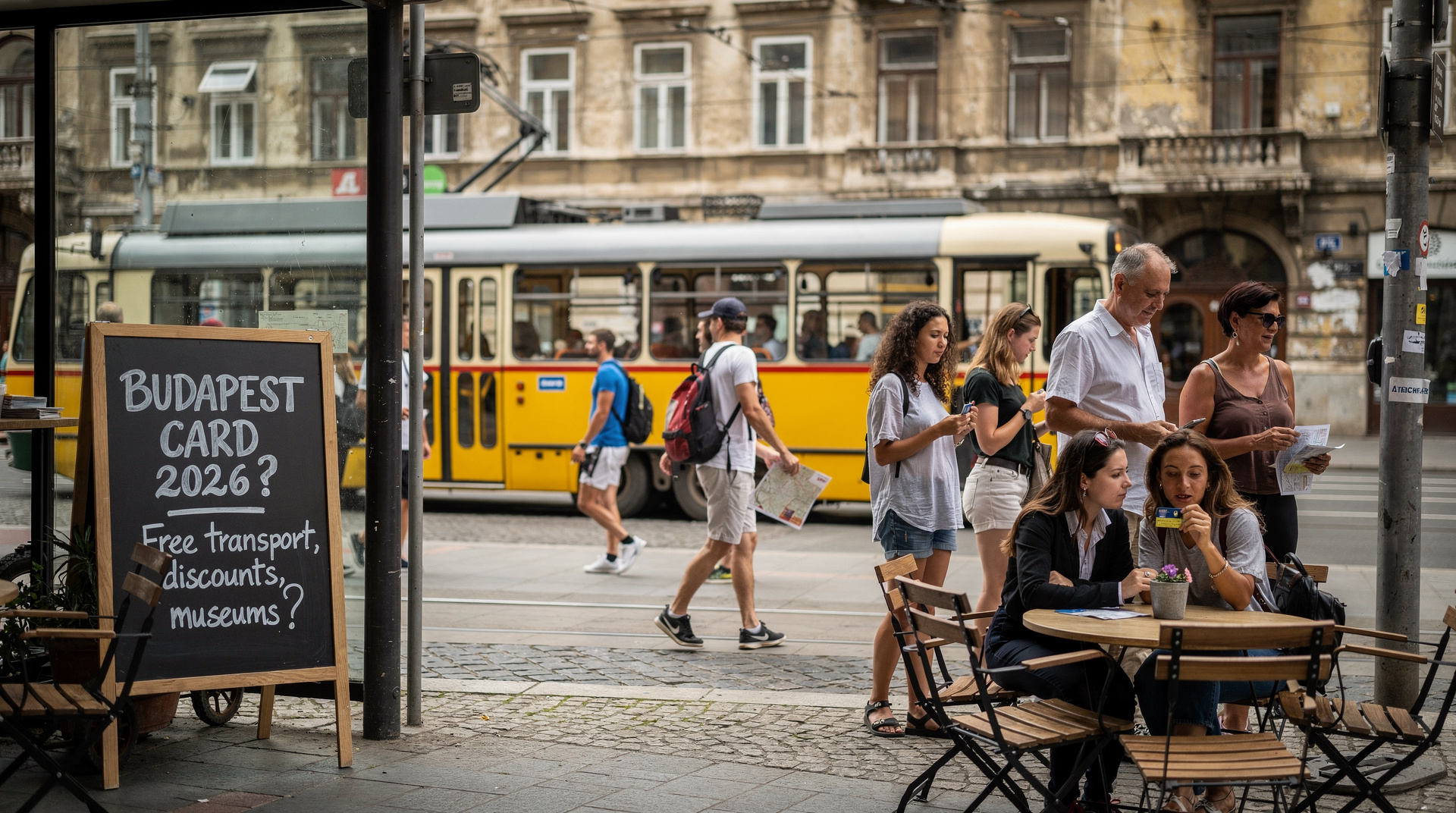
The Budapest Card is the city’s all-in-one tourist pass: unlimited public transport, more than 30 free visits and activities, and discounts at restaurants, cafés, museums and baths. It’s been running for years and remains genuinely useful for certain travellers — but it’s not a universal good deal, and the math needs to be done honestly.
This review explains what’s included in each card tier, how much you’ll realistically save, and gives a clear answer on who should buy it and who should pass.
| What it is | All-in-one transport, free programmes and discount pass |
| Tiers | 24h, 48h, 72h, 96h (plus 72h PLUS and 72h FLEXI) |
| Cost | From 17,990 HUF (24h) to 38,990 HUF (96h) |
| Best for | Active sightseers using many of the free programmes |
| Skip if | Mostly walking and bathing, staying 1–2 relaxed days |
What’s included
The Budapest Card covers:
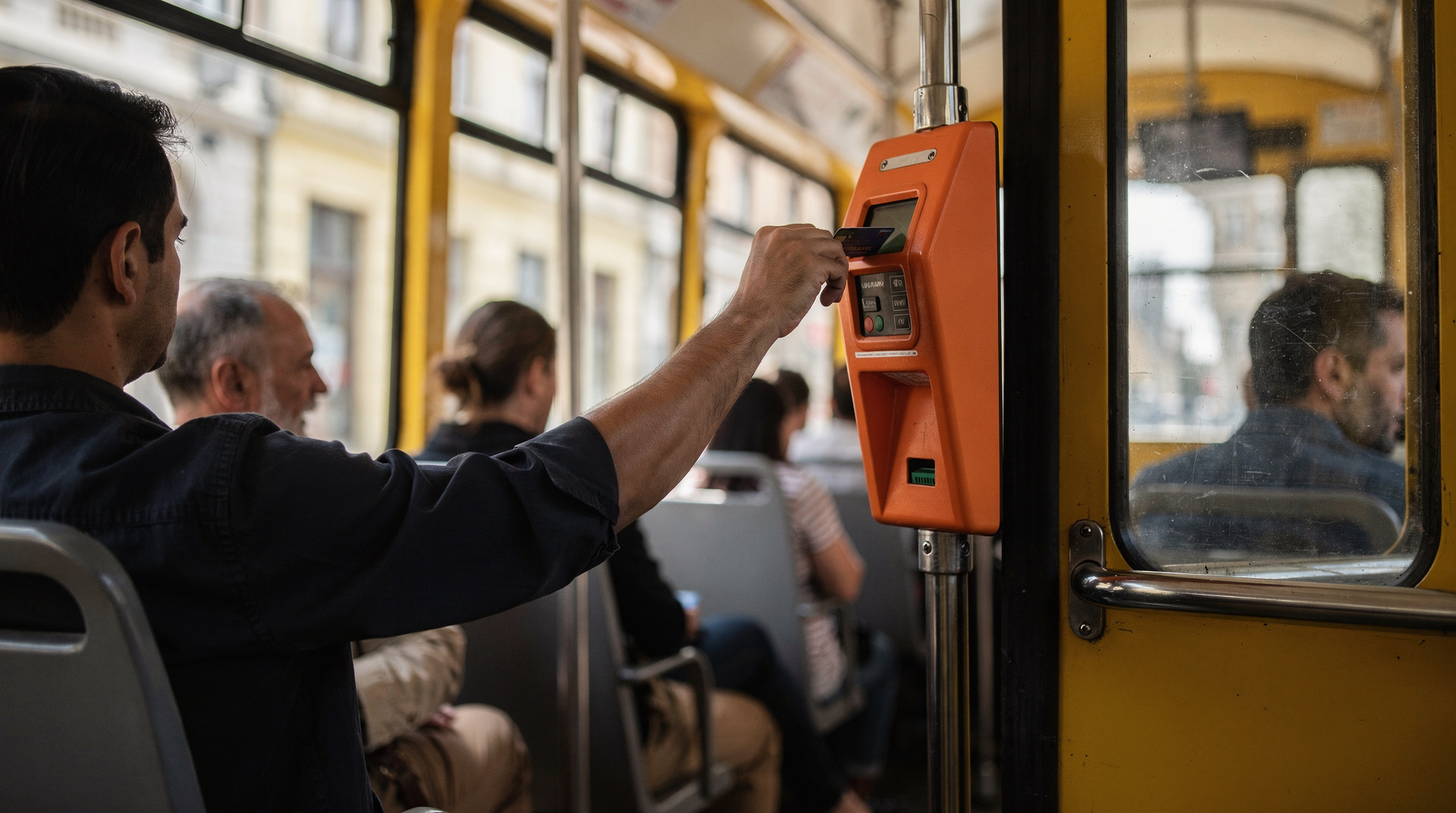
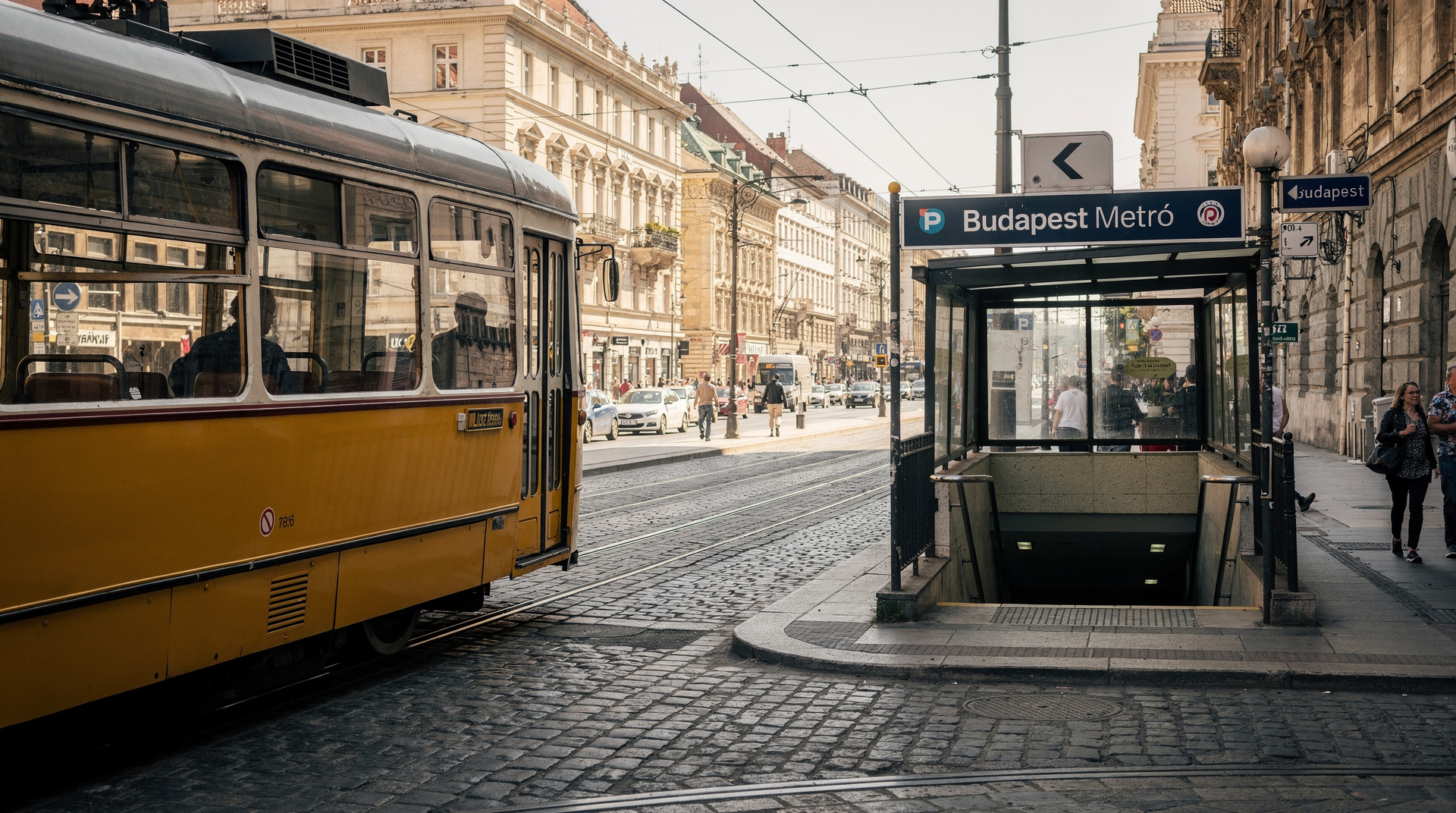
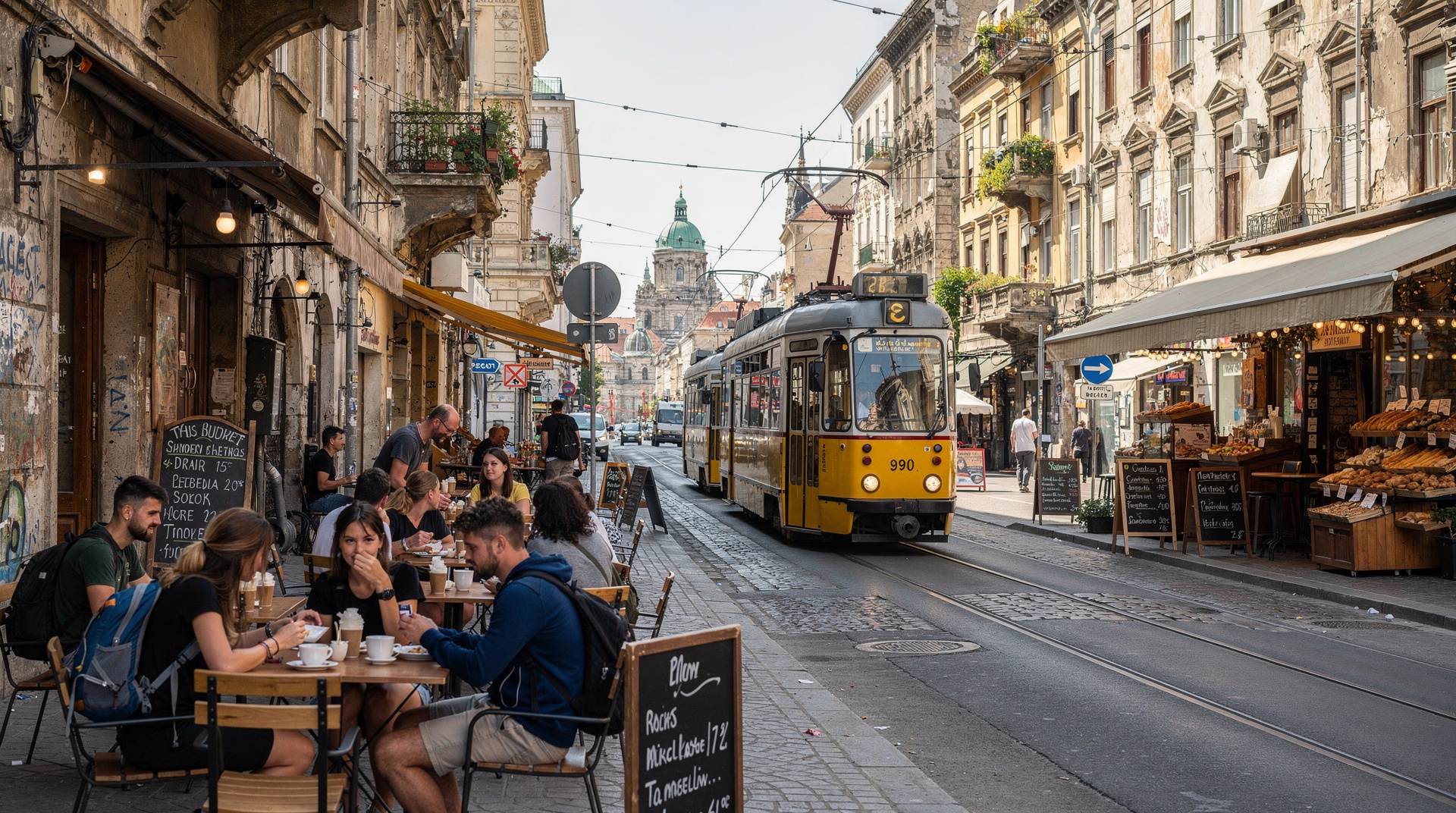
Unlimited public transport. This is the card’s strongest feature — Budapest’s metro and tram network is extensive and the savings add up quickly for active sightseers.
More than 30 free visits and activities. Places BKK names as free include the Lukács thermal bath, the Hungarian National Gallery, the Museum of Fine Arts (Szépművészeti), the Robert Capa centre, the official Castle Bus, the Citadella and the Budavári Sikló funicular.
Discounts. 10 to 25% at restaurants, cafés, museums and baths. The value varies — some discounts are meaningful, others are token gestures on already-expensive venues.
The 72-hour PLUS version also adds the Airport Express (bus 100E), and the 72-hour FLEXI version lets you pick 5 premium services. Official details are on the official BKK site.
Prices in HUF (2026)
| Card | HUF (adult) |
|---|---|
| 24-hour | 17,990 |
| 48-hour | 23,990 |
| 72-hour | 29,990 |
| 96-hour | 38,990 |
| 72-hour PLUS | 39,990 |
| 72-hour FLEXI | 27,990 |
For comparison, a BKK 72-hour transit pass costs 3,500 HUF with no included extras.
Does it break even?
The card only pays off if you use public transport often and take advantage of several of the free programmes. List the free programmes you actually want to do, add up their standalone prices, add your transport, and compare the total with the card price for your length of stay.
The card pays off when:
- You visit several of the free programmes
- You use public transport 3–4 times per day
- You use the restaurant, café, museum and bath discounts
The card doesn’t pay off when:
- You’re primarily walking the city and visiting one or two places
- You’re only staying 1–2 days and your pace is relaxed
- You’re on a tight budget — the BKK travel pass alone is much cheaper
The Budapest Card calculator tool lets you input your specific planned activities and gives a precise comparison.
Where and how to buy
The Budapest Card via GetYourGuide is one way to buy online. The card is also sold at more than 300 points of sale, including the BKK customer centres at Deák Ferenc tér and the airport.
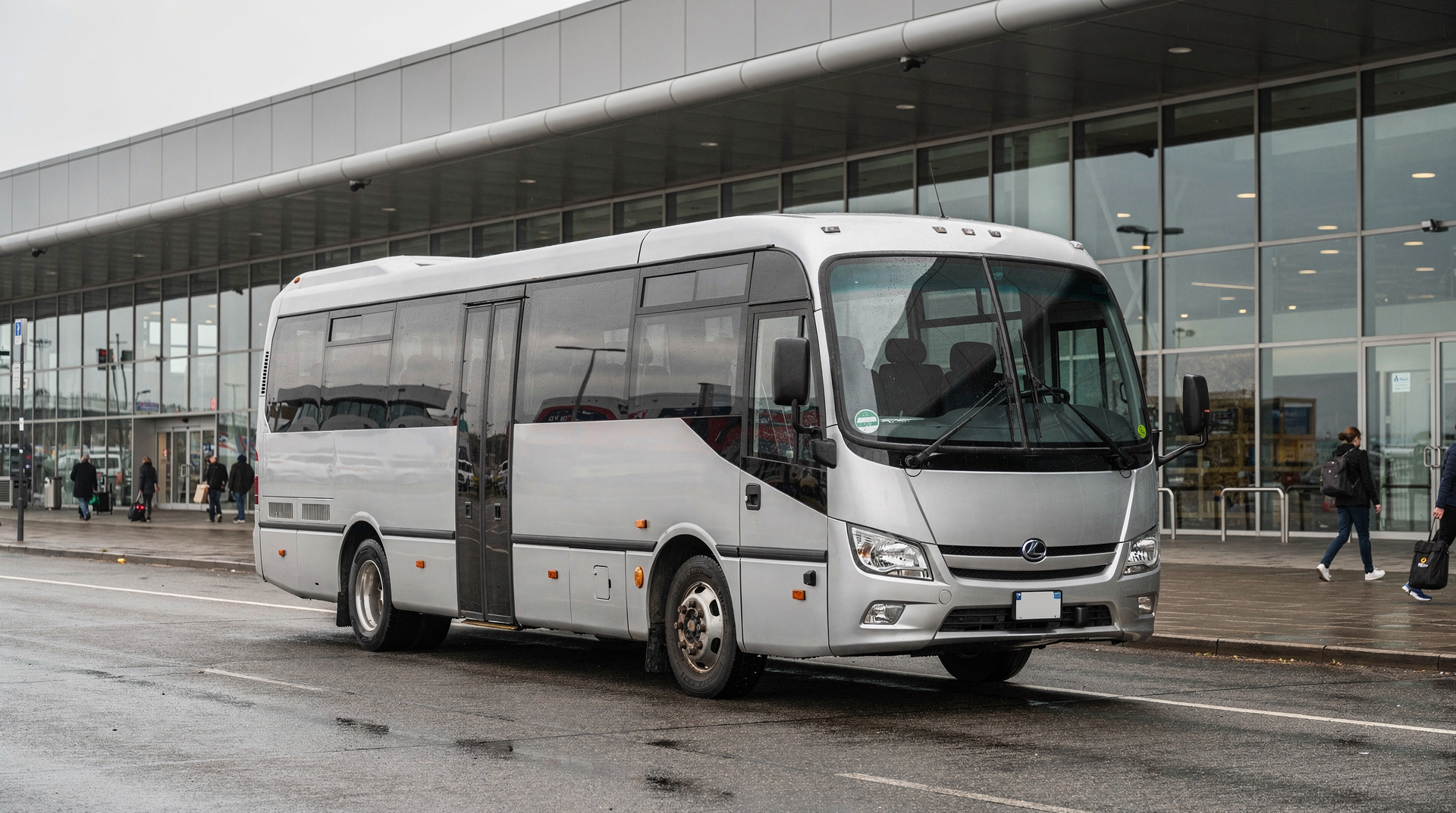
Airport note: the Airport Express (bus 100E) is included only in the 72-hour PLUS version. Factor this into your airport transfer calculation — the Budapest airport to city centre guide covers all options including the 100E, metro M3, and private transfers.
The 72h card vs the hop-on hop-off
This comparison is worth a direct answer. The hop-on hop-off bus with Danube cruise (Big Bus) also includes a Danube cruise and costs approximately 12,000–16,000 HUF for 24 hours. It does not include public transport.
For a 3-day trip, the Budapest Card can be better value than the hop-on hop-off — the Card covers transport for the whole stay and adds free programmes. For a 1-day orientation visit, the hop-on hop-off’s commentary and open-top bus experience can be more useful than the transport savings.
Budapest Card vs a plain BKK travel pass
If the free programmes don’t interest you, the comparison shifts entirely. A BKK 72-hour transit pass costs around 3,500 HUF against 29,990 HUF for the 72-hour Budapest Card — the Card only closes that gap through the free programmes and the discounts. The Budapest Card vs single tickets guide runs the numbers side by side for different travel styles, and the is Budapest expensive guide gives broader context on where a card purchase fits into overall trip costs. If you’re travelling on a tight budget, the Budapest on a budget guide leans toward the plain transit pass plus paying individual entries as you go.
Danube cruises
If a Danube cruise is a priority, compare the wider market first — the best Danube cruises guide covers sunset, dinner and private options.
Practical tips for Budapest Card holders
Check the official conditions. Validity and usage rules are on the official BKK site; read them before you buy.
For broader planning context, the first time in Budapest guide covers what to prioritise on a short trip, and the Budapest 3-day itinerary shows a sample route where the Card makes practical sense.
Frequently asked questions about Budapest Card review
What does the Budapest Card include?
The Budapest Card includes unlimited use of BKK public transport, more than 30 free visits and activities, and discounts of 10 to 25% at restaurants, cafés, museums and baths. See the official BKK site for the current list.How much does the Budapest Card cost?
Official prices for adults: from 17,990 HUF for 24 hours, 23,990 HUF for 48 hours, 29,990 HUF for 72 hours and 38,990 HUF for 96 hours. Sold online or at more than 300 points of sale, including the BKK customer centres at Deák Ferenc tér and the airport.Does the Budapest Card include thermal baths?
Only the Lukács thermal bath is among the free programmes. Other baths are not included, but the card gives discounts of 10 to 25% at some baths.Is the Budapest Card worth it for 3 days?
It depends on your itinerary. If you're using public transport multiple times a day and using several of the free programmes, the card can pay off. If you're primarily walking and bathing, a BKK travel pass is cheaper.Where can I buy the Budapest Card?
Online or at more than 300 points of sale, including the BKK customer centres at Deák Ferenc tér and the airport.Does the Budapest Card cover airport transport?
The Airport Express (bus 100E) is included in the 72-hour PLUS version of the card (39,990 HUF), not in the standard cards.Can I share a Budapest Card between two people?
Check the conditions on the official BKK site before buying for a group.Does the Budapest Card work for children?
Check the official BKK site for any child conditions before buying.